Handwriting practice Alphabet Worksheets for Ages 4-7 - Page 2
40 filtered results
-
From - To
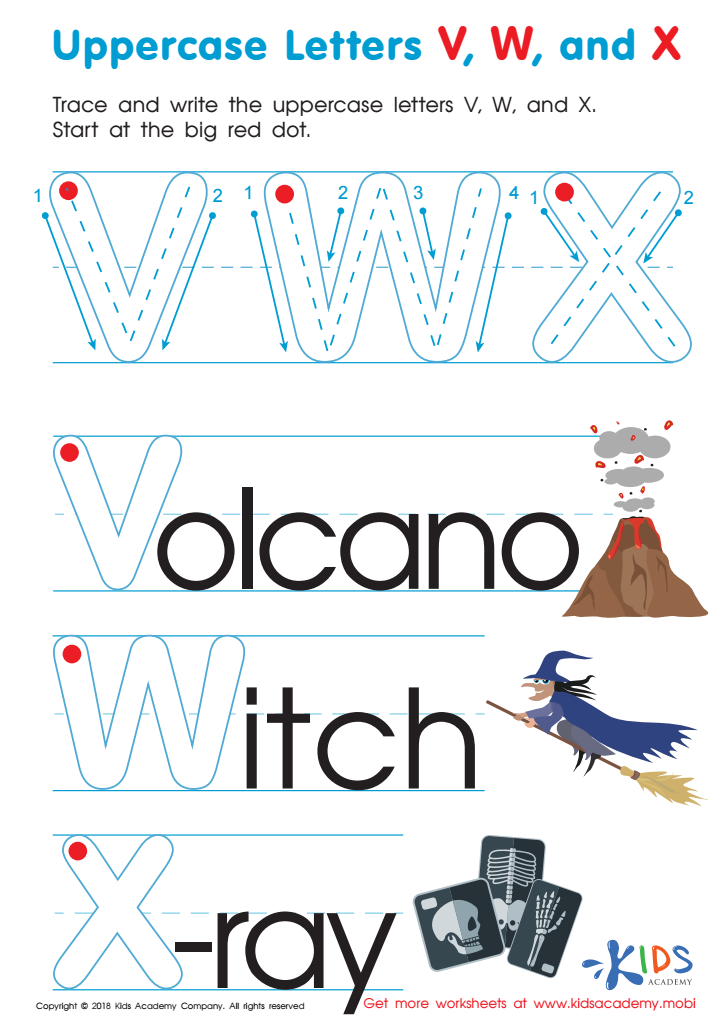
Uppercase Letters V, W, and X Worksheet
 Assign to My Students
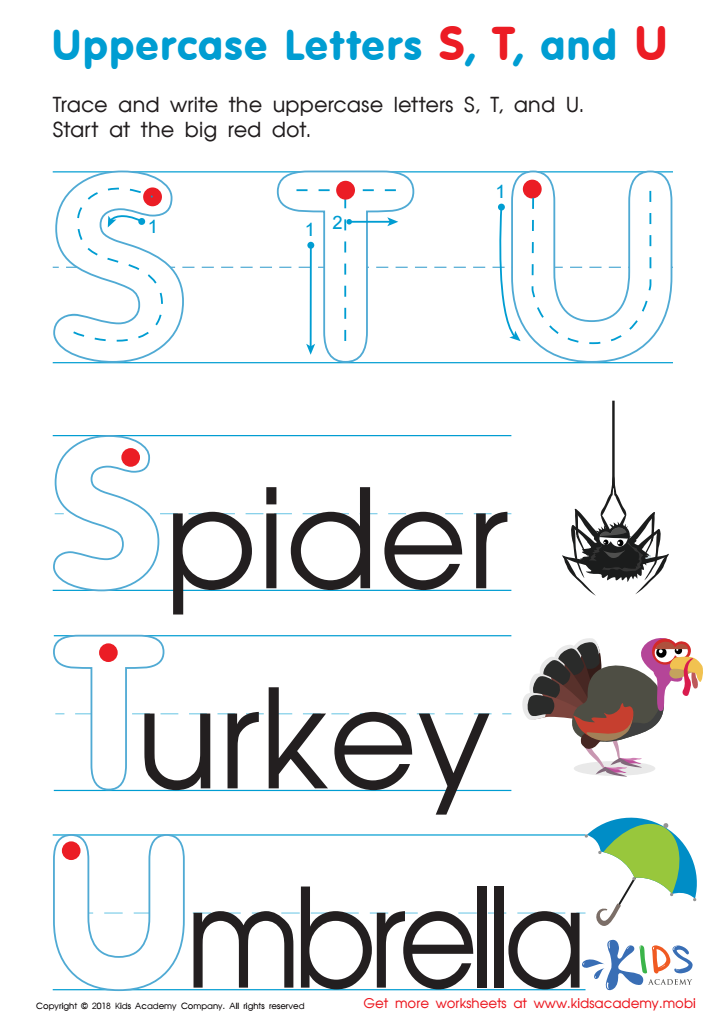
Uppercase Letters S, T, and U Worksheet
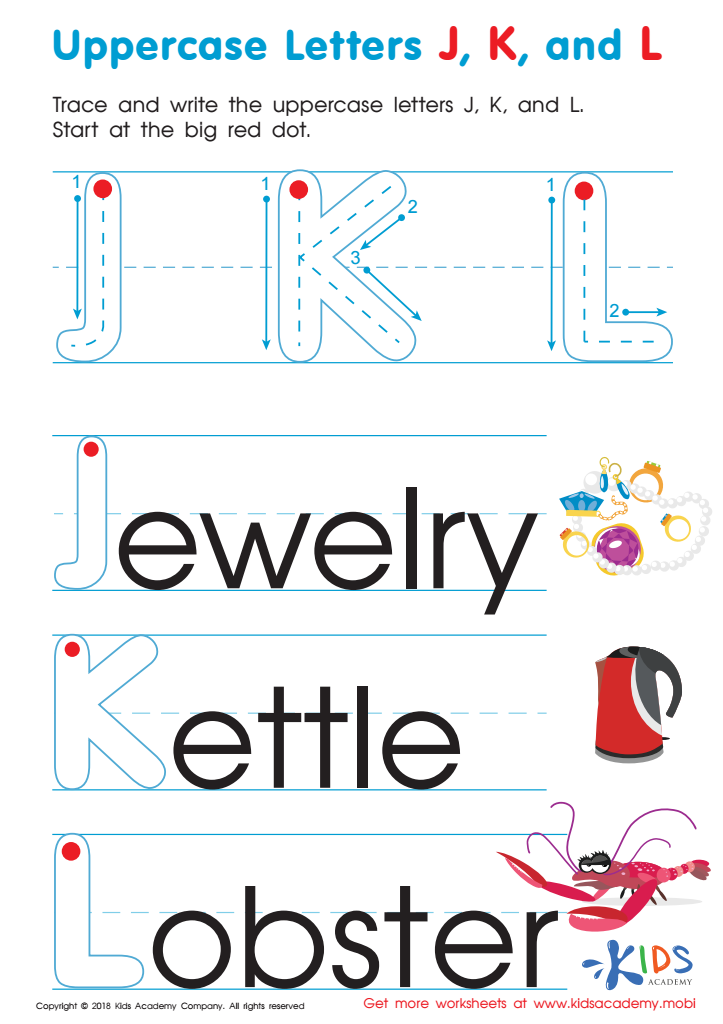
Uppercase Letters J, K, and L Worksheet
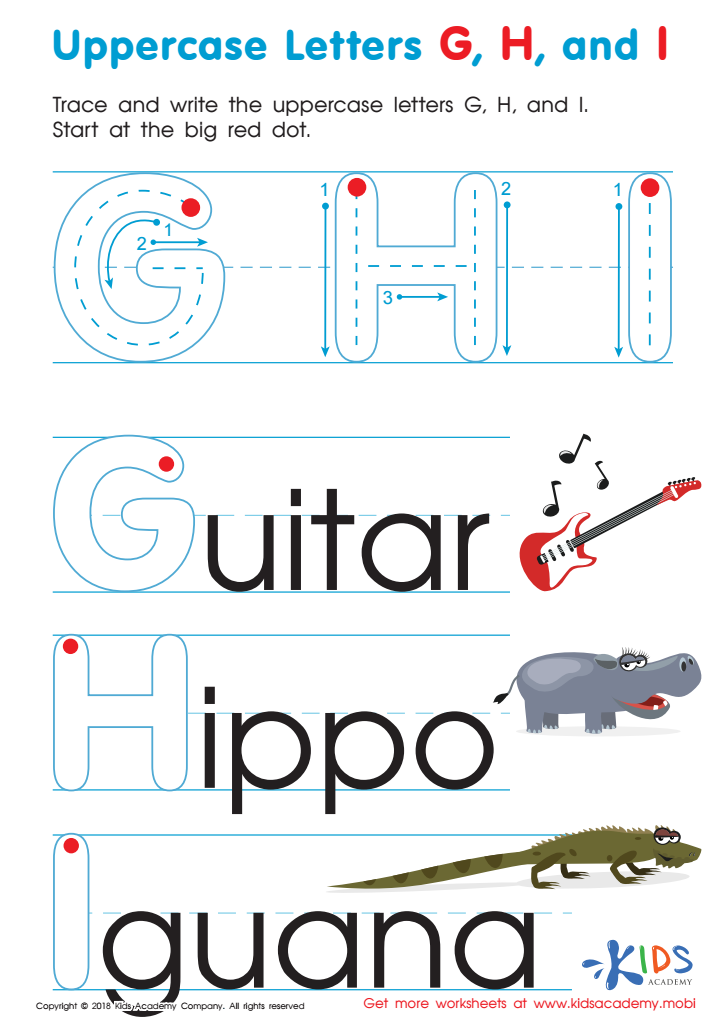
Uppercase Letters G, H, and I Worksheet
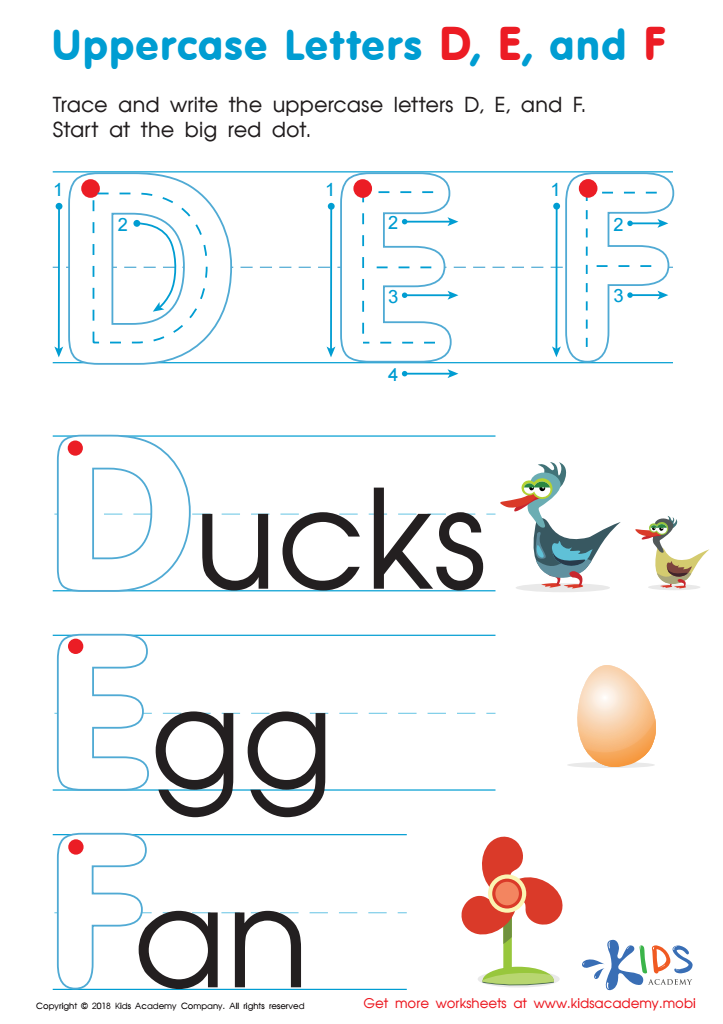
Uppercase Letters D, E, and F Worksheet
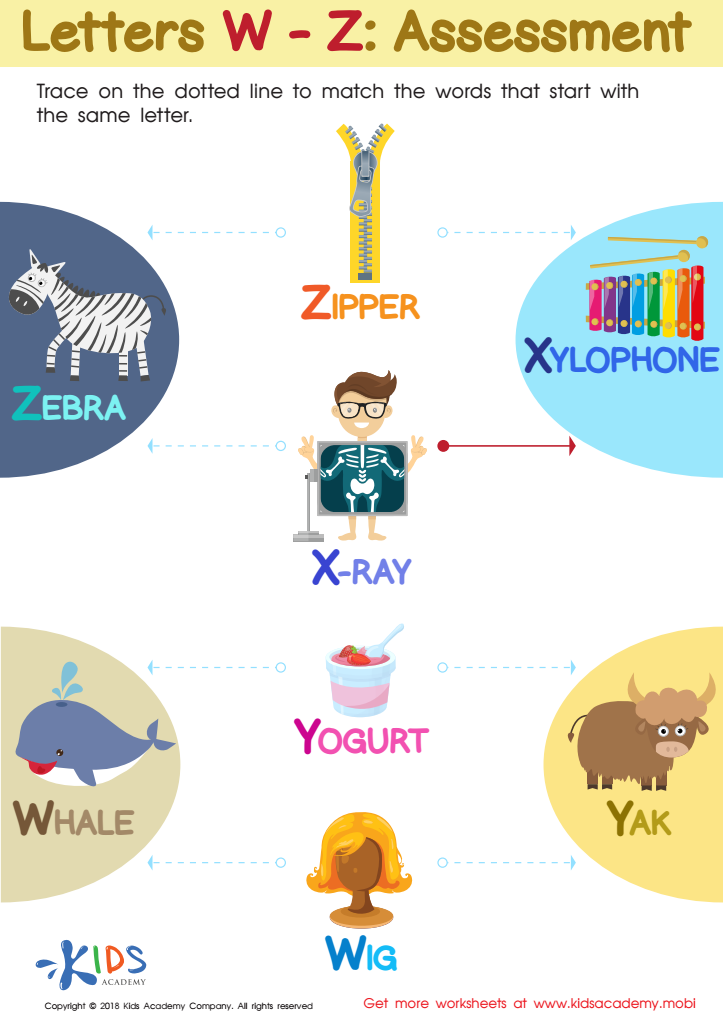
Letters W–Z Tracing Worksheet
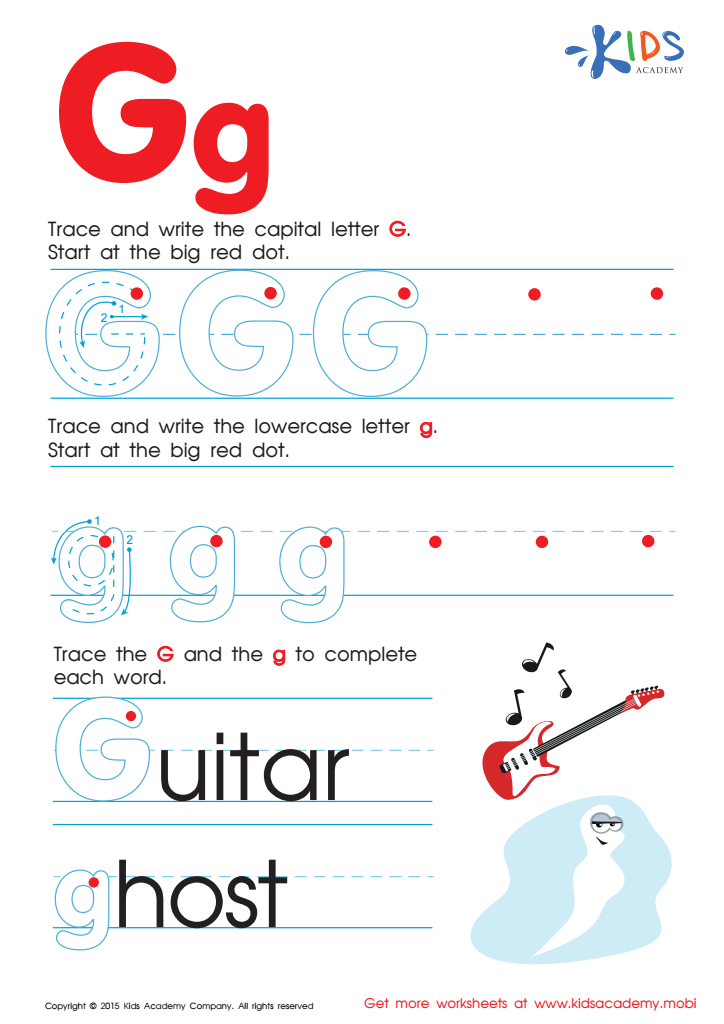
Letter G Tracing Page
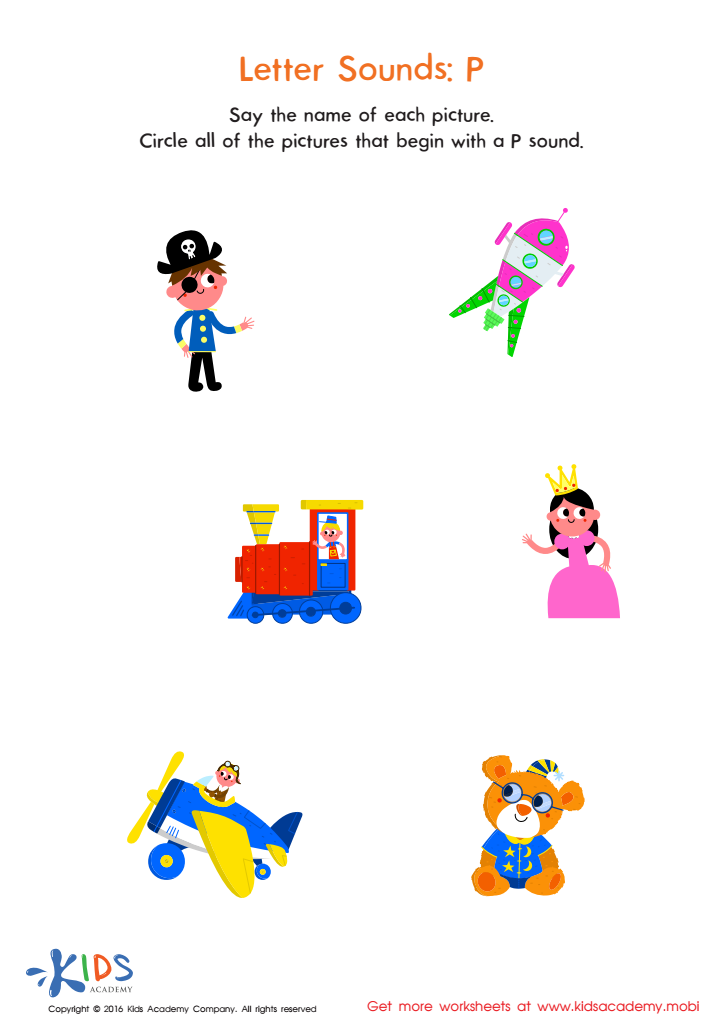
Letter P Sound Worksheet
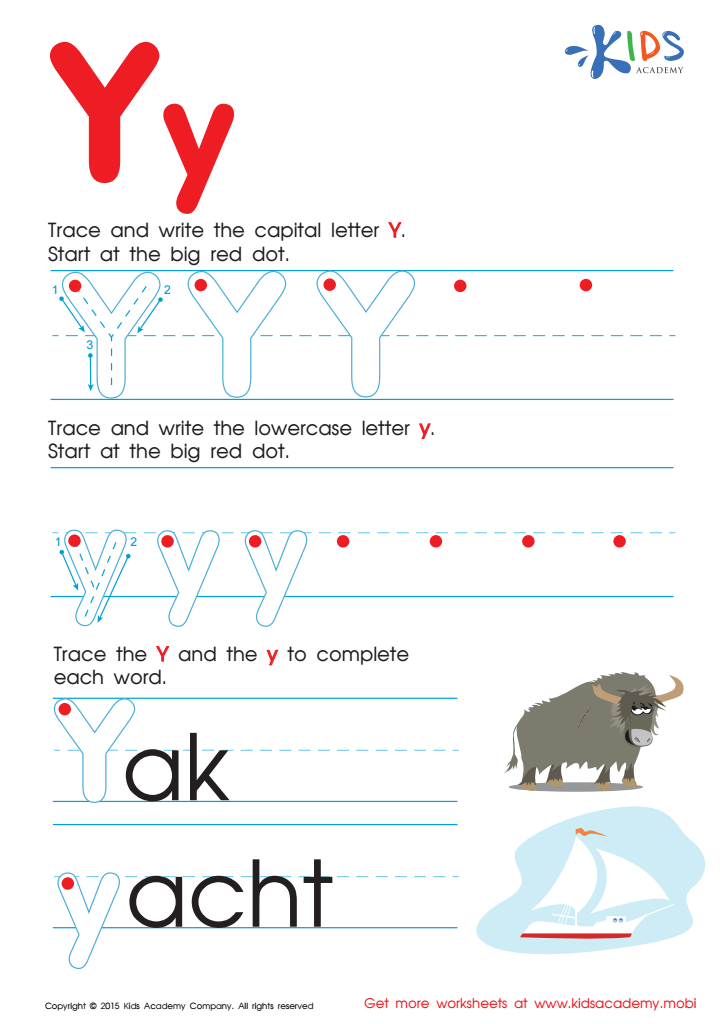
Letter Y Tracing Page
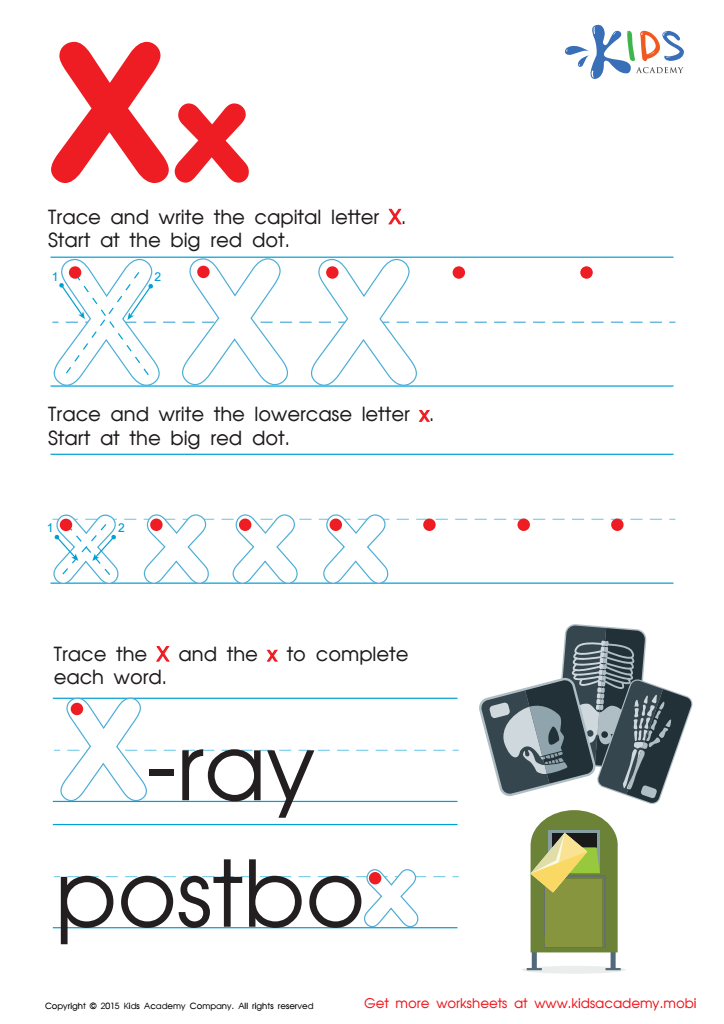
Letter X Tracing Page
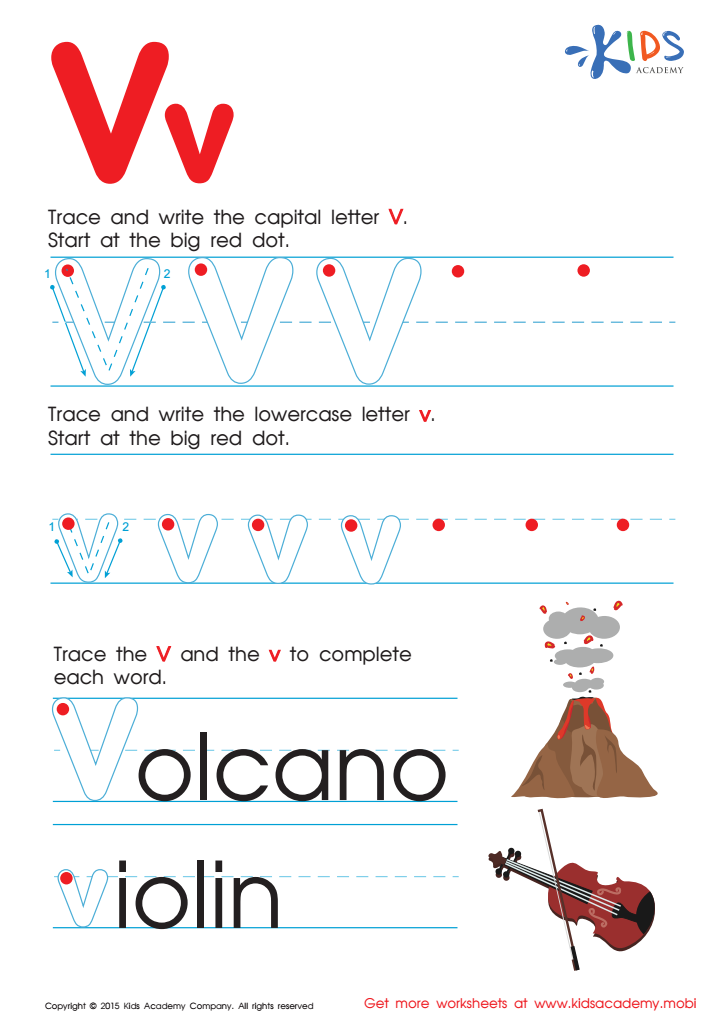
Letter V Tracing Page
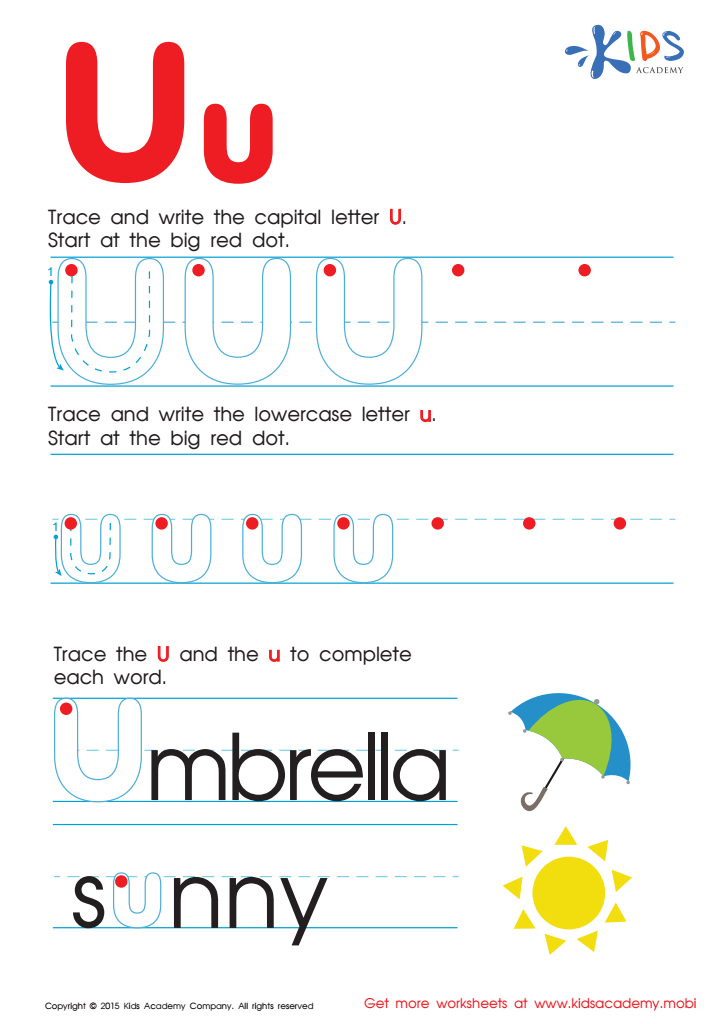
Letter U Tracing Page
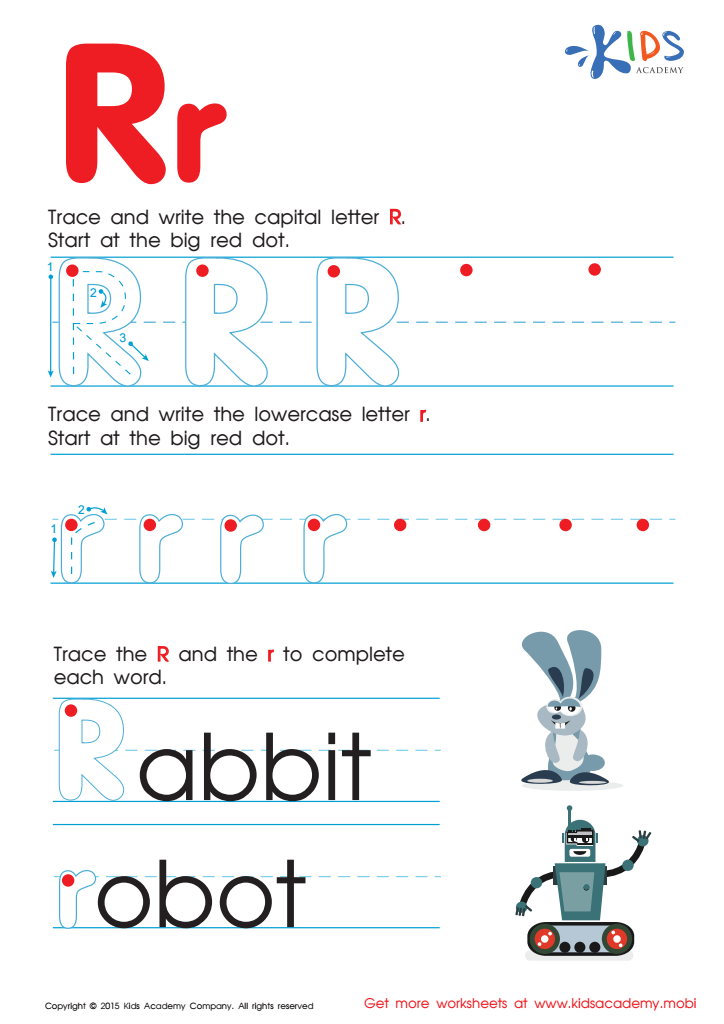
Letter R Tracing Page
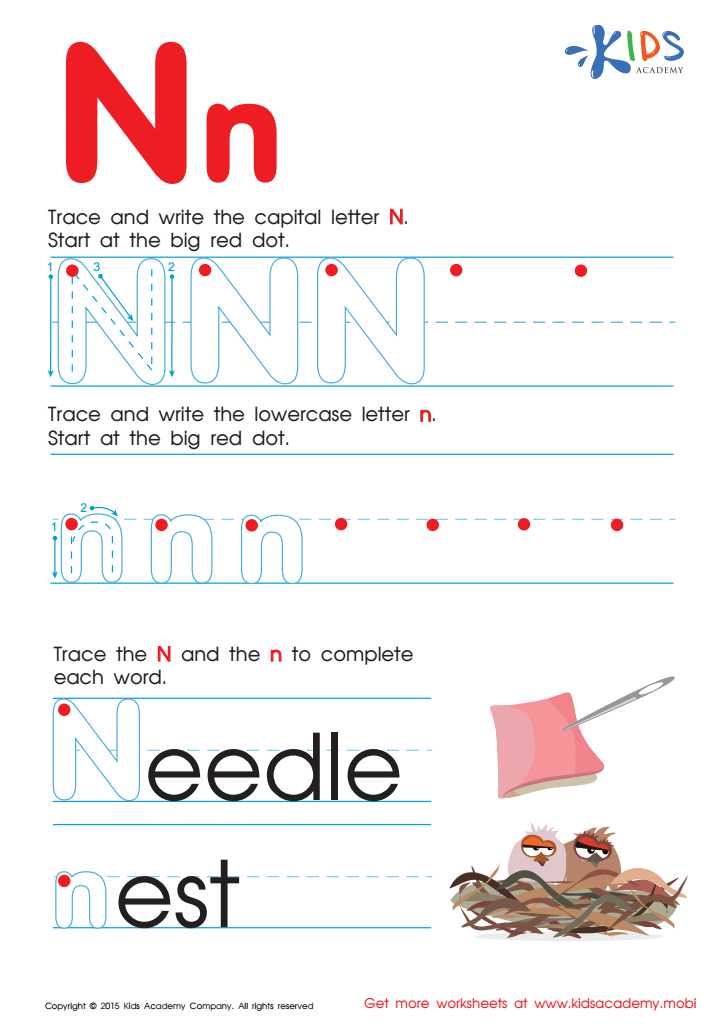
Letter N Tracing Page
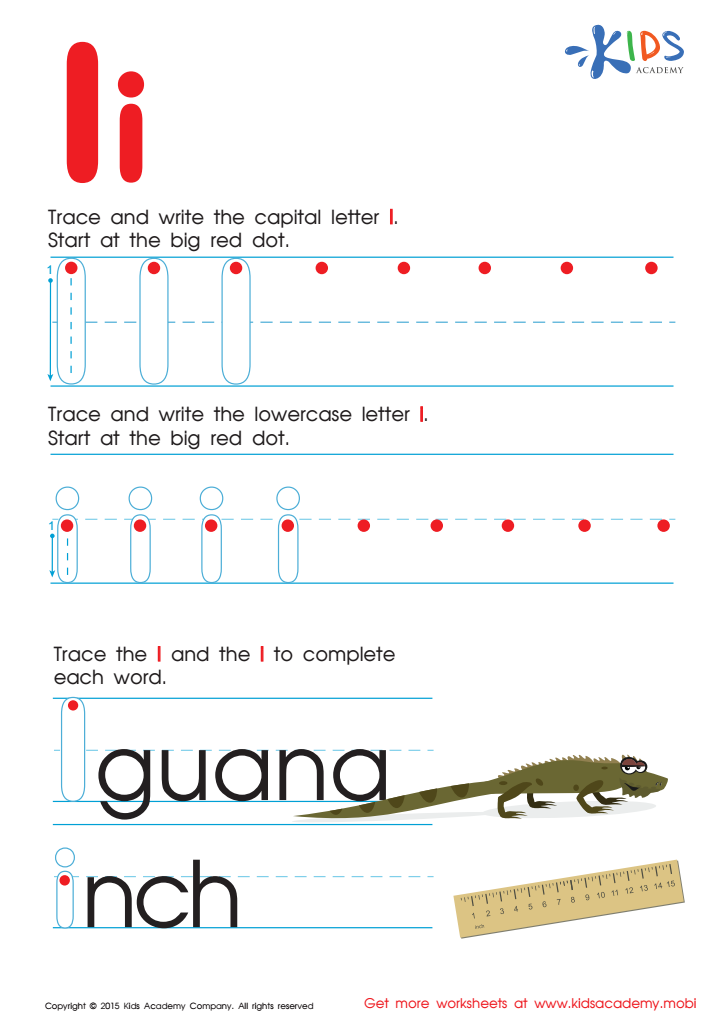
Letter I Tracing Page
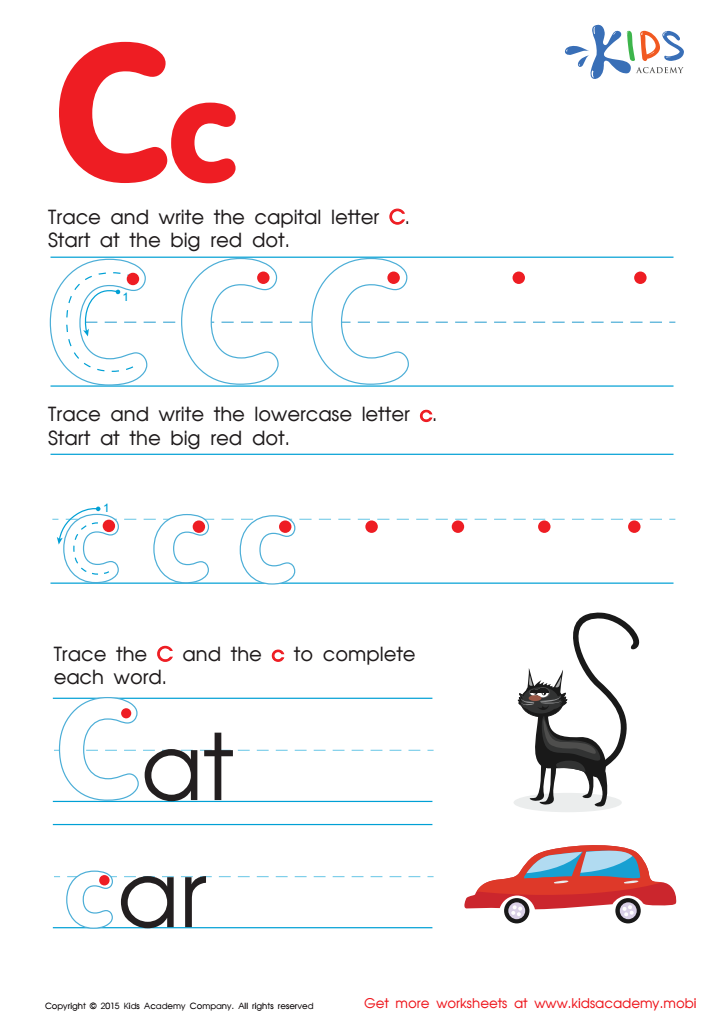
Letter C Tracing Page





Handwriting practice for children aged 4-7 plays a critical role in their early education and development. Firstly, learning to write the alphabet helps kids develop fine motor skills. These skills are essential for tasks that require hand-eye coordination, such as buttoning clothes and using utensils. Practicing handwriting also stimulates brain development by linking hand movements with visual processing.
Additionally, handwriting practice lays the foundation for literacy. When children write letters, they become more familiar with their shapes and sounds, which improves their reading abilities. Since clear handwriting is essential for effective communication, establishing good habits early reduces the likelihood of poor penmanship and the frustrations it can cause in later years.
Moreover, handwriting exercises teach patience, discipline, and attention to detail. These qualities are not only crucial for academic success but also foster a strong work ethic. In today’s digital age, people often argue that typing has made handwriting obsolete. However, multiple studies show that the act of writing by hand enhances memory and helps with learning concepts more effectively than typing.
In summary, handwriting practice for ages 4-7 is about more than just writing letters. It supports fine motor skill development, cognitive growth, literacy, and important character traits, giving children a stronger academic and developmental foundation.







