Phonics Worksheets for Ages 4-7 - Page 10
224 filtered results
-
From - To
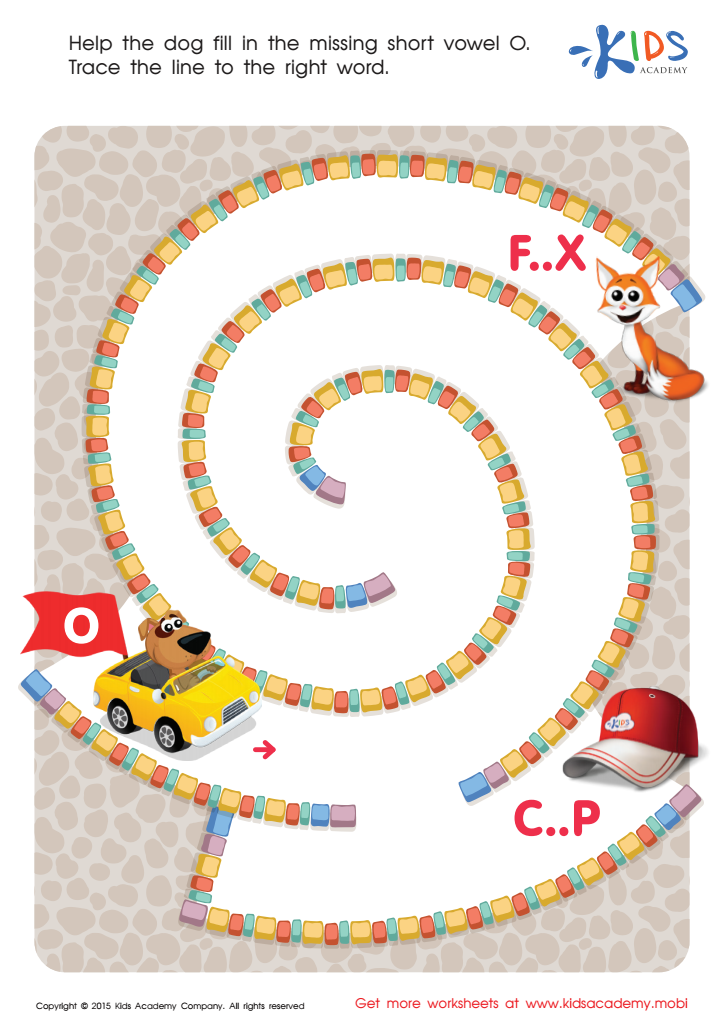
Short Vowel Sound O Worksheet
 Assign to My Students
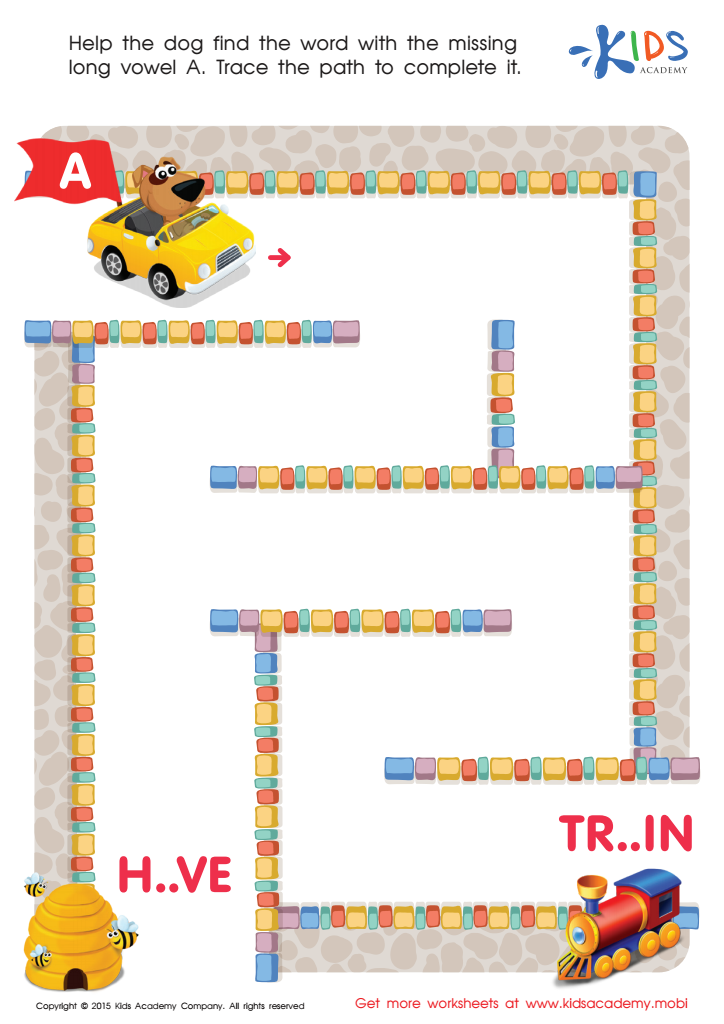
Long Vowel Sound A Worksheet
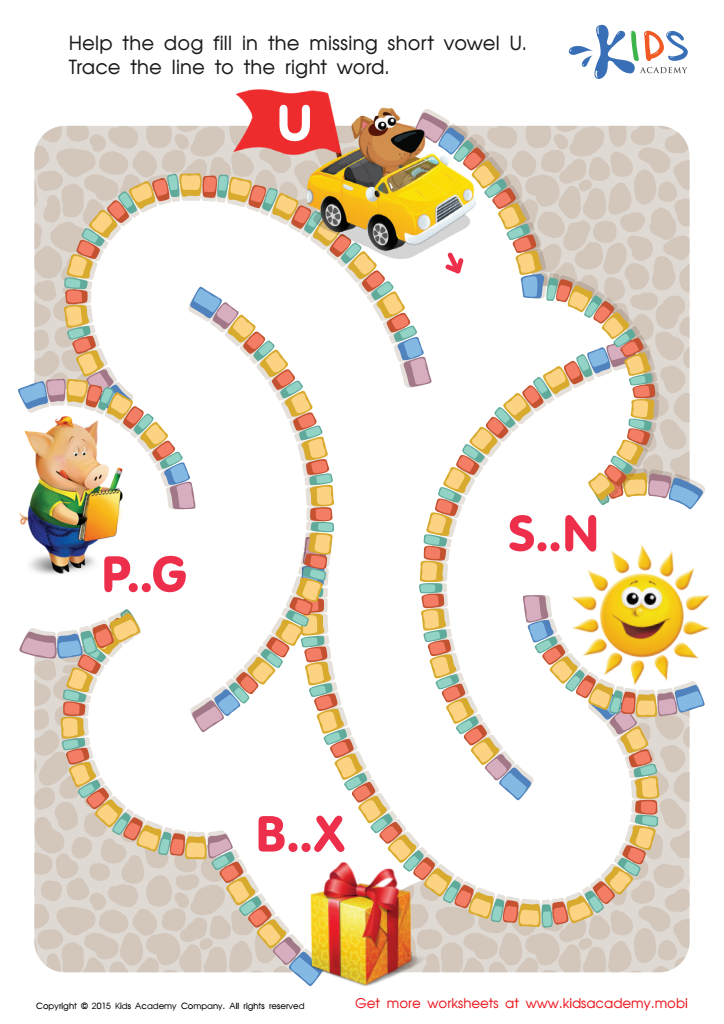
Short Vowel Sound U Worksheet
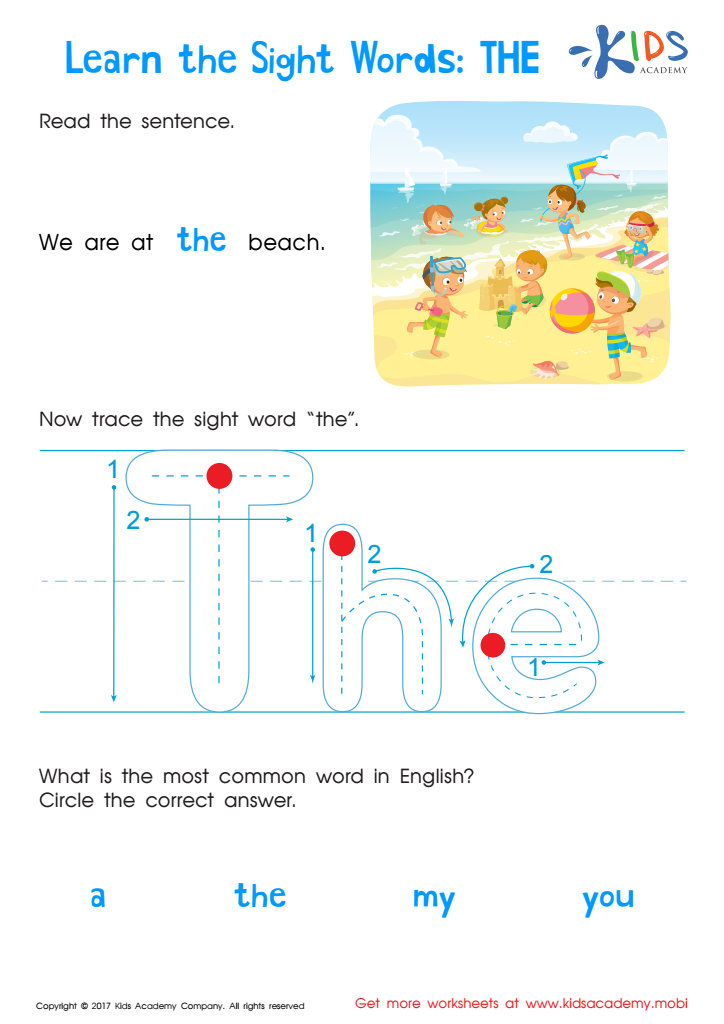
Sight Words: The Worksheet
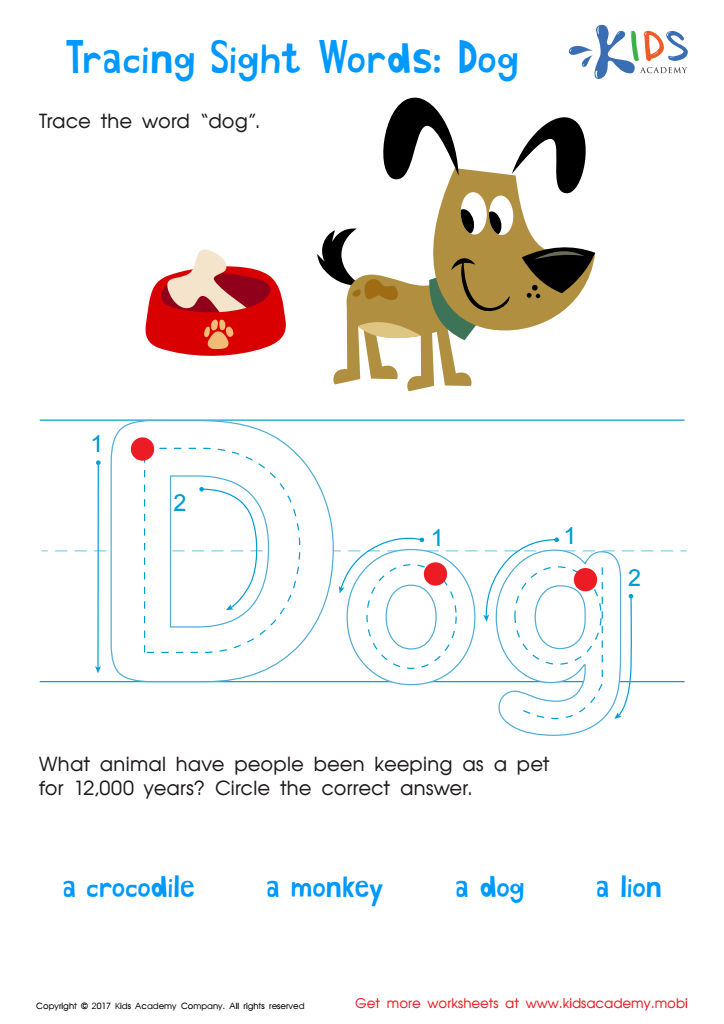
Dog Worksheet Sight Words Worksheet
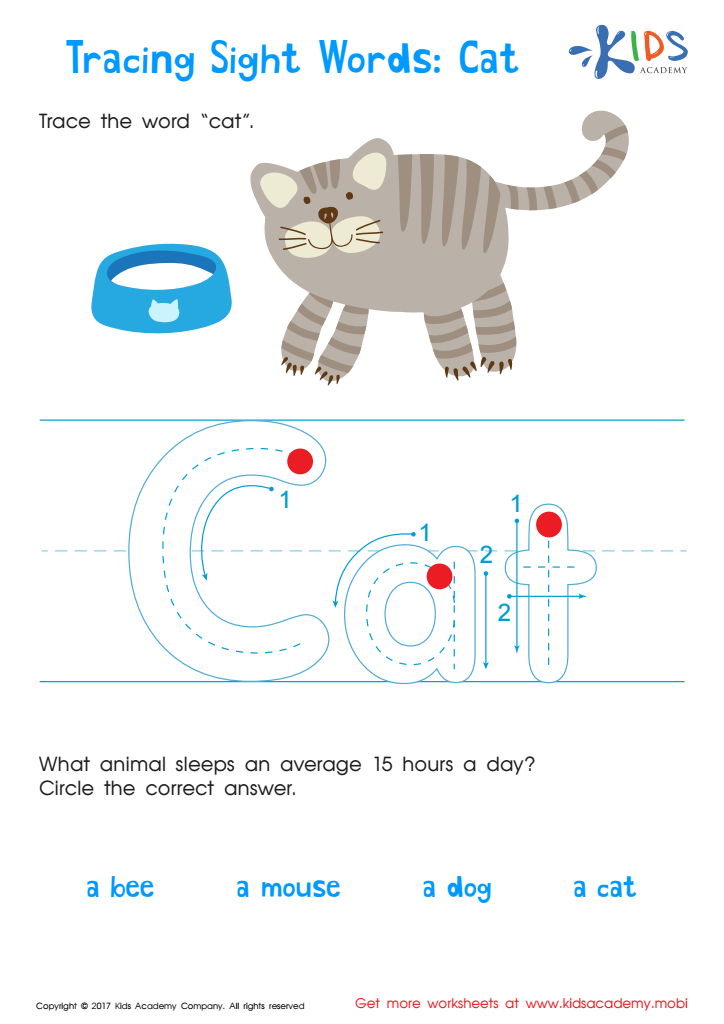
Cat Printable Sight Words Worksheet
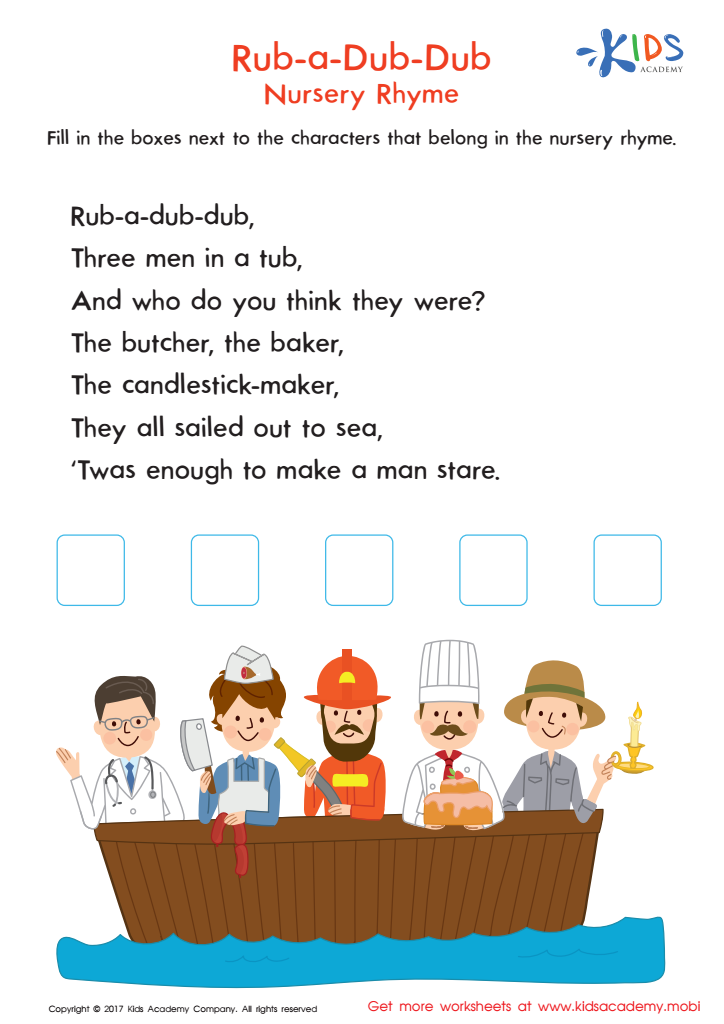
Rub a Dub Dub Printable
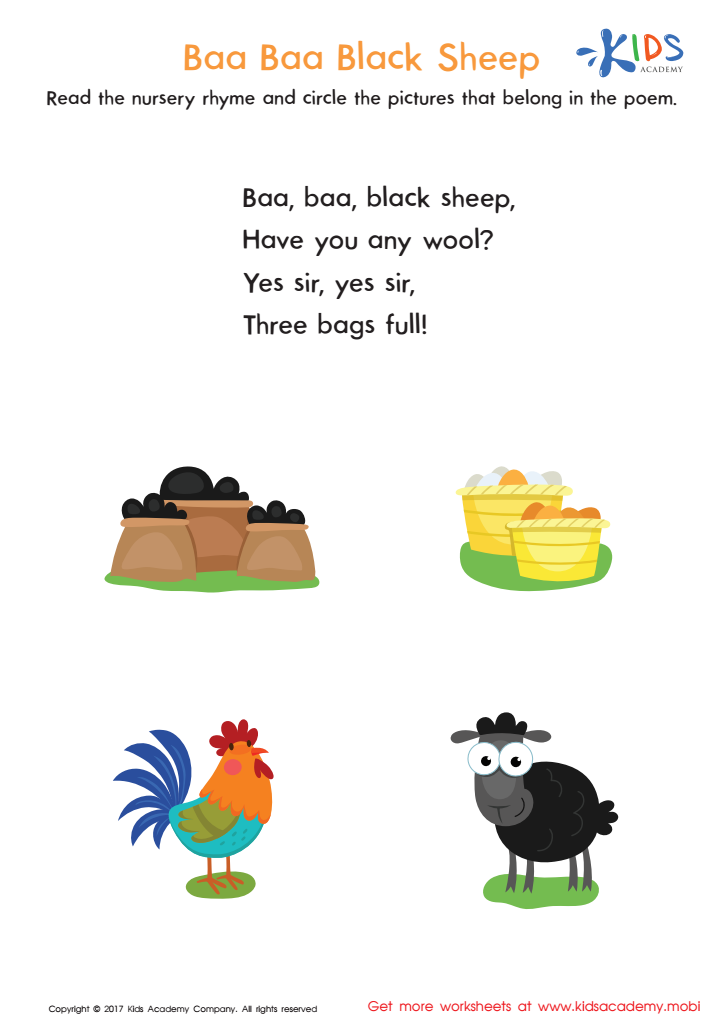
Baa Baa Black Sheep Printable








Phonics plays a crucial role in early childhood education, particularly for children aged 4-7, as it lays the groundwork for future literacy success. During these formative years, children's brains are exceptionally receptive to language learning. Phonics teaches children the relationships between letters and sounds, enabling them to decode new words accurately. Early mastery of this skill boosts confidence in reading, leading to a positive attitude towards learning.
When parents and teachers emphasize phonics, they provide children with invaluable tools for reading comprehension and word recognition. This foundation is essential not only for fluency in reading but also for overall academic achievement; proficient readers tend to excel in other subjects too, as most learning materials rely on written text.
Moreover, phonics instruction can help identify children who may have learning difficulties, allowing for early interventions that can address and mitigate potential problems before they escalate. Providing structured and systematic phonics education from an early age thus ensures a level playing field and gives every child the opportunity to succeed.
Ultimately, investing time and resources into phonics for young children nurtures a love for reading, fosters cognitive development, and equips children with the skills necessary for lifelong learning. For these reasons, both parents and teachers should prioritize phonics education in the early years.







