Reading comprehension Reading Worksheets for Ages 4-7 - Page 2
187 filtered results
Difficulty Level
Grade
Age
-
From - To
Subject
Activity
Standards
Favorites
With answer key
Interactive
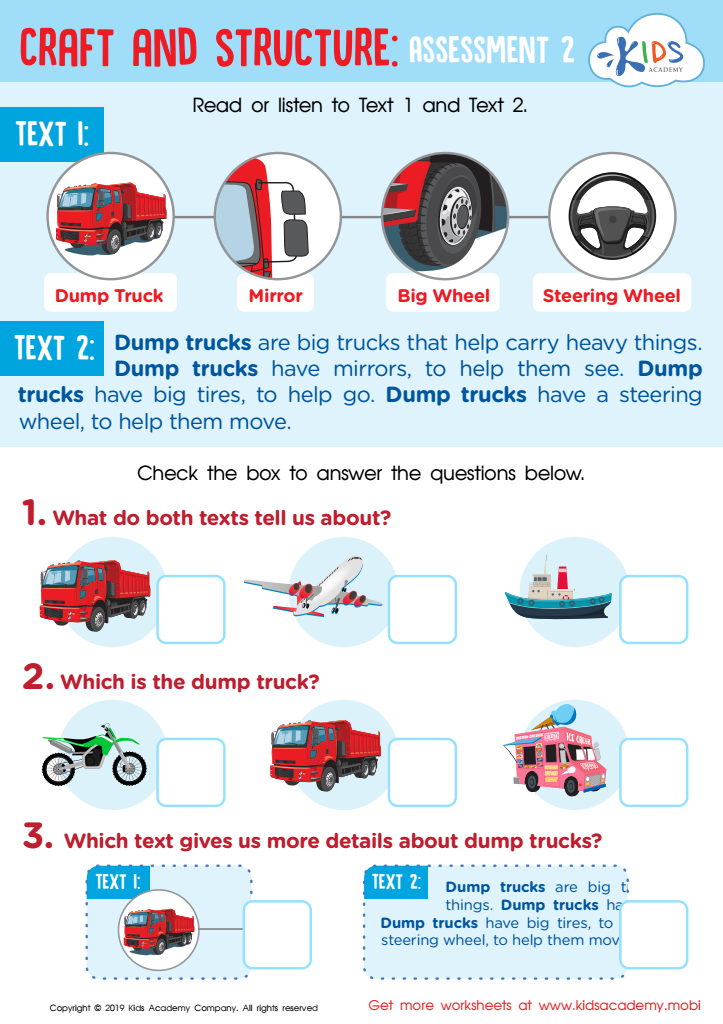
Craft and Structure: Assessment 2 Worksheet
Good readers need to analyze text features and use picture clues to understand. This assessment worksheet gives your child info in different formats and they can show understanding using answer options to check the correct answers. (80 words)
 Assign to My Students
Craft and Structure: Assessment 2 Worksheet
Worksheet
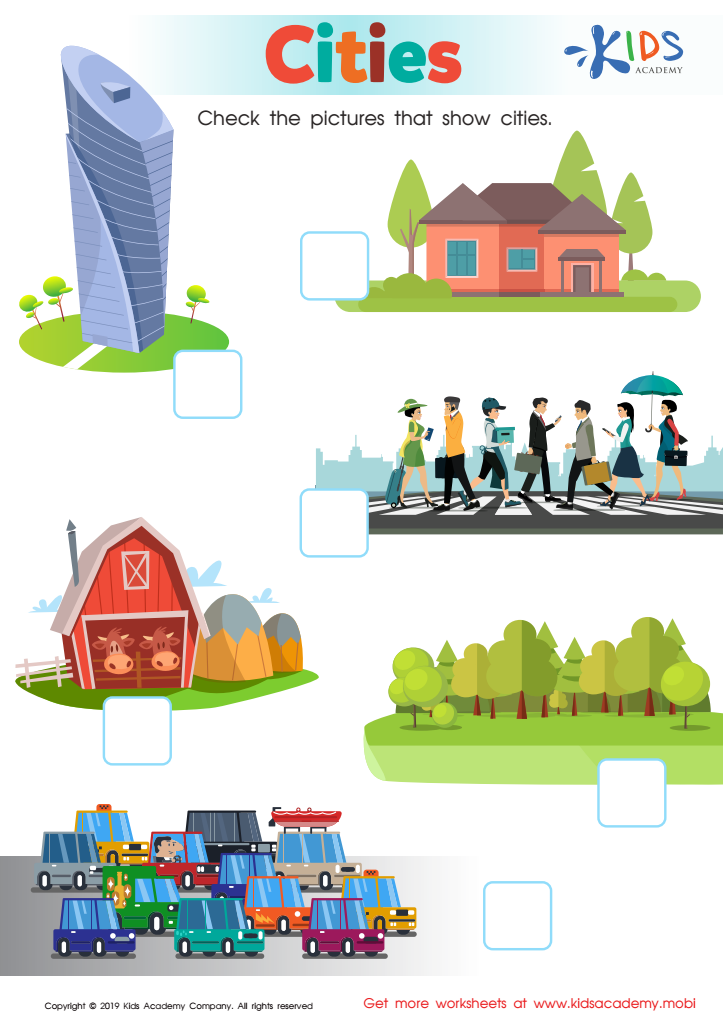
Cities Worksheet
This social studies PDF introduces kids to the differences between cities and towns. Colorful imagery helps them to distinguish between the two; for example, cities have traffic, business people and skyscrapers, while suburbs and rural areas do not. This allows children to have a reference point for what makes cities unique.
Cities Worksheet
Worksheet
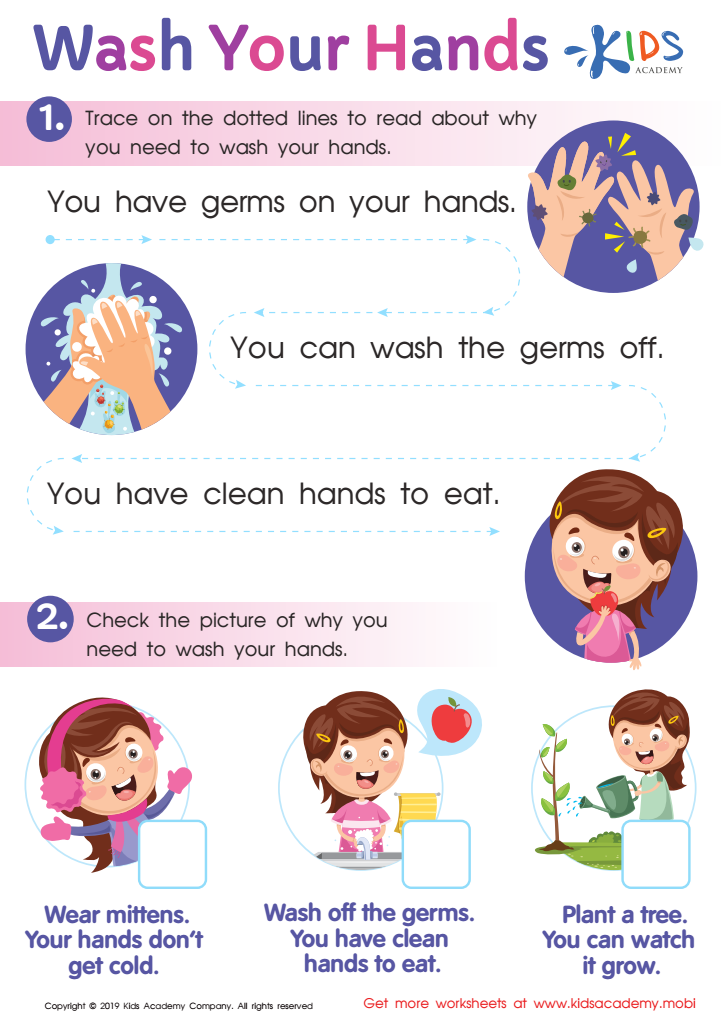
Wash Your Hands Worksheet
Kids learn best when they understand why they need to do something. This free worksheet uses traceable lines and pictures to teach them about germs and why washing hands is important. The child follows a left-to-right sequence and must check the correct picture to show they understand.
Wash Your Hands Worksheet
Worksheet
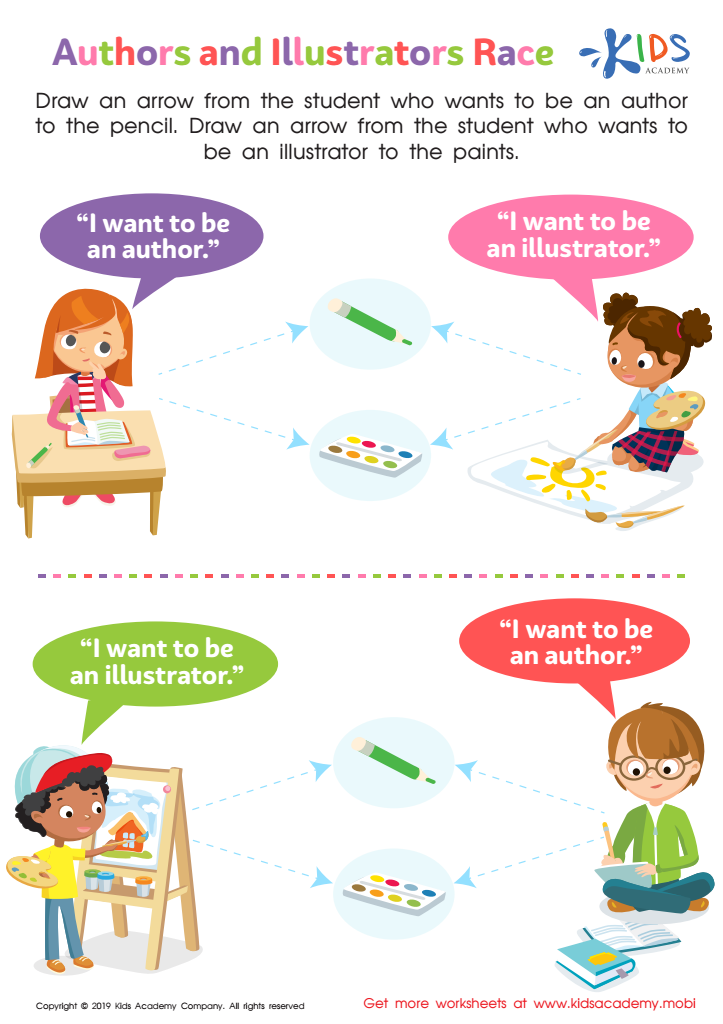
Authors and Illustrators Race Worksheet
Help your child learn about the author and illustrator of a book with this free and colorful worksheet. They'll trace lines to pick the tools used by each and understand the difference between them. It's a great way to introduce fundamental concepts of reading.
Authors and Illustrators Race Worksheet
Worksheet
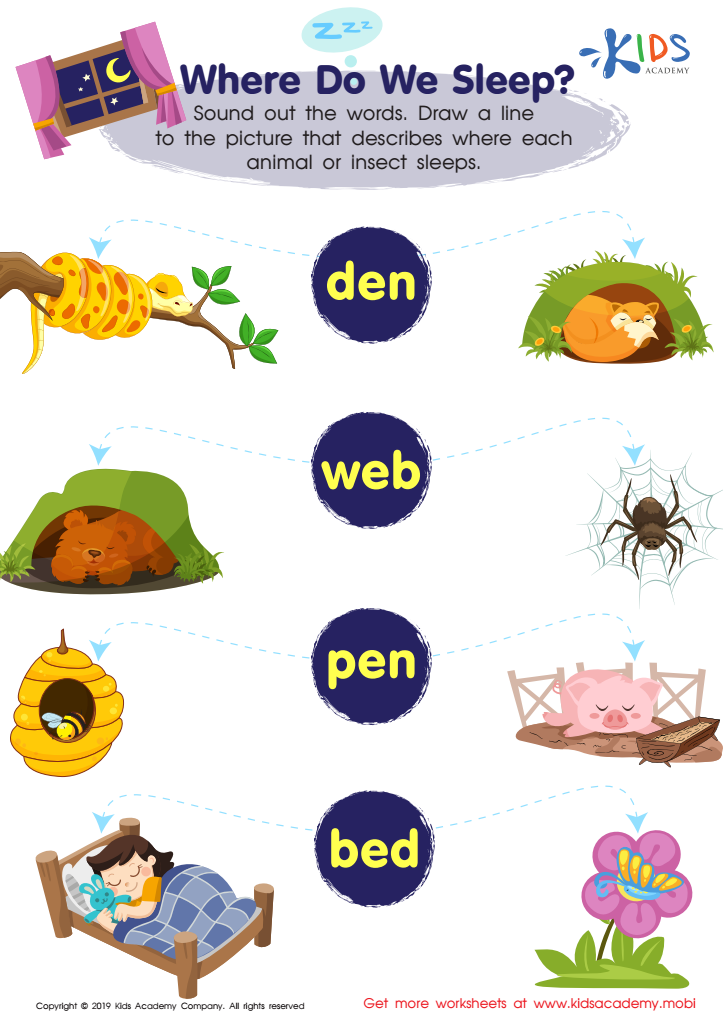
Where Do We Sleep Worksheet
Help your kids understand the importance of a safe space with this activity: Ask them to draw a line connecting the different animals and insects to the words that describe where they sleep. Remind them that everyone needs a sanctuary to rest – like the animals and insects in this printout.
Where Do We Sleep Worksheet
Worksheet
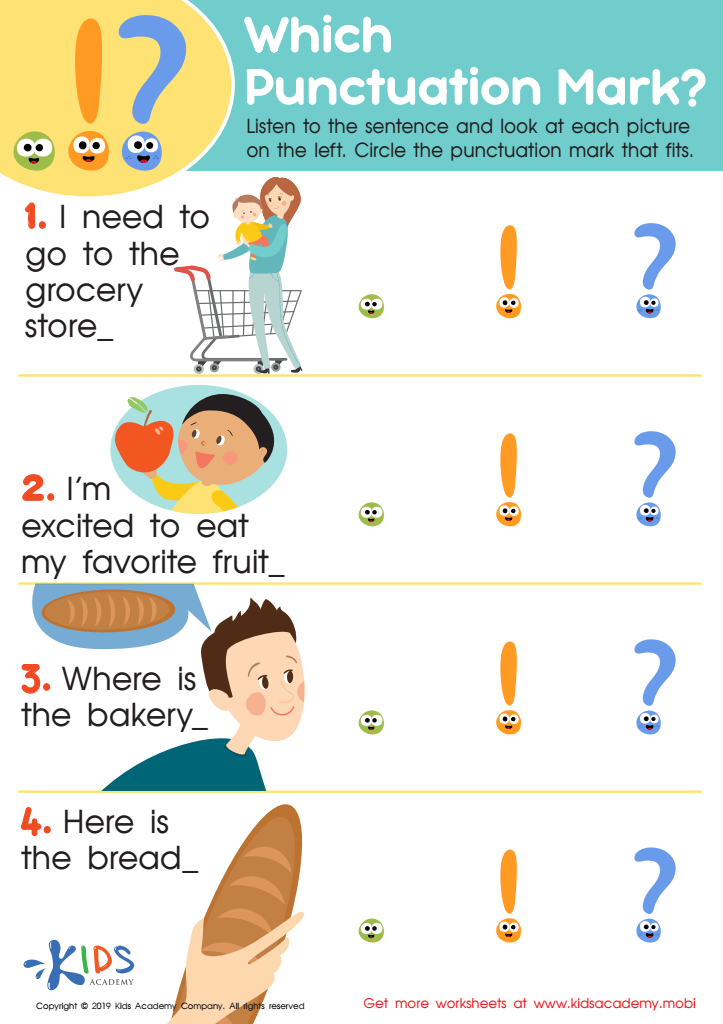
Which Punctuation Mark Worksheet
Punctuation marks are essential for expressing what we say. This worksheet asks your kindergarten student to circle the correct punctuation mark for each sentence. Read each sentence aloud and help them identify the expression needed. A picture accompanies each sentence. Enjoy! (79 words)
Which Punctuation Mark Worksheet
Worksheet
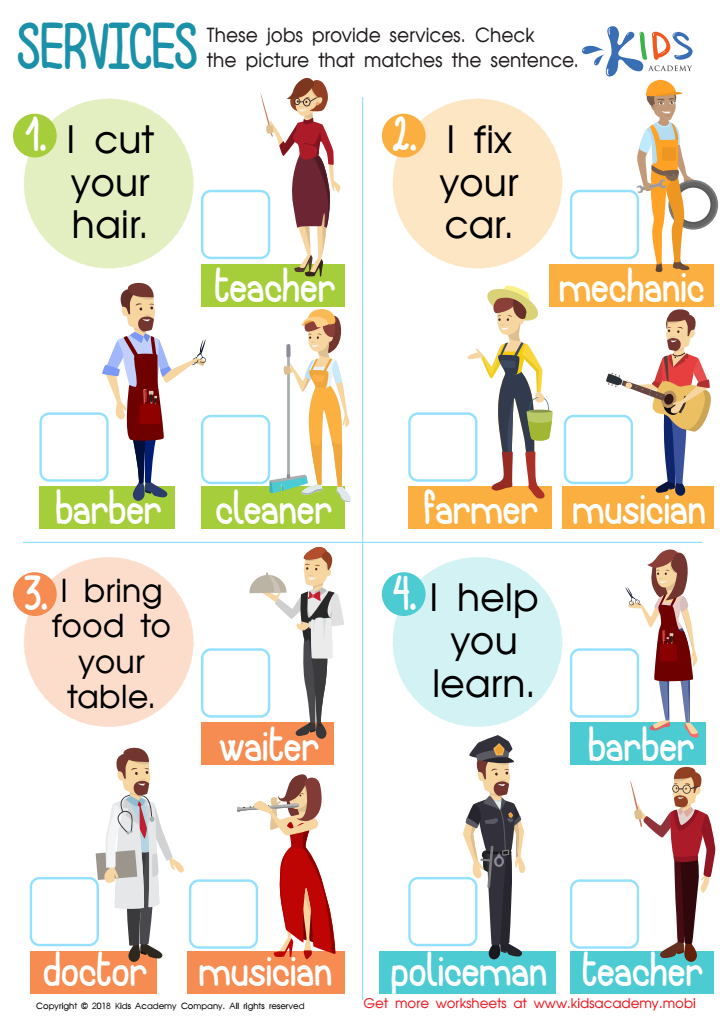
Services Worksheet
Help your child learn the difference between services and goods with this Kids Academy worksheet. Guide your child to read each sentence and select the correct worker who does the job for the service. With this worksheet, your child can learn about common services in the community.
Services Worksheet
Worksheet
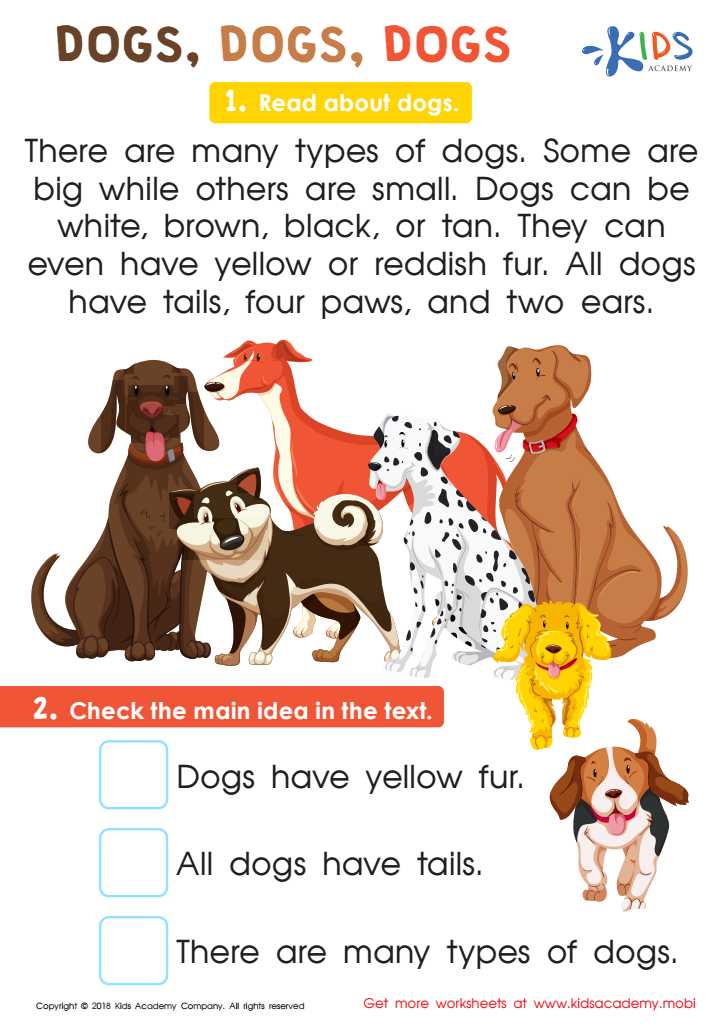
Dogs, Dogs Worksheet
Help your child understand main ideas with this fun doggy worksheet from Kids Academy! Have them read the passage and then discuss the main idea. After that, have them read the answer choices and pick the right one. This will help your kiddo hone their critical reading comprehension skills!
Dogs, Dogs Worksheet
Worksheet
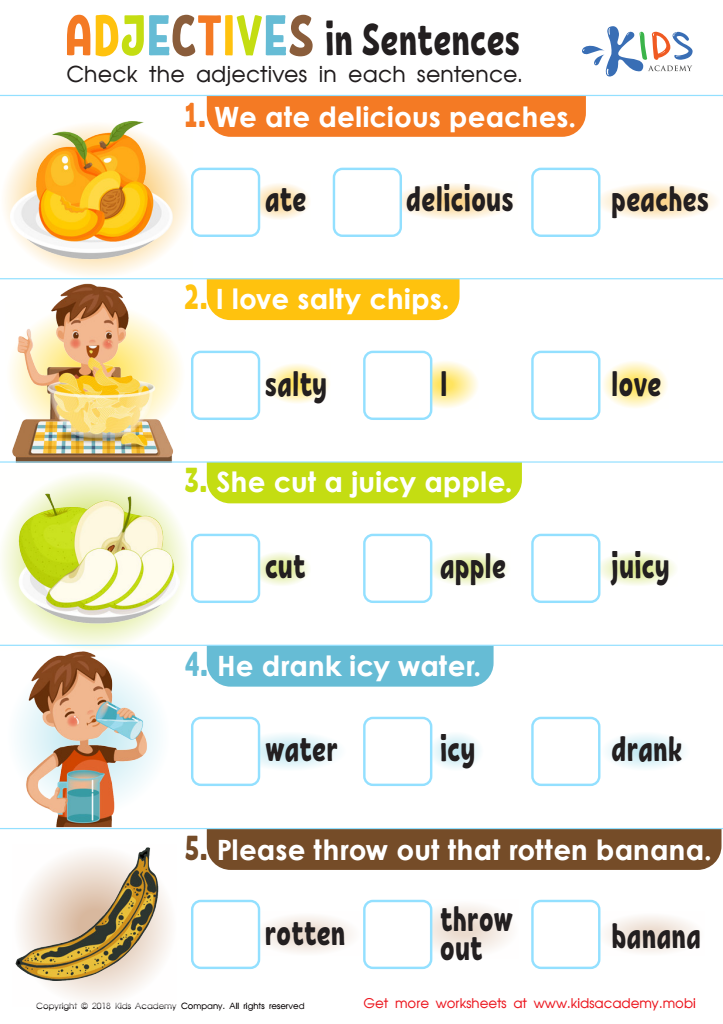
Adjectives in Sentences Worksheet
Our learners can find it hard to use writing to add detail, but adjectives can help. With this fun worksheet, kids can identify adjectives that describe food and drink. Guide them through each sentence, discussing the words and having them choose the one that gives information about the food/drink.
Adjectives in Sentences Worksheet
Worksheet
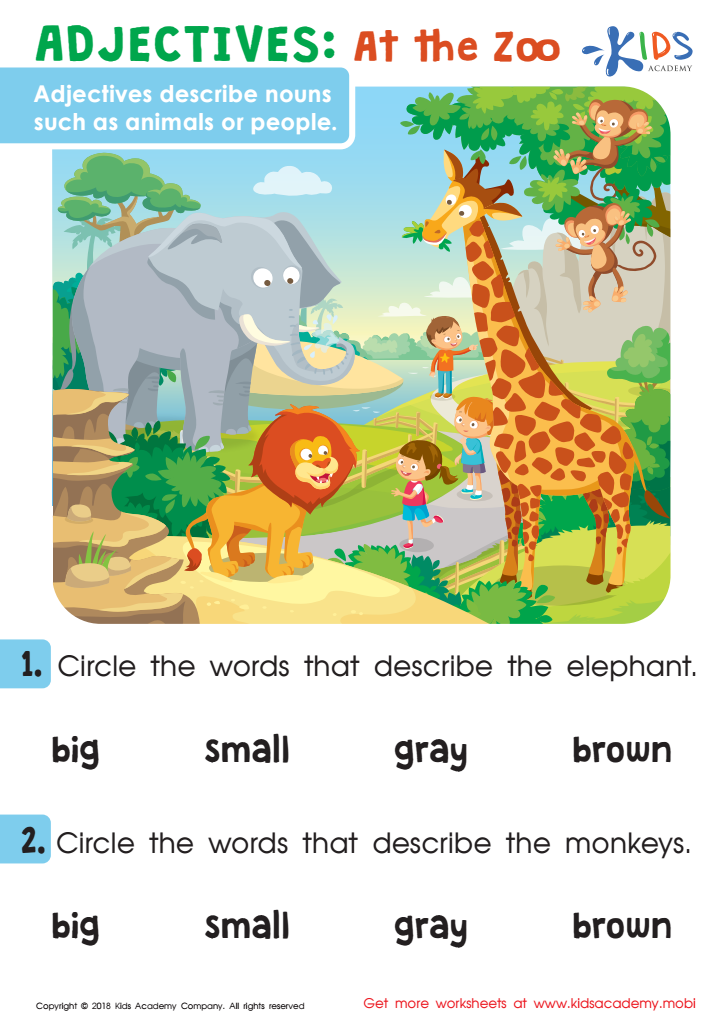
Adjectives: At The Zoo Worksheet
Take your kids to the zoo and ask them about their favorite activities and animals. This worksheet is a great way for kids to learn about adjectives. Explain that adjectives describe nouns like people or animals (e.g. big, tall, dark). Look at the printout with your kids and help them circle words that describe the animals in the picture.
Adjectives: At The Zoo Worksheet
Worksheet
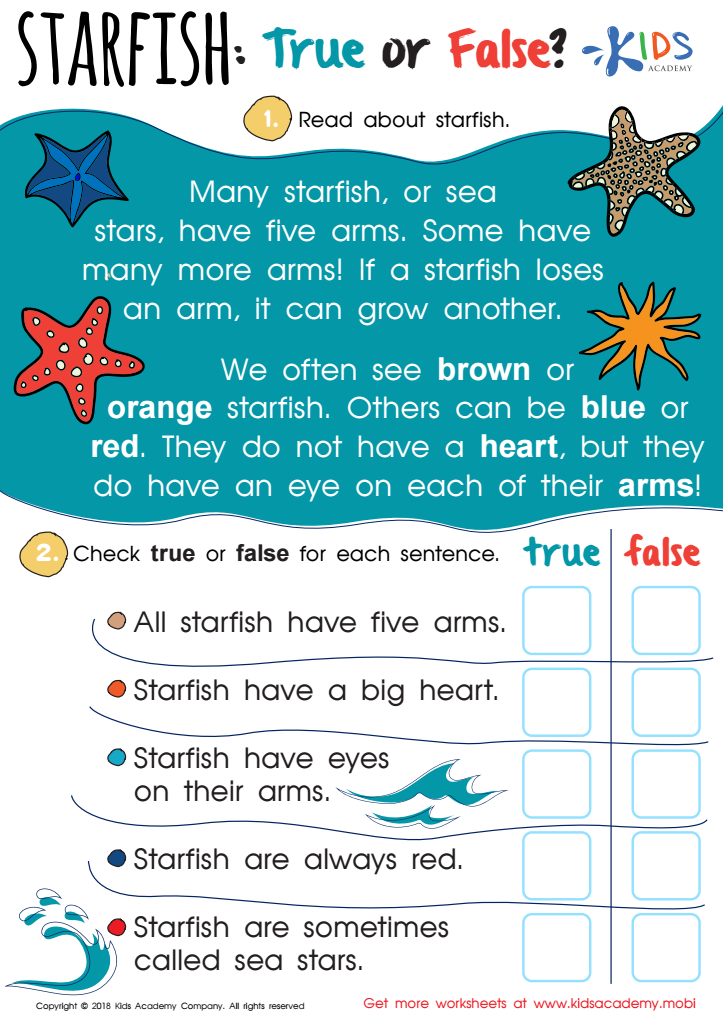
Starfish: True or False Worksheet
This worksheet helps kids learn more about starfish. Ask them what they know and read the text; it explains the creature's arms, color, and sight. At the end, read the questions and help them check true or false for each sentence.
Starfish: True or False Worksheet
Worksheet
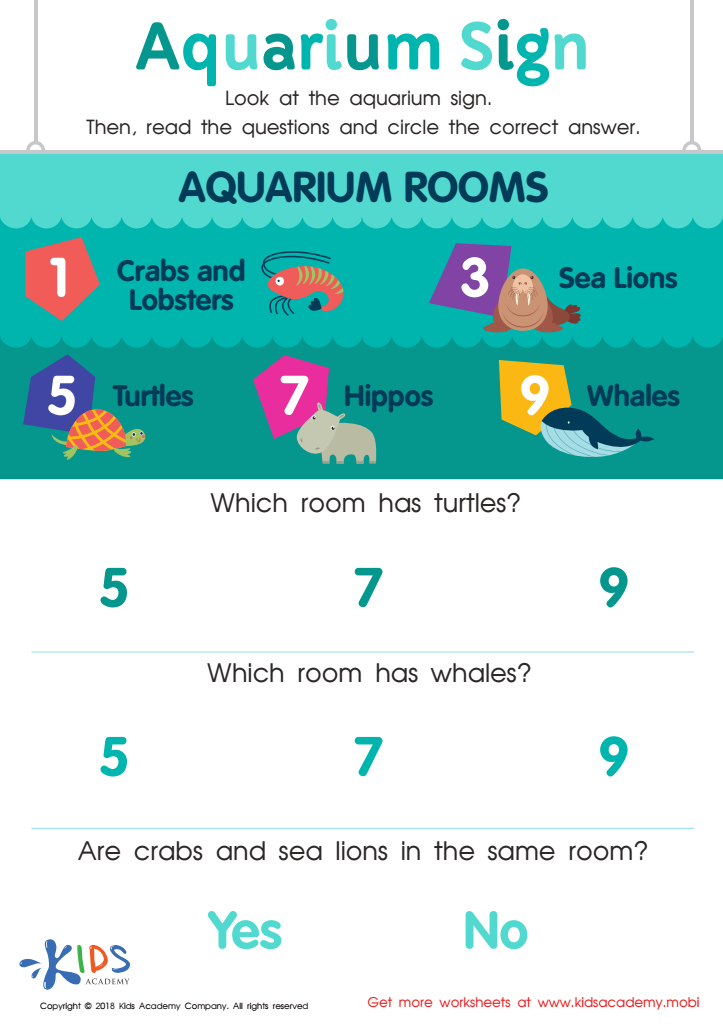
Assessment: Aquarium Sign Worksheet
Take your kids to an aquarium and marvel at the sea creatures! Help them identify the animals they see, and ask them which one is their favorite. Look at the aquarium sign and point to each creature. Ask your kids the questions and help them circle the right answer.
Assessment: Aquarium Sign Worksheet
Worksheet
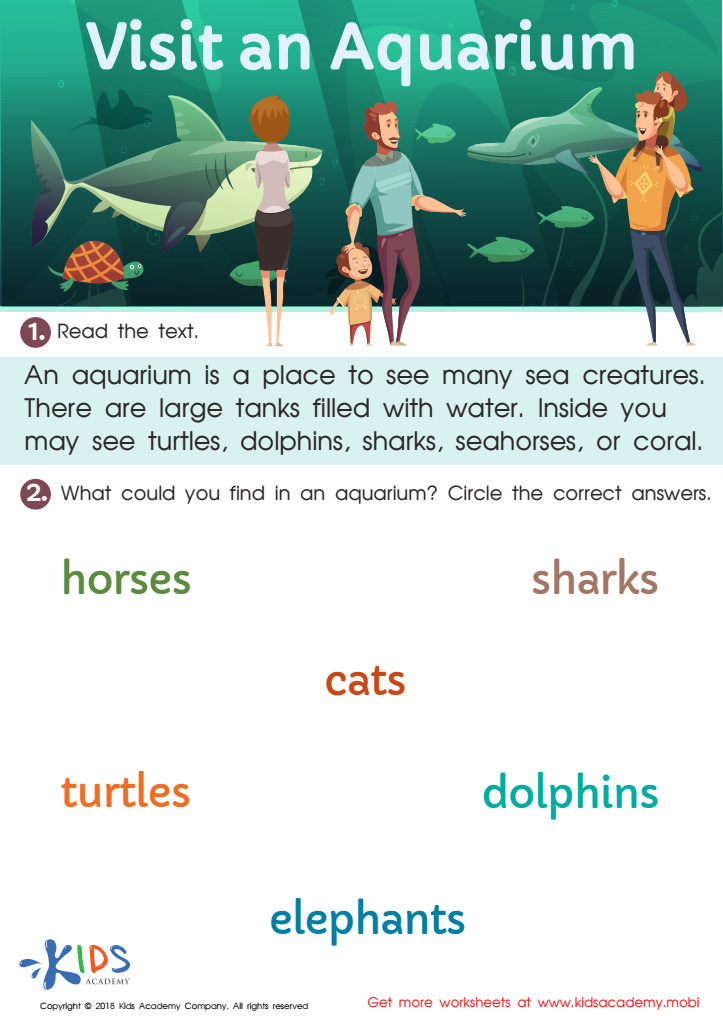
Visit an Aquarium Worksheet
Have your kids ever been to an aquarium? It's a great place to see a variety of sea creatures, like turtles, dolphins, sharks and fish. If they're fascinated by sea life, this worksheet is perfect! Help them circle the aquarium animals among the words in the picture.
Visit an Aquarium Worksheet
Worksheet
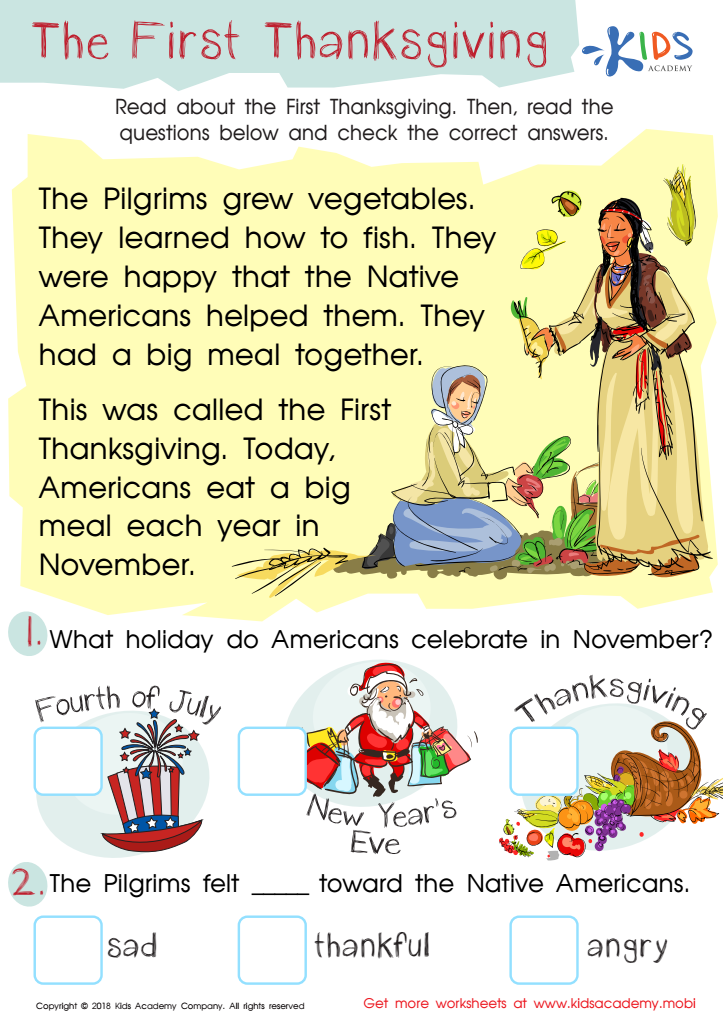
Assessment: First Thanksgiving Worksheet
When the Pilgrims arrived in America in 1620, they met the Native Americans and formed a pact to live in harmony. The Native Americans taught the Pilgrims how to survive in the new land, which helped them celebrate the First Thanksgiving. Read this text to your children and help them answer the questions below.
Assessment: First Thanksgiving Worksheet
Worksheet
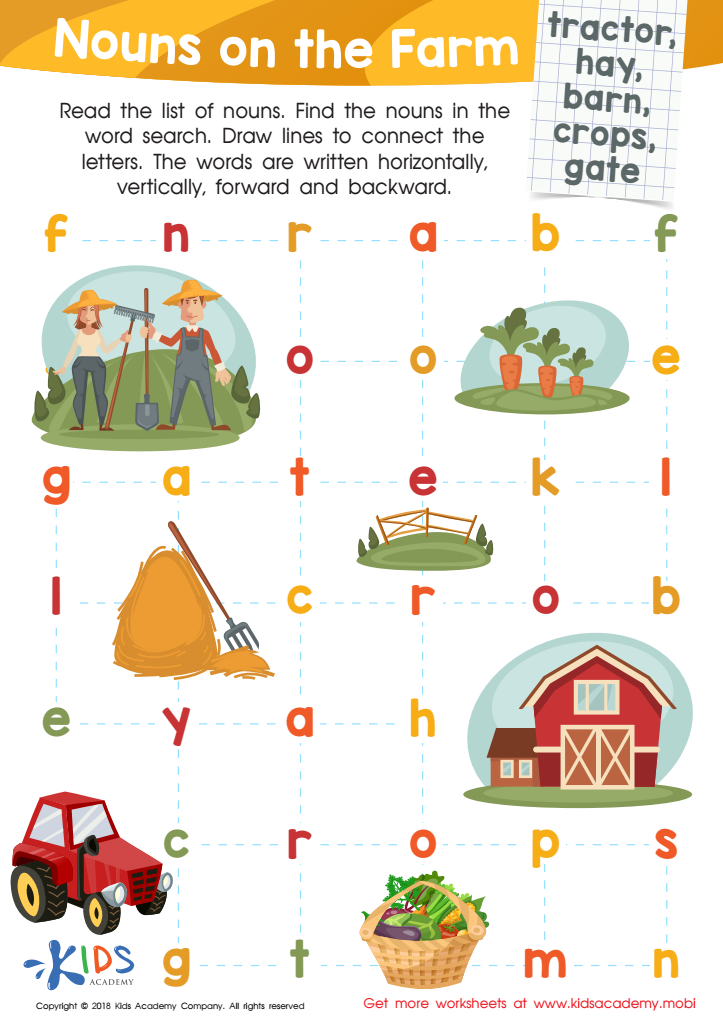
Nouns on the Farm Worksheet
Help your child learn nouns with this worksheet: Read the list to them and have them find the nouns in the word search. Draw lines to connect the letters, and explain the words can be found horizontally, vertically, forward, and backward.
Nouns on the Farm Worksheet
Worksheet
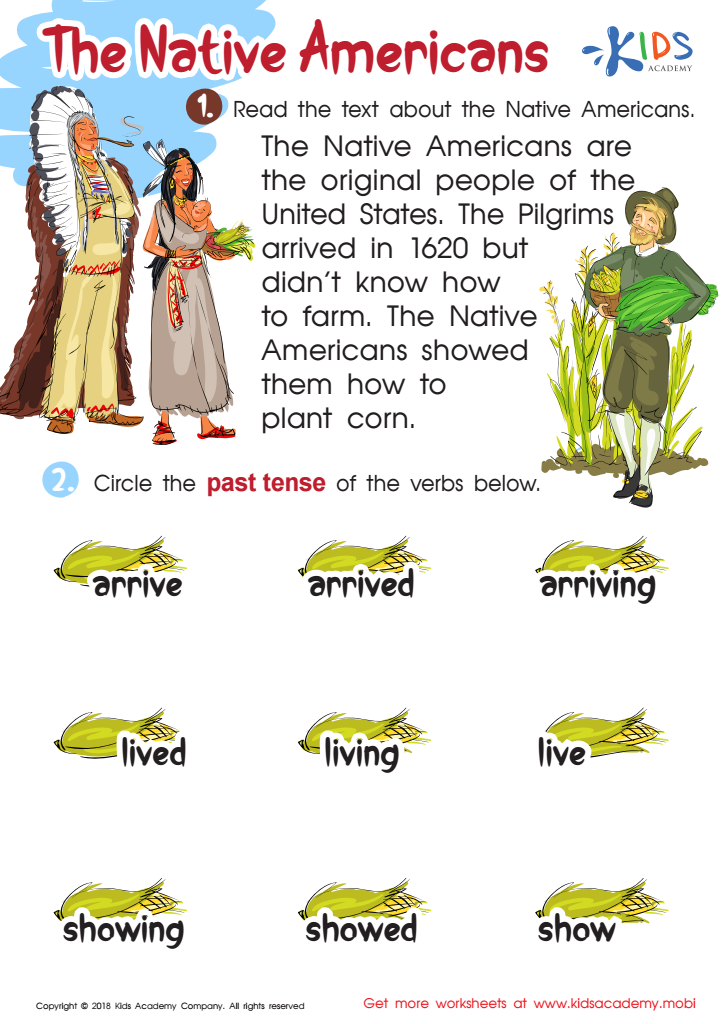
The Native Americans Worksheet
Ask your students who the Native Americans are and give them a history lesson if needed. Read the text about the Native Americans and circle the past tense verbs. The text describes events that occurred when the first Pilgrims arrived in America.
The Native Americans Worksheet
Worksheet
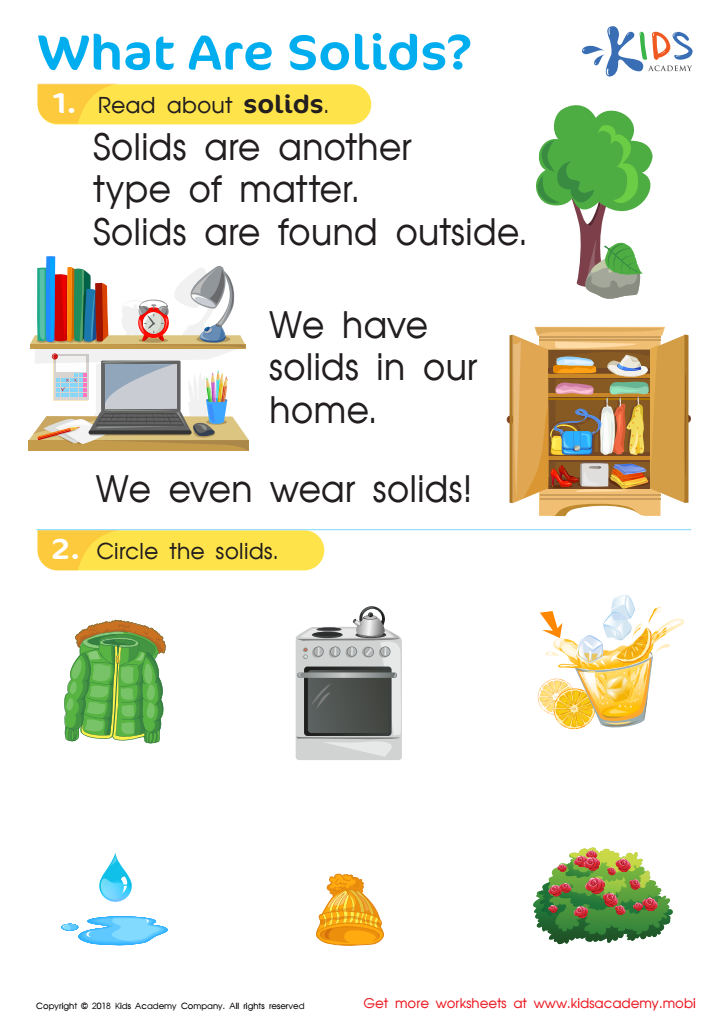
What Are Solids? Worksheet
Help your kids understand matter's three forms - solid, liquid, and gas - with examples. Ask them to give their own and where to find them. Then, read and discuss the worksheet's facts about solids. Afterward, have them circle the solids among the provided objects.
What Are Solids? Worksheet
Worksheet
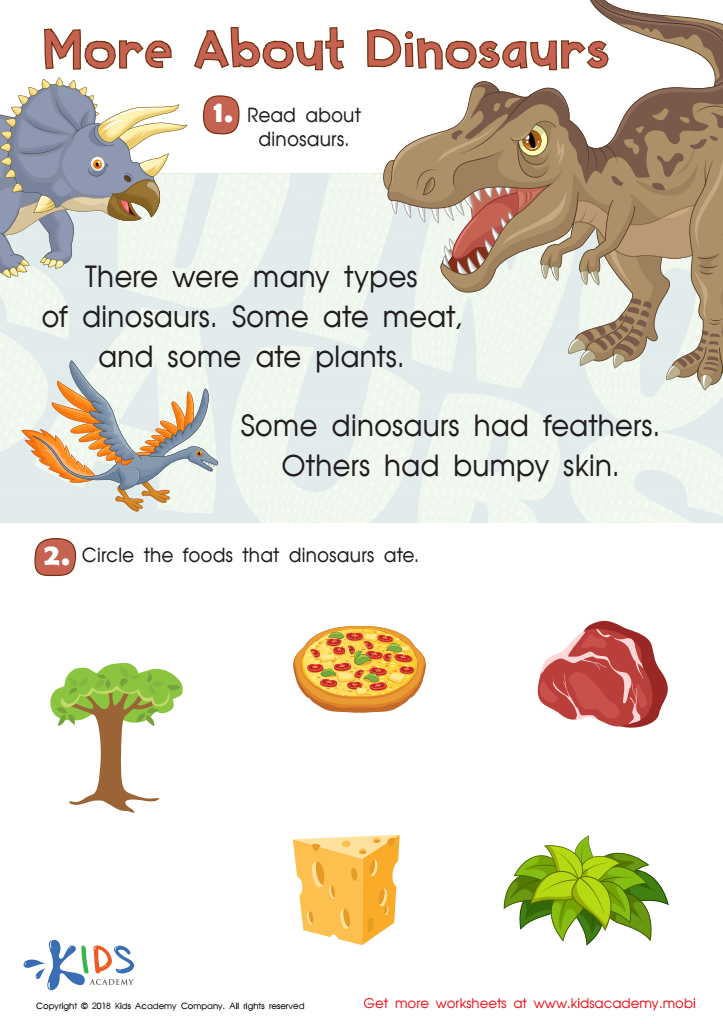
More About Dinosaurs Worksheet
Dinosaurs captivate us with the unknown. Long gone before us, they left behind clues in their bones. Kids love to explore and uncover the secrets of these extinct creatures. Read the facts in this worksheet to them and help them answer the question at the end. Let their imaginations soar!
More About Dinosaurs Worksheet
Worksheet
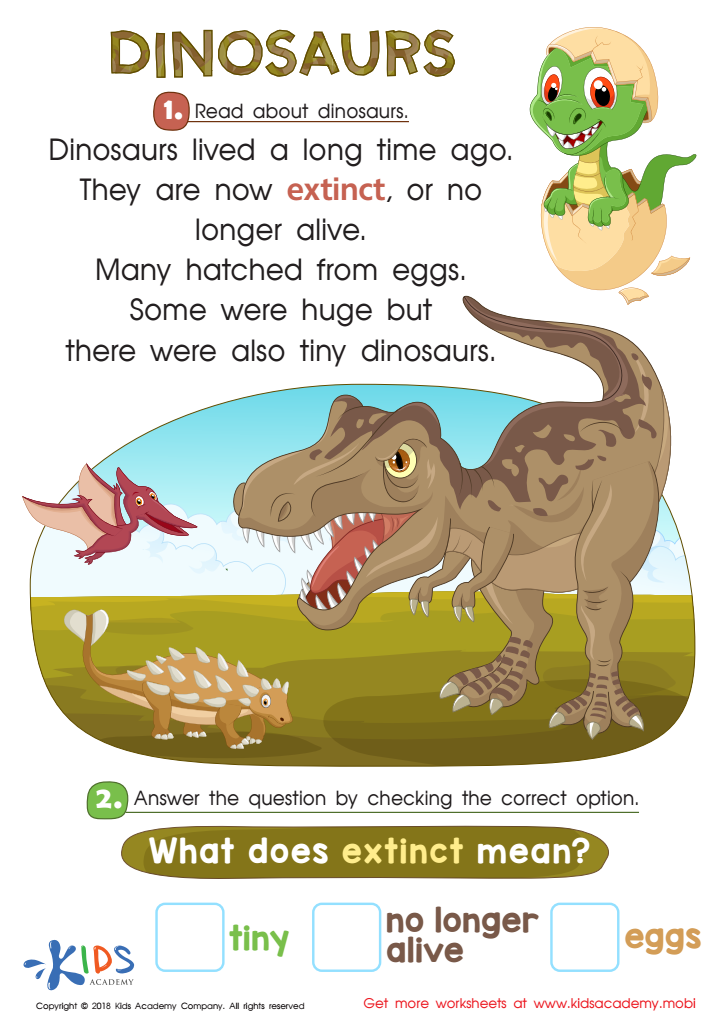
Dinosaurs Worksheet
Kids are often fascinated by dinosaurs, creatures that roamed the Earth before man. Sadly, they are now extinct. To learn more, read facts on this worksheet to your kids and help them answer the question at the end by selecting the correct option.
Dinosaurs Worksheet
Worksheet
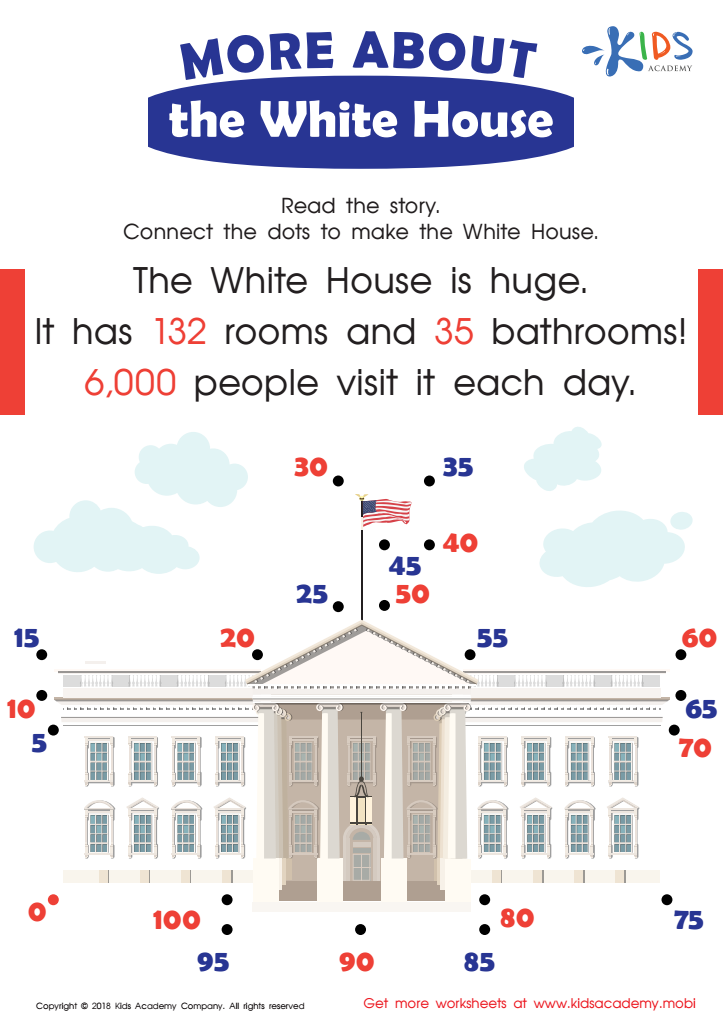
More About the White House Worksheet
The President of the United States lives in the White House, a huge building with 132 rooms and 35 bathrooms. It's home to the President's family, plus 6,000 visitors every day, and full of interesting stories. Teach your kids about it with this printout; help them connect the dots and learn more about this famous home. Learning never ends!
More About the White House Worksheet
Worksheet
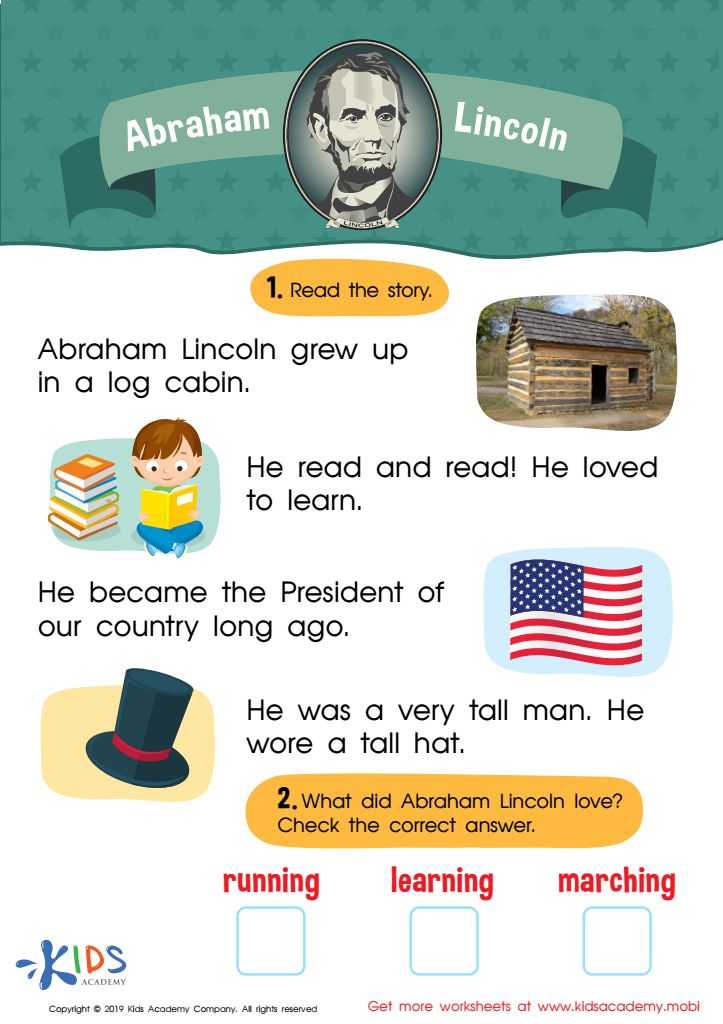
Abraham Lincoln Worksheet
Let your kids listen to interesting stories while having fun! Read the short story in this worksheet, point to the picture representing each sentence, then ask the questions and check the answers. Doing this will help your children learn new things and build their vocabulary.
Abraham Lincoln Worksheet
Worksheet
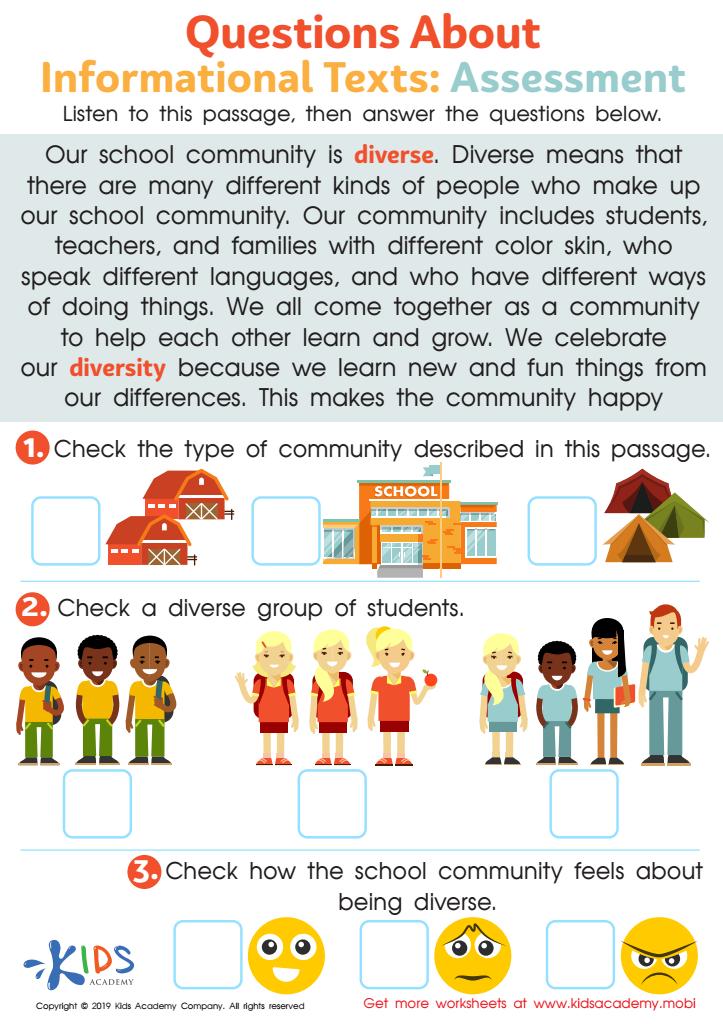
Questions About Informational Texts: Assessment 1 Worksheet
Ask your students: What comes to mind when we talk about a community? What different habits do people practice? What do fellow students do that seems strange? Read this passage aloud to your kindergartners and make sure they understand it. Then, answer the questions at the bottom of the page. (80 words)
Questions About Informational Texts: Assessment 1 Worksheet
Worksheet
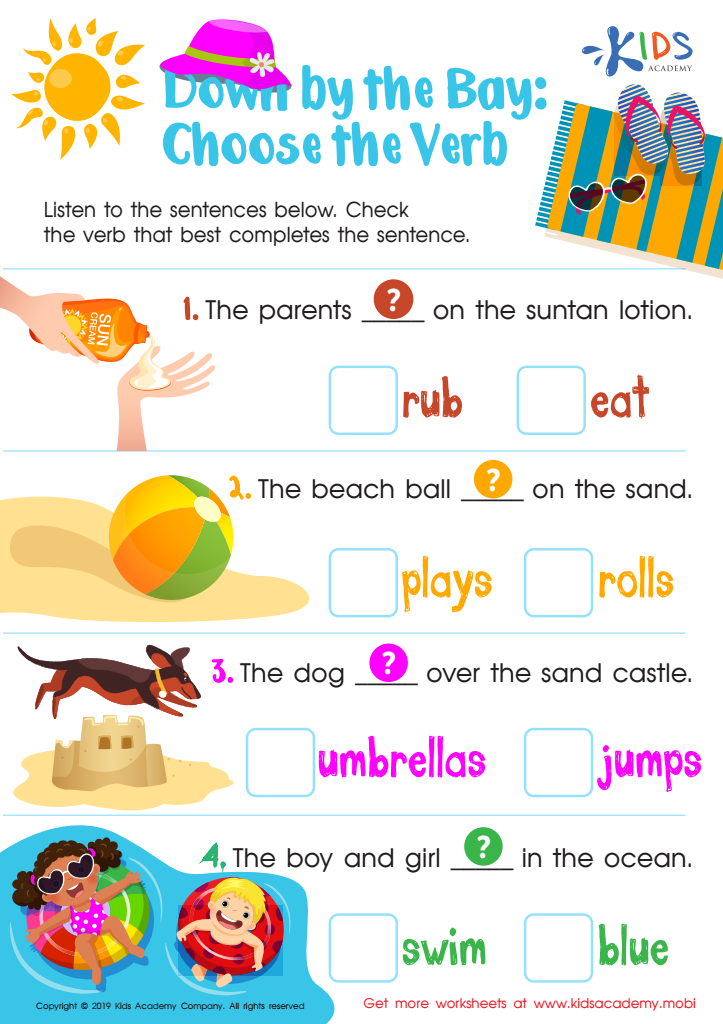
Down by the Bay: Choose the Verb Worksheet
Teach your kids about verbs: words that describe actions, like 'playing', 'eating', 'talking'. Ask your child to give their own verbs, then read the sentences in a worksheet and help them pick the best one for each question.
Down by the Bay: Choose the Verb Worksheet
Worksheet
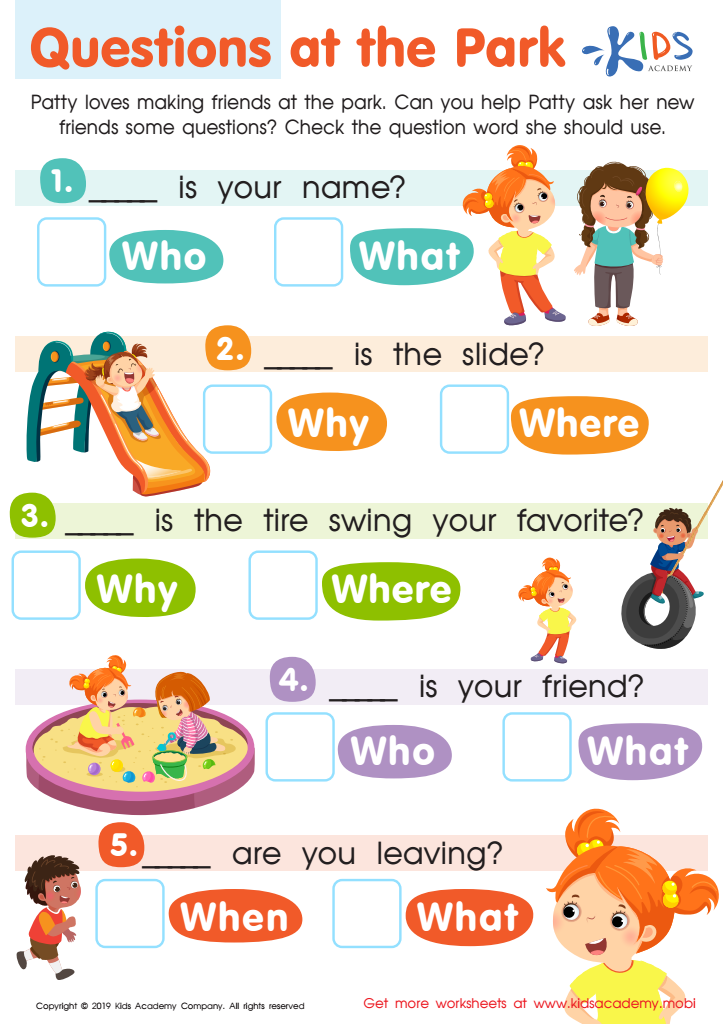
Questions at the Park Worksheet
Parks are great for fun! Kids can play, run and be as loud as they want! Ask them what their favorite activities are. If they love making friends, like Patty in this worksheet, help them practice their question words to get to know their new pals better.
Questions at the Park Worksheet
Worksheet
Join Kids Academy for Free
Who is primarily going to use this learning content?



.jpg)