History Worksheets for Ages 4-7 - Page 2
38 filtered results
-
From - To
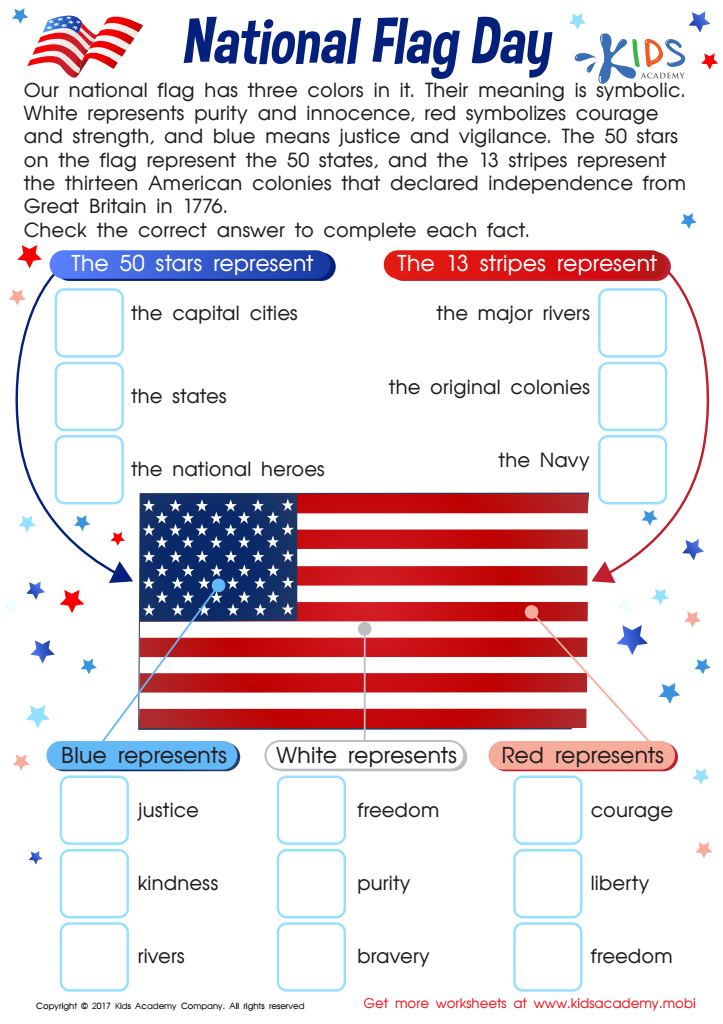
US National Flag Day Worksheet
 Assign to My Students
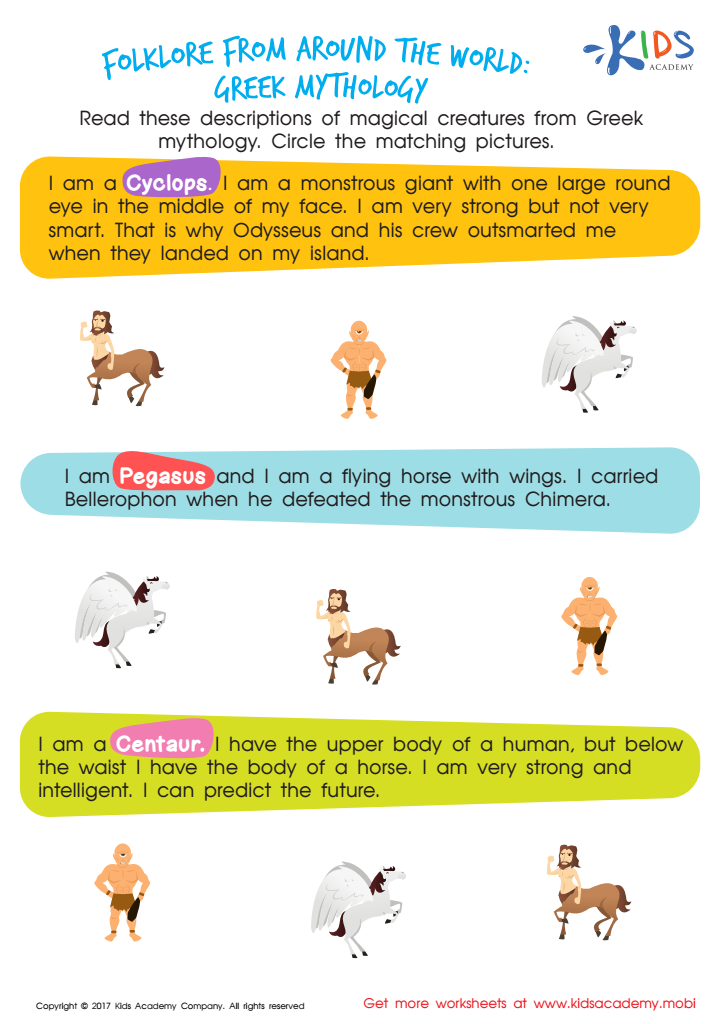
Greek Mythology Worksheet

Happy Diwali Printable
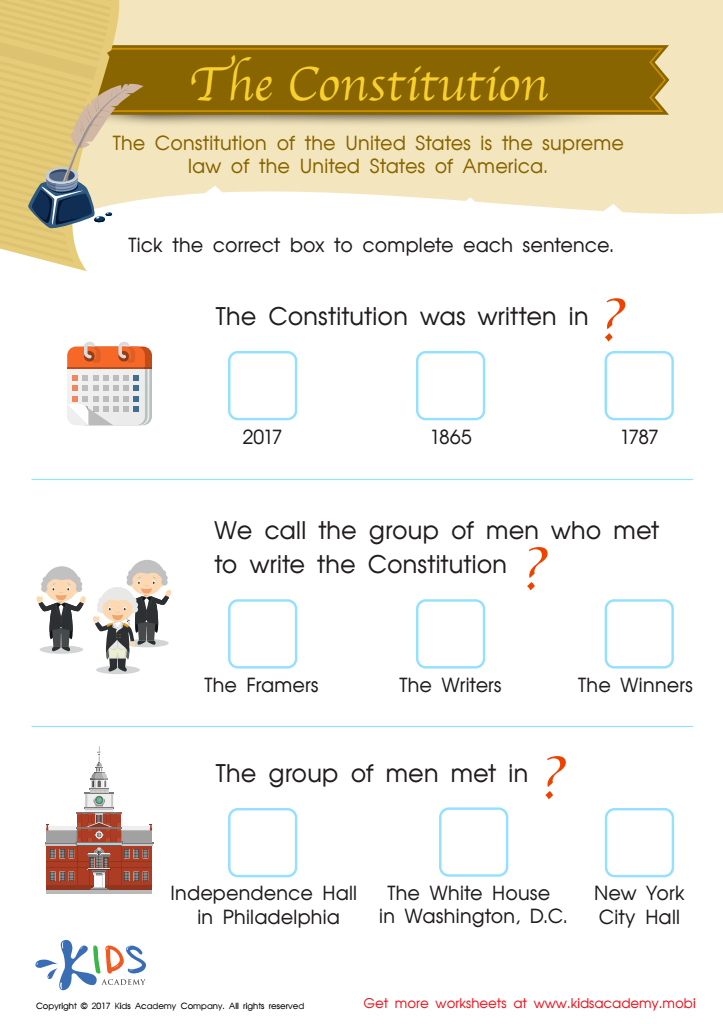
The Constitution Worksheet
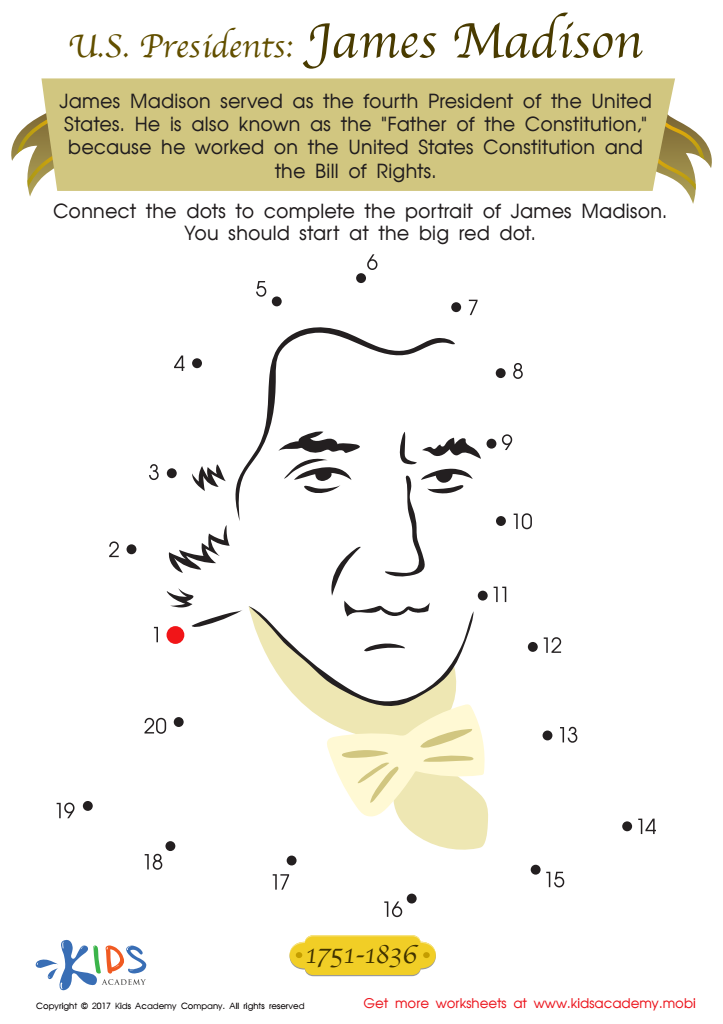
President Madison Printable
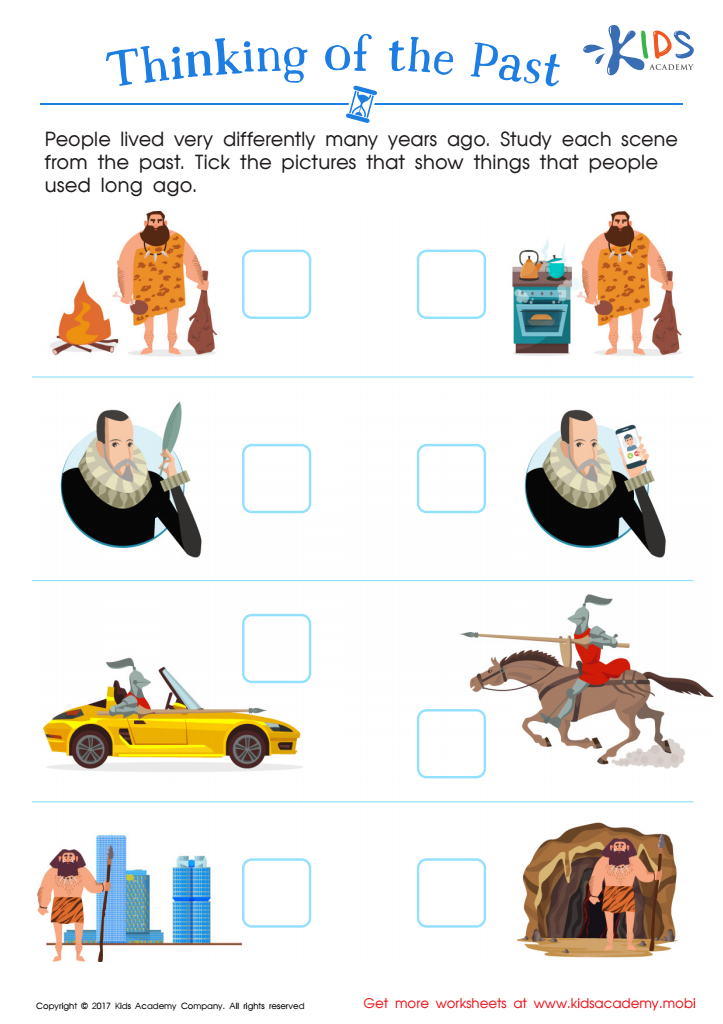
Thinking Past Printable
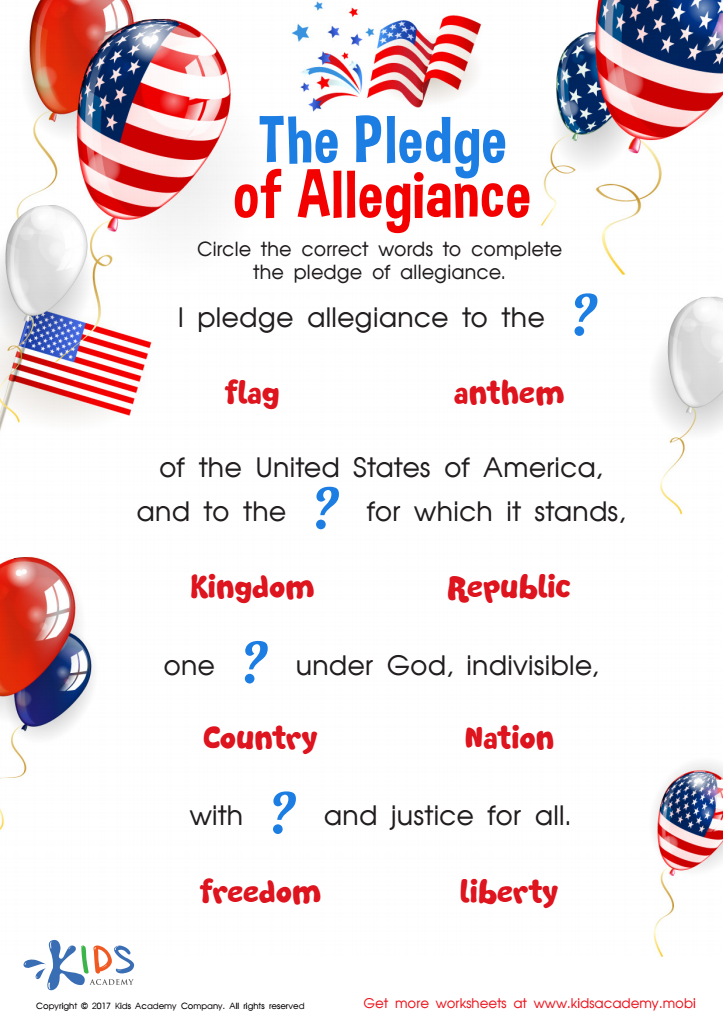
The Pledge of Allegiance Worksheet
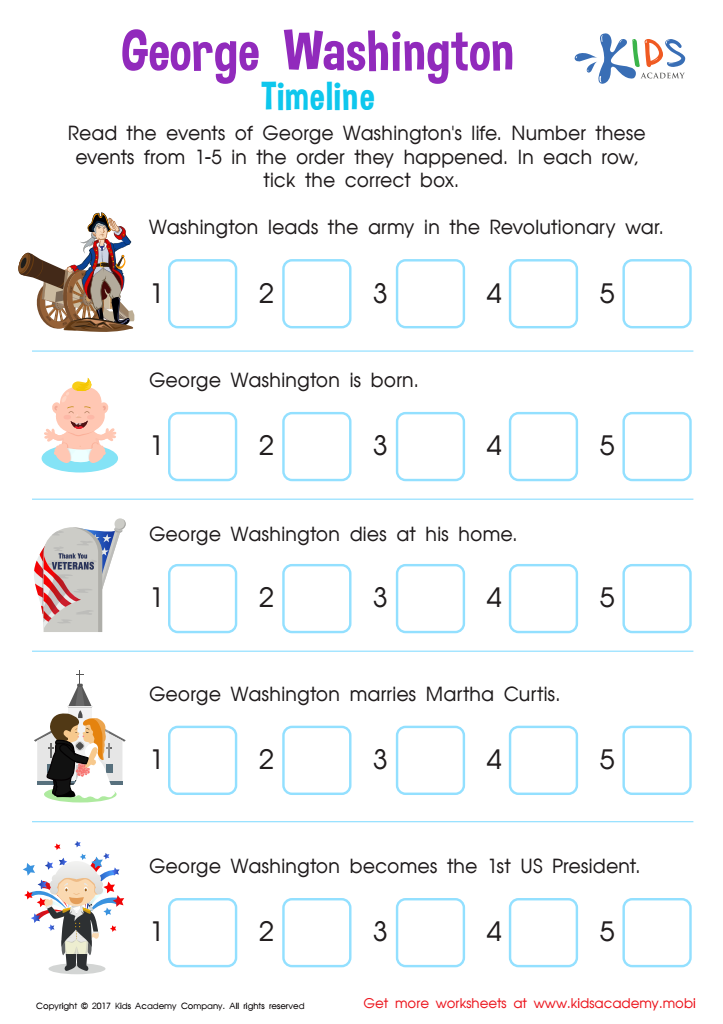
George Washington Timeline Worksheet
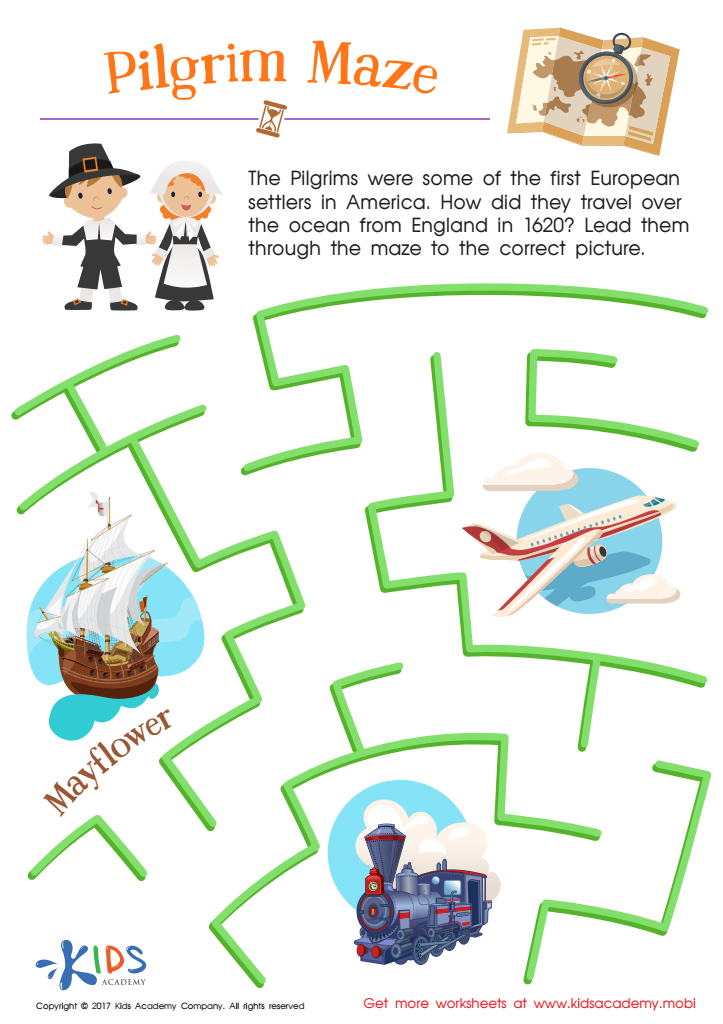
Pilgrim Maze Worksheet
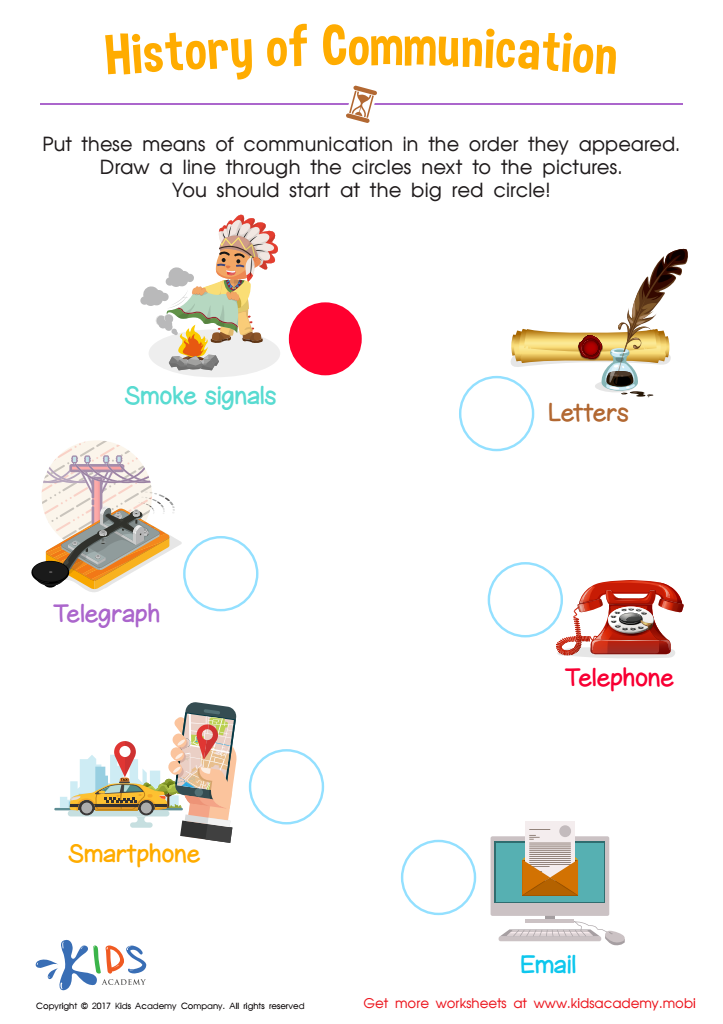
History of Communication Worksheet
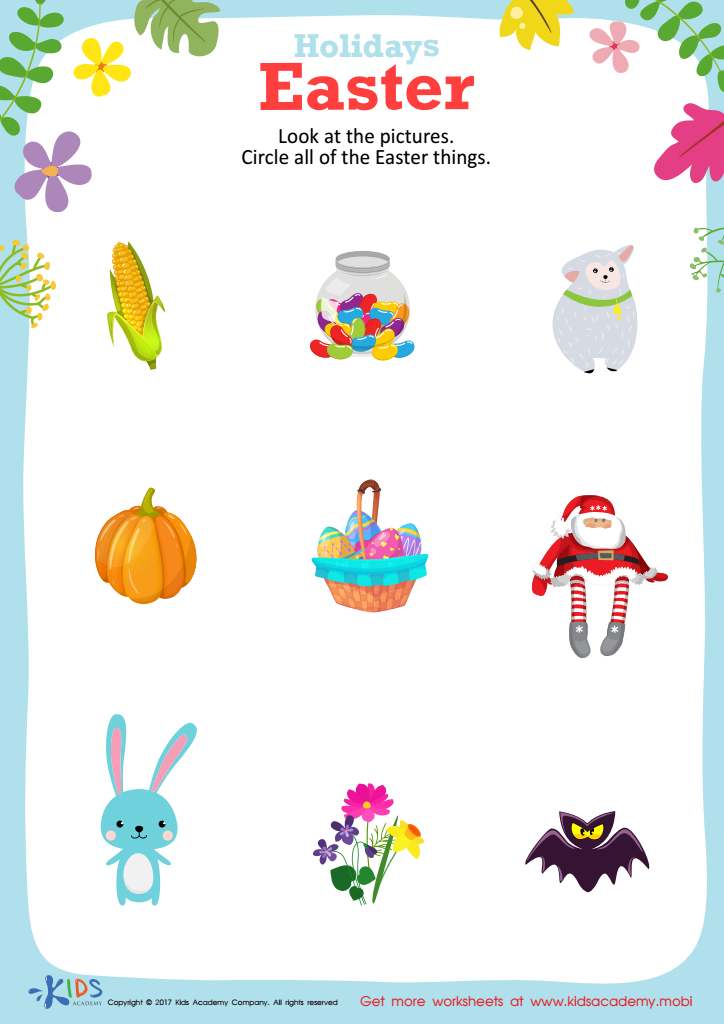
Easter Holiday Printable
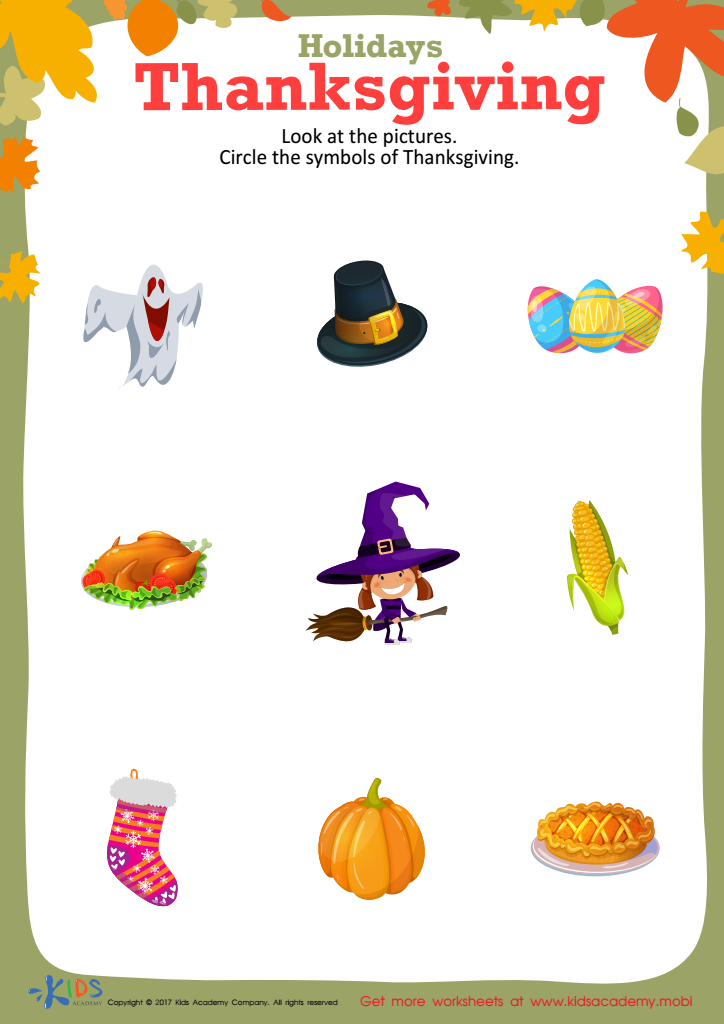
Thanksgiving Holiday Printable
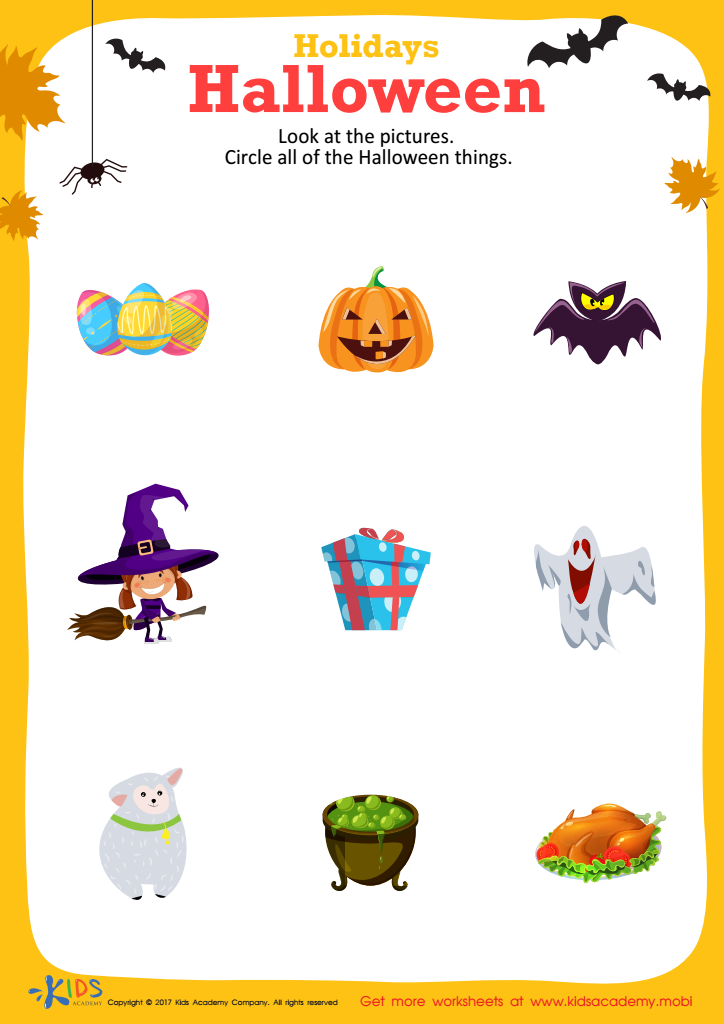
Halloween Holiday Worksheet
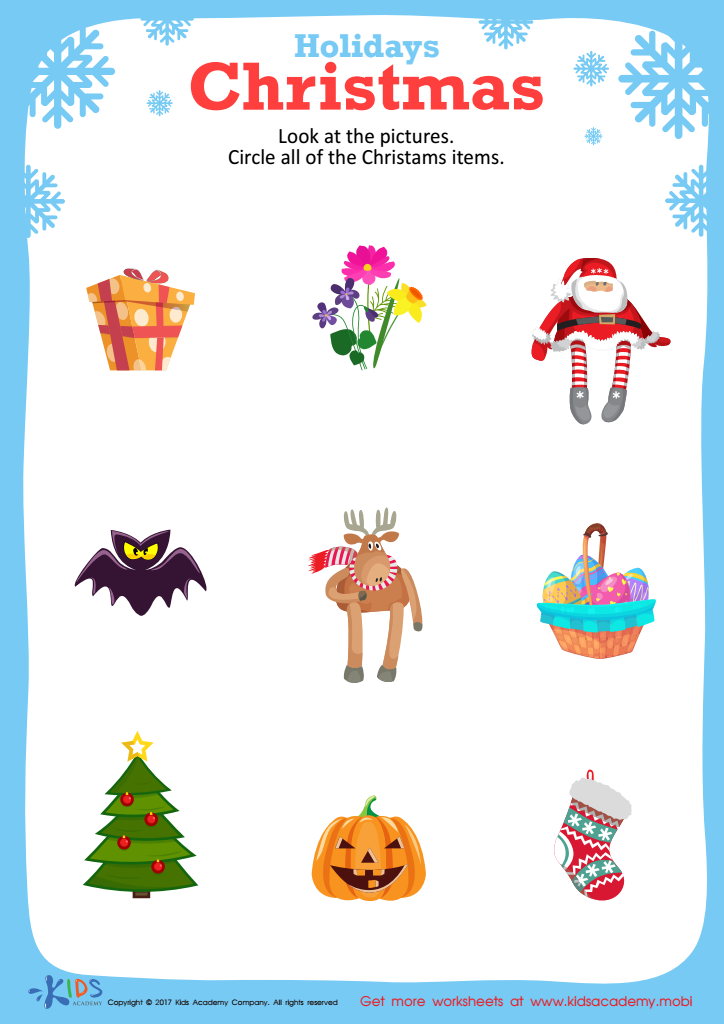
Christmas Holiday Worksheet








Teaching history to children ages 4-7 is incredibly valuable, and both parents and teachers should invest in it for several key reasons. Firstly, it nurtures curiosity and imagination by introducing young minds to diverse cultures, events, and people from different times. This expansive view helps children begin to understand the world beyond their immediate environment.
Secondly, understanding history supports critical thinking skills. Young children start to ask questions such as "Why did this happen?" or "What could have been done differently?" These inquiries can build foundational analytical thinking, which is crucial for future learning.
Additionally, learning about historical events and figures instills a sense of identity and belonging. When children hear stories about their culture and heritage, it fosters pride and builds self-esteem. It also encourages empathy as they learn about various experiences and perspectives from the past.
Moreover, history in early education sets the stage for civic awareness and social responsibility. It helps children grasp the ideas of fairness, justice, and human values, relating them to their daily lives and interactions.
Overall, integrating history into early education lays a meaningful foundation for lifelong learning and helps shape well-rounded, culturally aware, and thoughtful individuals.