Vowels Worksheets for Ages 4-8 - Page 2
88 filtered results
-
From - To
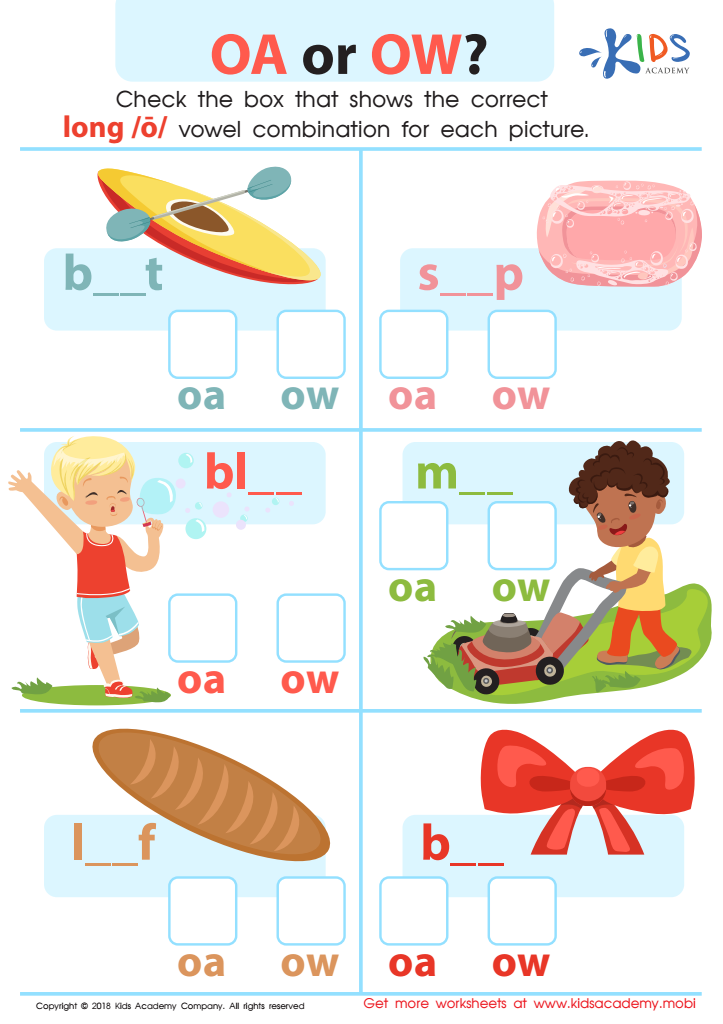
Reading: OA or OW Worksheet
 Assign to My Students
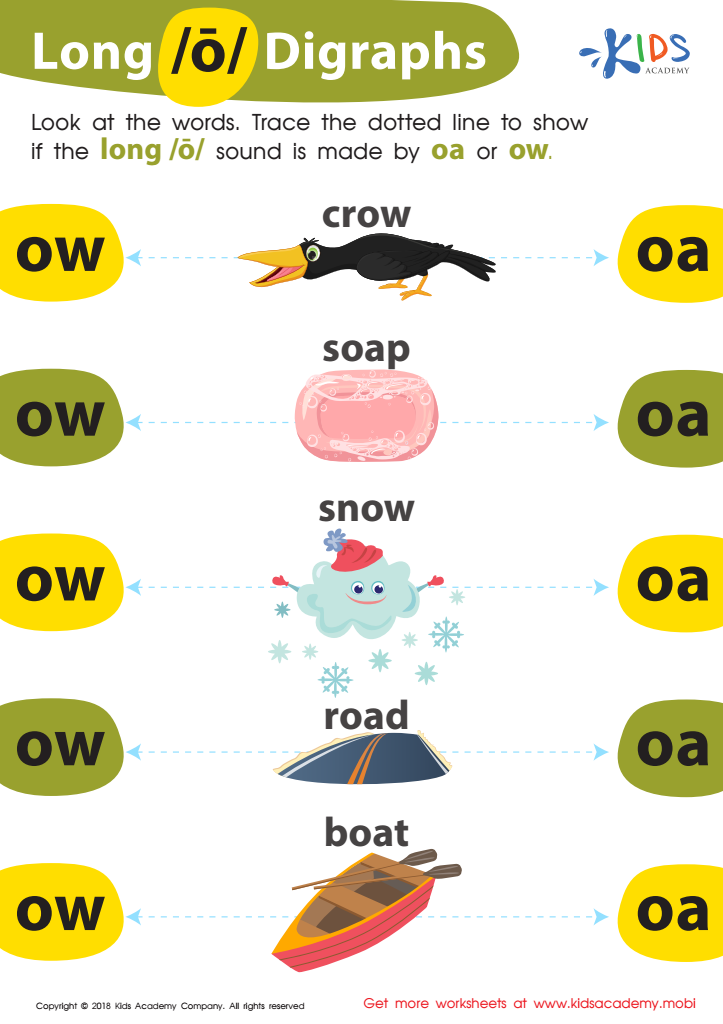
Reading: Long O Digraphs Worksheet
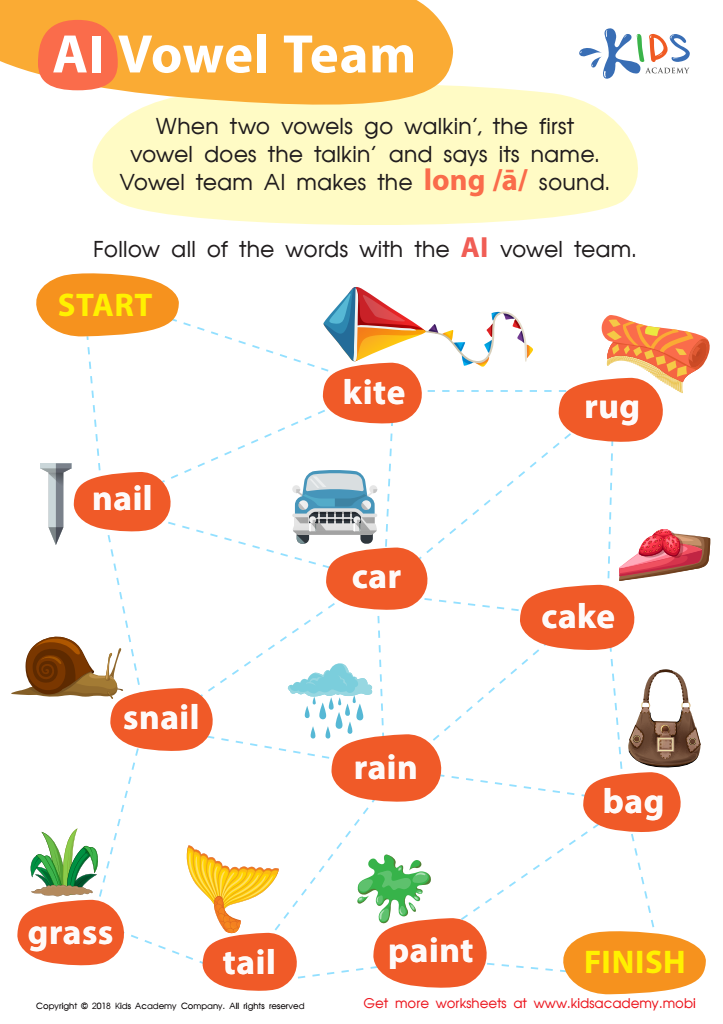
Reading: AI Vowel Team Worksheet
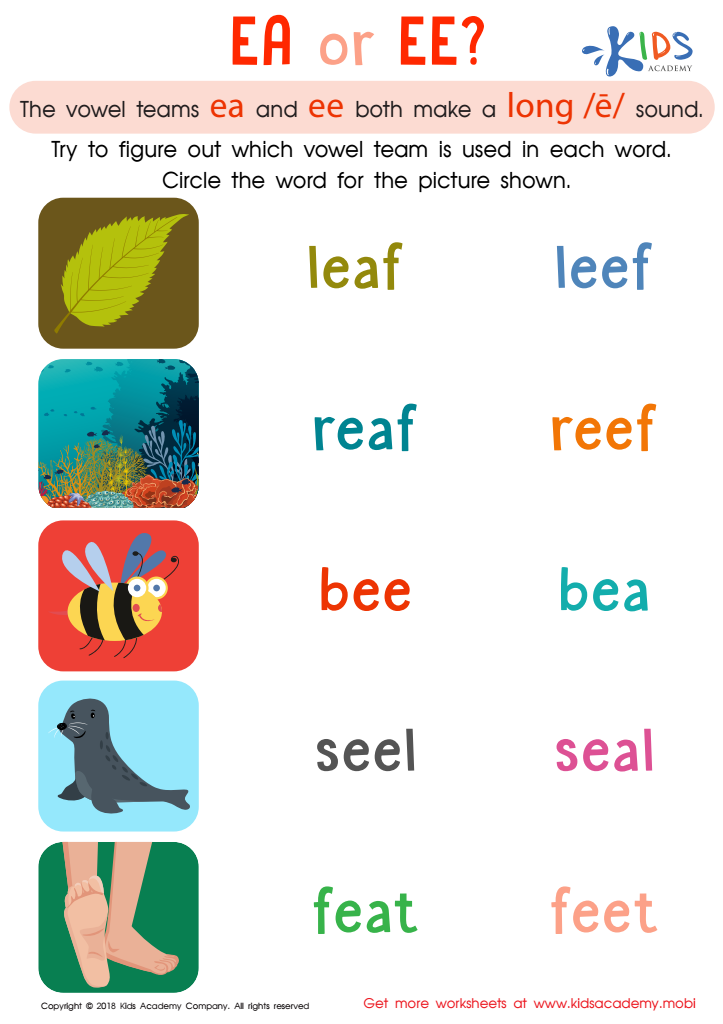
Reading: EA and EE Worksheet
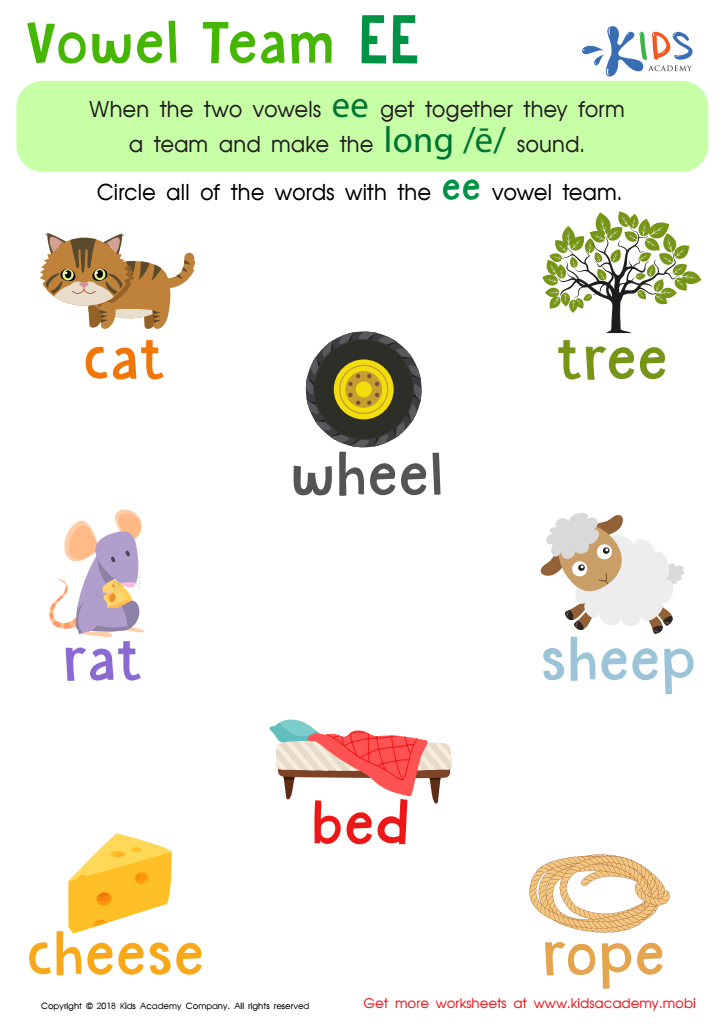
Reading: Vowel Team EE Worksheet
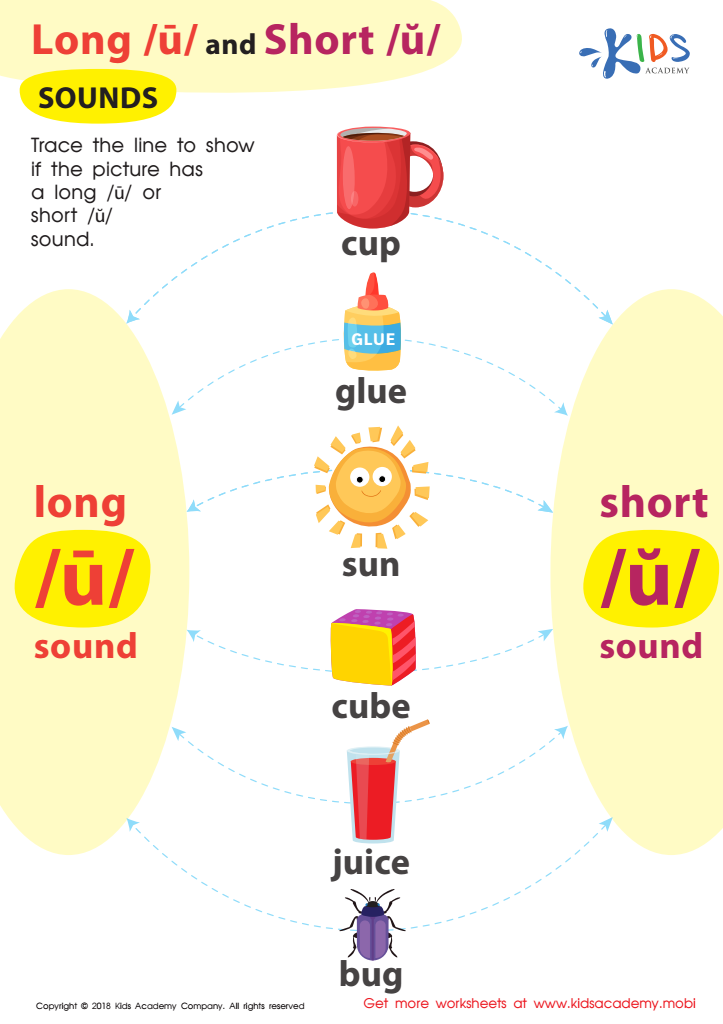
Reading: Long U and Short U Sounds Worksheet
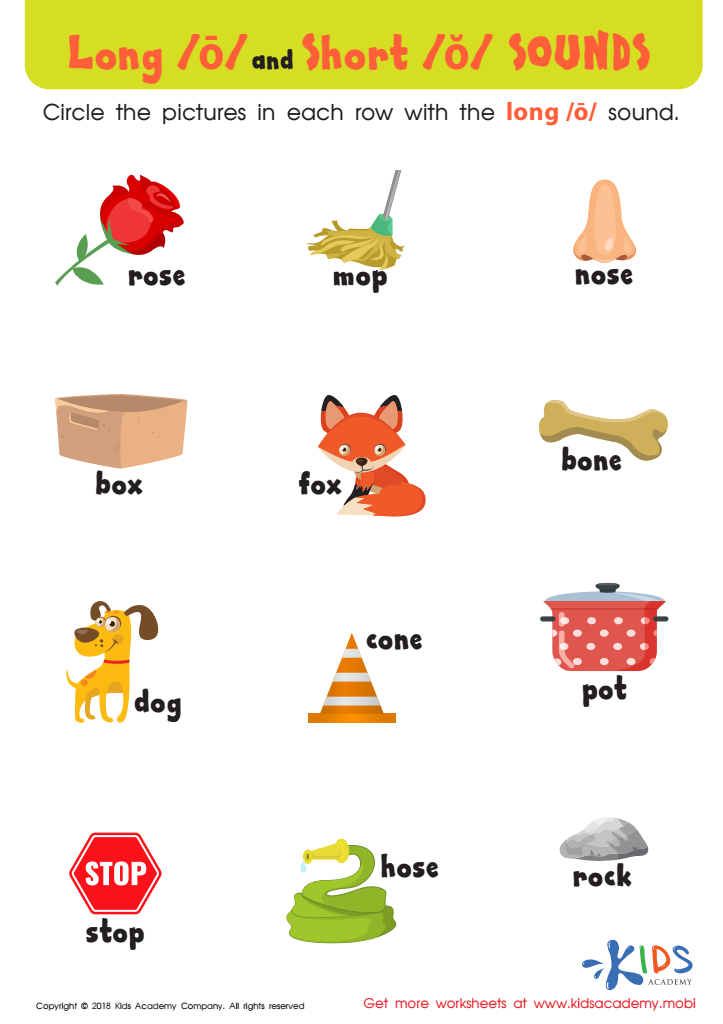
Reading: Long O and Short O Sounds Worksheet
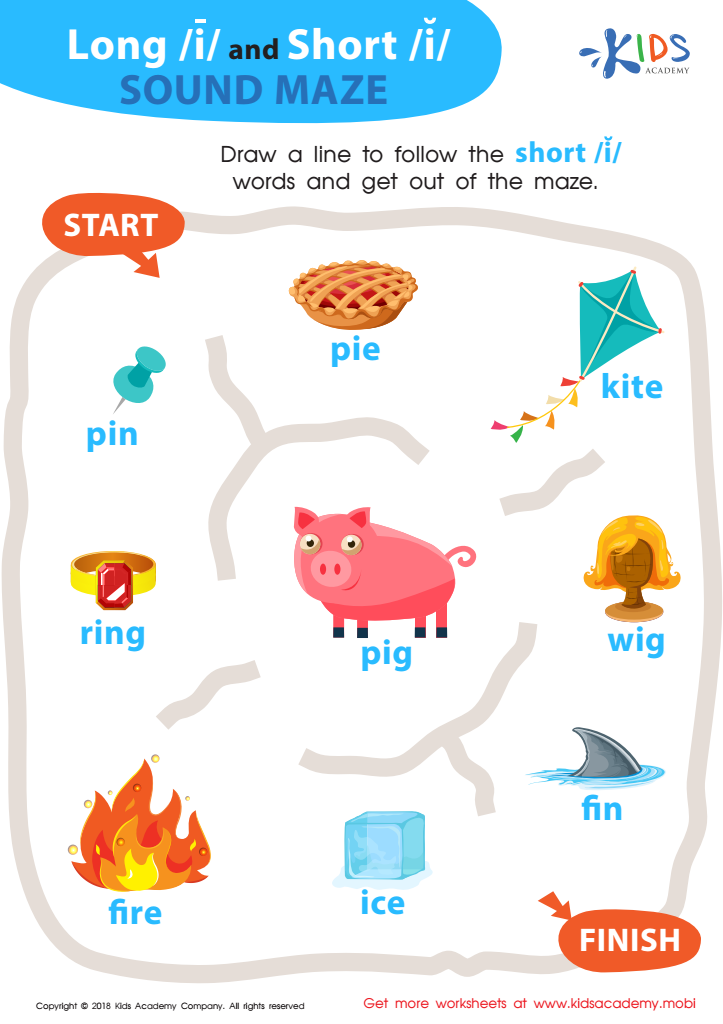
Reading: Long I and Short I Sound Maze Worksheet
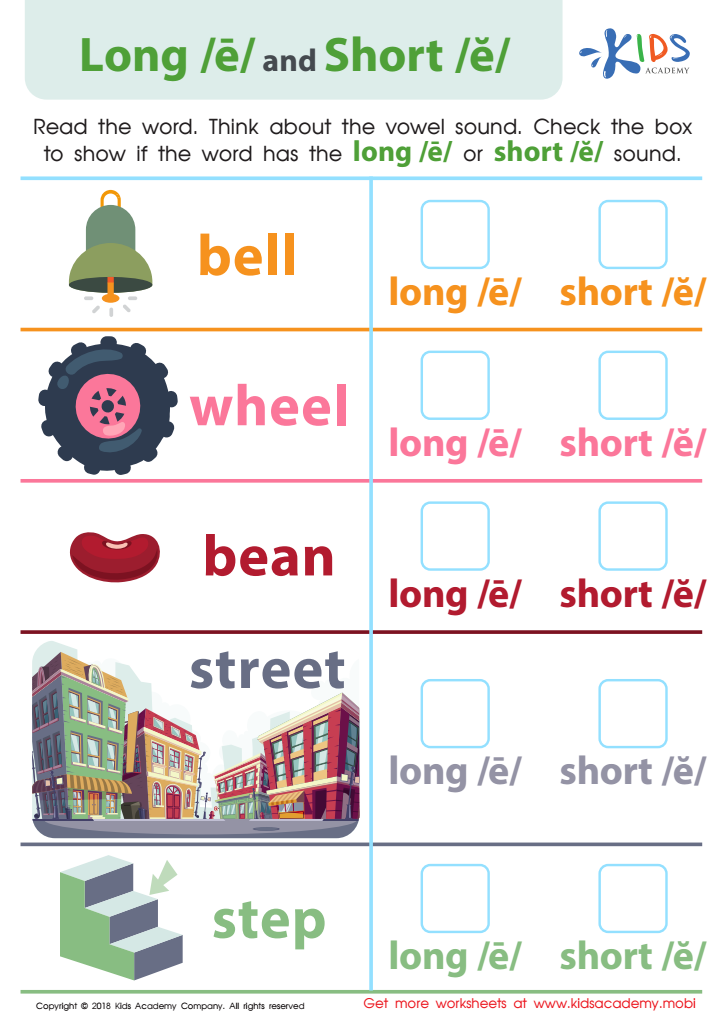
Reading: Long E and Short E Worksheet
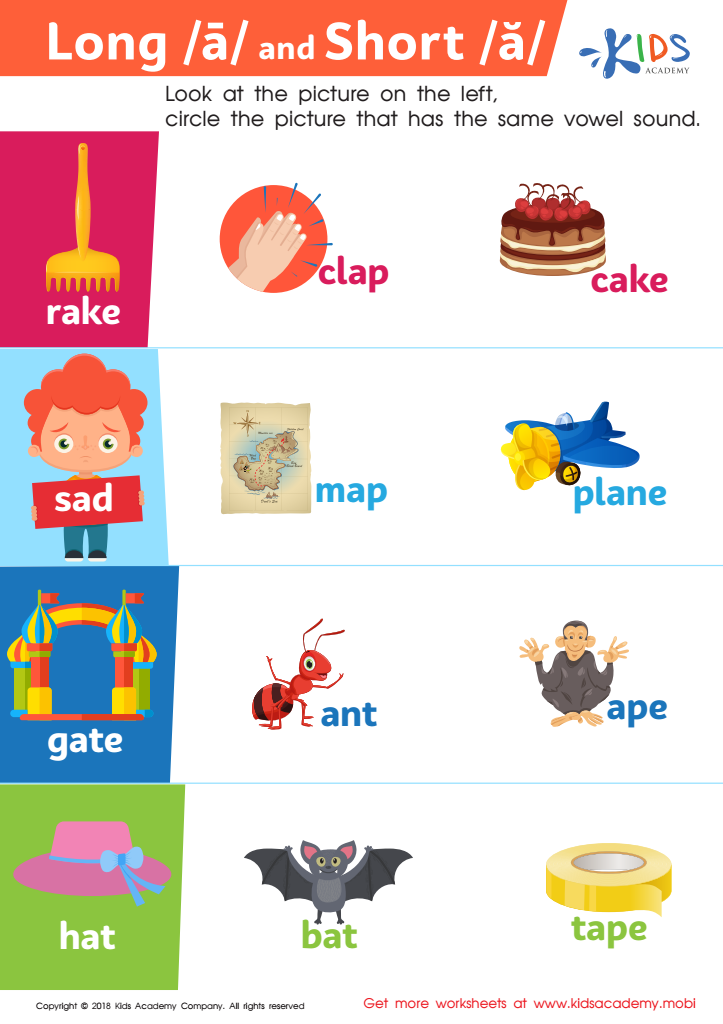
Reading: Long a and Short a Worksheet
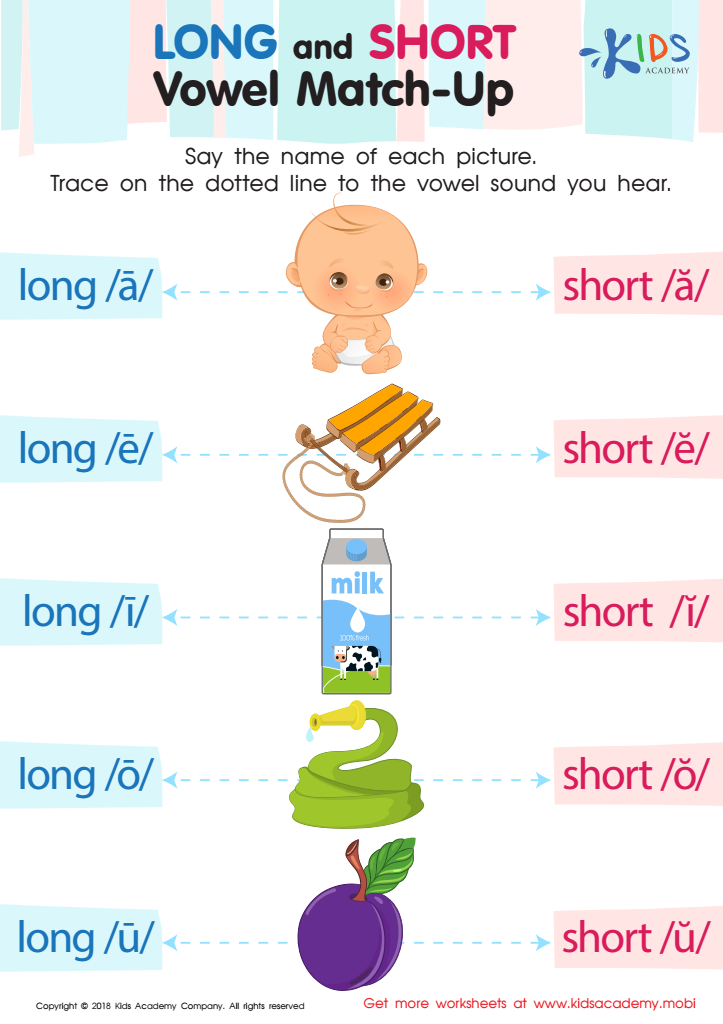
Long and Short Vowel Match up Reading Worksheet
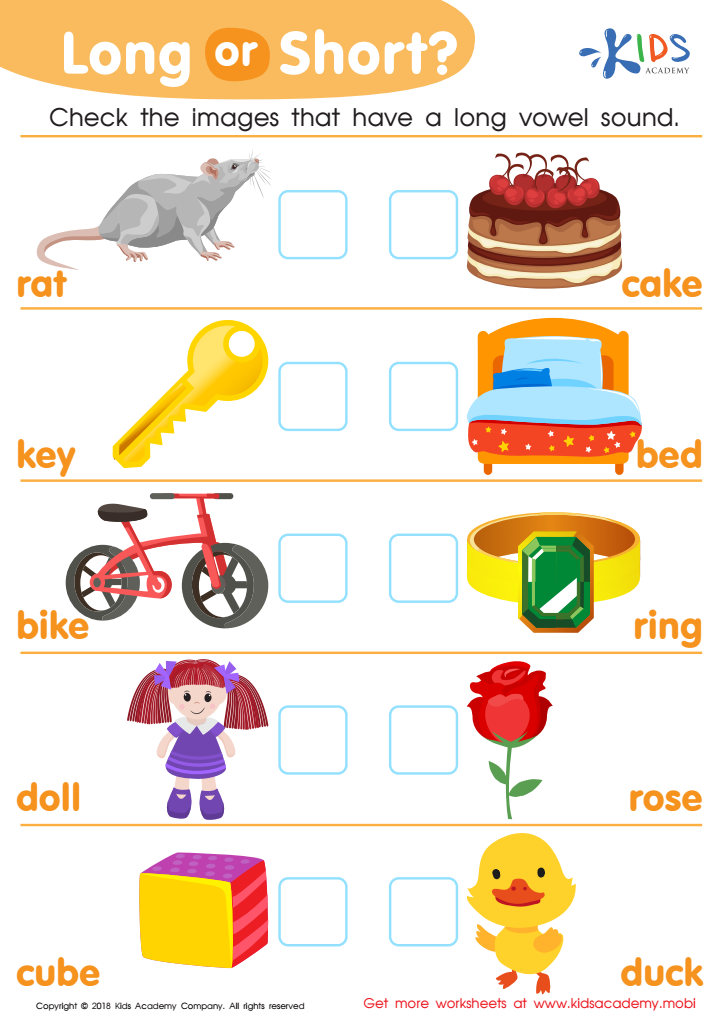
Long or Short Reading Worksheet
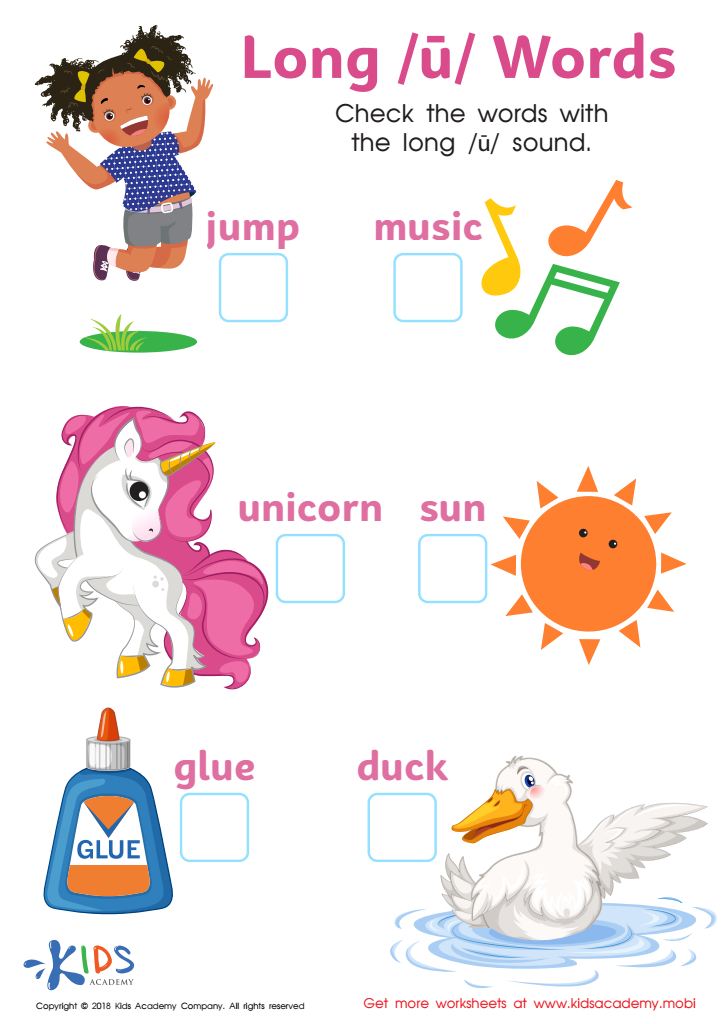
Long U Words Reading Worksheet
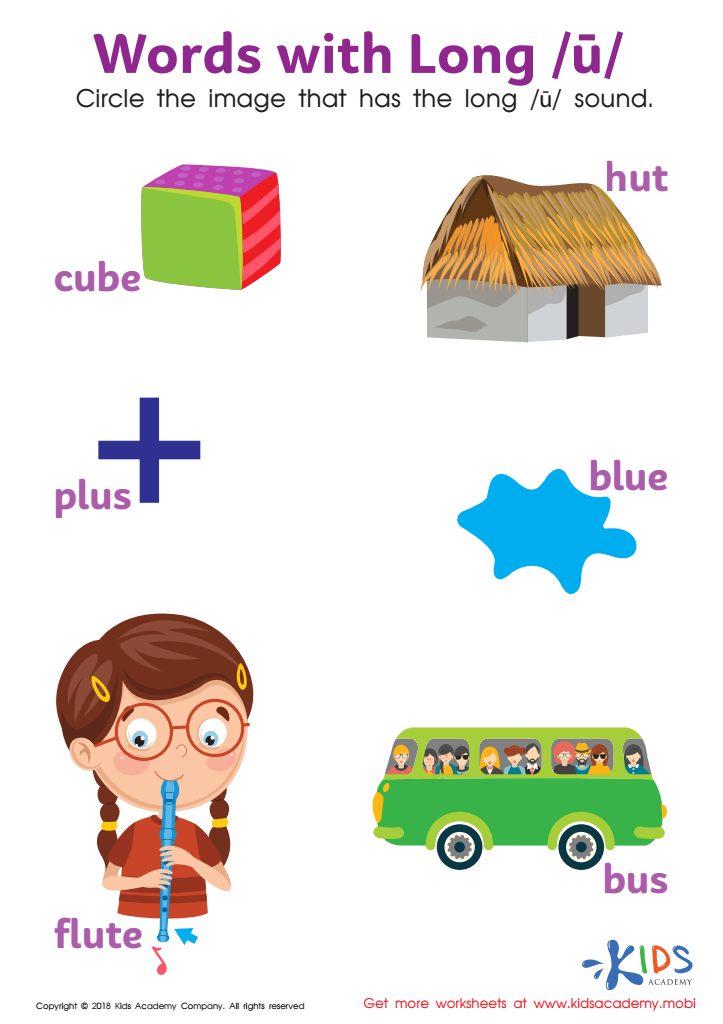
Words with Long U Reading Worksheet
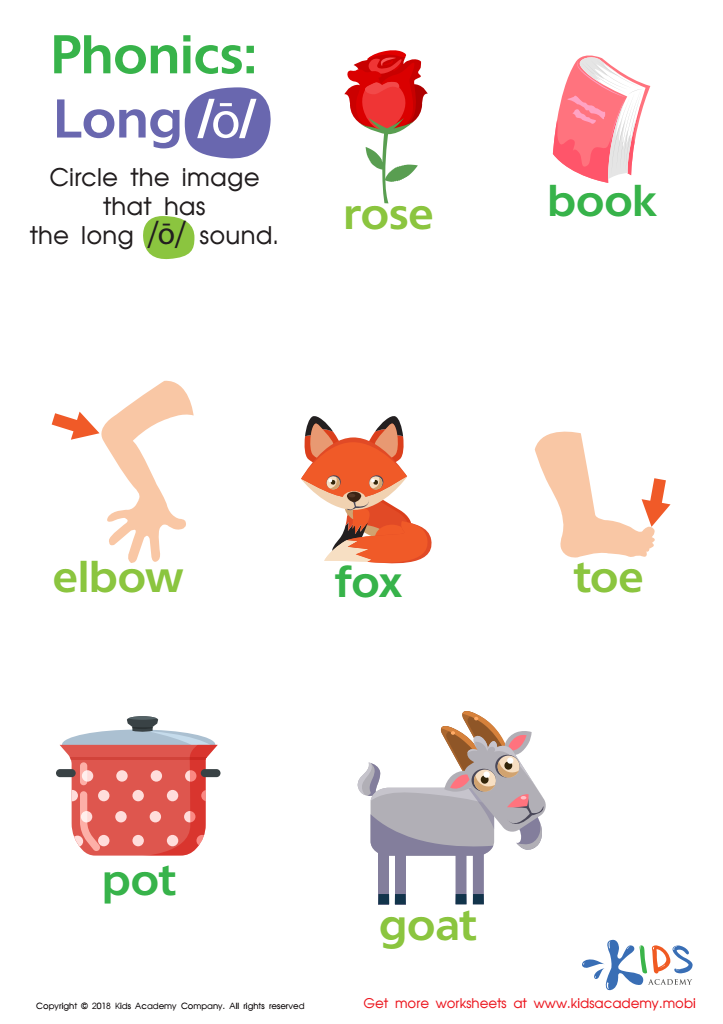
Phonics Long O Reading Worksheet
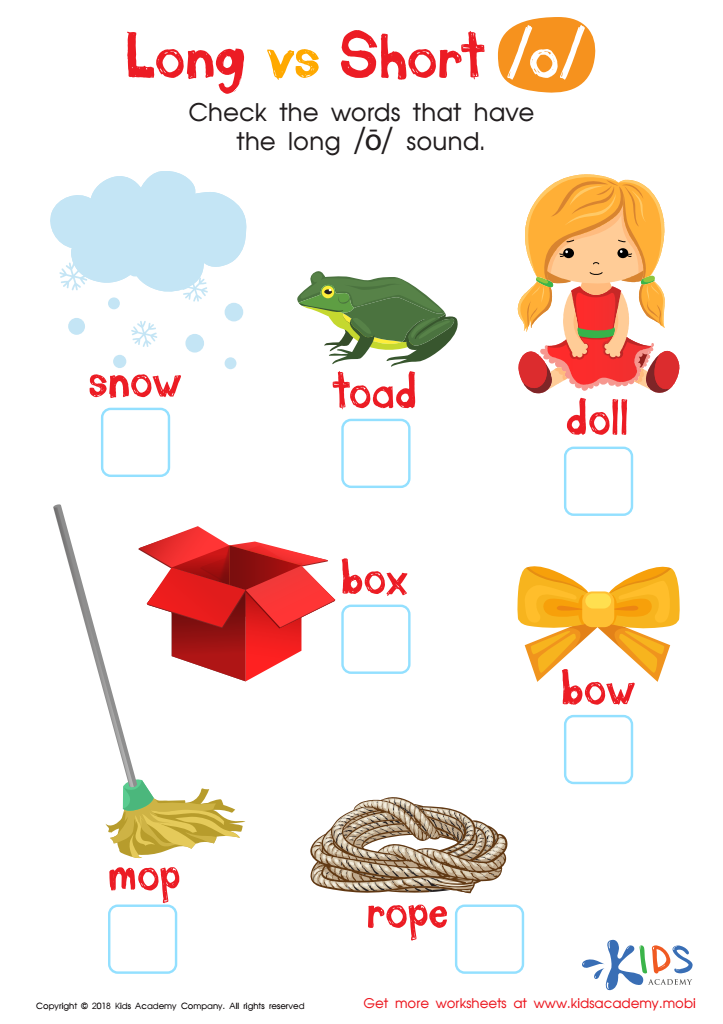
Long vs Short O Reading Worksheet
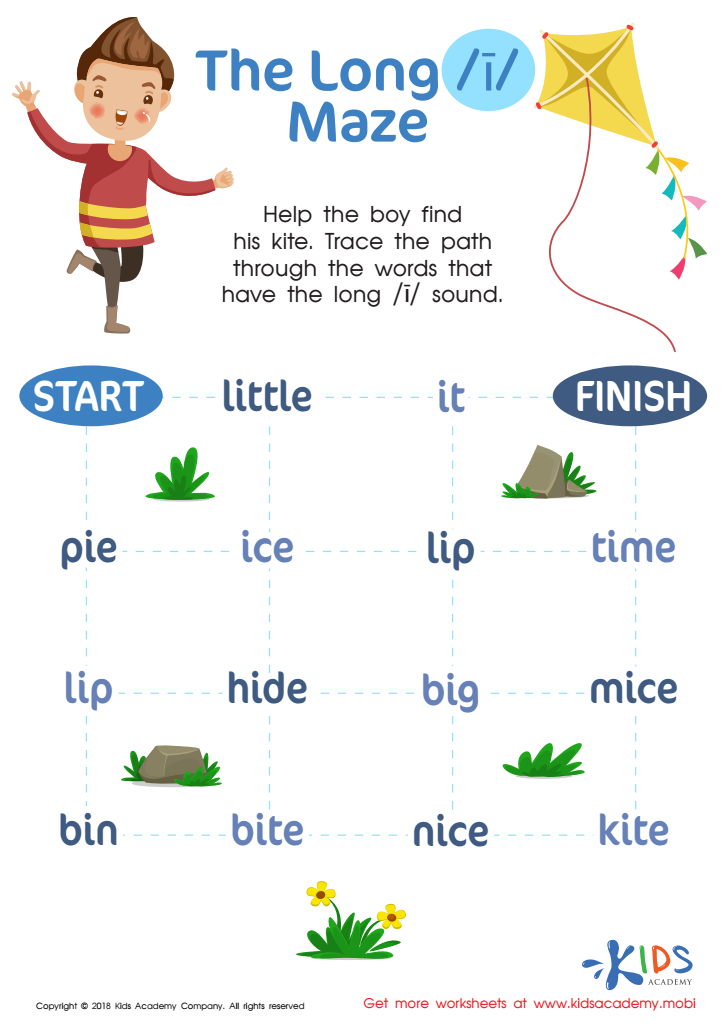
The Long I Maze Reading Worksheet
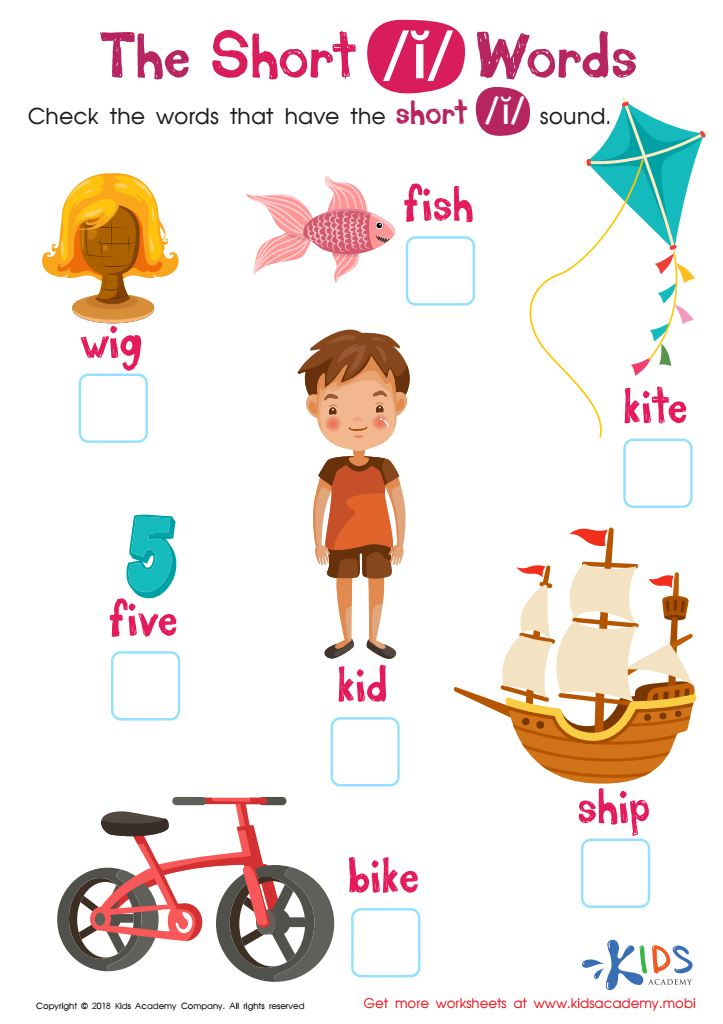
The Short I Words Reading Worksheet
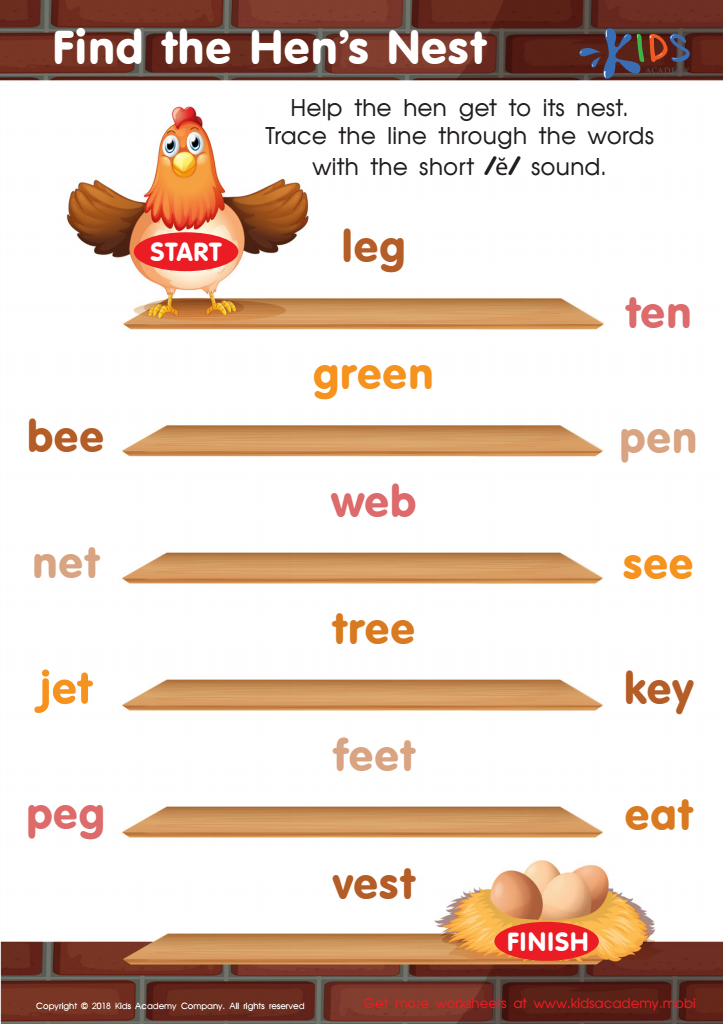
Find Hens Nest Reading Worksheet
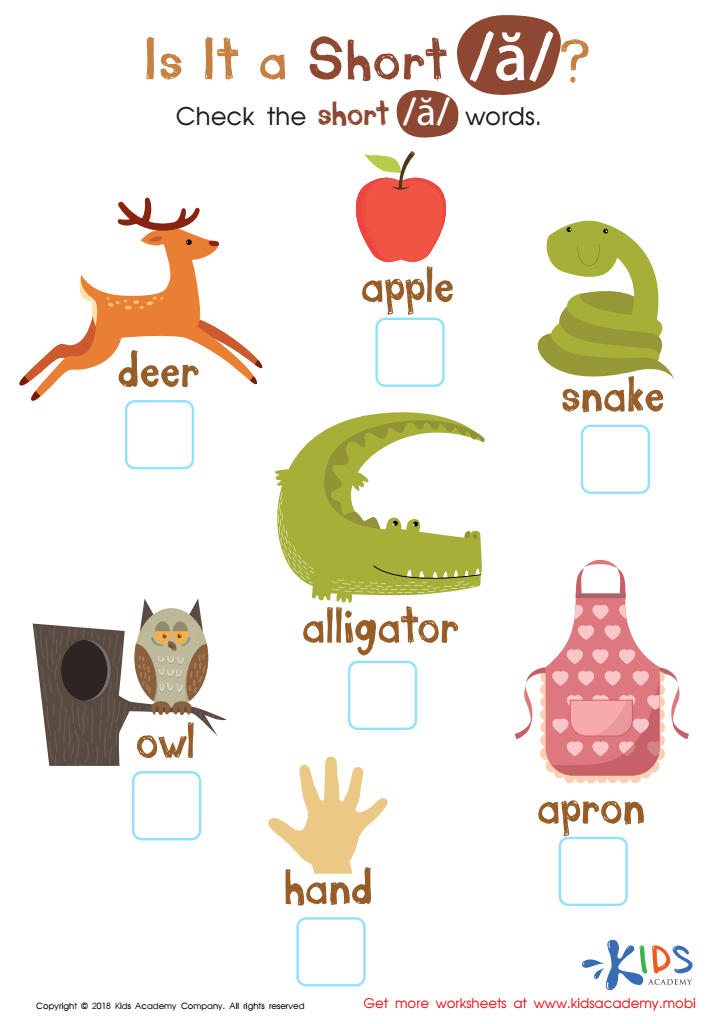
Is It Short A? Reading Worksheet
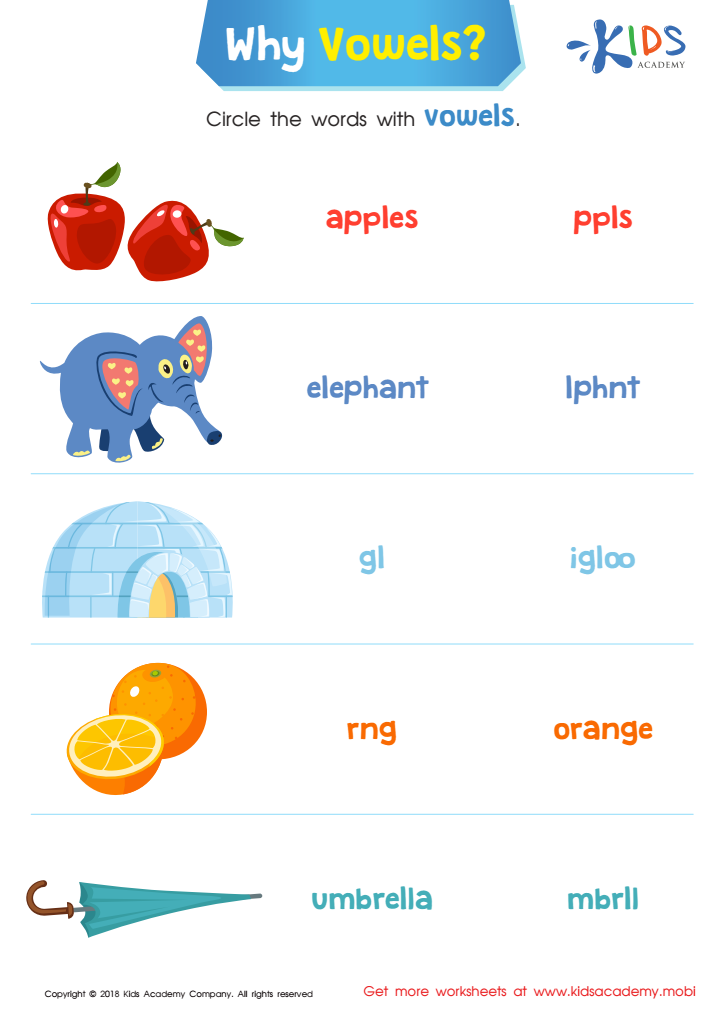
Why Vowels? Reading Worksheet
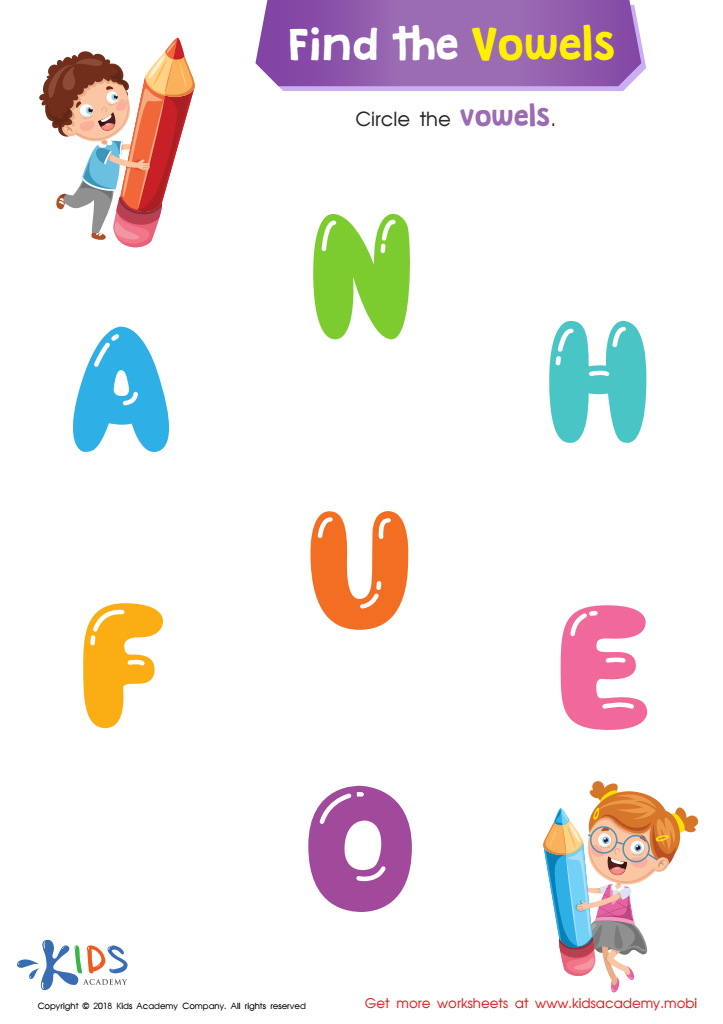
Find the Vowels Reading Worksheet
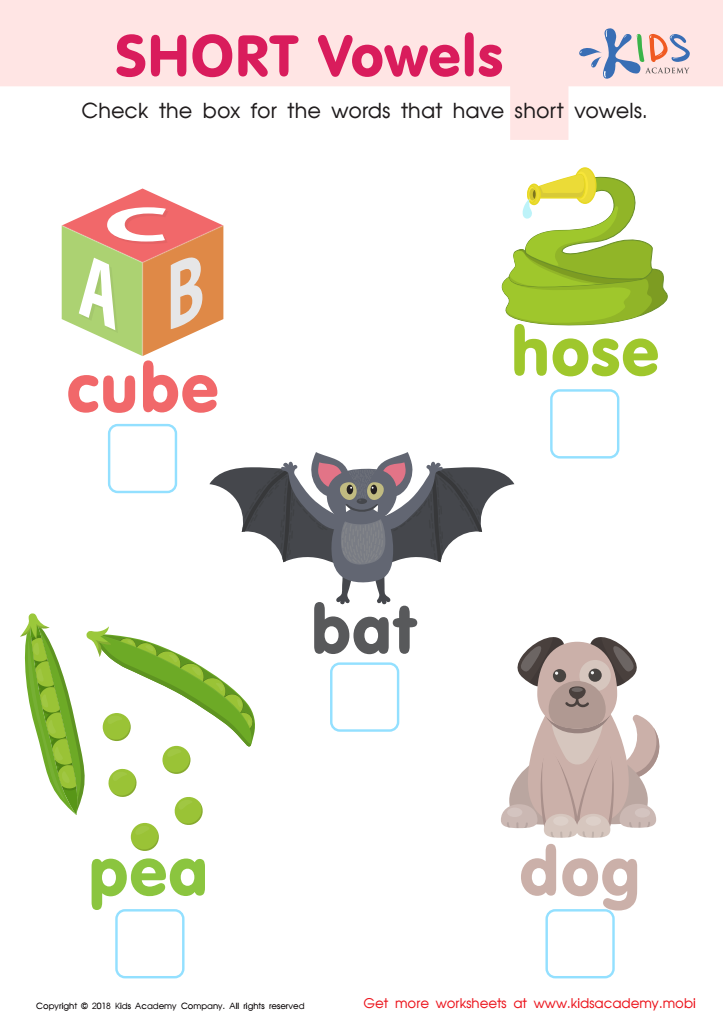
short vowels Worksheet
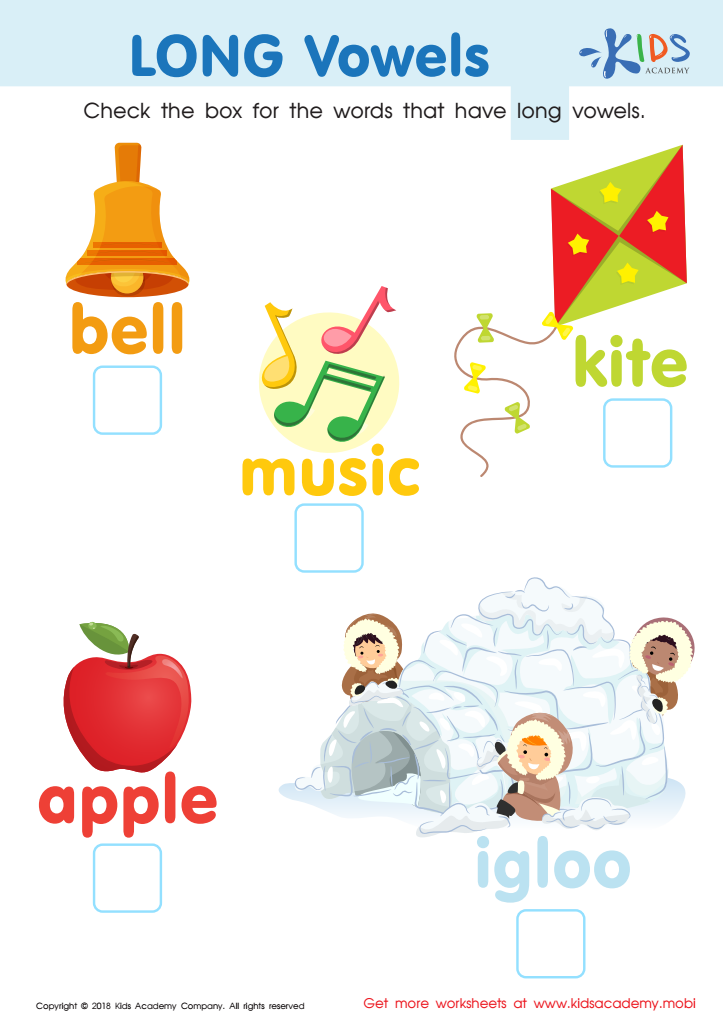
long vowels Worksheet





Vowels are essential building blocks of reading and language development, making them a crucial focus for parents and teachers of children aged 4 to 8. Understanding vowels helps children decode words, recognize patterns, and ultimately become proficient readers. Vowels form the nucleus of syllables, and knowing how they function allows young learners to pronounce words correctly and comprehend language effectively.
Teaching vowels also supports phonemic awareness, which is the ability to hear, identify, and manipulate individual sounds in words. This skill is foundational for spelling and writing. By mastering short and long vowel sounds, children can develop their decoding skills, improving their confidence and motivation as readers.
Moreover, engaging with vowels through fun activities like songs, games, and visuals keeps learning enjoyable and relatable. This early focus on vowels prepares students for more advanced linguistic concepts, promoting a lifelong love for reading and learning. In an increasingly literate world, equipping children with strong vowel recognition skills ensures they have the confidence and capabilities needed for academic success and effective communication. Therefore, the engagement of parents and teachers in teaching vowels is imperative for fostering foundational literacy skills in young learners.







