Basic Addition Numbers Worksheets for Ages 4-8
41 filtered results
-
From - To
Boost your child's math skills with our Basic Addition Numbers Worksheets for Ages 4-8! Designed to make learning fun, these vibrant and engaging worksheets help young learners master addition through interactive activities and colorful illustrations. Perfect for preschool to early elementary students, our worksheets focus on building a strong foundation in basic math concepts. From simple number bonds to more advanced problems, each worksheet is tailored to suit your child's learning pace. Encourage confidence in math, enhance problem-solving skills, and watch your little mathematician succeed! Visit us at Kids Academy today and start your free printable worksheets!
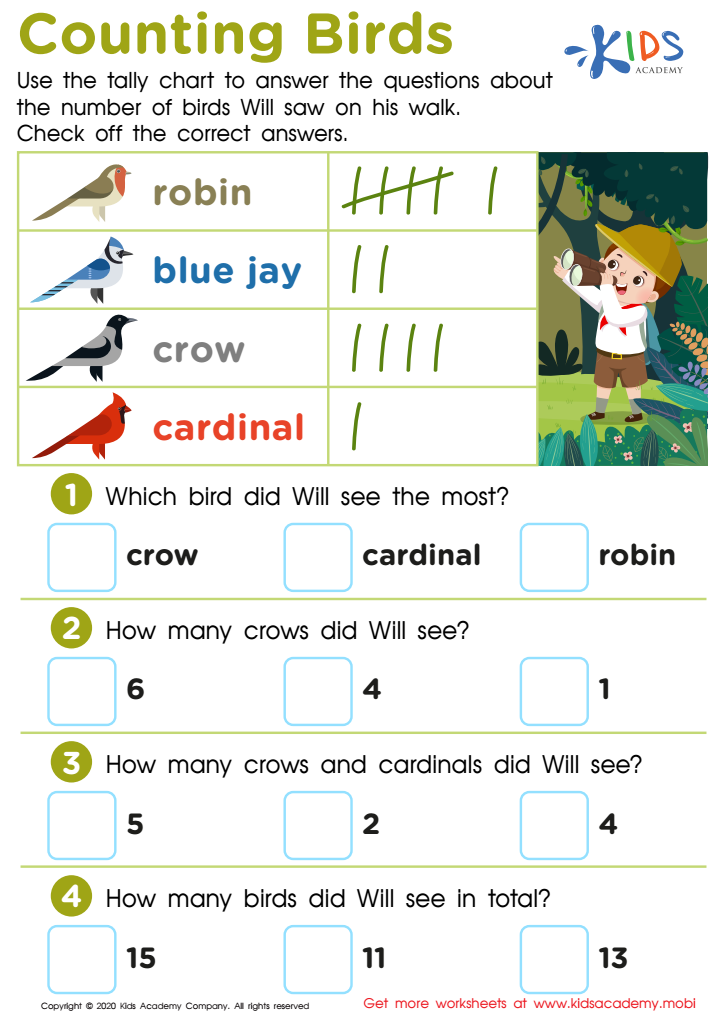
Counting Birds Worksheet
 Assign to My Students

Lily Pad Pond Counting Worksheet
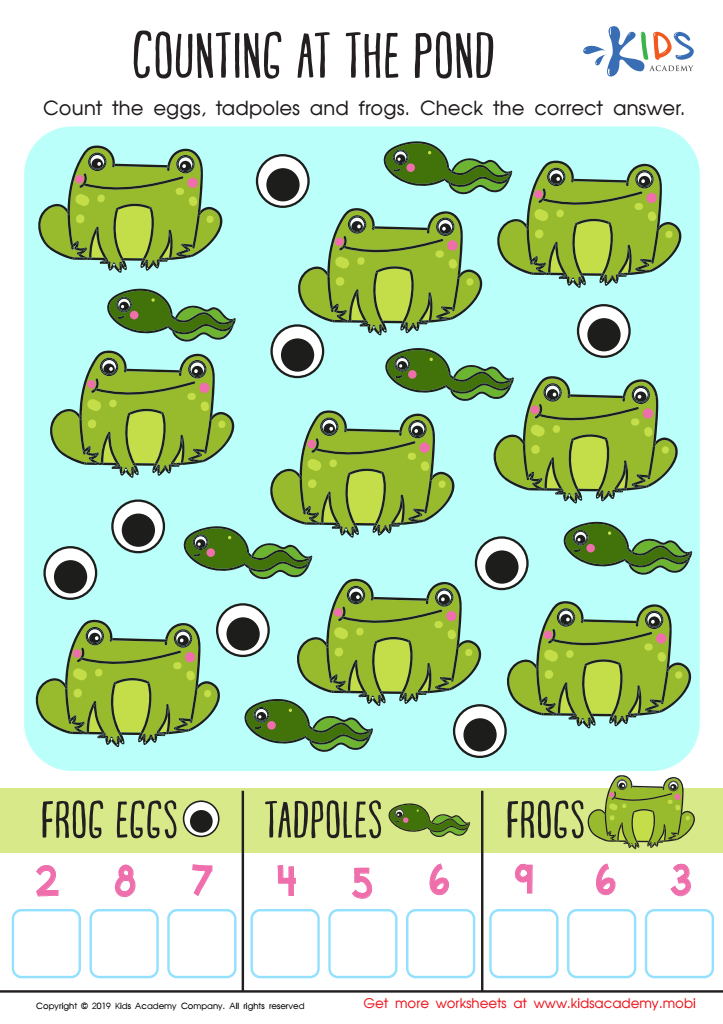
Counting at the Pond Worksheet
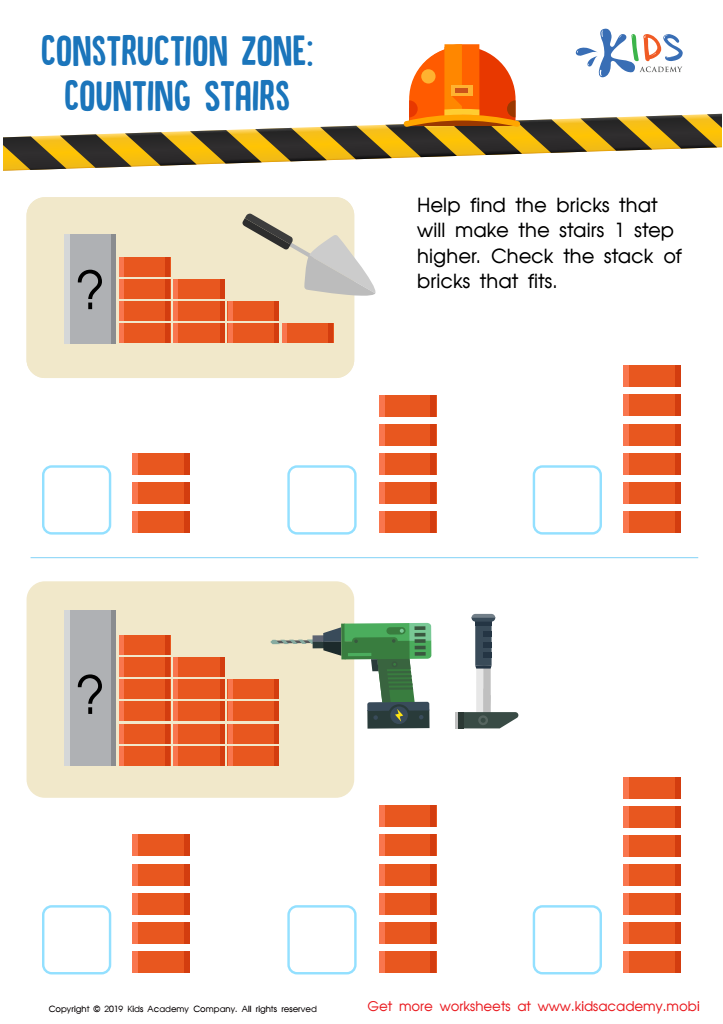
Construction Zone: Counting Stairs Worksheet
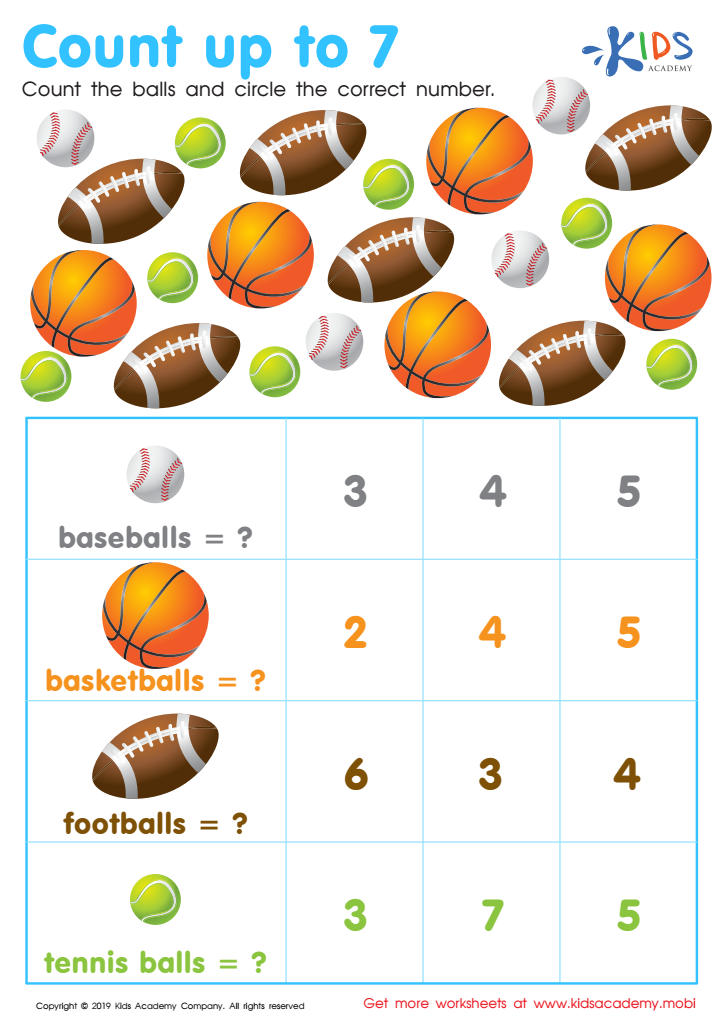
Count up to 7 Worksheet
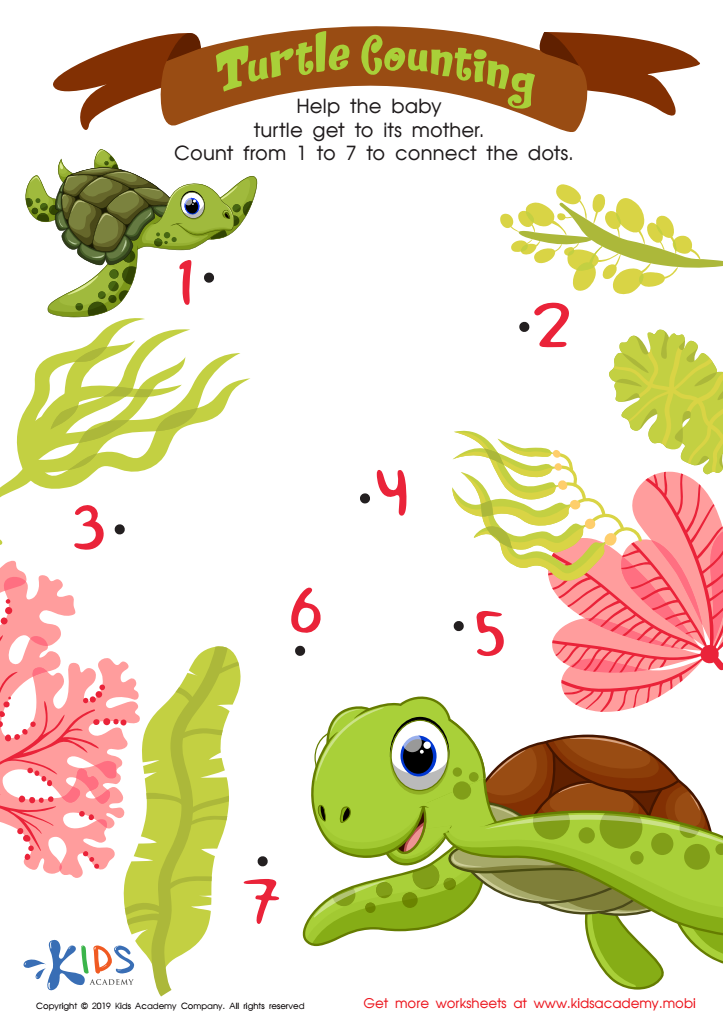
Turtle Counting Worksheet
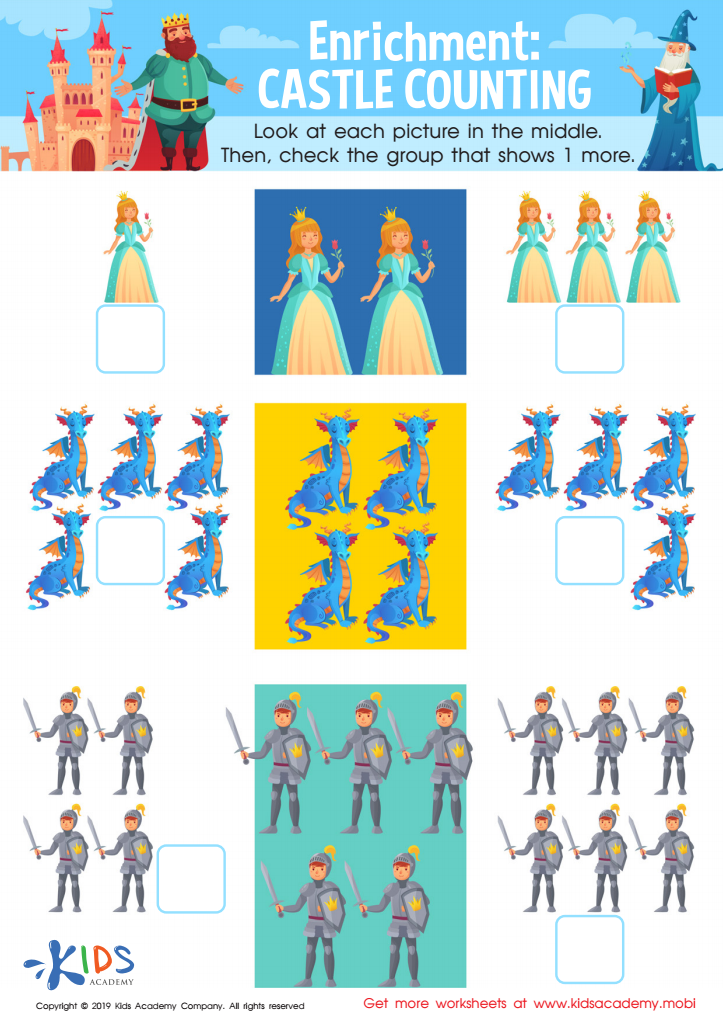
Enrichment: Castle Counting Worksheet
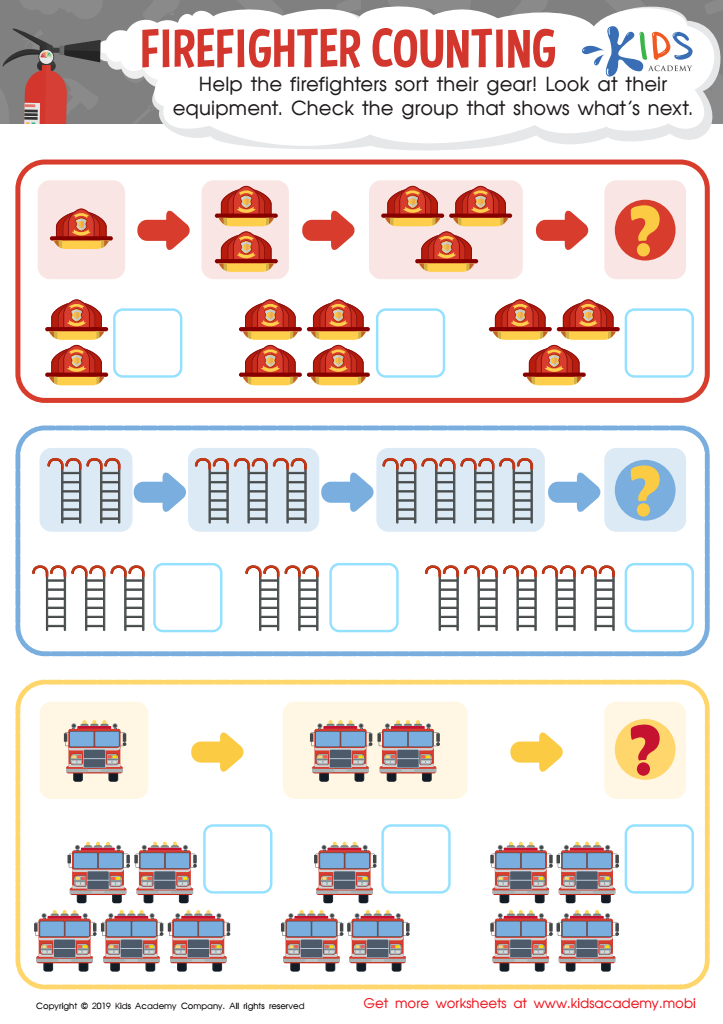
Firefighter Counting Worksheet
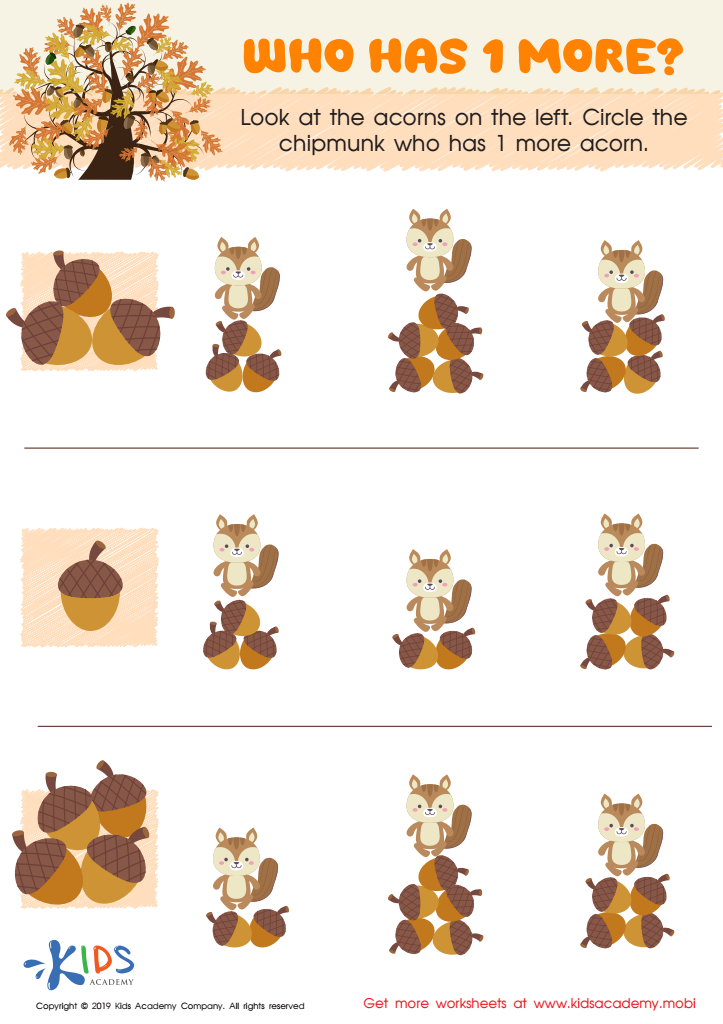
Who Has 1 More? Worksheet
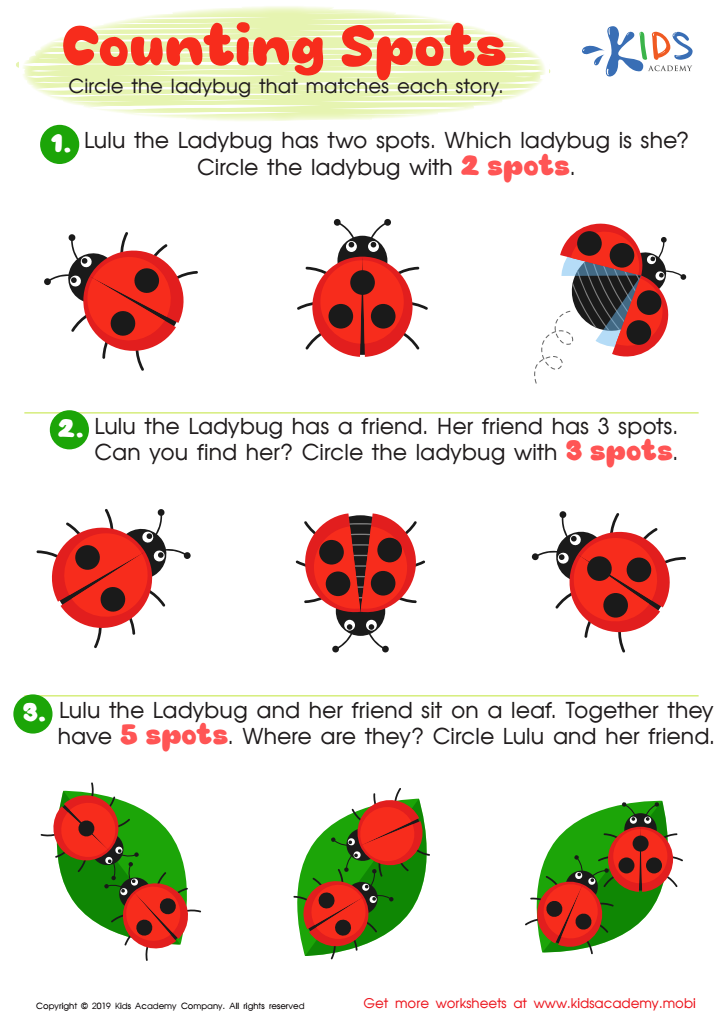
Counting Spots Worksheet
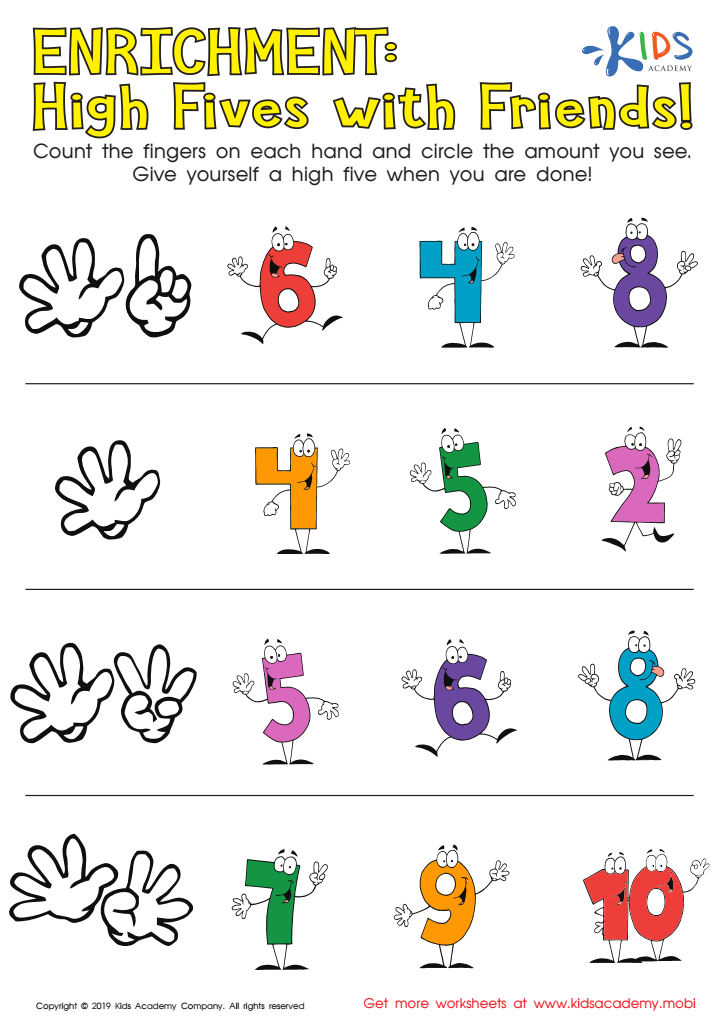
Enrichment: High Fives with Friends! Worksheet
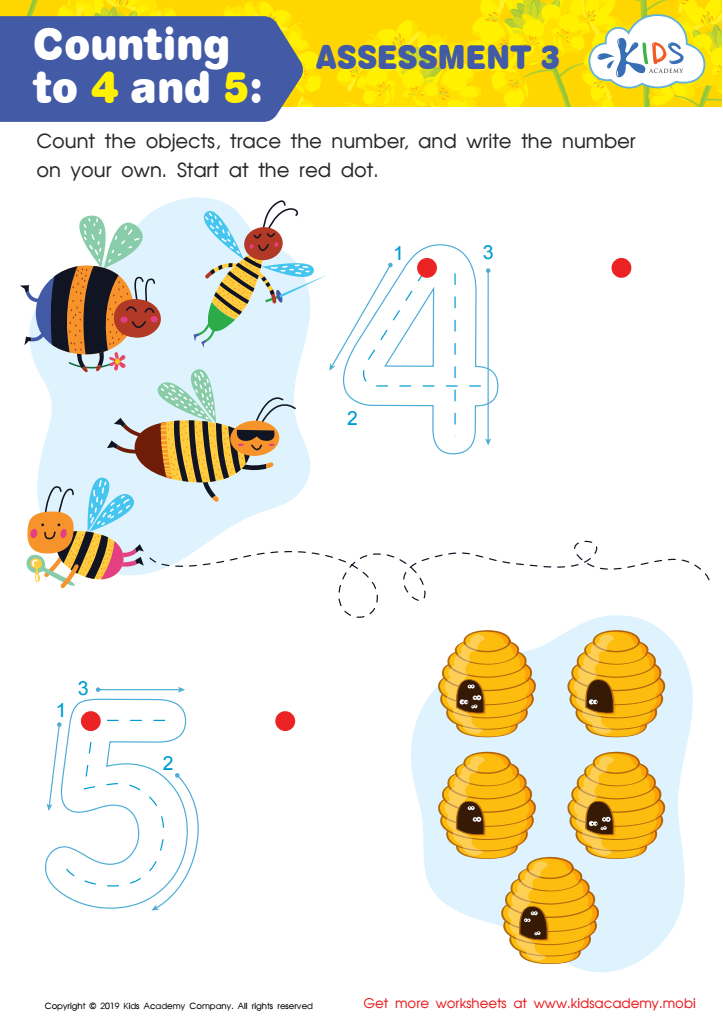
Counting to 4 and 5: Assessment 3 Worksheet
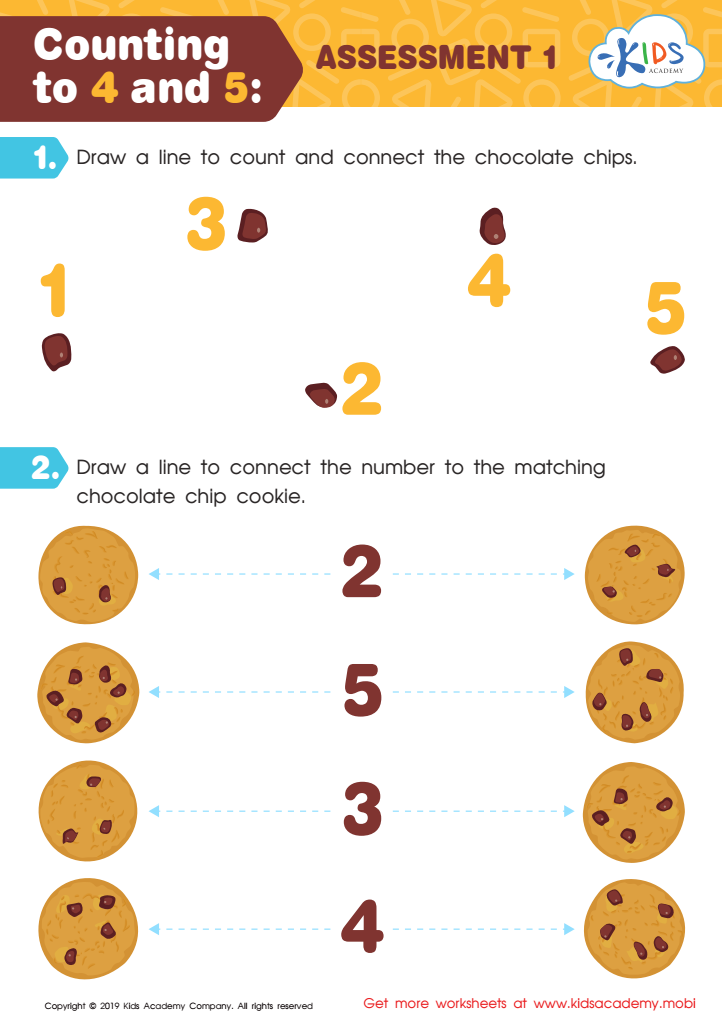
Counting to 4 and 5: Assessment 1 Worksheet
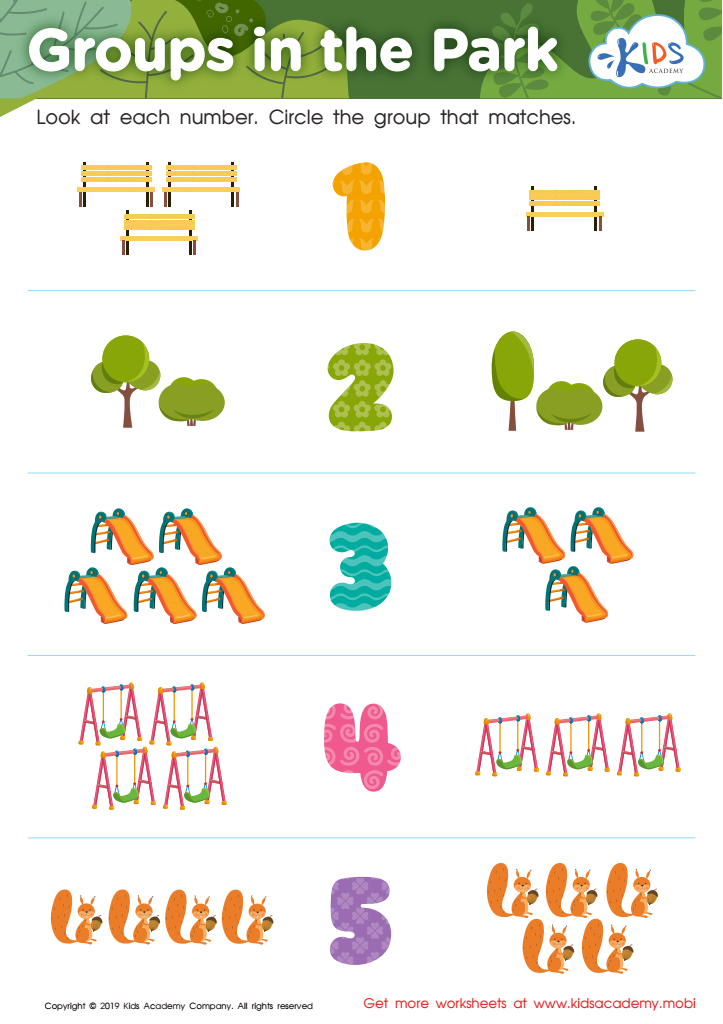
Groups in the Park Worksheet
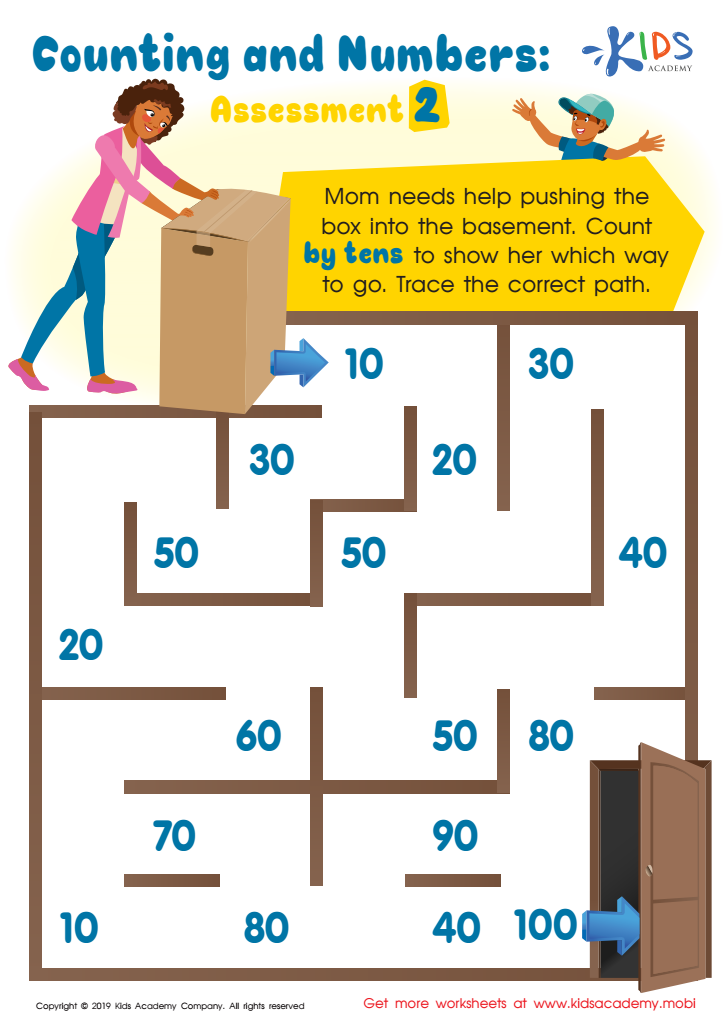
Counting and Numbers: Assessment 2 Worksheet
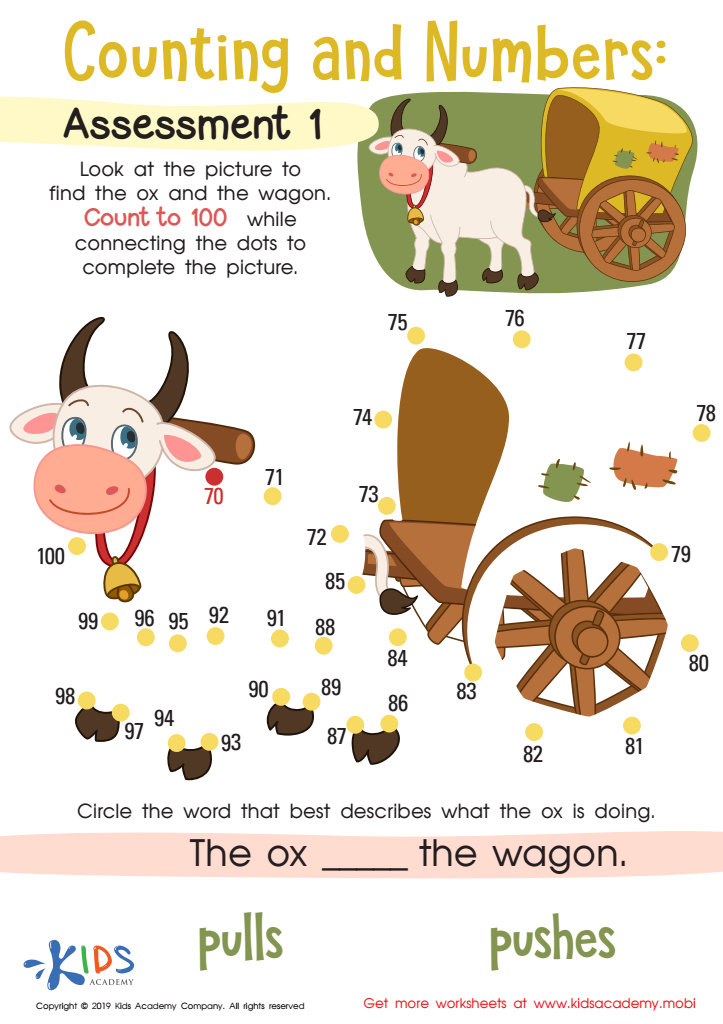
Counting and Numbers: Assessment 1 Worksheet
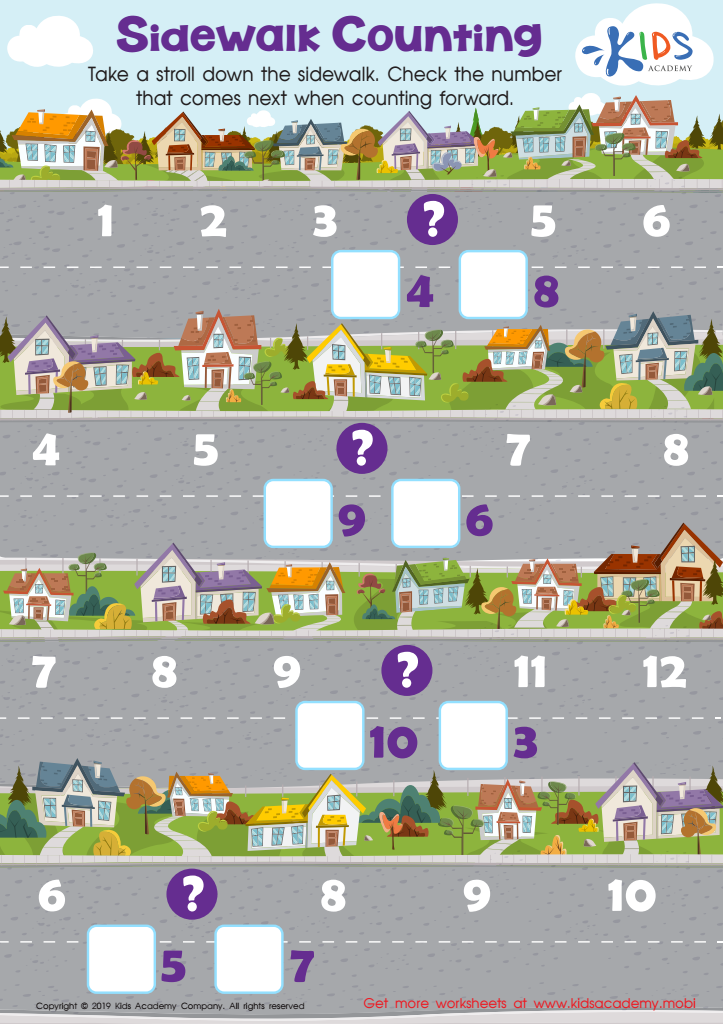
Sidewalk Counting Worksheet
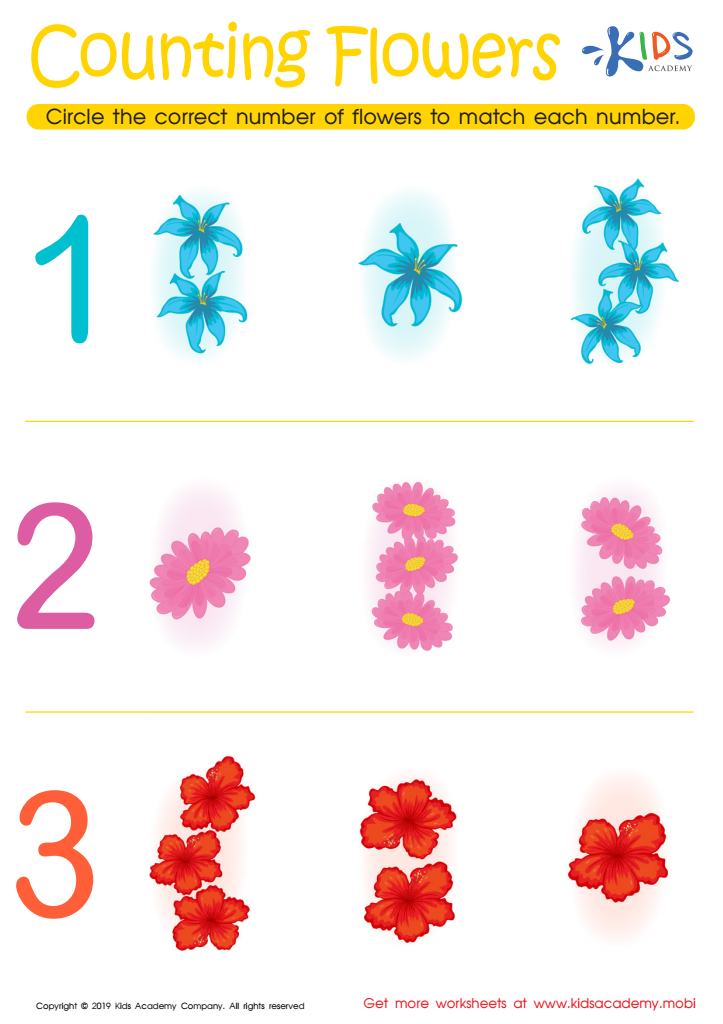
Counting Flowers Worksheet
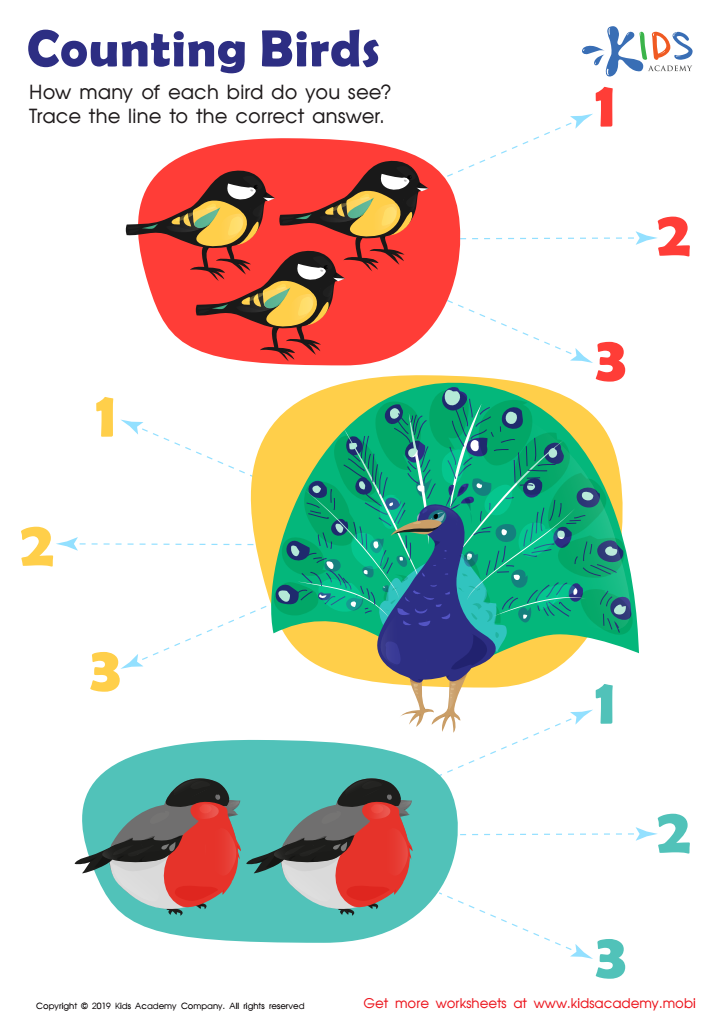
Counting Birds Worksheet
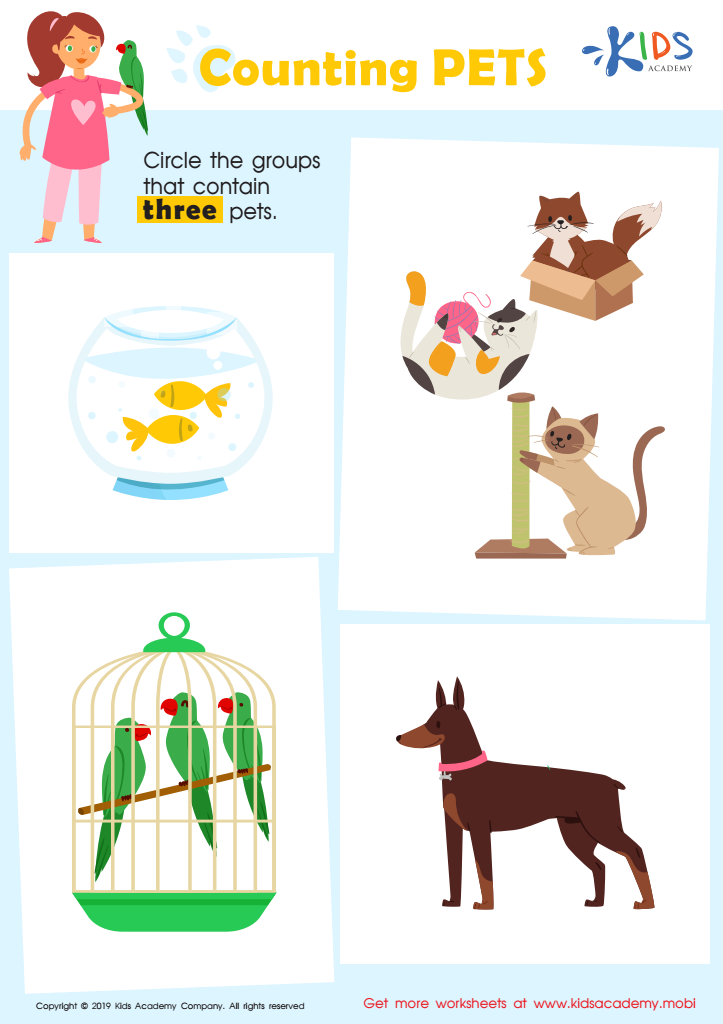
Counting Pets Worksheet
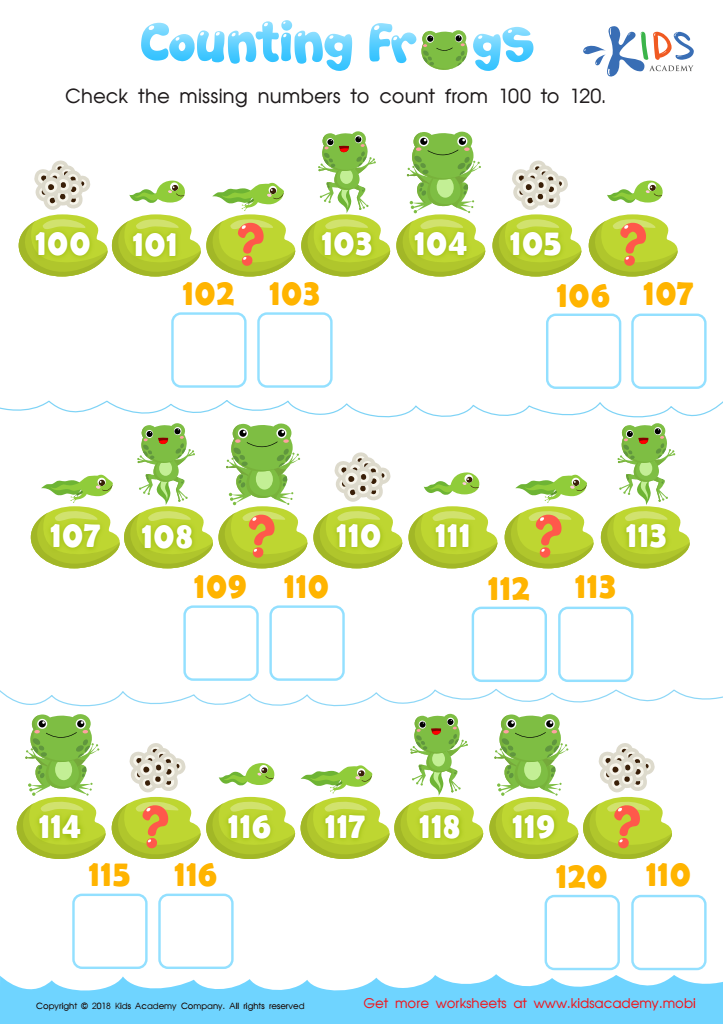
Counting Frogs Worksheet
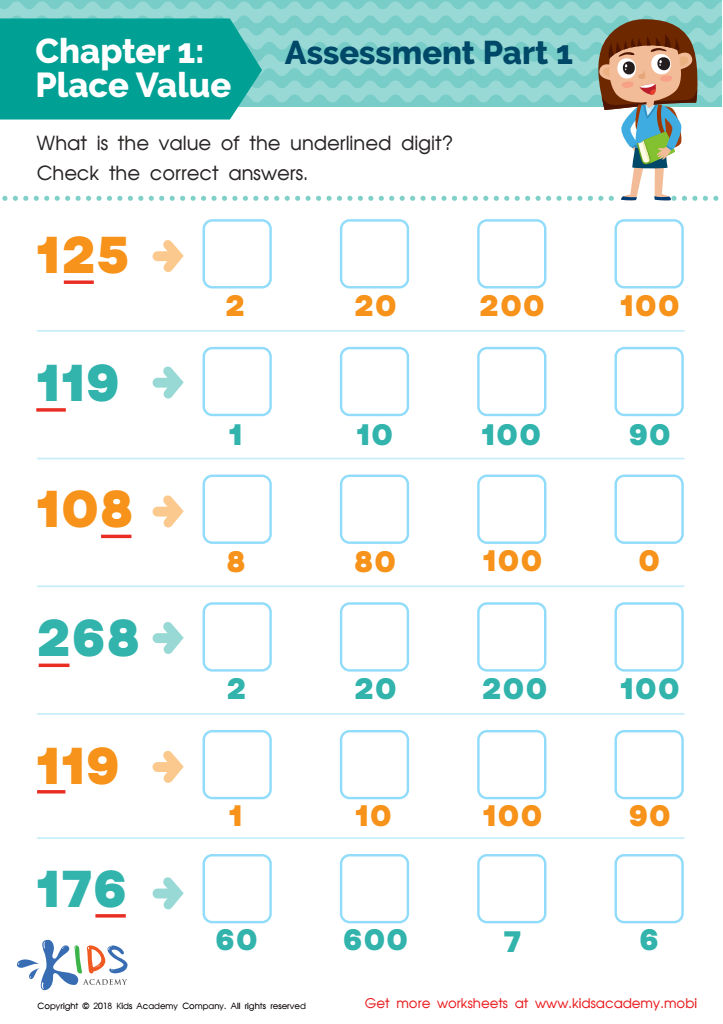
Place Value: Chapter 1 Worksheet
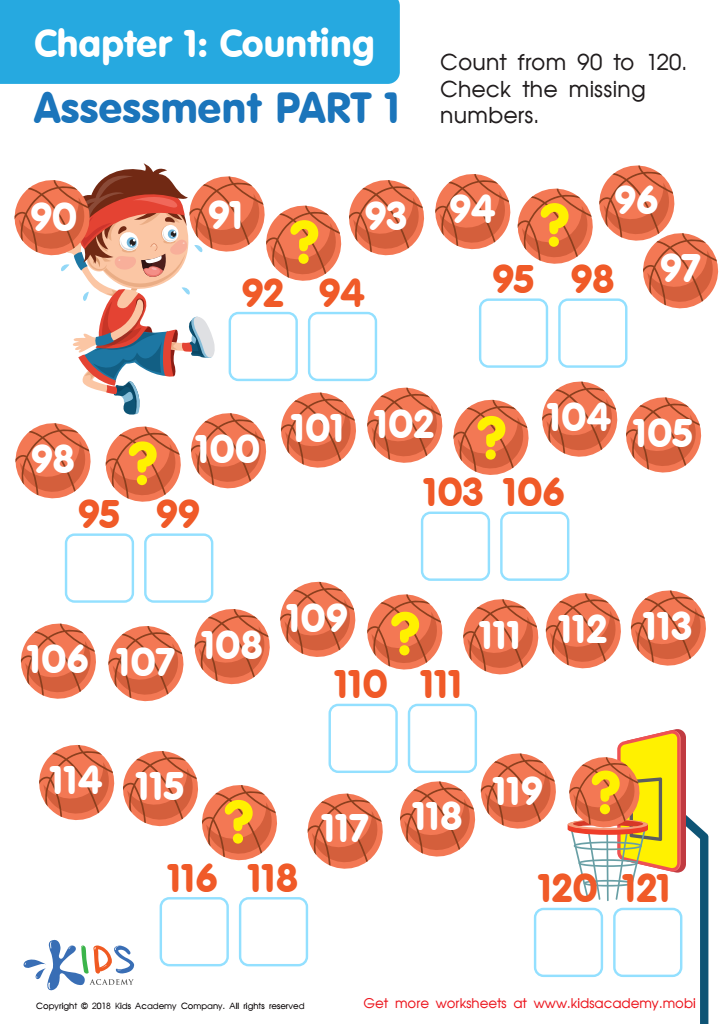
Counting Past 1: Assessment 1 Worksheet
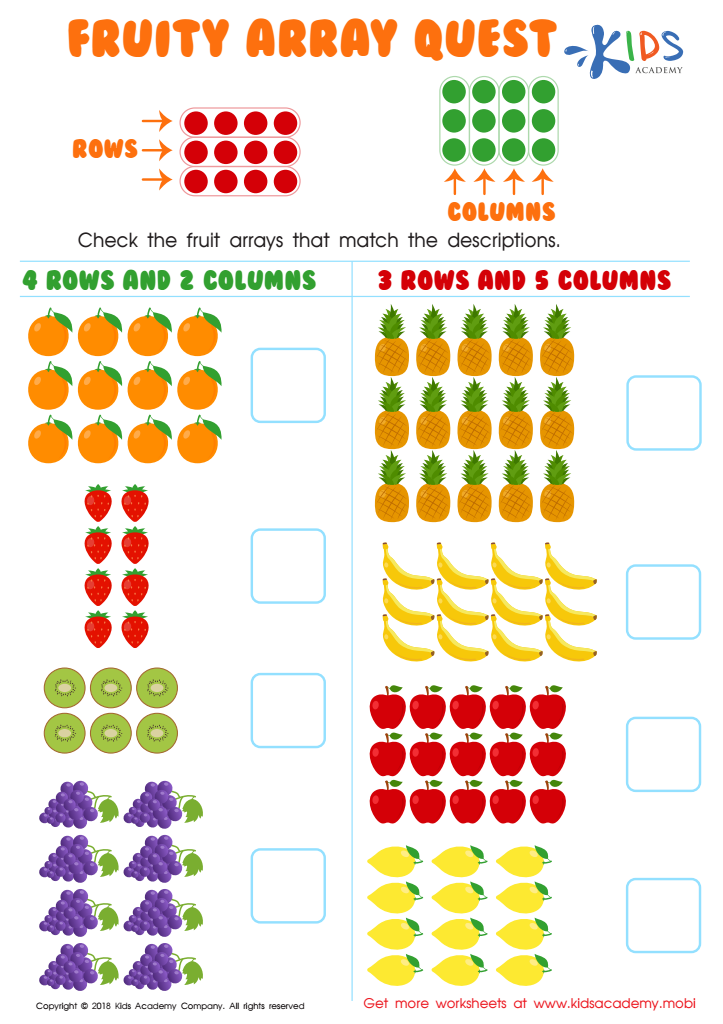
Fruity Array Quest Worksheet








Basic addition numbers are the foundational building blocks of all mathematical learning, making them critically important during the early years of a child's education, specifically between ages 4-8. At this young age, children's brains are like sponges, readily absorbing new information. Parents and teachers should place special emphasis on basic addition for several compelling reasons.
Firstly, competency in basic addition paves the way for advanced mathematical concepts, building confidence and fostering a positive attitude toward math. When children grasp addition early on, they are better prepared to tackle subtraction, multiplication, and division. This foundational skill leads to success in other subjects, contributing to overall academic achievement.
Additionally, learning basic addition enhances cognitive development by strengthening logical thinking, problem-solving skills, and mental arithmetic abilities. These skills are not confined to the classroom; they play a critical role in daily life—whether estimating the total cost while shopping, planning a budget, or dividing food portions.
Furthermore, developing proficiency at a young age is linked with improved memory and attention spans, as solving addition problems requires focus and recall. Cooperative learning environments where peers encourage each other can also foster social skills and teamwork.
By prioritizing basic addition knowledge, teachers and parents invest in the child's holistic development and future academic and personal success, setting a firm foundation for lifelong learning.








