World Around Us Worksheets for Ages 4-8 - Page 5
102 filtered results
-
From - To
 Assign to My Students
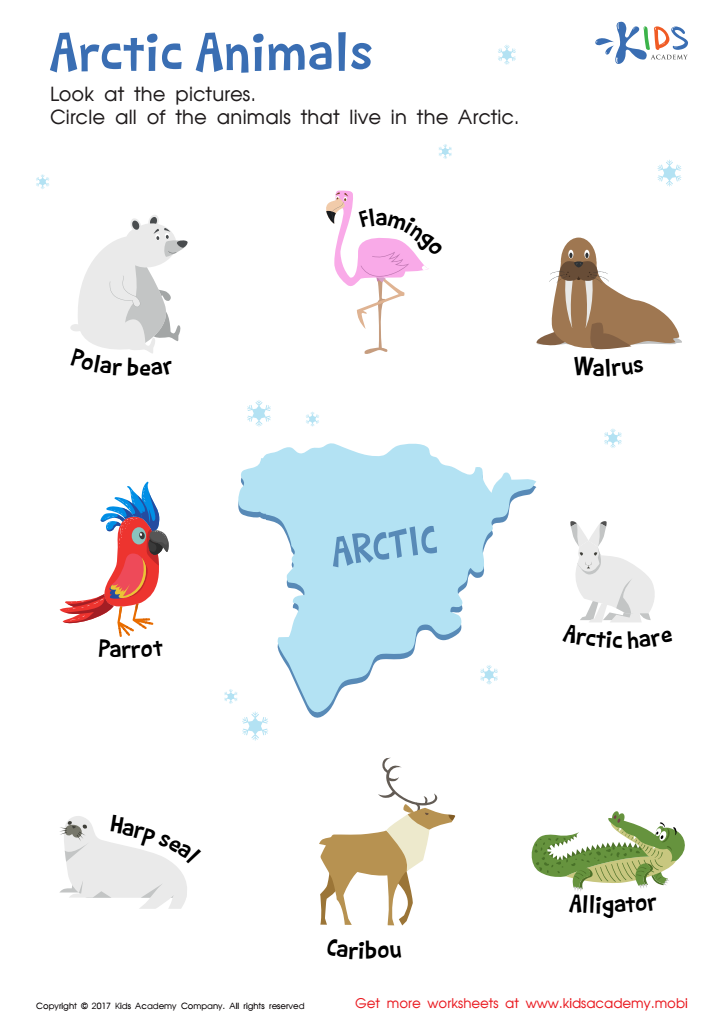
Arctic Animals Worksheet
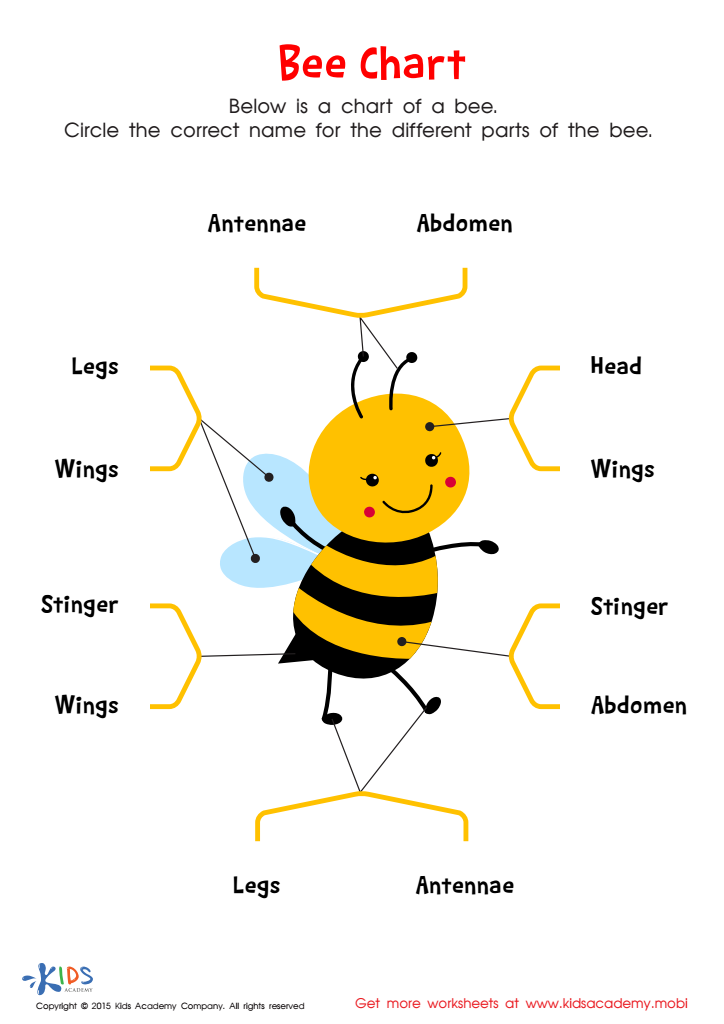
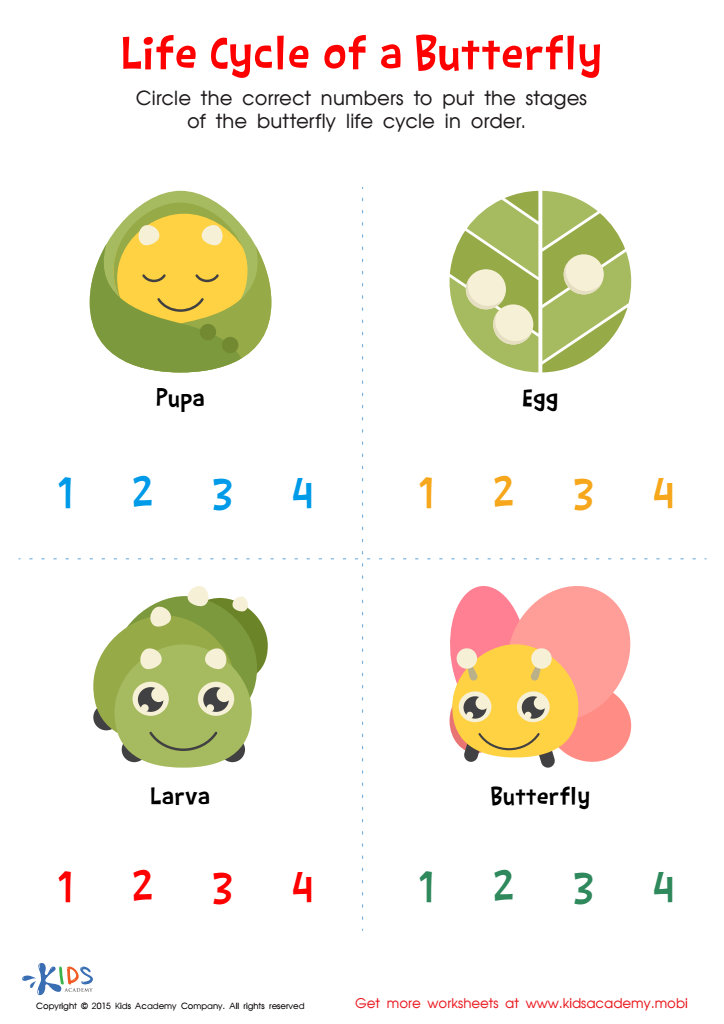
Life Cycle of Butterfly Printable
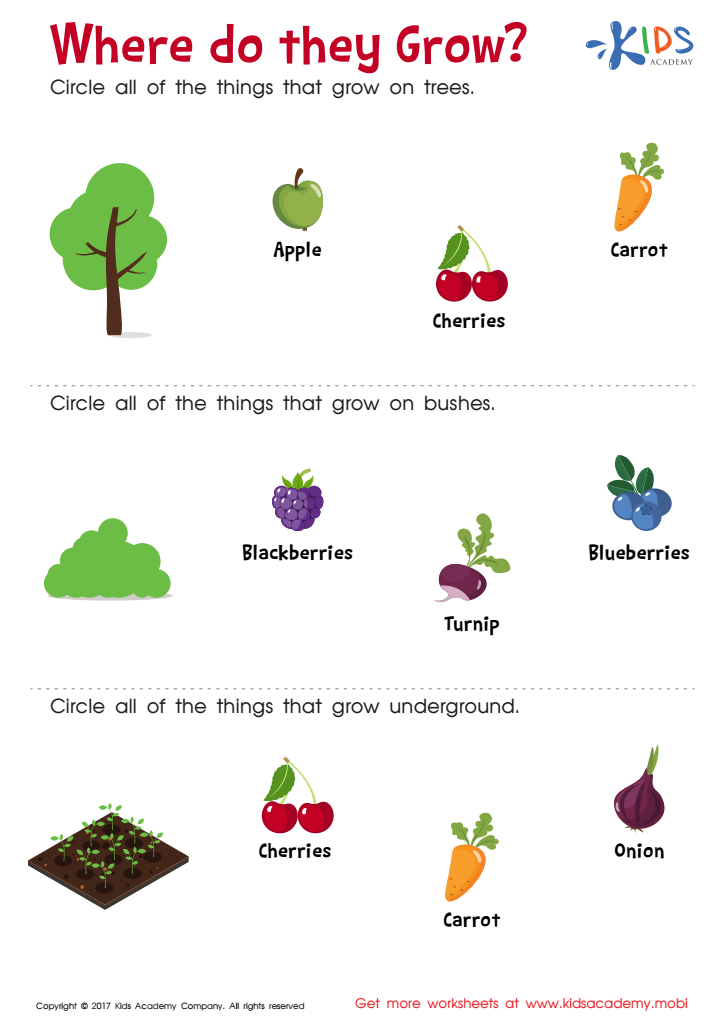
Where Do They Grow Worksheet





Understanding the World Around Us is crucial for children aged 4-8 as it lays the foundation for their perception of the environment and the broader society. During these formative years, children are naturally curious and eager to learn about their surroundings. Engaging with the world helps them develop critical thinking skills, as they begin to ask questions and seek answers about nature, community, culture, and science.
Parents and teachers play a vital role in nurturing this curiosity. By exploring the World Around Us, children learn important concepts such as empathy, cooperation, and respect for diversity, fostering a sense of belonging and responsibility within their community. Exposure to different cultures and environments broadens their understanding and acceptance, helping to combat stereotypes and promote inclusivity.
Additionally, engaging with the world enhances language development, as children learn new vocabulary related to nature, geography, and cultural practices. It also encourages hands-on learning through observation, exploration, and interaction, which can make education more memorable and enjoyable.
In summary, caring about the World Around Us empowers children with knowledge, critical skills, and emotional intelligence, ultimately shaping them into informed and compassionate individuals who can contribute positively to society.