Elementary Phonics Worksheets for Ages 4-9 - Page 2
35 filtered results
-
From - To
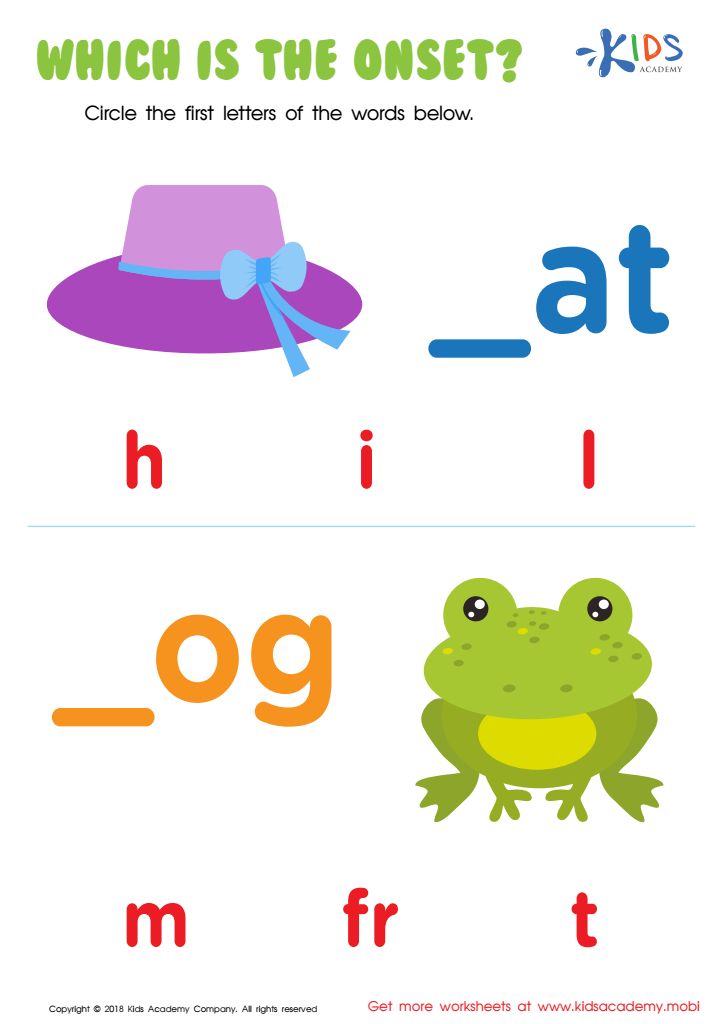
Which Is the Onset? Worksheet
 Assign to My Students
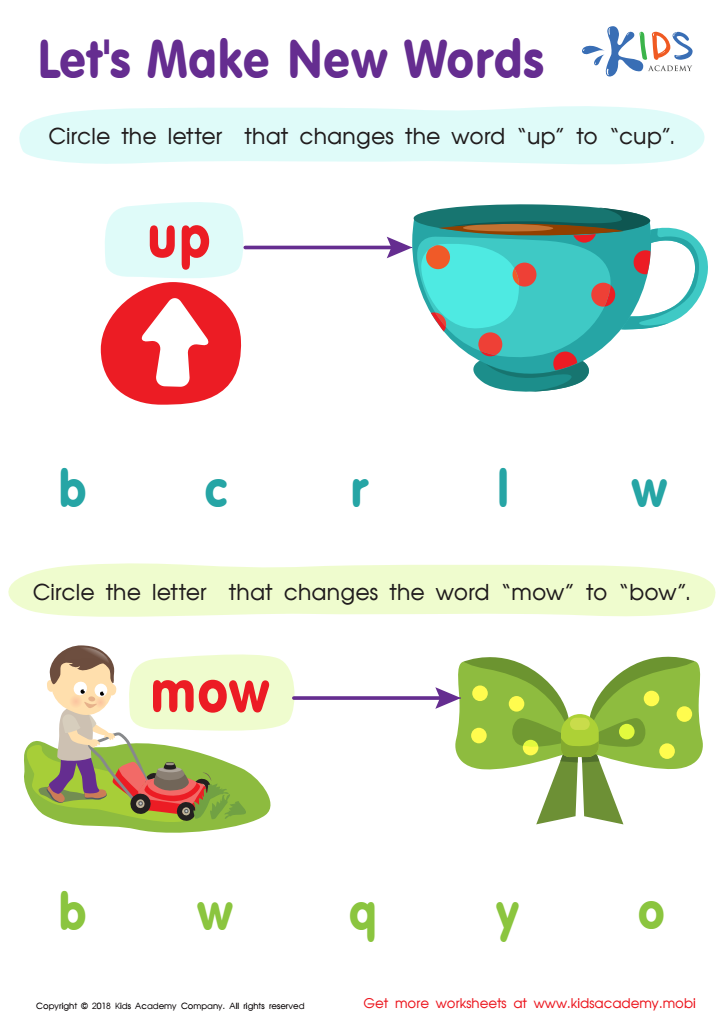
Let's Make New Words Worksheet
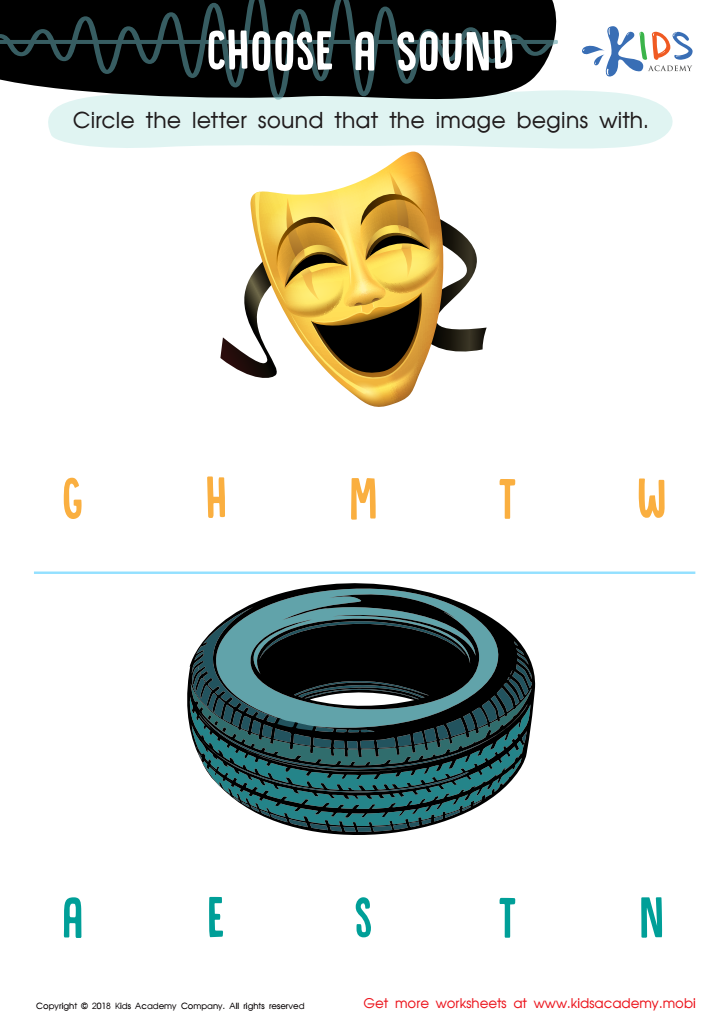
Choose a Sound Worksheet
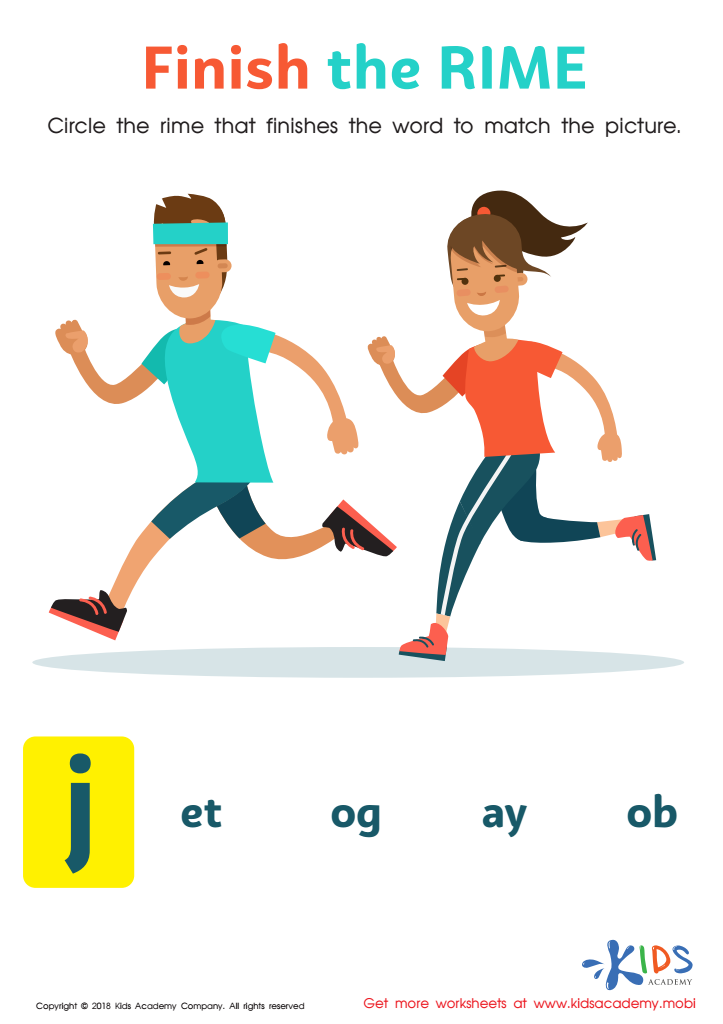
Finish the Rime Worksheet
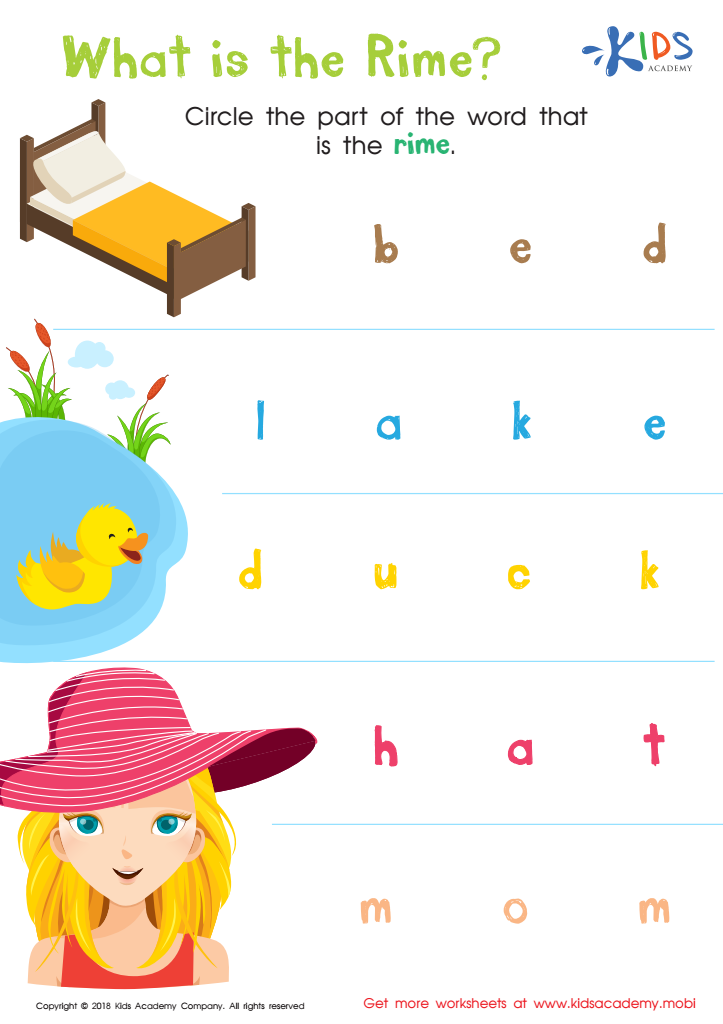
What Is the Rime? Worksheet
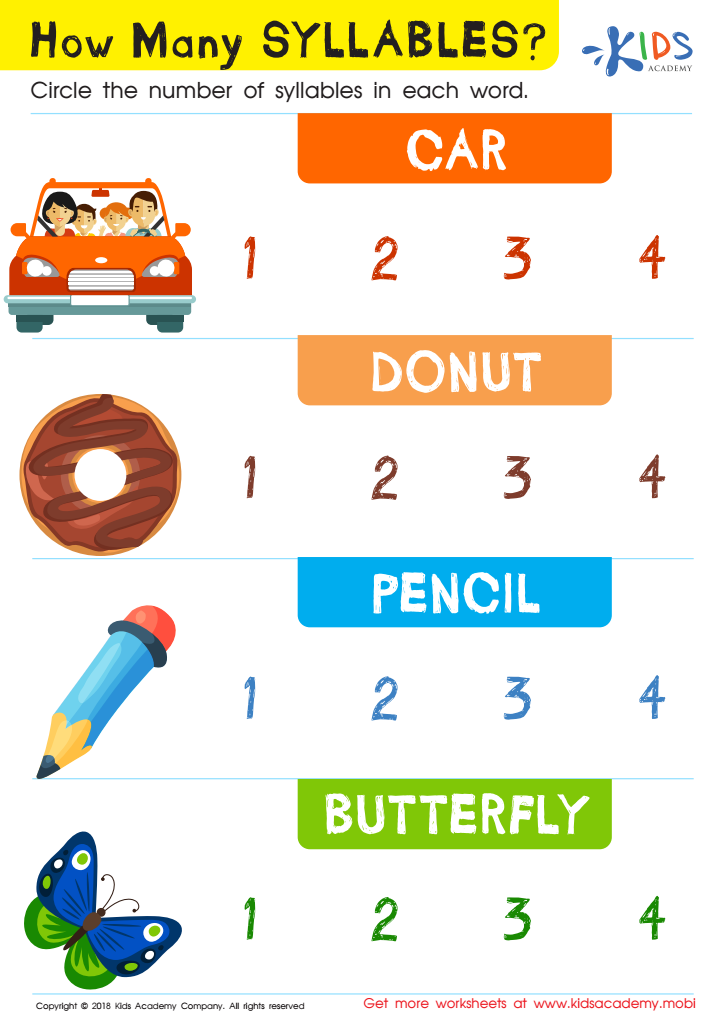
How Many Syllables? Worksheet
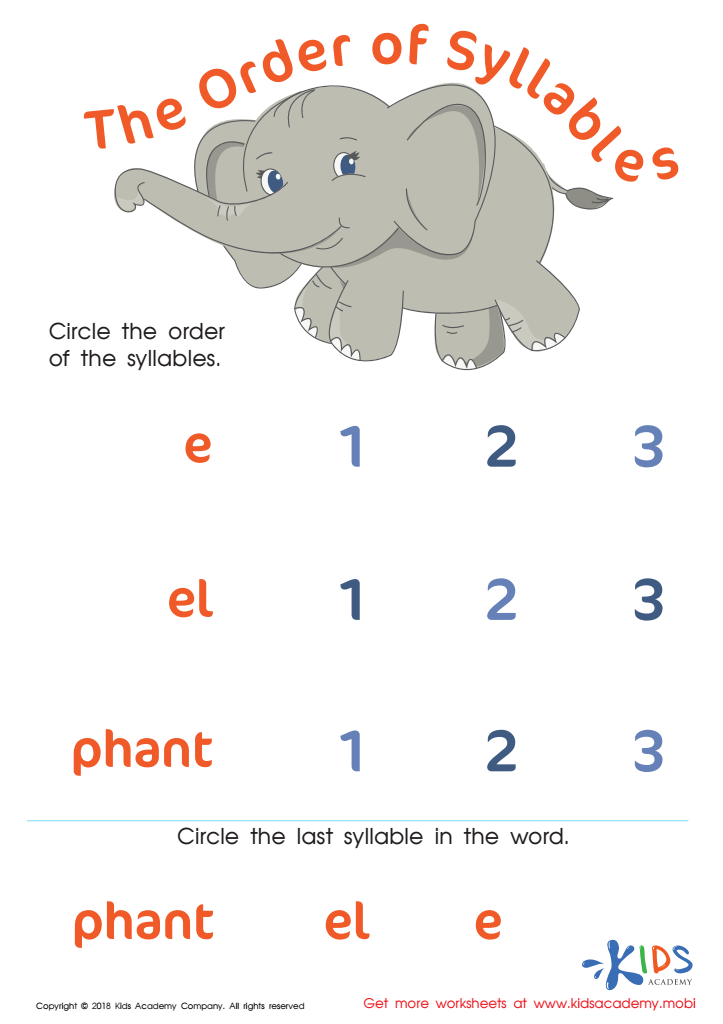
The Order of Syllables Worksheet
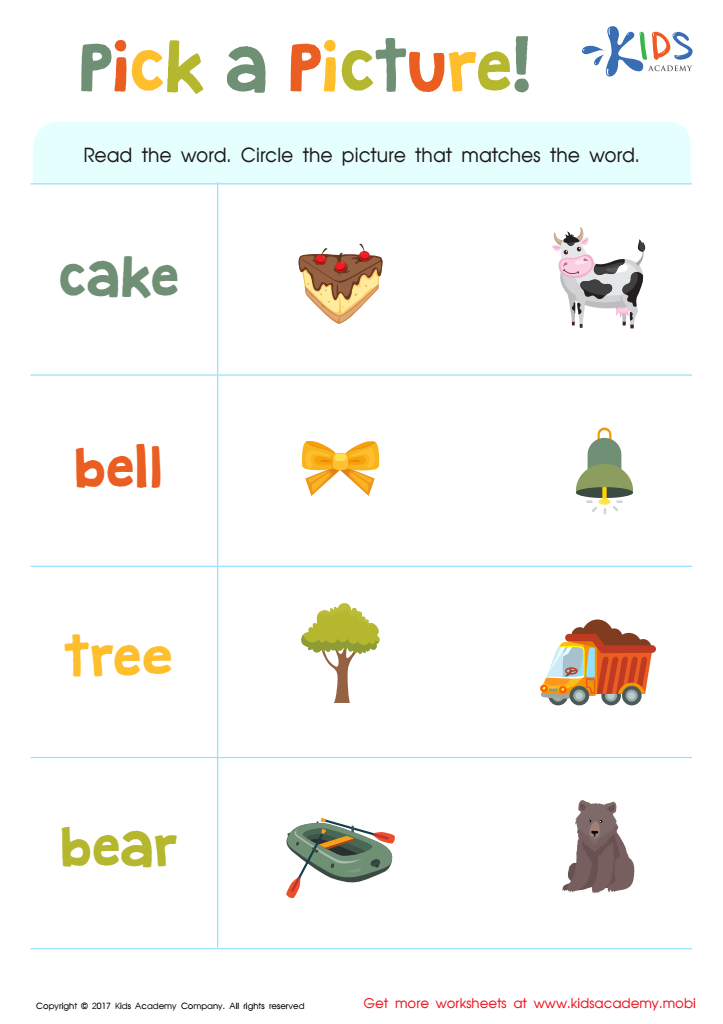
Pick a Picture Word Recognition Worksheet
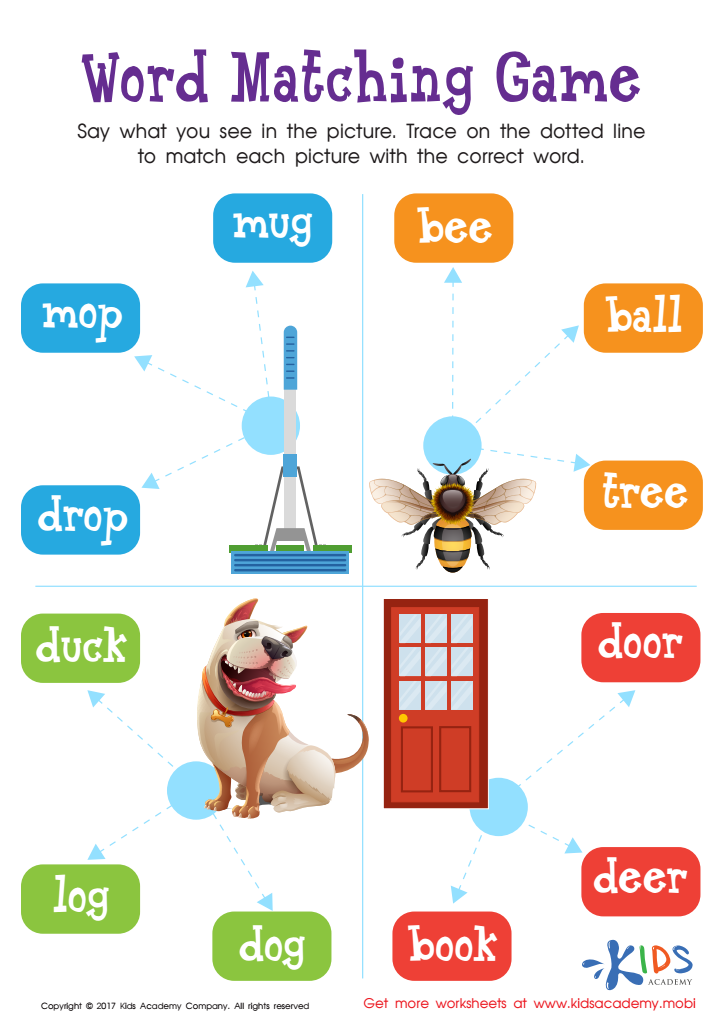
Word Matching Game Worksheet
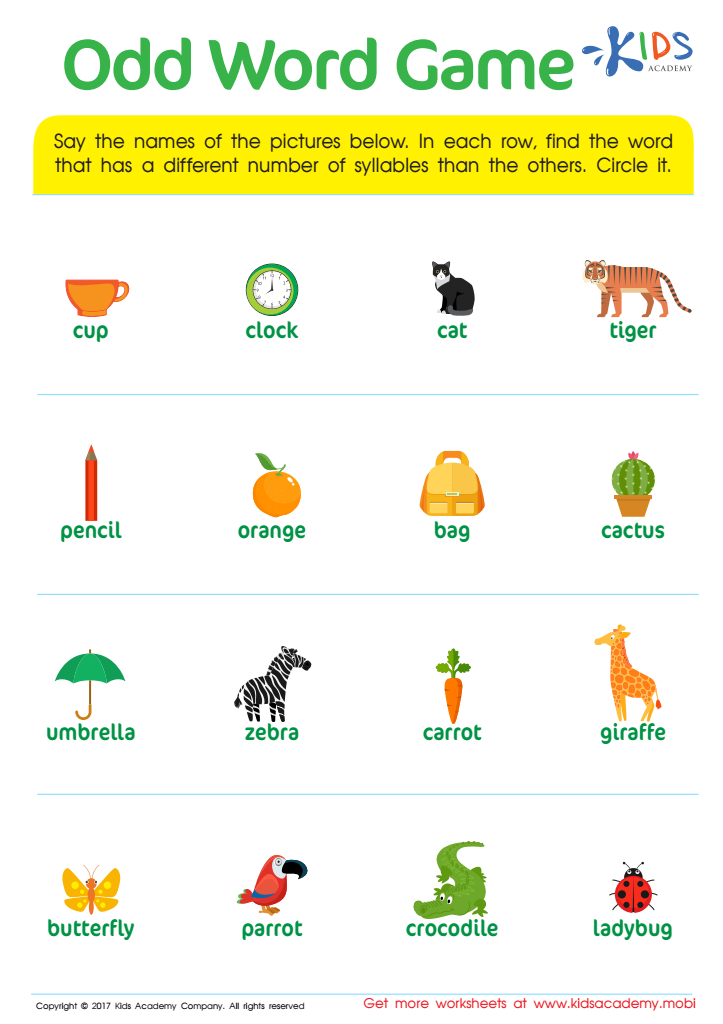
Count Syllables: Odd Word Game Worksheet
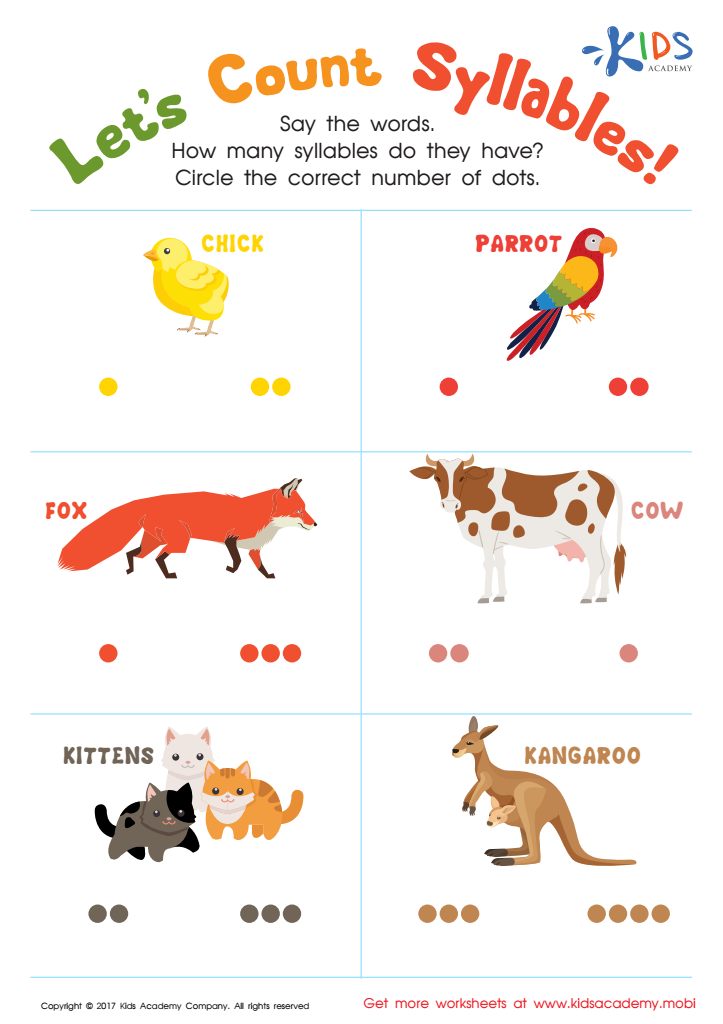
Lets Count Syllables Worksheet




Elementary phonics is pivotal for developing early literacy skills in children aged 4-9. Understanding phonics—the relationship between sounds and the letters that represent them—is foundational for reading and writing. Parents and teachers should care about phonics because proficient phonetic skills significantly enhance a child's ability to decode words and improve reading fluency. This becomes particularly crucial as children begin to encounter more complex texts, which rely on these essential skills.
Moreover, early phonics instruction fosters a sense of confidence and independence in young learners. When children can sound out words, they unlock the ability to explore new stories and concepts. This empowerment not only strengthens their reading abilities but also encourages a lifelong love for learning.
Additionally, phonics is linked to overall academic success; studies show that students with strong phonetic knowledge tend to perform better across all subjects. For teachers, incorporating effective phonics strategies into their curriculum ensures that no child is left behind, meeting diverse learning needs in the classroom. For parents, actively participating in their child's phonics education supports home learning and reinforces classroom efforts, ultimately laying a solid foundation for their child's future academic endeavors. Hence, advocating for early phonics is a critical investment in a child's educational journey.







