Physical Science Worksheets for Ages 4-9 - Page 4
85 filtered results
-
From - To
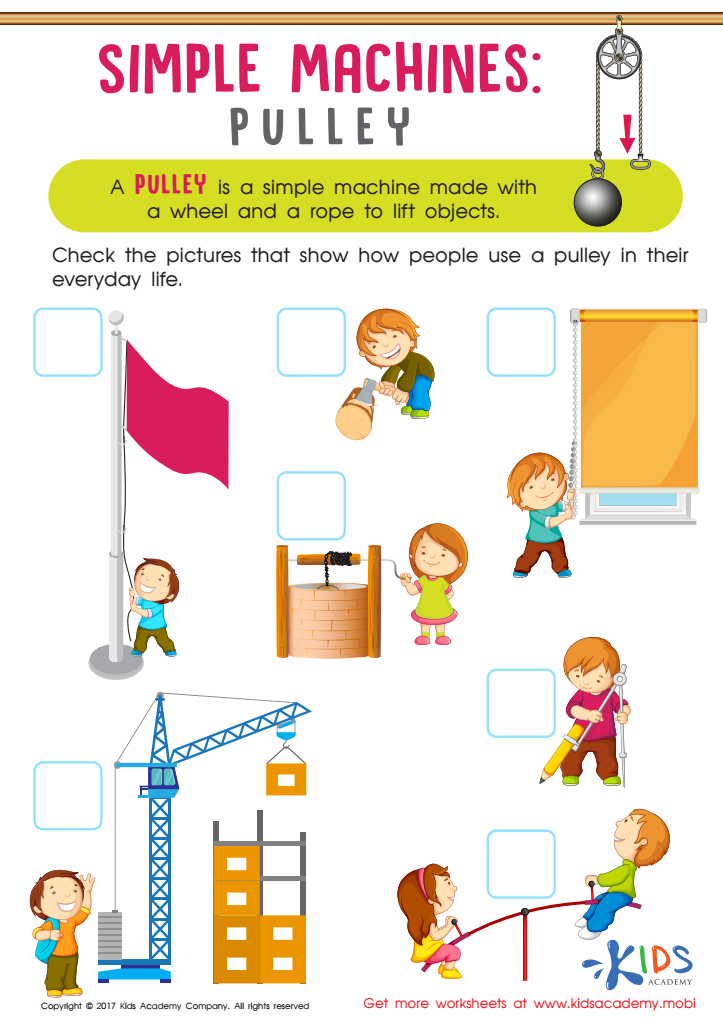
Simple Machines Pulley Worksheet
 Assign to My Students
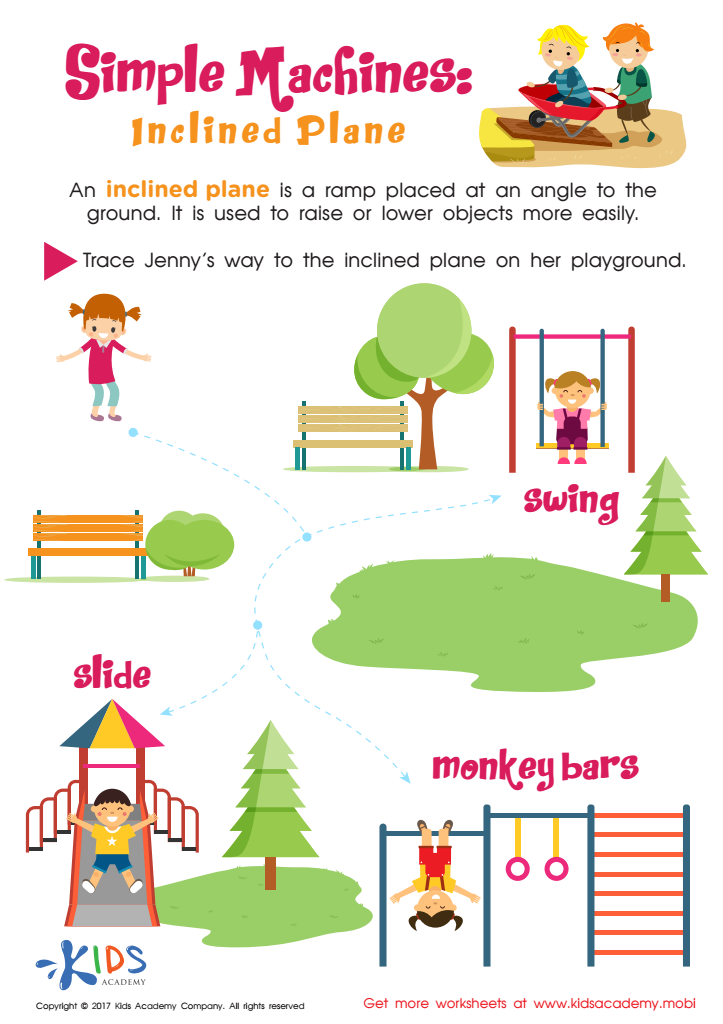
Simple Machines Inclined Plane Worksheet
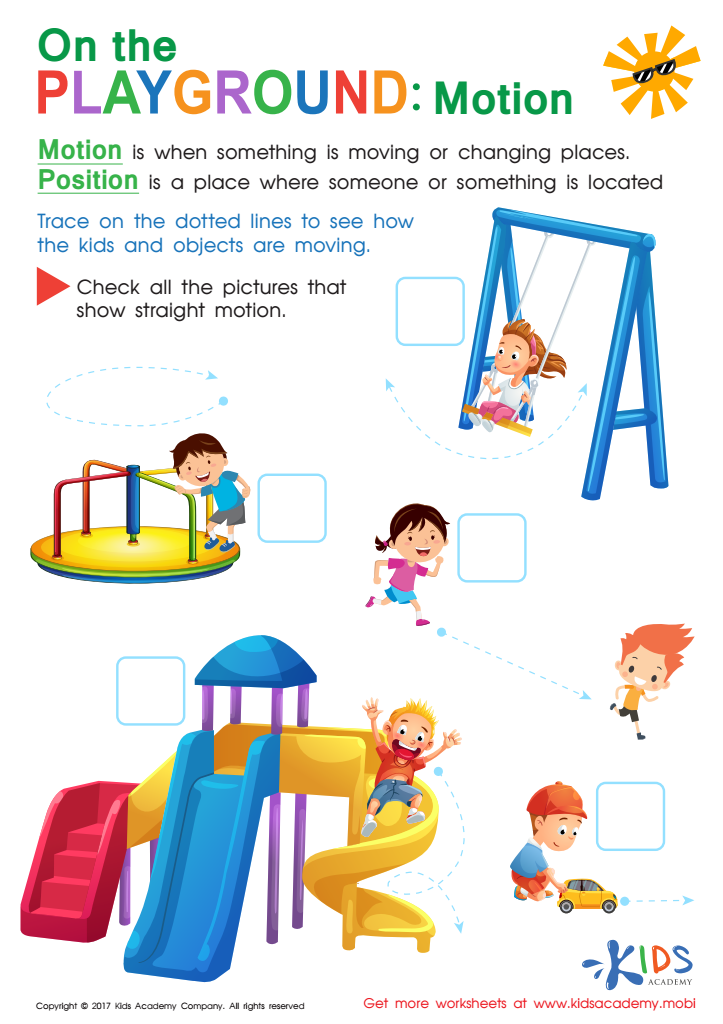
Position and Motion Worksheet
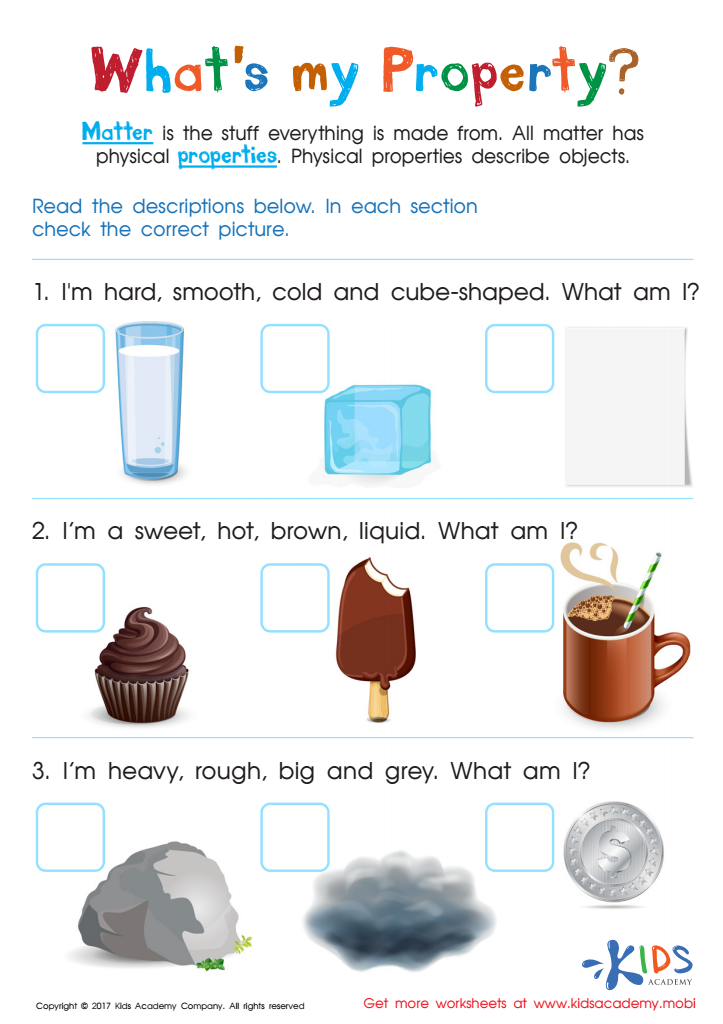
Physical Properties Of Matter Worksheet
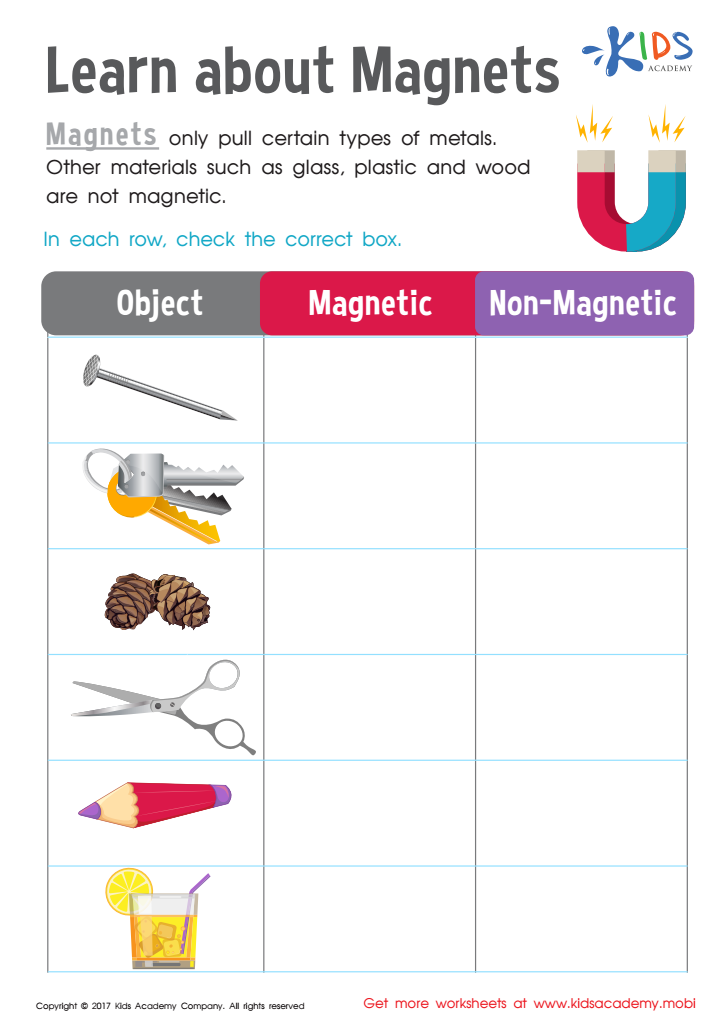
Magnetic Or Not Worksheet
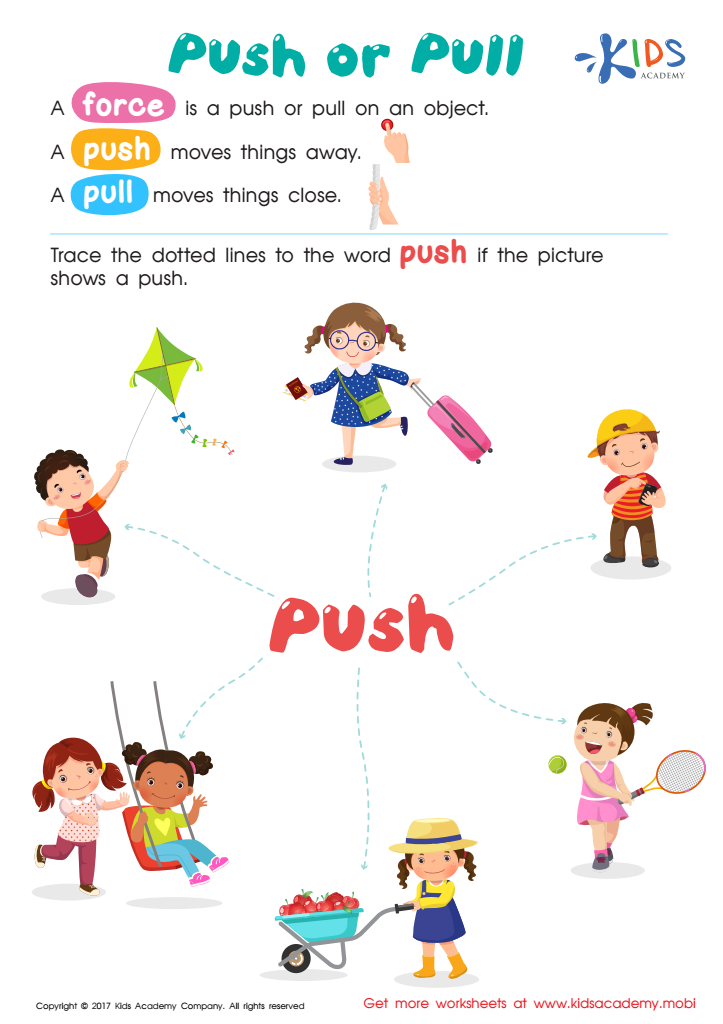
Push or Pull Worksheet
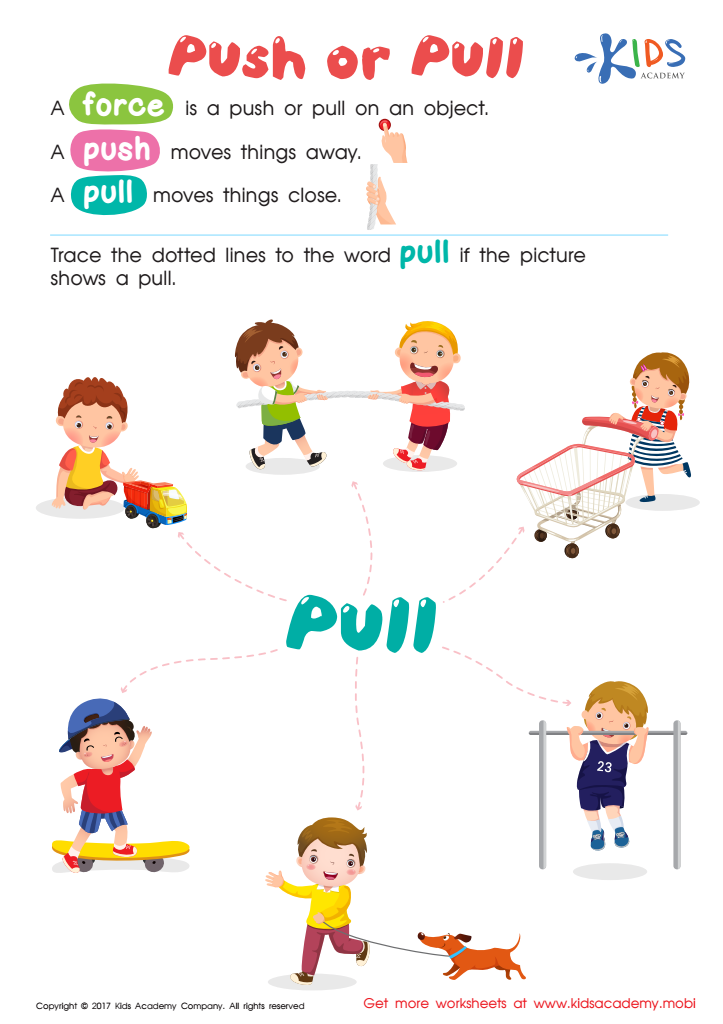
Pull or Push Worksheet
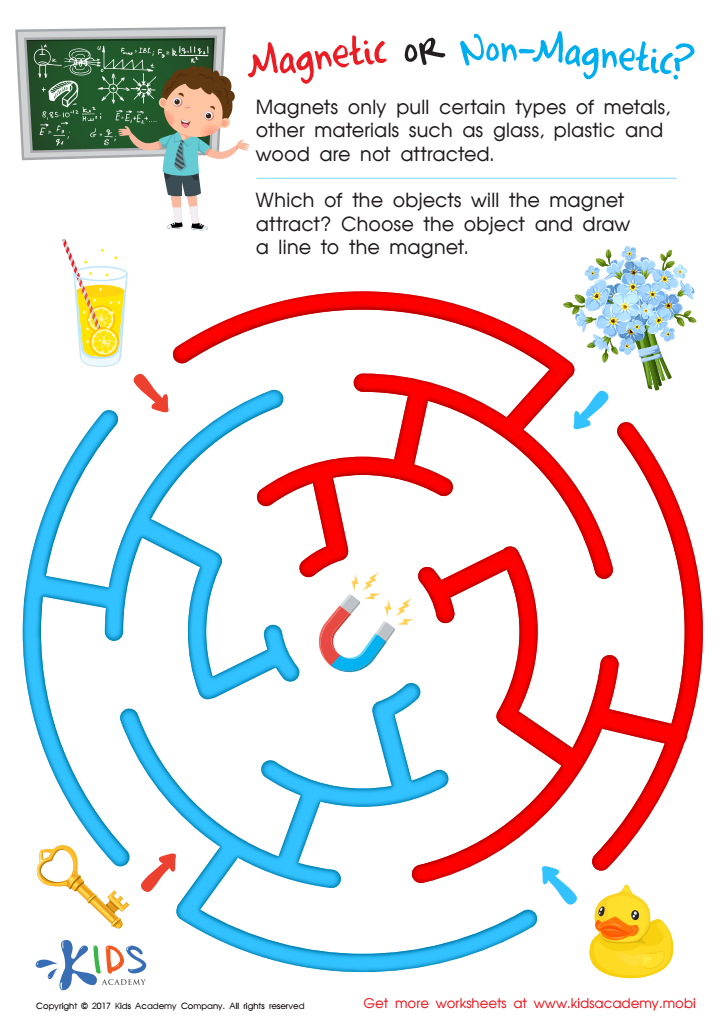
Magnetic or Non–Magnetic Worksheet
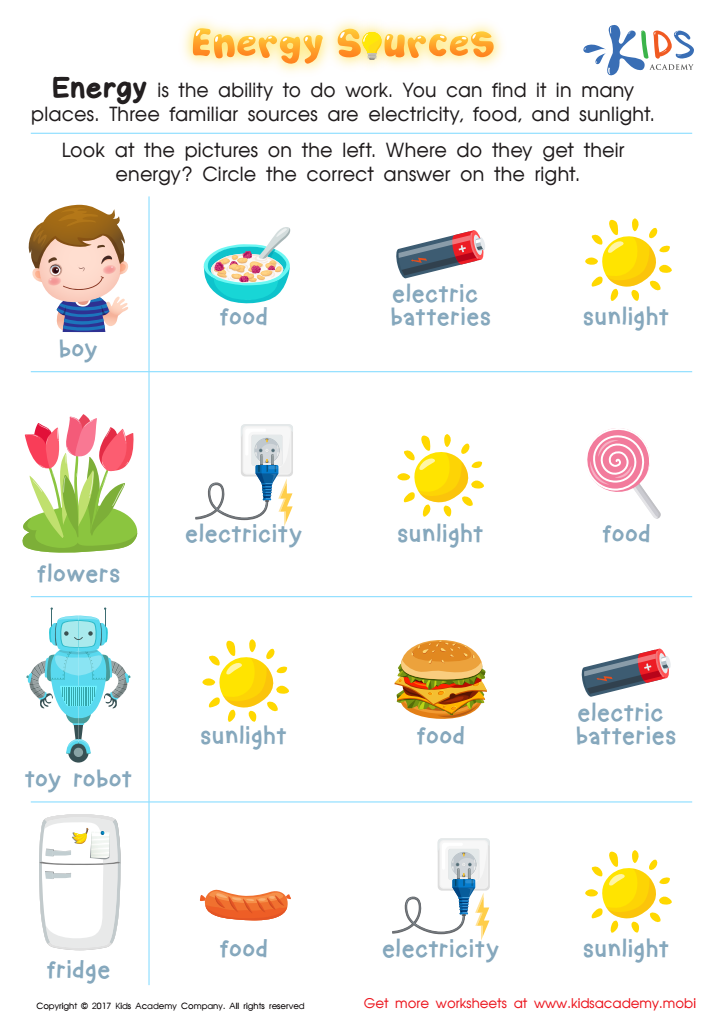
Energy Sources Printable
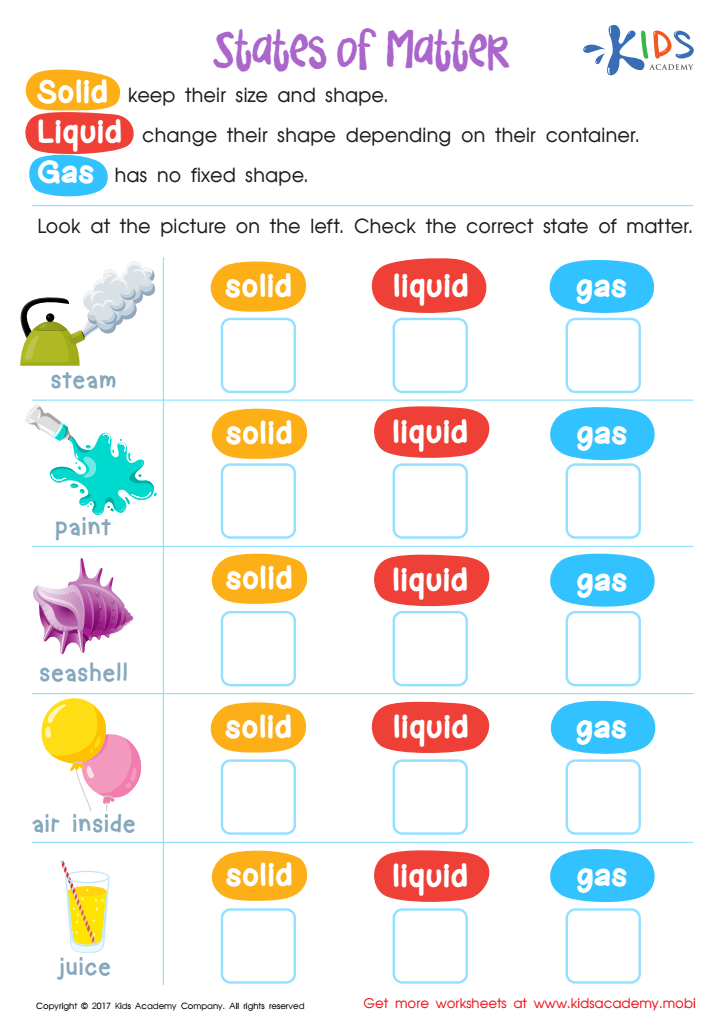
Physical Science: States of Matter Worksheet
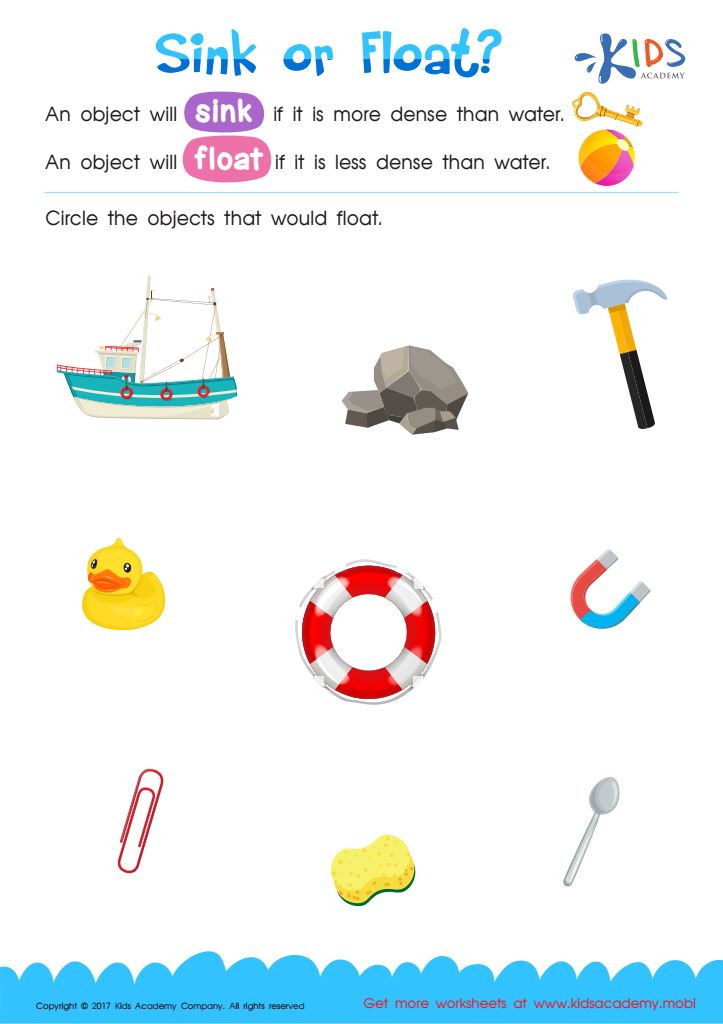
Sink or Float Printable
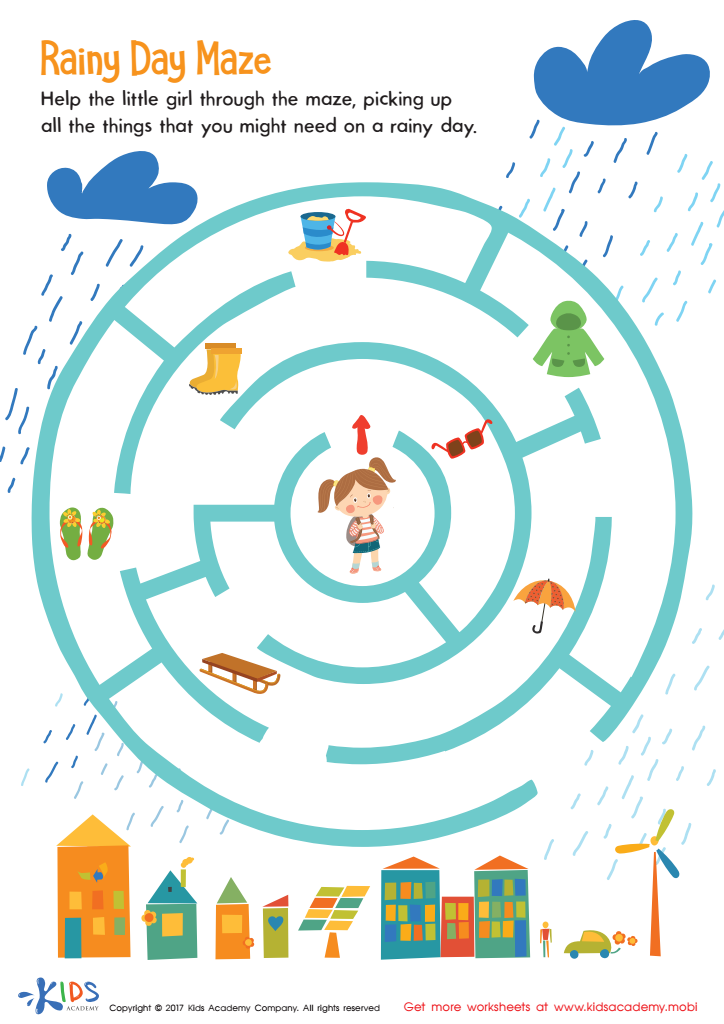
Rainy Day Maze Worksheet
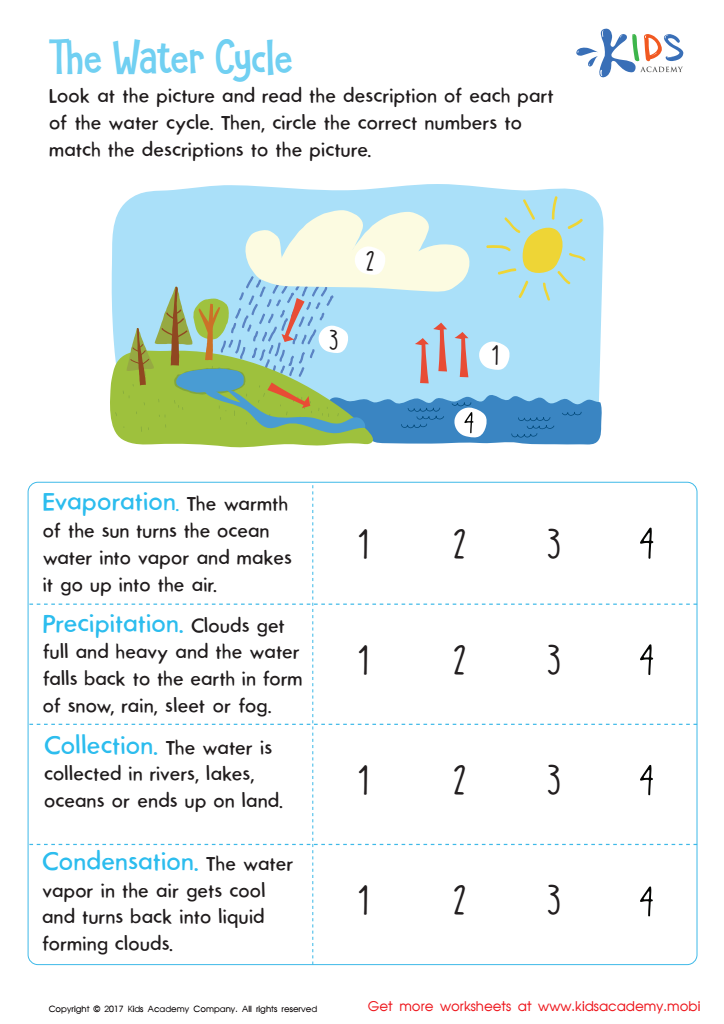
The Water Cycle Worksheet








Parents and teachers should care about Physical Science for ages 4-9 because it lays the foundation for critical thinking and curiosity about the natural world. During these formative years, children are naturally inquisitive, where their engagement with concepts such as matter, energy, and forces can ignite a lifelong interest in science. Introducing physical science early on fosters important skills, such as observation, experimentation, and reasoning, which are essential not just in science, but in all areas of learning.
Moreover, understanding basic physical science concepts enhances children's problem-solving capabilities. As they explore how objects move or change state, they learn to hypothesize, test, and draw conclusions, skills that are invaluable in their academic journeys. Engaging in physical science also integrates play with learning, making everyday interactions—like playing with blocks or experiencing gravity—become thrilling opportunities for investigation.
Finally, laying a strong science foundation promotes gender and cultural equity, ensuring all children feel empowered to explore and pursue STEM fields. Ultimately, nurturing an interest in physical science during early childhood fosters a generation of informed citizens who will navigate and contribute positively to an increasingly complex world.







