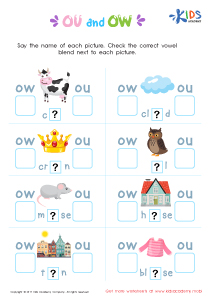
Long And Short Vowel Worksheets for Ages 5-7
19 filtered results
-
From - To
Introduce your child to the magical world of phonics with our engaging Long and Short Vowel Worksheets for ages 5-7. These printable activities help young learners master vowel sounds while having fun with colorful illustrations and interactive exercises. Perfect for kindergarten and first-grade students, our worksheets cover both long and short vowels, boosting crucial reading skills and phonemic awareness. Whether at home or in the classroom, Kids Academy's curated materials make learning enjoyable and effective. Download, print, and watch your child’s confidence in reading soar. Explore our extensive collection today and turn learning into a delightful adventure!
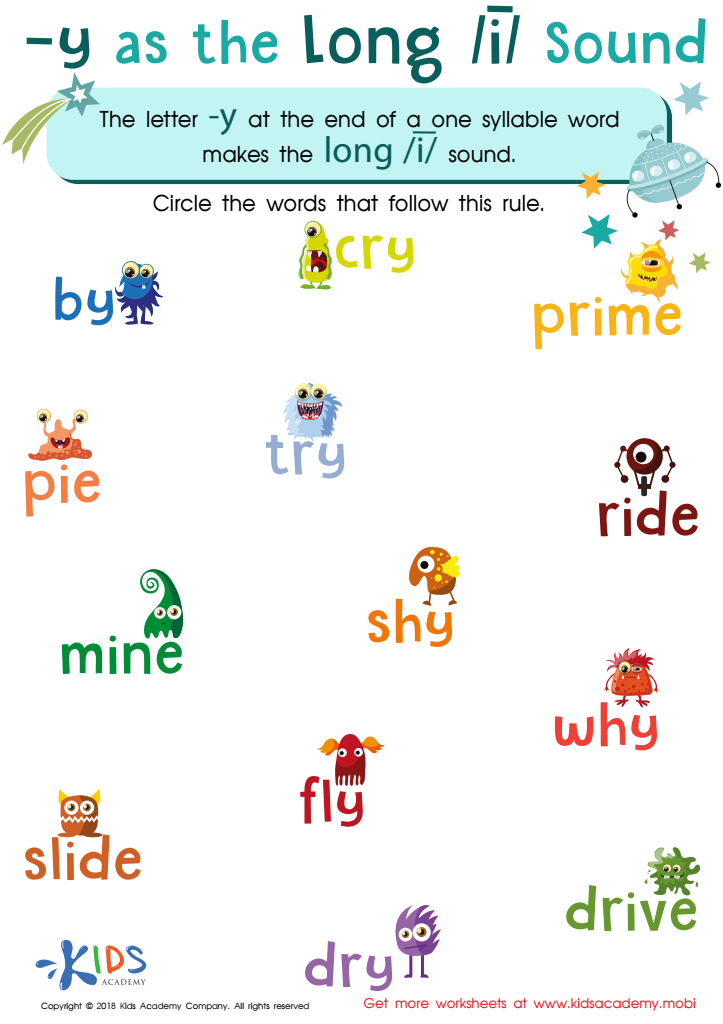
Reading: Y as Long I Worksheet
 Assign to My Students
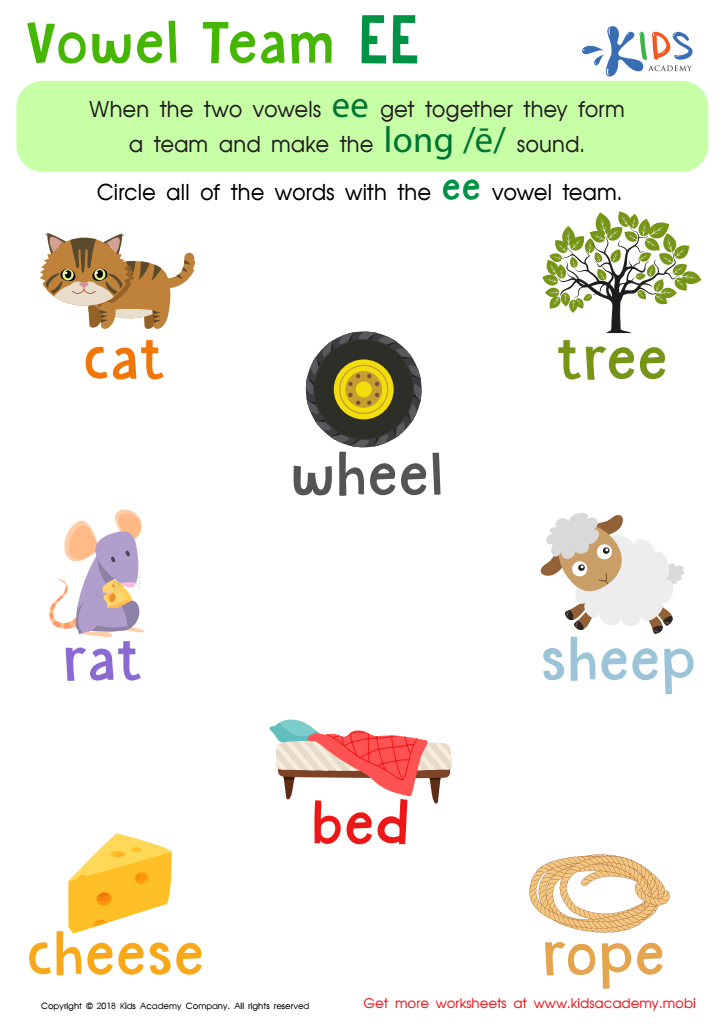
Reading: Vowel Team EE Worksheet
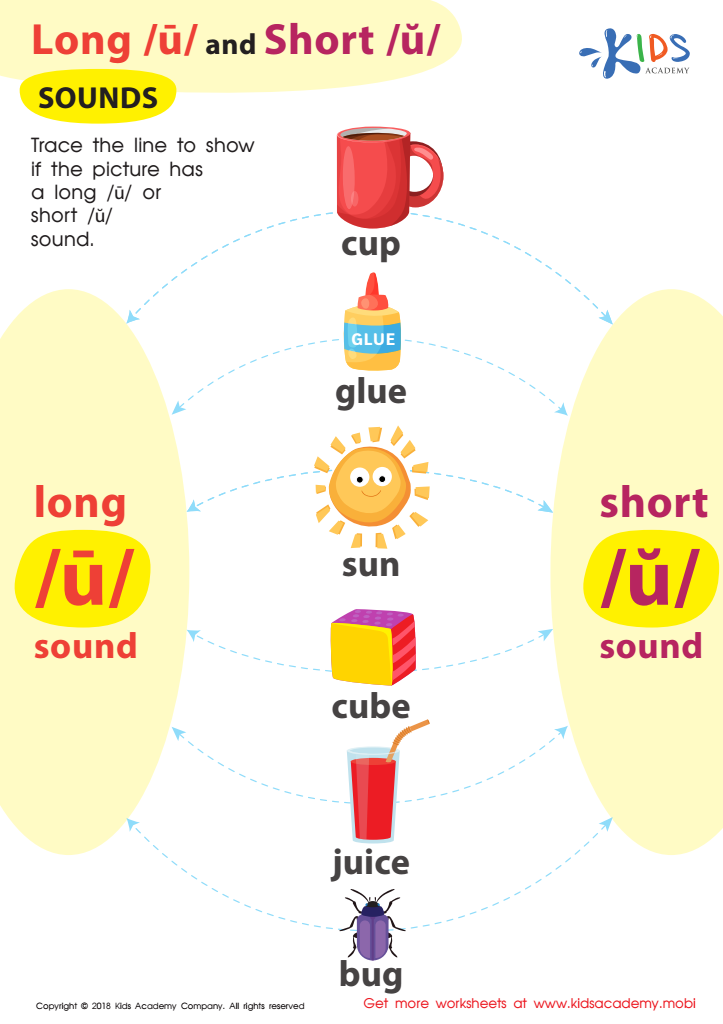
Reading: Long U and Short U Sounds Worksheet
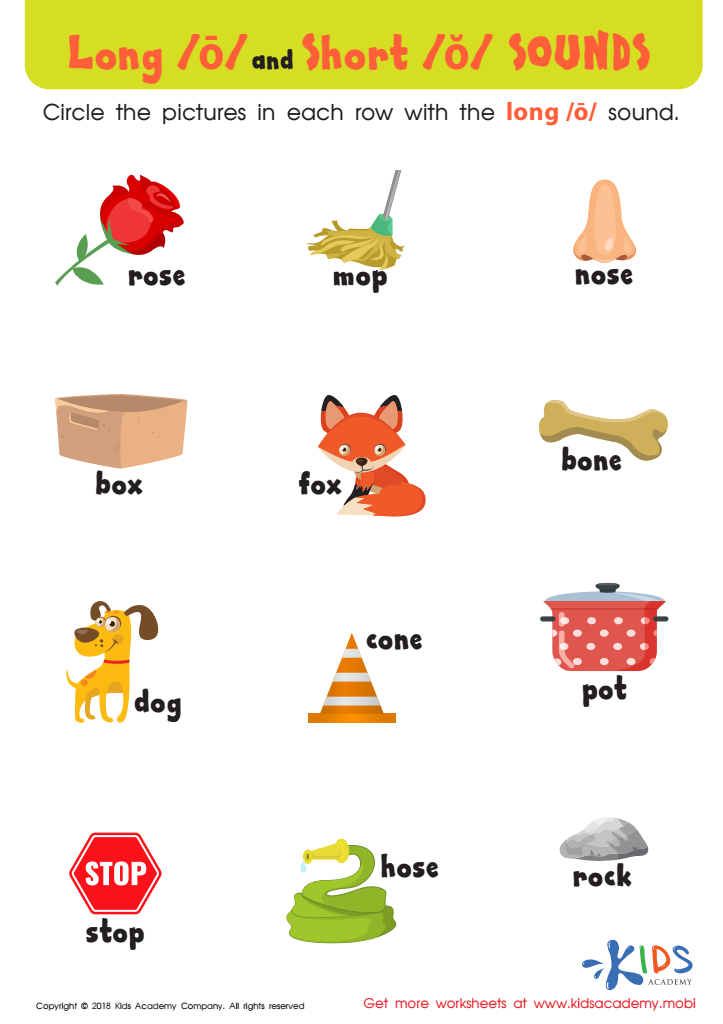
Reading: Long O and Short O Sounds Worksheet
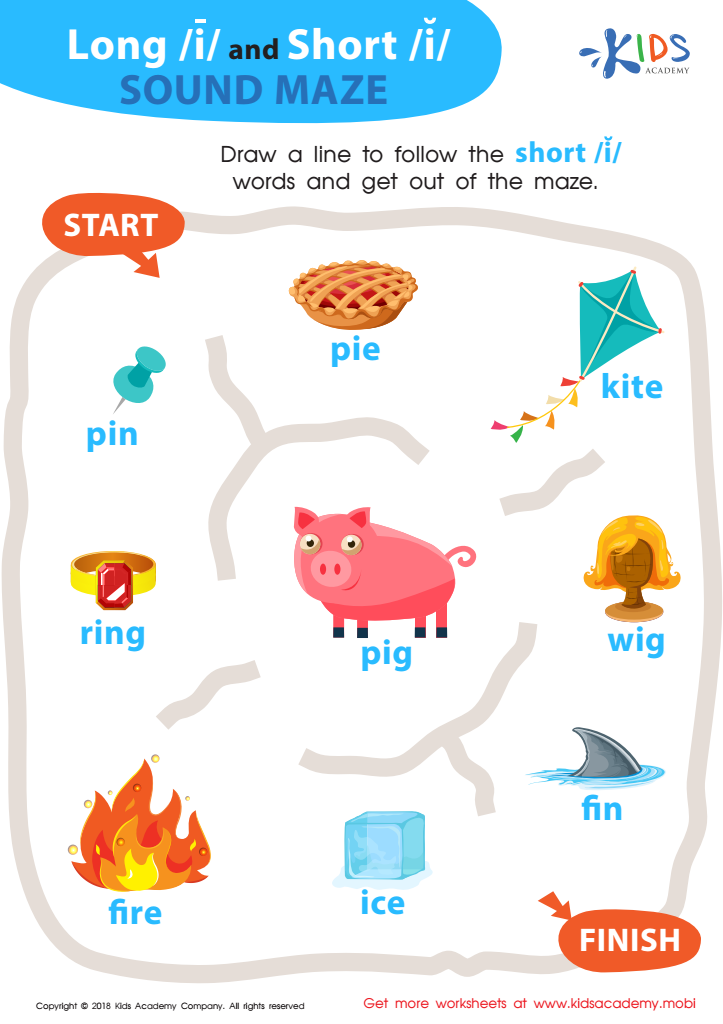
Reading: Long I and Short I Sound Maze Worksheet
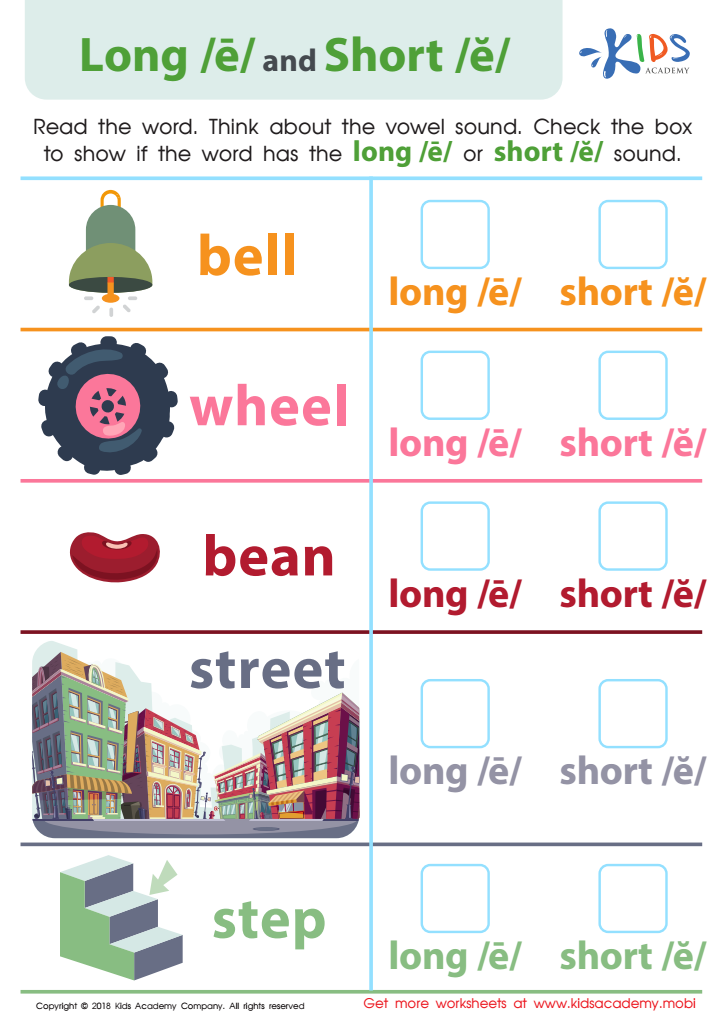
Reading: Long E and Short E Worksheet
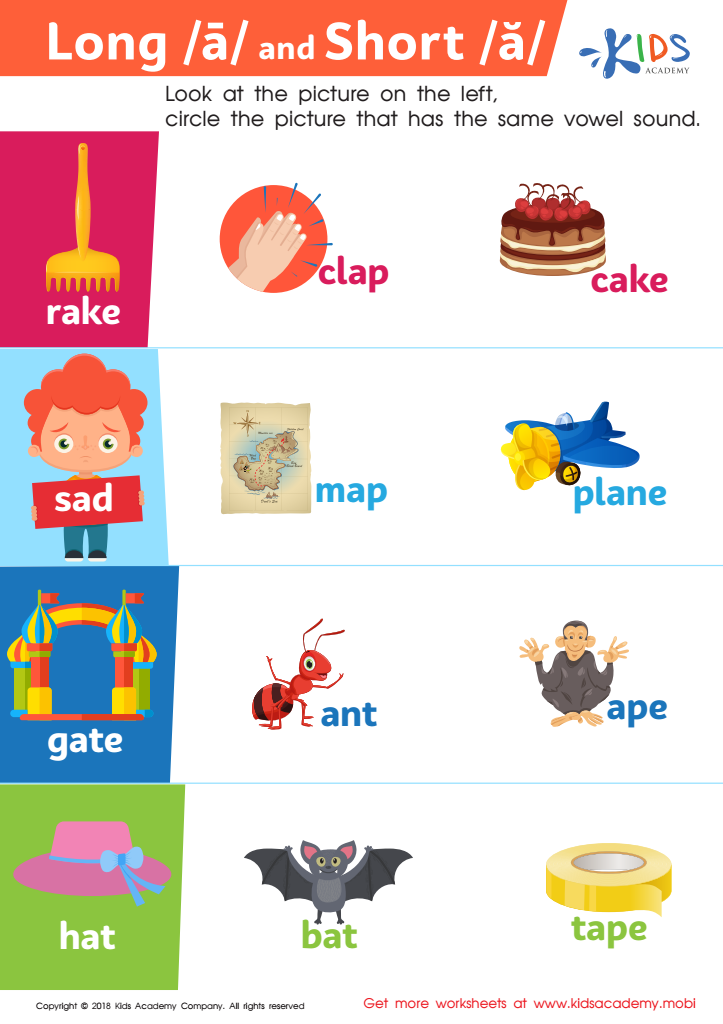
Reading: Long a and Short a Worksheet
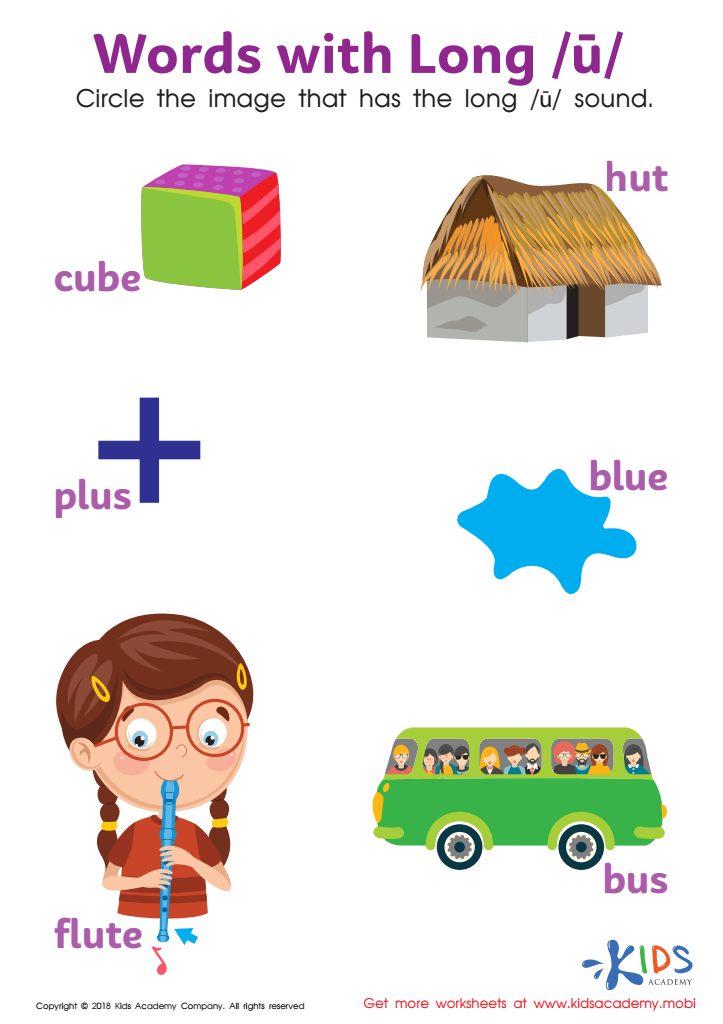
Words with Long U Reading Worksheet
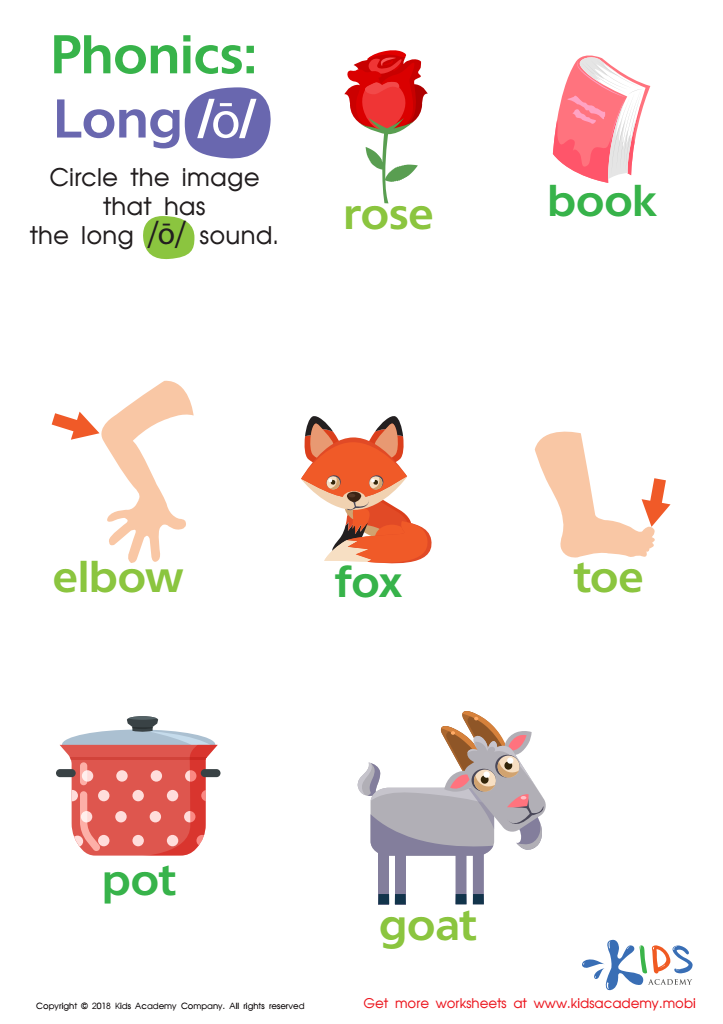
Phonics Long O Reading Worksheet
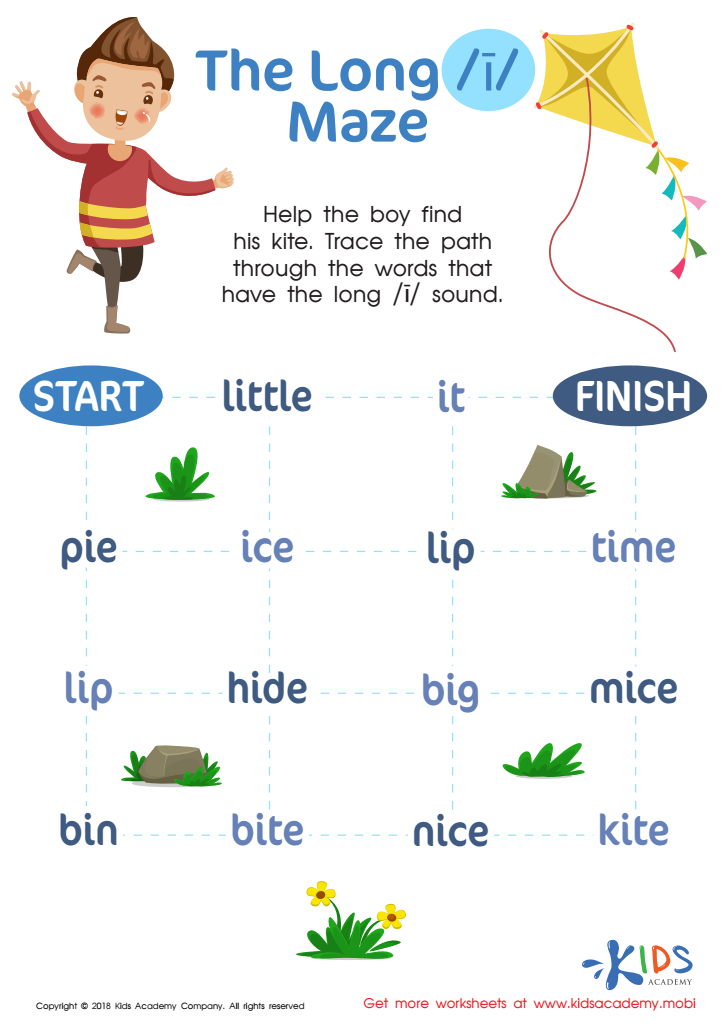
The Long I Maze Reading Worksheet
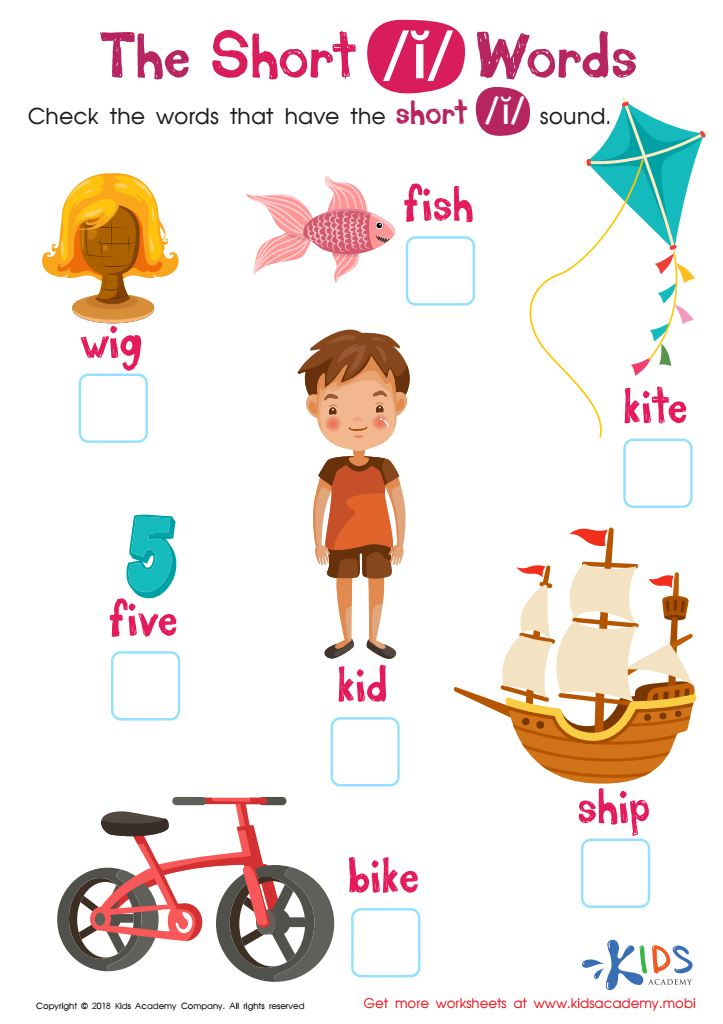
The Short I Words Reading Worksheet
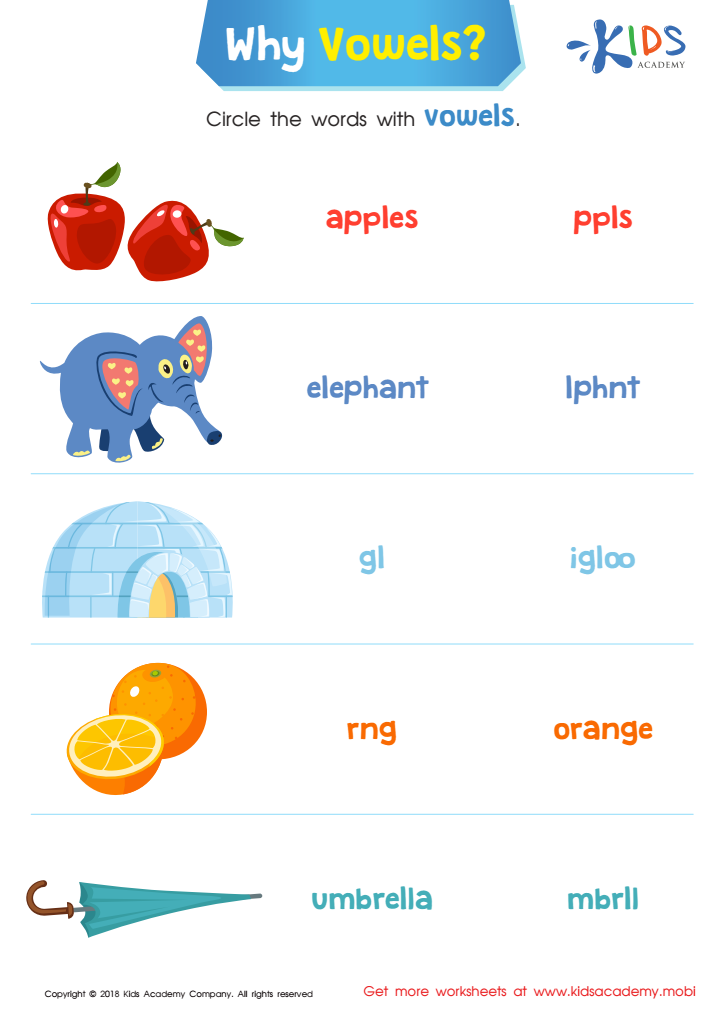
Why Vowels? Reading Worksheet
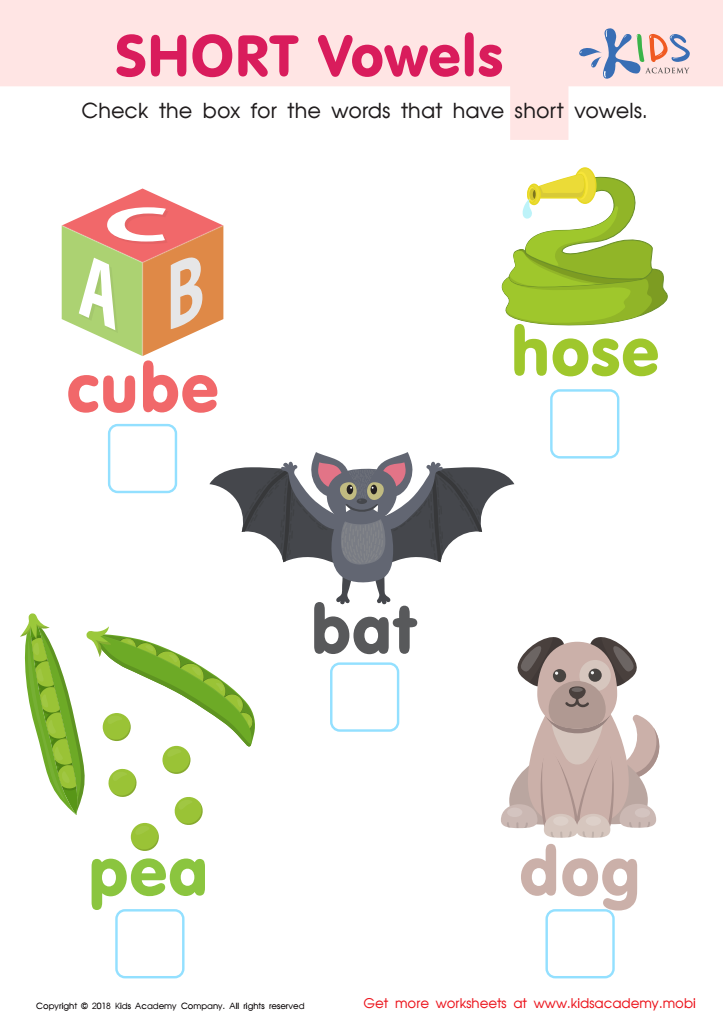
short vowels Worksheet
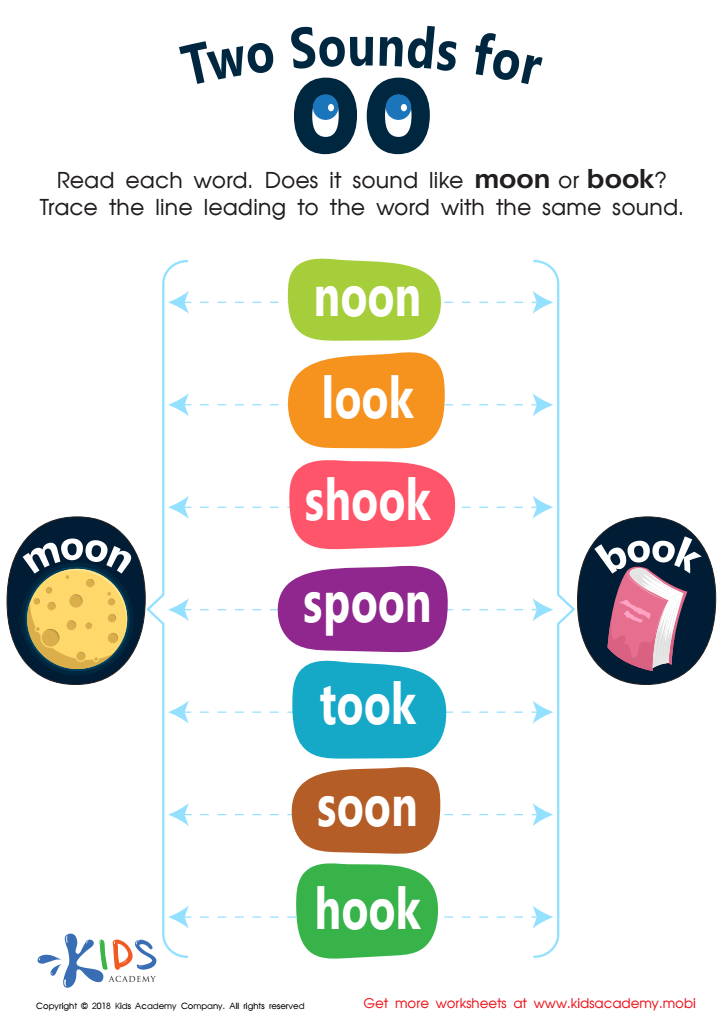
Two Sounds for OO Worksheet
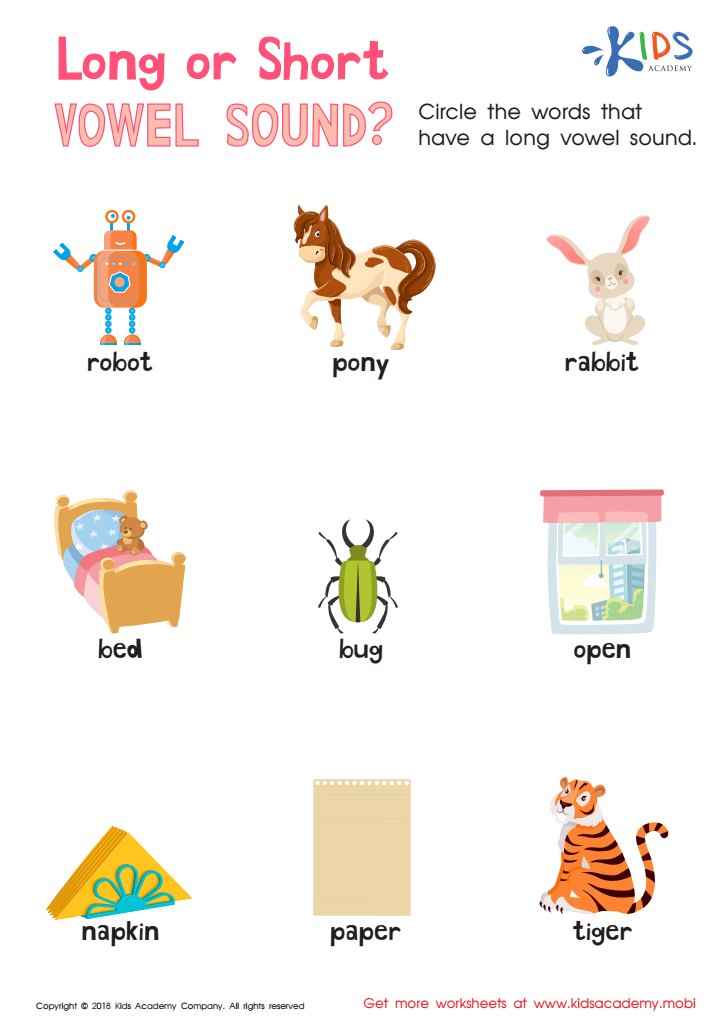
Long or Short Vowel Sound? Worksheet
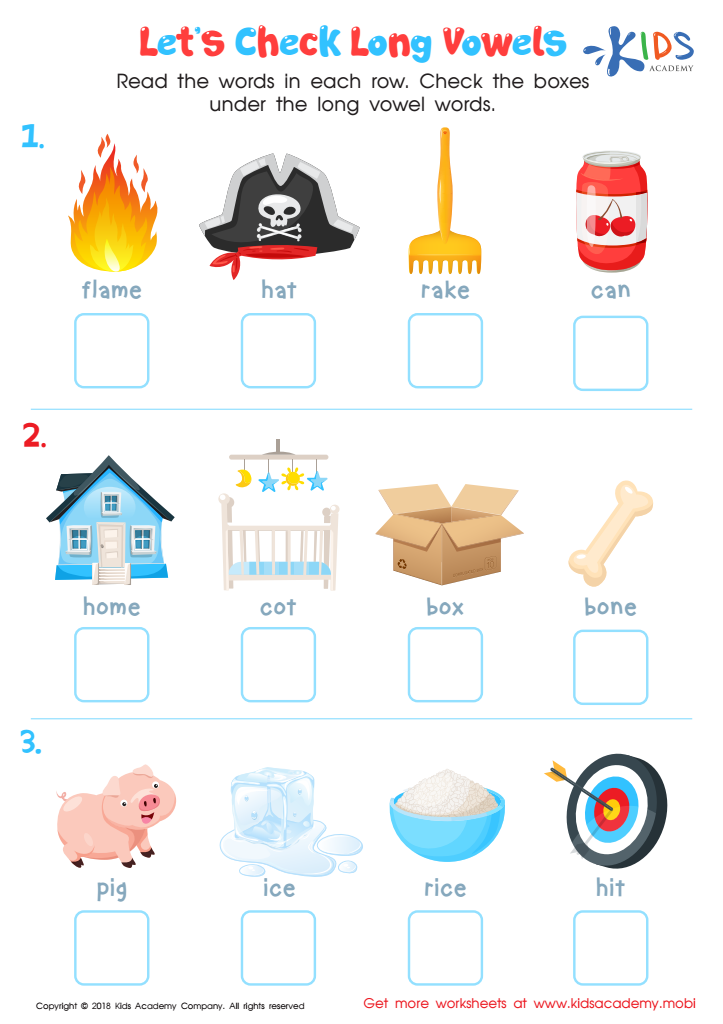
Let's Check Long Vowels: Assessment Worksheet
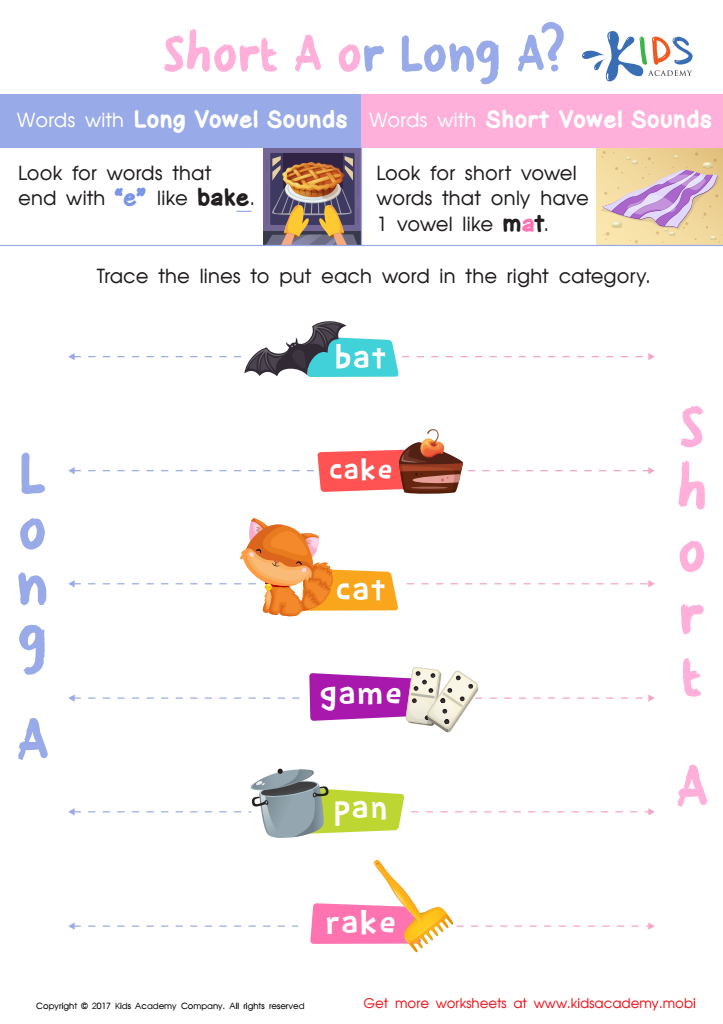
Short /a/ or Long /a/? Worksheet
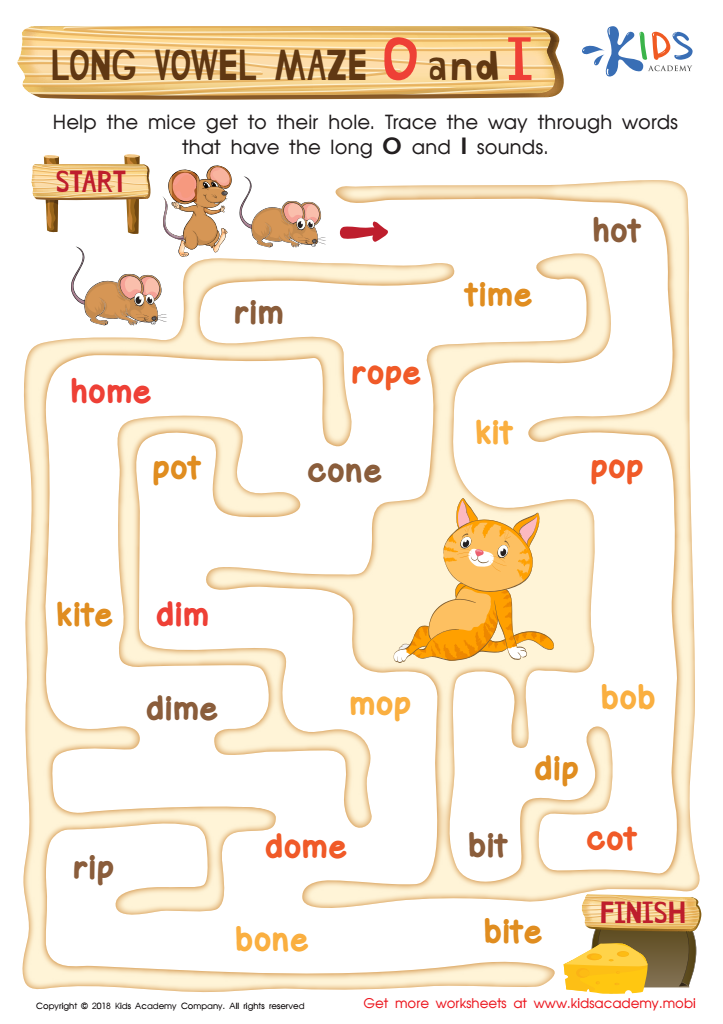
Long Vowel Maze /o/ and /i/ Worksheet
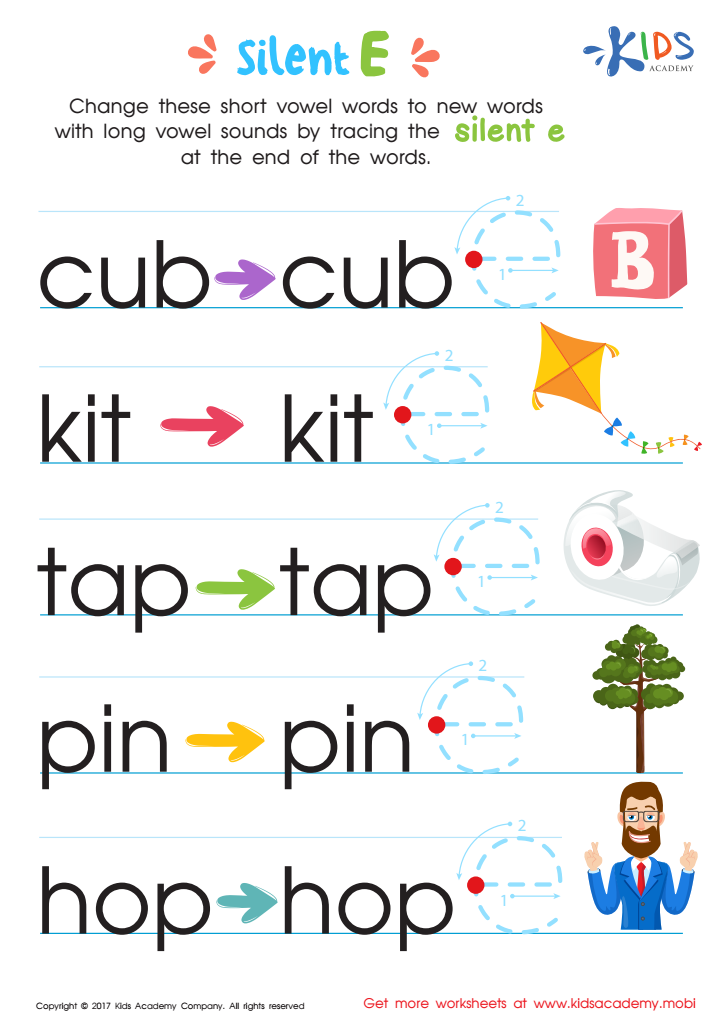
Silent E Words Worksheet




Parents and teachers should care about teaching long and short vowels to children aged 5-7 because mastering these fundamental phonetic elements is essential for developing strong reading and writing skills. Phonemic awareness, the ability to hear and manipulate sounds, is a key predictor of reading success. Understanding long and short vowels helps children decode words accurately and enhances their ability to spell correctly.
Long and short vowels form the foundation of many English words. For example, understanding the difference between the short "a" in "cat" and the long "a" in "cake" helps children recognize and pronounce words correctly, facilitating smoother and more fluent reading. This foundational skill also aids in comprehension because mispronouncing even a single vowel can alter the meaning of a word, potentially leading to confusion.
Moreover, early mastery of vowel sounds builds children's confidence in their literacy skills. When children feel more confident in reading and spelling, they are more likely to engage with and enjoy literacy activities, fostering a lifelong love of reading and learning.
Educators and parents who emphasize long and short vowel sounds provide children with the tools to become proficient readers and effective communicators, setting them up for academic success and beyond. Therefore, focusing on this crucial aspect of phonics education is indispensable at this early, formative stage of learning.