Long Vowels Worksheets for Ages 5-7 - Page 2
29 filtered results
-
From - To
 Assign to My Students
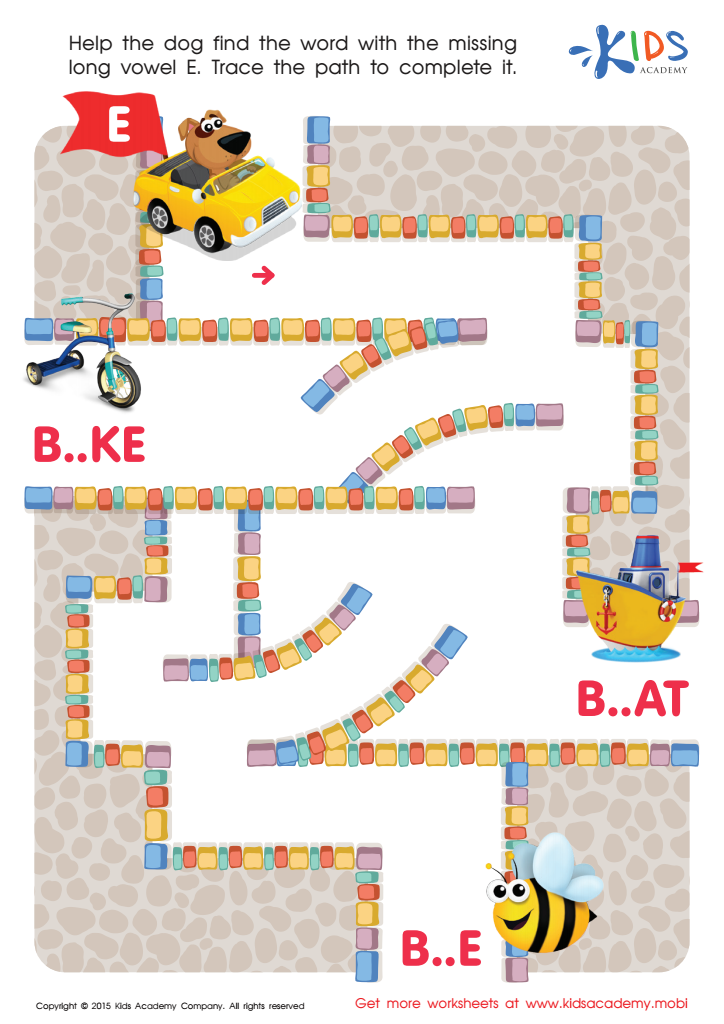
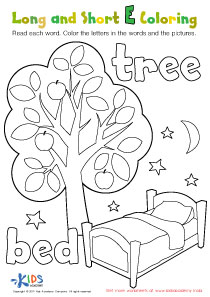
Long Vowel Sound E Worksheet
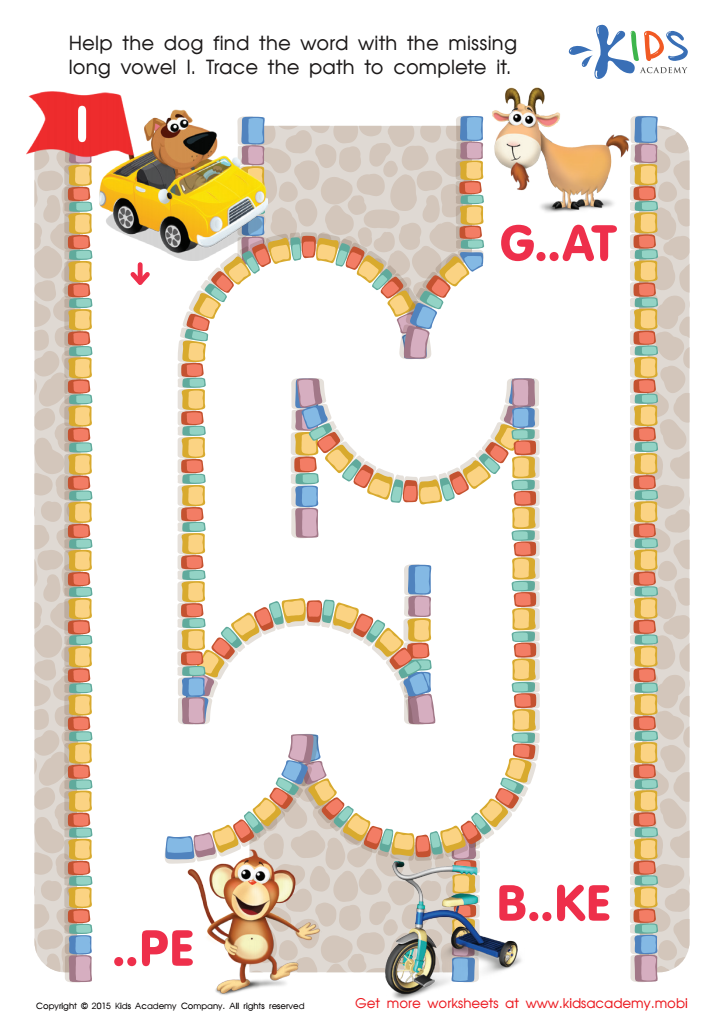
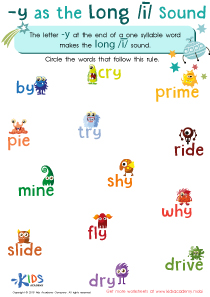
Long Vowel Sound I Worksheet
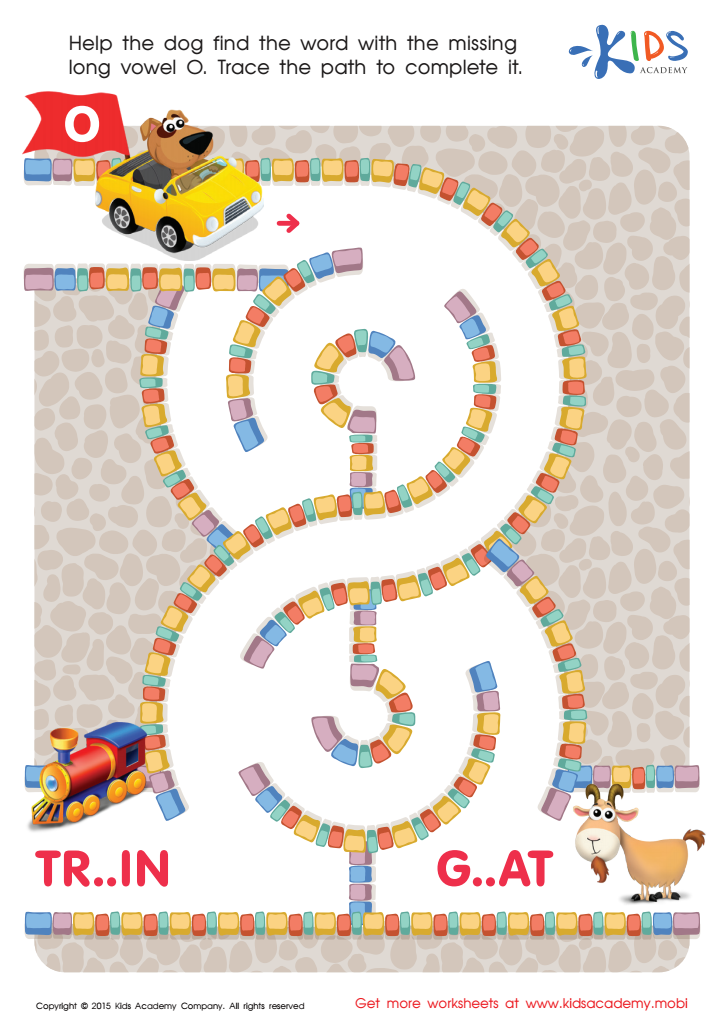
Long Vowel Sound O Worksheet
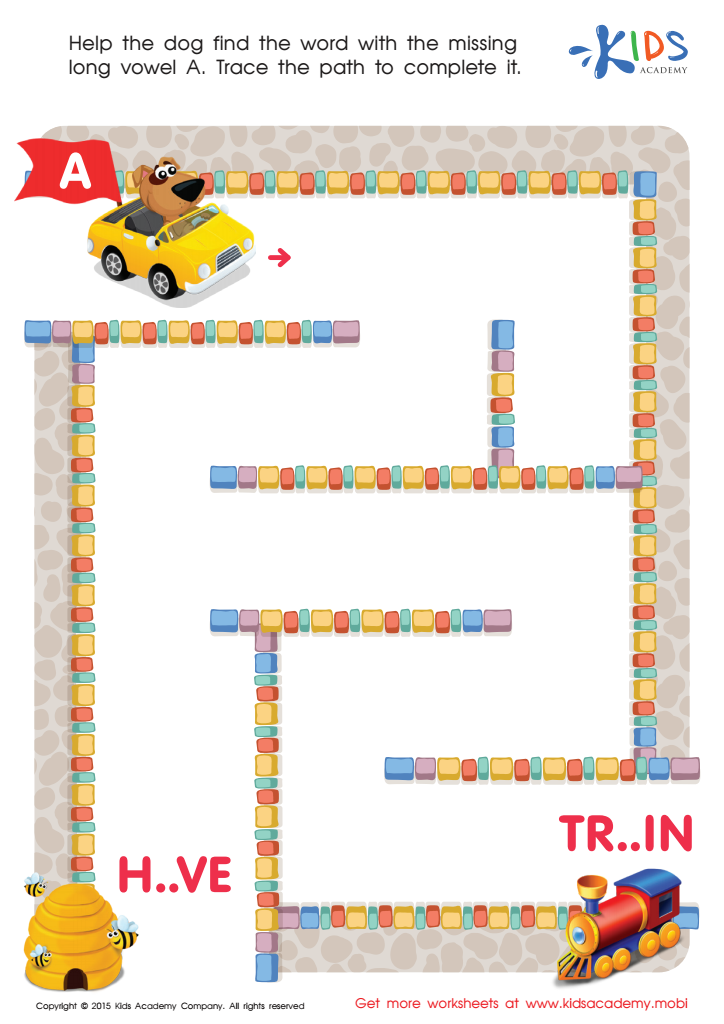
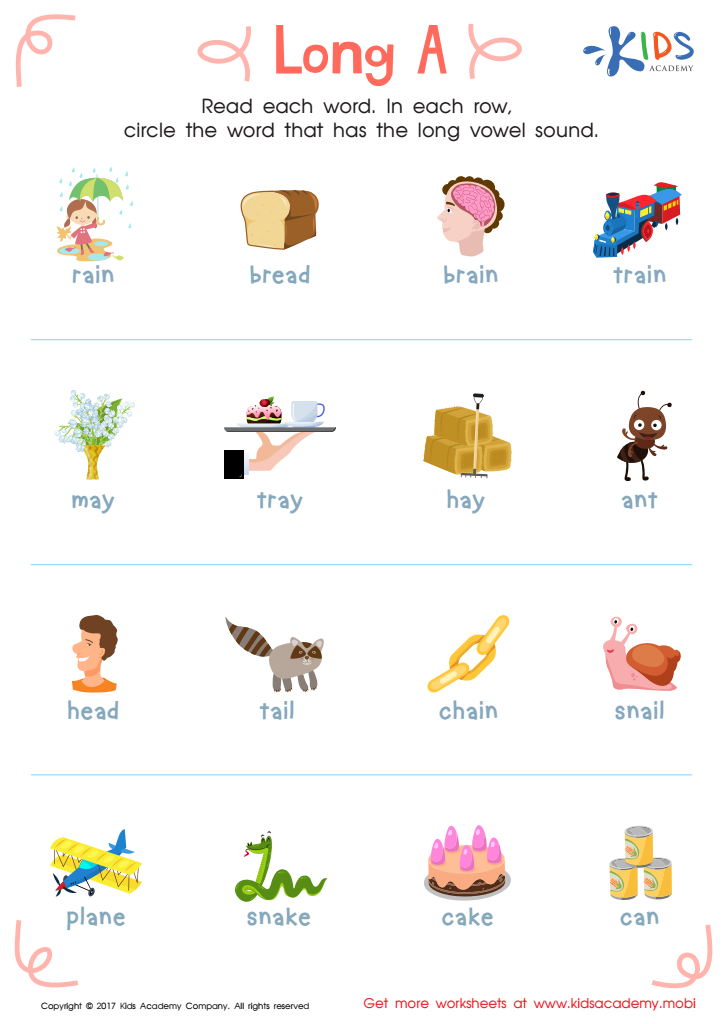
Long Vowel Sound A Worksheet



Teaching long vowels to children aged 5-7 is essential because it lays the foundation for their reading and writing skills. Long vowels are vowels that say their own names, like the "a" in "cake" or the "i" in "five." Understanding these sounds helps kids decipher many common words, improving their decoding skills and overall reading fluency.
When children grasp the concept of long vowels, they can more accurately sound out words, making their reading experience smoother and more enjoyable. This builds confidence, which is crucial for young learners. Successful early reading often fosters a positive attitude toward learning and school in general.
Moreover, knowing long vowels aids in spelling. Children start to recognize patterns in the way words are formed. This pattern recognition is integral to spelling accuracy and can influence writing proficiency.
In essence, mastering long vowels is like unlocking a new level in a game; it opens up a broader range of words for children to read and write. This not only improves their comprehension skills but also prepares them for more complex texts they'll encounter in higher grades. Parents and teachers who emphasize long vowels help kids become strong, self-assured readers, setting the stage for academic success.