Upper & Lowercase Letters Worksheets for Ages 5-7 - Page 3
50 filtered results
-
From - To
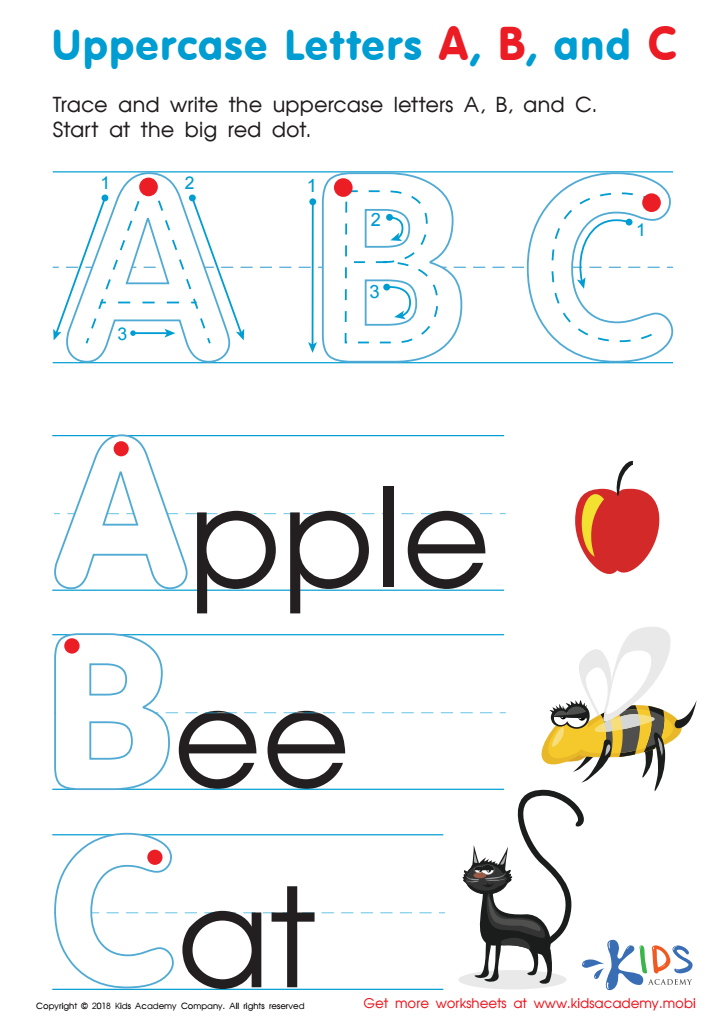
Uppercase Letters A, B, and C Worksheet
 Assign to My Students
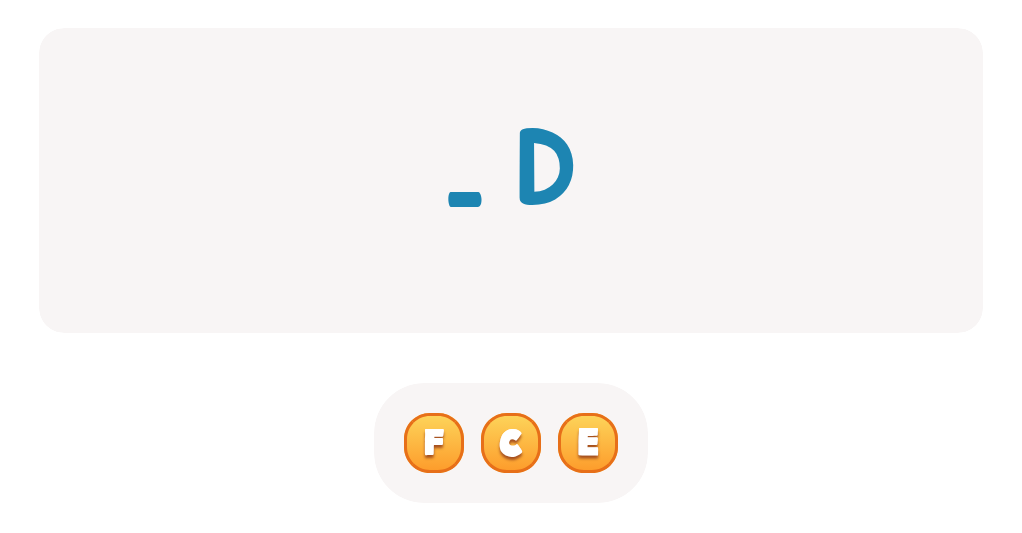

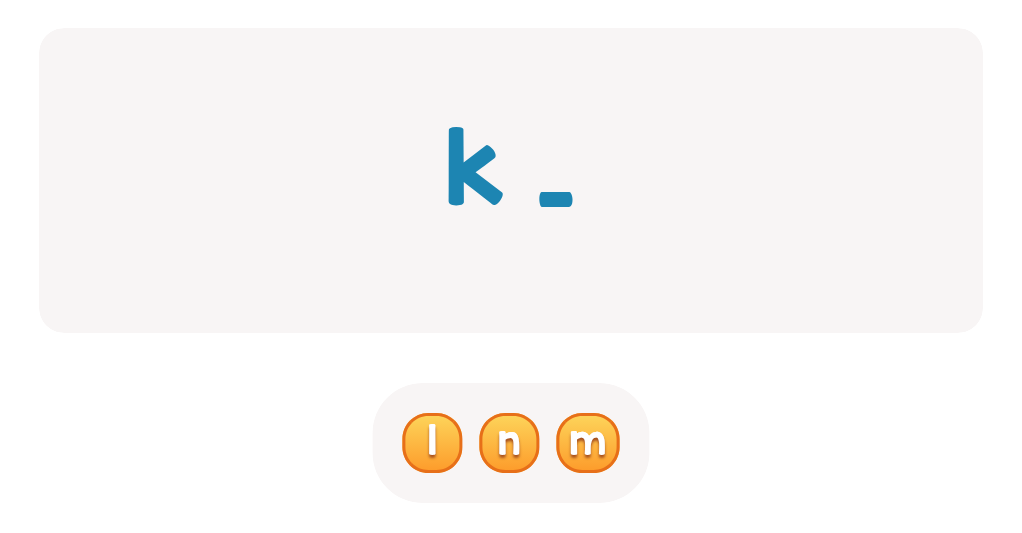
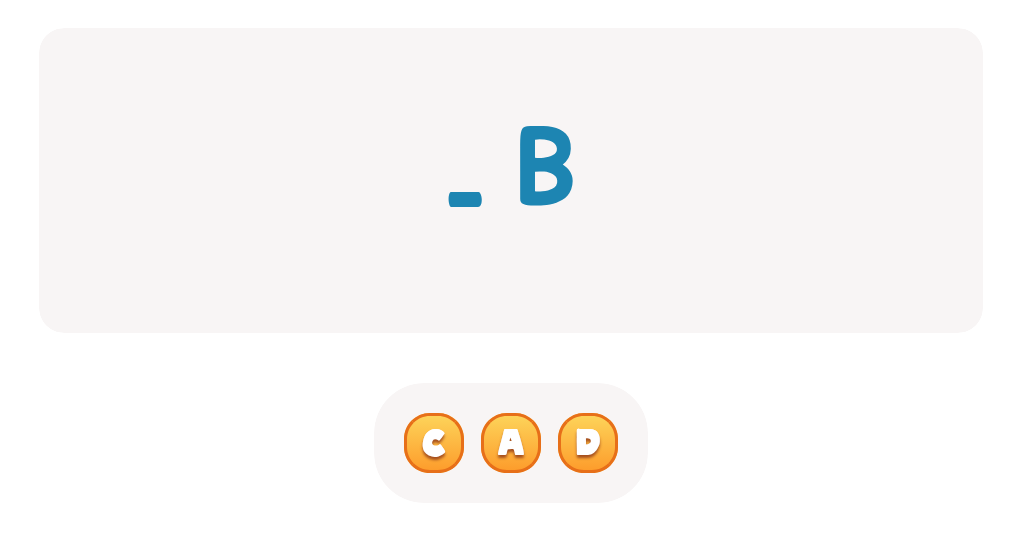
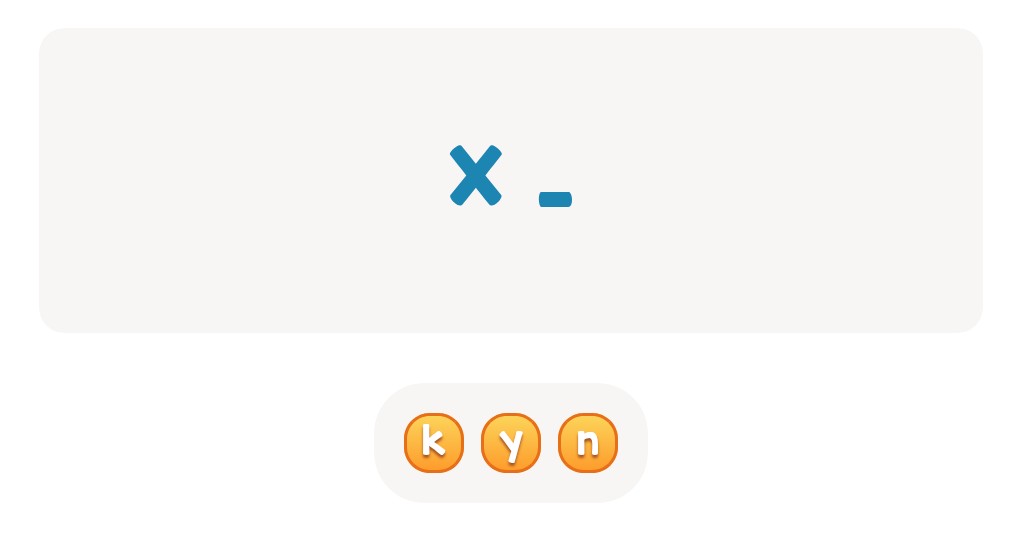
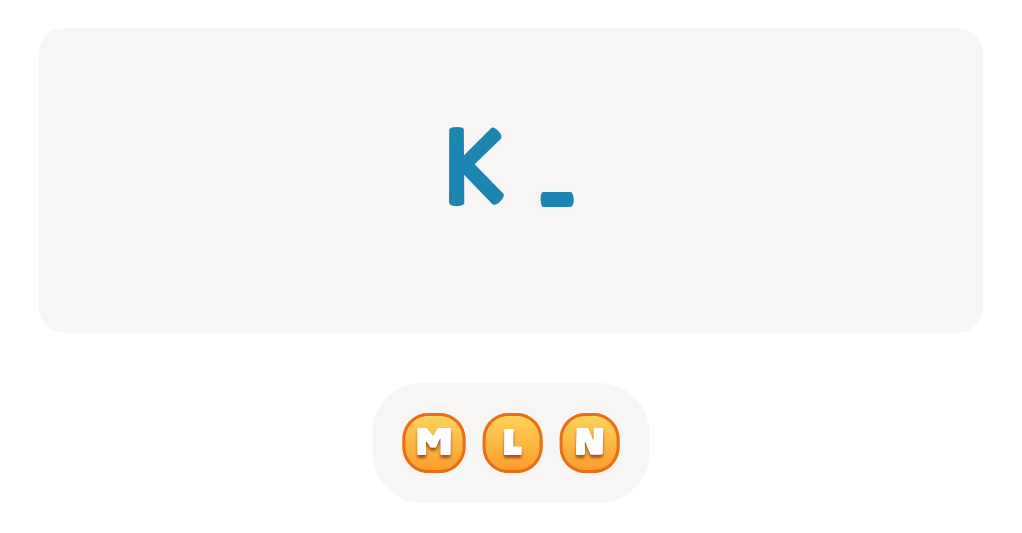
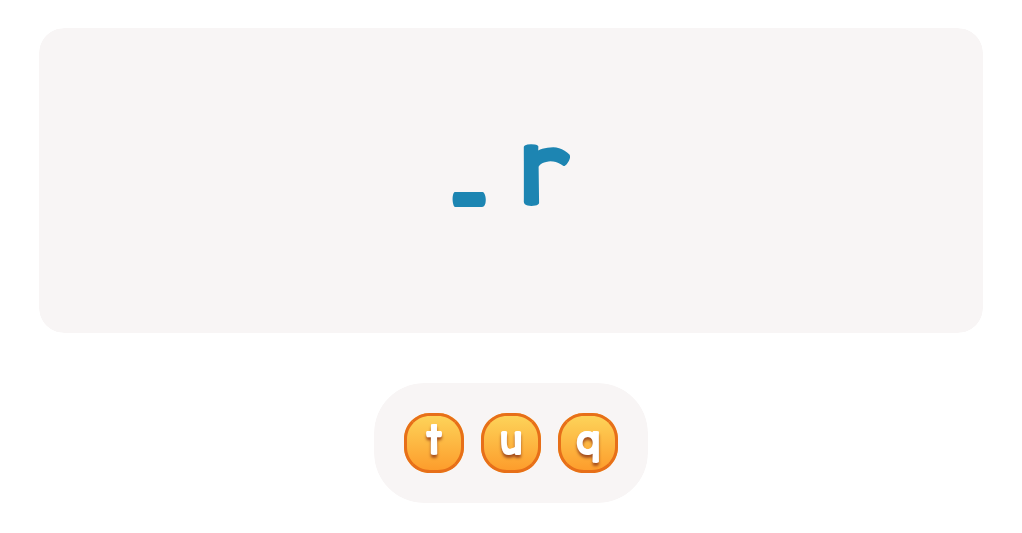
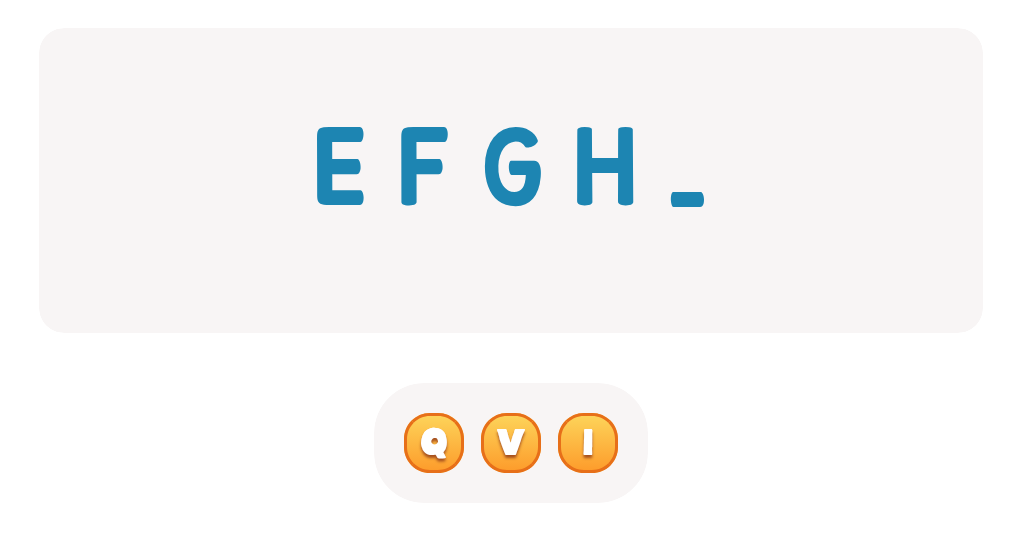
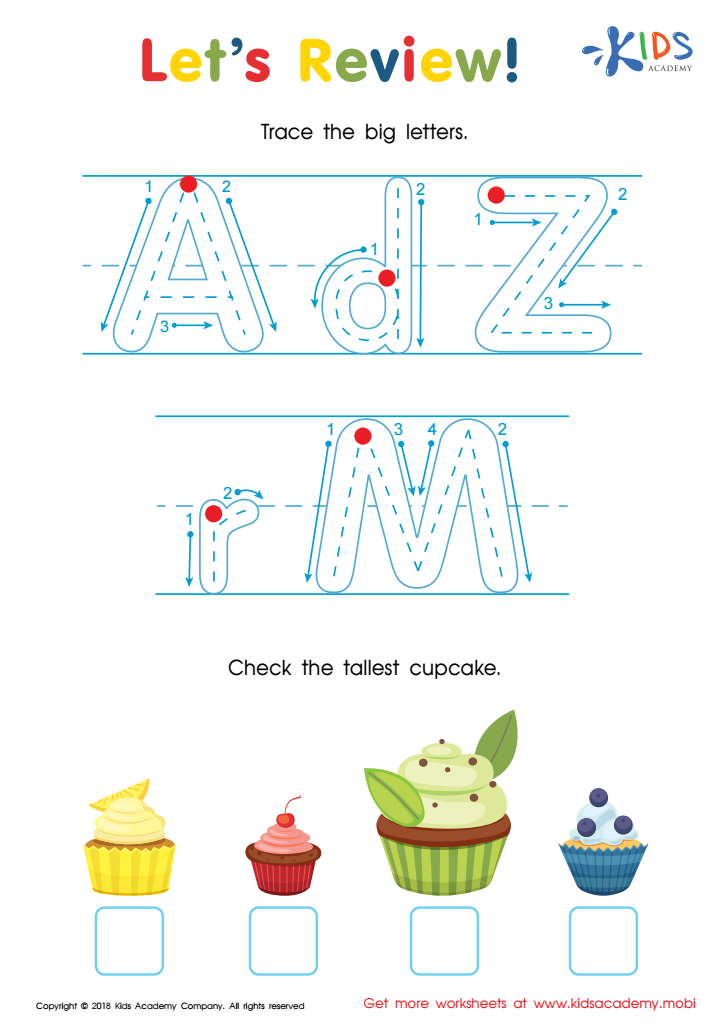
Let's Review! Big Letters Worksheet






Understanding upper and lowercase letters is fundamental for children aged 5-7 as it sets the foundation for their literacy skills. Recognizing the distinction between uppercase and lowercase letters is crucial for reading and writing development. Uppercase letters, used at the beginning of sentences and for proper nouns, signal important information, while lowercase letters are essential for fluency in reading, as they compose the majority of text we encounter.
For parents and teachers, emphasizing this differentiation during these formative years fosters strong reading habits. Engaging children with fun activities—like letter matching games or creative writing exercises—helps them internalize the concepts more effectively. Moreover, exposure to both forms builds familiarity and reduces confusion as they encounter different texts, strengthening their overall literacy.
Additionally, understanding uppercase and lowercase letters supports a child's ability to spell and write correctly, preparing them for more advanced language skills as they progress. It nurtures a sense of accomplishment and confidence when they can sign their names or write simple sentences, encouraging a lifelong love for reading and writing. Continuously supporting this learning at home and in the classroom will significantly enhance their educational journey and open doors to future learning opportunities.







