Vowels Worksheets for Ages 5-9 - Page 2
88 filtered results
-
From - To
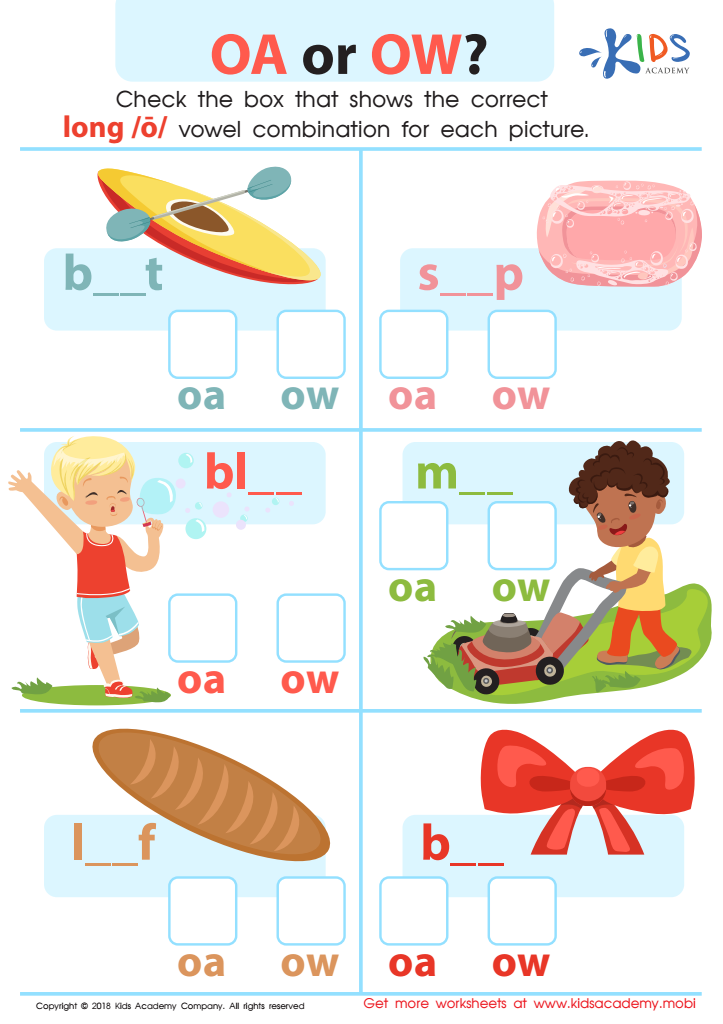
Reading: OA or OW Worksheet
 Assign to My Students
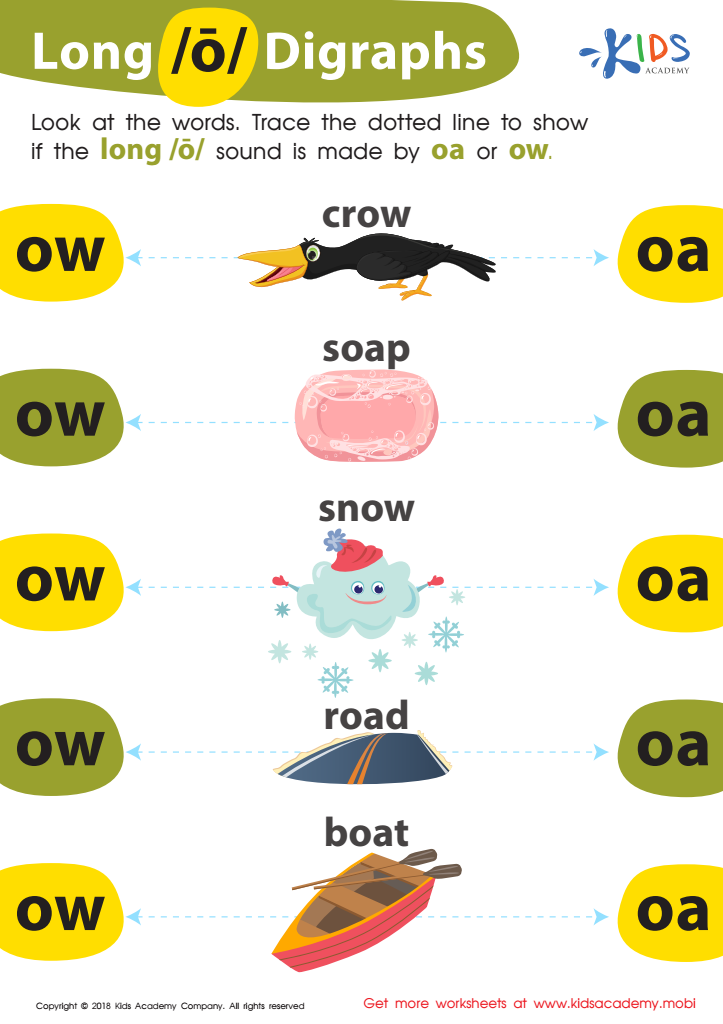
Reading: Long O Digraphs Worksheet
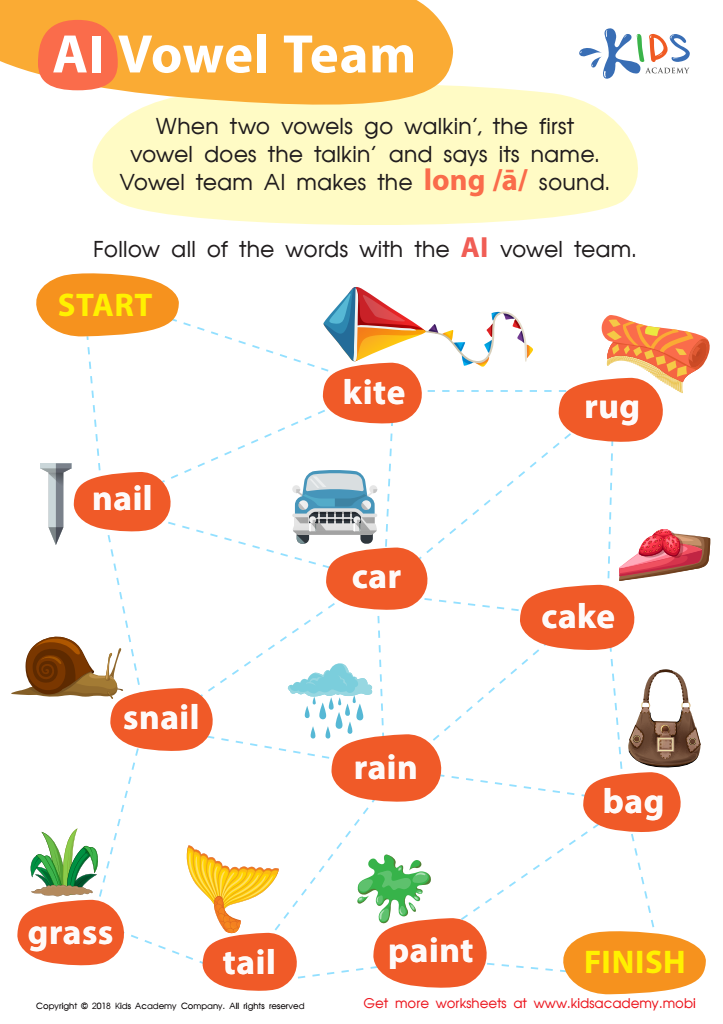
Reading: AI Vowel Team Worksheet
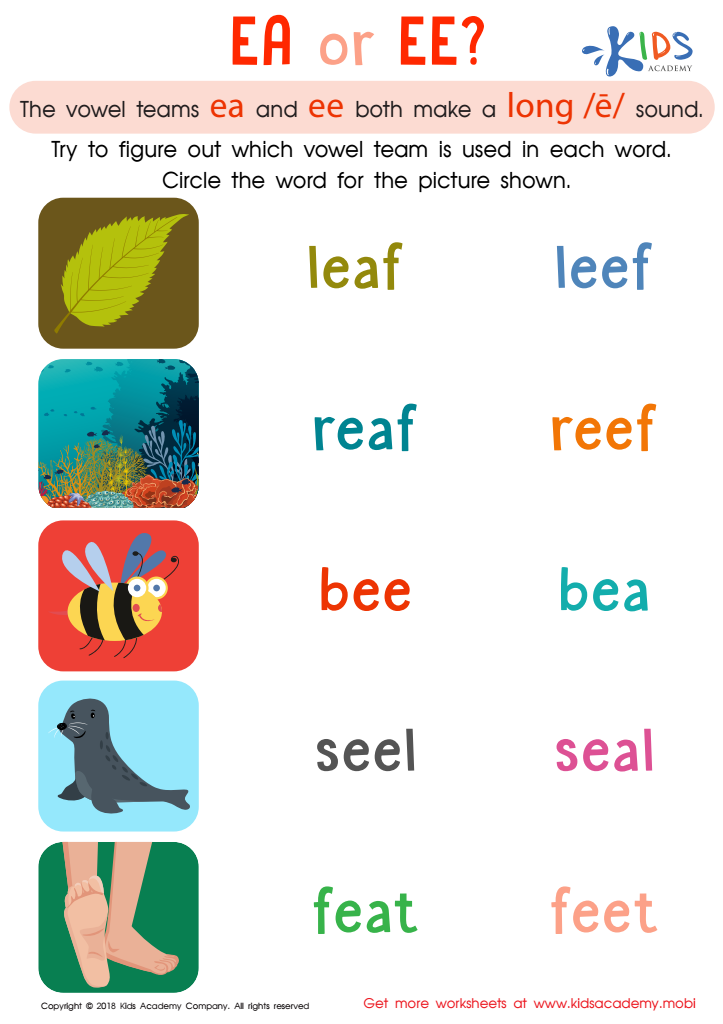
Reading: EA and EE Worksheet
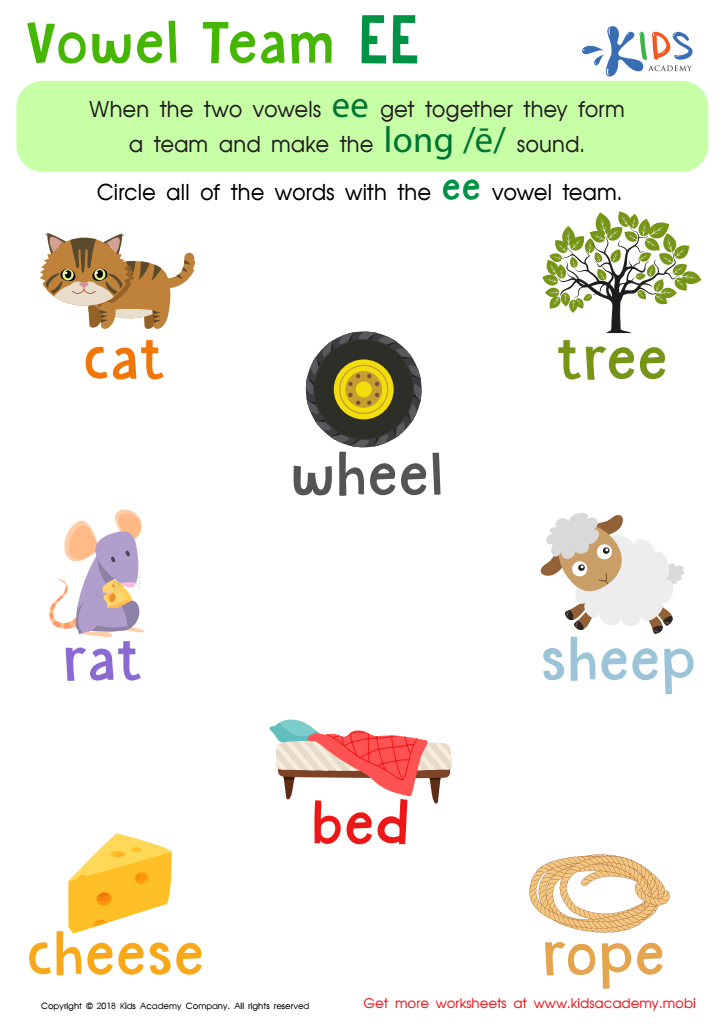
Reading: Vowel Team EE Worksheet
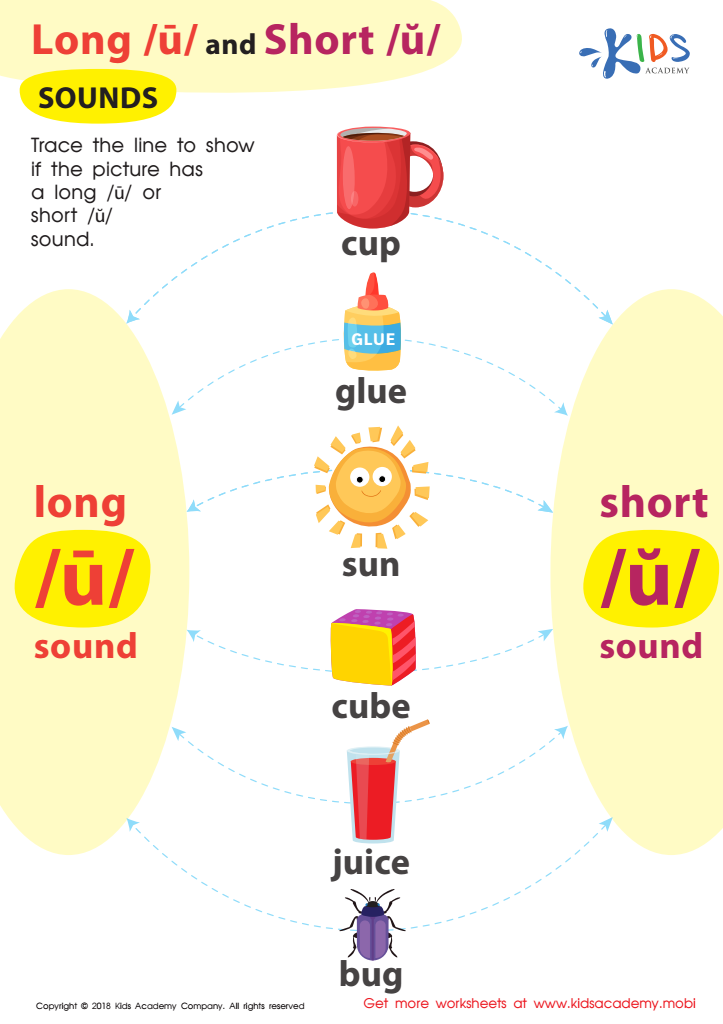
Reading: Long U and Short U Sounds Worksheet
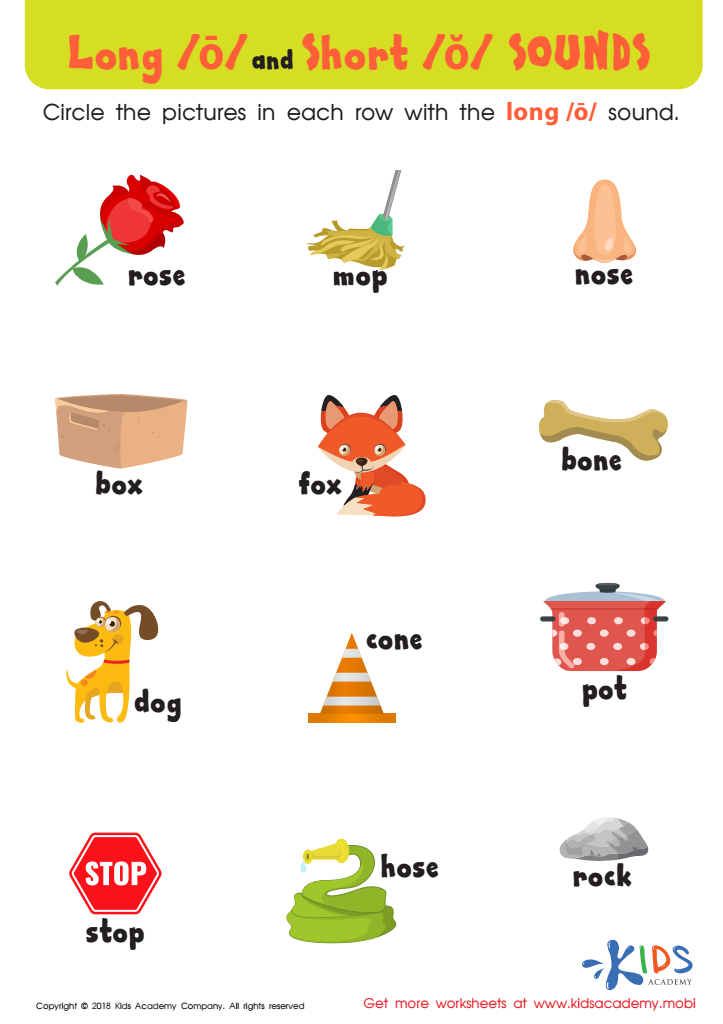
Reading: Long O and Short O Sounds Worksheet
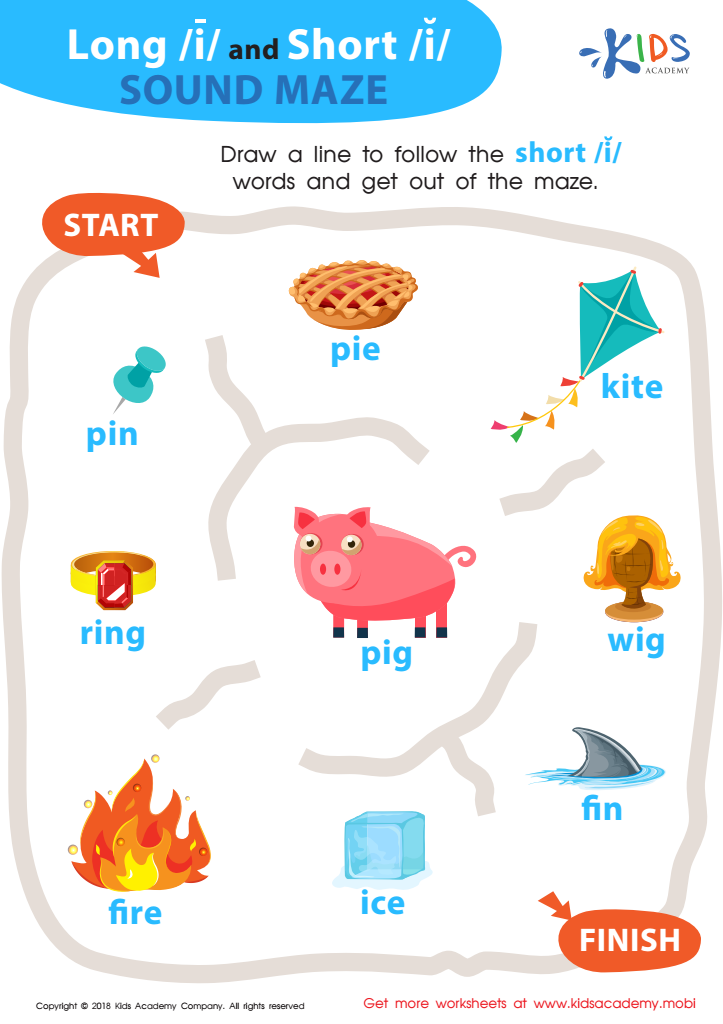
Reading: Long I and Short I Sound Maze Worksheet
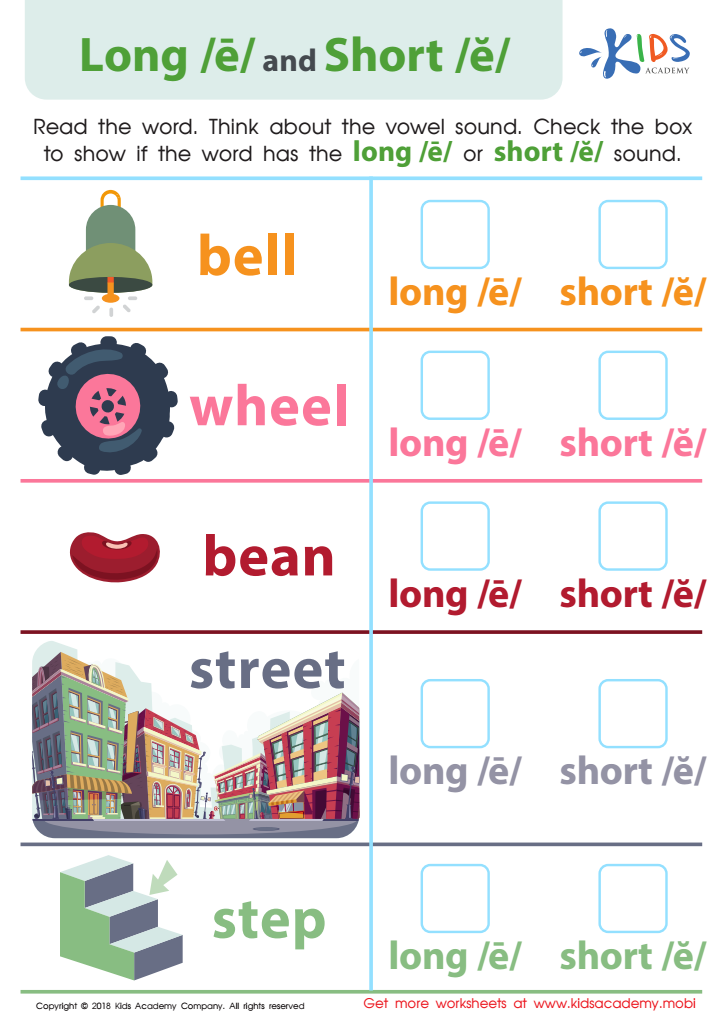
Reading: Long E and Short E Worksheet
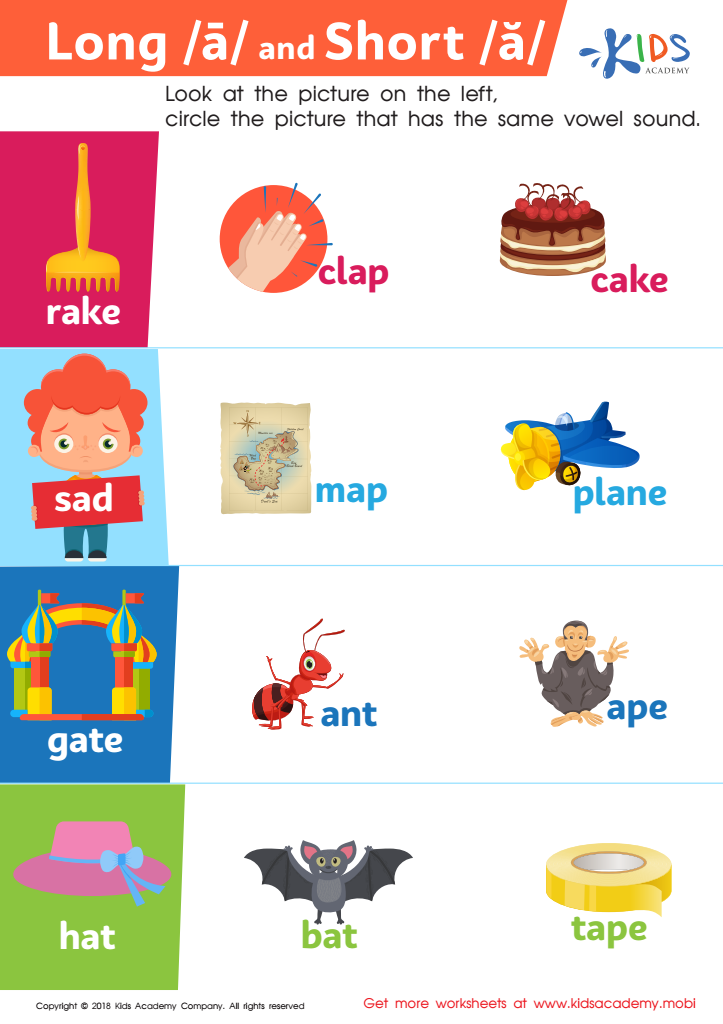
Reading: Long a and Short a Worksheet
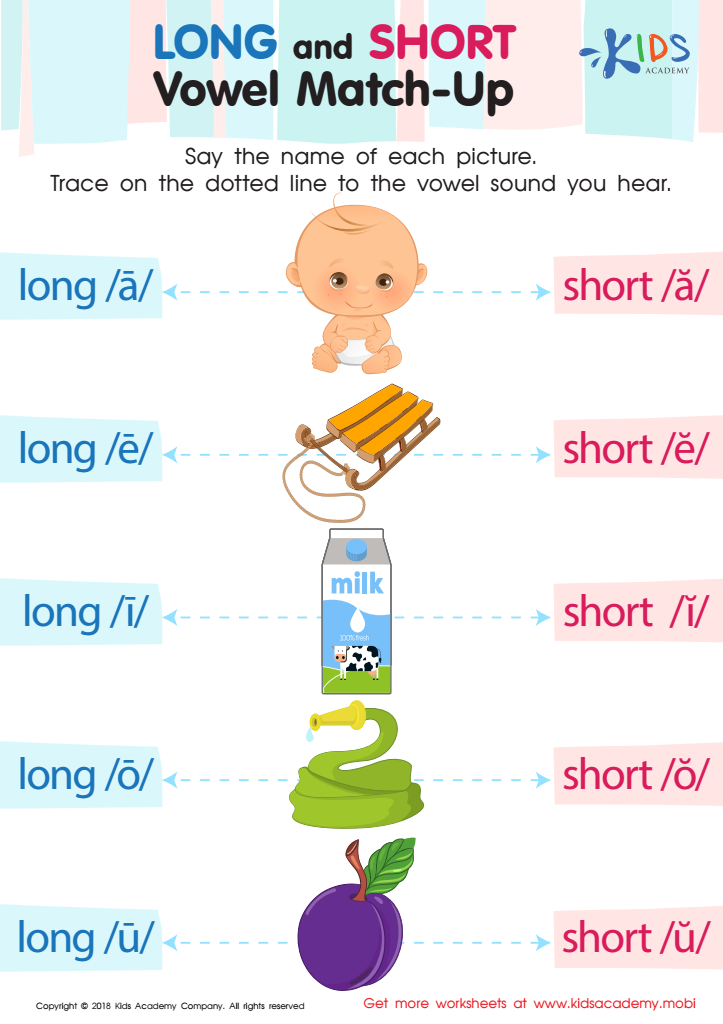
Long and Short Vowel Match up Reading Worksheet
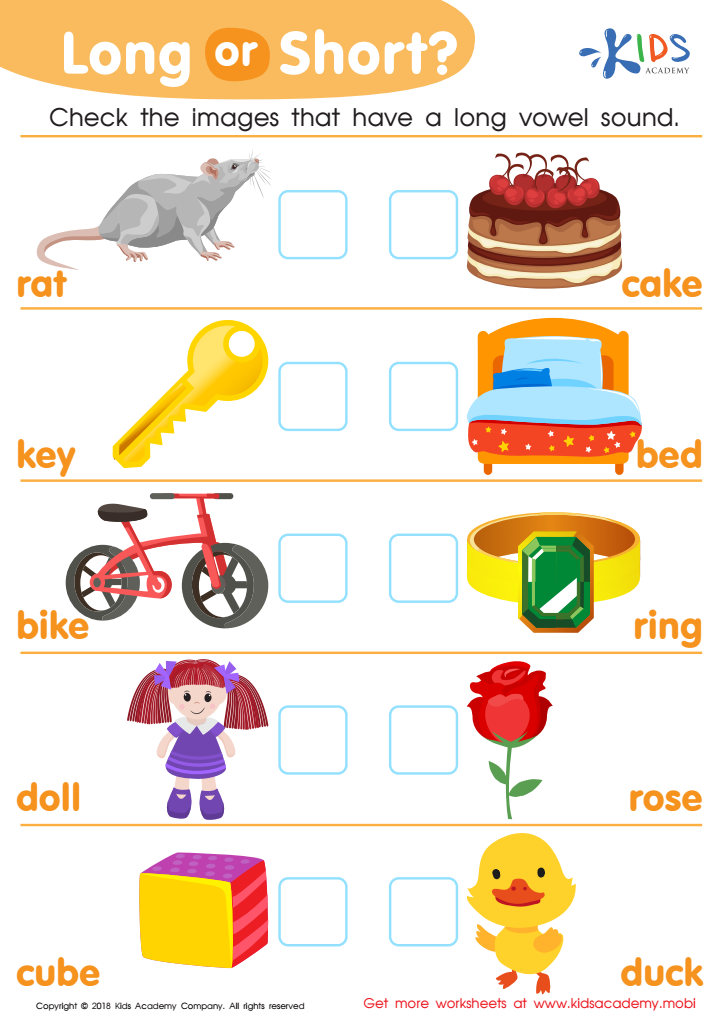
Long or Short Reading Worksheet
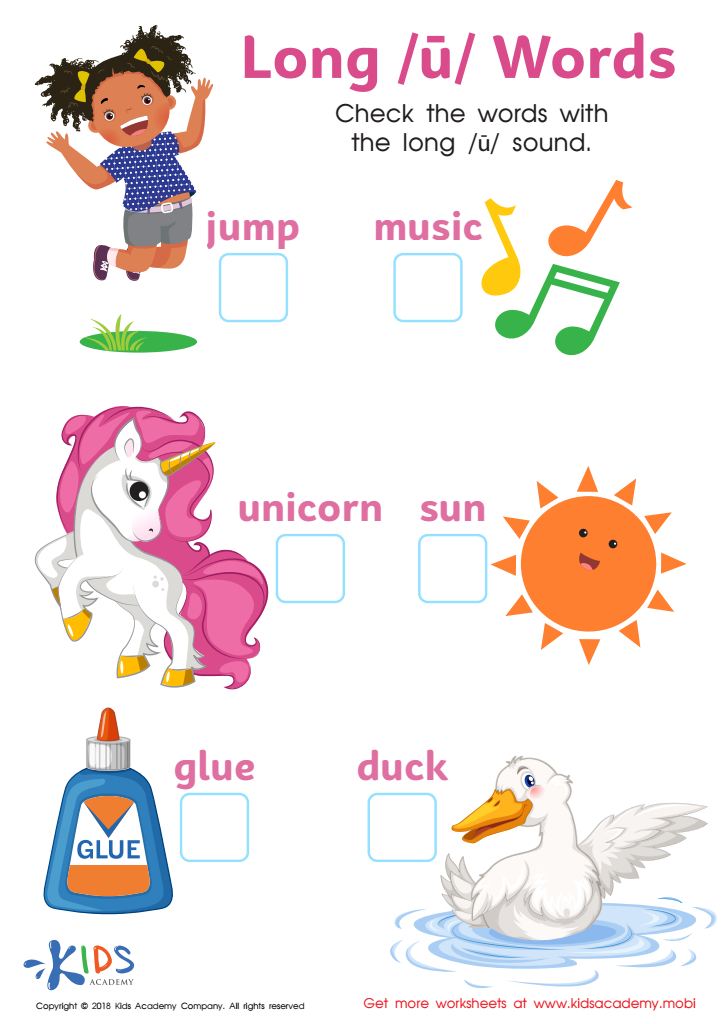
Long U Words Reading Worksheet
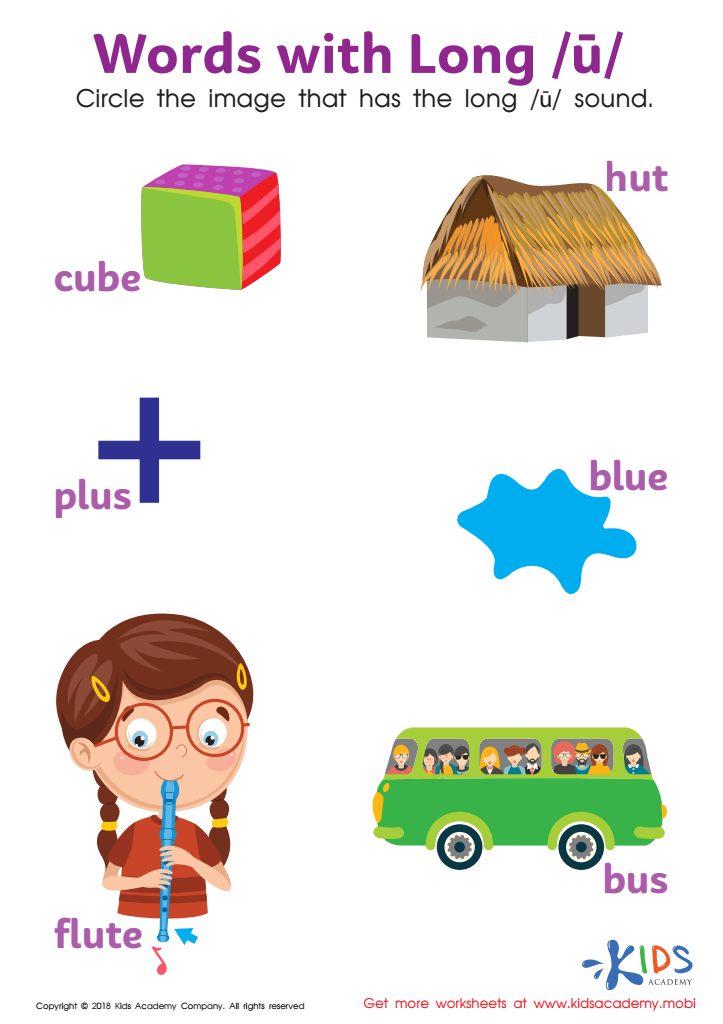
Words with Long U Reading Worksheet
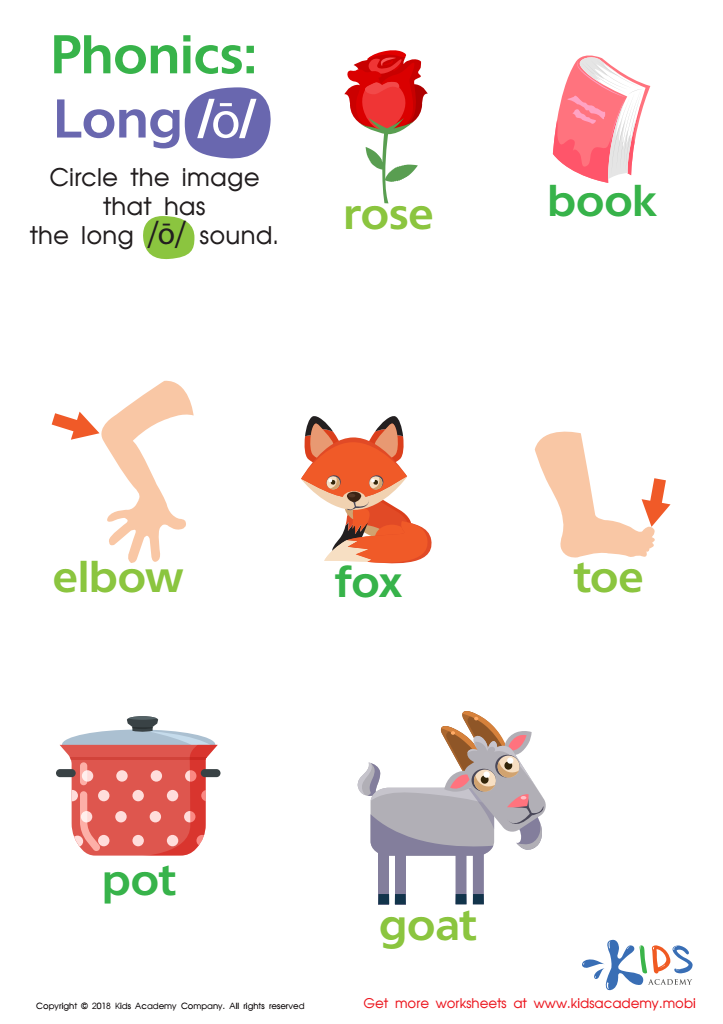
Phonics Long O Reading Worksheet
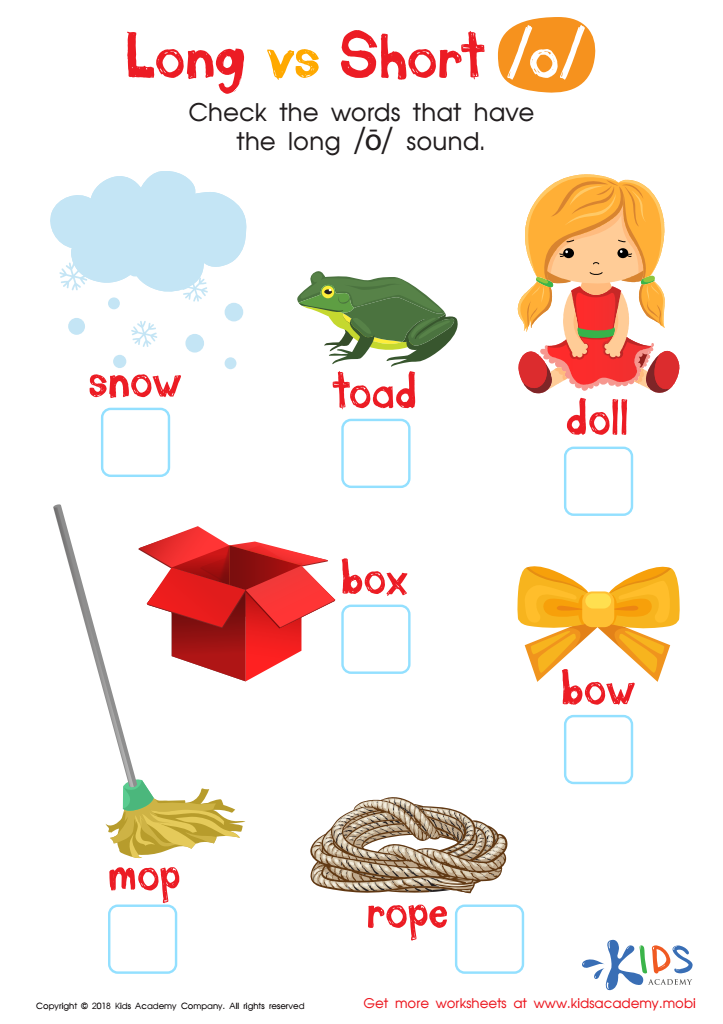
Long vs Short O Reading Worksheet
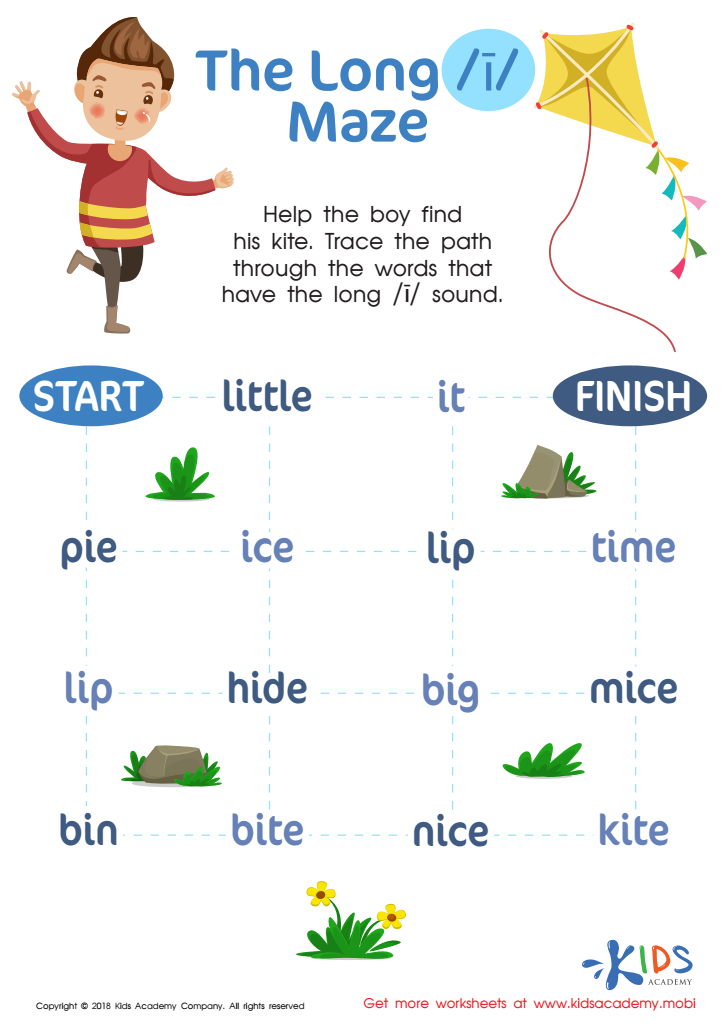
The Long I Maze Reading Worksheet
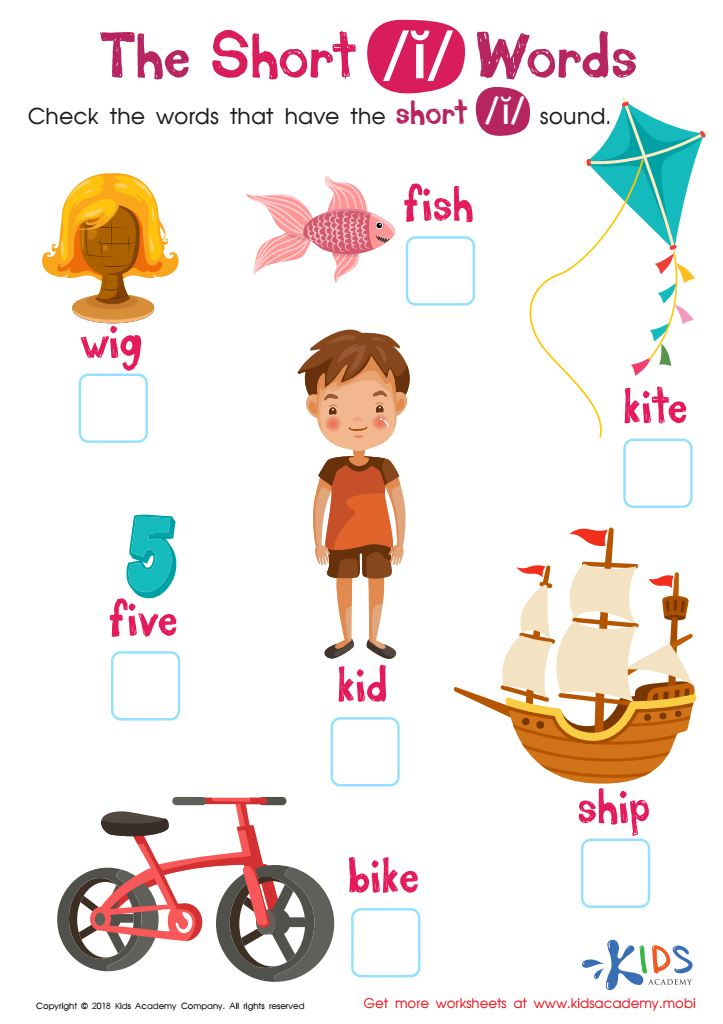
The Short I Words Reading Worksheet
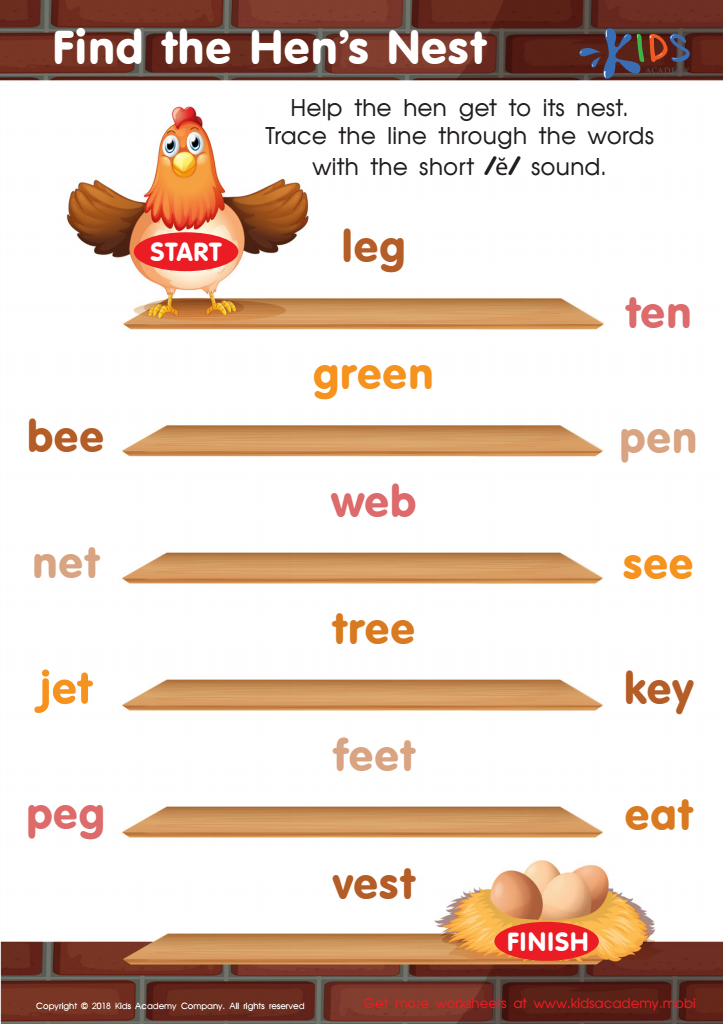
Find Hens Nest Reading Worksheet
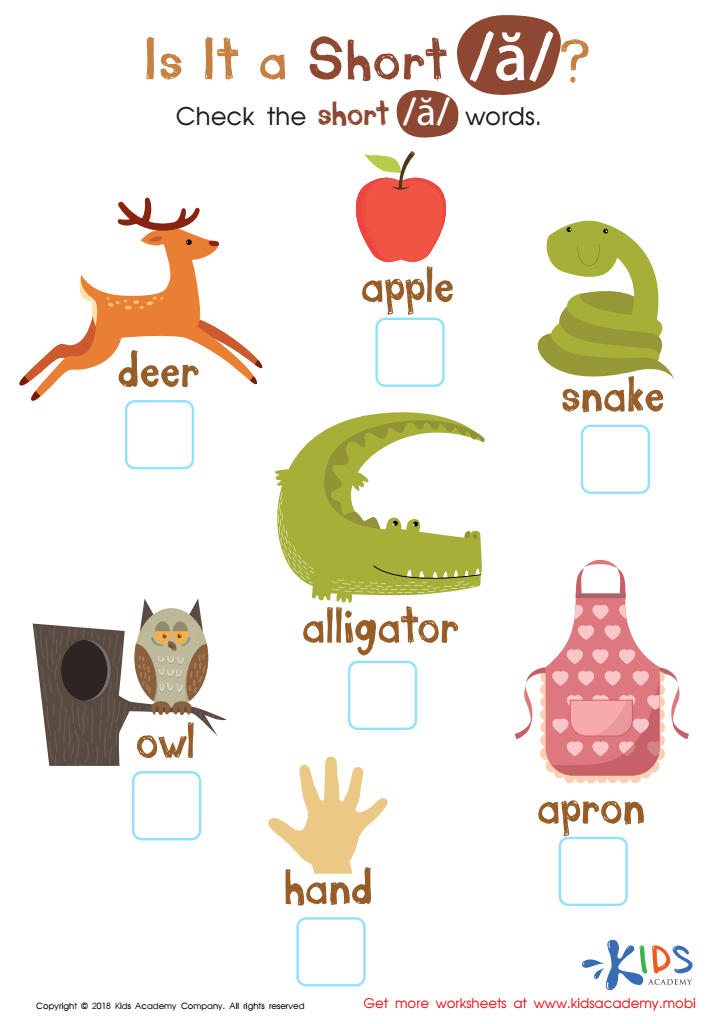
Is It Short A? Reading Worksheet
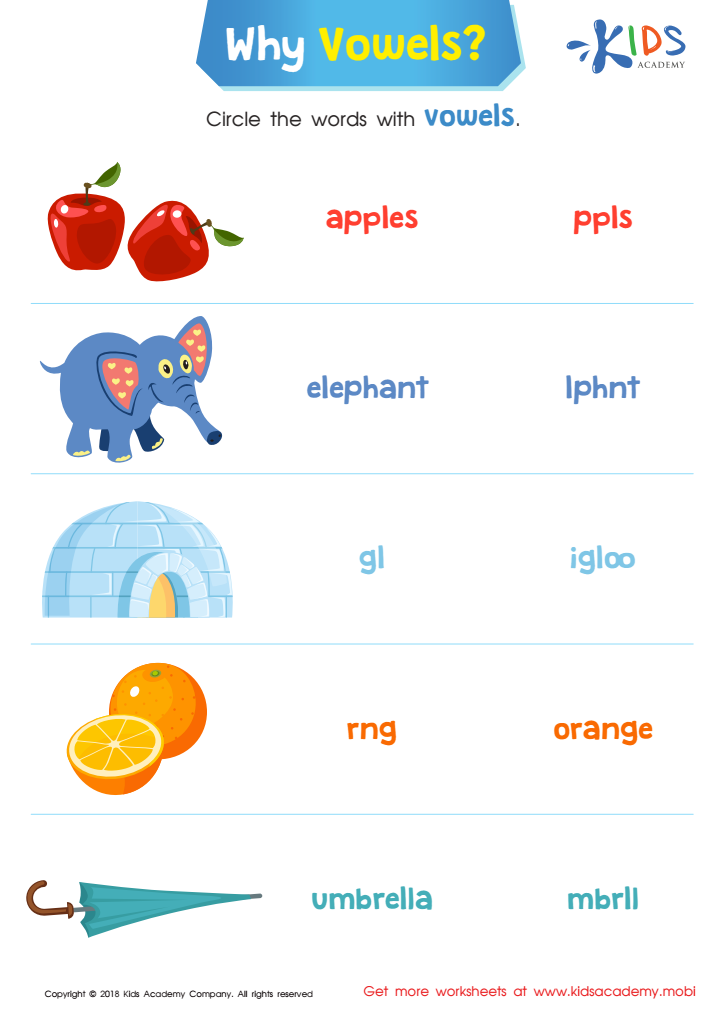
Why Vowels? Reading Worksheet
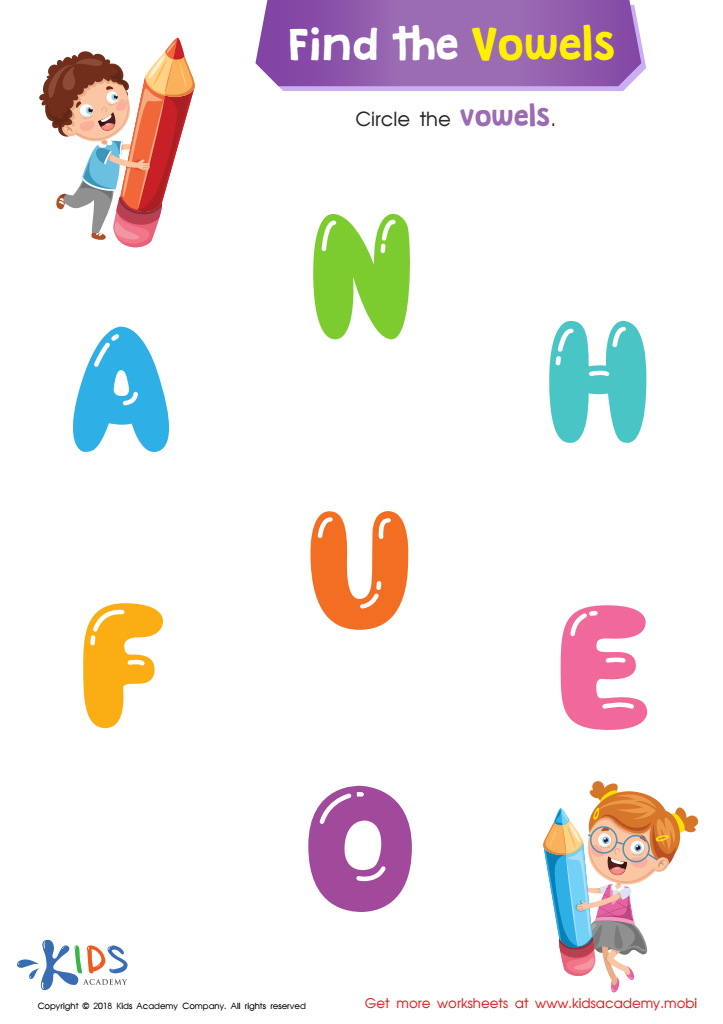
Find the Vowels Reading Worksheet
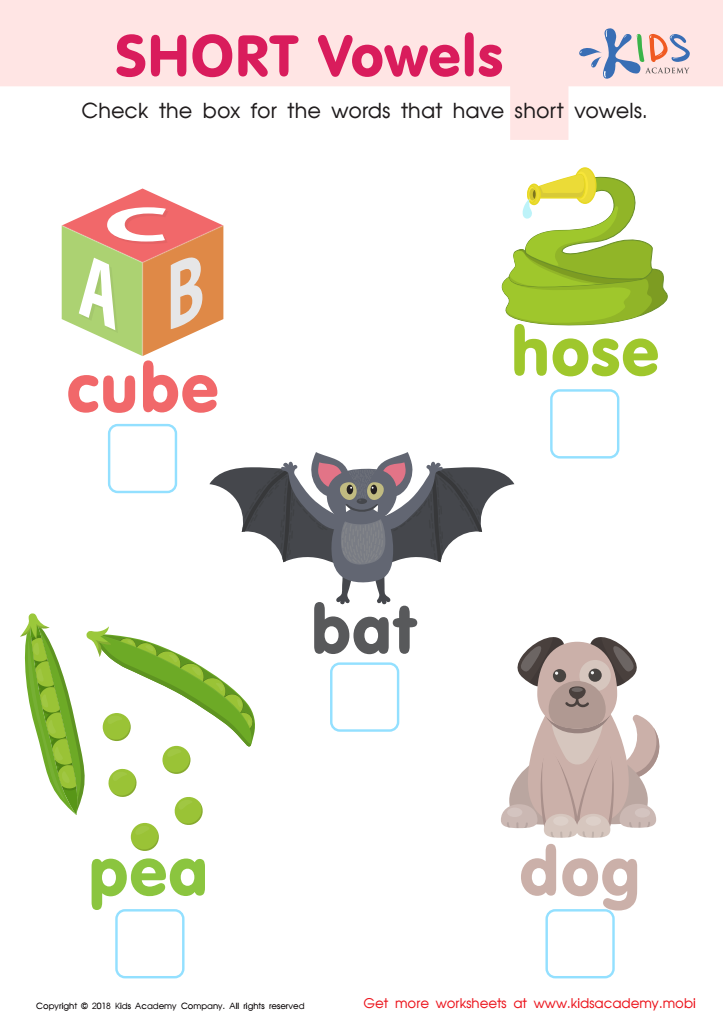
short vowels Worksheet
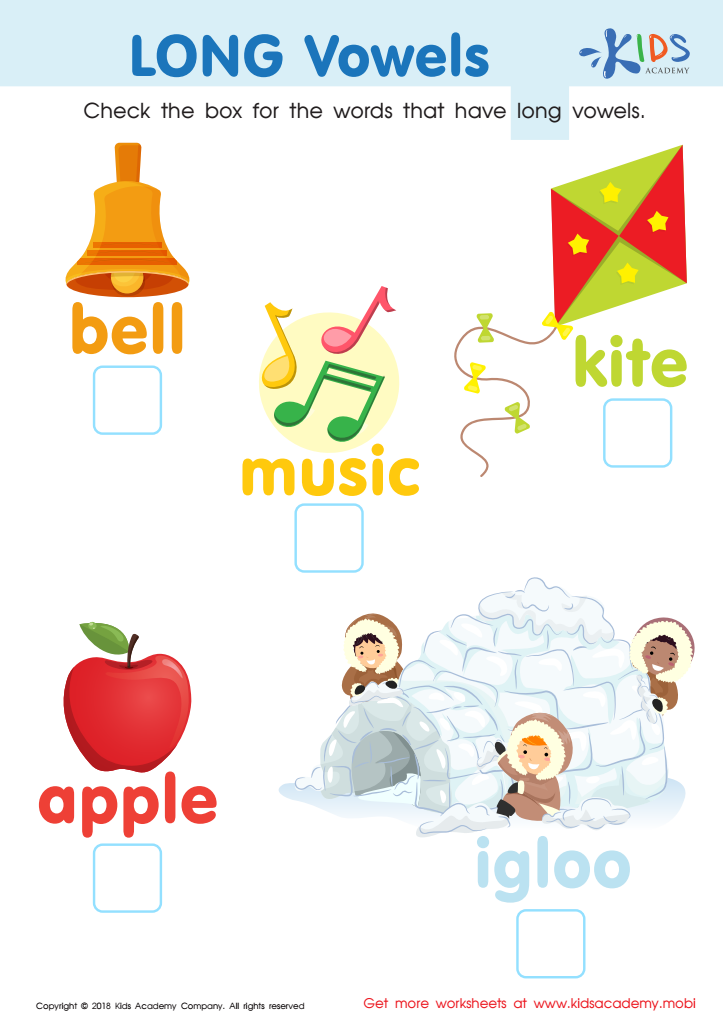
long vowels Worksheet





Vowels are essential building blocks of language, and understanding them is crucial for children aged 5-9 as they develop early literacy skills. At this age, children are beginning to decode words, sound out letters, and read independently. Vowels—A, E, I, O, U, and sometimes Y—play a pivotal role in this process, as they create the nucleus of syllables and determine the pronunciation of words.
Focusing on vowels helps children enhance their reading fluency and comprehension. When students understand how different vowels affect word sounds, they become more proficient in sounding out unfamiliar words, ultimately boosting their confidence. Additionally, a solid grasp of vowels lays the foundation for spelling and writing. By recognizing short and long vowel sounds, children can expand their vocabulary and express themselves more creatively.
Moreover, early intervention in vowel education fosters a lifelong love of reading. Engaging parents and teachers in this crucial aspect enriches the learning environment and encourages collaborative support at home and in the classroom. Overall, an emphasis on vowels not only aids academic growth but also cultivates effective communication skills, setting children on a path toward successful learning in and outside of school.







