History Worksheets for Ages 5-9 - Page 4
88 filtered results
-
From - To
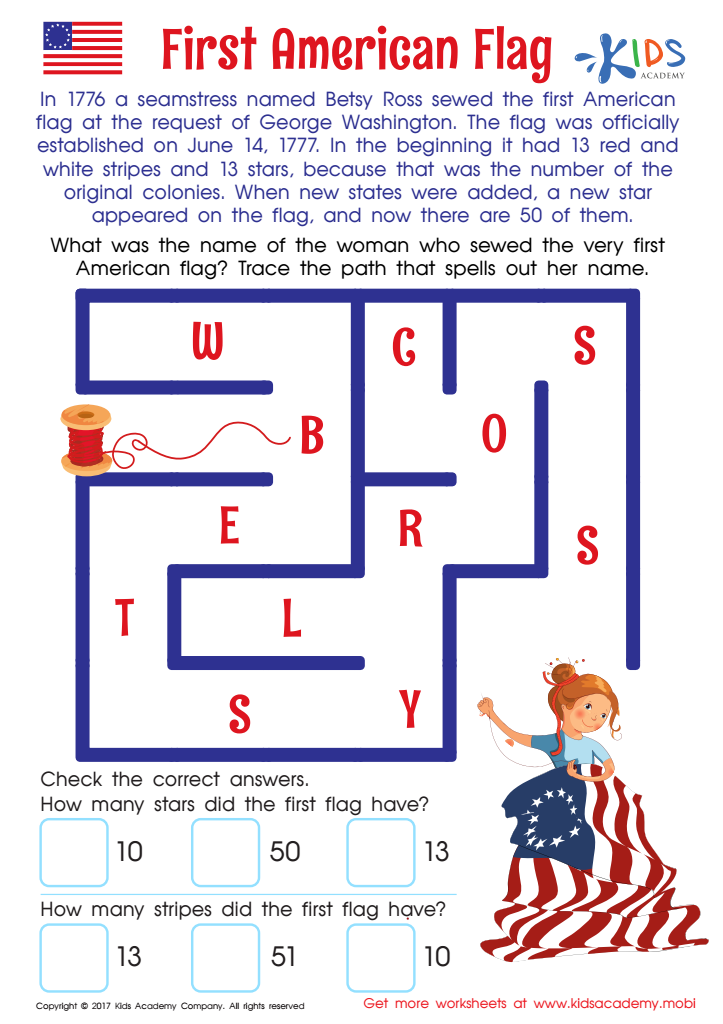
First American Flag Worksheet
 Assign to My Students
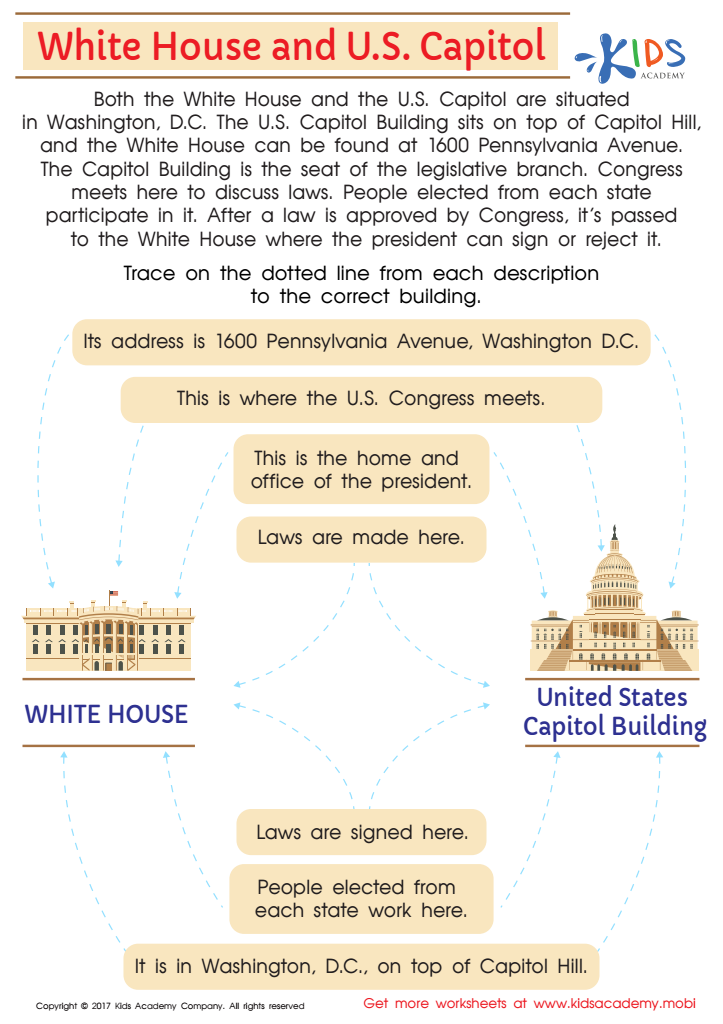
White House and US Capitol Worksheet
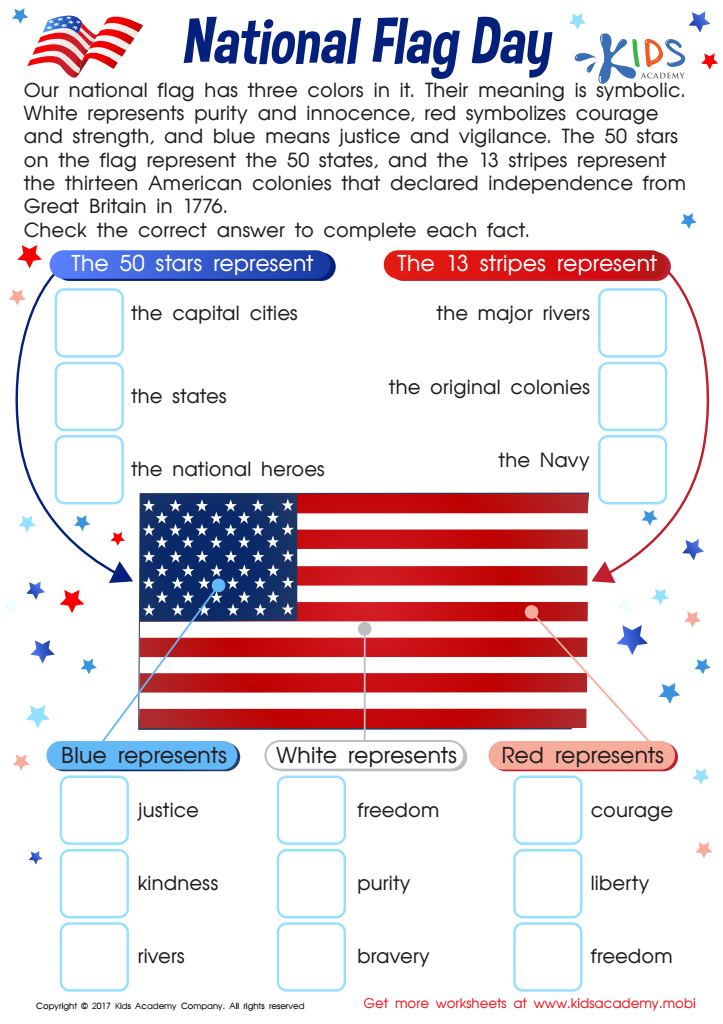
US National Flag Day Worksheet
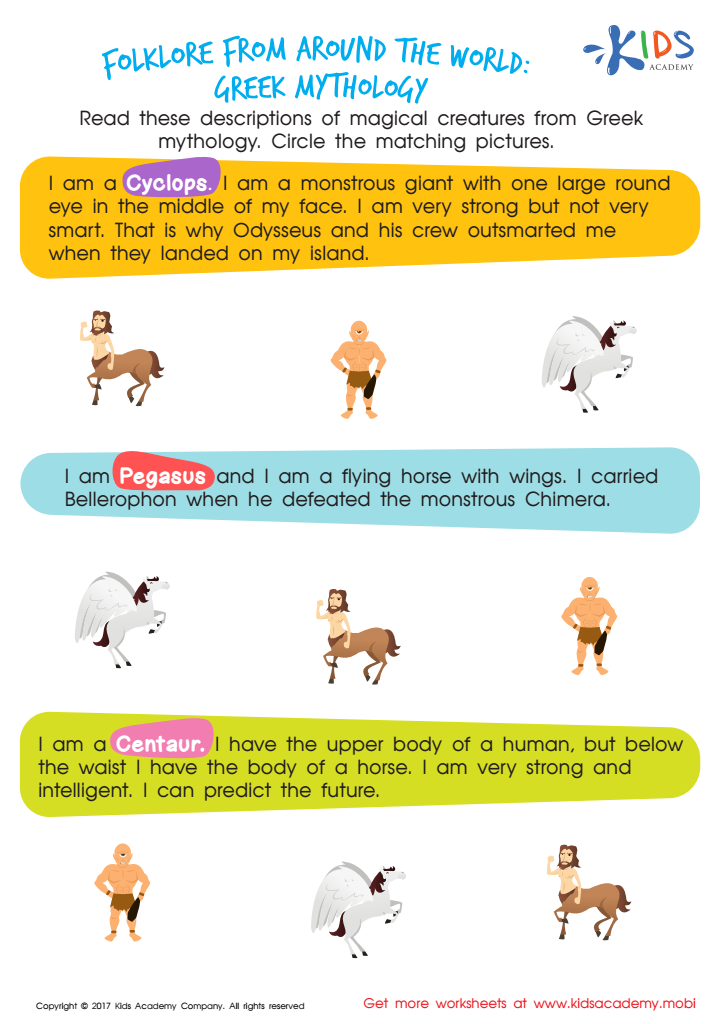
Greek Mythology Worksheet

Happy Diwali Printable
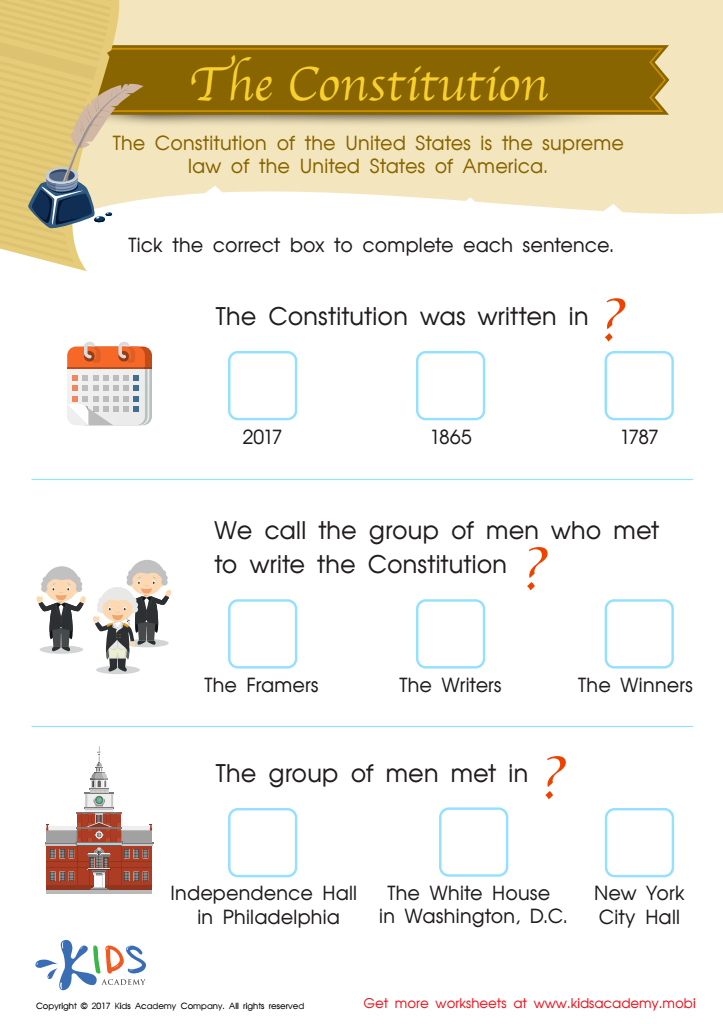
The Constitution Worksheet
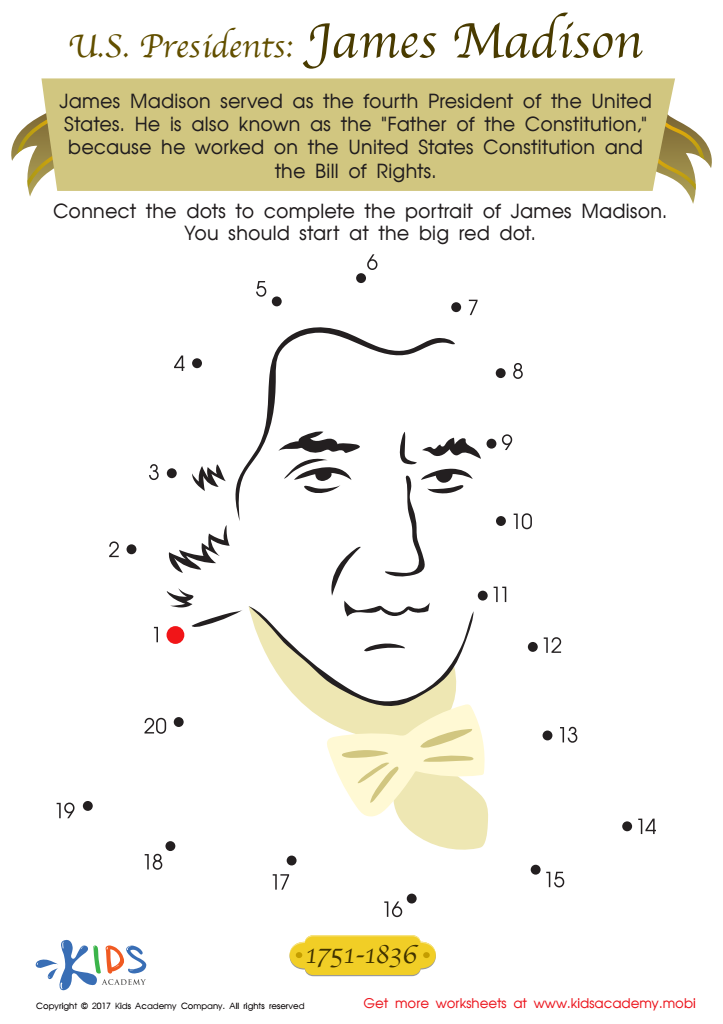
President Madison Printable
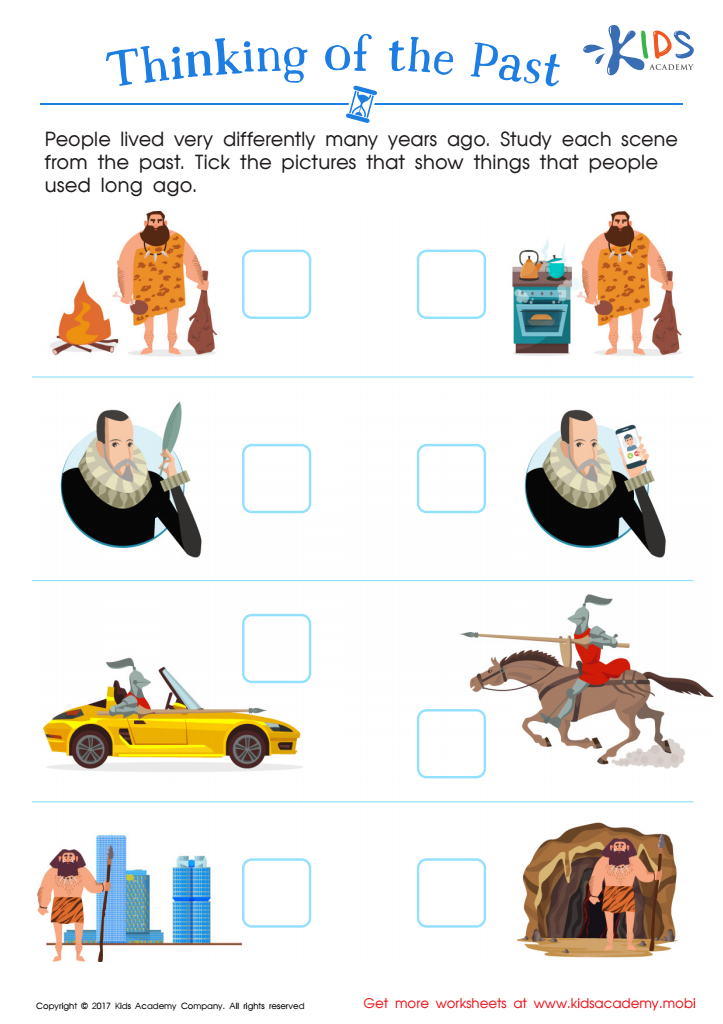
Thinking Past Printable
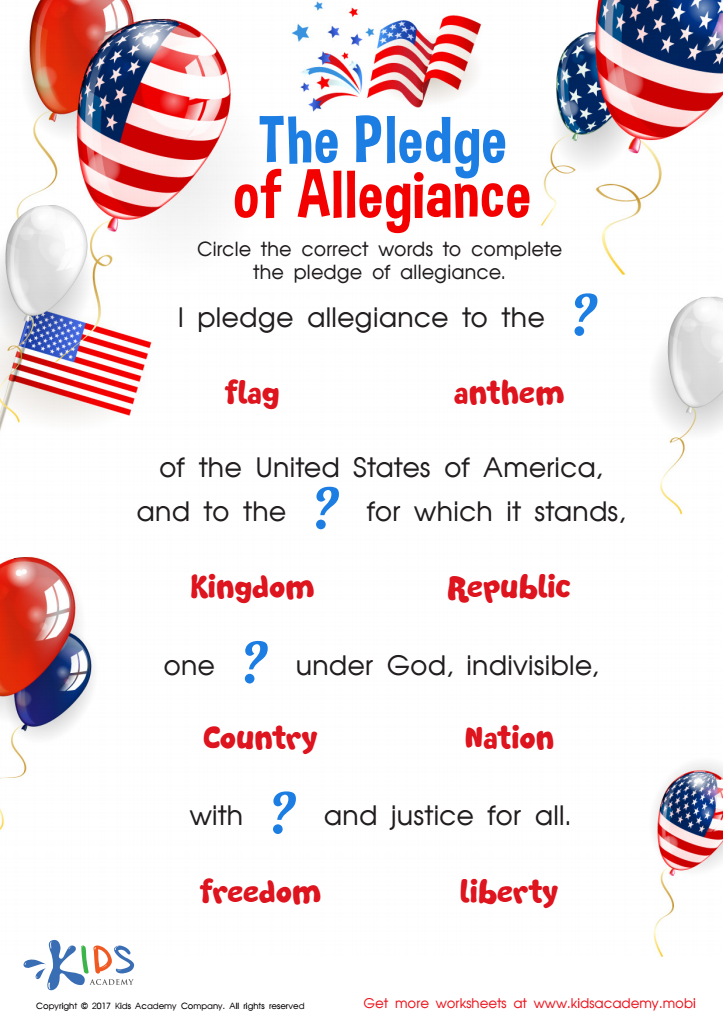
The Pledge of Allegiance Worksheet
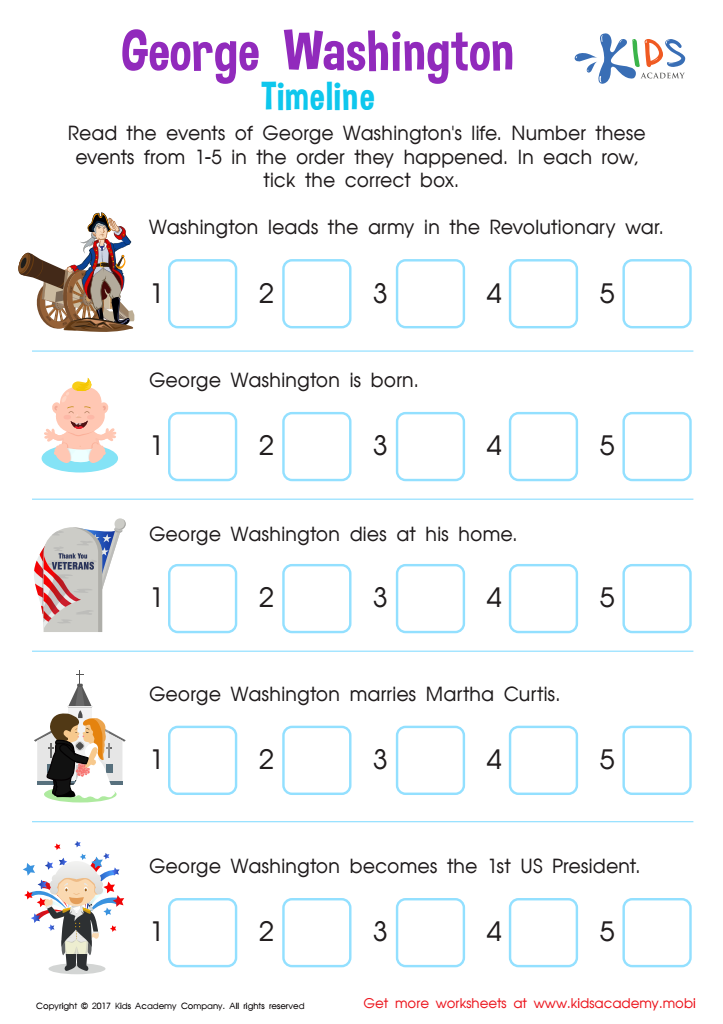
George Washington Timeline Worksheet
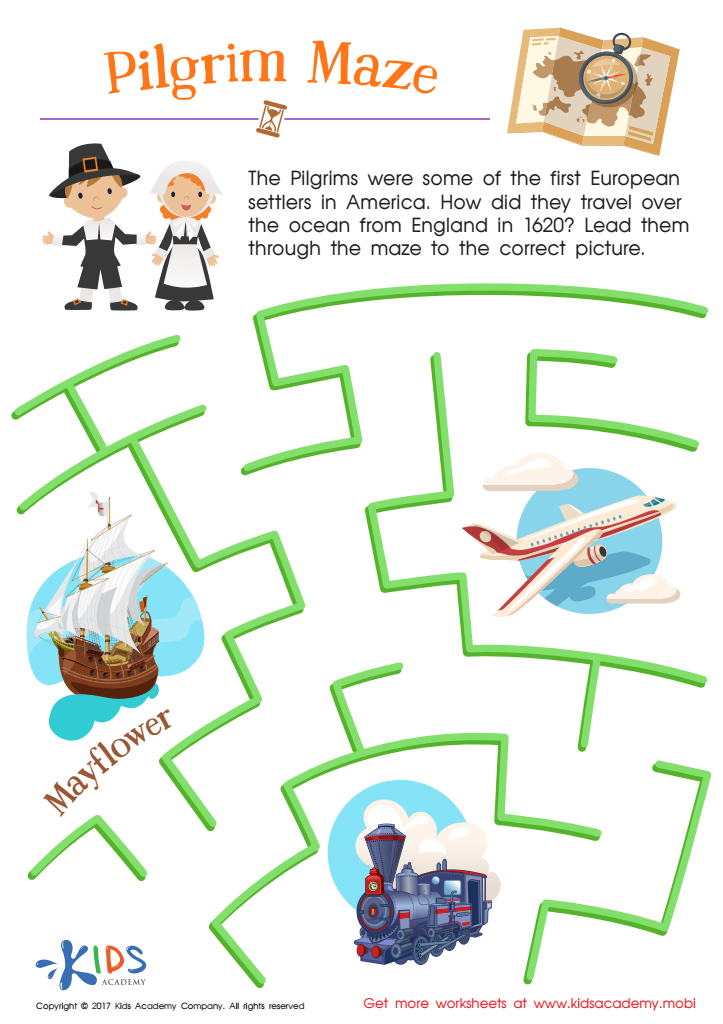
Pilgrim Maze Worksheet
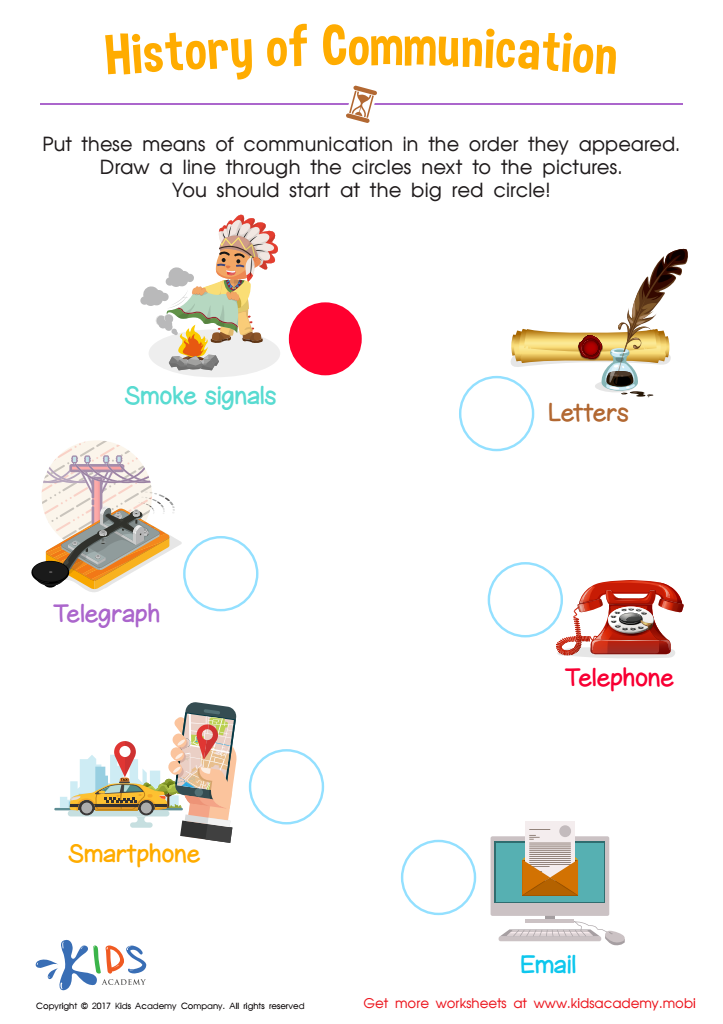
History of Communication Worksheet
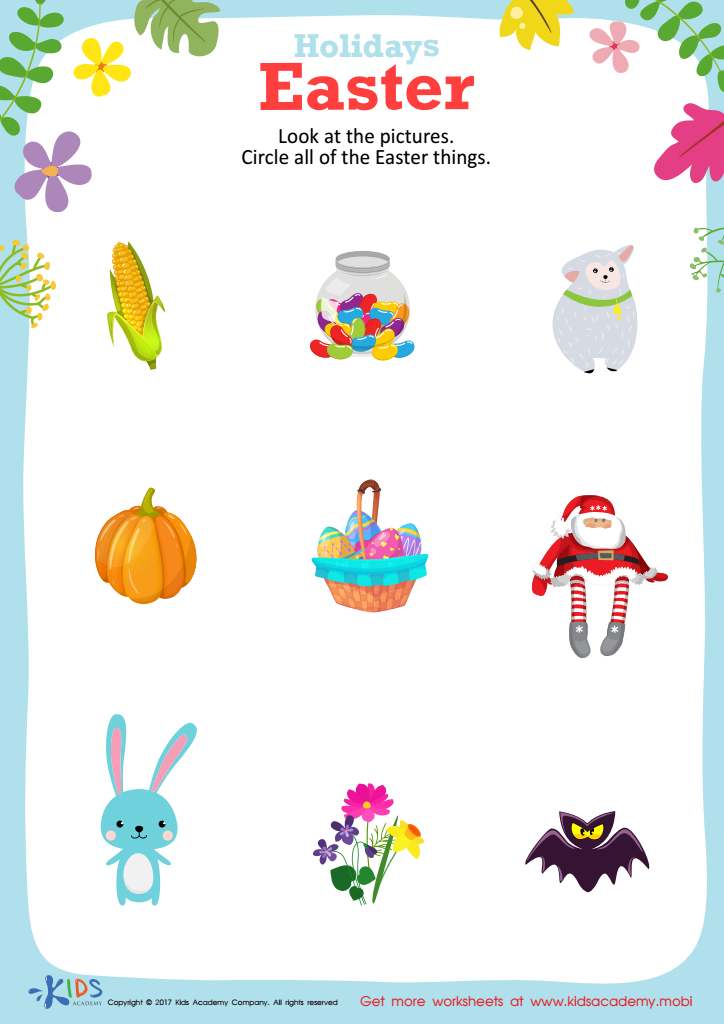
Easter Holiday Printable
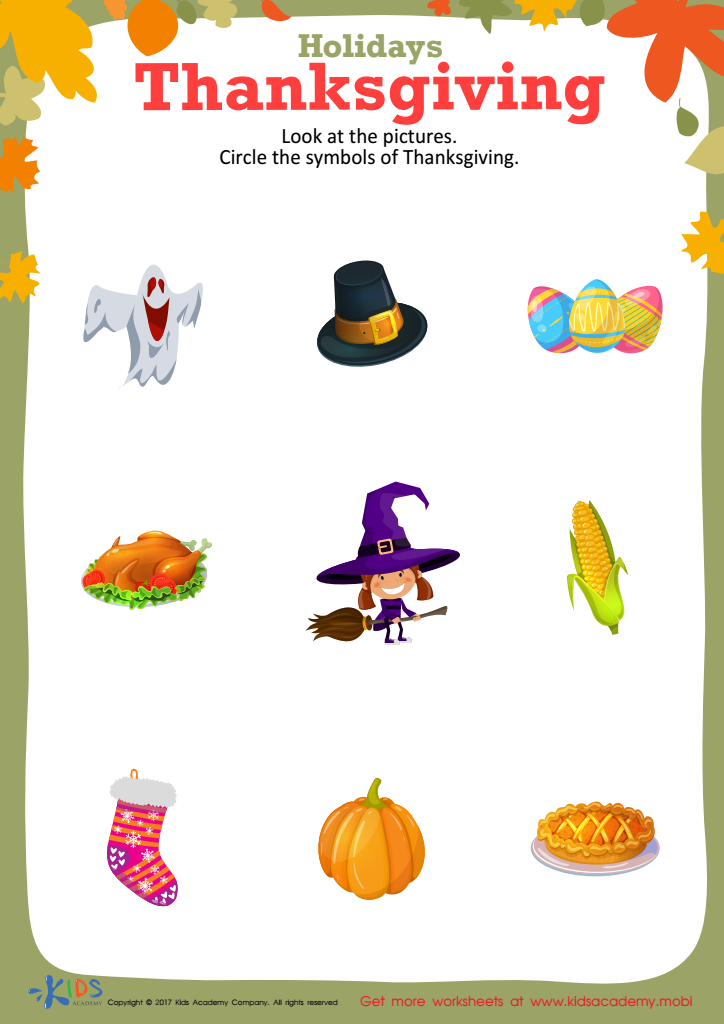
Thanksgiving Holiday Printable
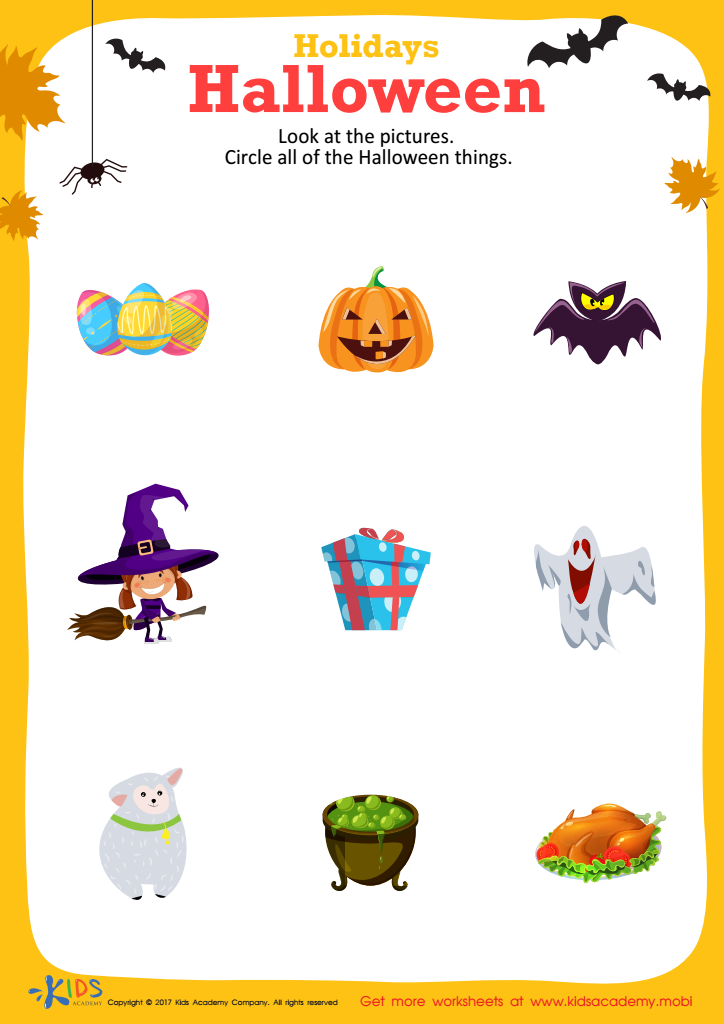
Halloween Holiday Worksheet
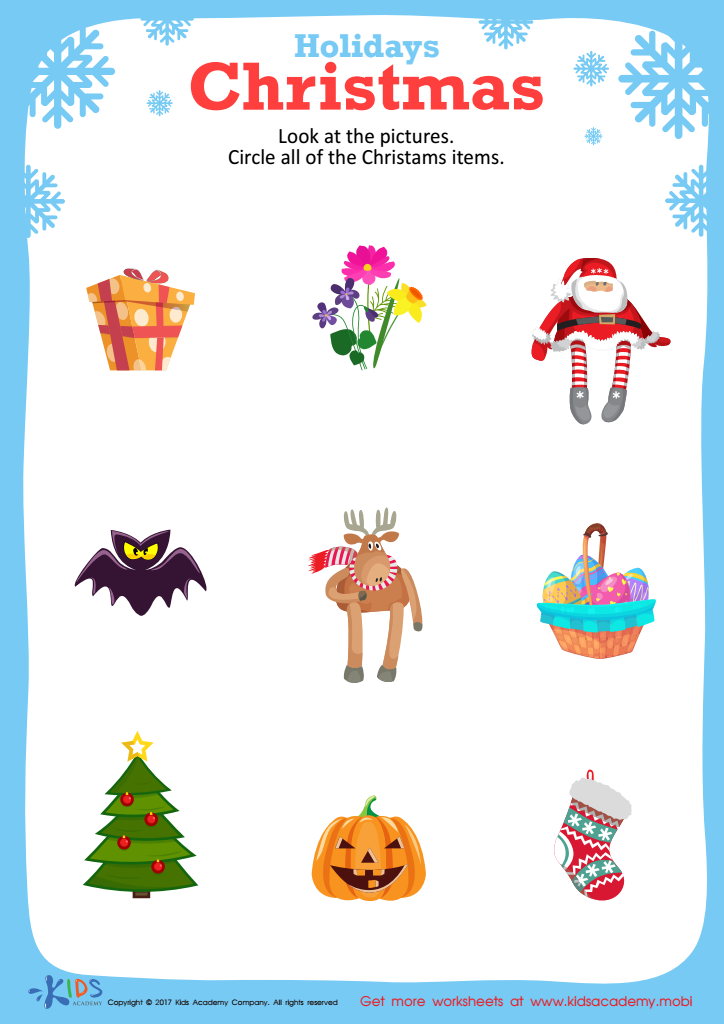
Christmas Holiday Worksheet




.jpg)



Parents and teachers should recognize the importance of history for children aged 5-9 due to its significant developmental benefits. At this young age, children are naturally curious about the world around them, and engaging with history fosters that curiosity. Learning about history introduces children to diverse cultures, events, and influential figures, helping them develop a sense of identity and belonging. It lays the groundwork for critical thinking and encourages them to ask questions, analyze information, and understand cause-and-effect relationships.
Additionally, history teaches valuable lessons about empathy and tolerance. By exploring historical narratives, children become more aware of different perspectives and experiences, helping them appreciate diversity and develop social skills. Engaging with historical stories also helps build language and literacy skills, as children learn new vocabulary and concepts through reading and discussion.
Moreover, understanding history can inspire resilience and character development by showcasing how individuals and communities have overcome challenges. Celebrating achievements from the past can motivate young learners to set their own goals and aspirations. In essence, intertwining history into early education nurtures informed, empathetic, and engaged citizens of tomorrow. Investing in history education is ultimately an investment in a child's holistic growth.