Shape identification Math Worksheets for Ages 6-7
17 filtered results
-
From - To
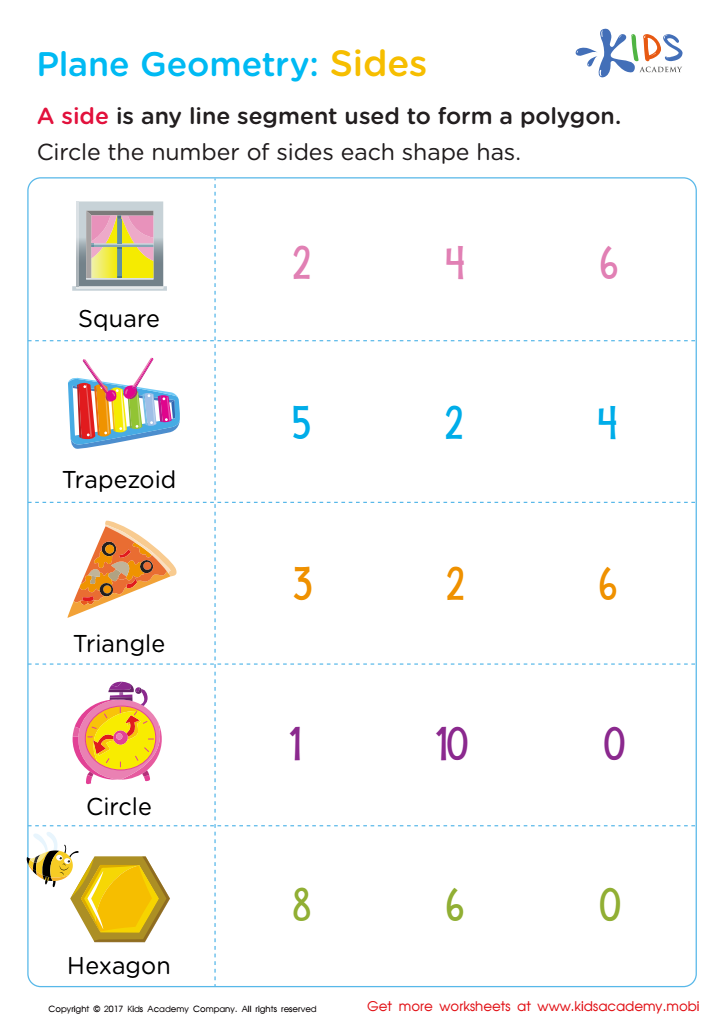
Explore our Shape Identification Math Worksheets designed for ages 6-7! These engaging worksheets are crafted to help young learners recognize and name various shapes, enhancing their geometry skills. Through fun activities and colorful illustrations, kids will practice identifying circles, squares, triangles, rectangles, and more. Each worksheet is carefully designed to build foundational math skills in a playful, hands-on way. Perfect for classroom use or at-home practice, these resources will inspire confidence and curiosity in your growing mathematicians. Foster a love for learning and make shape identification an exciting adventure!
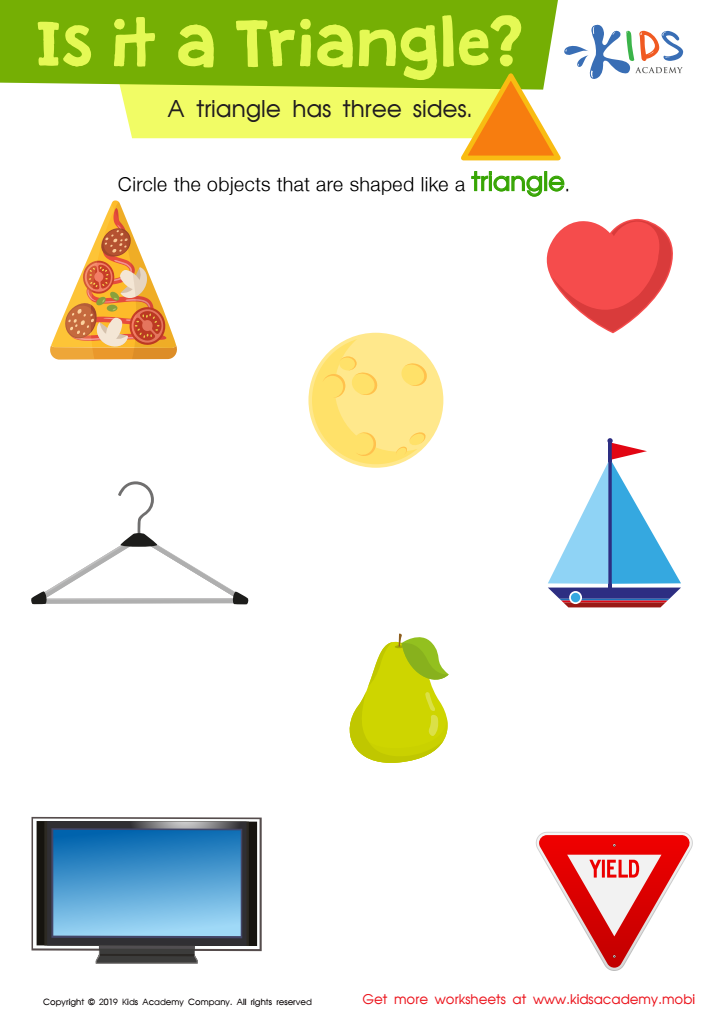
Is It a Triangle? Worksheet
 Assign to My Students
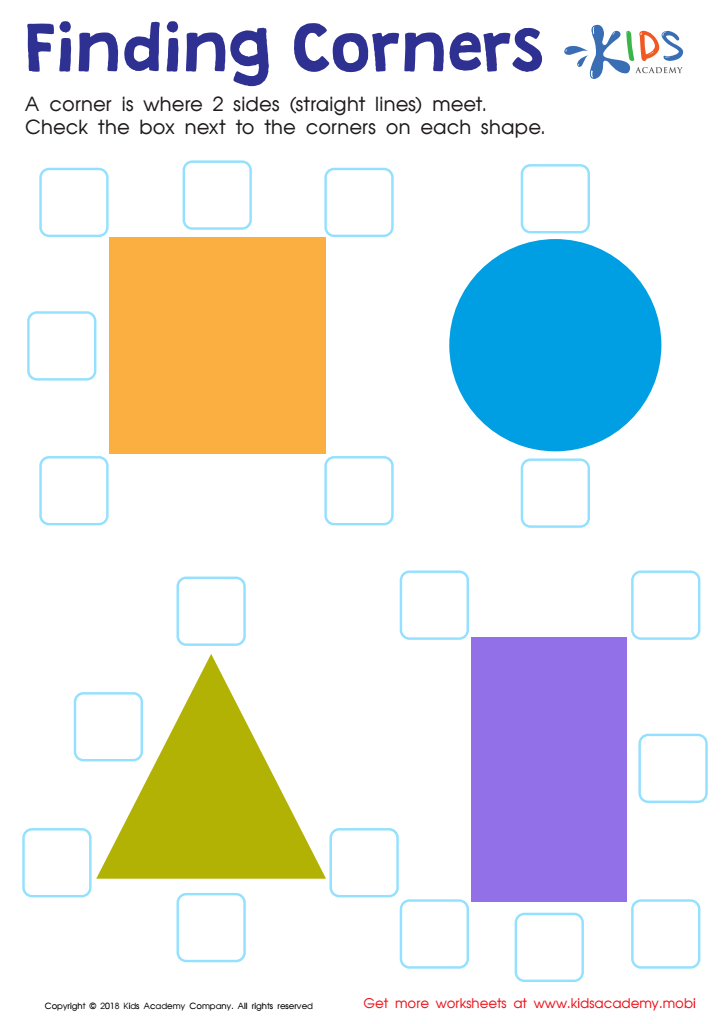
Finding Corners Worksheet
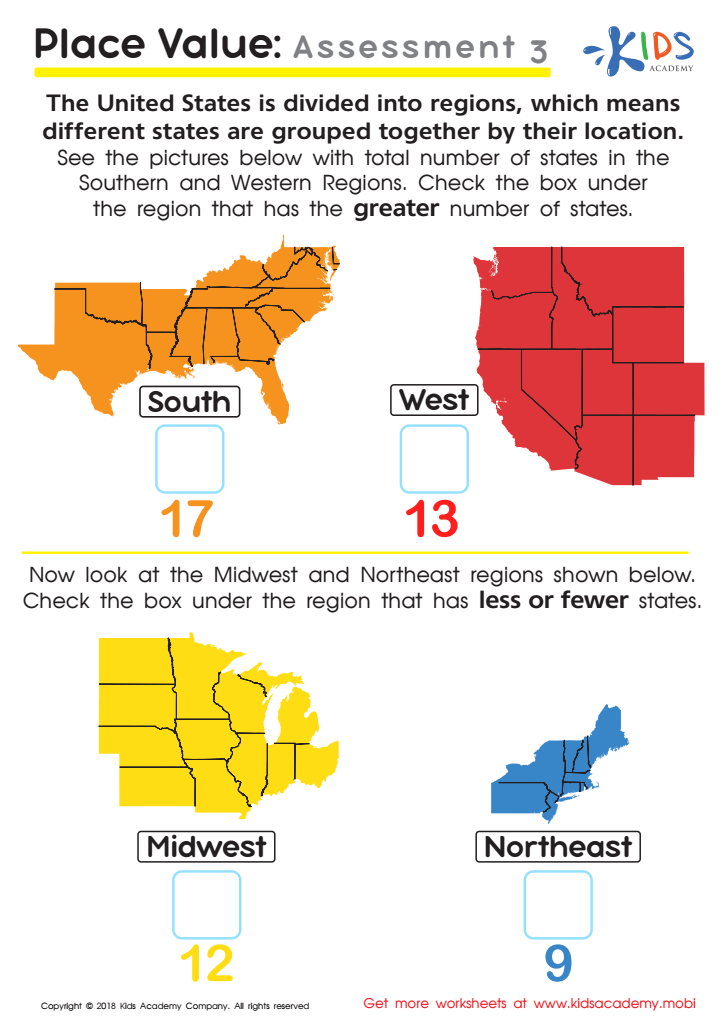
Place Value: Assessment 3 Worksheet
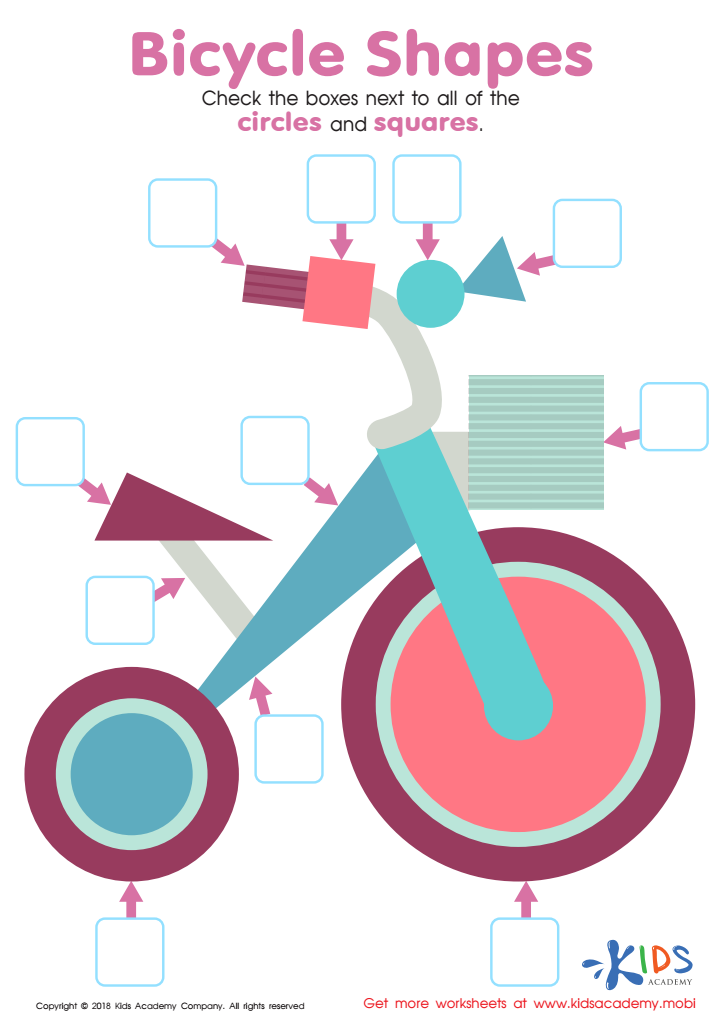
Bicycle Shapes Worksheet
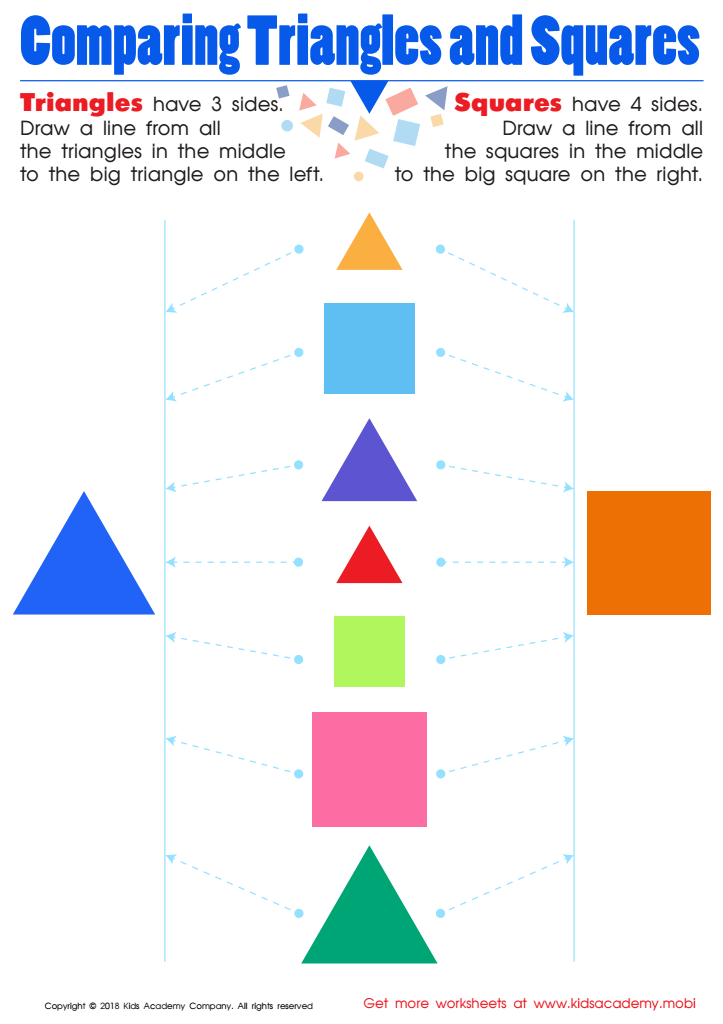
Comparing Triangles Squares Worksheet
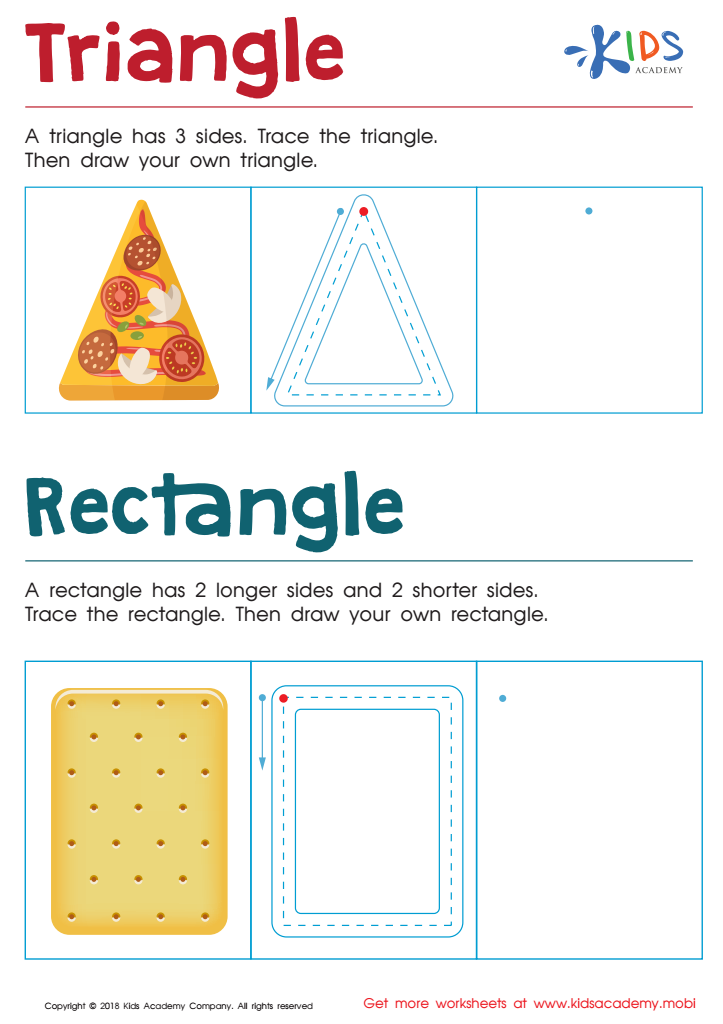
Triangle Rectangle Worksheet
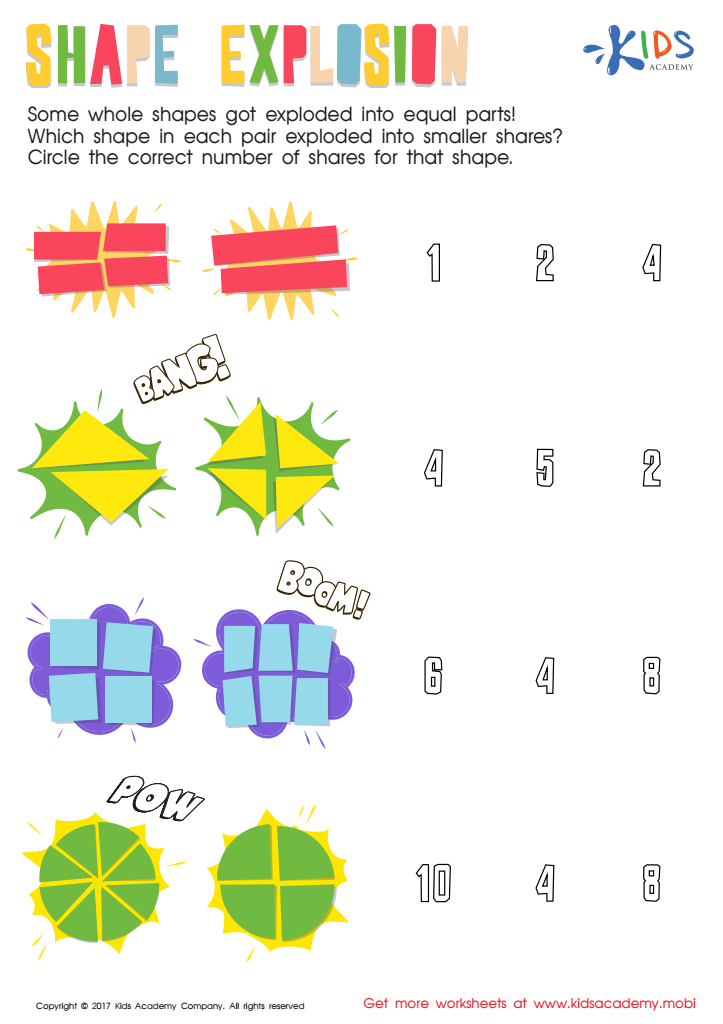
Shape Explosion Worksheet
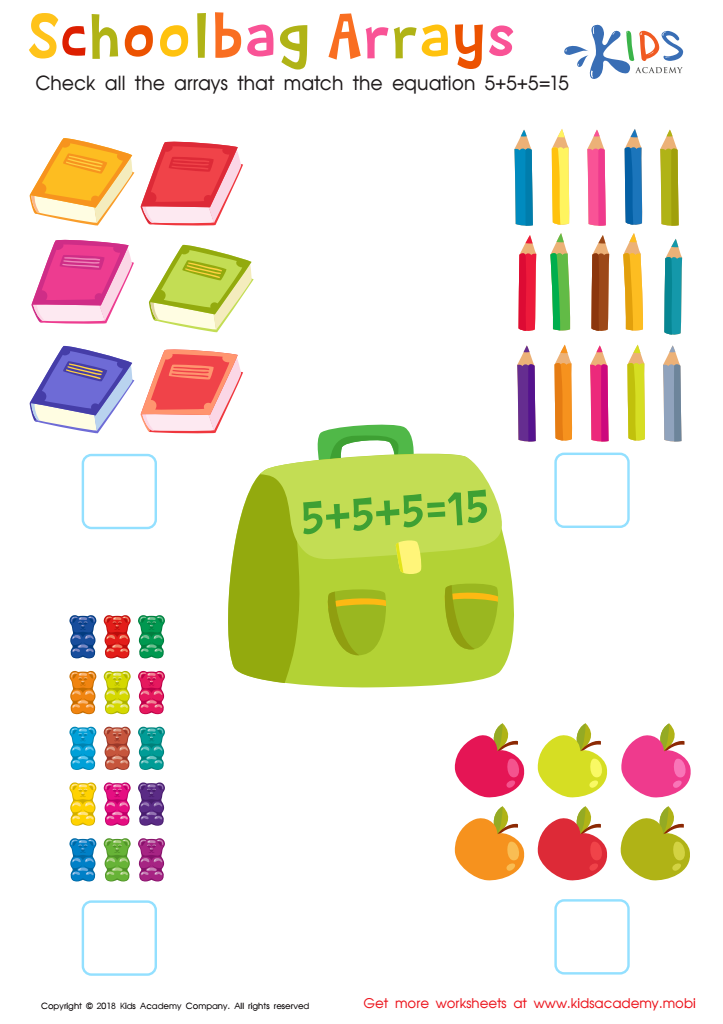
Schoolbag Arrays Worksheet
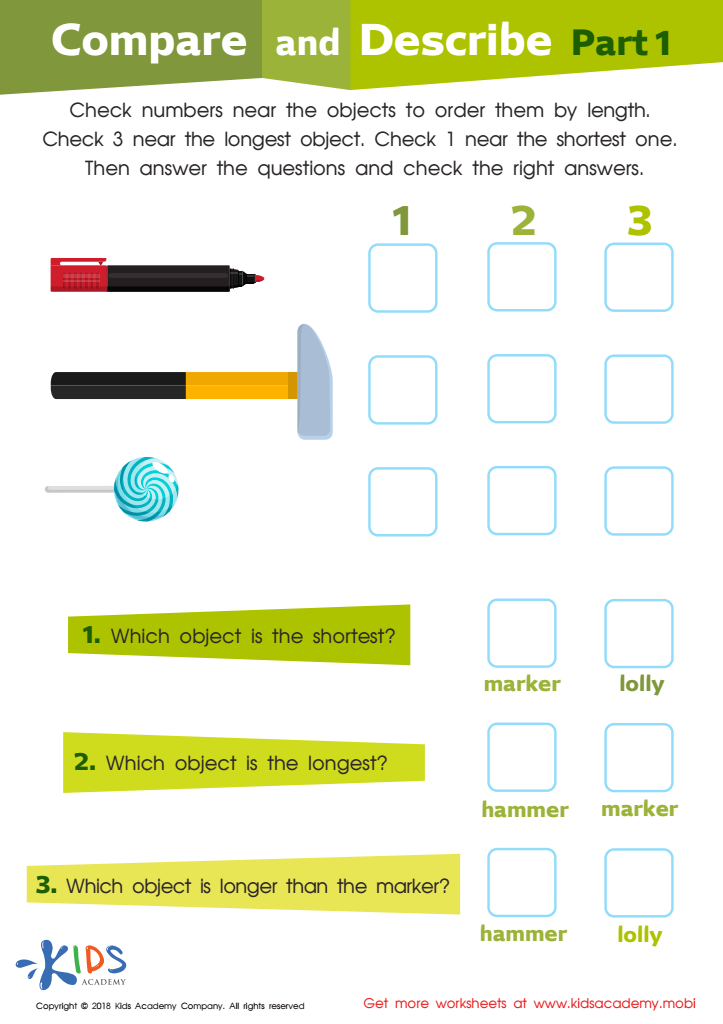
Compare and Describe: Part 1 Worksheet
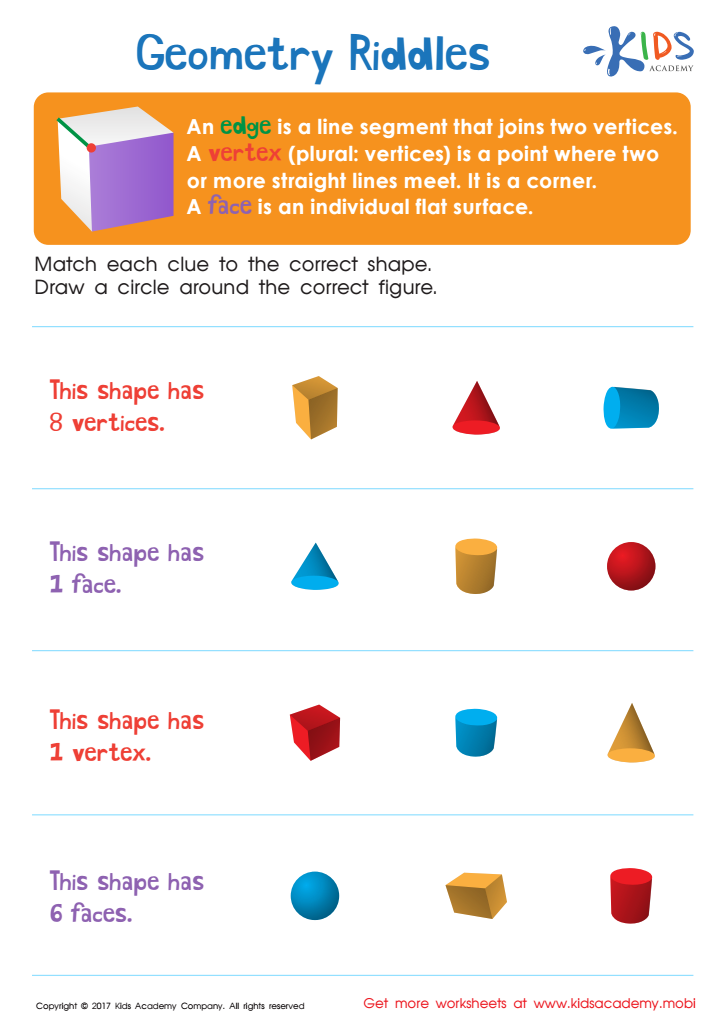
Geometry Riddles Printable
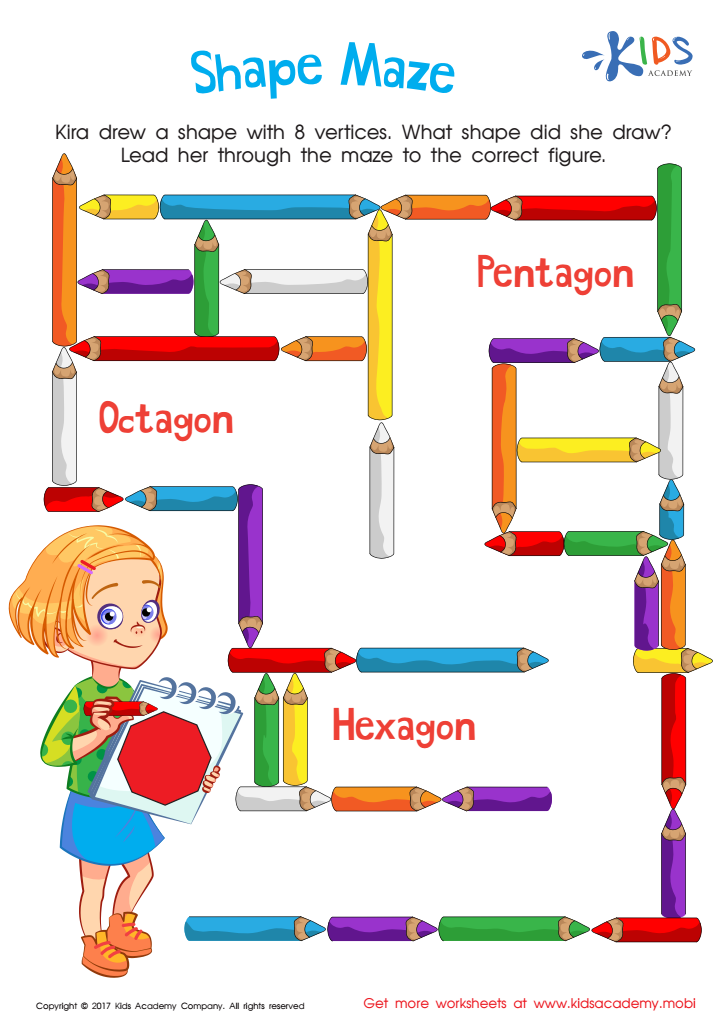
Shape Maze Worksheet
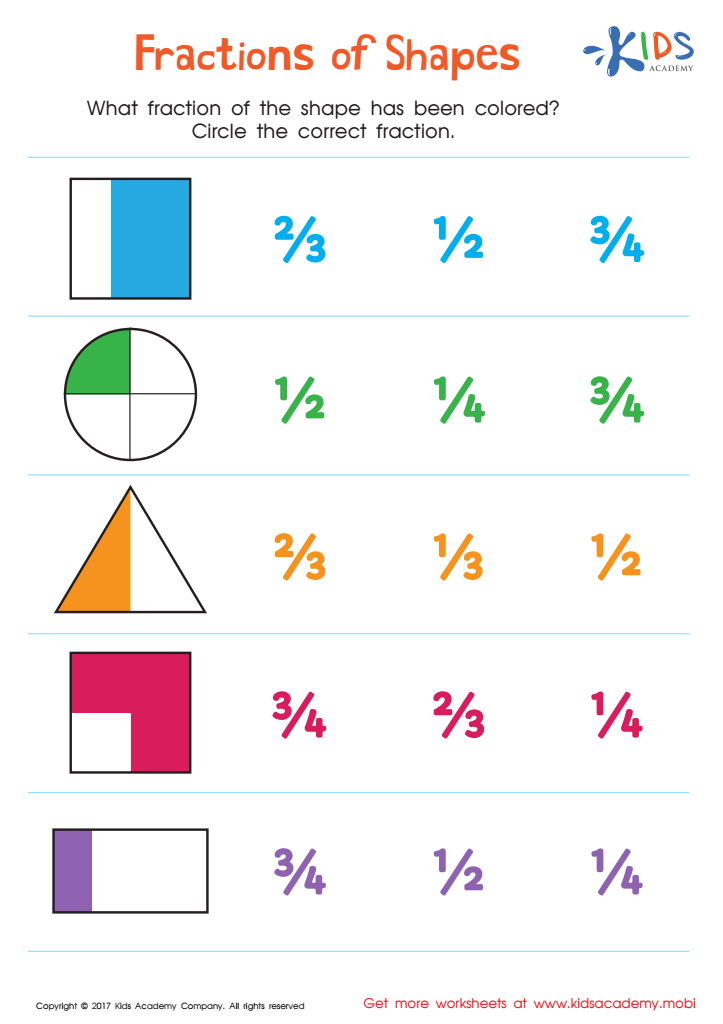
Fractions of Shapes: Math Concept Worksheet
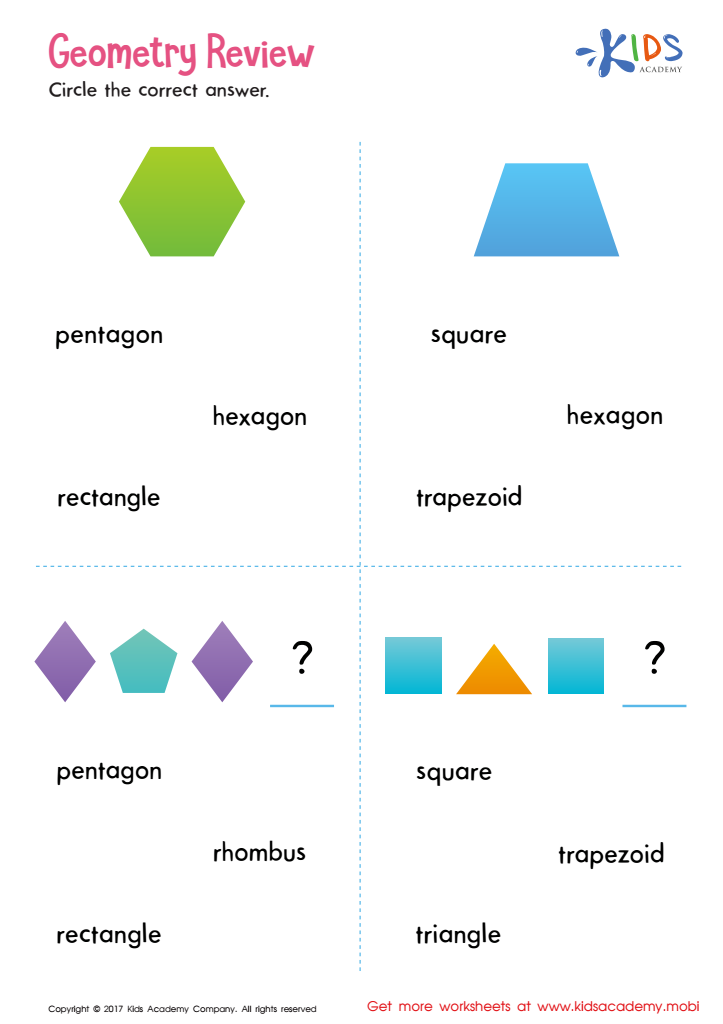
Geometry Review Printable
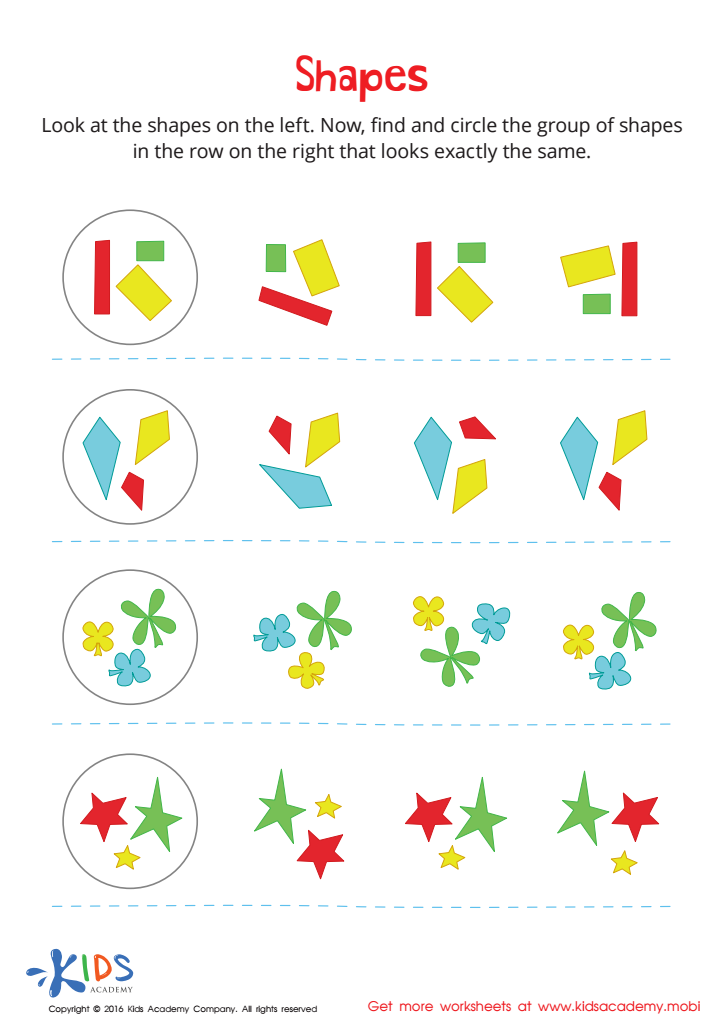
Shapes Worksheet
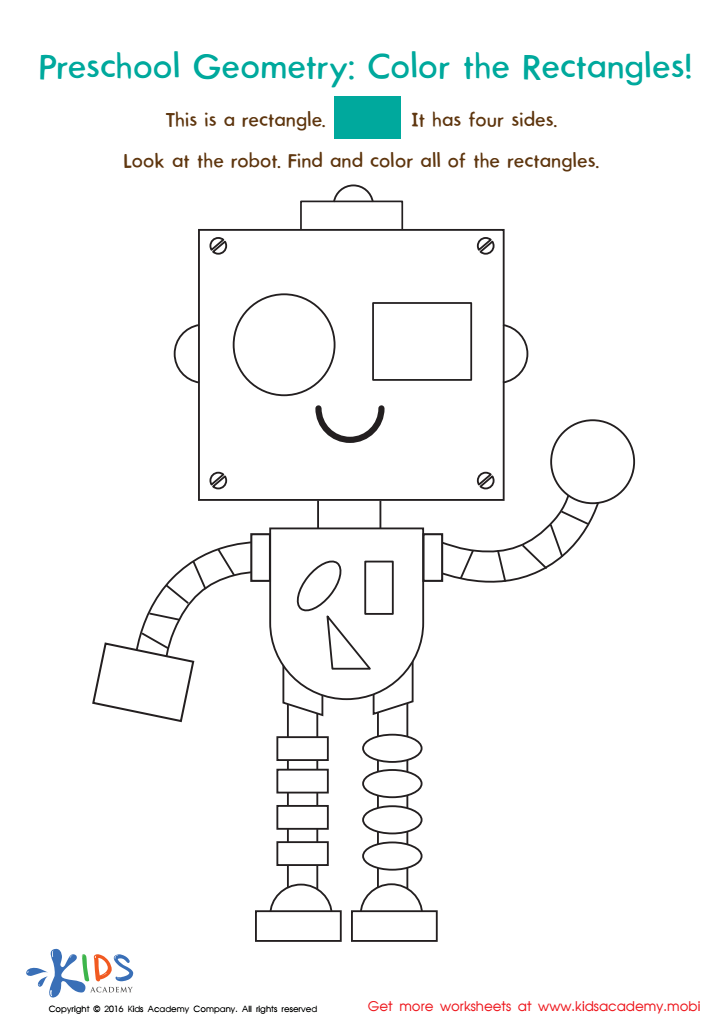
Geometry Worksheet
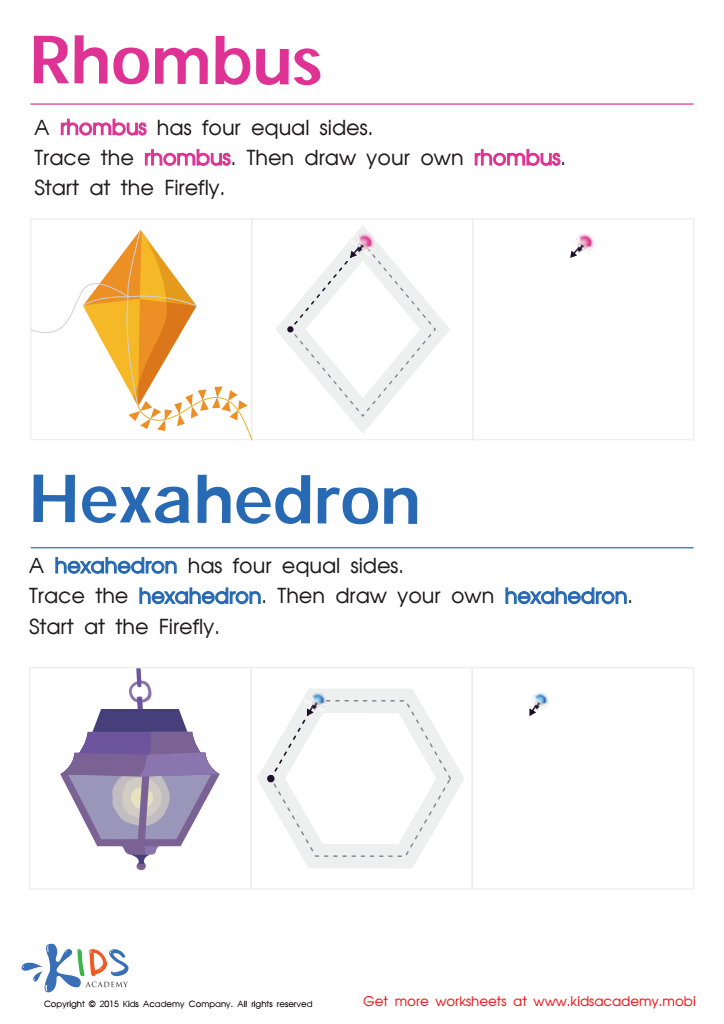
Draw a Rhombus And a Hexahedron Printable






Shape identification is crucial for children aged 6-7 as it lays a fundamental foundation for their cognitive and academic development. At this stage, children enter the preoperational thinking phase, where understanding shapes helps boost their spatial awareness and visual discrimination abilities. By identifying shapes like circles, squares, and triangles, children start recognizing patterns and similarities in their environment, crucial for problem-solving and analytical skills.
Shape recognition is intrinsically linked to early math concepts. It develops children’s geometric vocabulary and prepares them for more advanced topics, such as polygons and symmetry. Recognizing and differentiating shapes enhance their counting skills and understanding of dimensions and proportions, which are integral to grasping concepts like area, volume, and geometry in higher grades.
Additionally, shape identification supports language development by introducing terms and descriptors. Labeling and discussing shapes enrich conversational skills and critical thinking.
Moreover, it has practical, real-world applications. For instance, identifying road signs or shapes in nature ensures safety and enriches everyday experiences.
In essence, nurturing shape identification in early grades creates a strong cognitive framework, fostering not just mathematical competence but also critical thinking, problem-solving, and communication skills necessary for holistic growth. Teachers and parents should realize its multi-faceted value and actively engage children in shape-related activities.








