Measurement Worksheets for Ages 6-8 - Page 4
105 filtered results
-
From - To
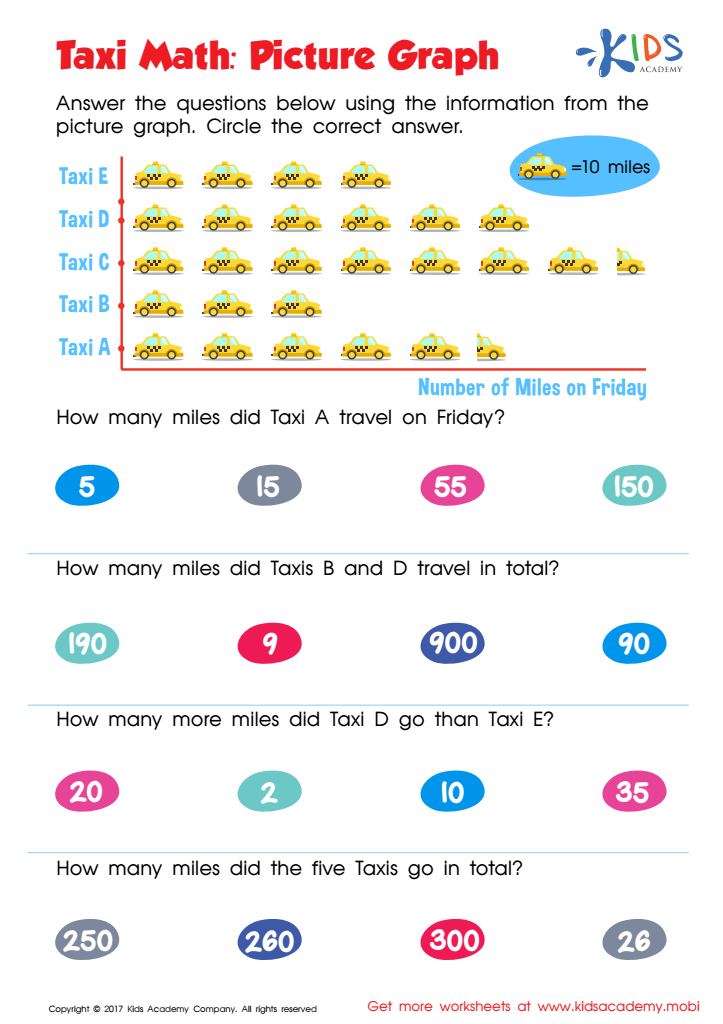
Taxi Math Worksheet
 Assign to My Students
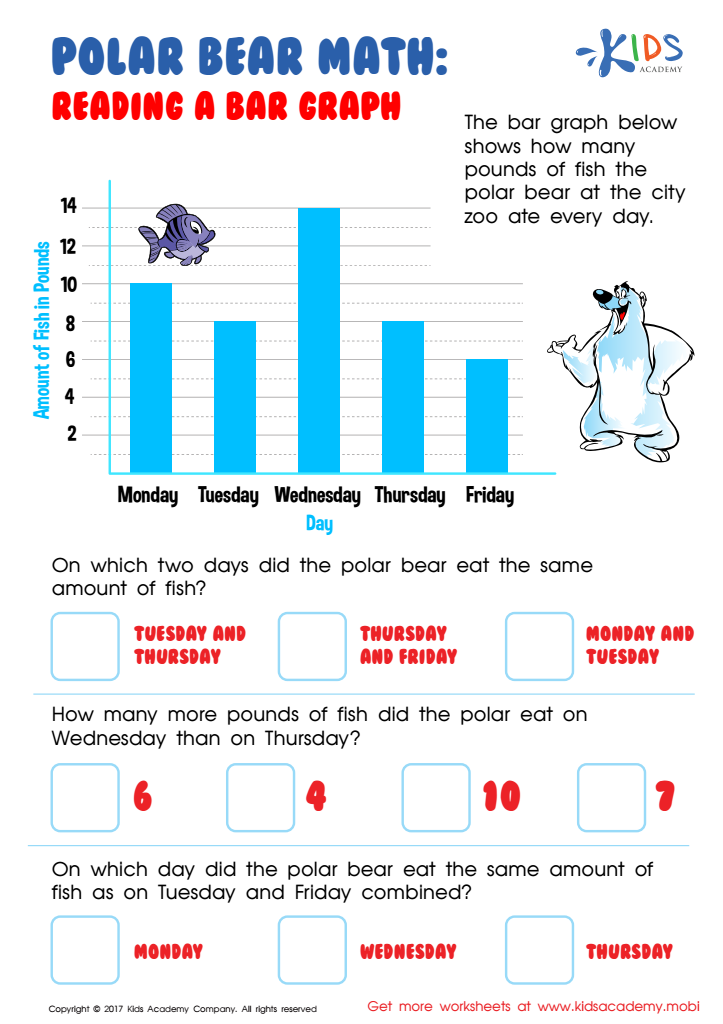
Reading Bar Graph Worksheet
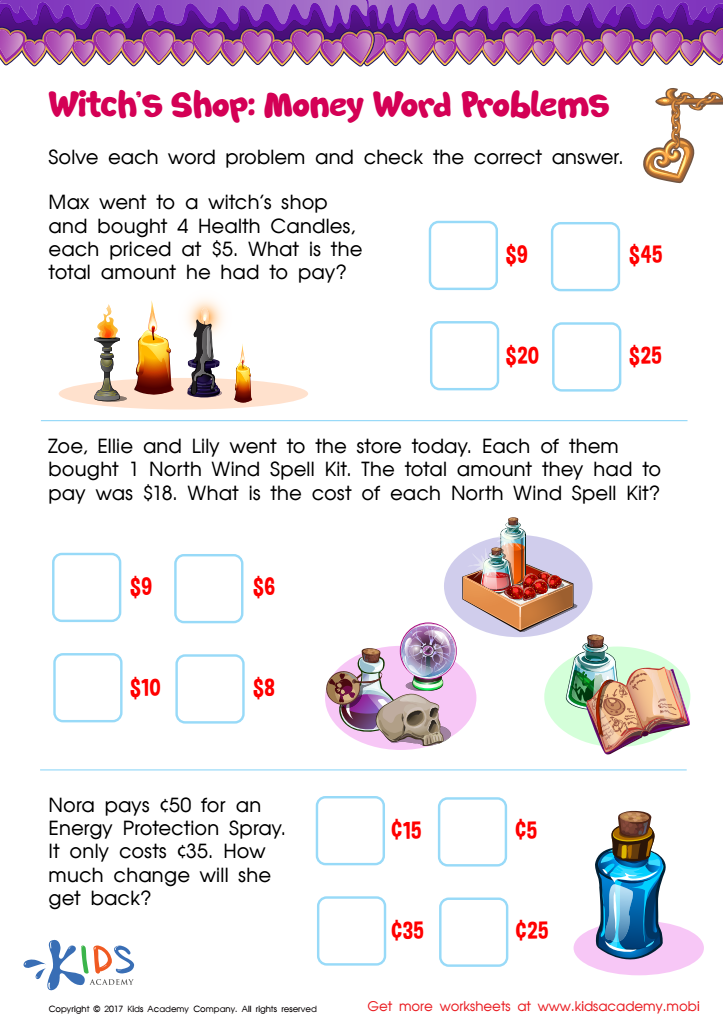
Money Word Problems Printable
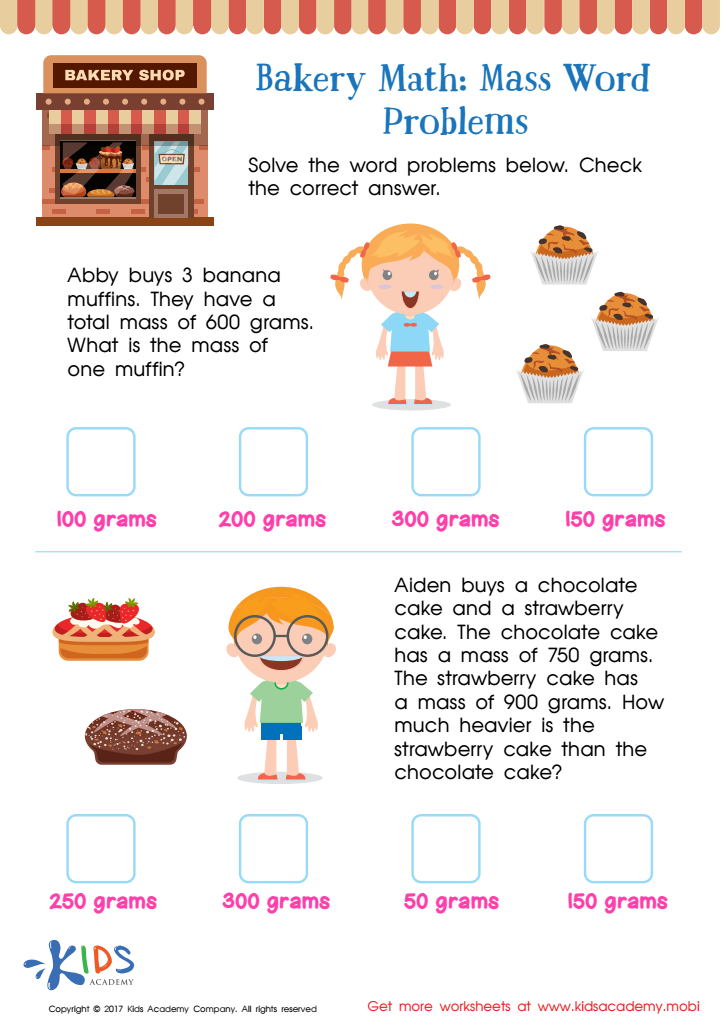
Mass Word Problems Worksheet
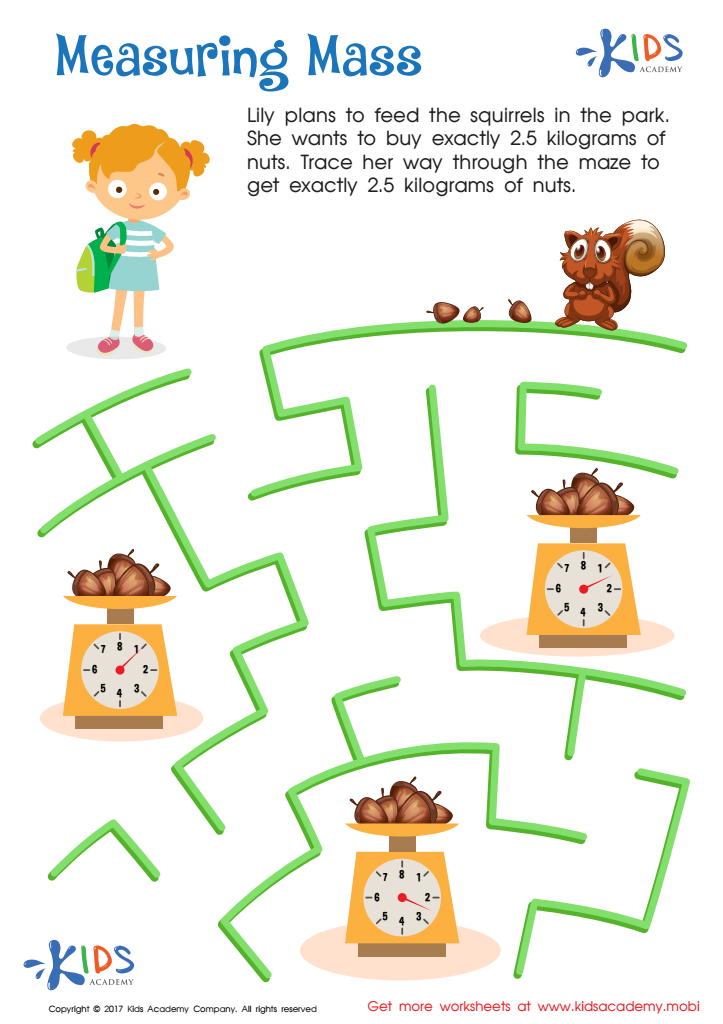
Measuring Mass Worksheet
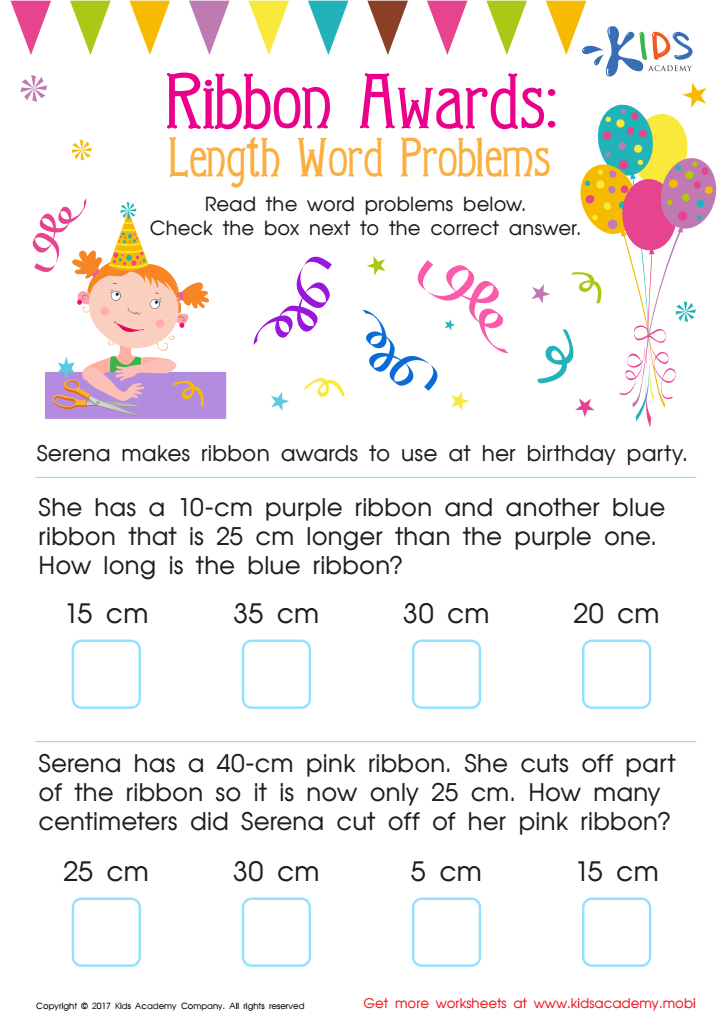
Length Word Problems Worksheet
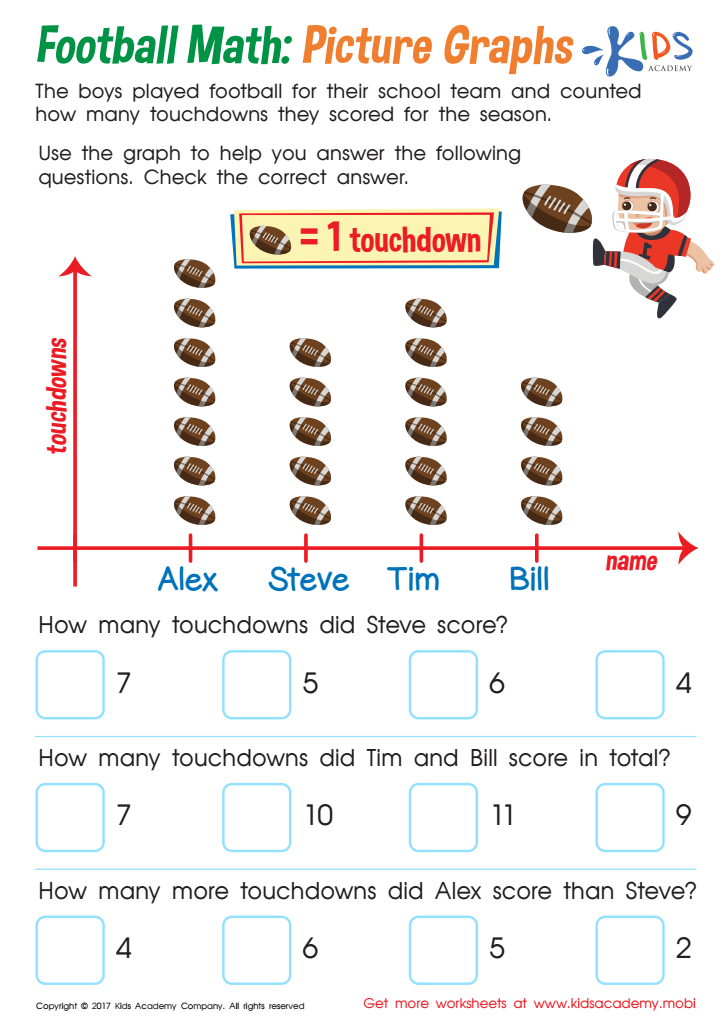
Football Math Worksheet
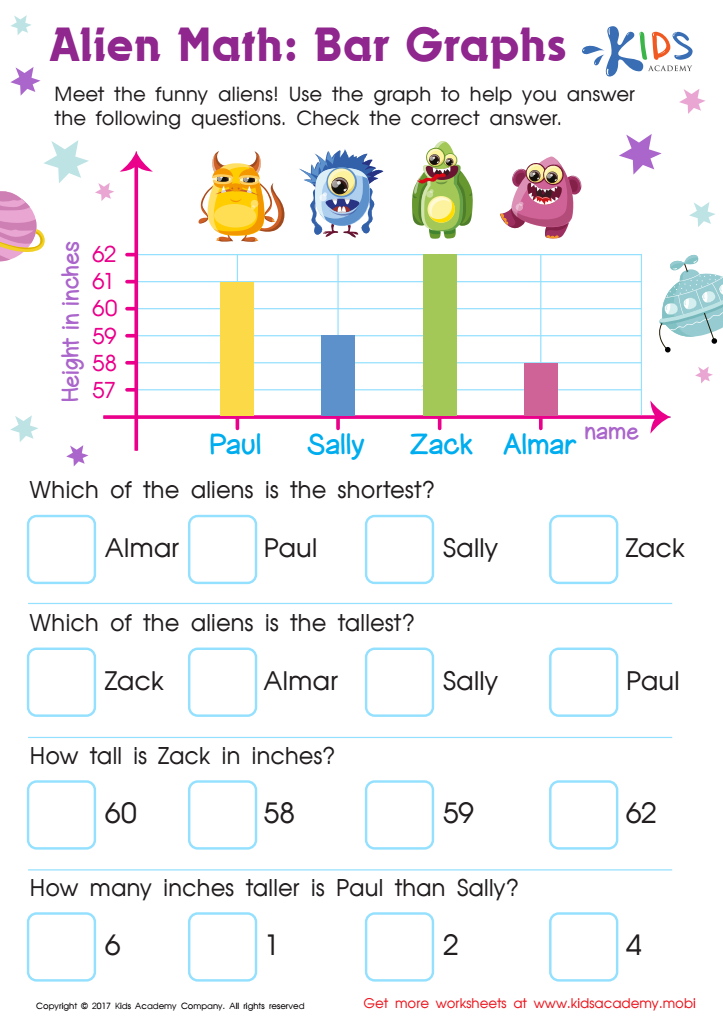
Bar Graphs Worksheet
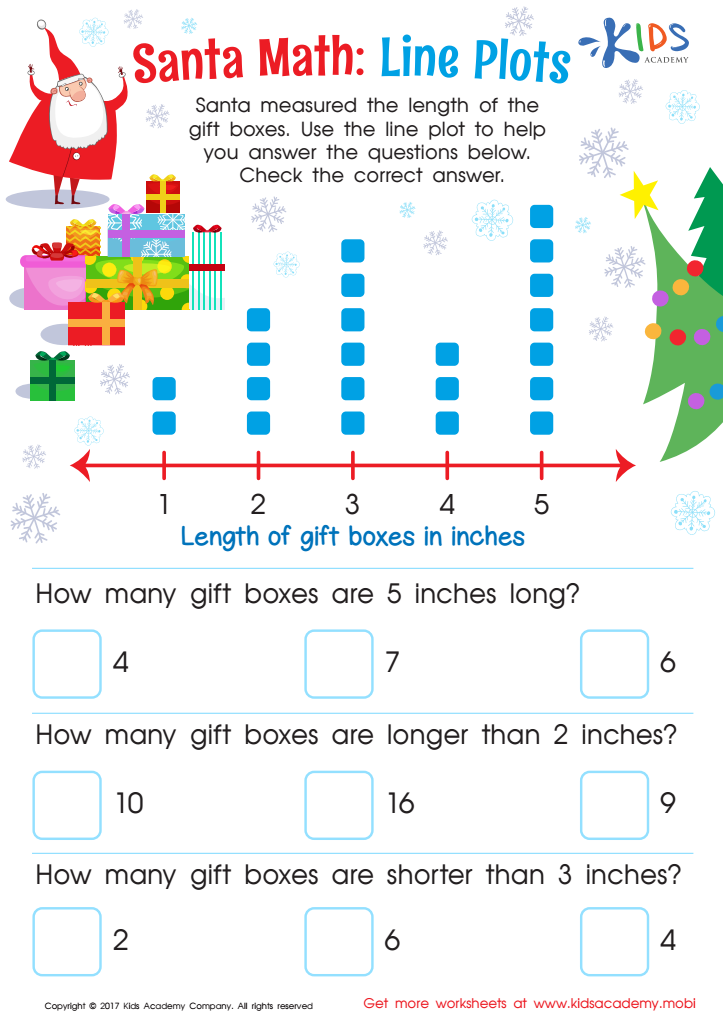
Line Plot Worksheet
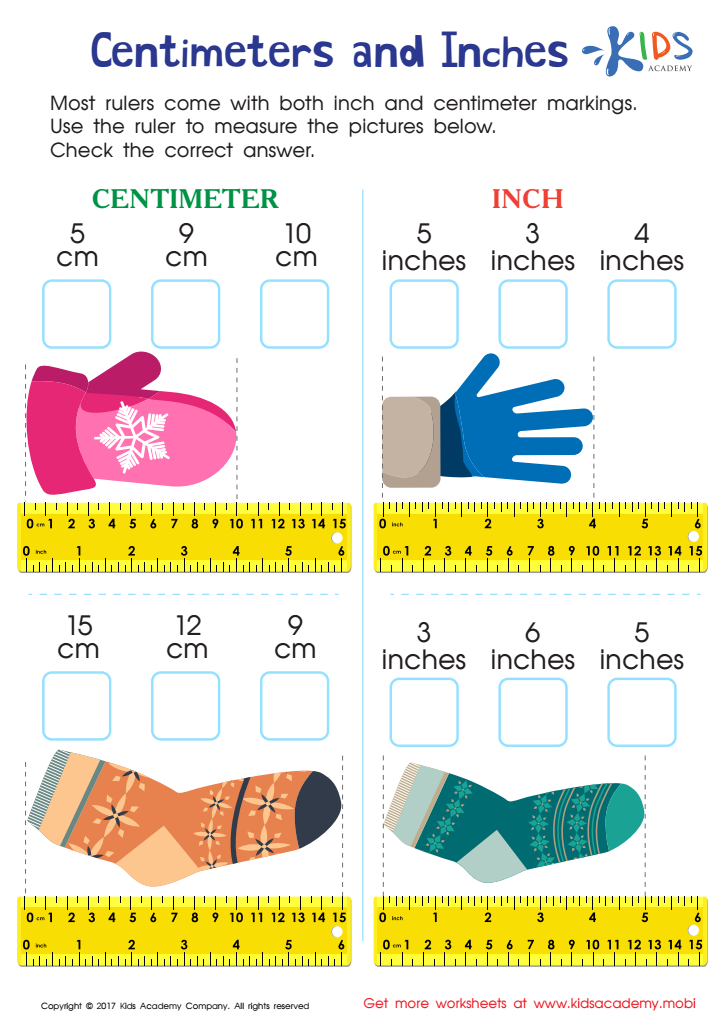
Centimeters and Inches Worksheet
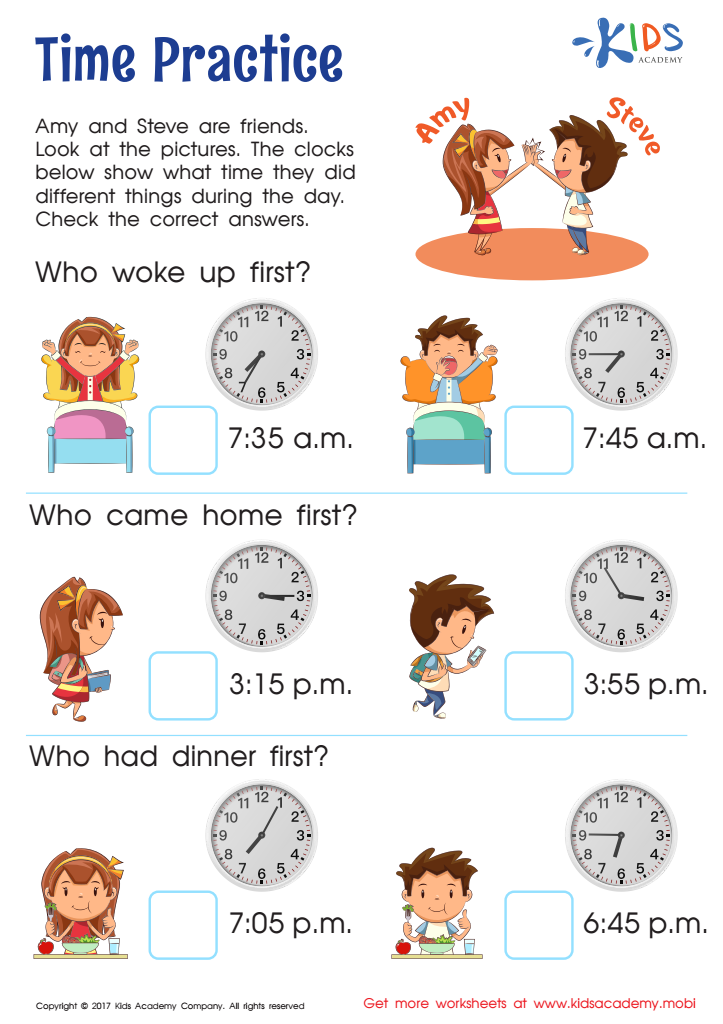
Time Practice Worksheet
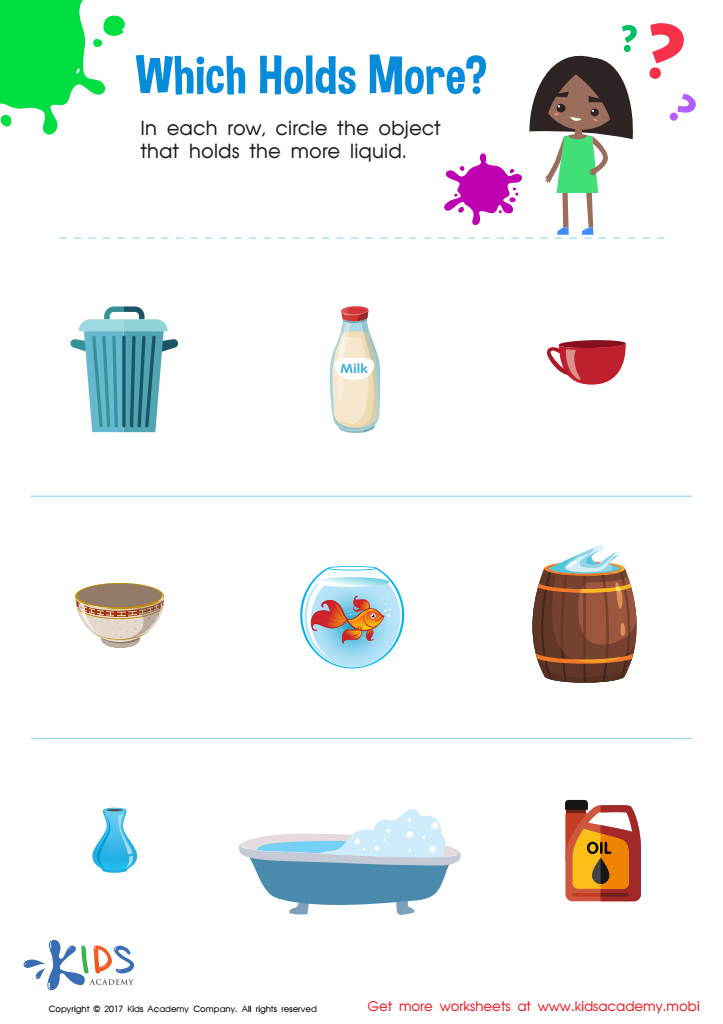
Which Holds More: Capacity Worksheet
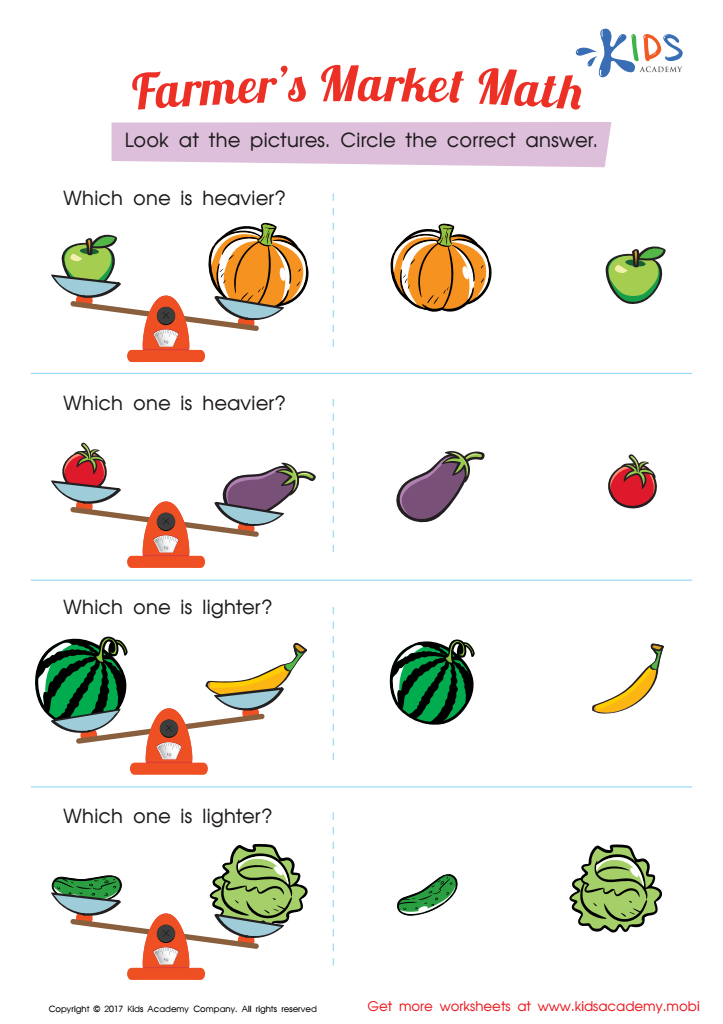
Which One Is Heavier Worksheet
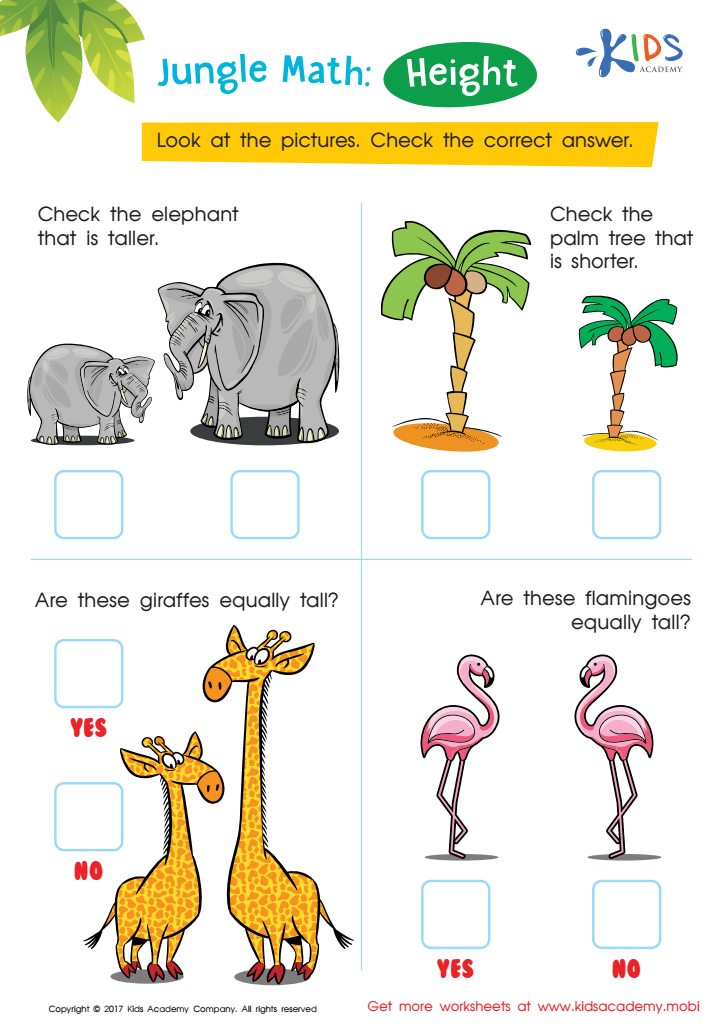
Which Is Taller Worksheet
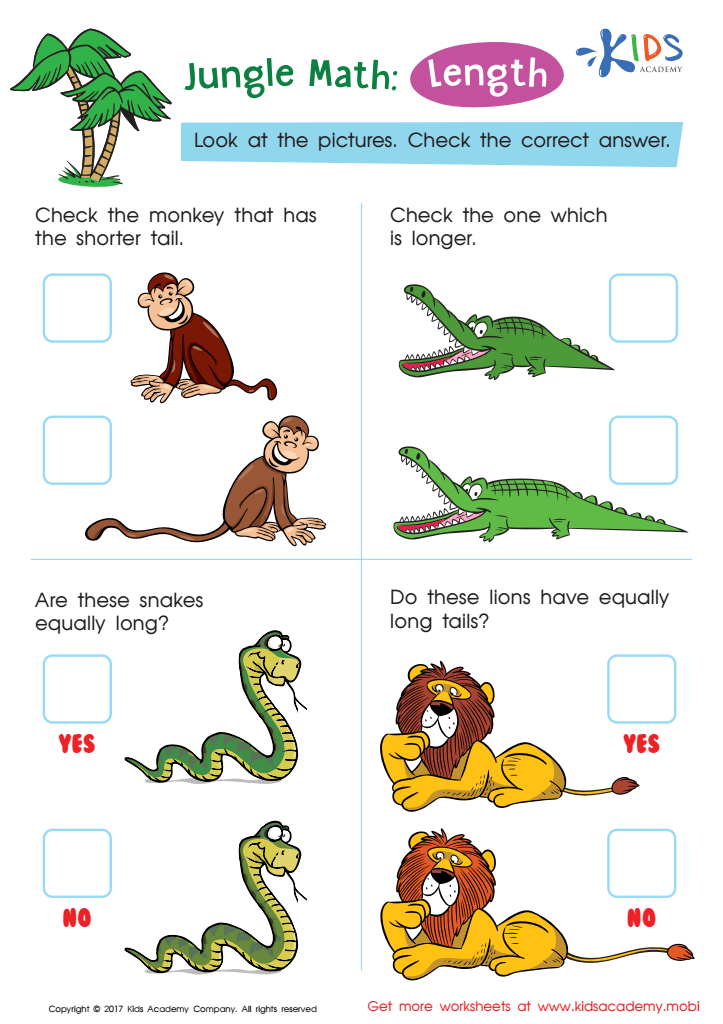
Which One Is Longer - Length Worksheet
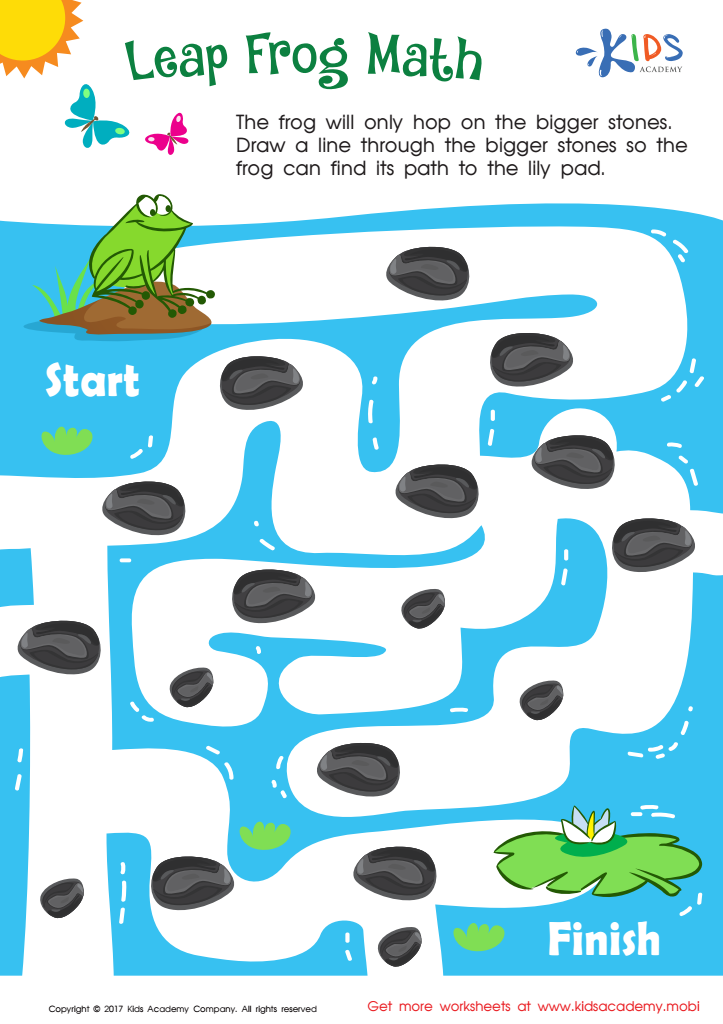
Math Puzzle Worksheet
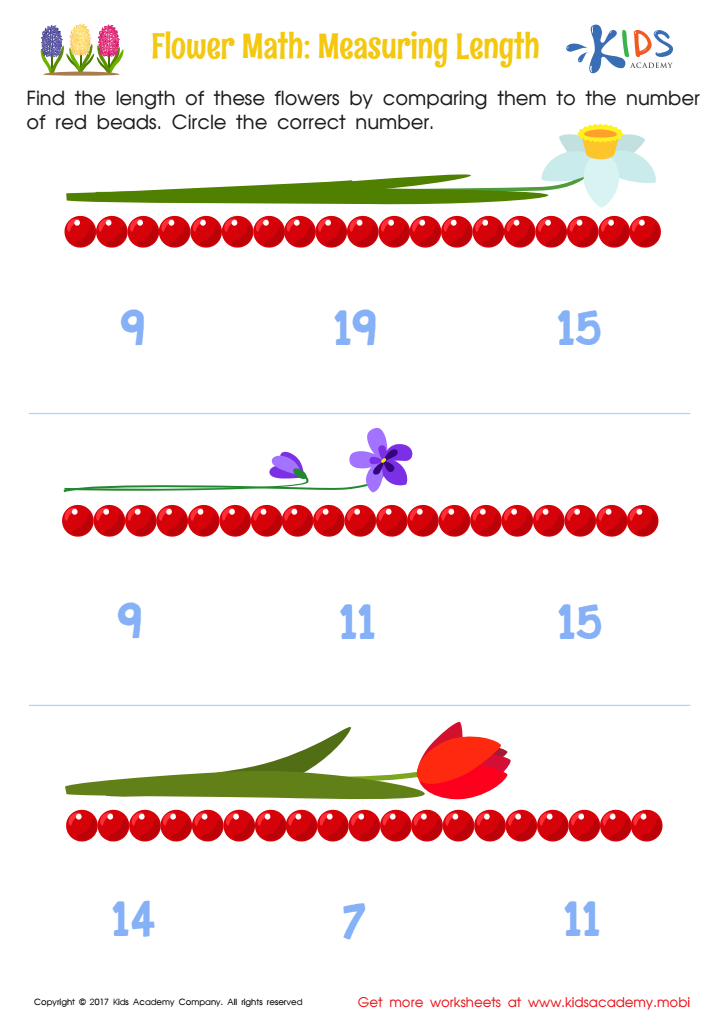
Flower Math: Measuring Height Worksheet
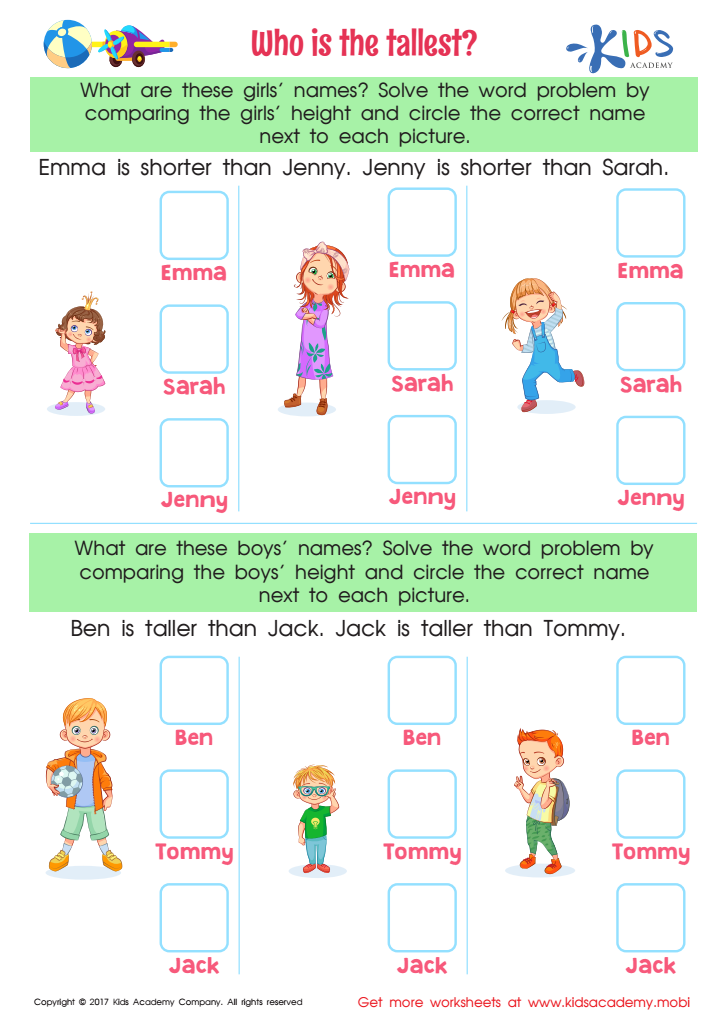
Who Tallest Printable
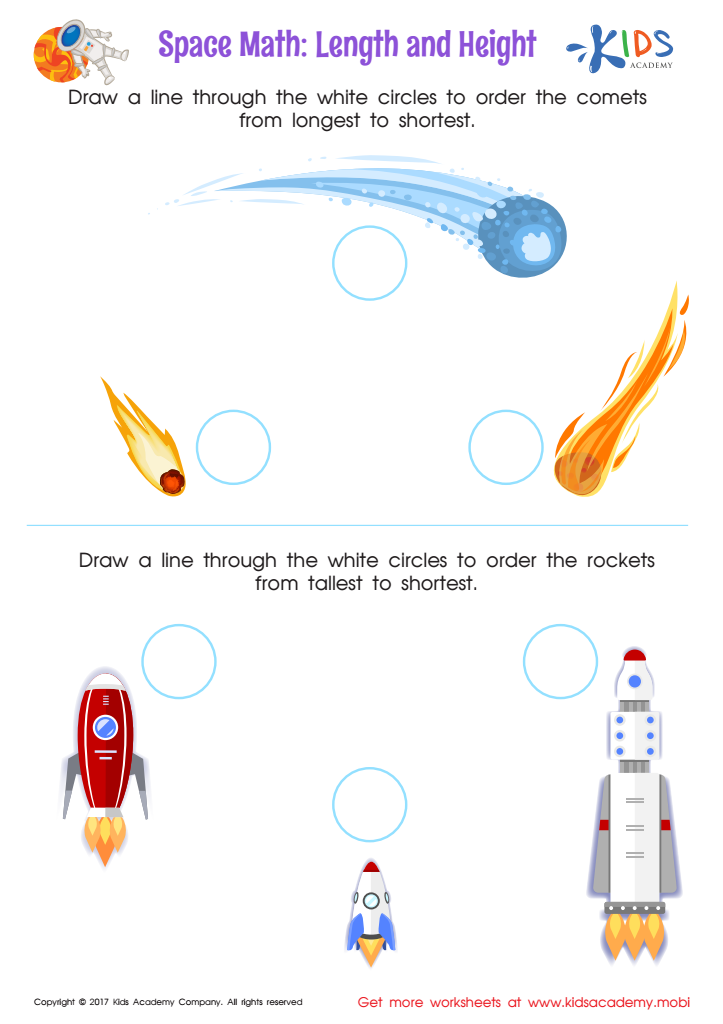
Space Math Worksheet
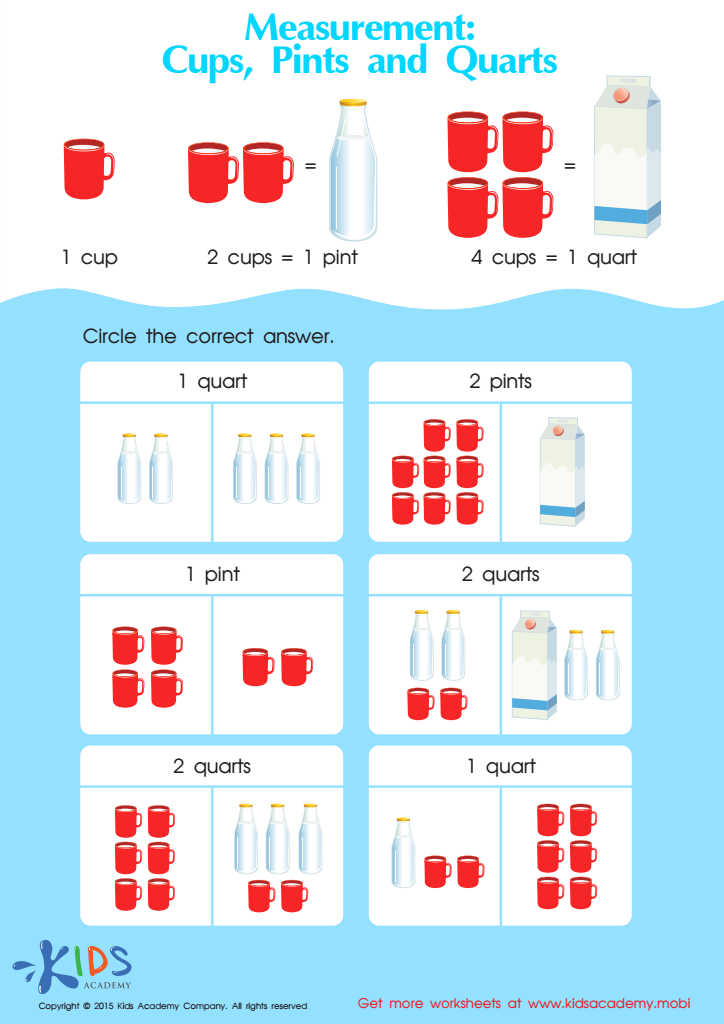
Cups, Pints and Quarts Worksheet
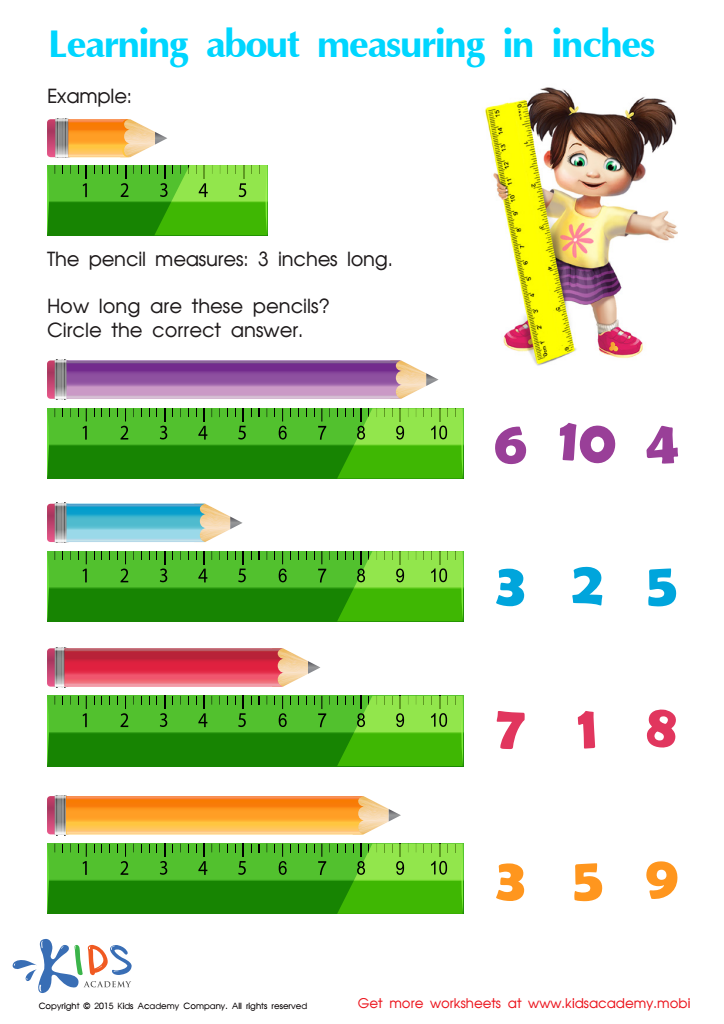
Learning About Measuring In Inches Printable
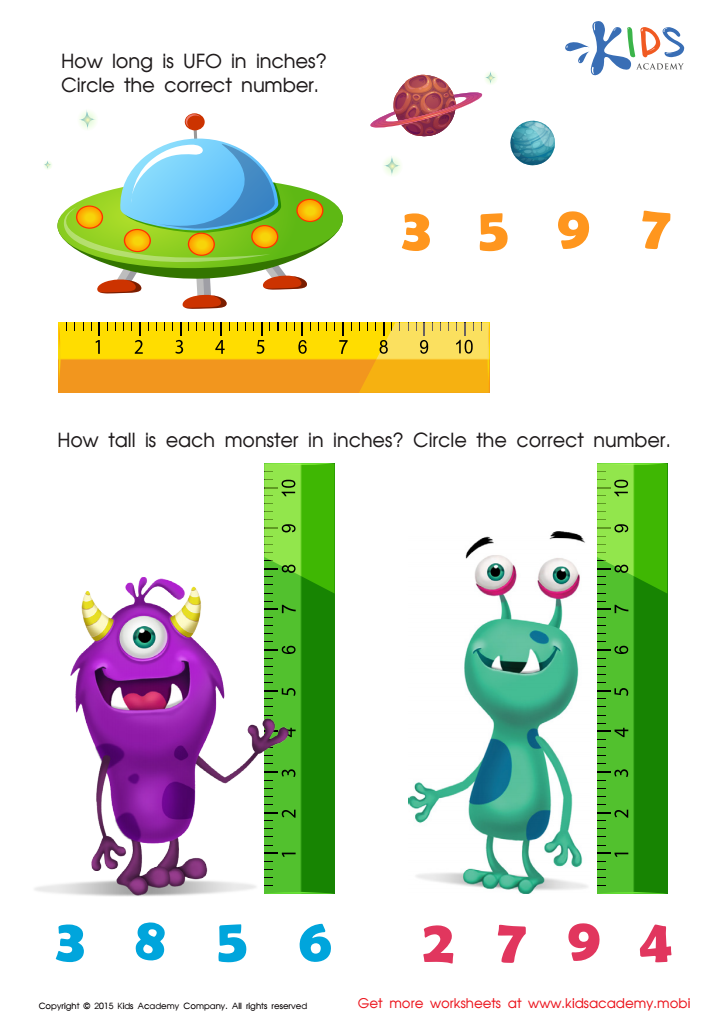
Measuring in Inches Worksheet
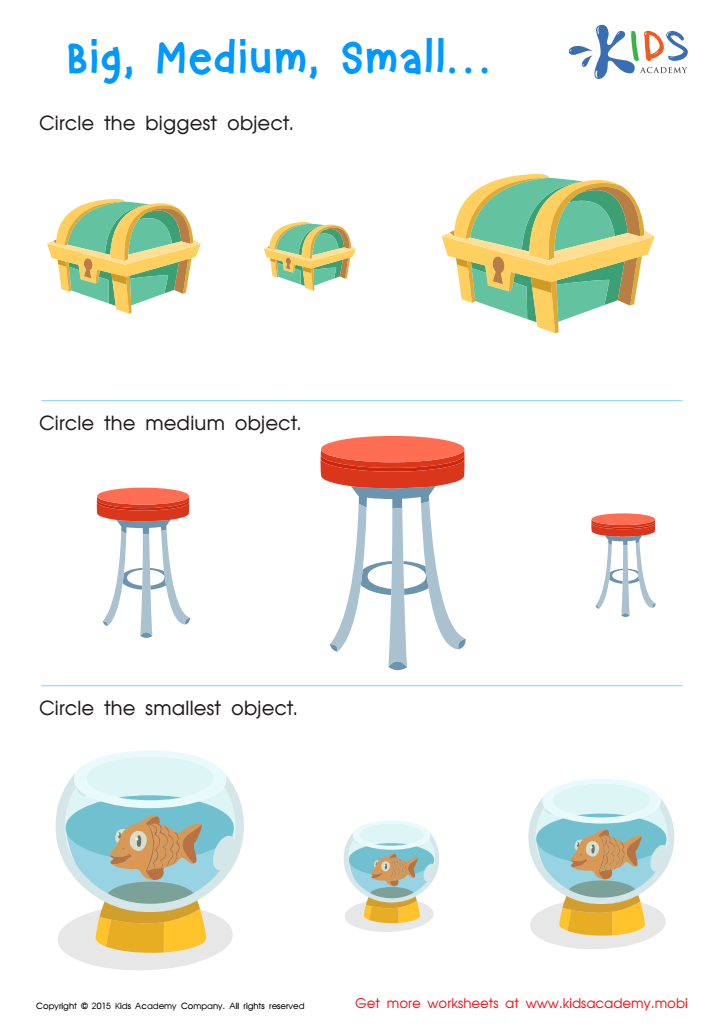
Big Medium Small Worksheet
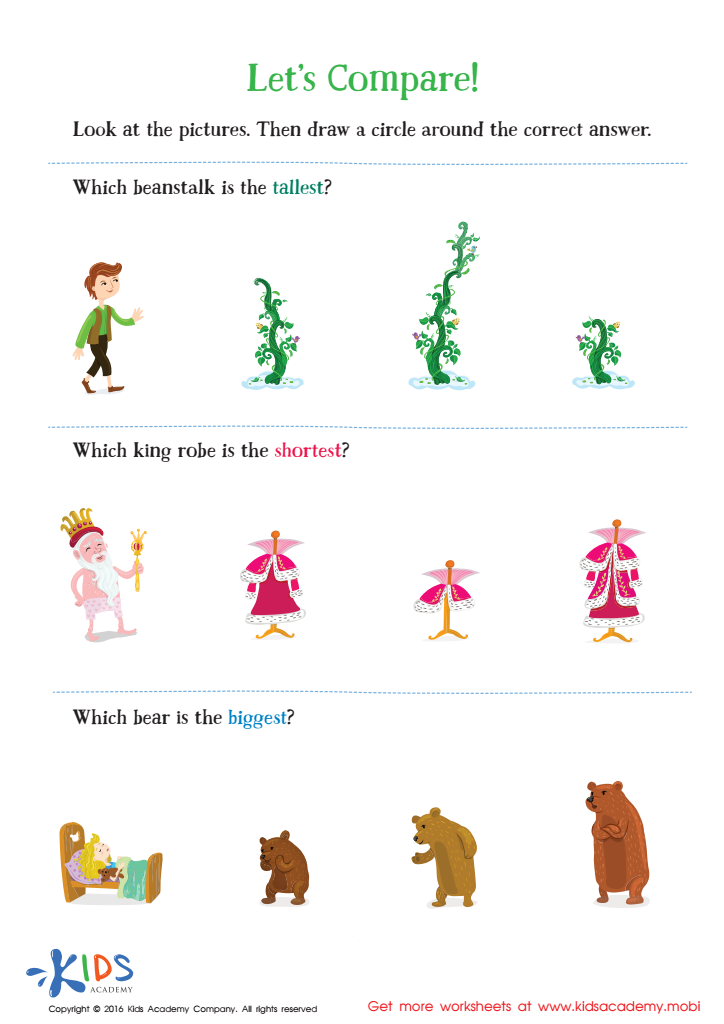
Fairy Tale Worksheet: Let's Compare








Measurement is a fundamental concept that forms the basis for understanding various aspects of mathematics and everyday life, particularly for children aged 6 to 8. During this developmental stage, children are naturally curious and eager to explore the world around them, making it an ideal time to introduce measurement.
Parents and teachers should prioritize measurement for several reasons. First, it helps develop critical thinking and problem-solving skills, as children learn to compare, estimate, and quantify different objects. Understanding measurement also lays the groundwork for more advanced mathematical concepts, such as addition, subtraction, and even geometry in later years.
Moreover, measurement is applicable in real-life situations, enabling children to make sense of their environment—whether measuring ingredients for a recipe, understanding distance while playing sports, or comparing heights of friends.
Furthermore, incorporating measurement activities can foster hands-on learning experiences that engage children and promote teamwork and communication skills. By emphasizing measurement in early education, parents and teachers can cultivate a deeper interest in mathematics, helping to ensure that children are well-prepared for future academic challenges. Ultimately, instilling measurement skills at this age sets the stage for lifelong learning and confidence in mathematical abilities.








