Multiplication Worksheets for Ages 6-8 - Page 3
70 filtered results
-
From - To
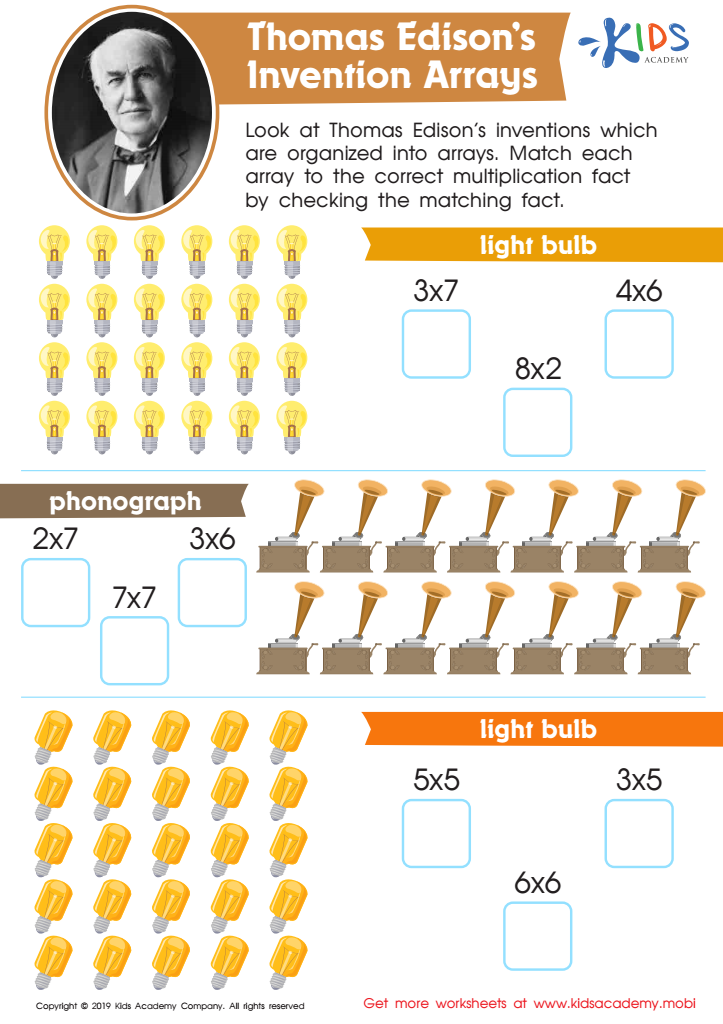
Thomas Edison’s Invention Arrays Worksheet
 Assign to My Students
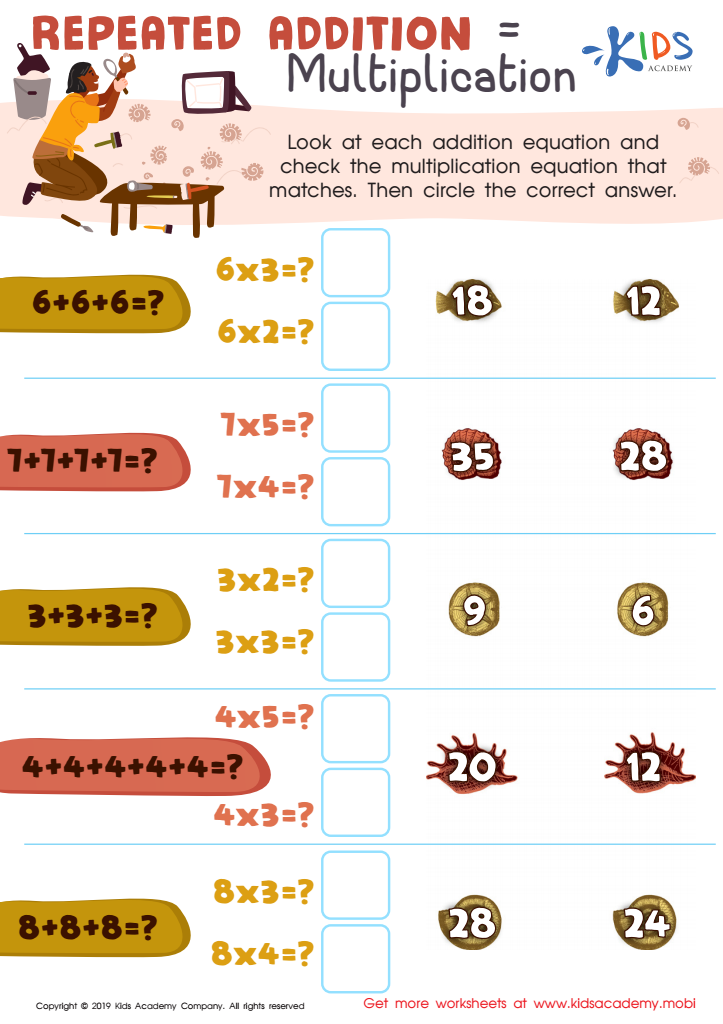
Repeated Addition = Multiplication Worksheet
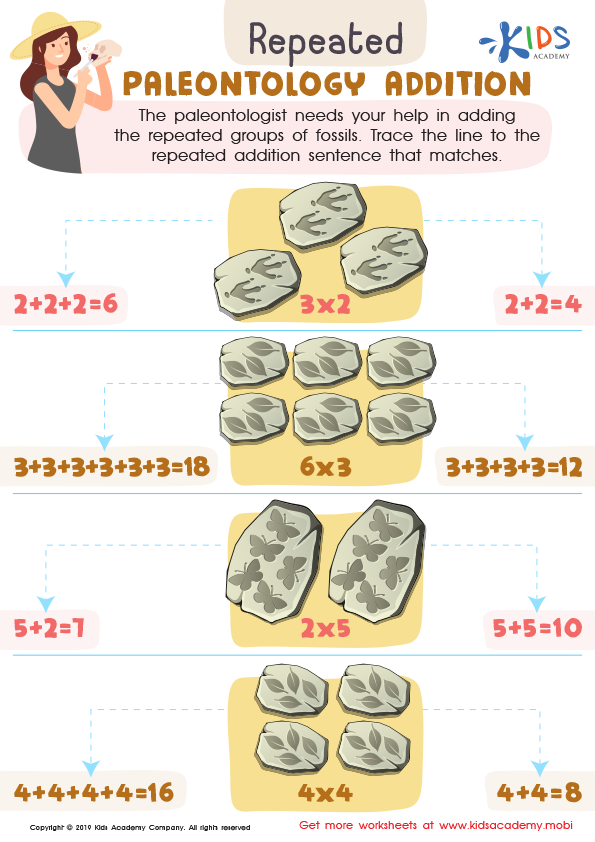
Repeated Archaeology Addition Worksheet
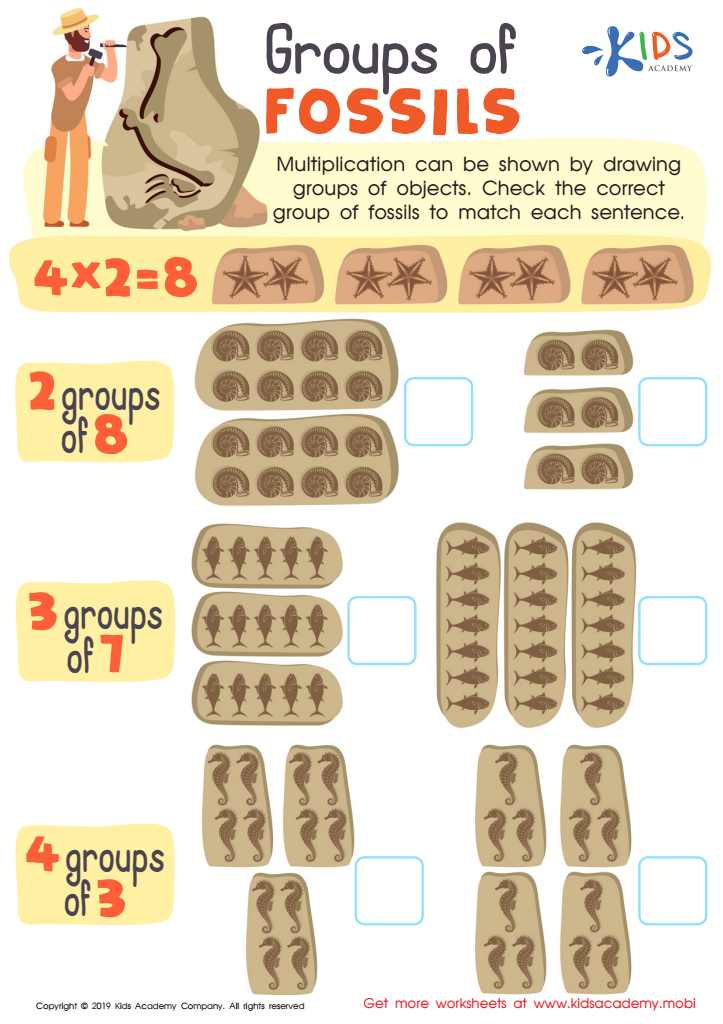
Groups of Fossils Worksheet
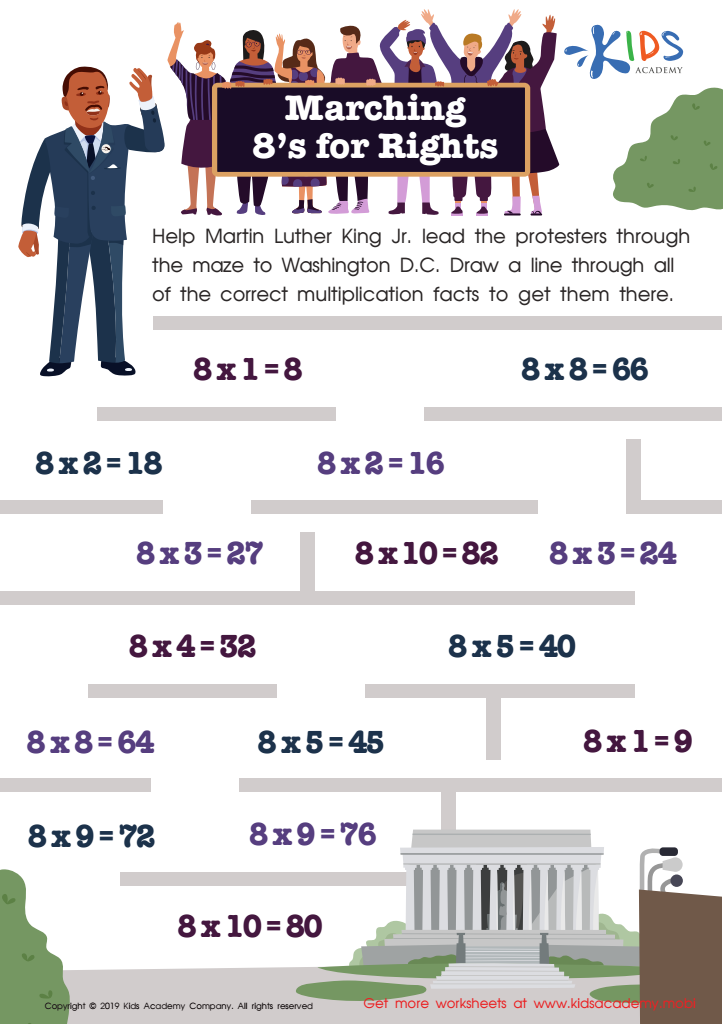
Marching 8’s for Rights Worksheet
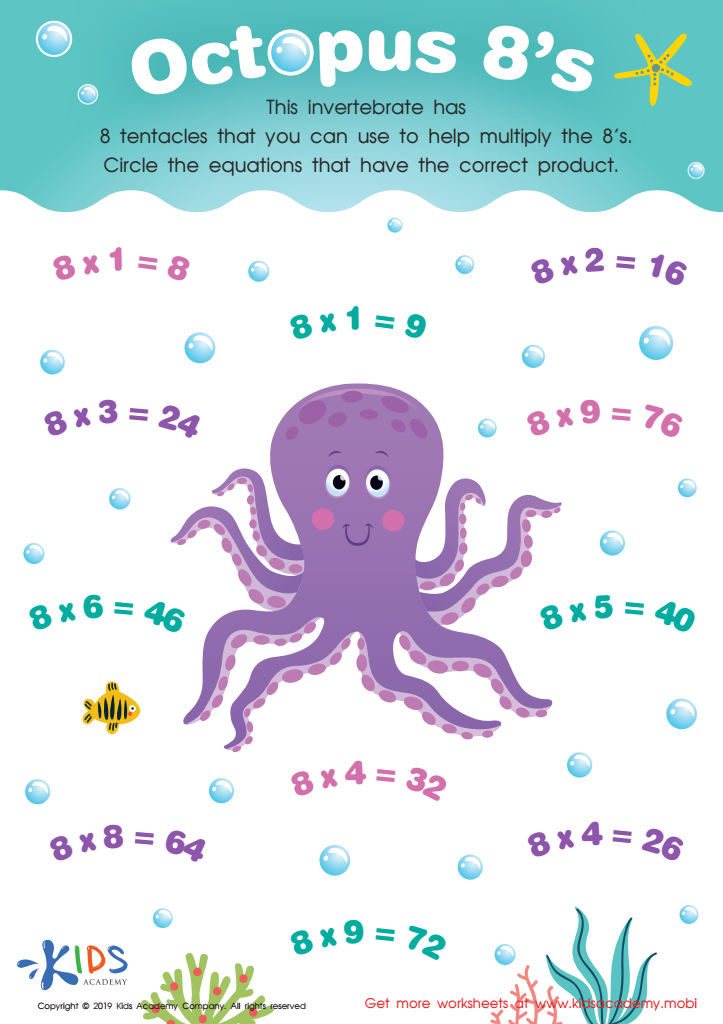
Octopus 8’s Worksheet
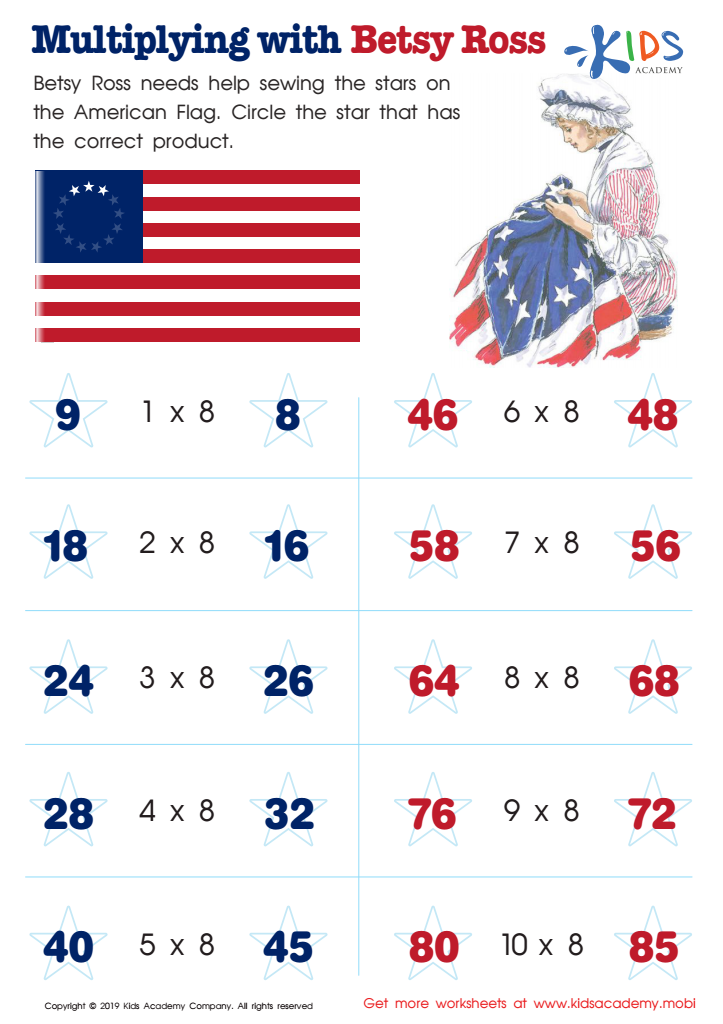
Multiplying with Betsy Ross Worksheet
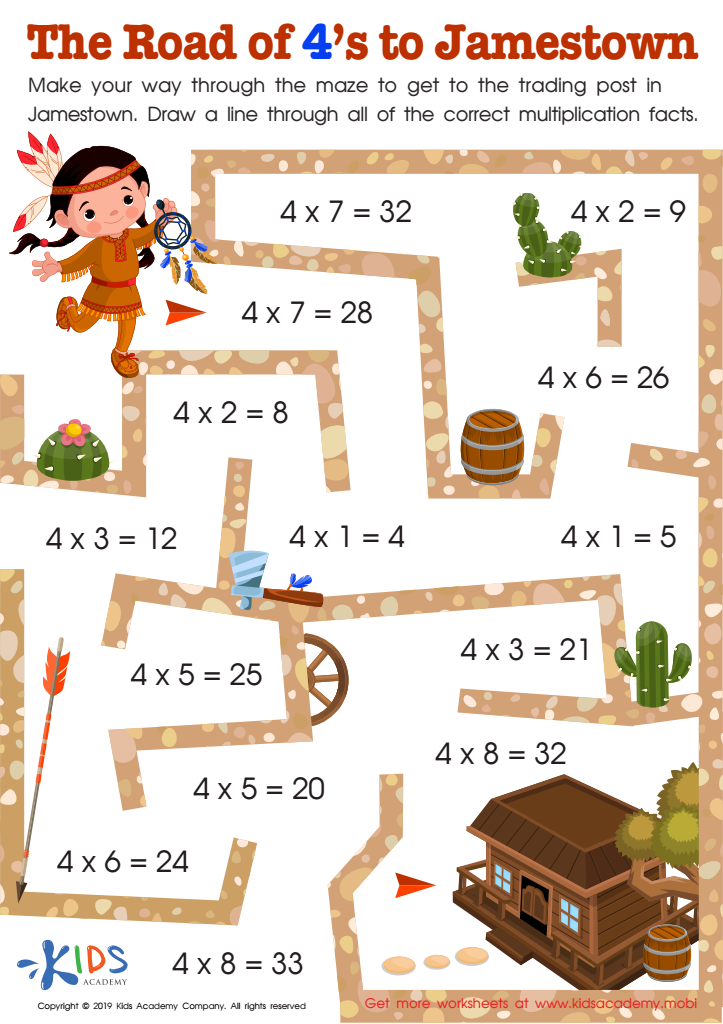
The Road of 4’s to Jamestown Worksheet
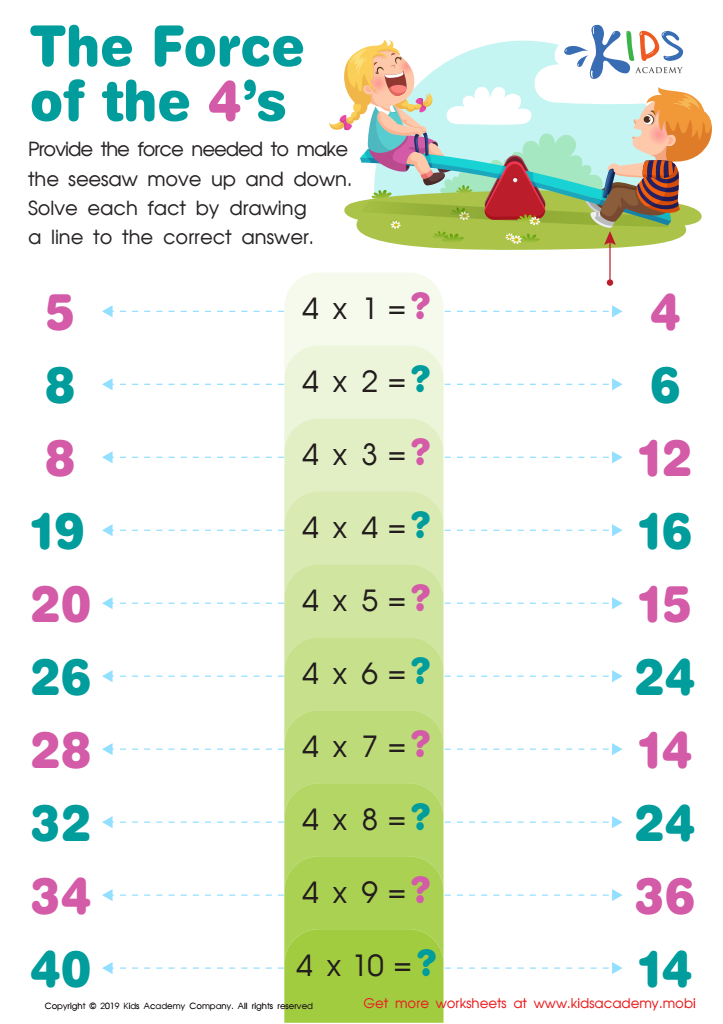
The Force of the 4's Worksheet
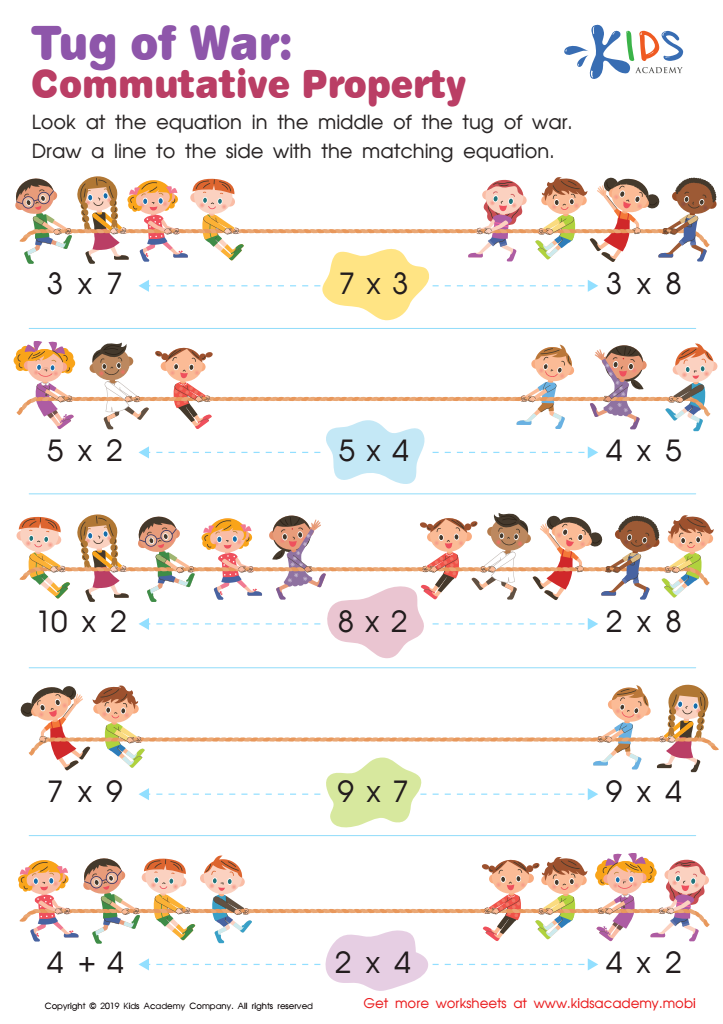
Tug of War: Commutative Property Worksheet
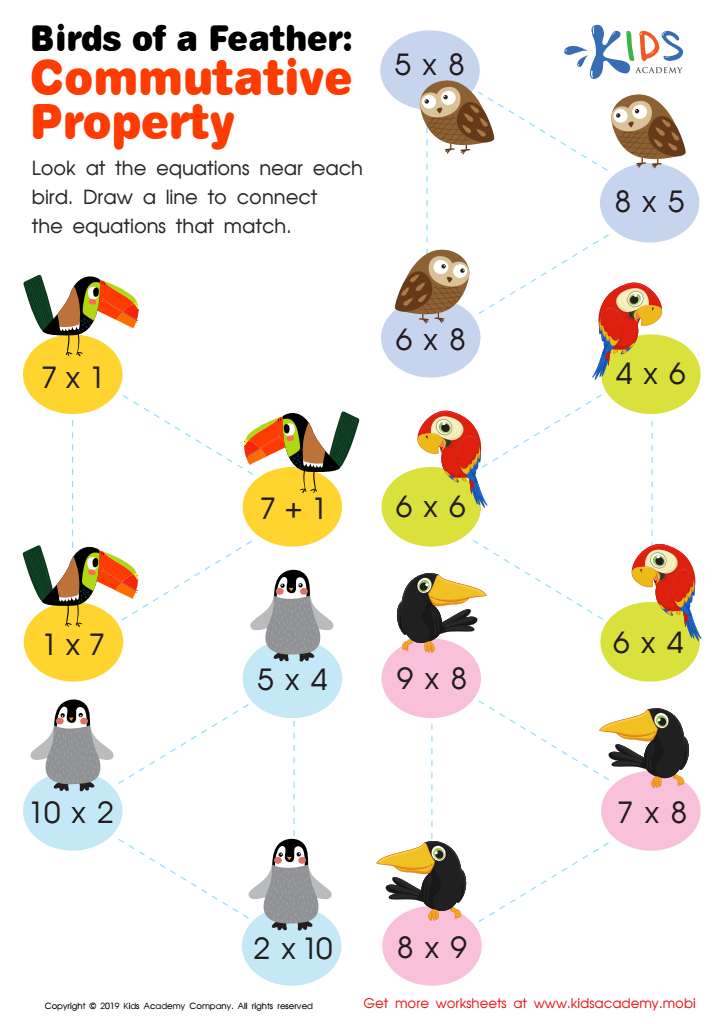
Birds of a Feather: Commutative Property Worksheet
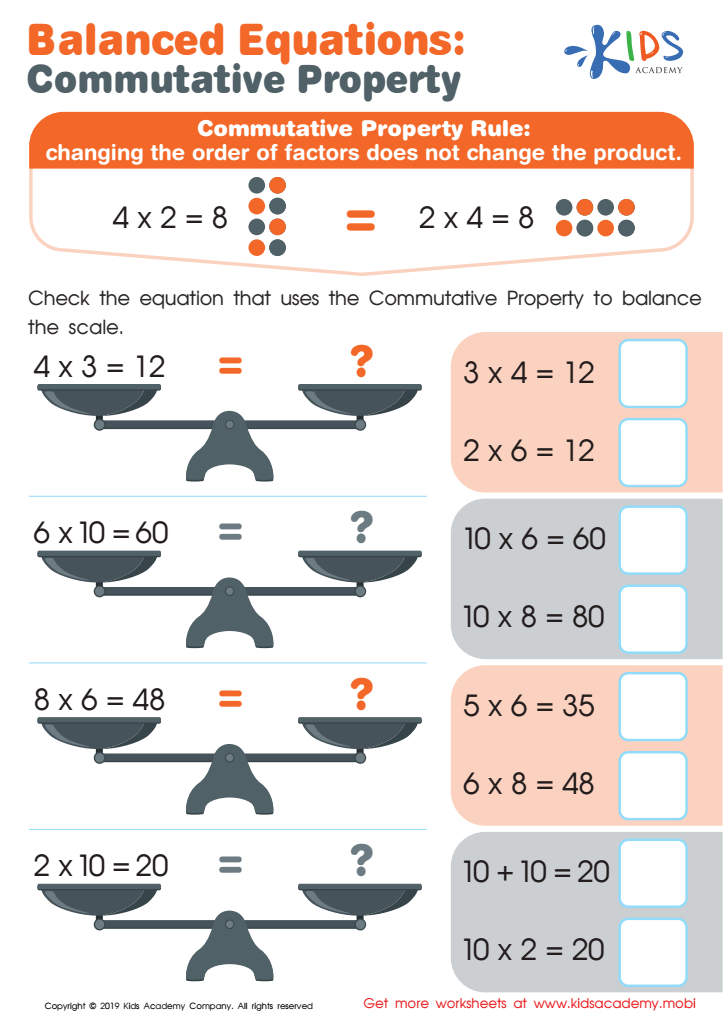
Balanced Equations: Commutative Property Worksheet
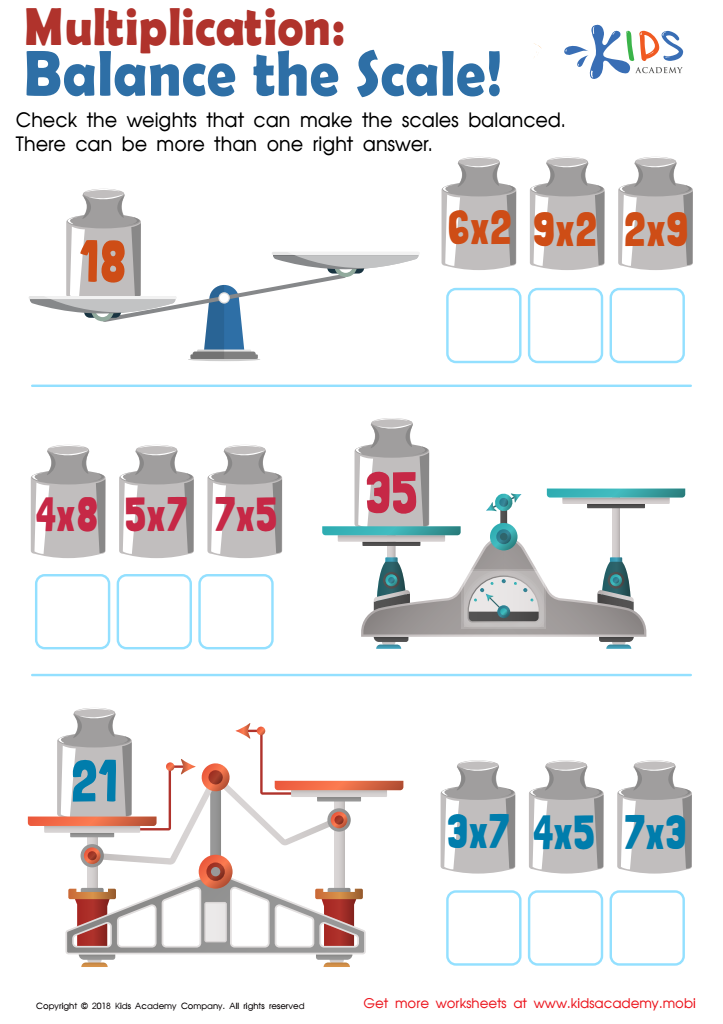
Balance the Scales Multiplication Worksheet
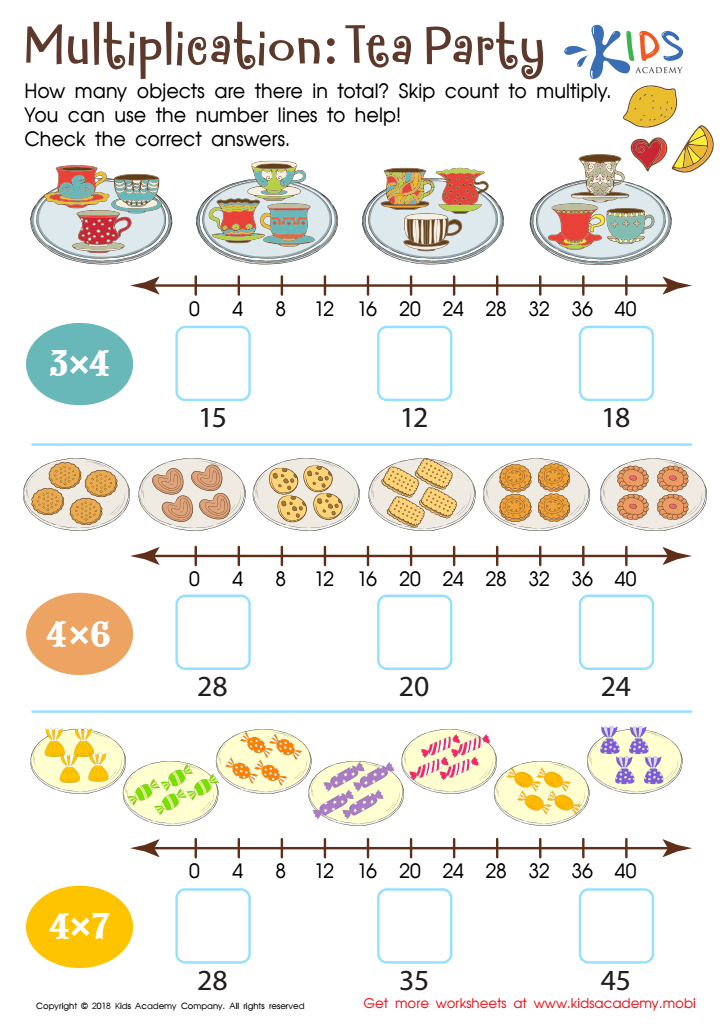
3rd Grade Math Worksheet Multiplication
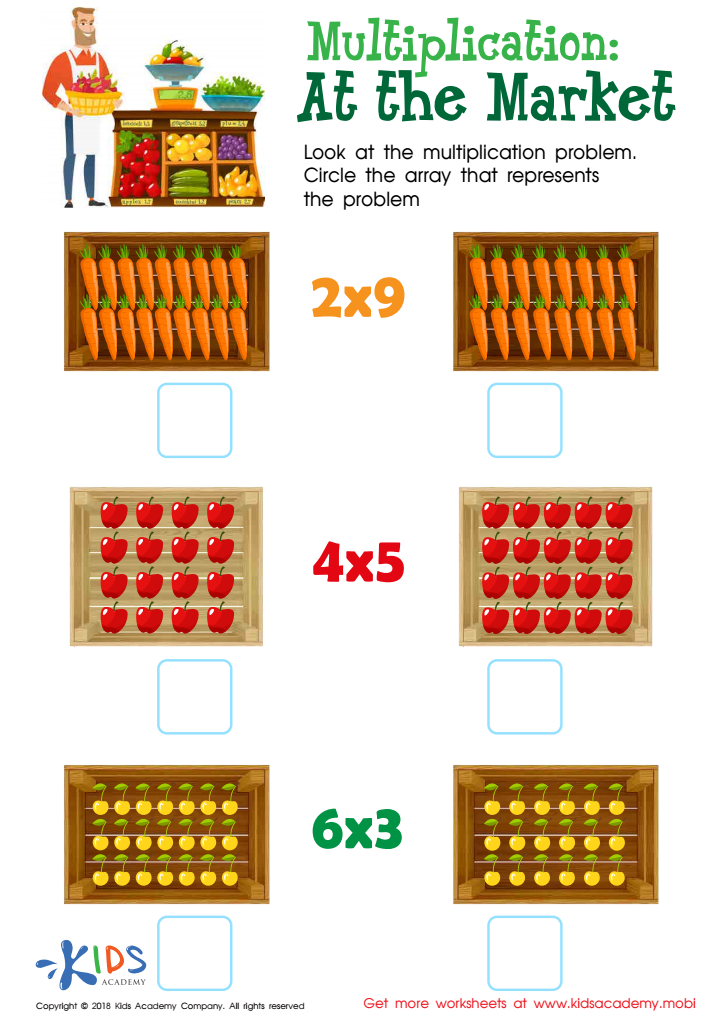
At the Market Worksheet
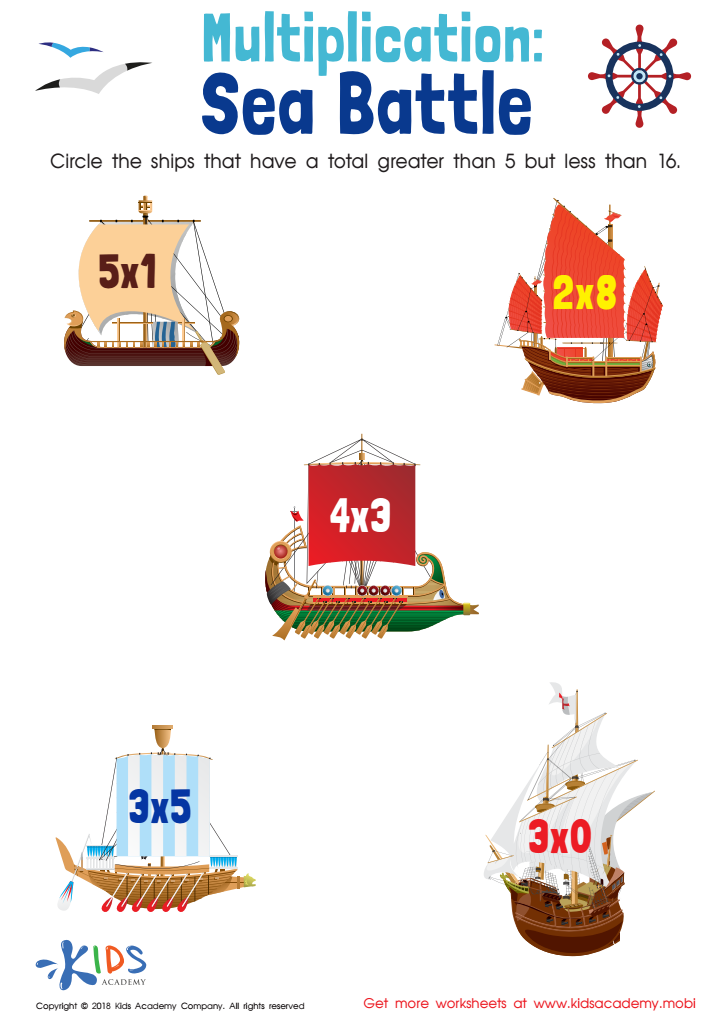
Sea Battle: Multiplication Worksheet
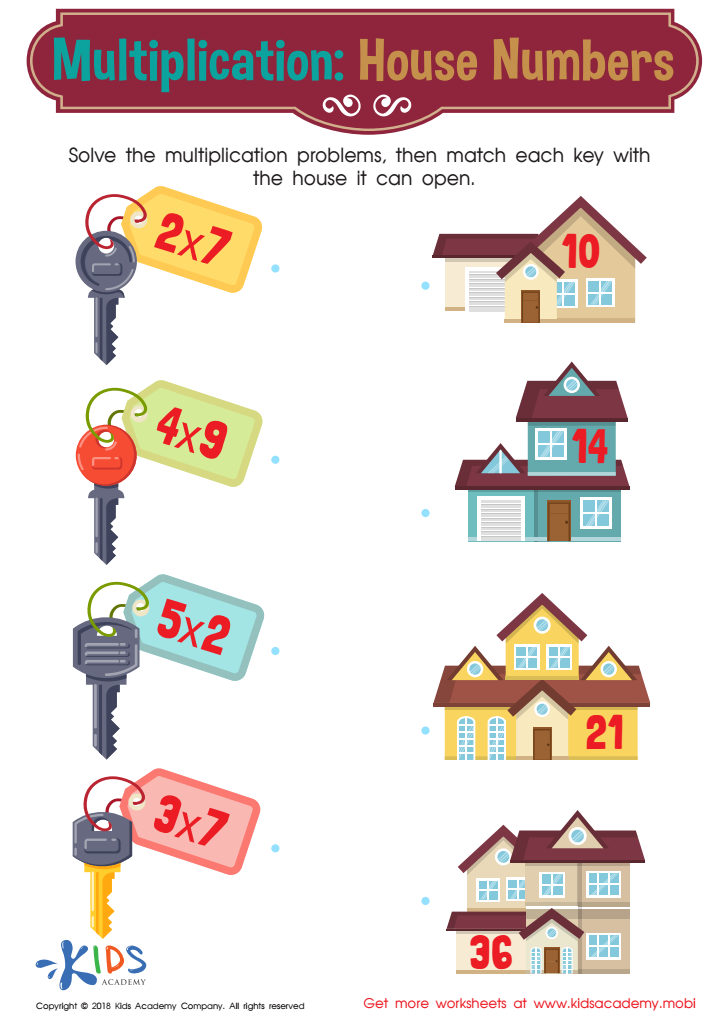
House Numbers Worksheet
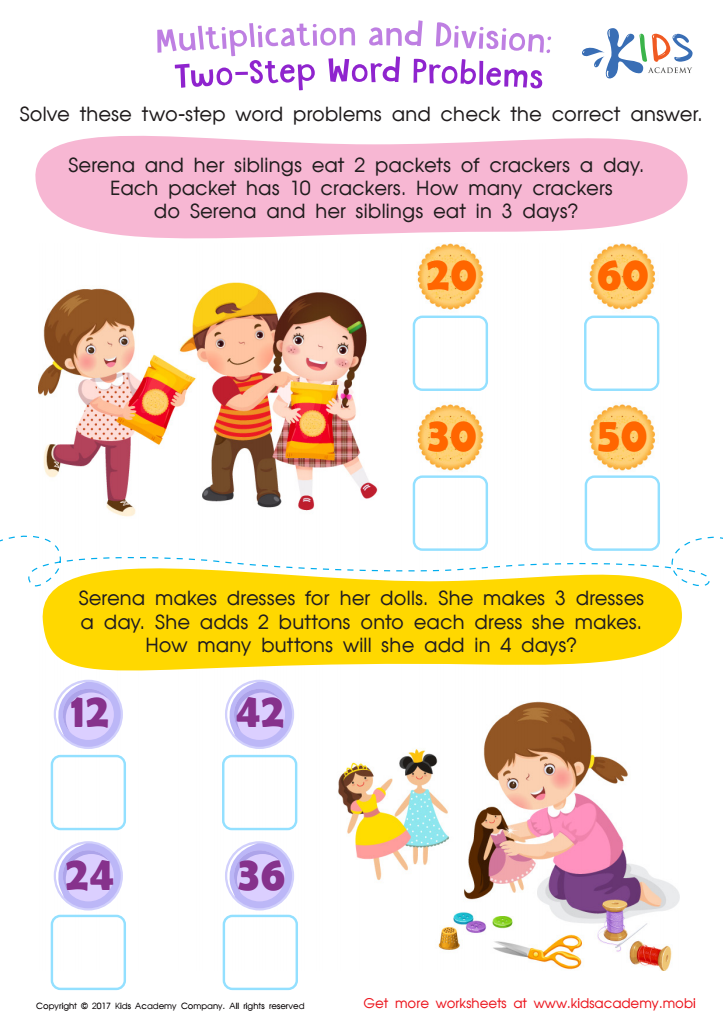
Two Step Word Problems Worksheet
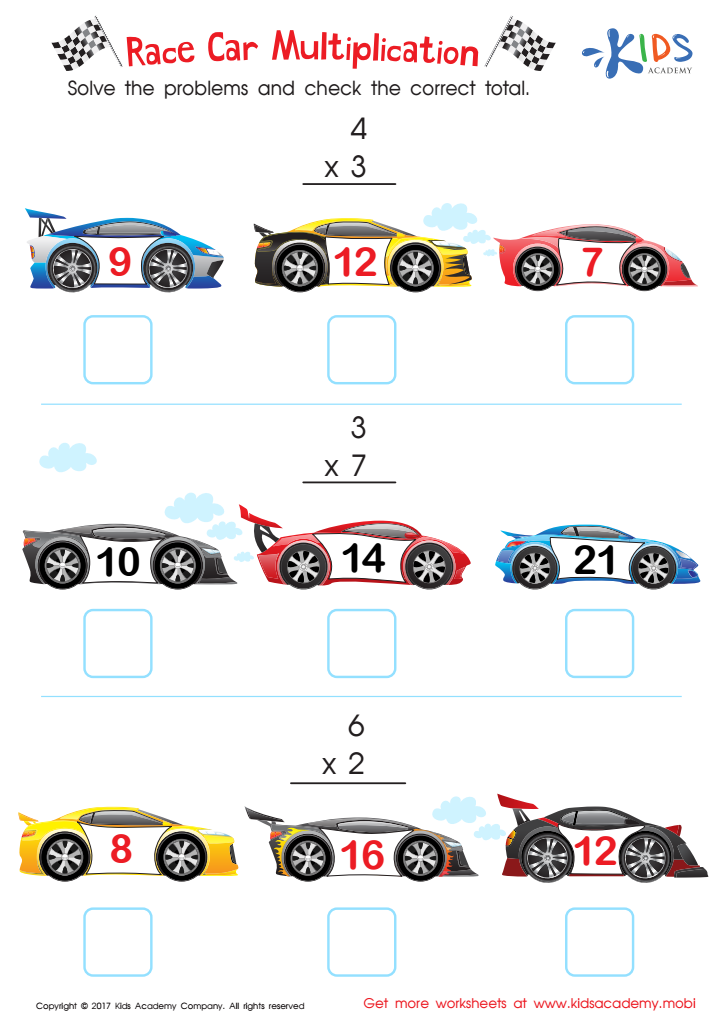
Race Car Worksheet
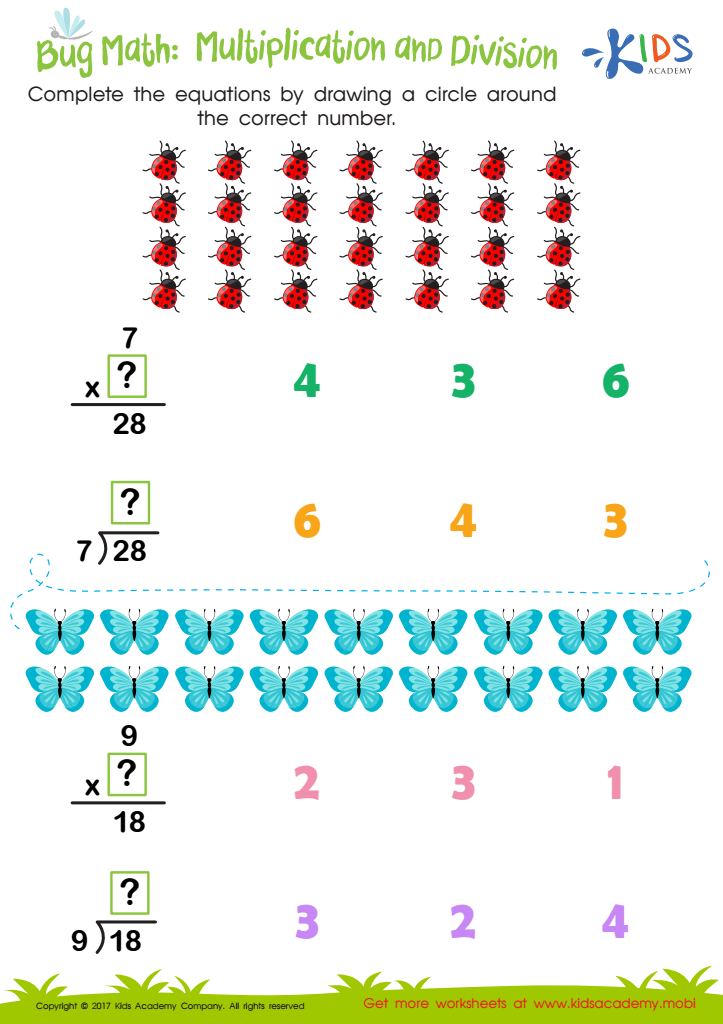
Multiplication and Division Worksheet
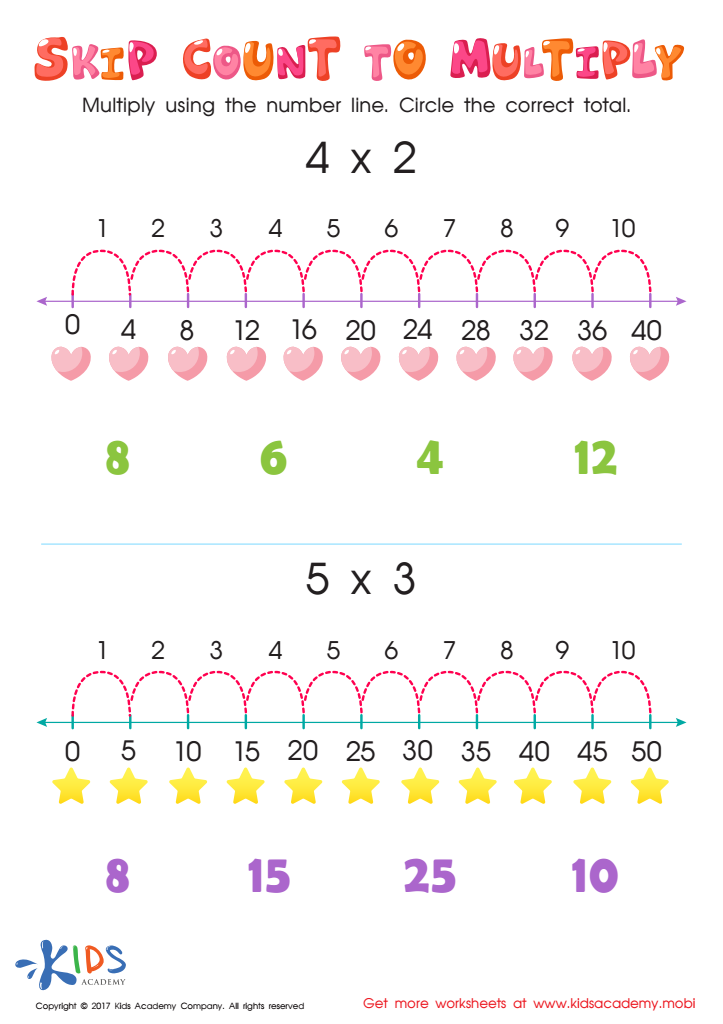
Skip Count Multiplication Worksheet
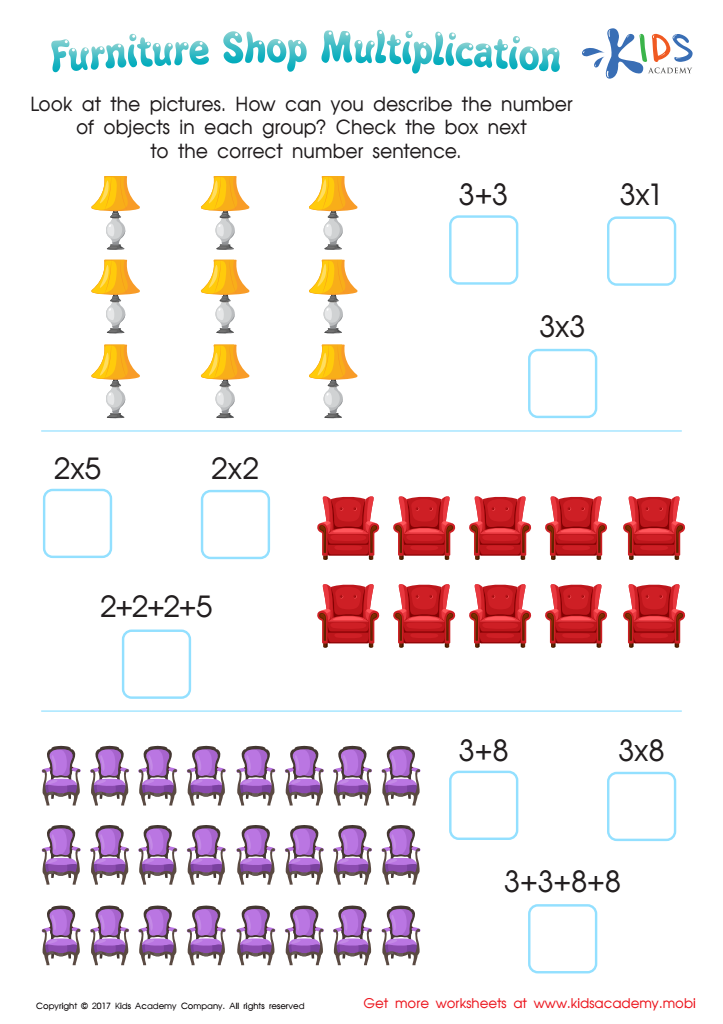
Furniture Shop Worksheet







Parents and teachers should care about multiplication for children ages 6-8 because it is a foundational arithmetic skill that supports overall mathematical understanding and problem-solving abilities. At this developmental stage, children are beginning to grasp the concepts of groups and arrays, which can significantly simplify complex mathematical ideas. Mastering multiplication lays the groundwork for more advanced topics like division, fractions, and algebra, essential in later grades.
Moreover, developing a strong sense of multiplication helps build children's confidence in math, mitigating that common anxiety around numbers. When students can quickly recall multiplication facts, it not only boosts their performance in school but also fosters a positive attitude toward mathematics.
Engaging with multiplication can also enhance critical thinking and logic skills when children learn to recognize patterns and make connections between numbers. Furthermore, incorporating fun and interactive activities—like games and group challenges—reinforces these concepts while promoting a love for learning.
Overall, multiplication is not just about numbers; it encourages discipline, persistence, and curiosity—qualities that extend beyond the realm of mathematics and serve children well in all their academic endeavors. Thus, parents and teachers should prioritize multiplication to equip children with essential skills for future success.








