Animals Worksheets for Ages 6-8 - Page 3
64 filtered results
-
From - To
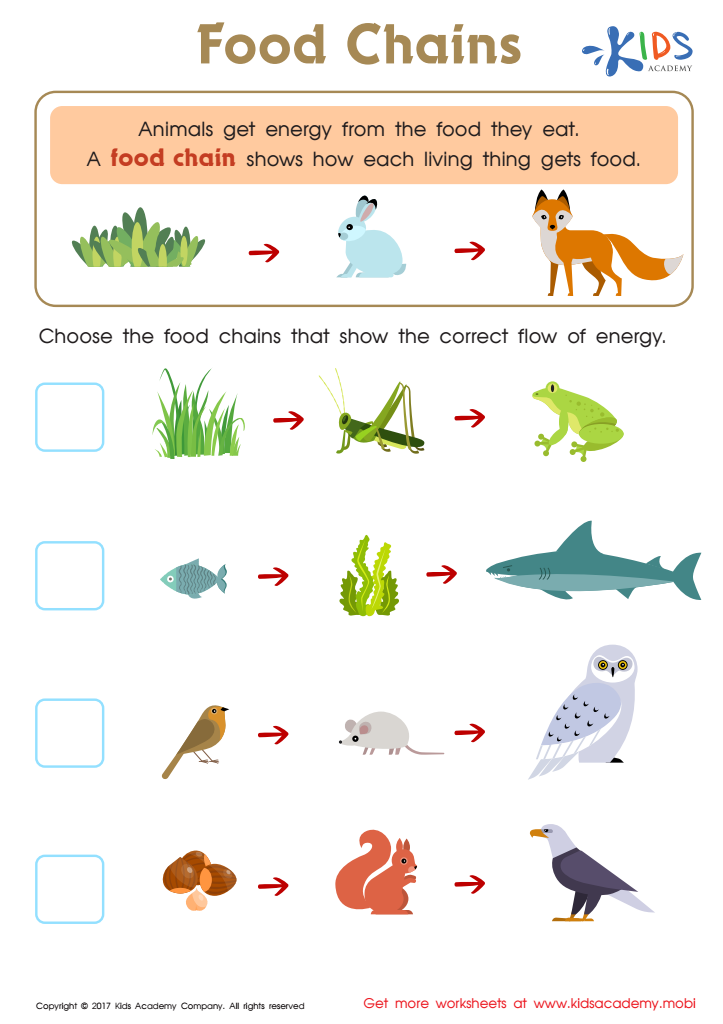
Food Webs and Food Chains Worksheet
 Assign to My Students
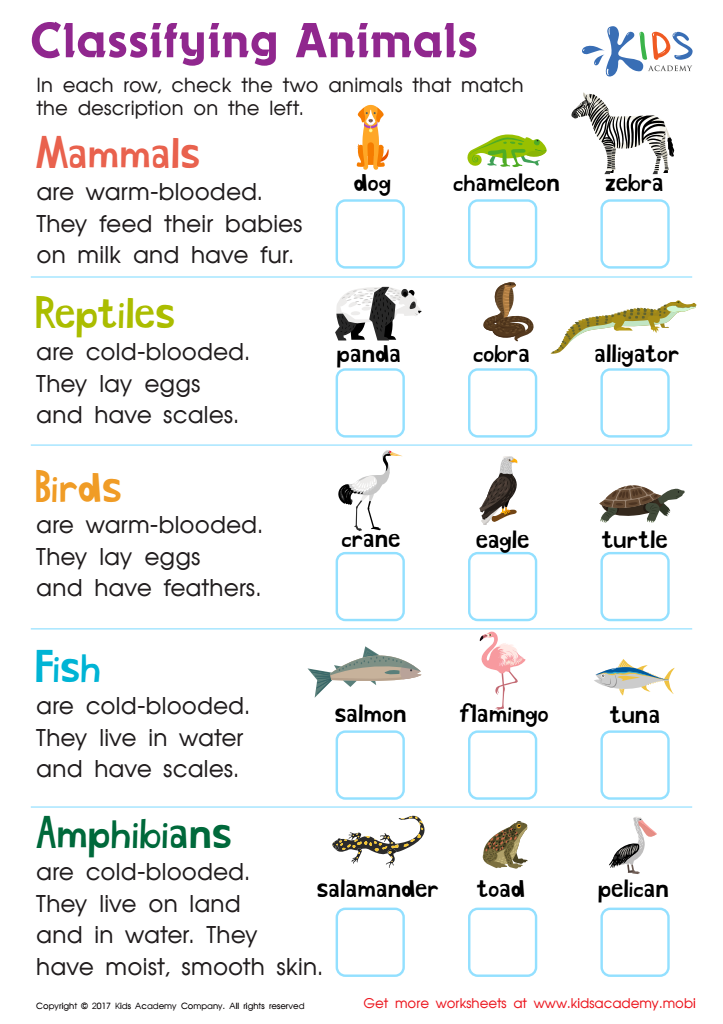
Classifying Animals Worksheet
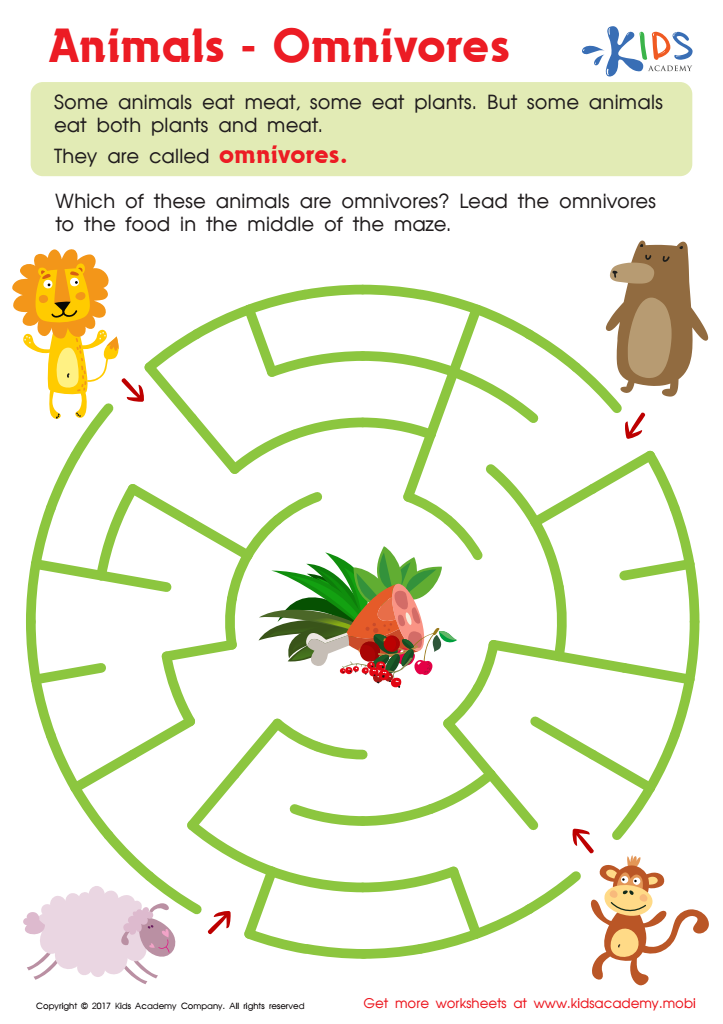
Omnivores Animals Worksheet
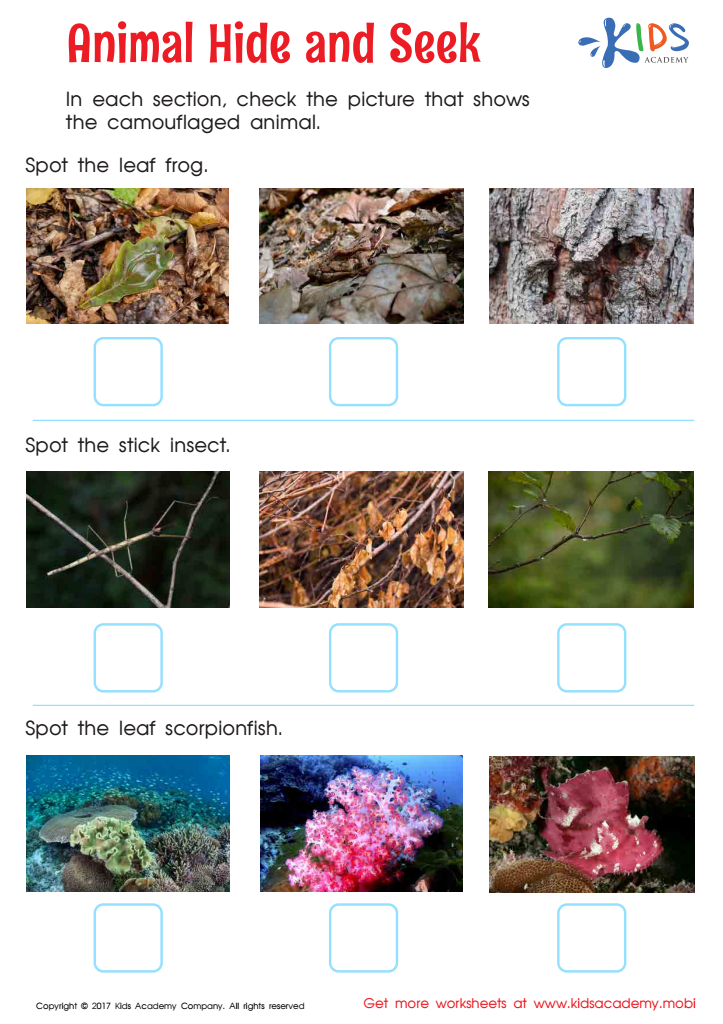
Animal Hide and Seek Worksheet
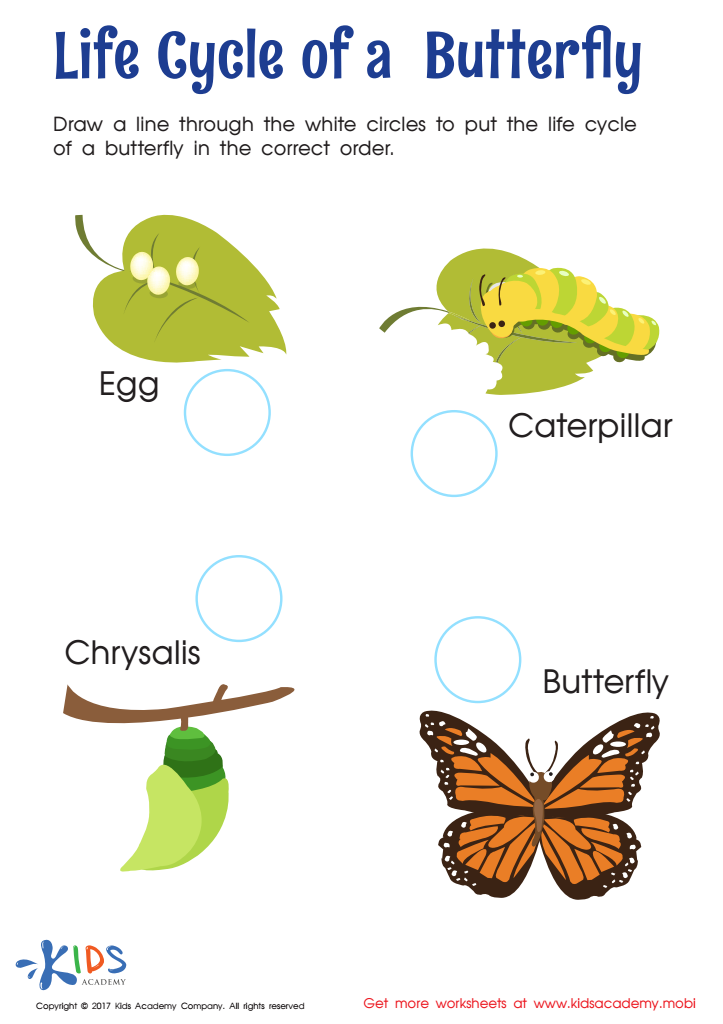
Life Cycle of Butterfly Worksheet
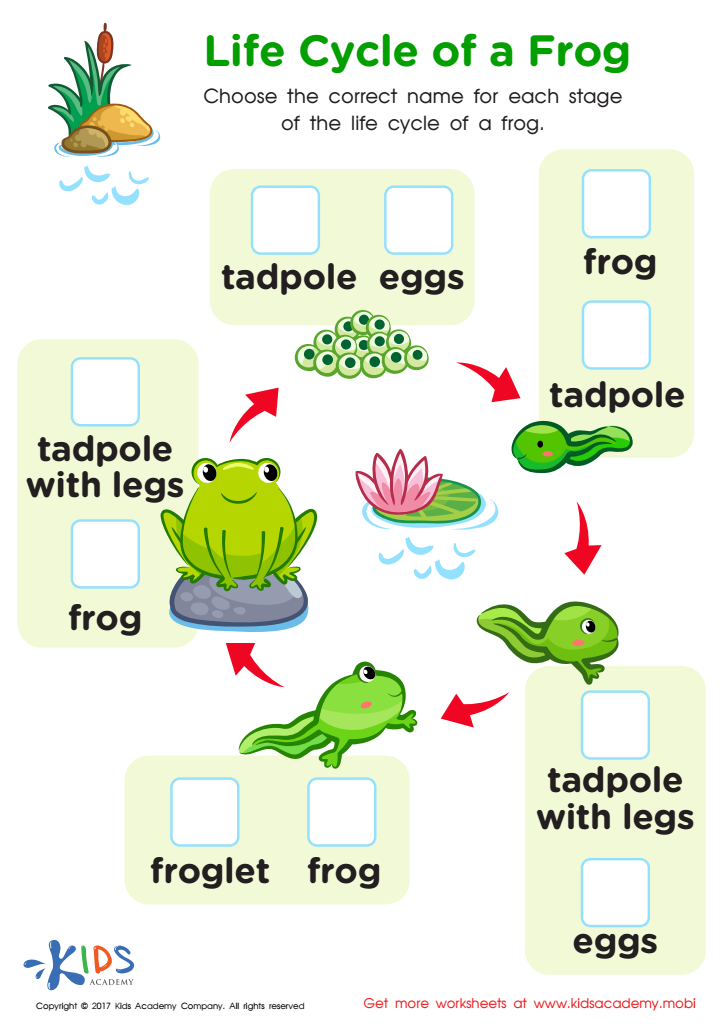
Life Cycle Frog Printable
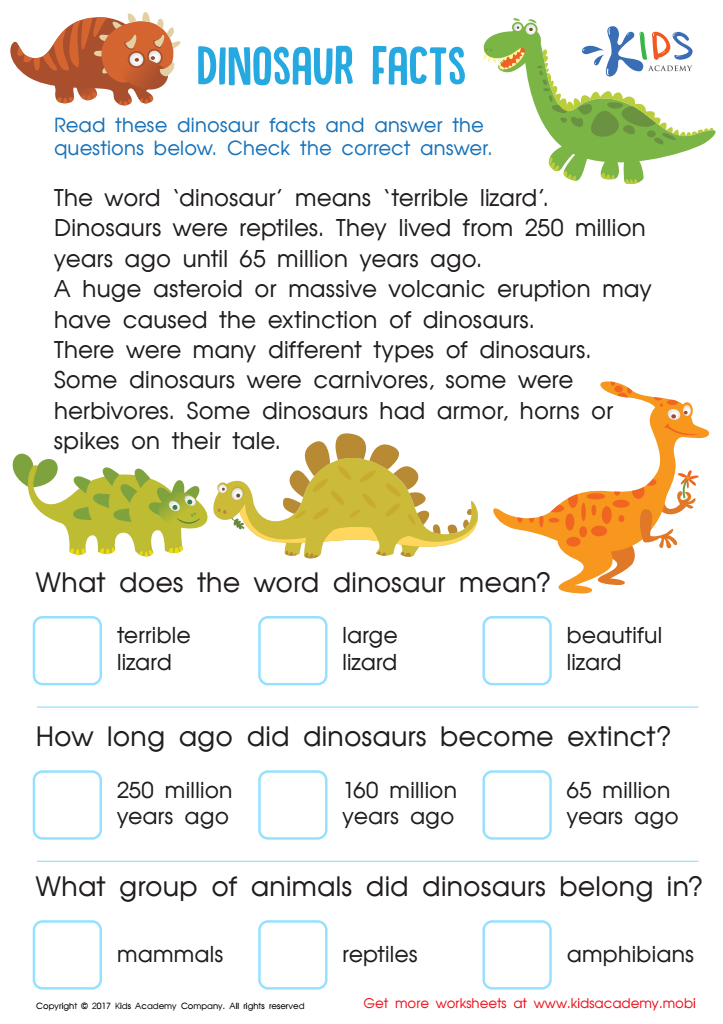
Dinosaur Facts Worksheet
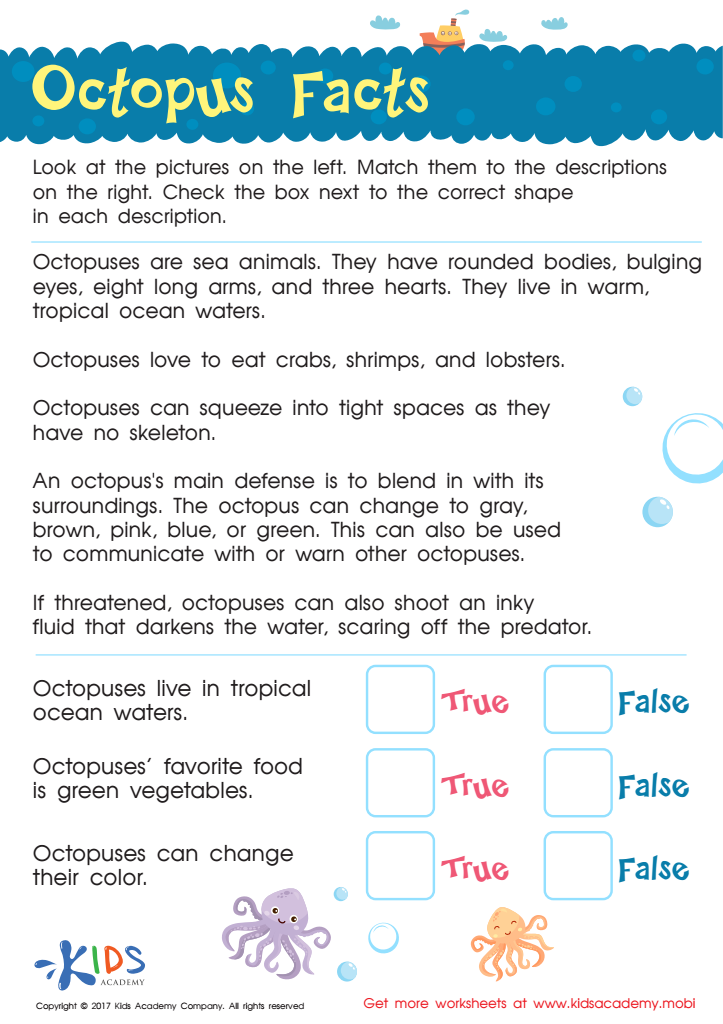
Octopus Facts Worksheet For Kids
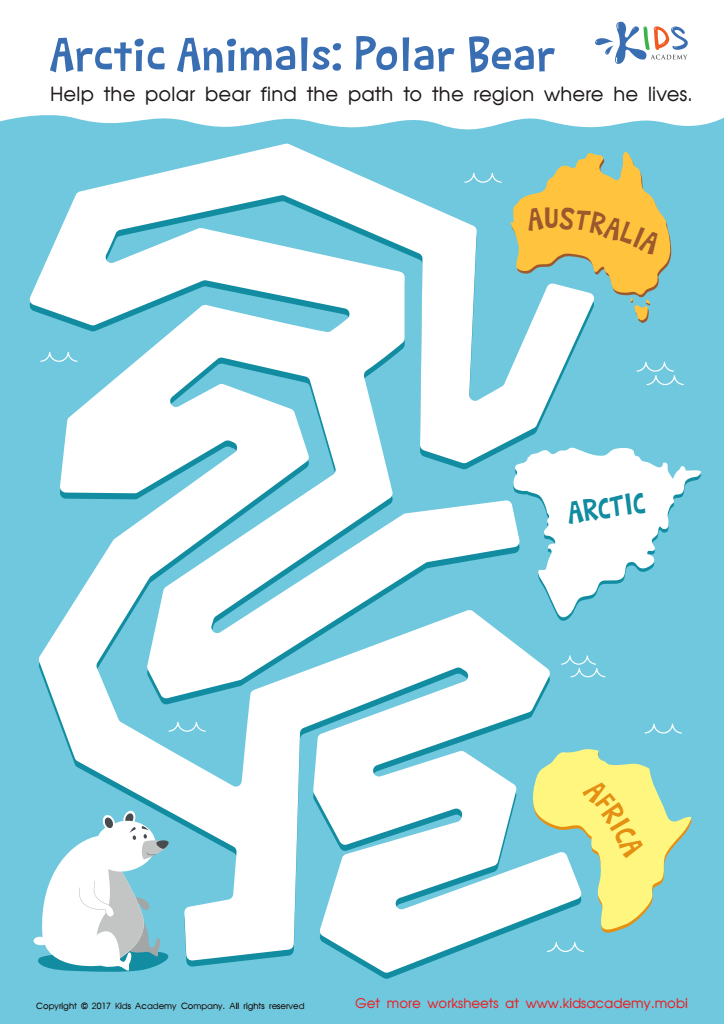
Arctic Animals: Polar Bear Worksheet
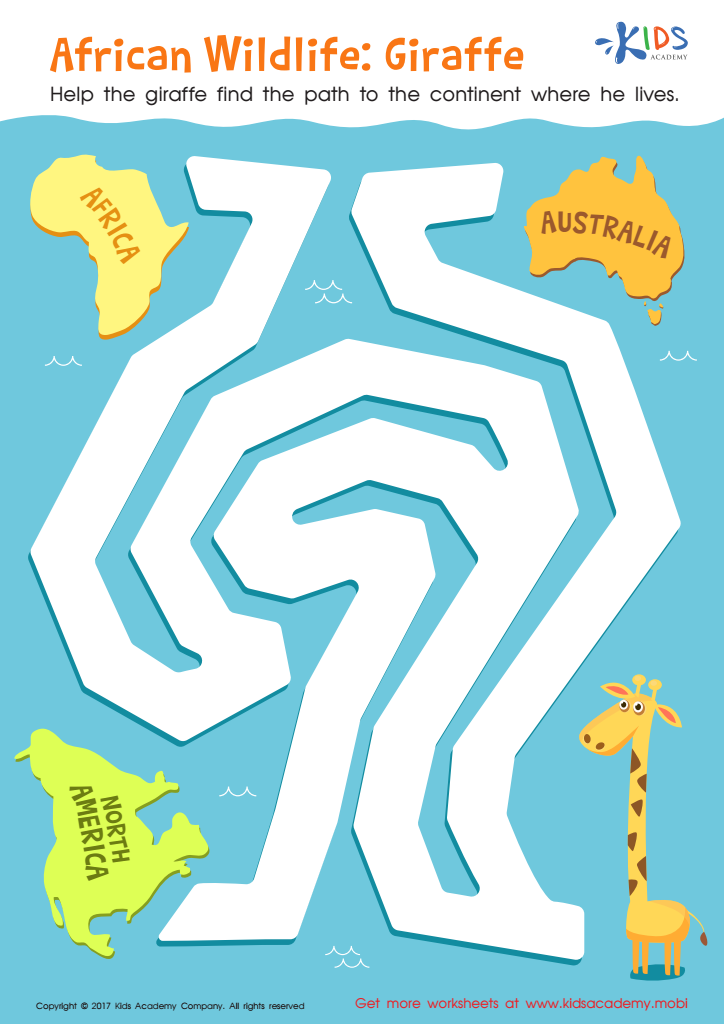
African Wildlife: Giraffe Worksheet
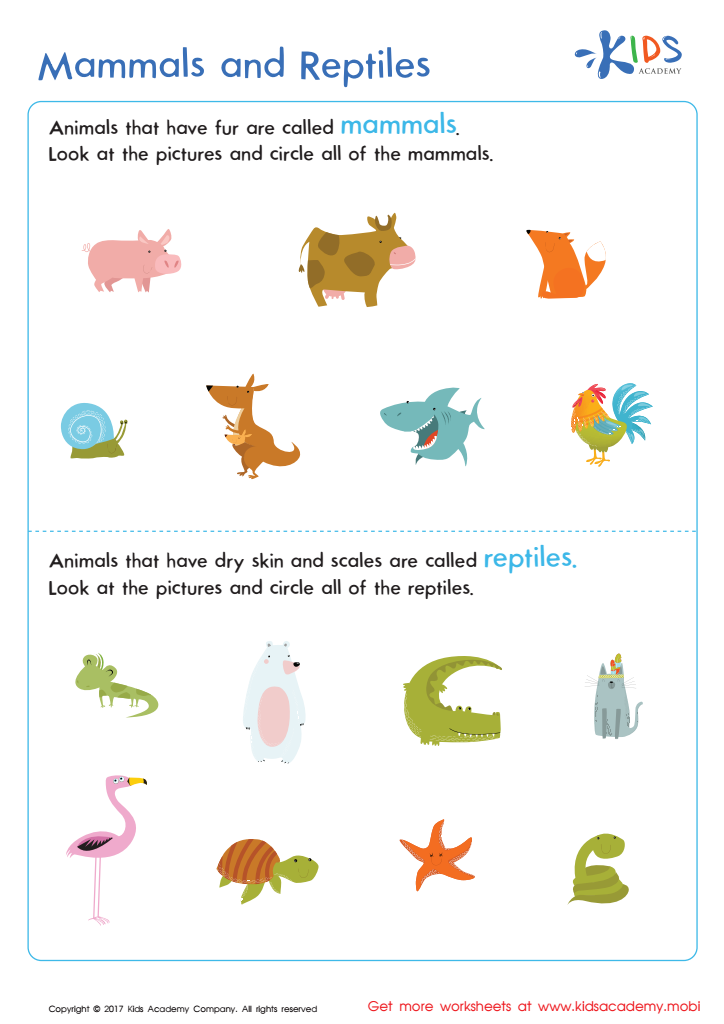
Mammals and Reptiles Worksheet
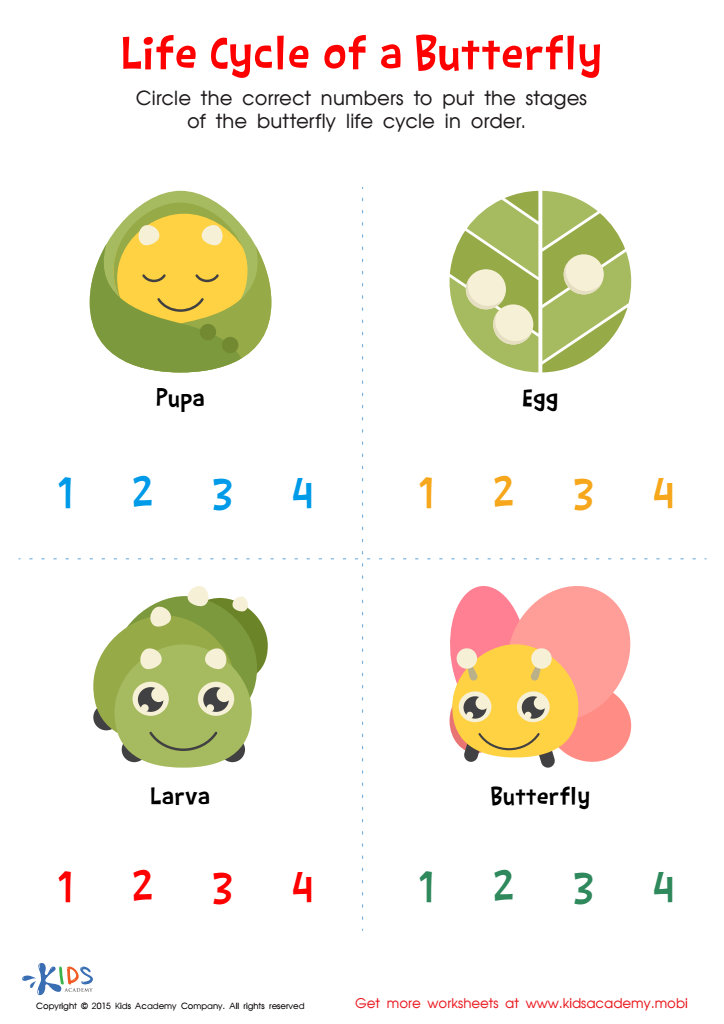
Life Cycle of Butterfly Printable
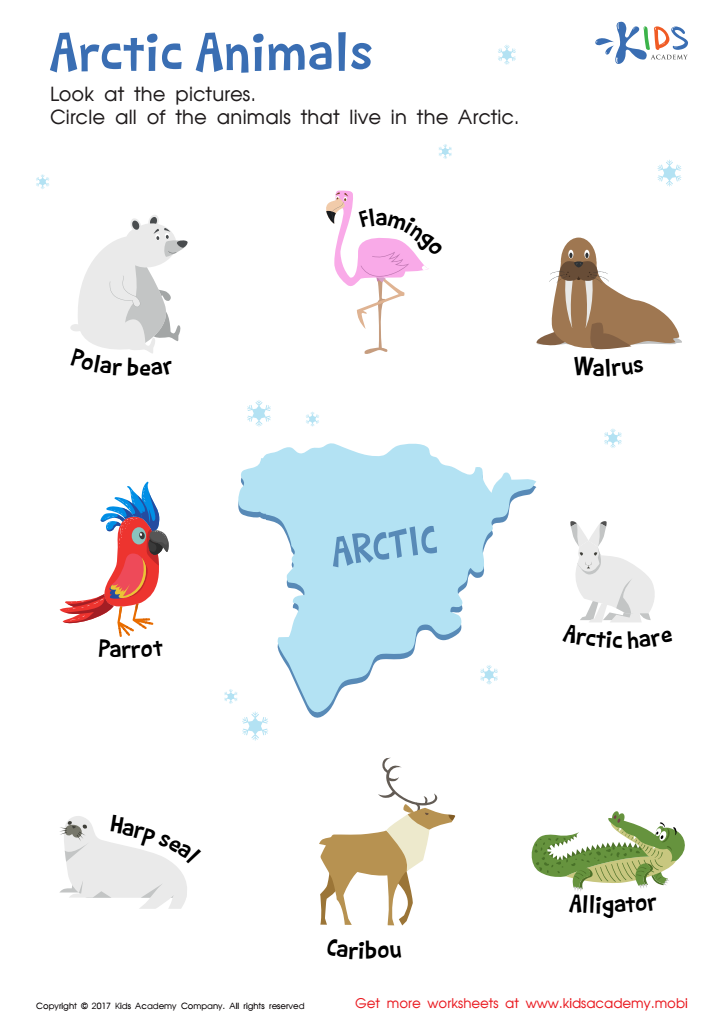
Arctic Animals Worksheet
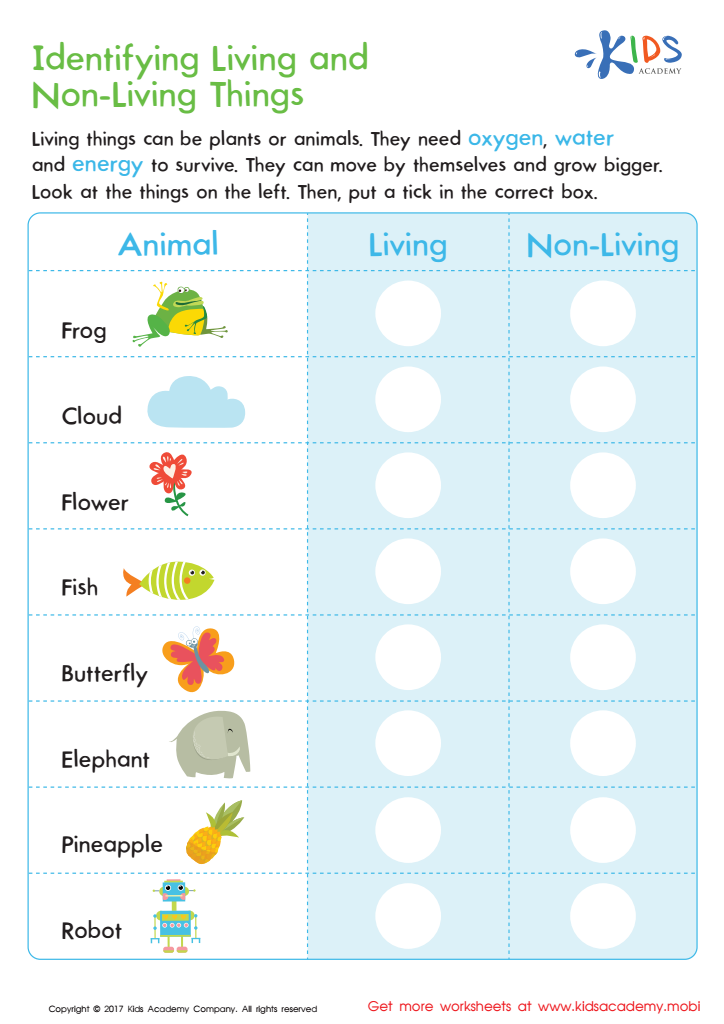
Identifying Living or Non–living Worksheet







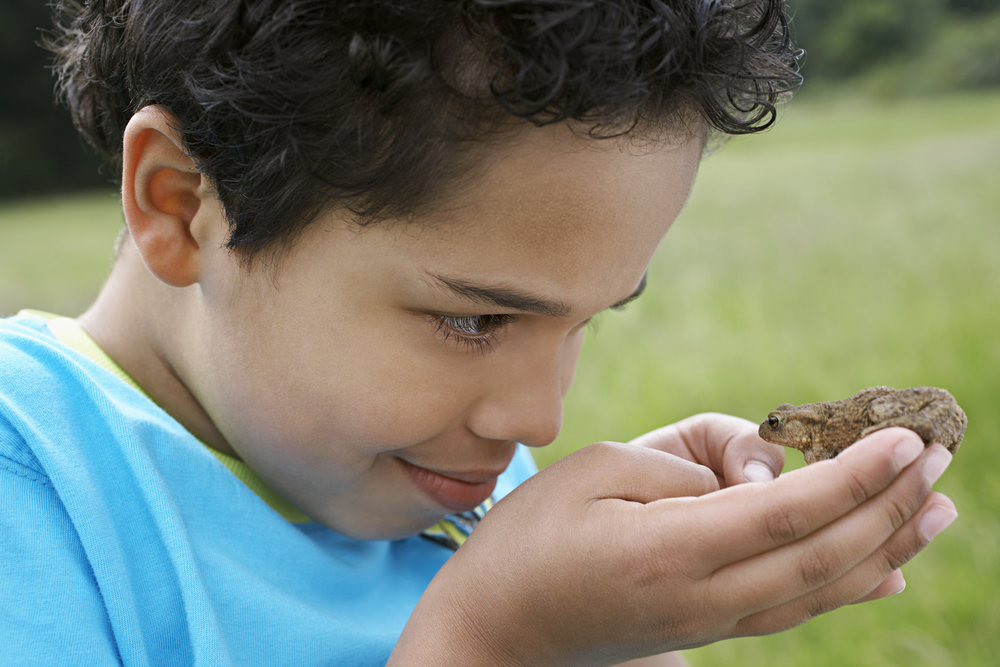
Parents and teachers should care about animals for children ages 6-8 because these early years are crucial for instilling empathy and responsibility. Learning about animals fosters a connection to nature, which can help shape a child’s understanding of the world. By engaging with animals, children develop empathy as they learn to recognize emotions and needs in living beings. This enhances their social skills and promotes kindness.
Moreover, studying animals introduces kids to important scientific concepts. They explore various animal habitats, behaviors, and roles in ecosystems, which lays the foundation for curiosity about life sciences. Through hands-on activities, like caring for pets or visiting zoos, children can develop observational skills and experience the joy of discovery.
Additionally, incorporating animal education encourages teamwork and collaborative learning. Group projects or responsibilities, like feeding an animal, teach children how to work together and foster community spirit.
Lastly, animals often provide comfort, helping children understand and manage their own feelings. Overall, embracing the topic of animals not only enriches young learners' knowledge but also nurtures compassionate and responsible future citizens.








