Worksheets for Ages 6-9 - Page 111
2650 filtered results
-
From - To
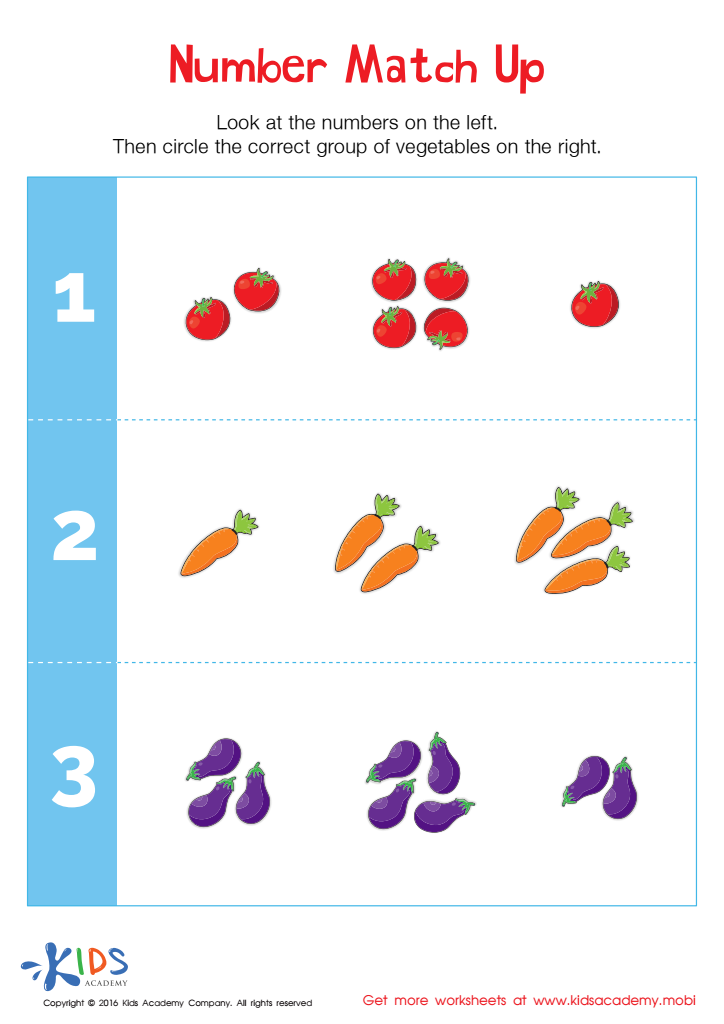
Number Match Up Worksheet
 Assign to My Students
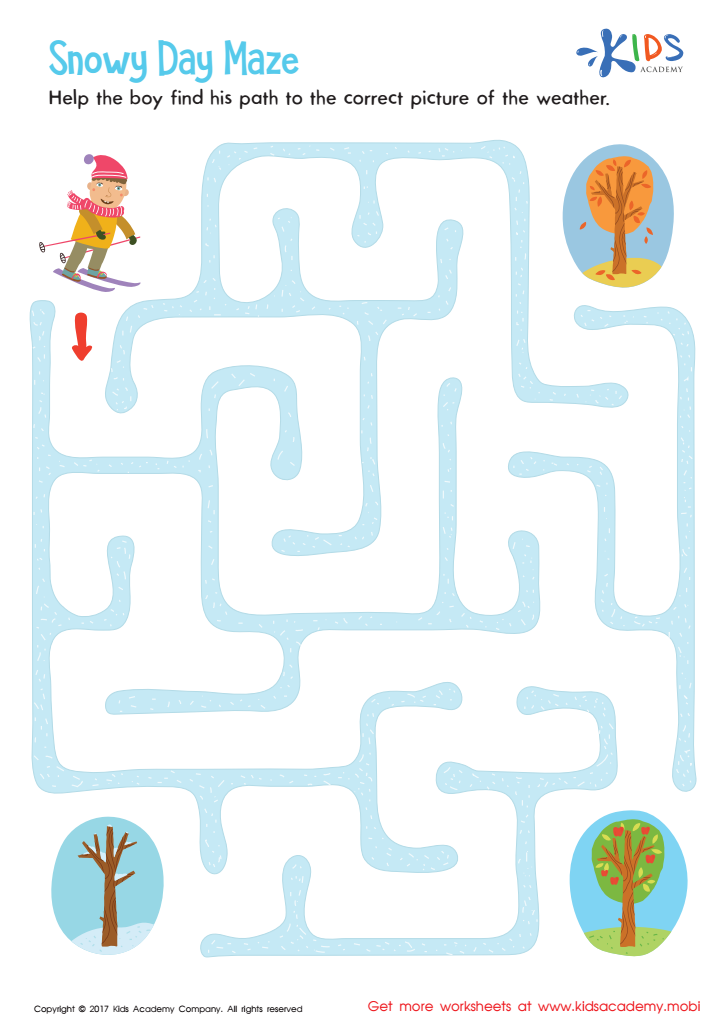
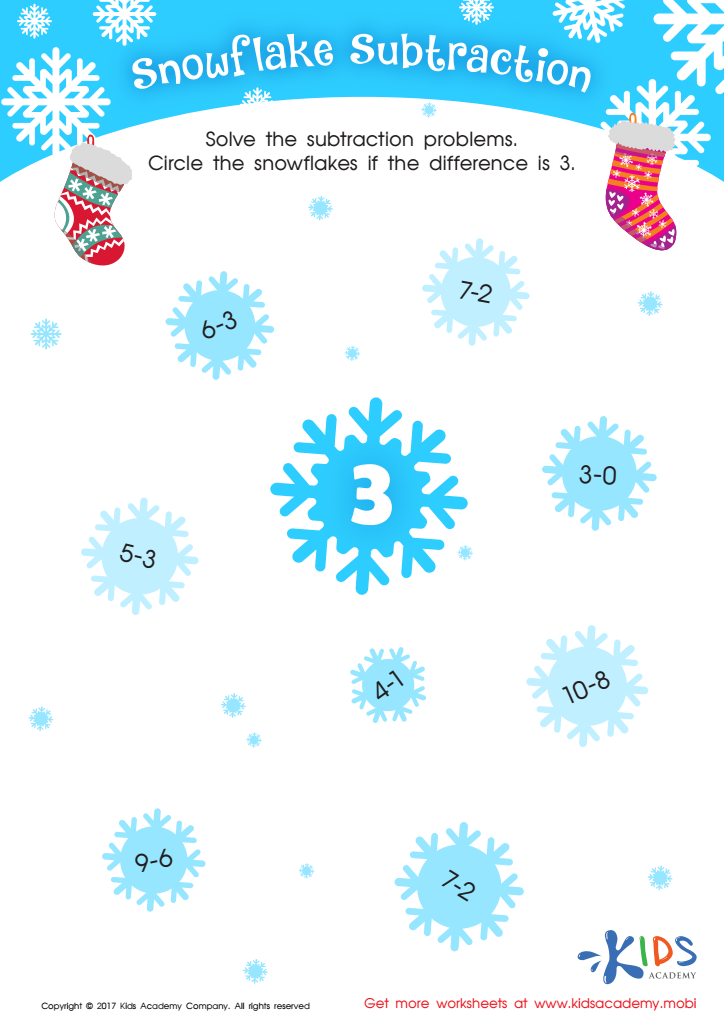
Snowflake Subtraction Worksheet
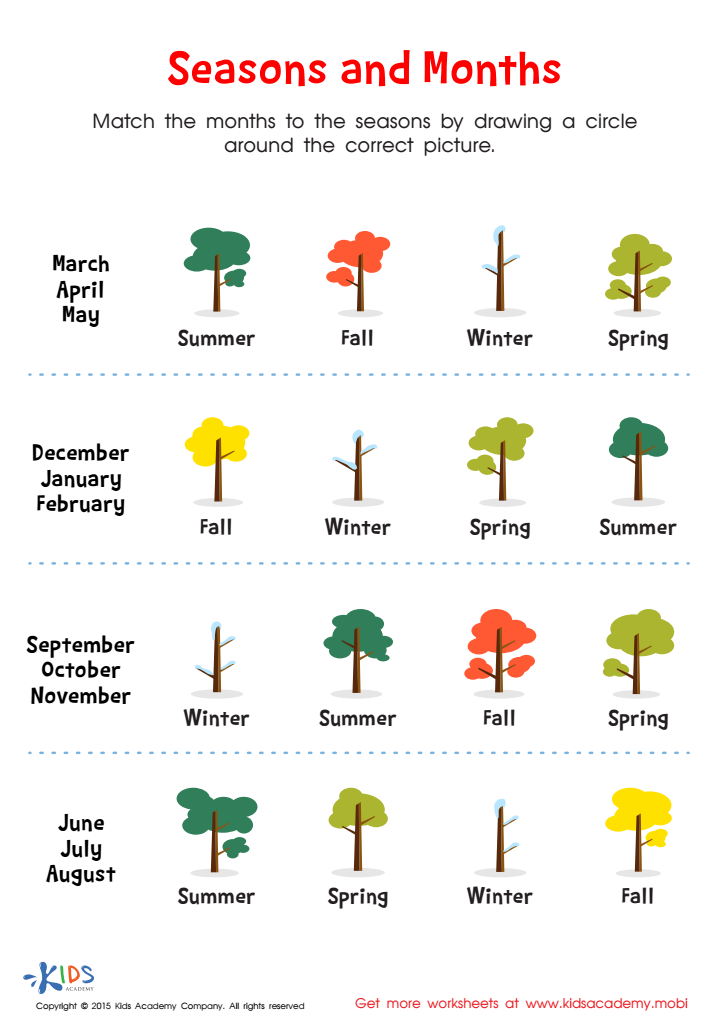
Seasons and Months Worksheet
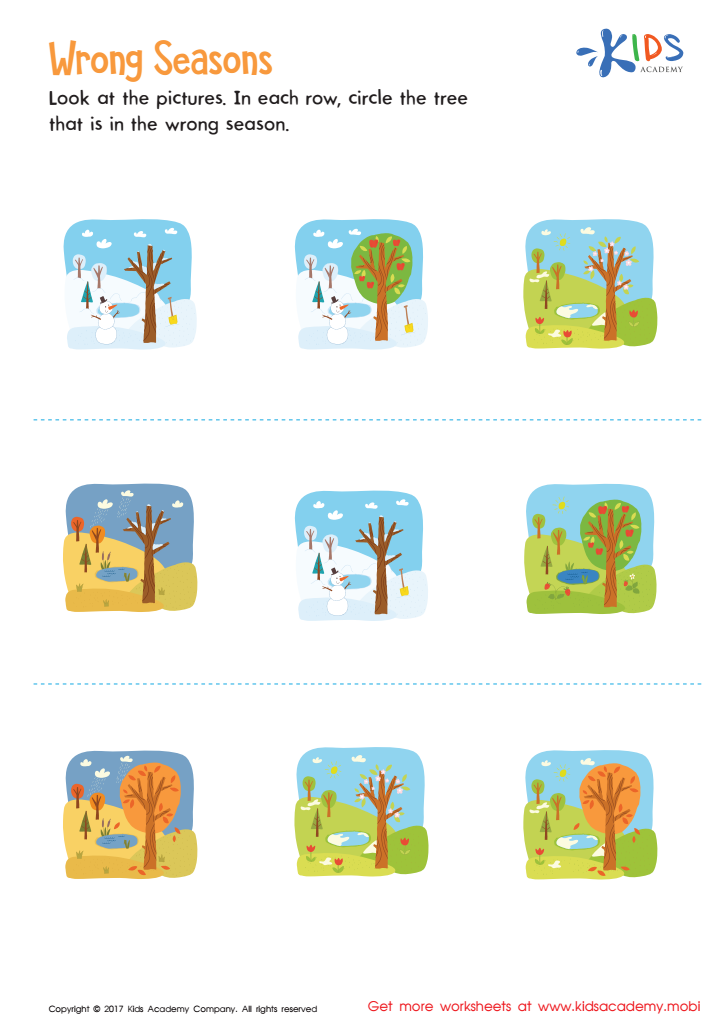
Wrong Seasons Worksheet
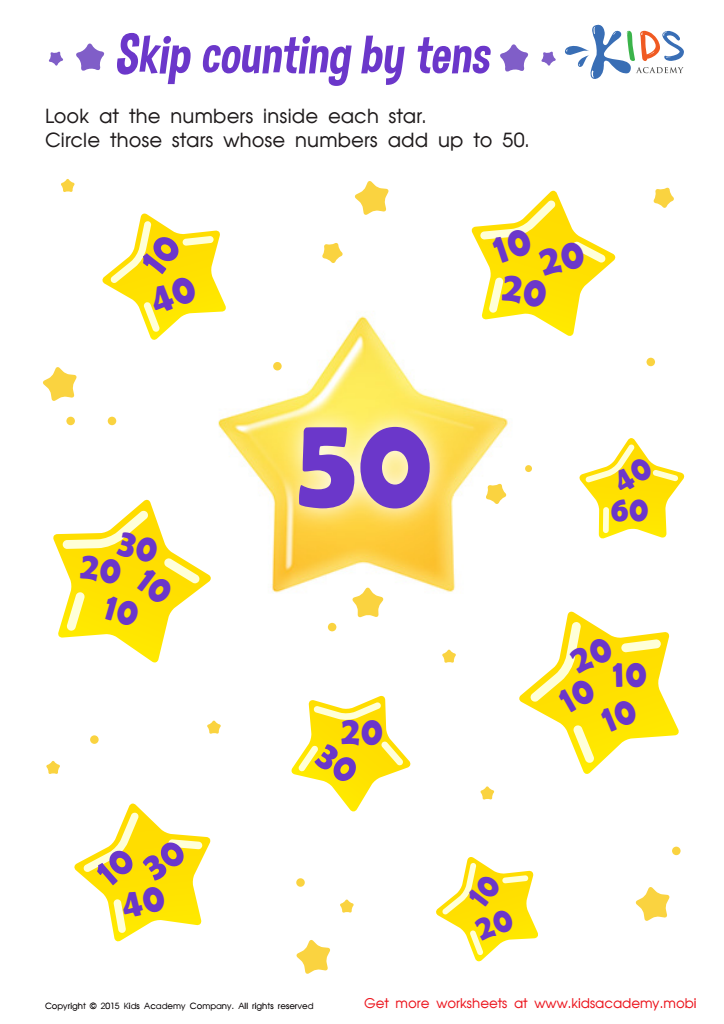
Learn Dozens: Skip Counting by Tens Printable
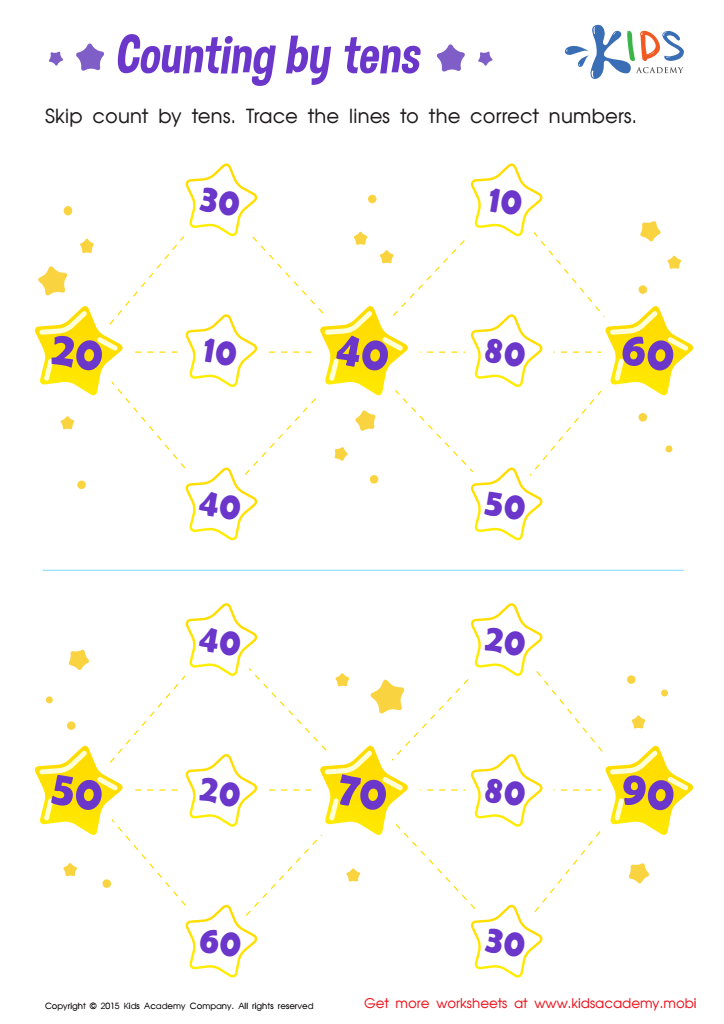
Learn Dozens: Counting by Tens Printable
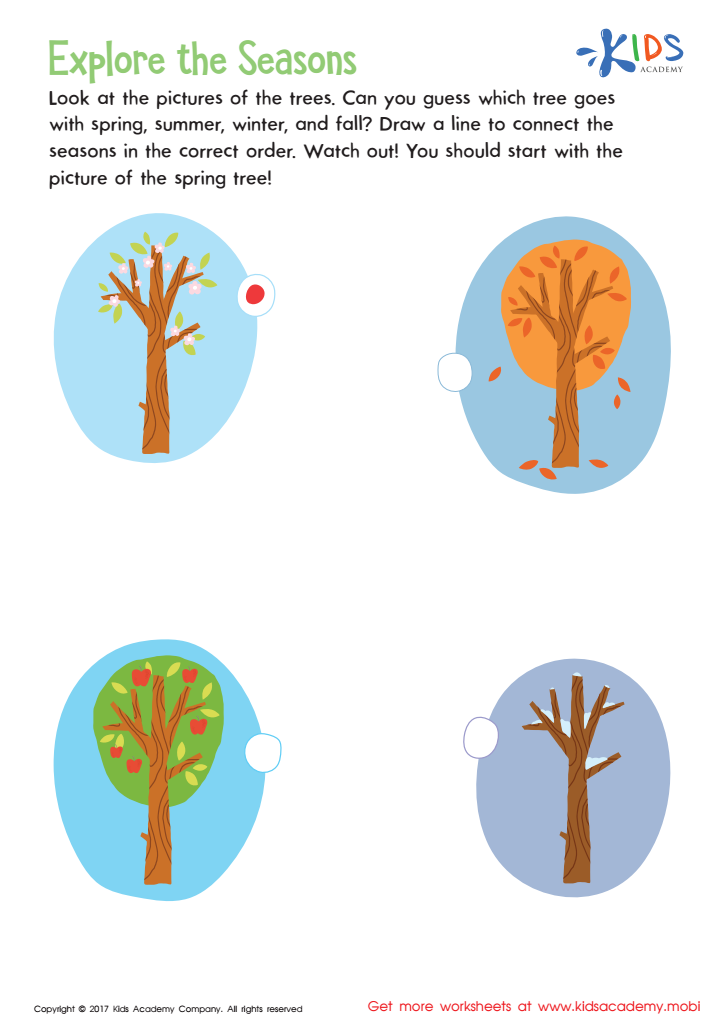
Explore the Seasons Worksheet
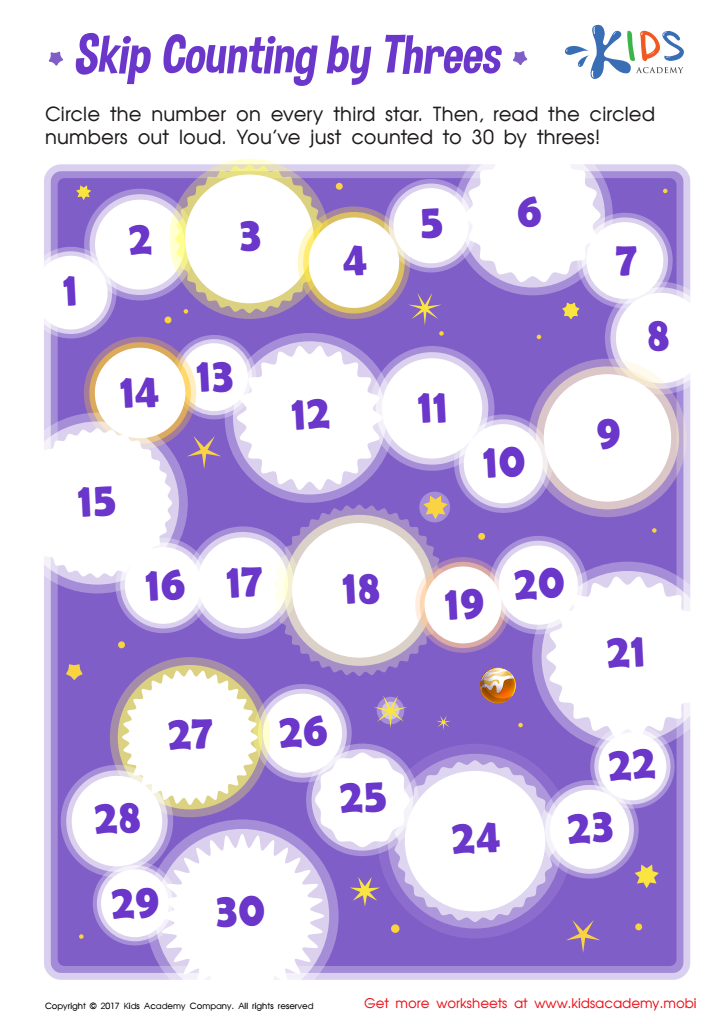
Skip Counting By Three Printable
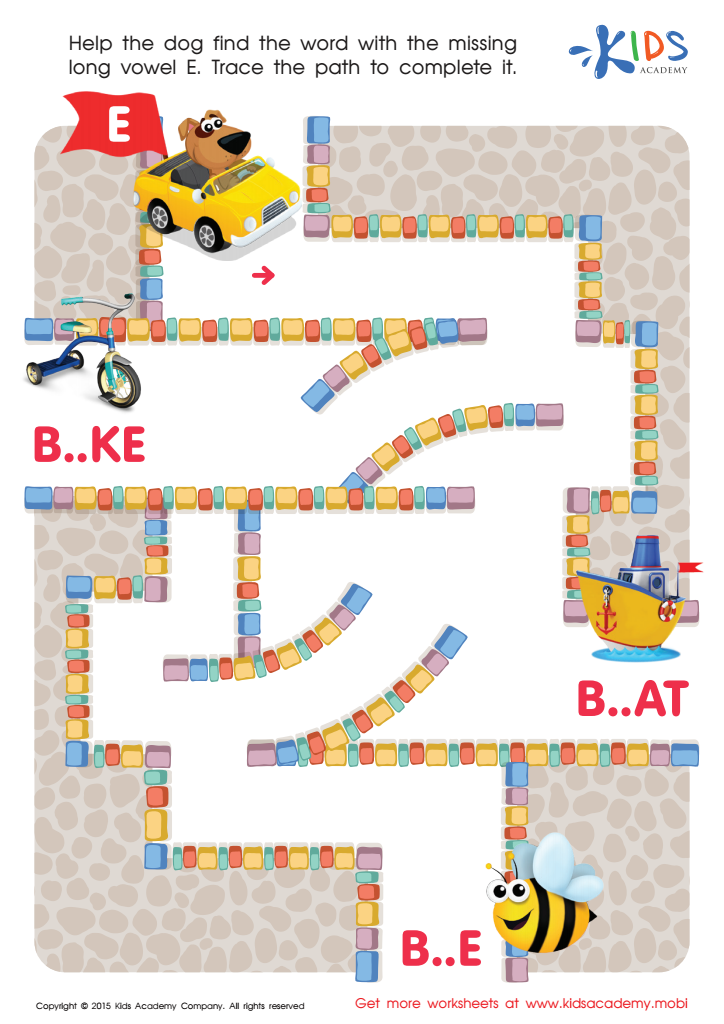
Long Vowel Sound E Worksheet



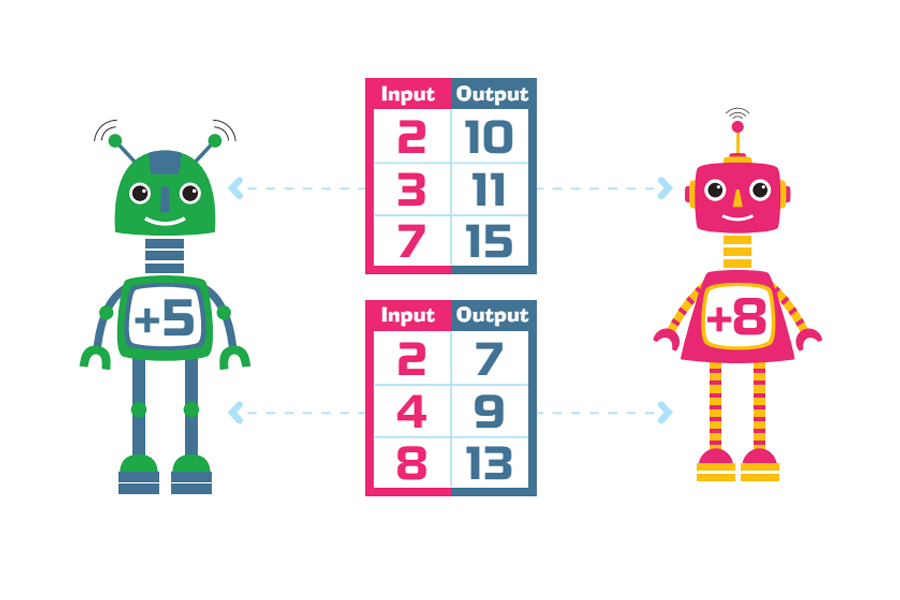


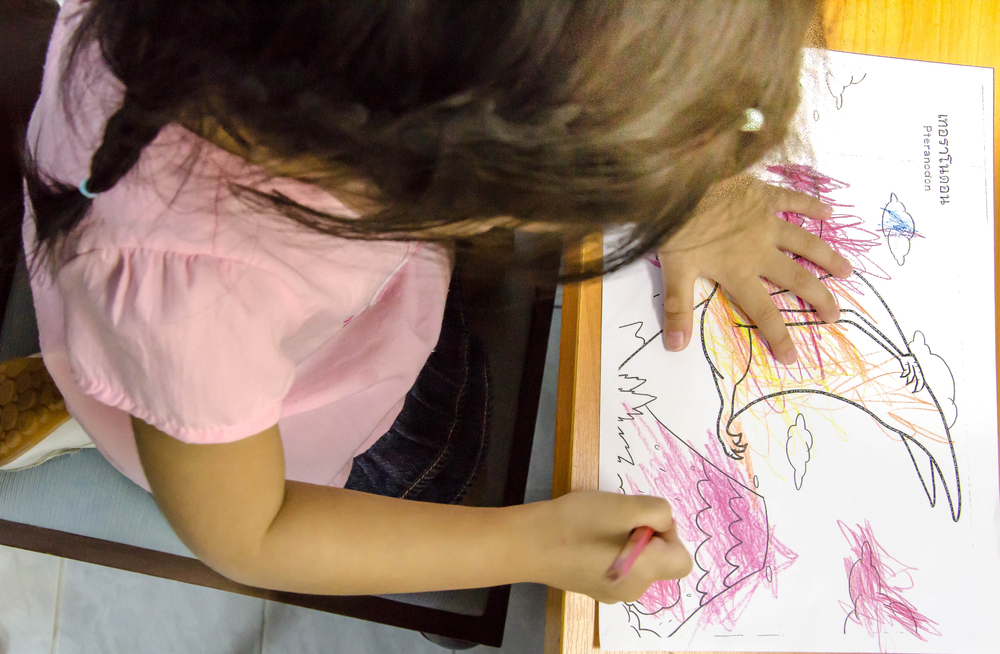

Parents and teachers should care deeply about the development of children aged 6-9 because this stage is crucial for cognitive, emotional, and social development. During these years, children transition from early childhood to middle childhood, solidifying foundational skills that will affect their future learning and relationships.
Academically, children become more involved in structured learning, frequently developing critical thinking and problem-solving abilities. Attention given to literacy, numeracy, and other core subjects during this stage establishes a base for academic success. Moreover, emotional intelligence flourishes as children learn to manage feelings, build friendships, and navigate social interactions.
Socially, peer relationships take on substantial importance, making it essential for parents and teachers to encourage cooperation and understanding among classmates. These interactions help children develop communication skills and empathy, which are vital for their future interactions in diverse environments.
Ultimately, the support, guidance, and nurturing from parents and teachers during these years not only enhance educational outcomes but also foster confidence, resilience, and a love for learning, equipping children with skills they will use for a lifetime. By investing in children's development at this age, we lay the groundwork for healthier, more engaged, and committed individuals in society.








