Long Vowels Worksheets for Ages 6-9 - Page 2
29 filtered results
-
From - To
 Assign to My Students
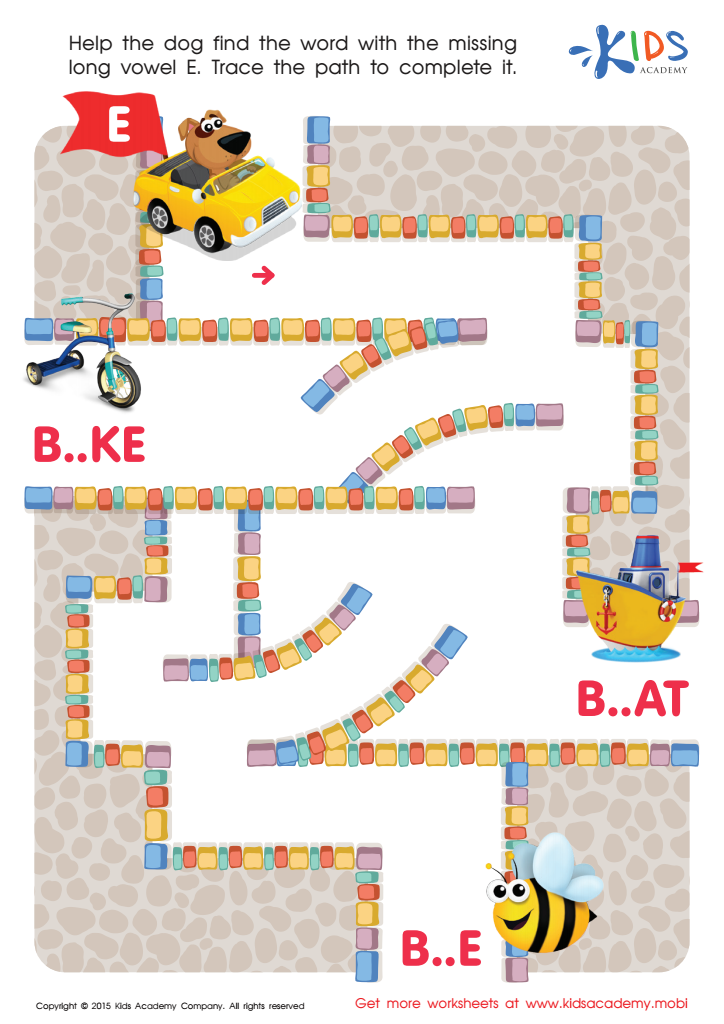
Long Vowel Sound E Worksheet
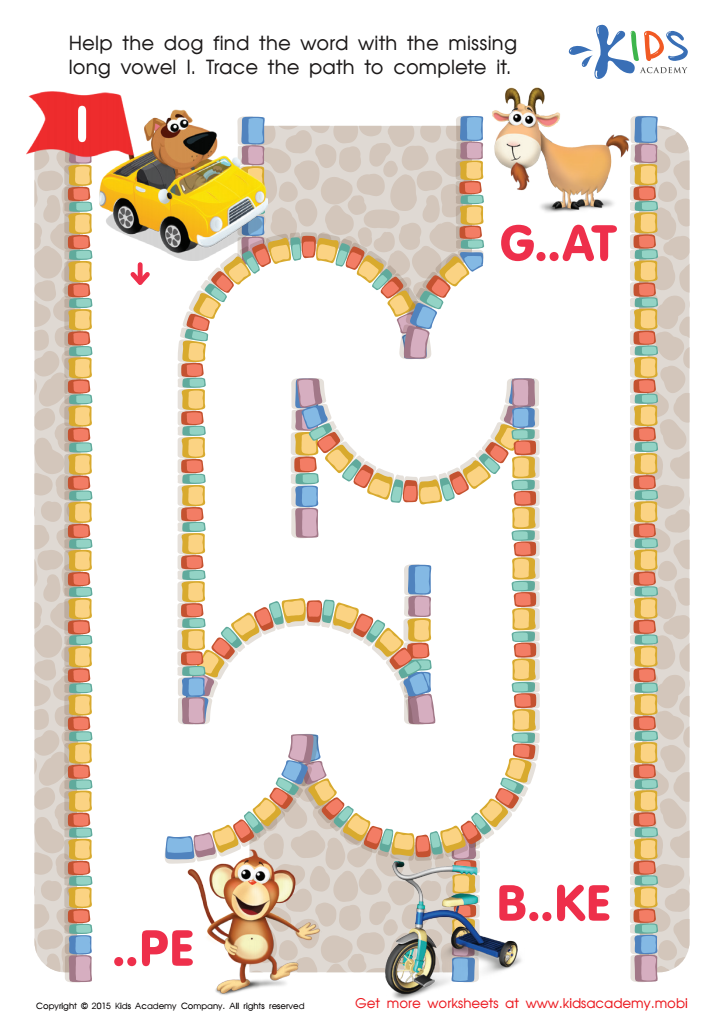
Long Vowel Sound I Worksheet
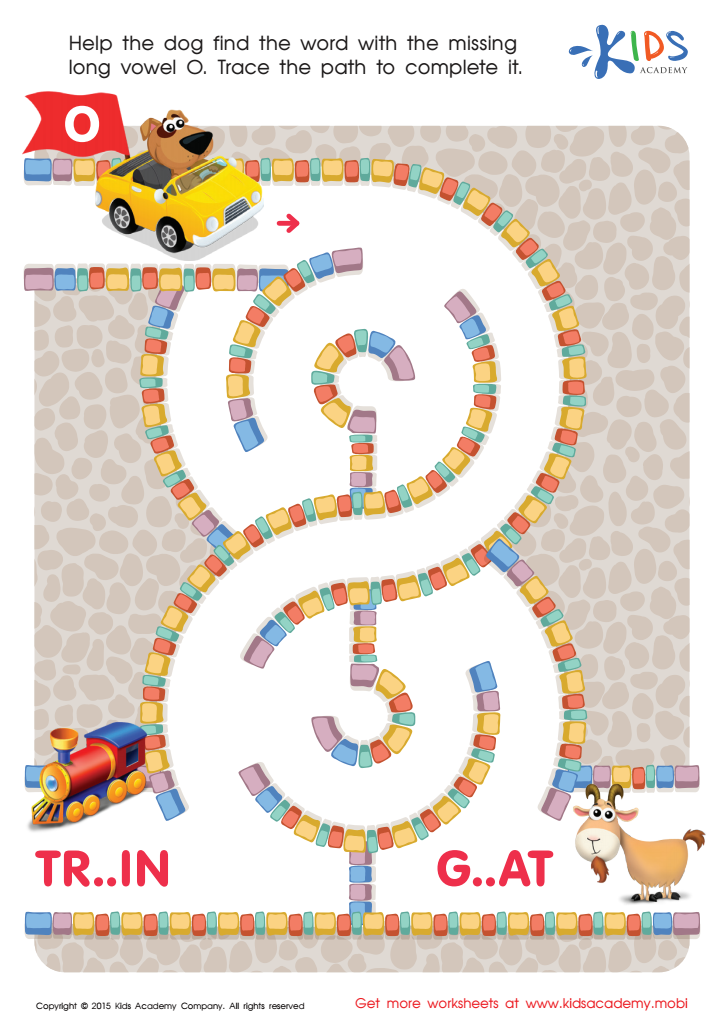
Long Vowel Sound O Worksheet
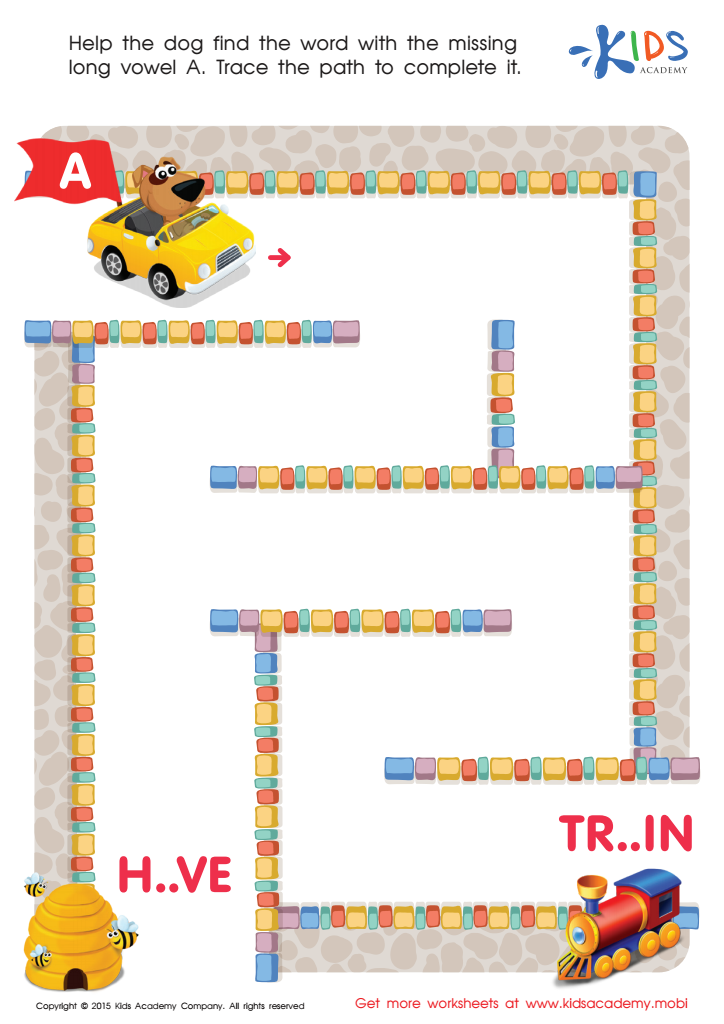
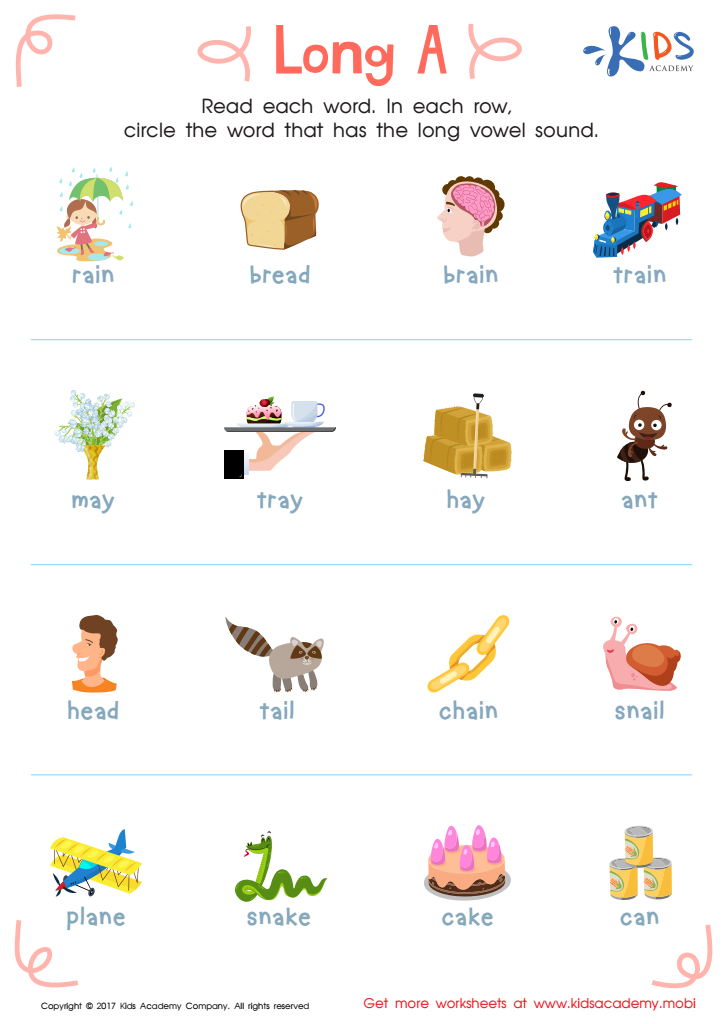
Long Vowel Sound A Worksheet



Understanding long vowels is crucial for children aged 6-9 as they form the foundation of reading, writing, and overall literacy skills. Long vowels, which typically say their name (e.g., 'a' as in "cake," 'e' as in "see"), are essential for decoding words and comprehending texts. When parents and teachers focus on long vowels, they help children recognize patterns in words, making it easier for them to tackle new vocabulary and improve their reading fluency.
Effective mastery of long vowels also promotes spelling skills; children learn that specific letters or combinations (like 'ea' or 'ai') often denote a long vowel sound. This knowledge aids in their critical thinking abilities, allowing them to analyze and break down unfamiliar words into manageable parts. Additionally, hearing and practicing long vowel sounds enhances phonemic awareness, an important aspect of early literacy.
In a collaborative literacy environment, parents and teachers can create fun activities—such as games, songs, and readings—centered on long vowels, which fosters a love for learning. When adults prioritize long vowels, they empower children with key tools necessary for academic success, enhancing their confidence and engagement in school. This foundational skill set significantly influences their lifelong journey in literacy.








