Visual perception Math Worksheets for Ages 6-9
39 filtered results
-
From - To
Our Visual Perception Math Worksheets for ages 6-9 are thoughtfully designed to enhance young learners' mathematical abilities through engaging exercises. These printable worksheets develop critical visual perception skills such as pattern recognition, spatial awareness, and logical thinking. Perfectly suited for kids in early elementary grades, our resources make math exciting and understandable. Each activity combines fun with education, encouraging children to solve problems, identify shapes, and recognize sequences. By integrating vibrant visuals and interactive challenges, our worksheets ensure a dynamic learning experience, building a strong foundation for future mathematical success. Give your child the tools to excel in math with our expertly crafted resources.
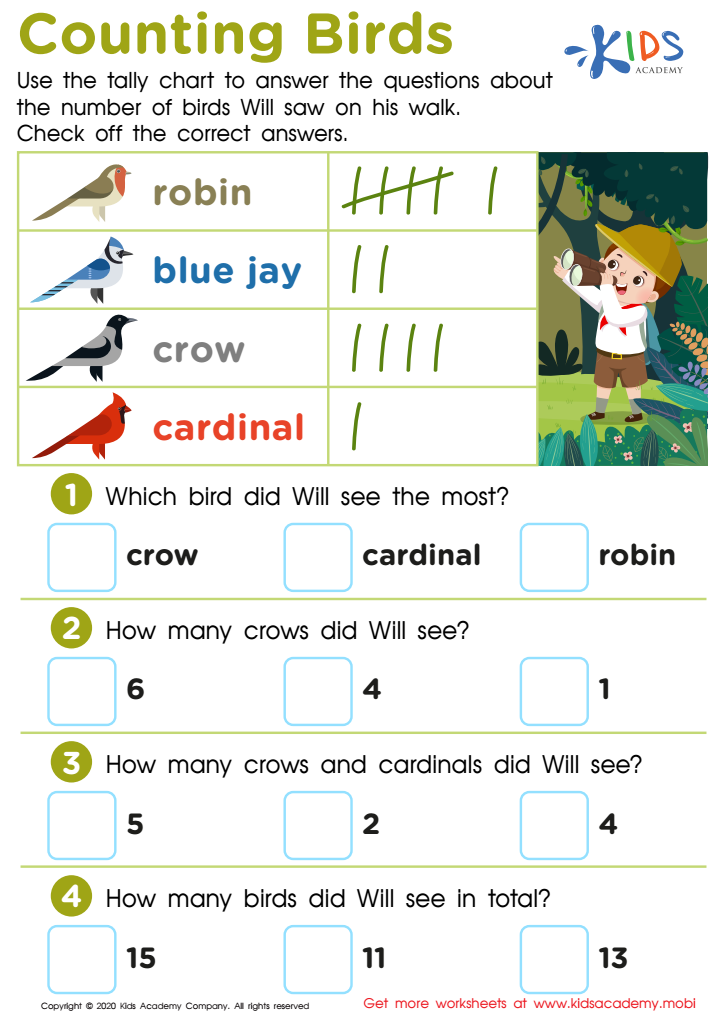
Counting Birds Worksheet
 Assign to My Students
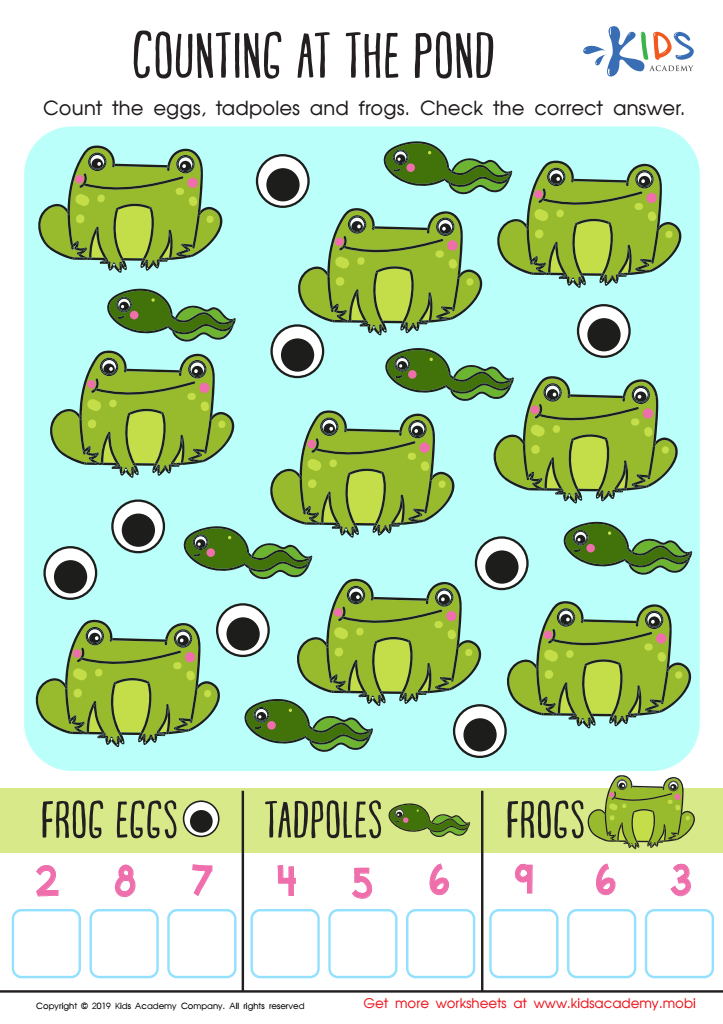
Counting at the Pond Worksheet
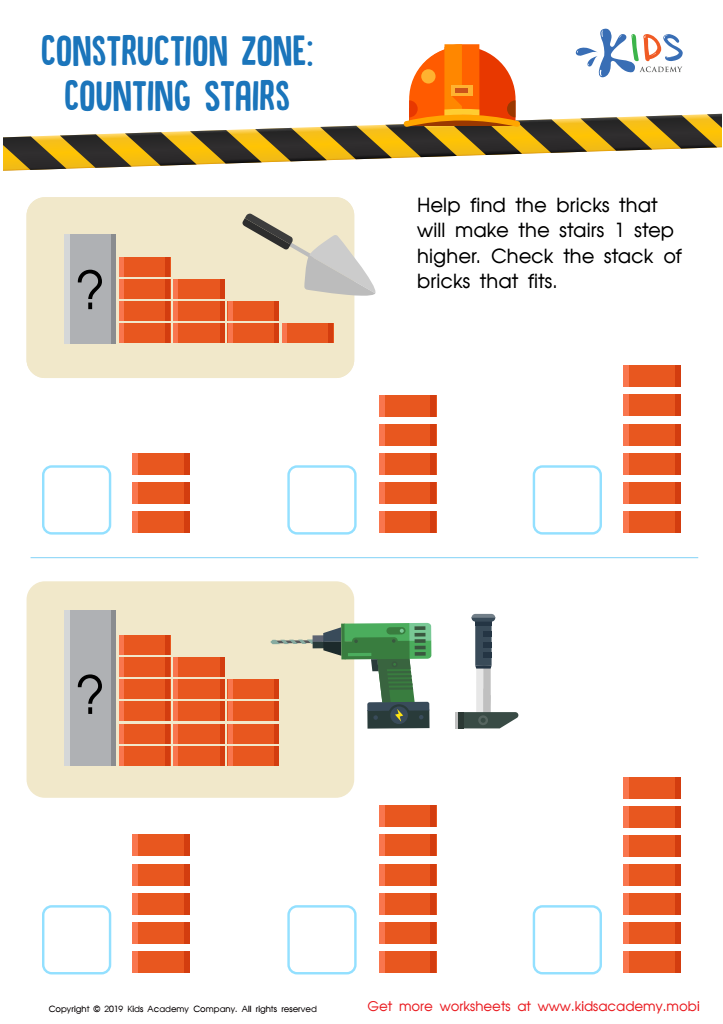
Construction Zone: Counting Stairs Worksheet

Count and Pair on the Farm Worksheet
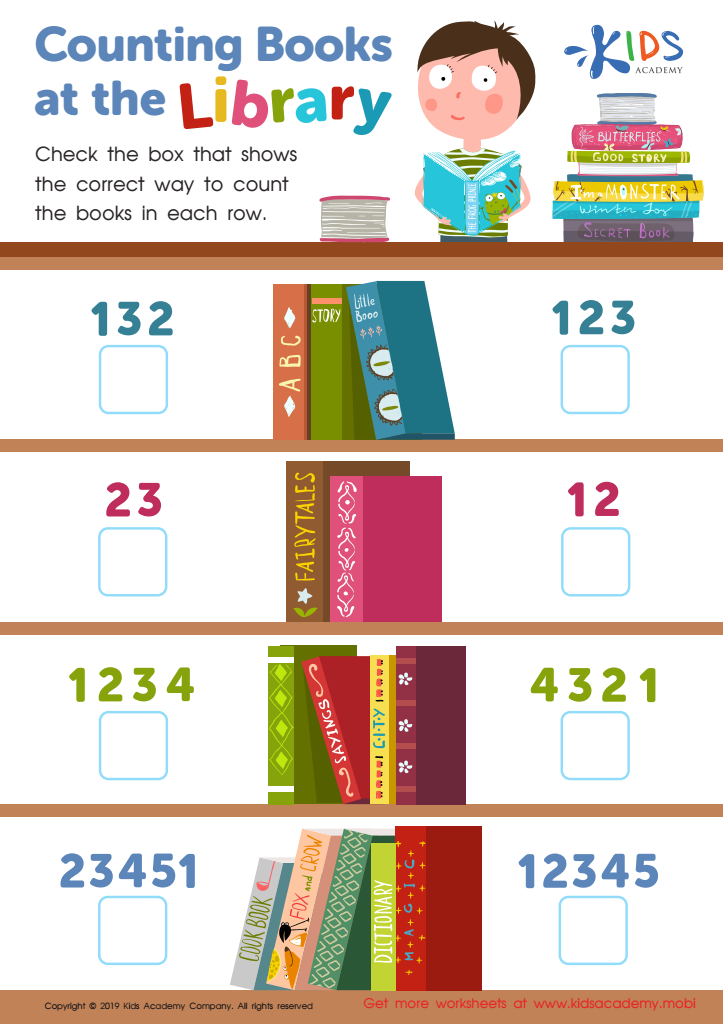
Counting Books at the Library Worksheet
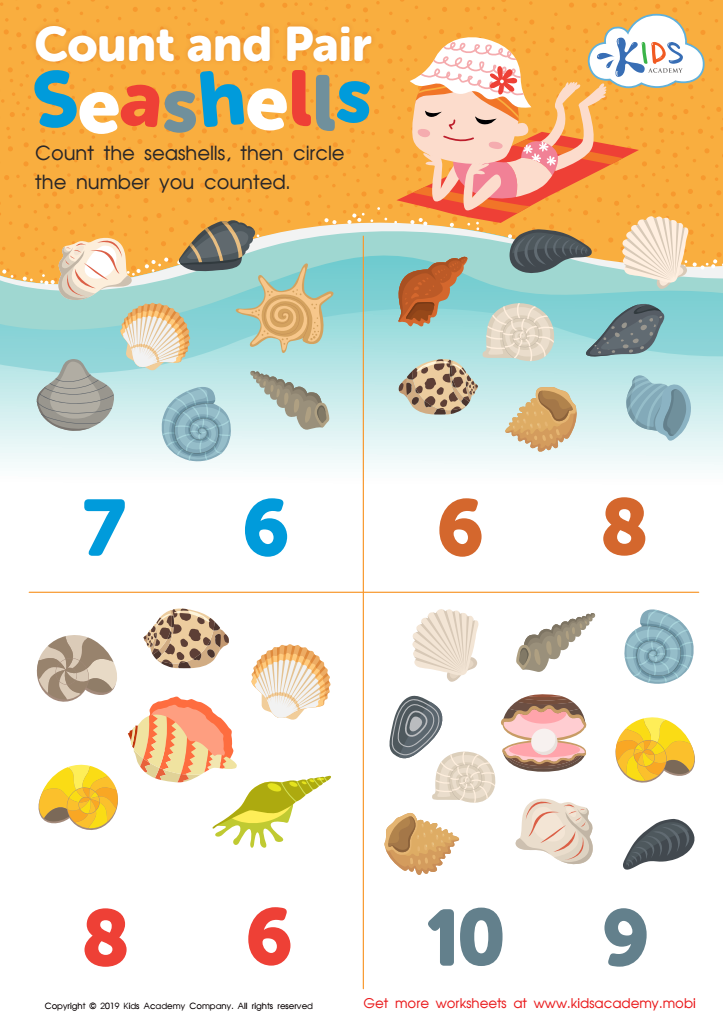
Count and Pair Seashells Worksheet
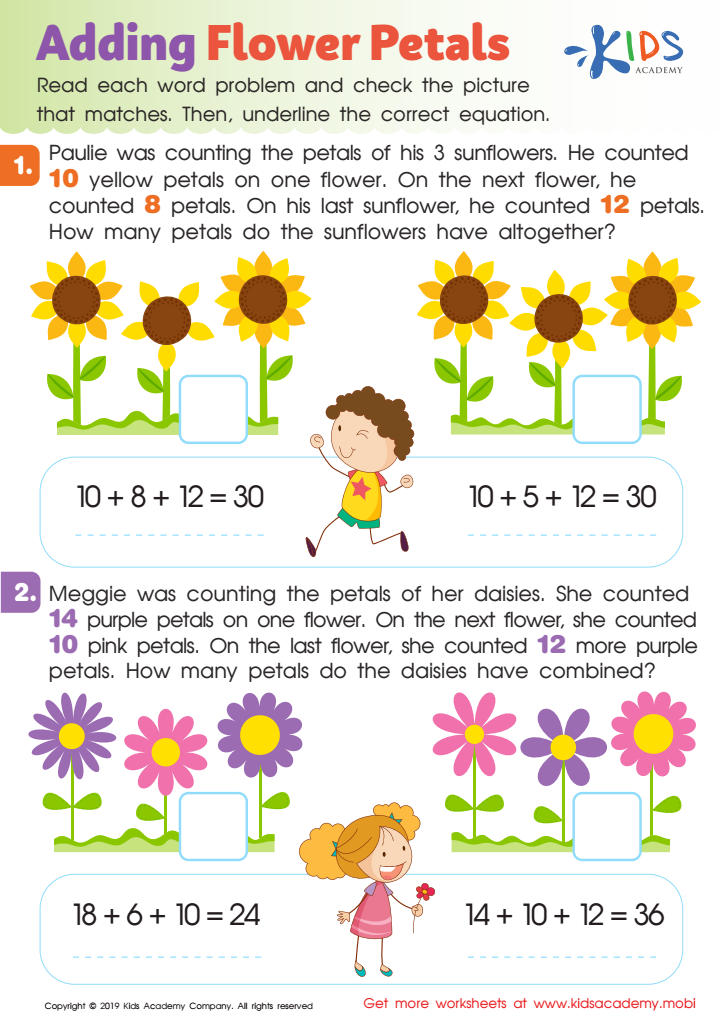
Adding Flower Petals Worksheet

Find 7 Eggs Worksheet
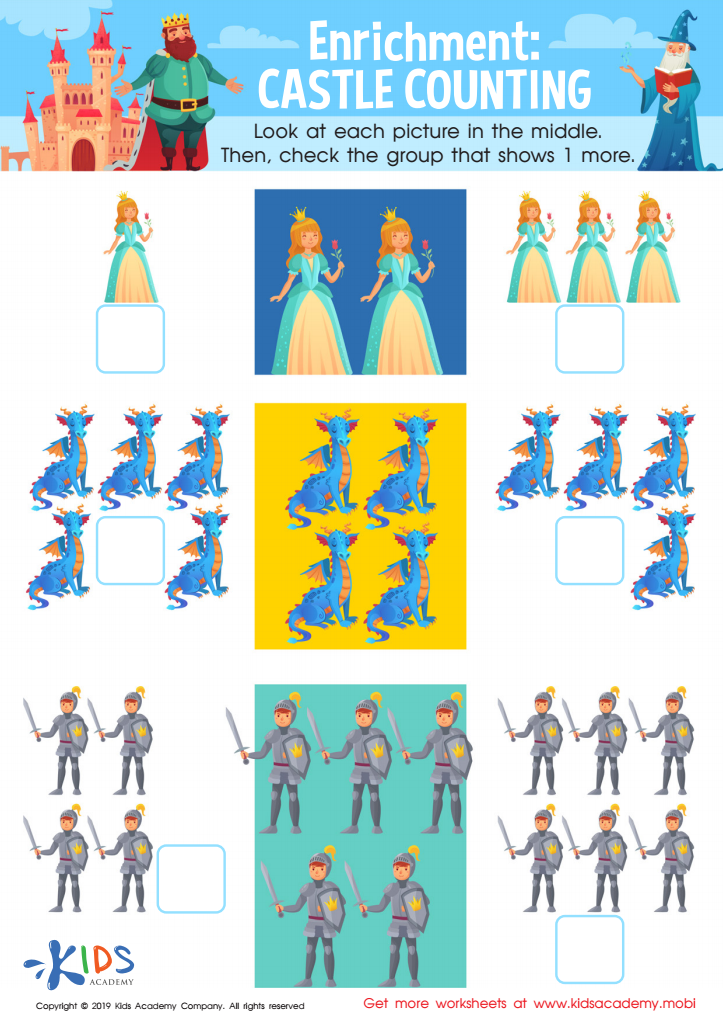
Enrichment: Castle Counting Worksheet
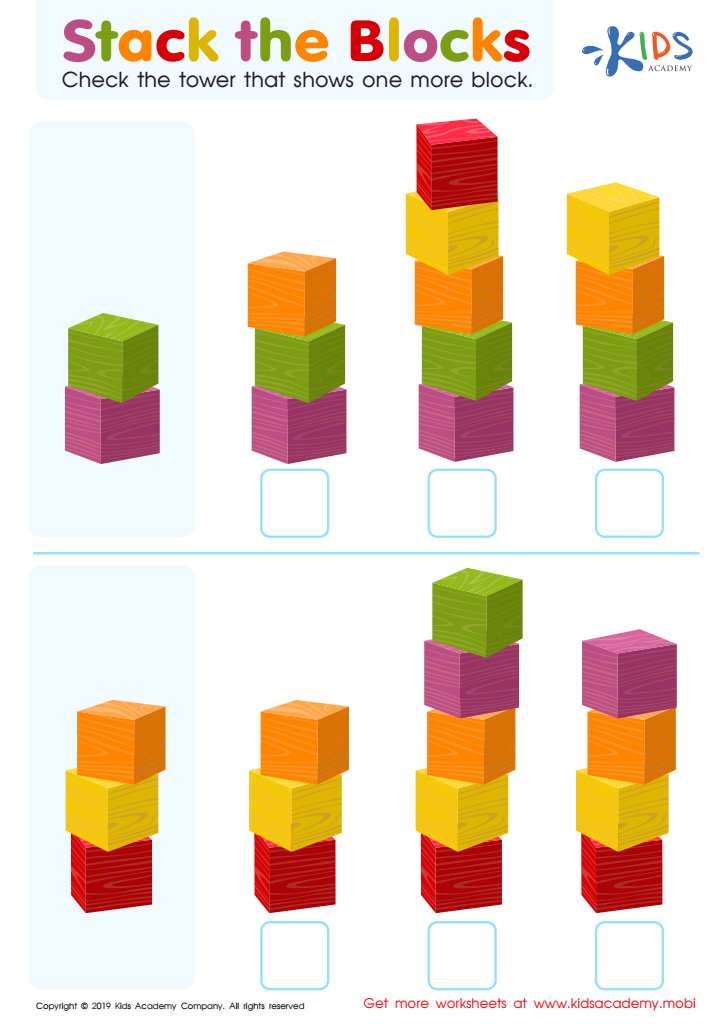
Stack the Blocks Worksheet
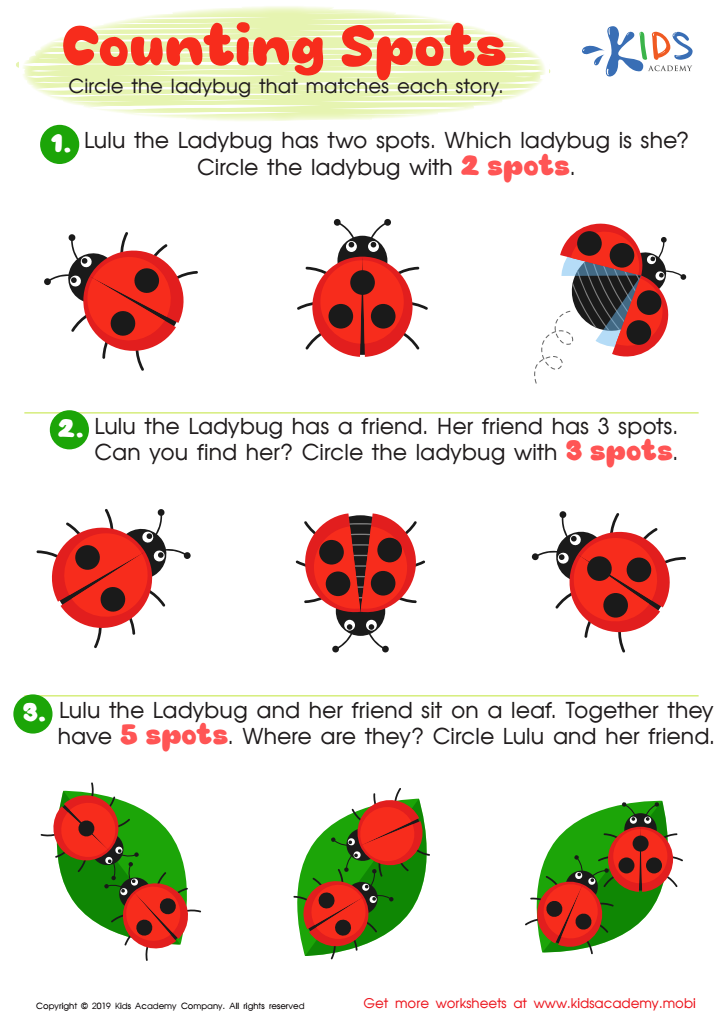
Counting Spots Worksheet
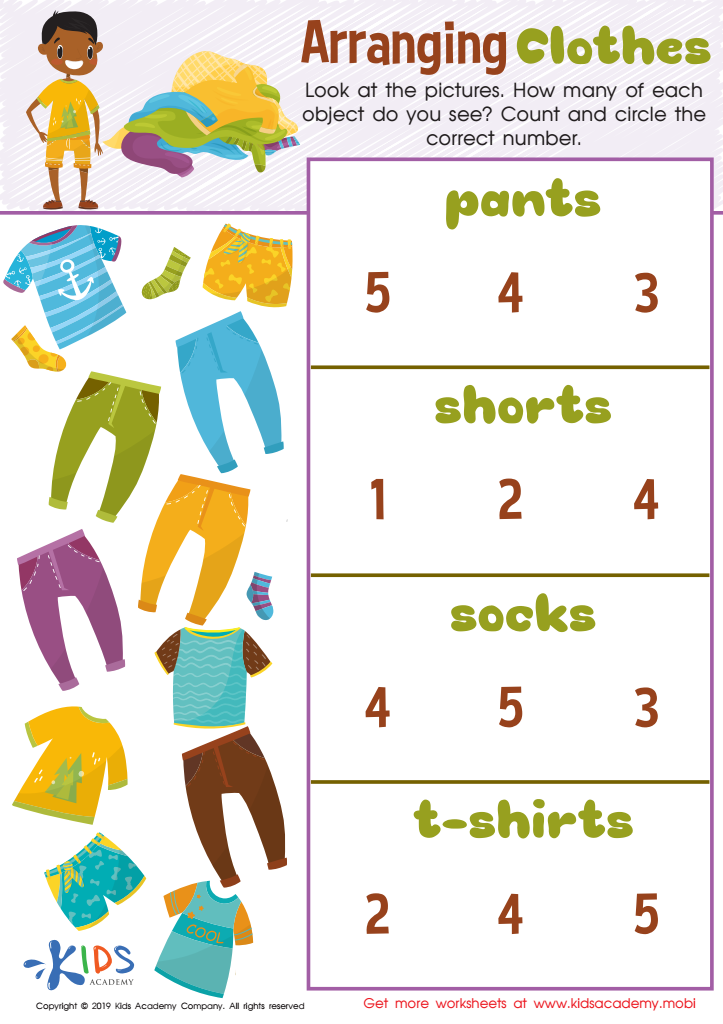
Arranging Clothes Worksheet
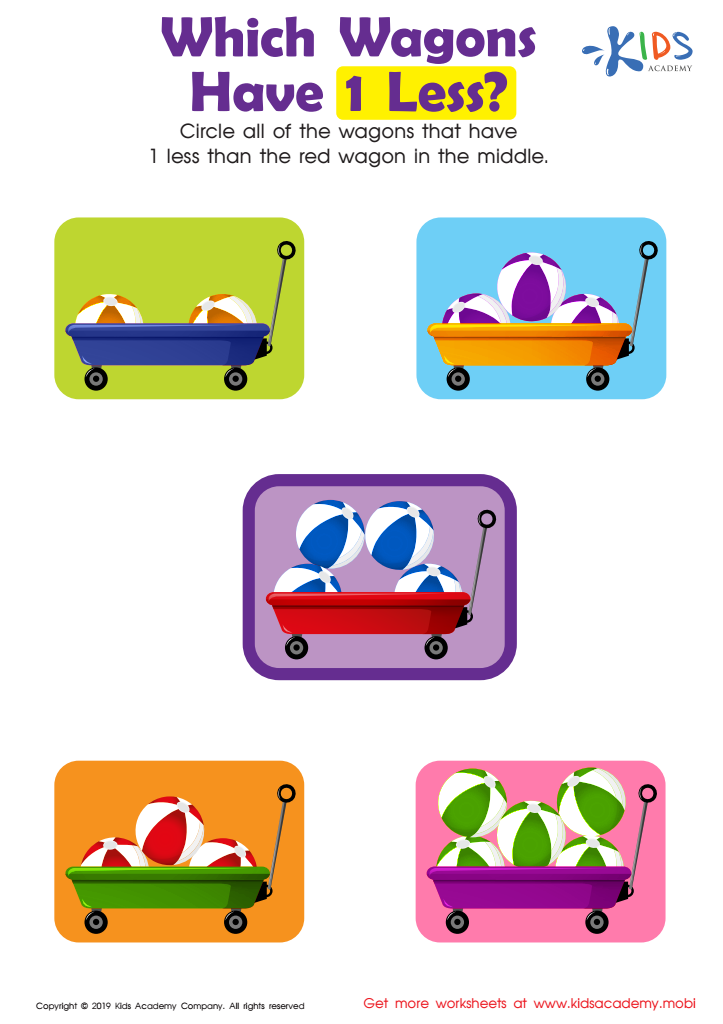
Which Wagons Have 1 Less? Worksheet
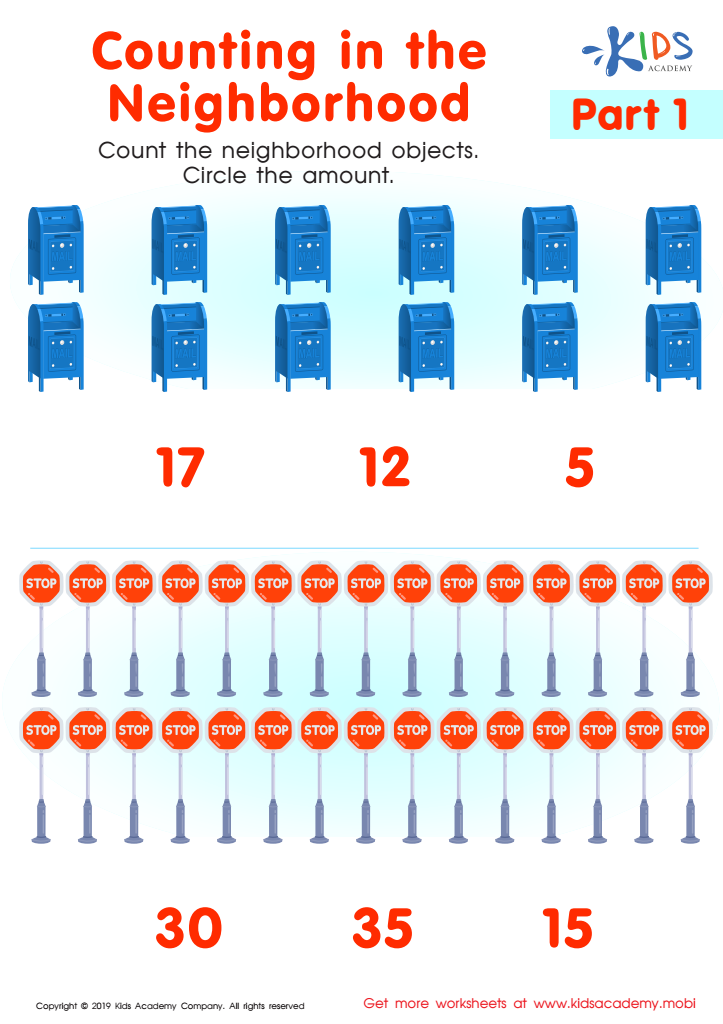
Counting in the Neighborhood Part1 Worksheet
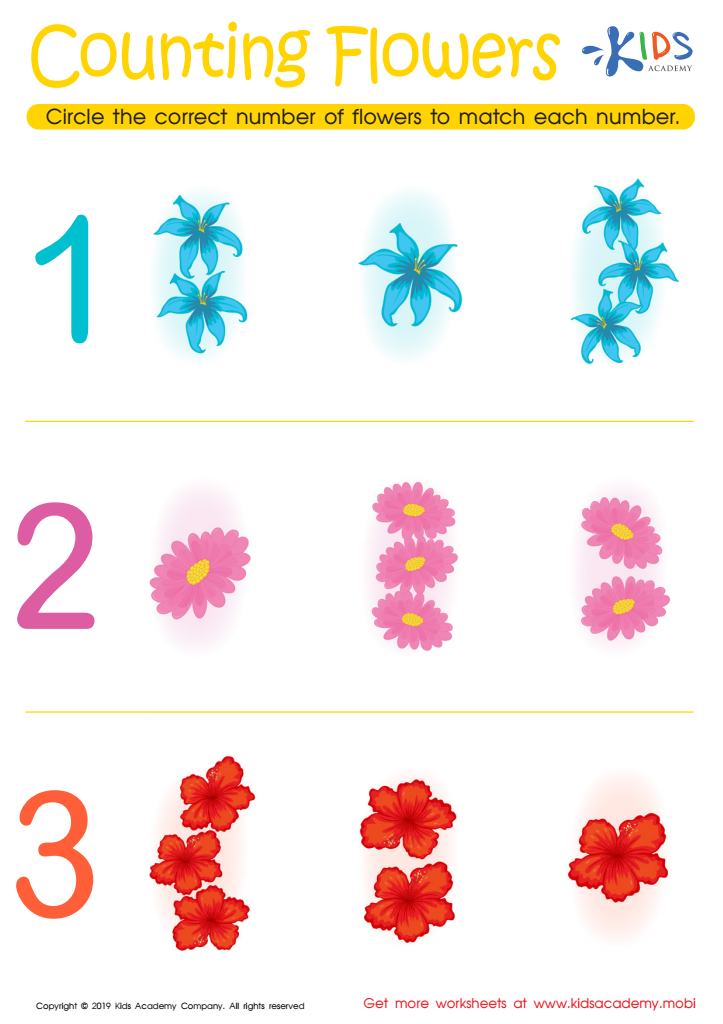
Counting Flowers Worksheet
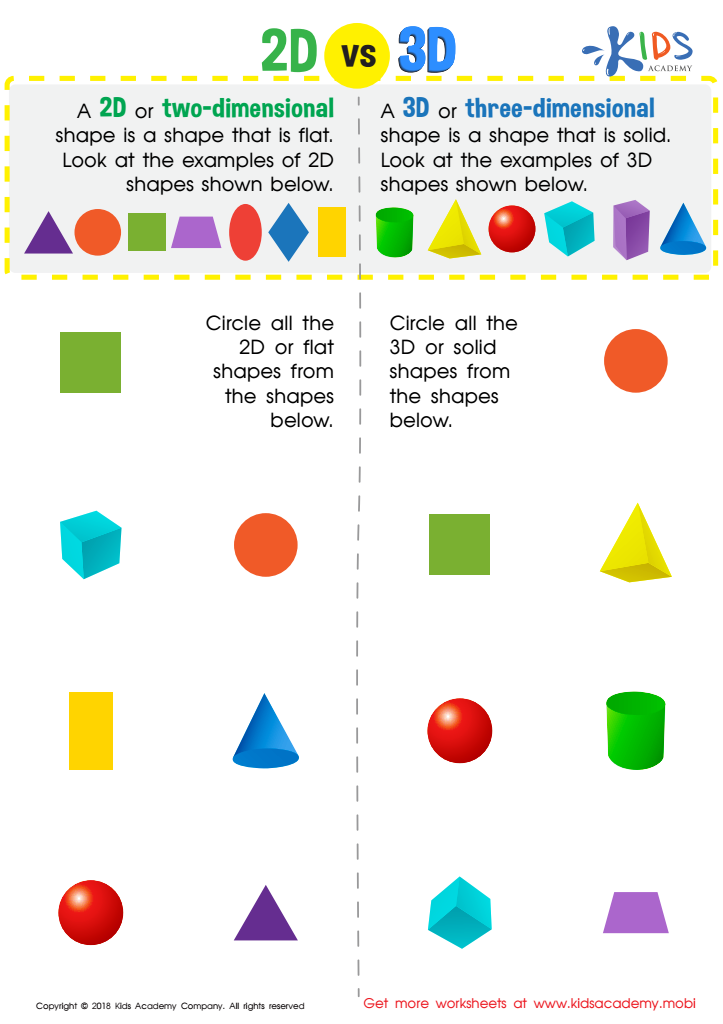
2D vs 3D Shapes Worksheet
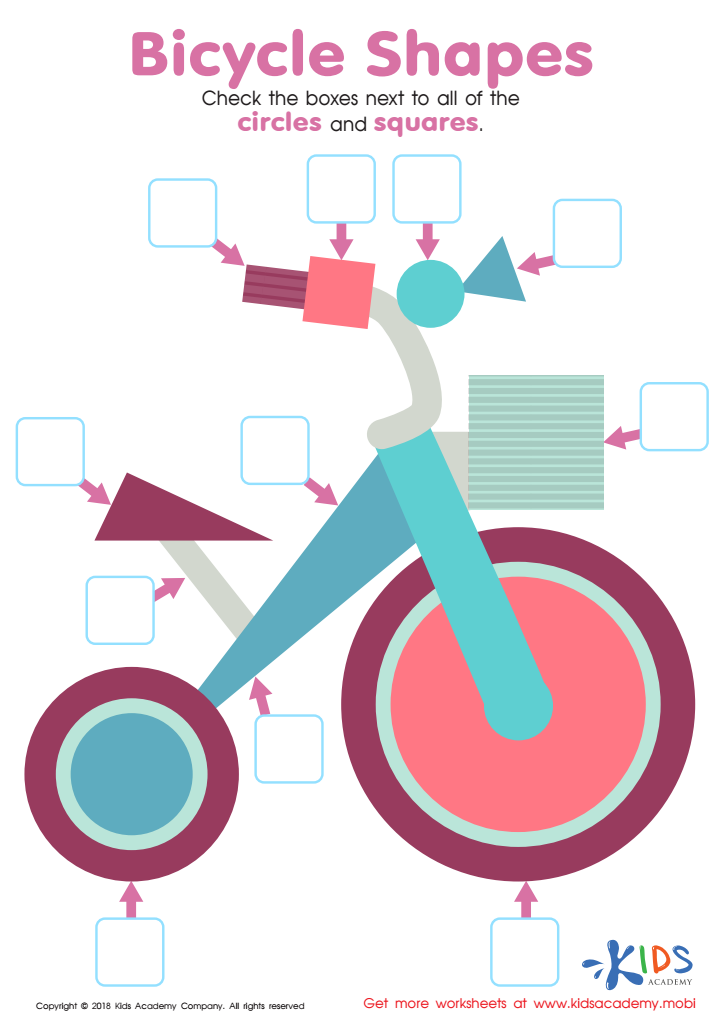
Bicycle Shapes Worksheet
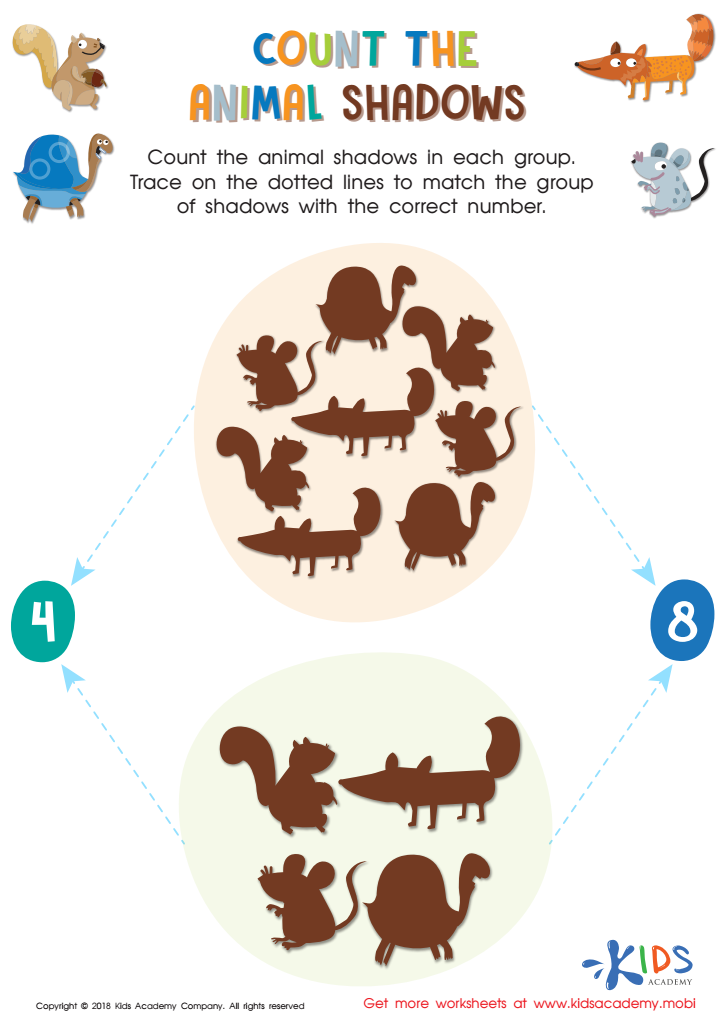
Count the Animal Shadows Worksheet
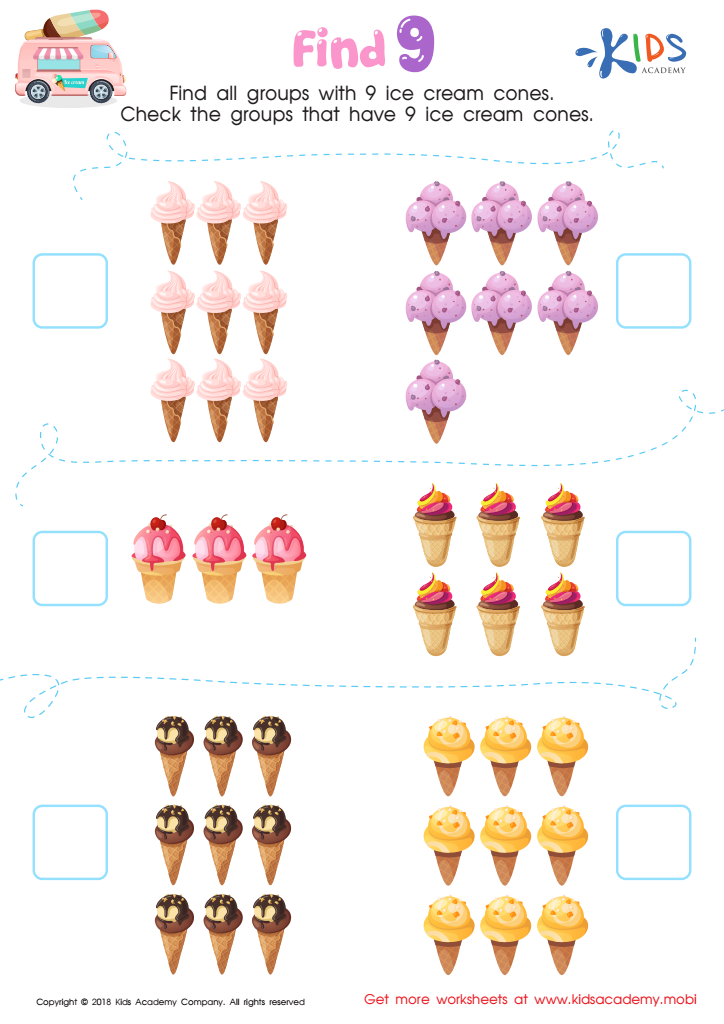
Find 9 Worksheet
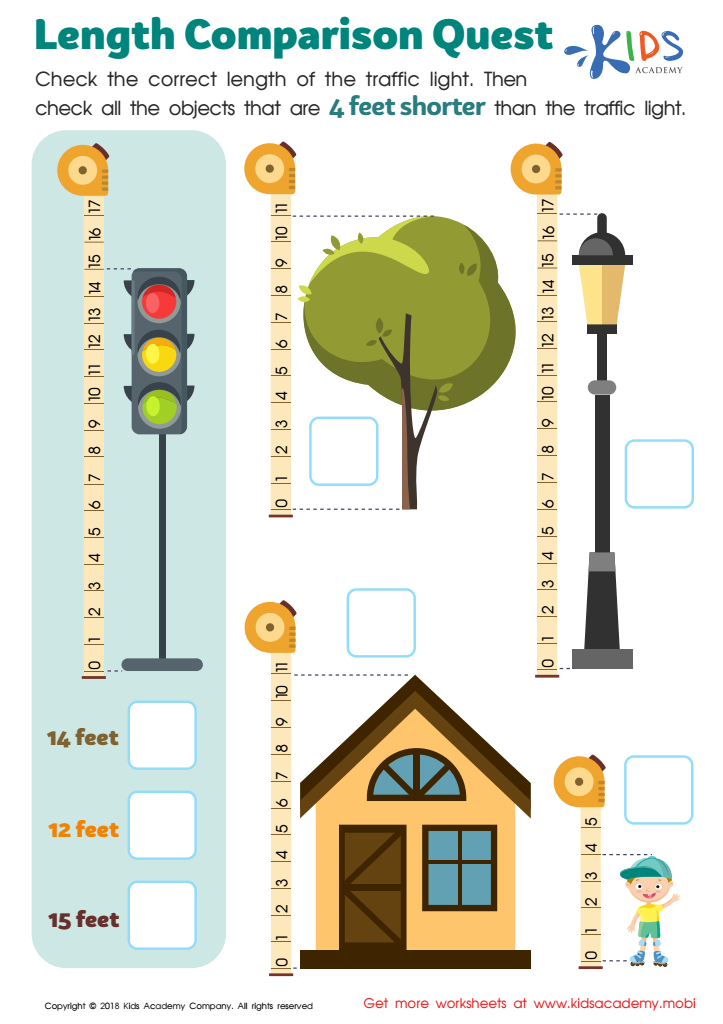
Length Comparison Quest Worksheet
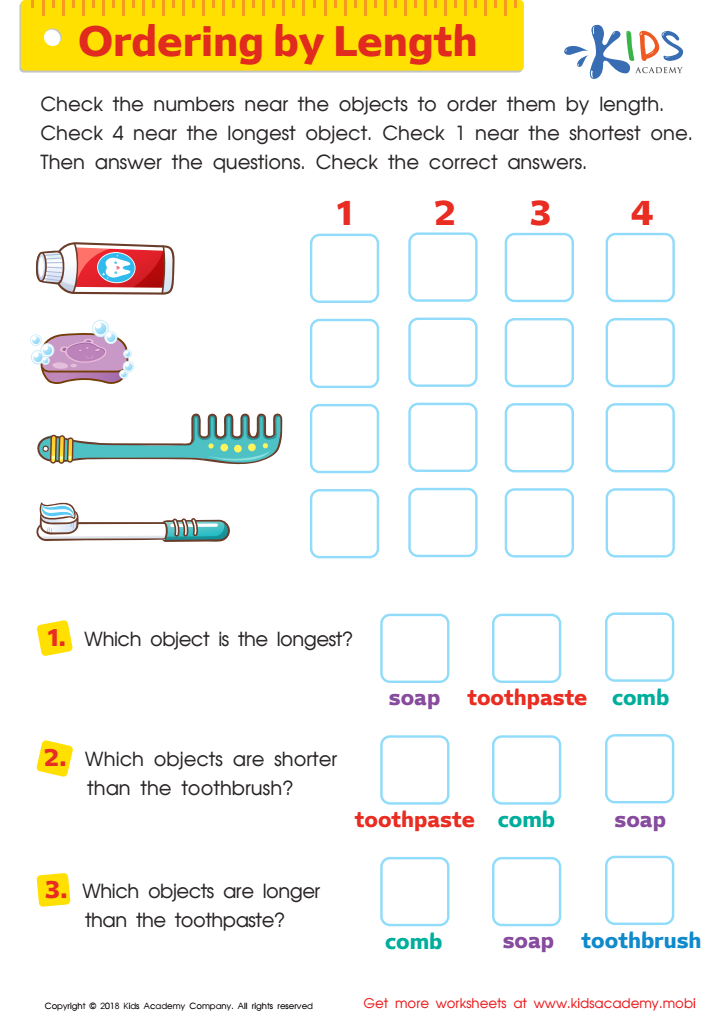
Ordering by Length Worksheet
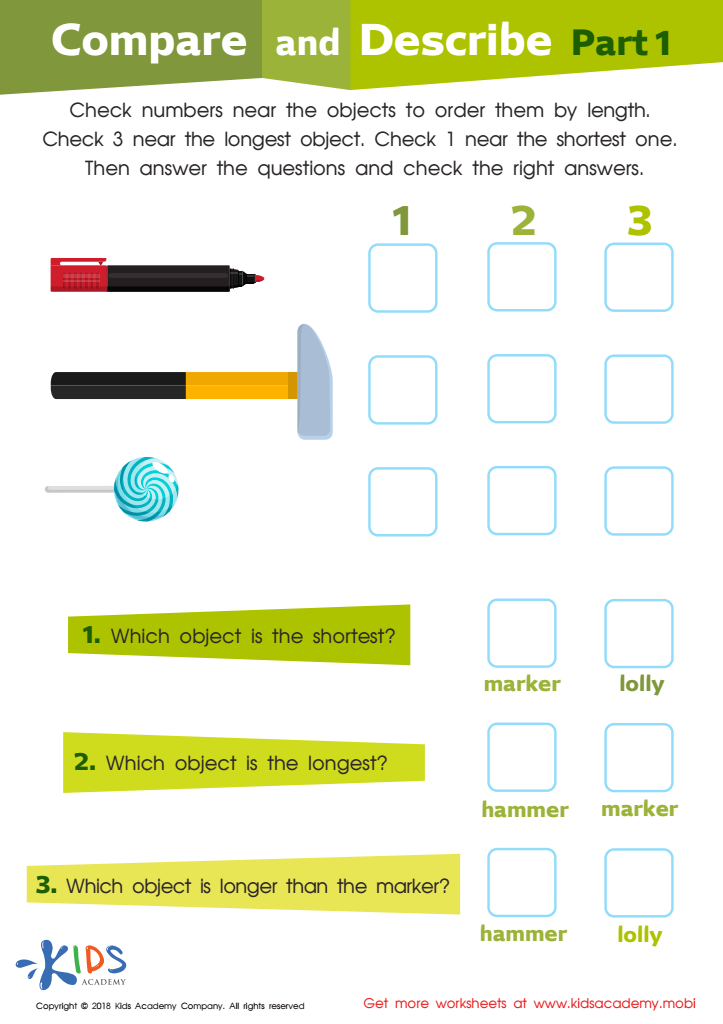
Compare and Describe: Part 1 Worksheet
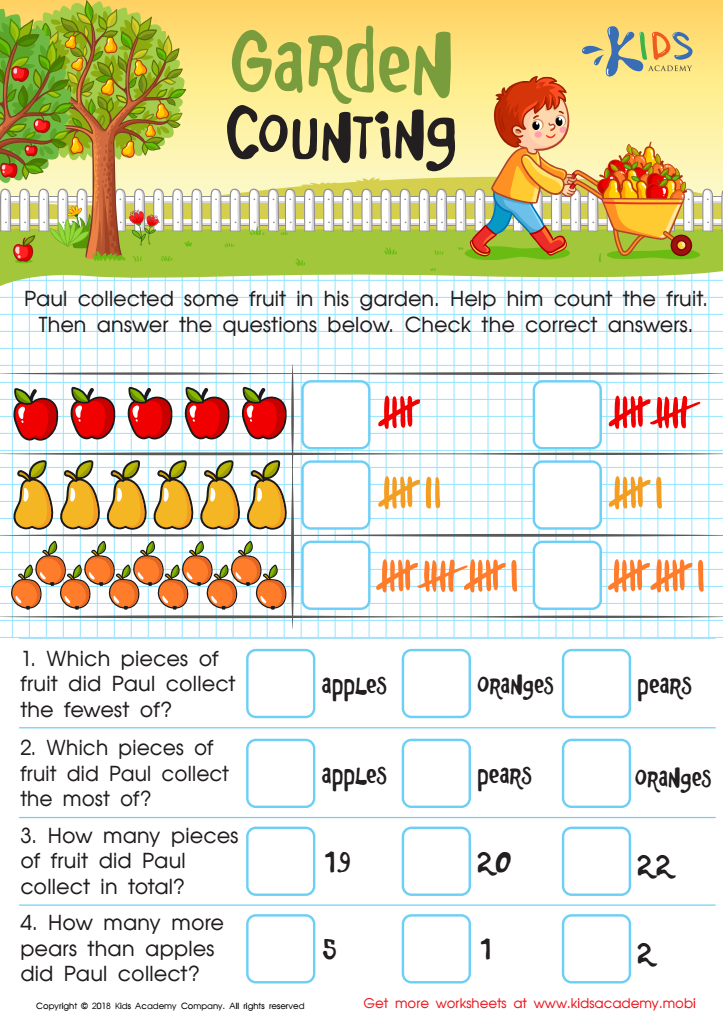
Garden Counting Worksheet
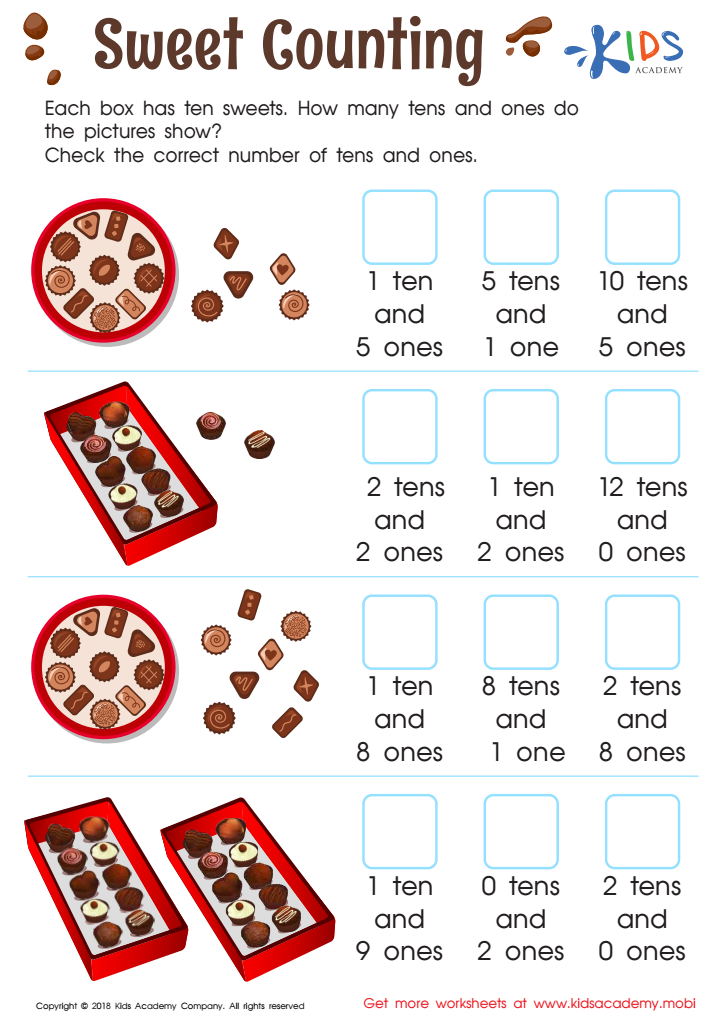
Sweet Counting - Part 2 Worksheet





.jpg)


Visual perception skills are crucial for young children, especially those aged 6-9, because these skills significantly impact their ability to understand and engage with mathematical concepts. Visual perception involves the brain’s ability to make sense of what the eyes see, playing a key role in recognizing patterns, understanding spatial relationships, and processing numerical information.
When children develop strong visual perception skills, they are better equipped to interpret math problems and visualize solutions. For instance, understanding shapes and sizes, recognizing patterns and sequences, and accurately assessing spatial problems all rely on these skills. This foundation enhances their grasp of more complex mathematical concepts as they progress through school.
Parents and teachers benefit by providing exercises that strengthen visual perception, such as puzzles, building blocks, and drawing activities. Such practice not only boosts mathematical understanding but also improves other cognitive areas, including memory, attention, and problem-solving capabilities.
Children with underdeveloped visual perception may struggle with basic math, leading to frustration and a lack of confidence. Therefore, by prioritizing these skills early, parents and teachers can foster a more positive and successful learning experience, setting children on a path to academic excellence and a lifelong appreciation for mathematics.








