Reading Worksheets for Ages 6-9 - Page 17
450 filtered results
-
From - To
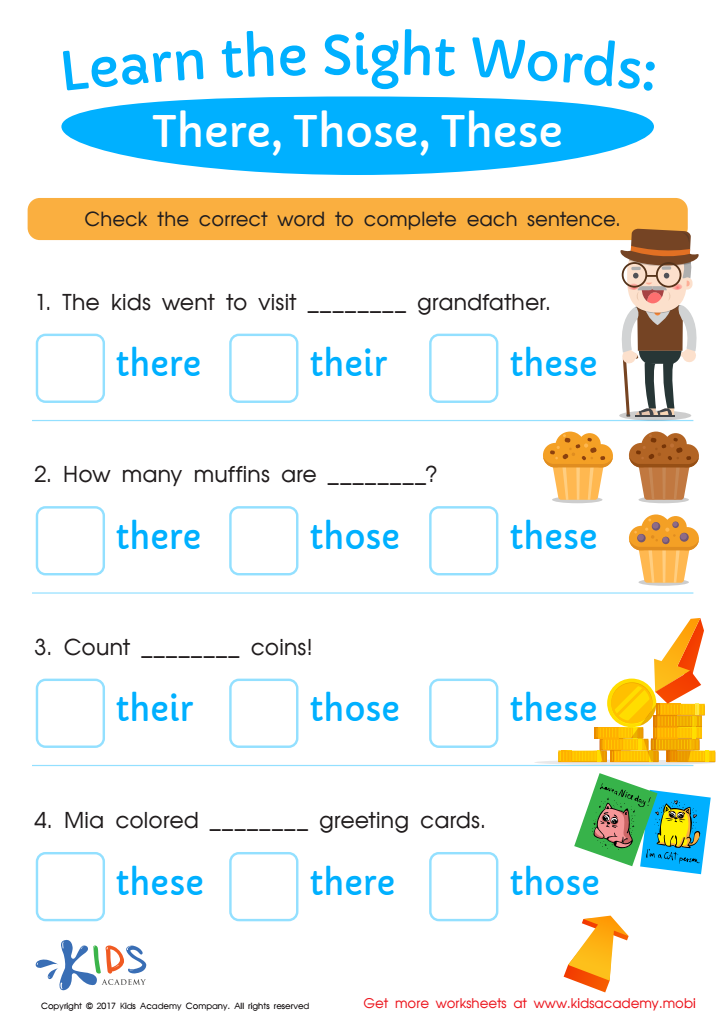
There, Those and These Sight Words Worksheet
 Assign to My Students
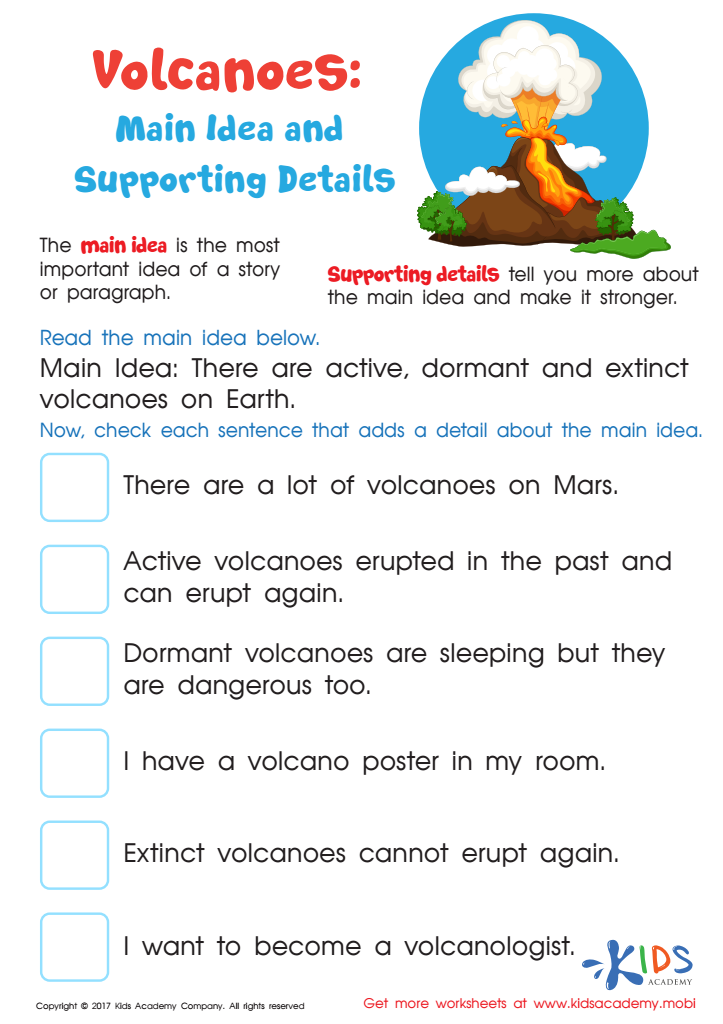
Volcano Facts Worksheet
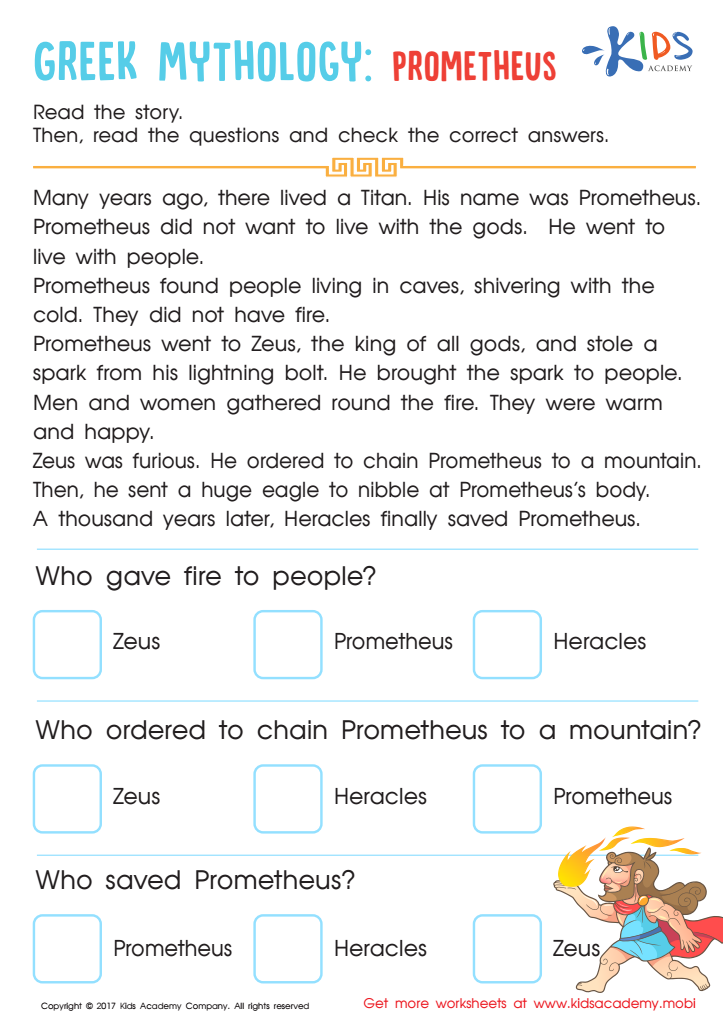
Prometheus Story Worksheet
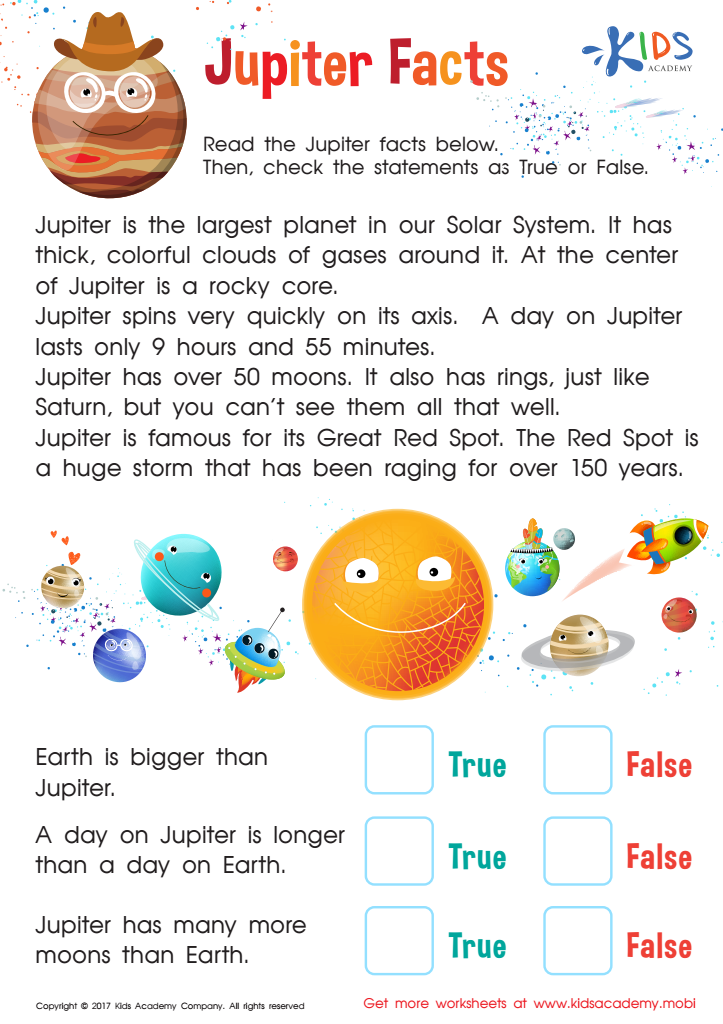
Jupiter Facts Worksheet
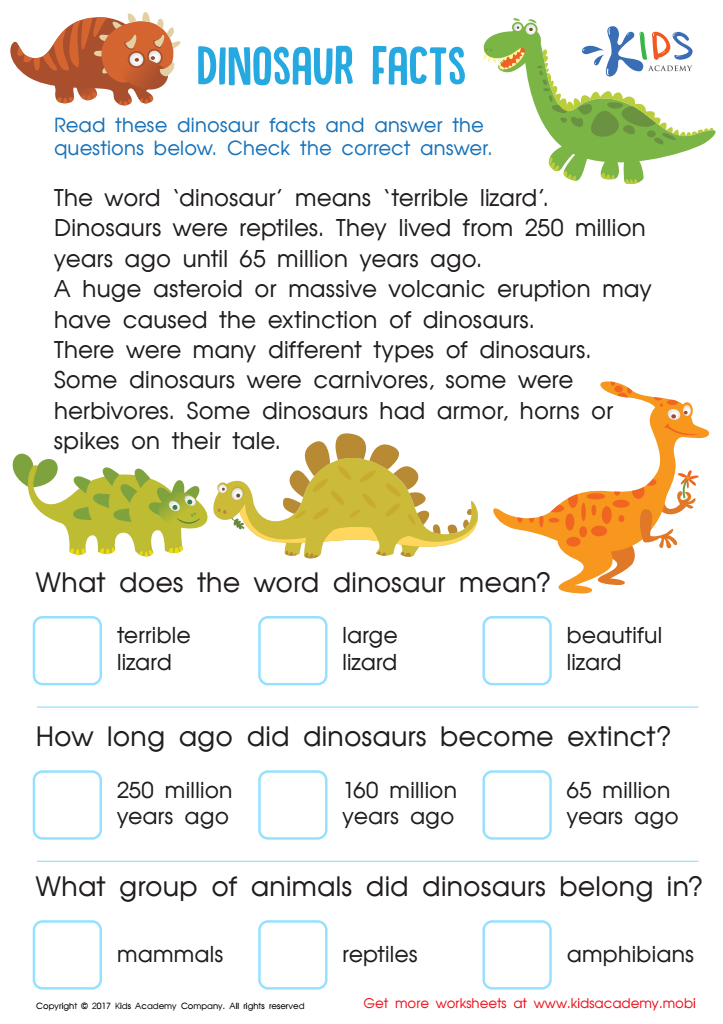
Dinosaur Facts Worksheet
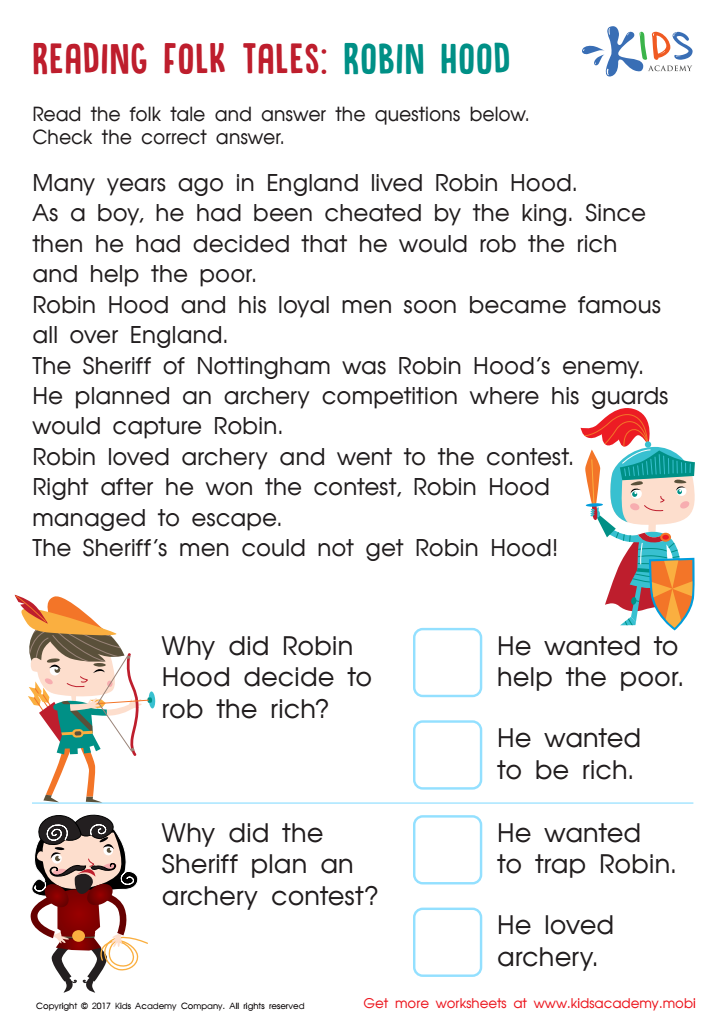
Robin Hood Folktale Worksheet
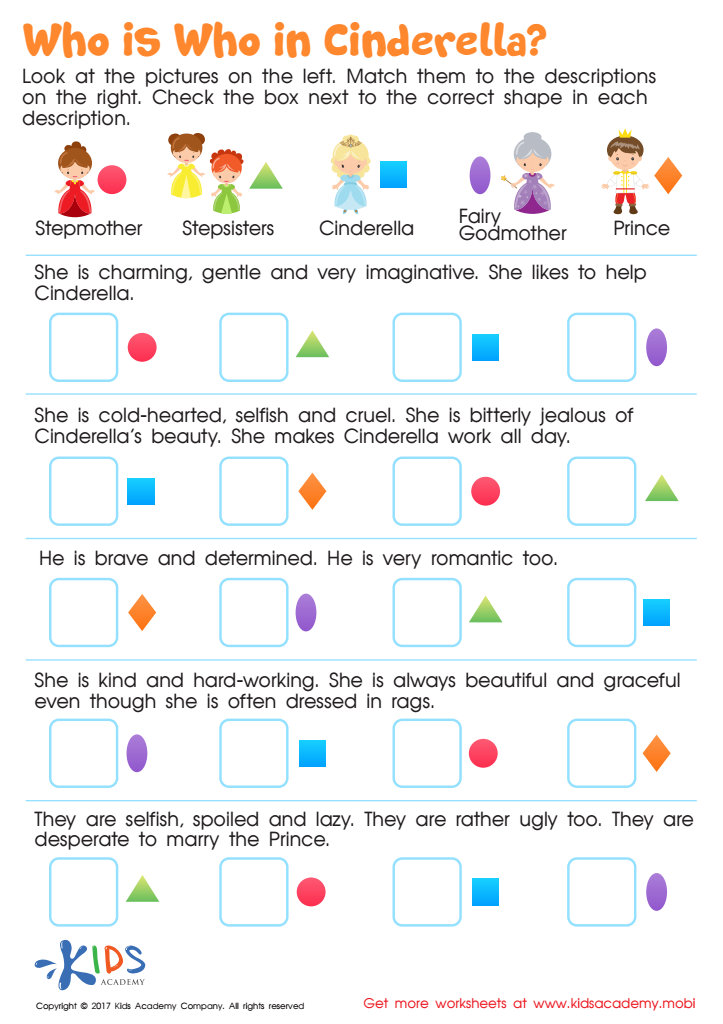
Cinderella Comprehension Worksheet
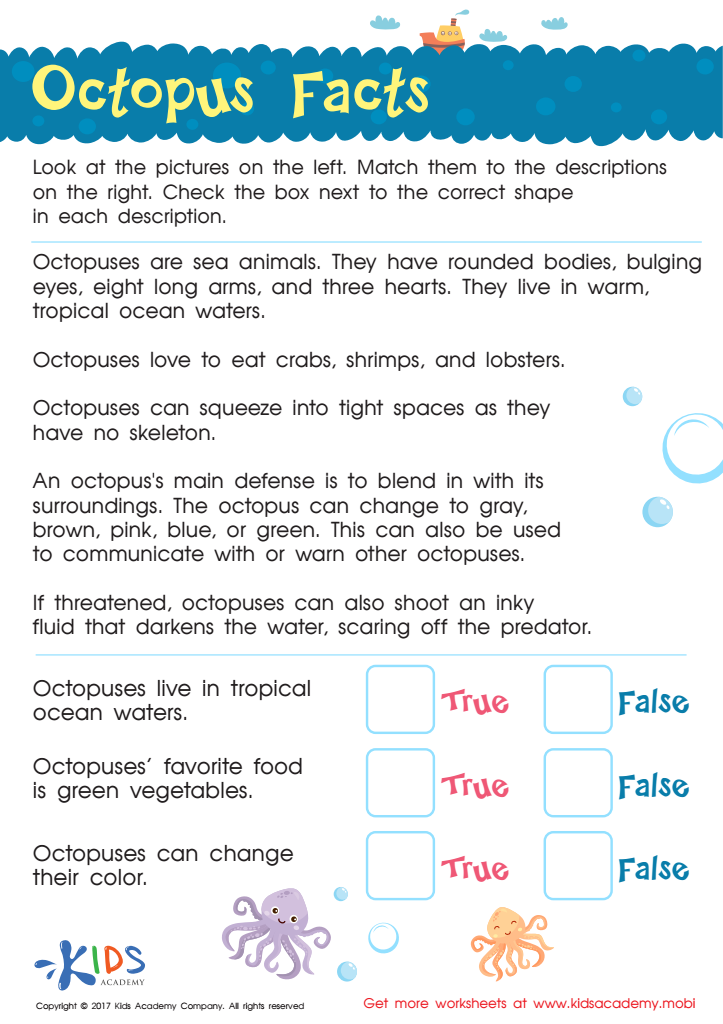
Octopus Facts Worksheet For Kids
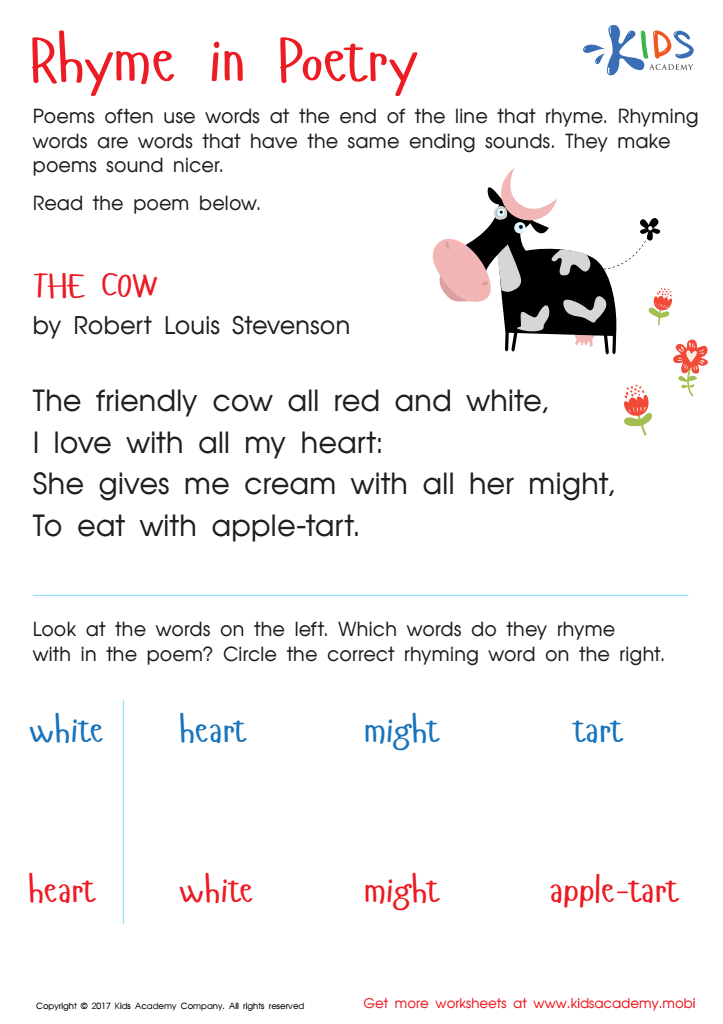
Rhyme In Poetry Worksheet
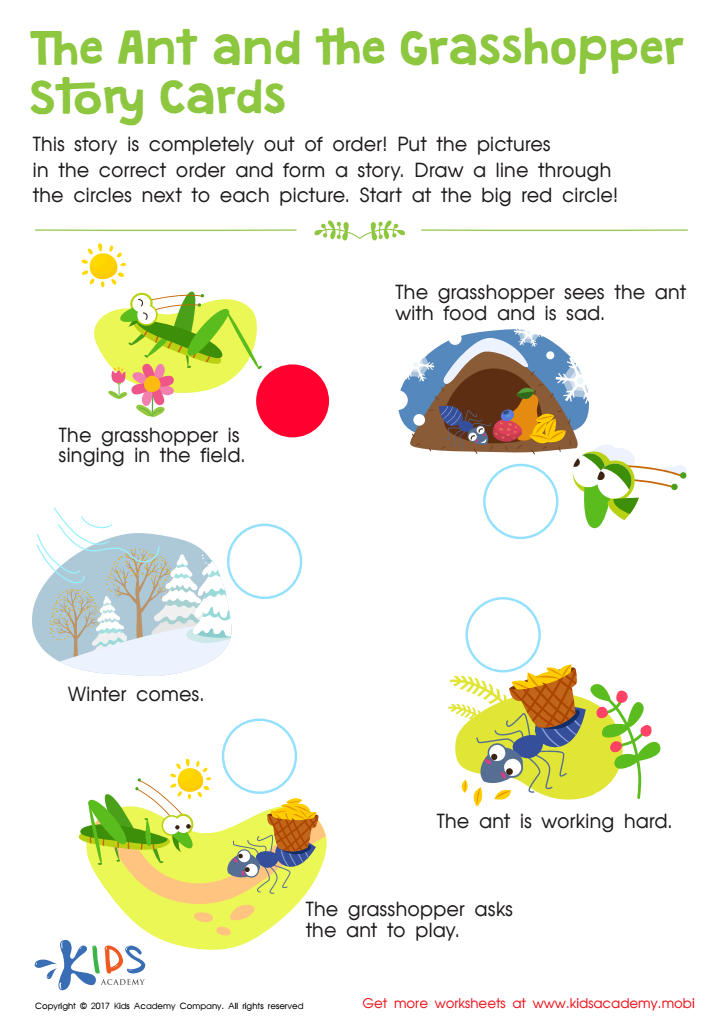
The Ant and The Grasshopper Worksheet
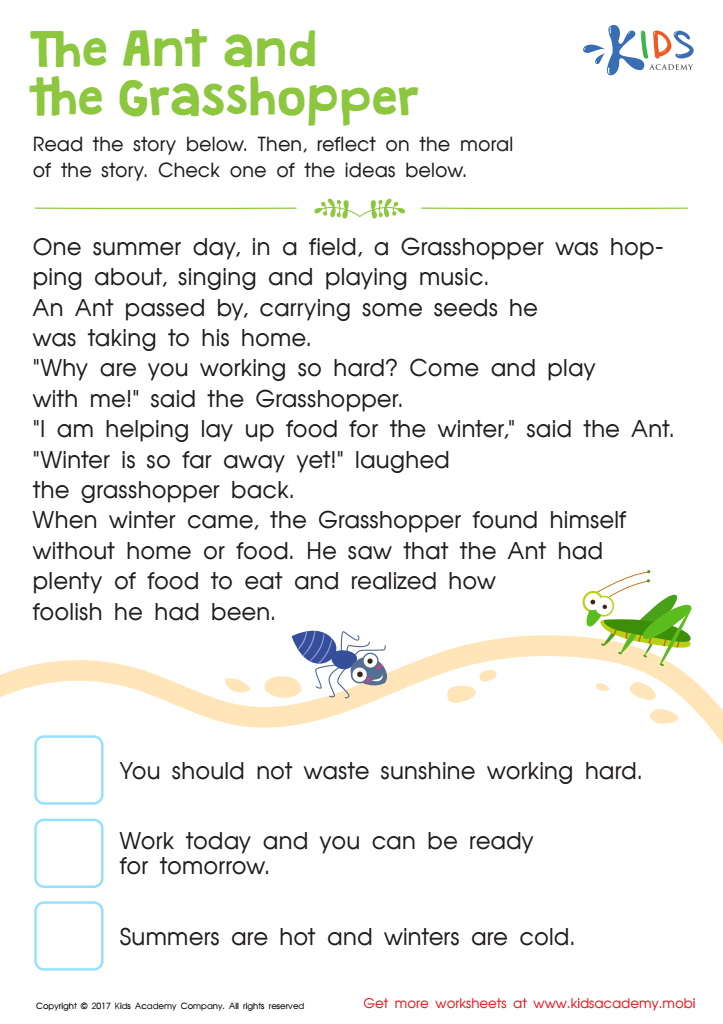
The Ant and The Grasshopper Printable
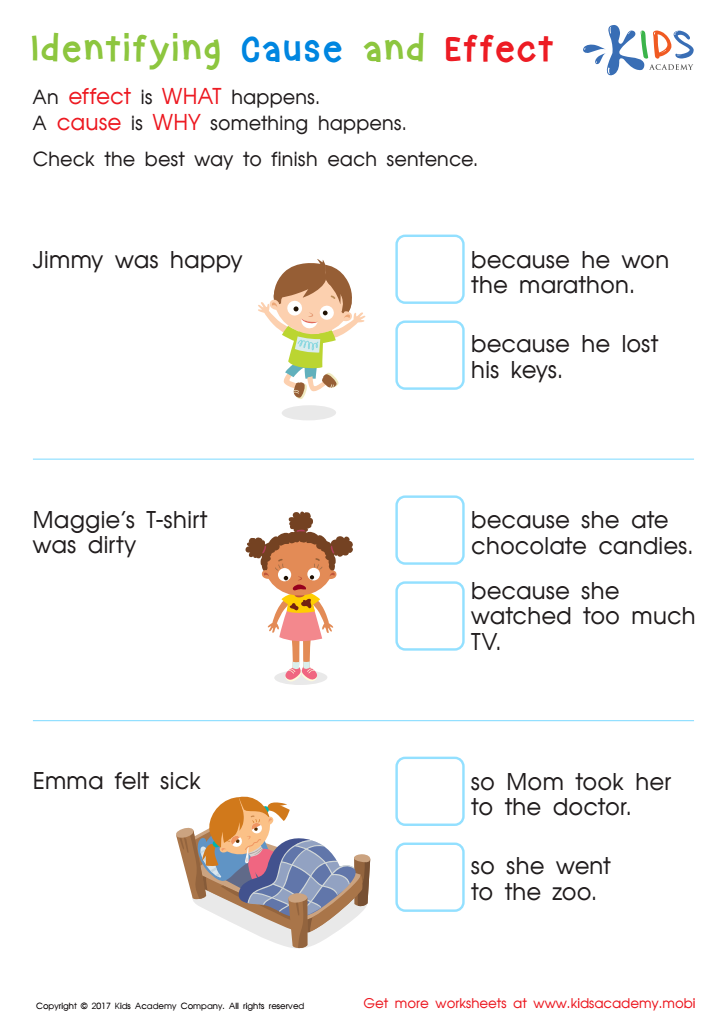
Indentifying Cause and Effect Worksheet
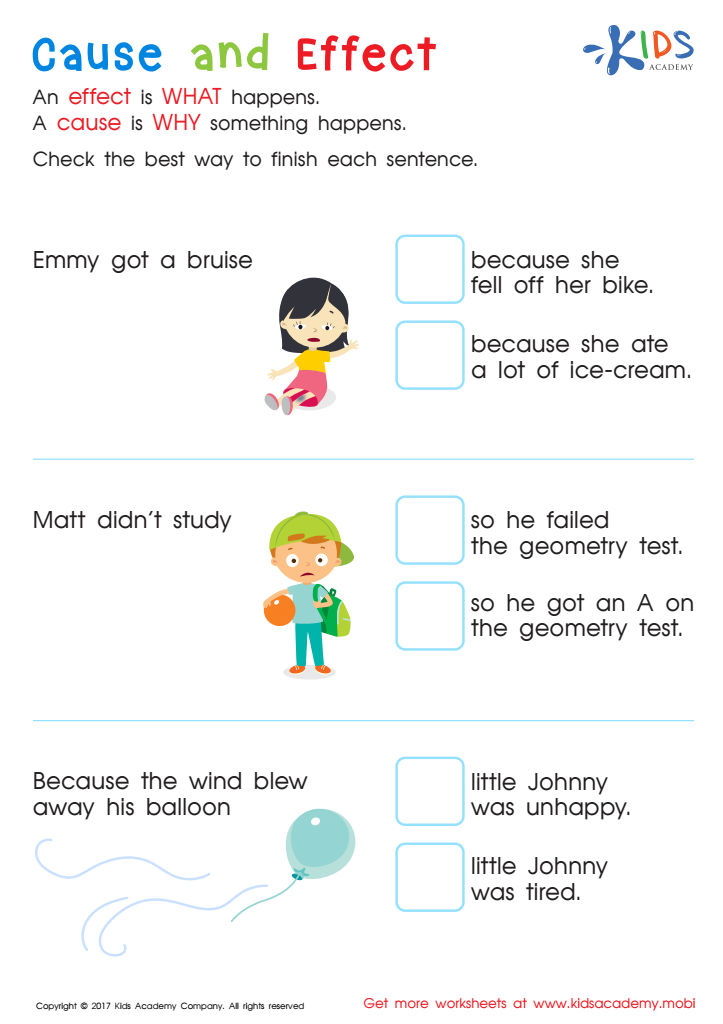
Cause and Effect Worksheet
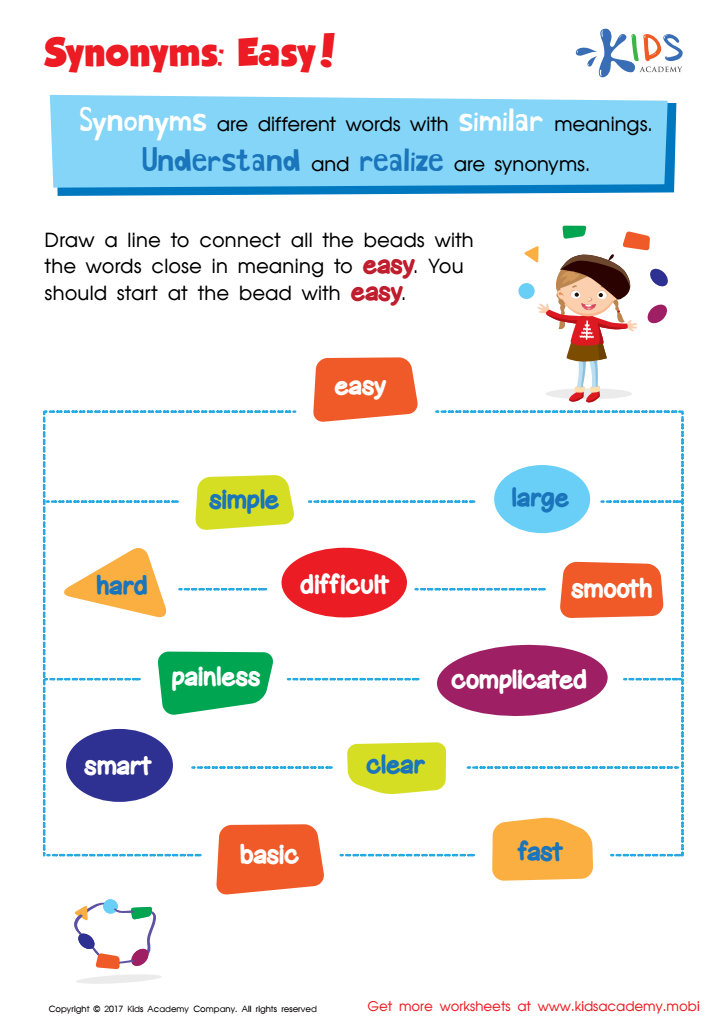
Free Synonym Worksheet
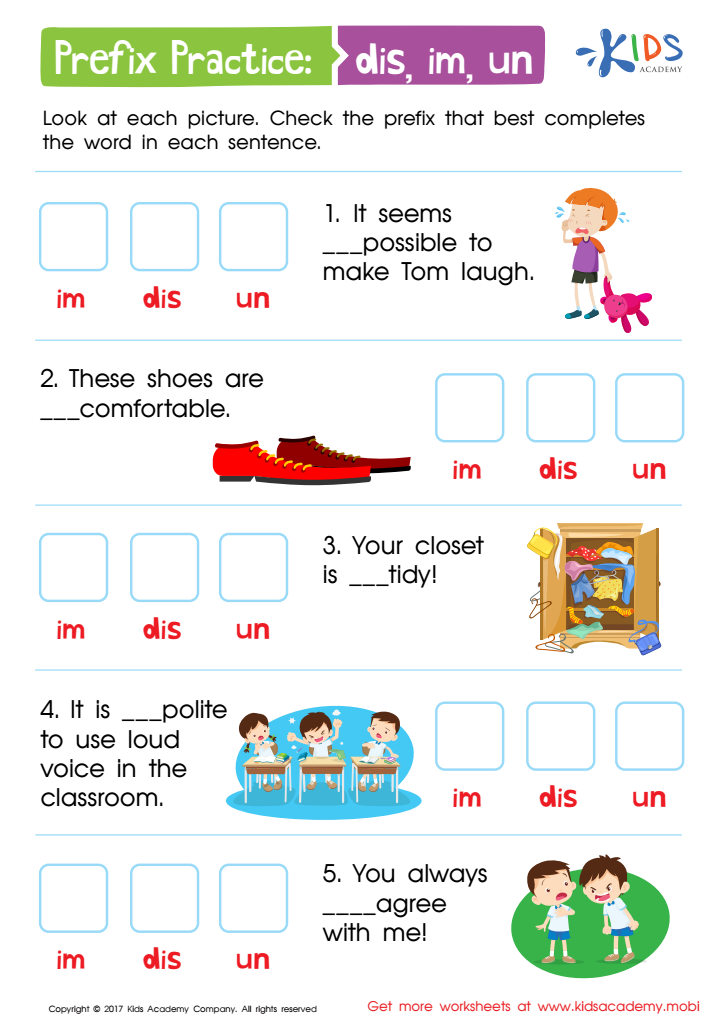
Prefix Practice Worksheet: DIS, IM, UM
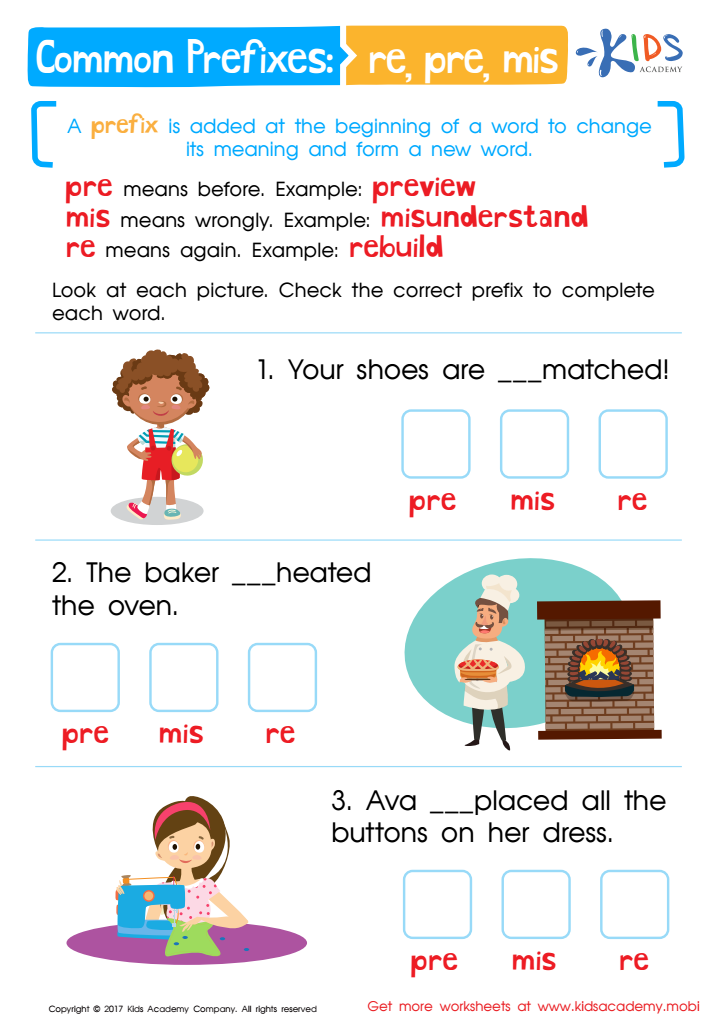
Common Prefixes Worksheet: RE, PRE, MIS
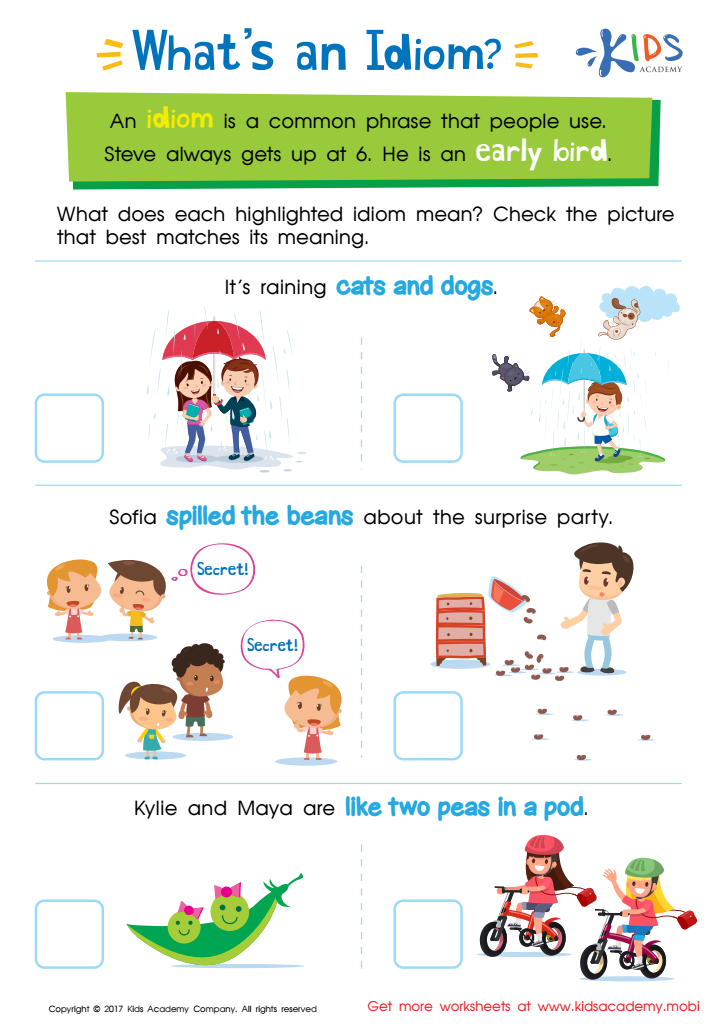
Idiom Worksheet
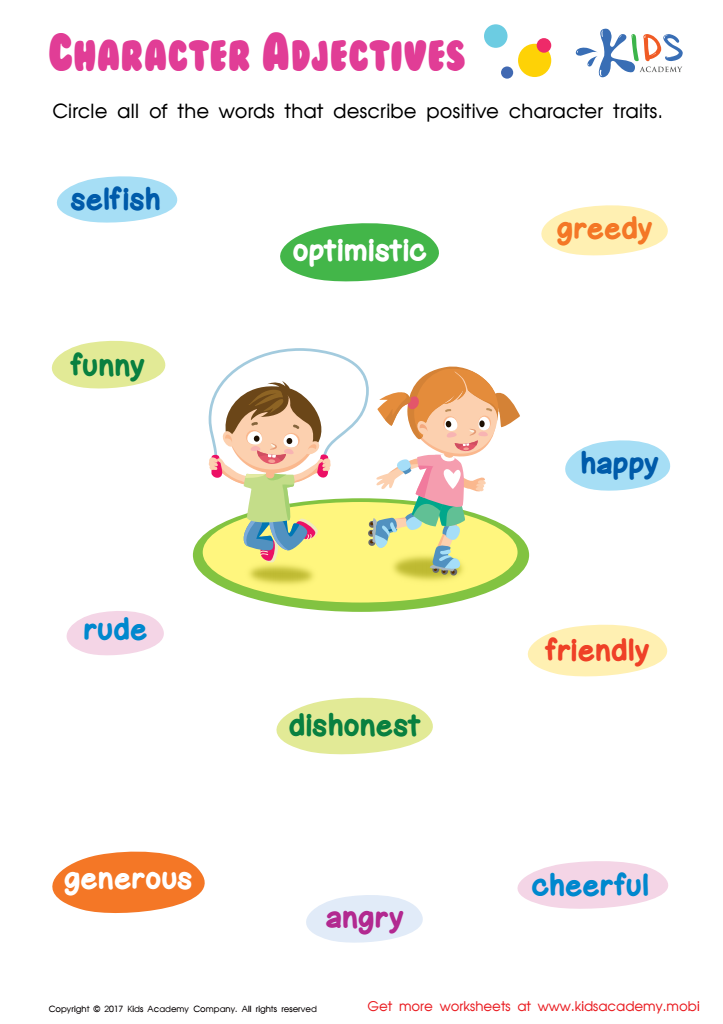
Character Adjectives Worksheet
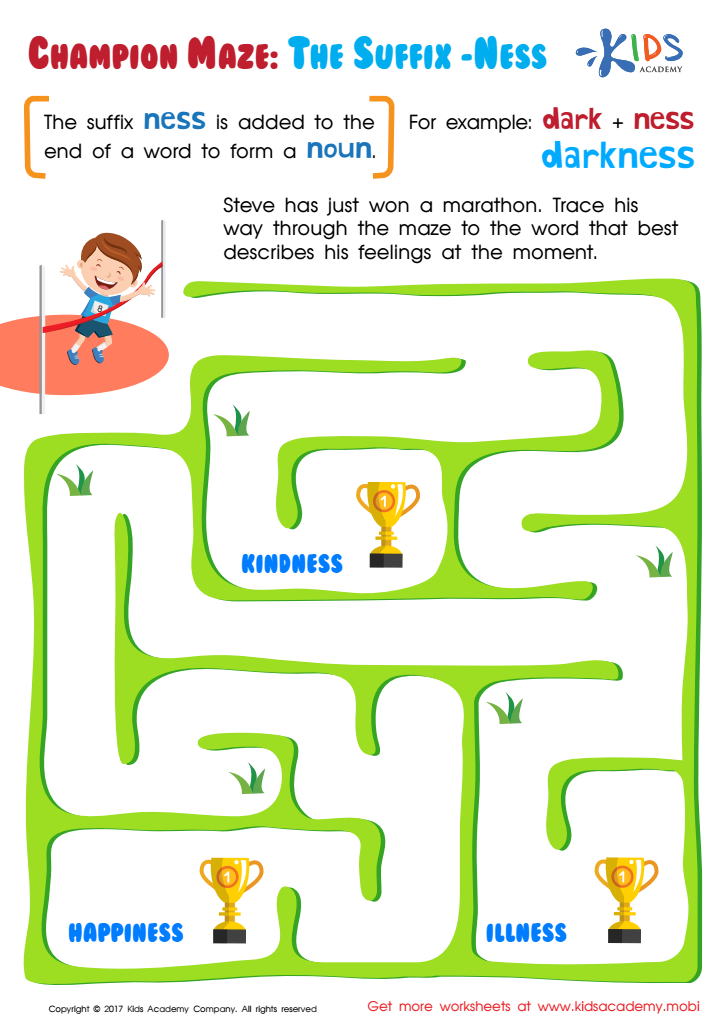
Suffix Ness Worksheet
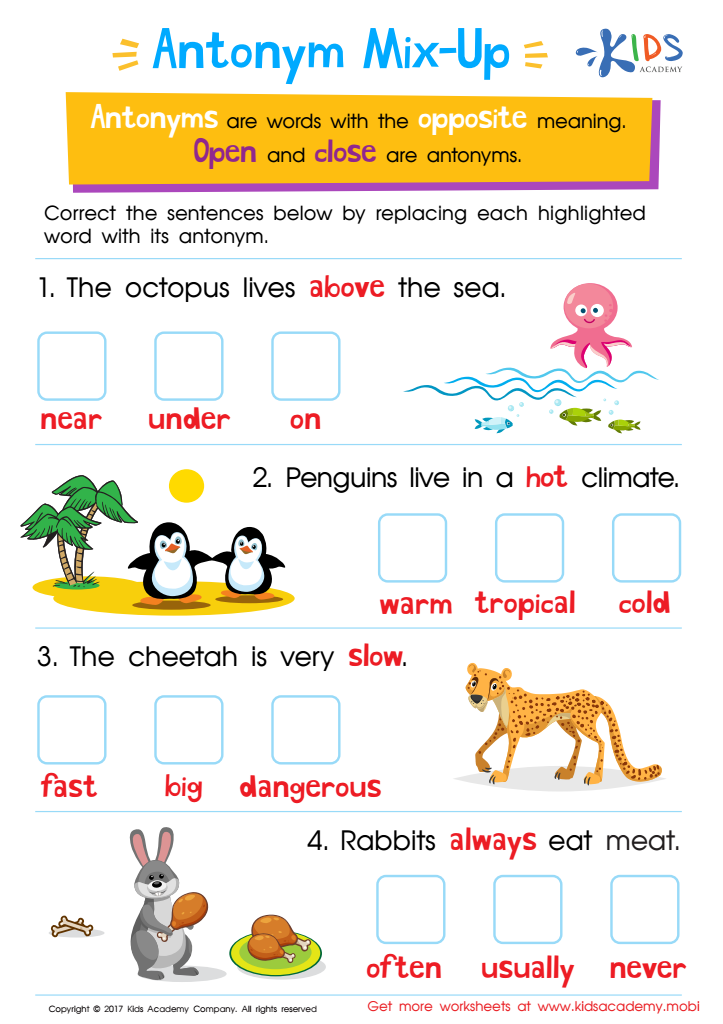
Vocabulary Antonyms Worksheet
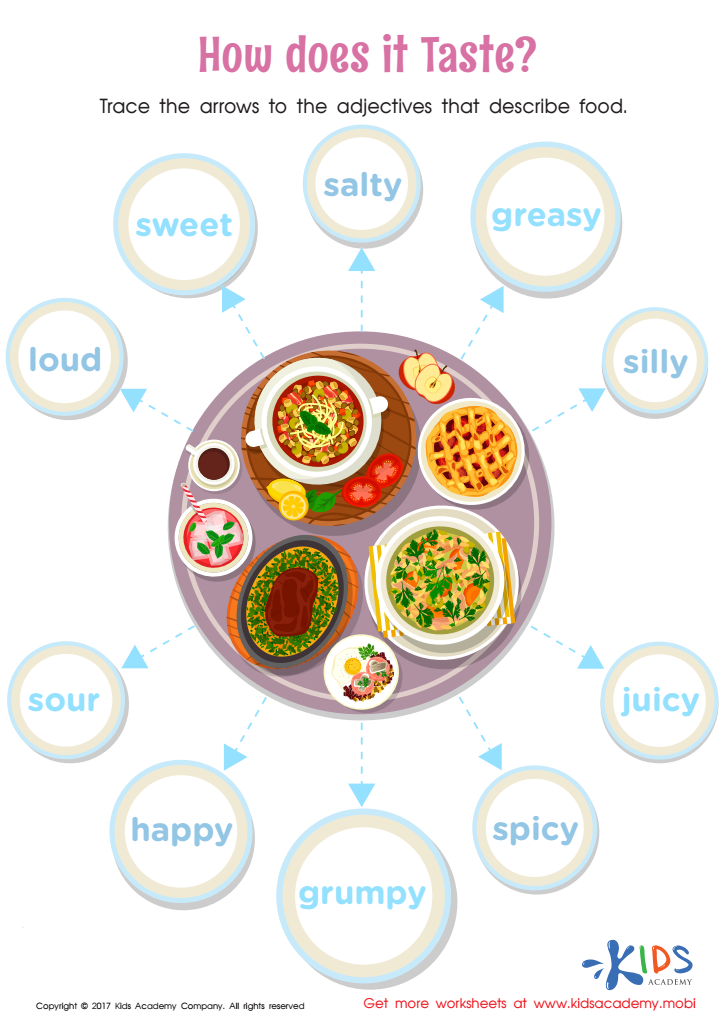
Food Adjectives Worksheet
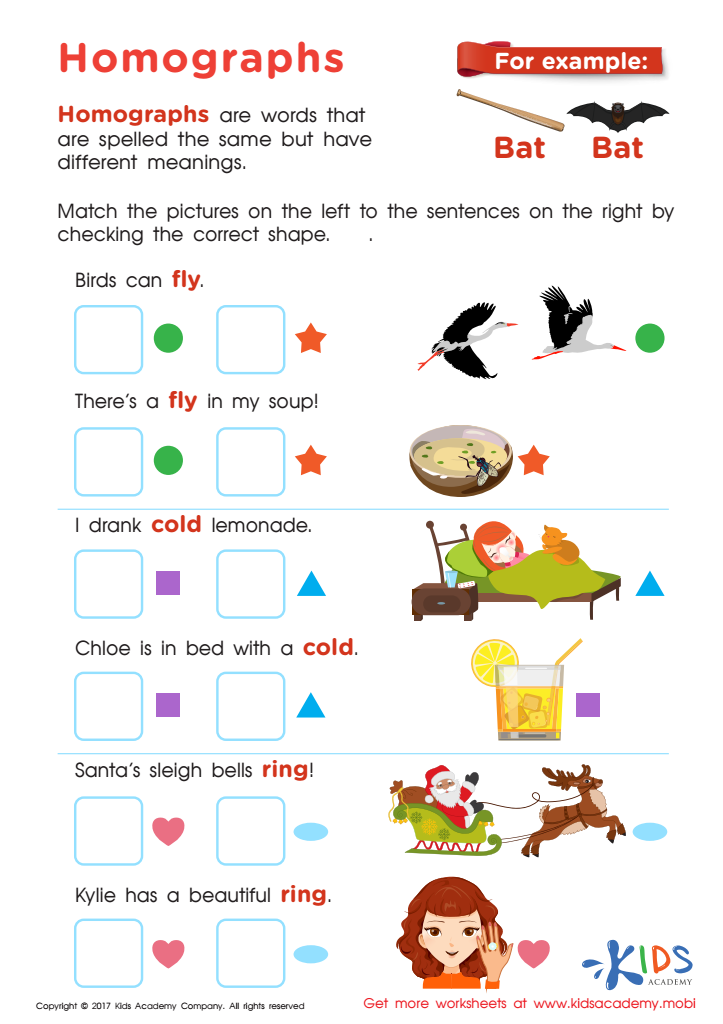
Homographs Free Printable Worksheet
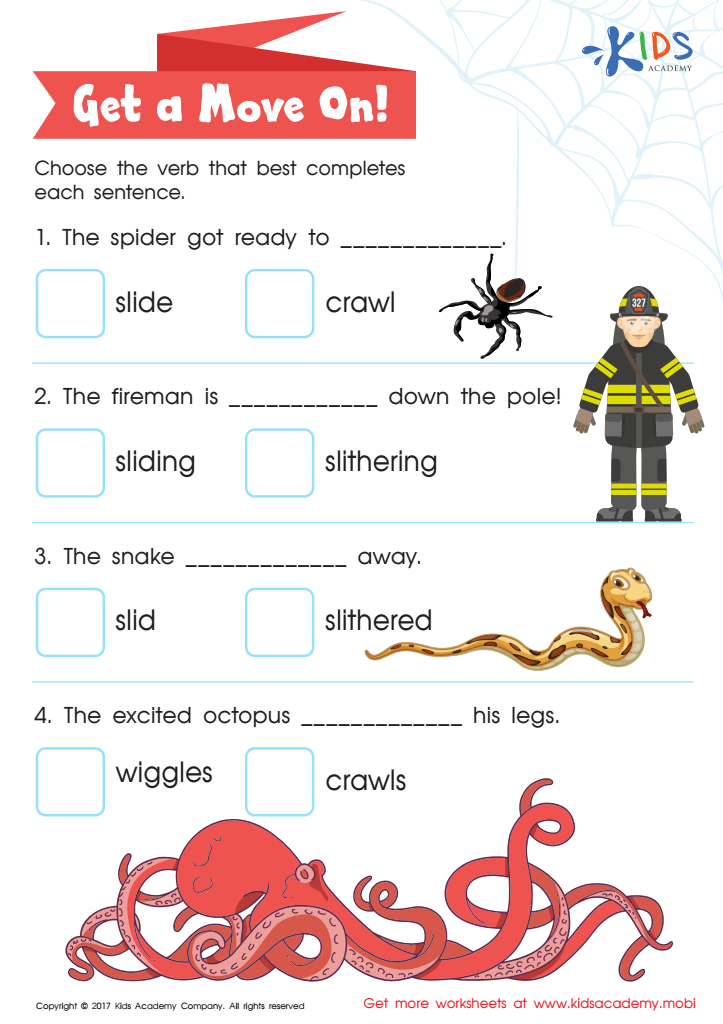
Verb Worksheet
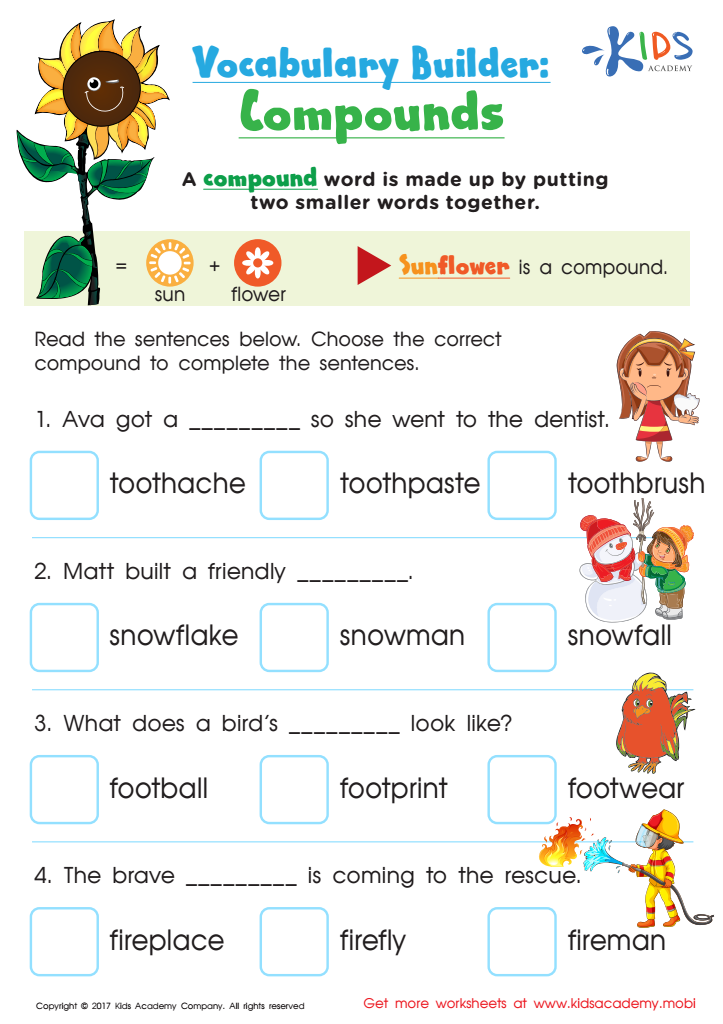
Compound Words Worksheet








Parents and teachers should be highly invested in reading for children aged 6-9 because this crucial developmental period lays the foundation for lifelong learning and intellectual growth. At this age, children transition from "learning to read" to "reading to learn." Developing strong reading skills can enhance their comprehension, vocabulary, and critical thinking abilities, all of which are vital for academic success across subjects.
Engaging in regular reading practices supports language development and communication skills, enabling children to express themselves more clearly and effectively. Additionally, reading can stimulate imagination, encourage empathy by exposing children to diverse perspectives, and provide opportunities for bonding through shared stories and discussions.
From an educational perspective, early reading proficiency directly correlates with higher academic achievement in later years. Students who struggle with reading might experience challenges in other areas of their education due to limited understanding of instructional materials. Moreover, fostering a love for reading at an early age encourages a habit of lifetime learning, curiosity, and continued personal development.
Thus, parents and teachers play a pivotal role in nurturing these skills by providing access to quality reading materials, creating positive reading experiences, and showing enthusiasm for reading themselves, which sets a powerful example for children to follow.








