Reading Non-Fiction Worksheets for Ages 6-9
89 filtered results
-
From - To
Welcome to our engaging and educational "Reading Non-Fiction Worksheets" designed specifically for children ages 6-9! These worksheets encourage young learners to explore the fascinating world of real-life subjects through captivating texts. With a variety of activities including comprehension questions, recall exercises, and creative prompts, these resources help improve reading skills while expanding knowledge about animals, history, science, and more. Our user-friendly format and vibrant illustrations keep students motivated and inspired. Perfectly aligned with educational standards, these worksheets are ideal for both classroom use and at-home learning. Dive into the joys of non-fiction reading and watch your child's understanding grow!
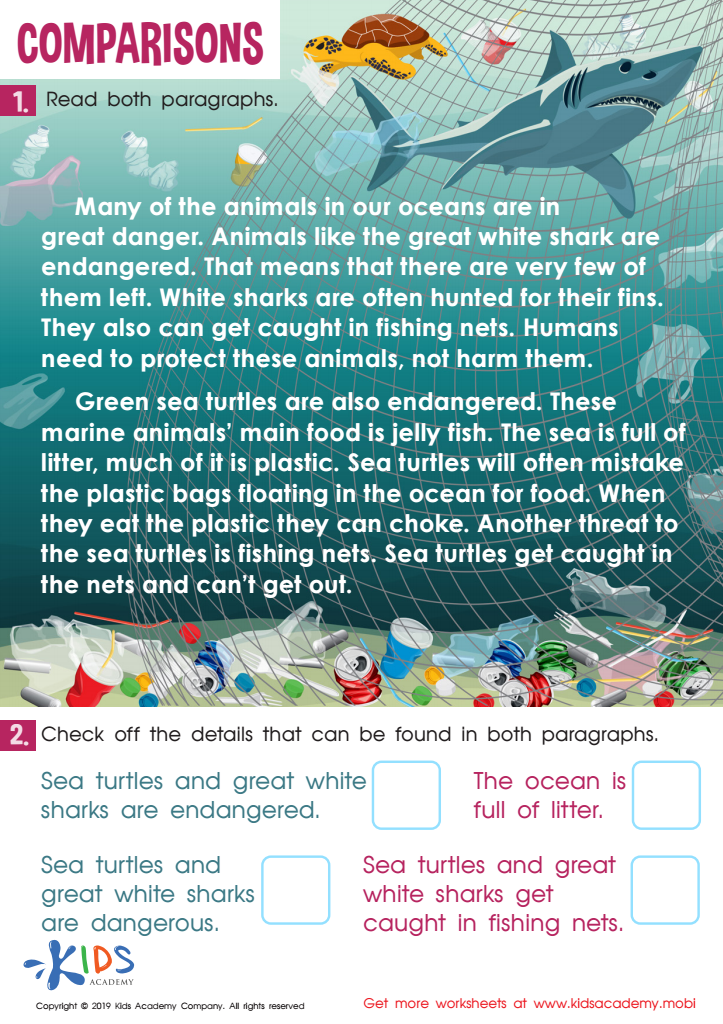
Comparisons Worksheet
 Assign to My Students
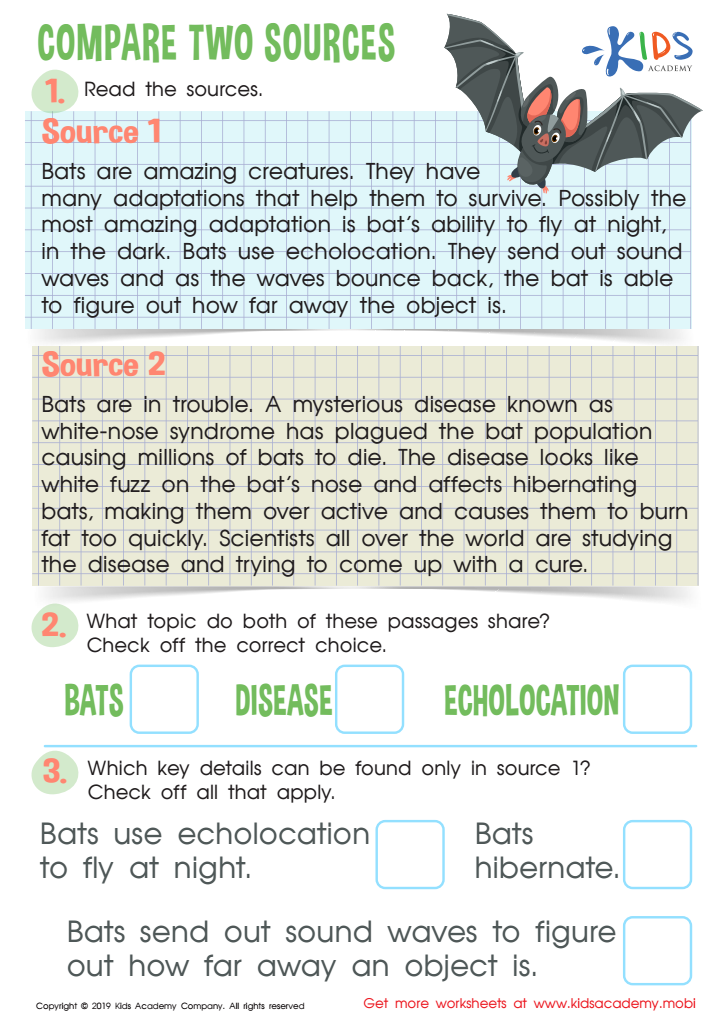
Compare Two Sources Worksheet
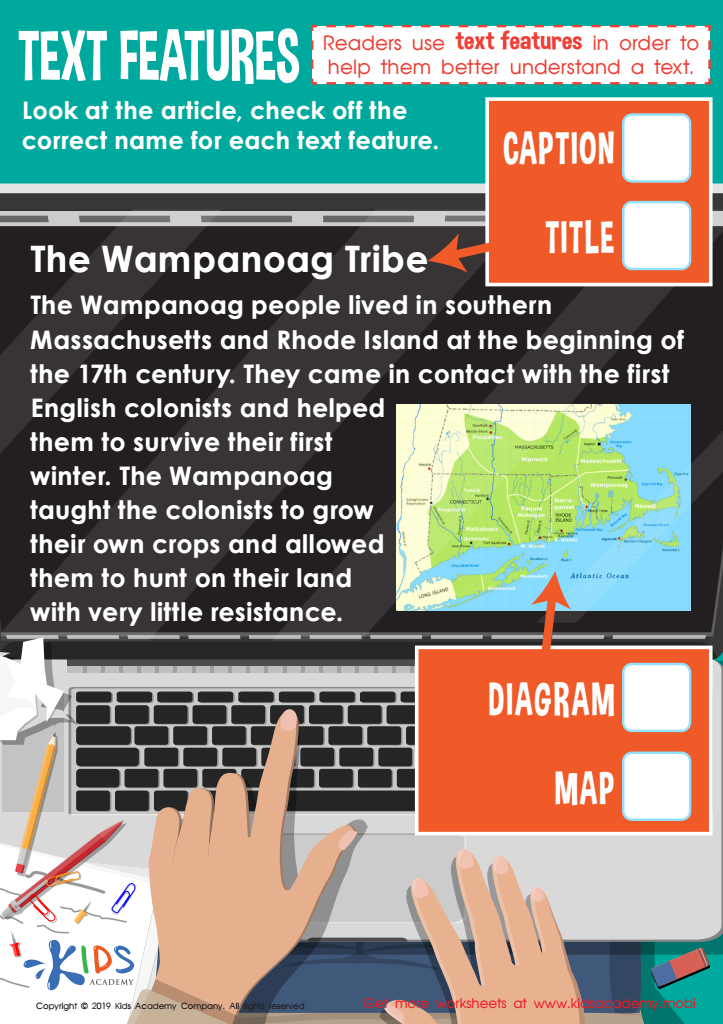
Text Features Worksheet
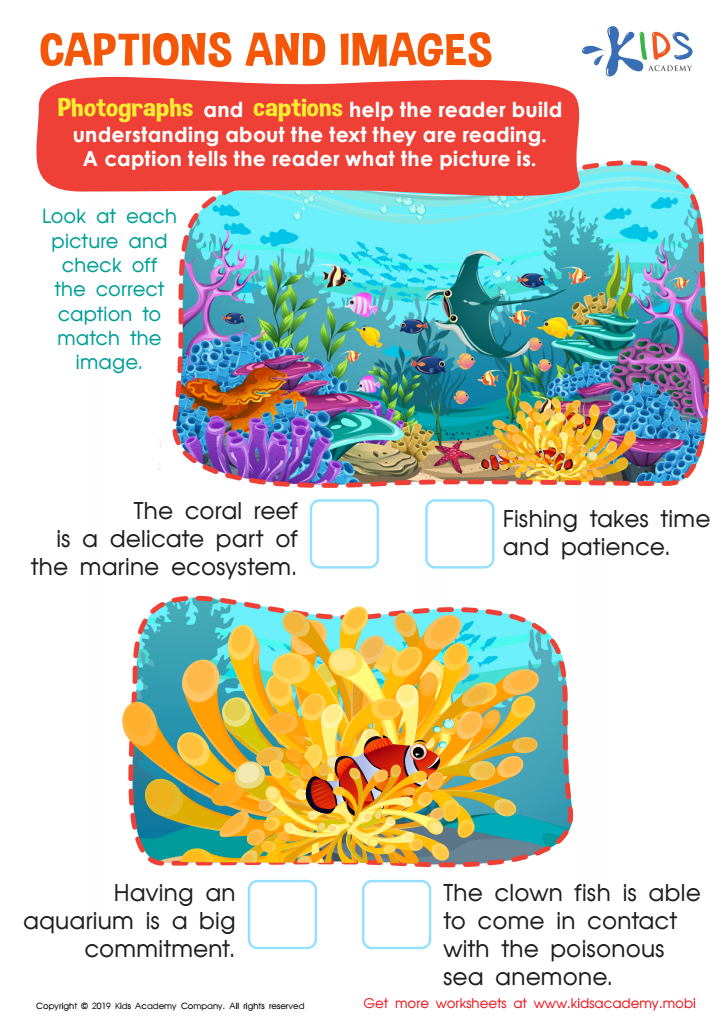
Captions and Images Worksheet
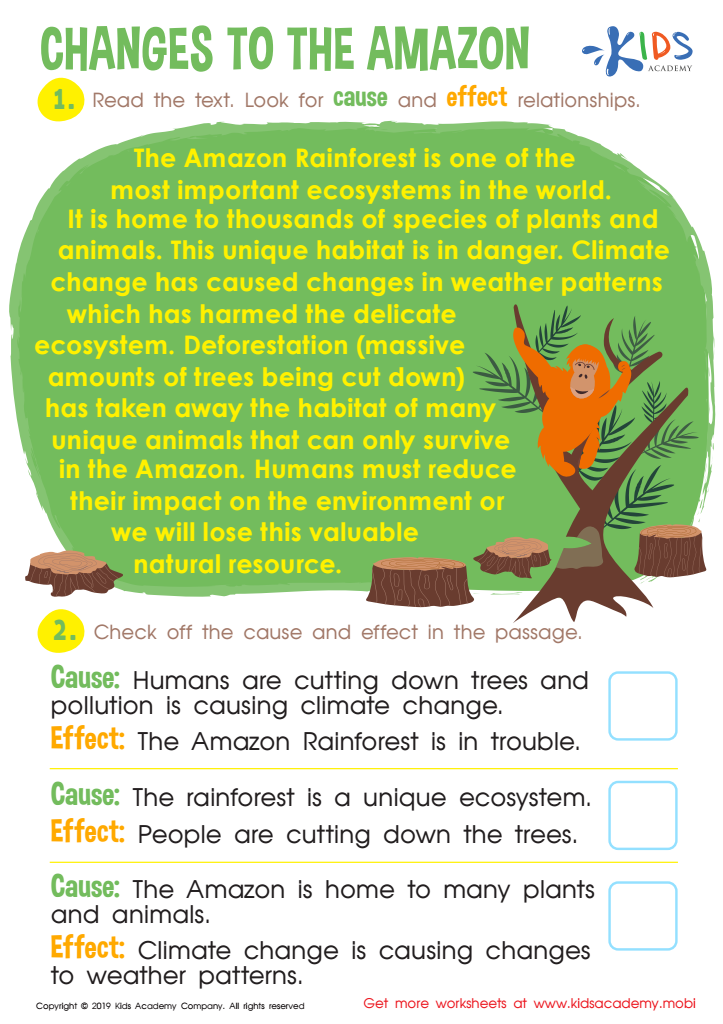
Changes to the Amazon Worksheet
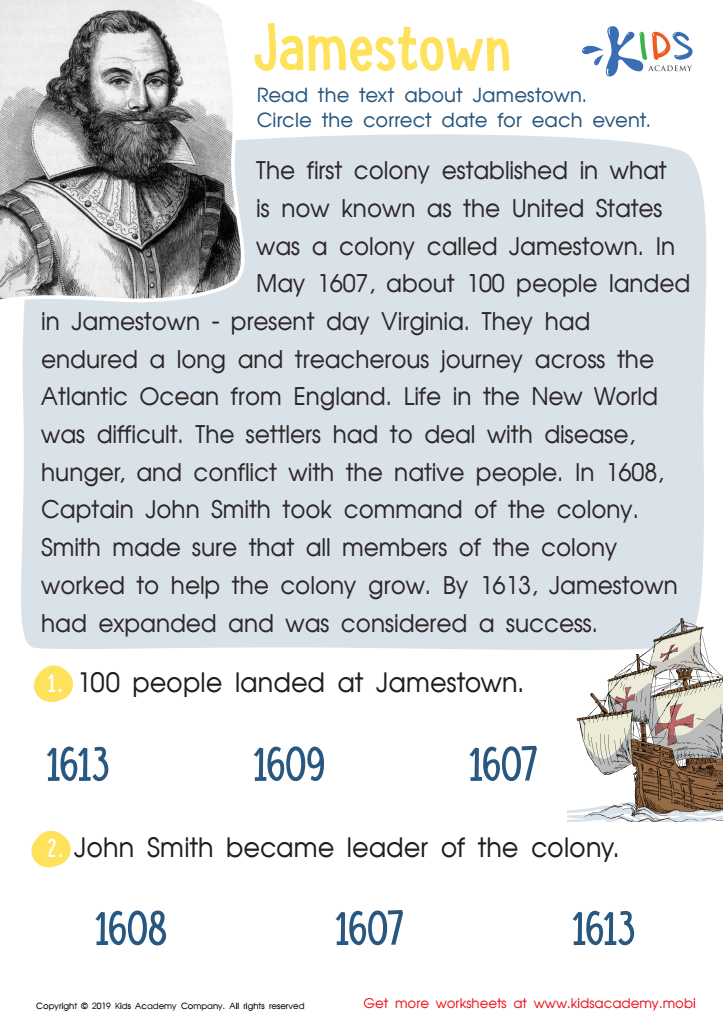
Jamestown Worksheet
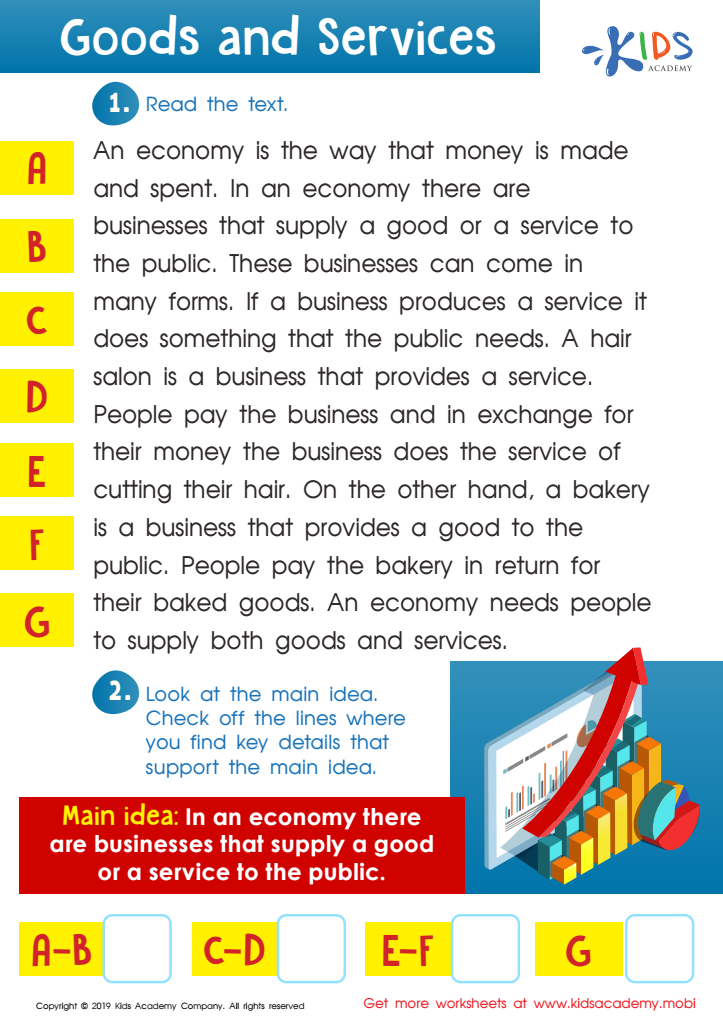
Goods and Services Worksheet
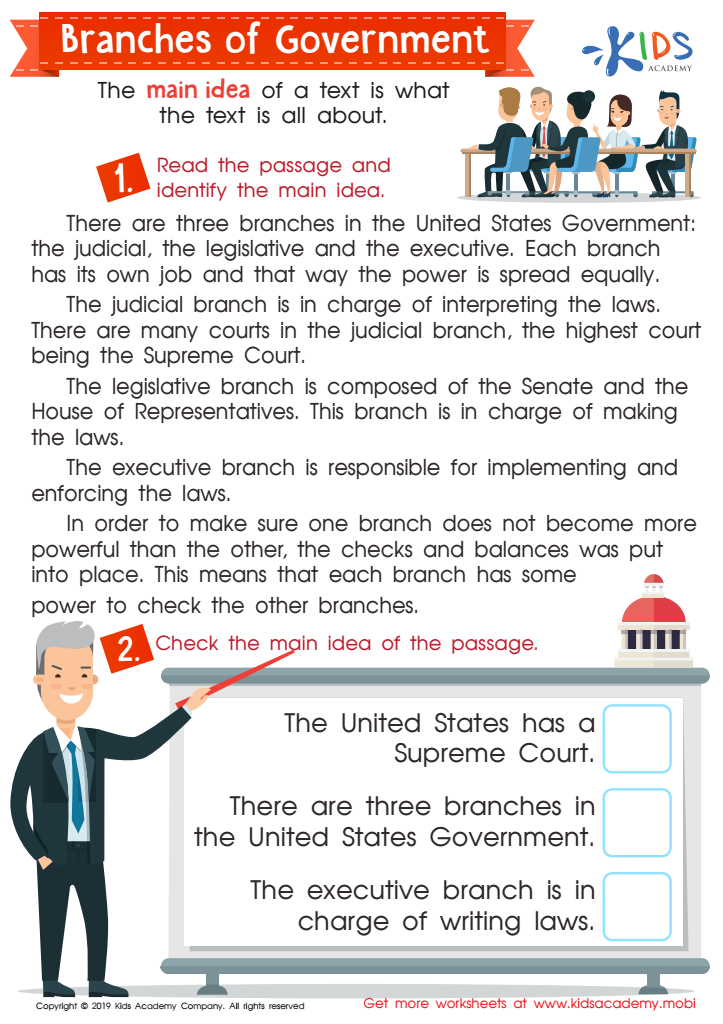
Branches of the Government Worksheet
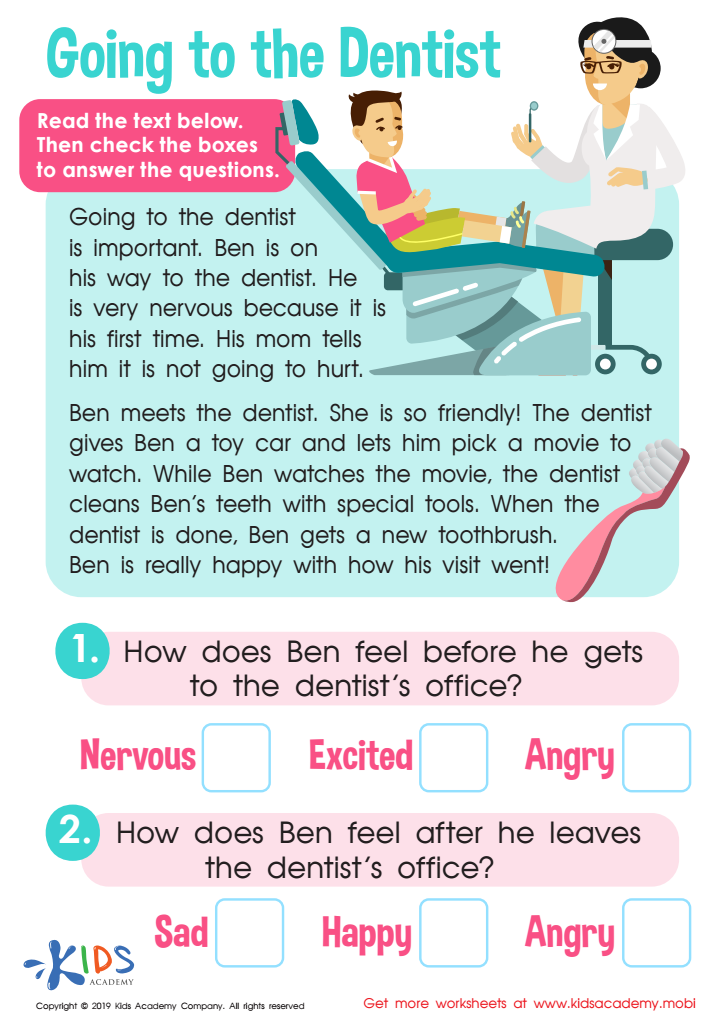
Going to the Dentist Worksheet
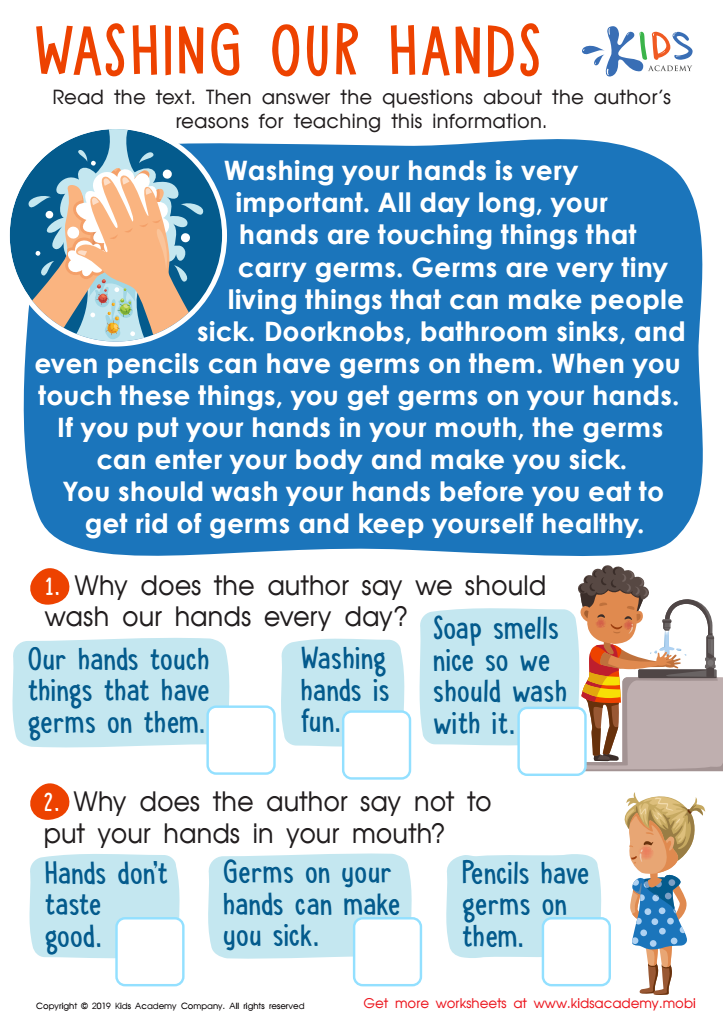
Washing Our Hands Worksheet
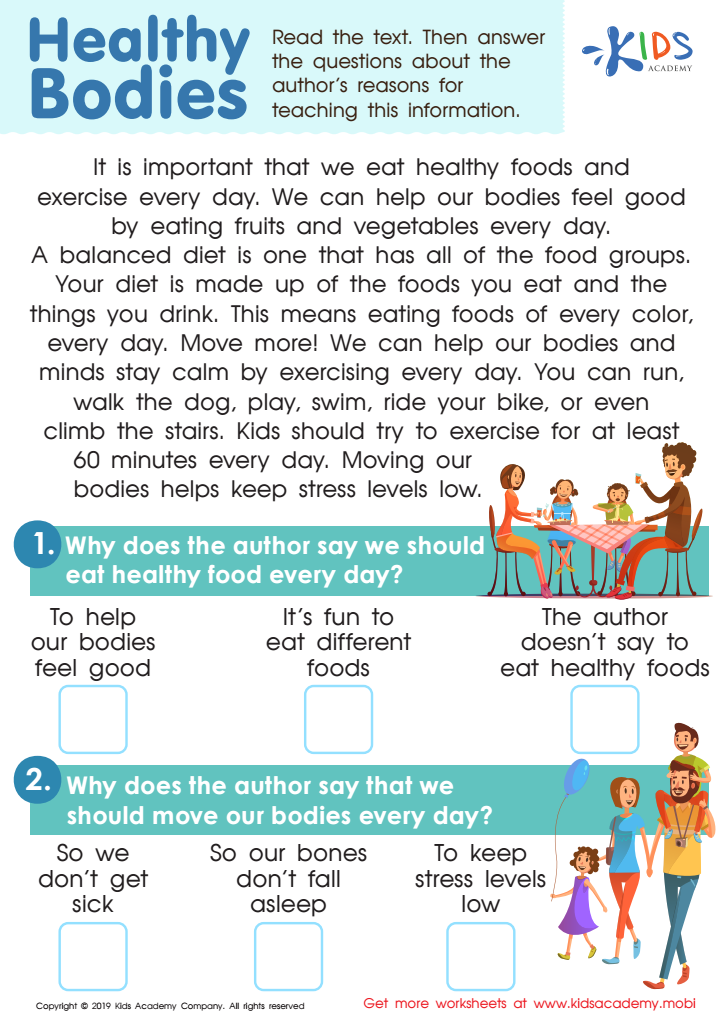
Healthy Bodies Worksheet
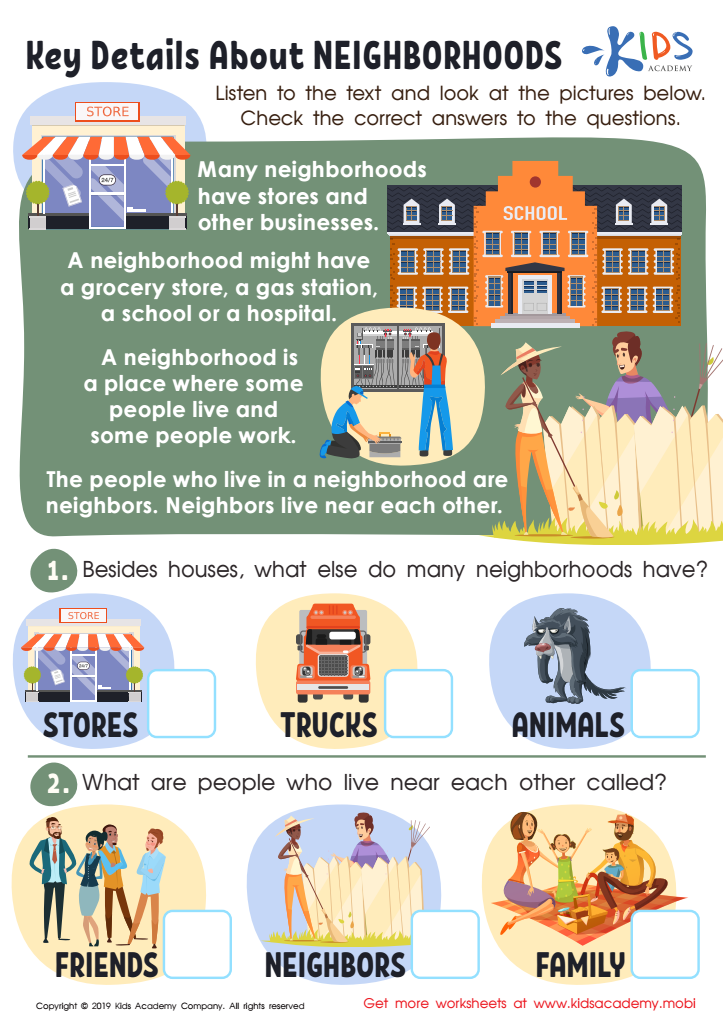
Key Details Neighborhoods Worksheet
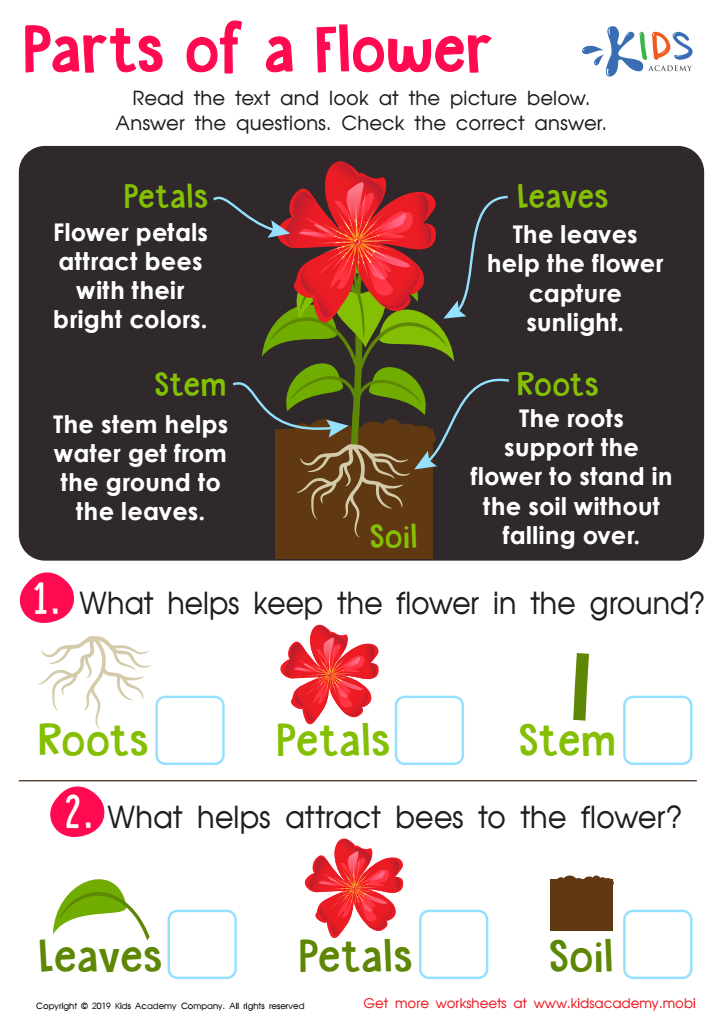
Parts of Flower Worksheet
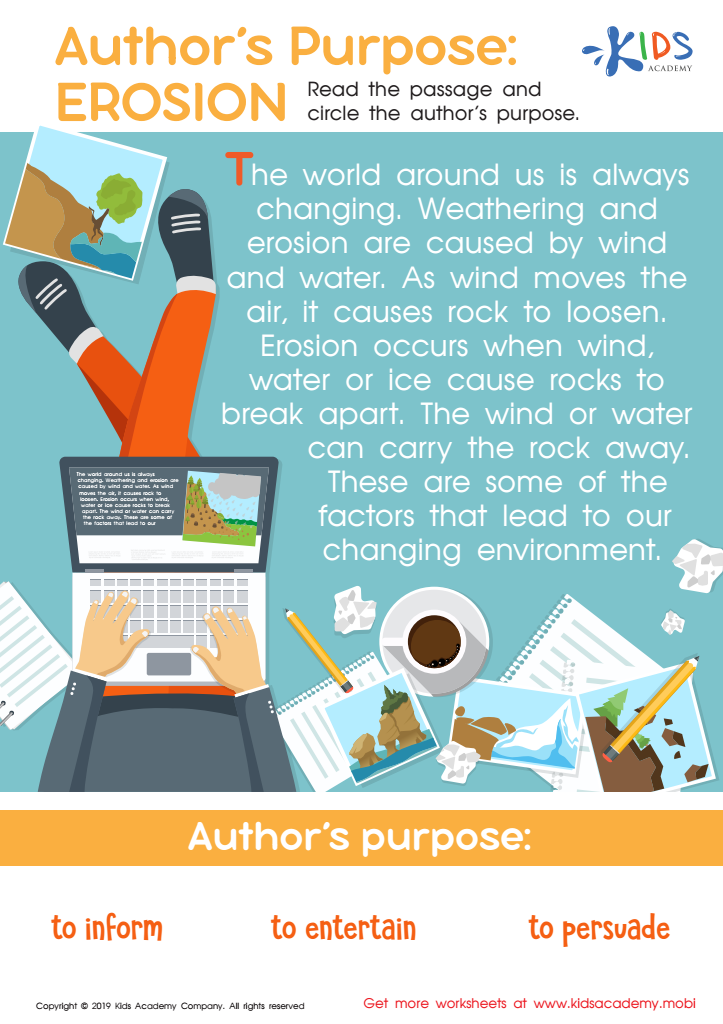
Author’s Purpose: Erosion Worksheet
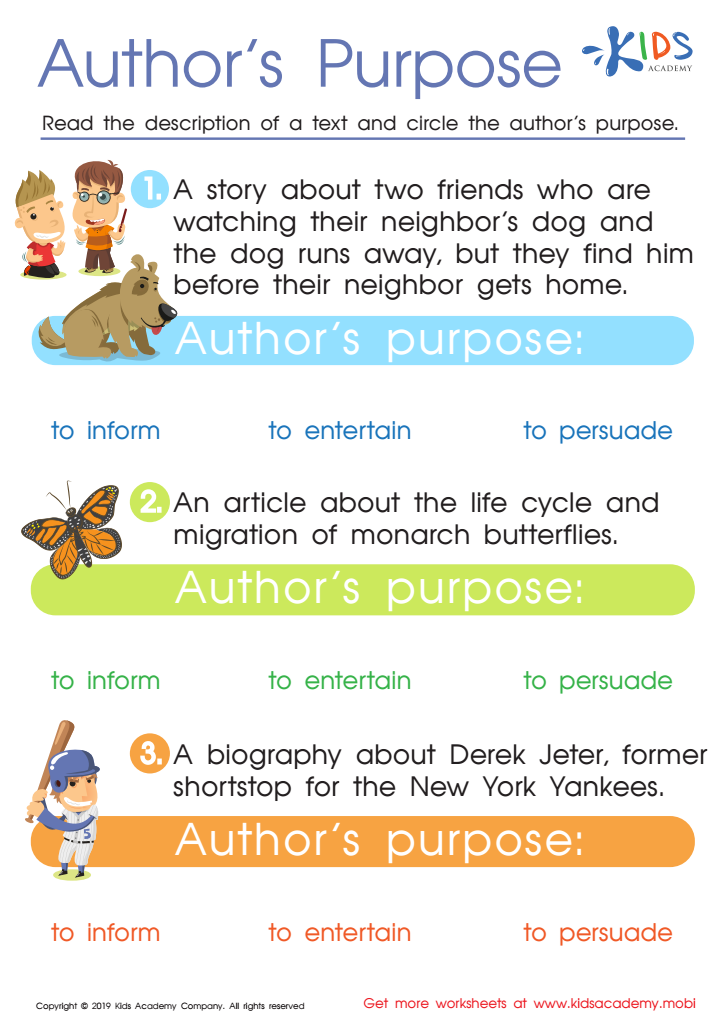
Author's Purpose Worksheet
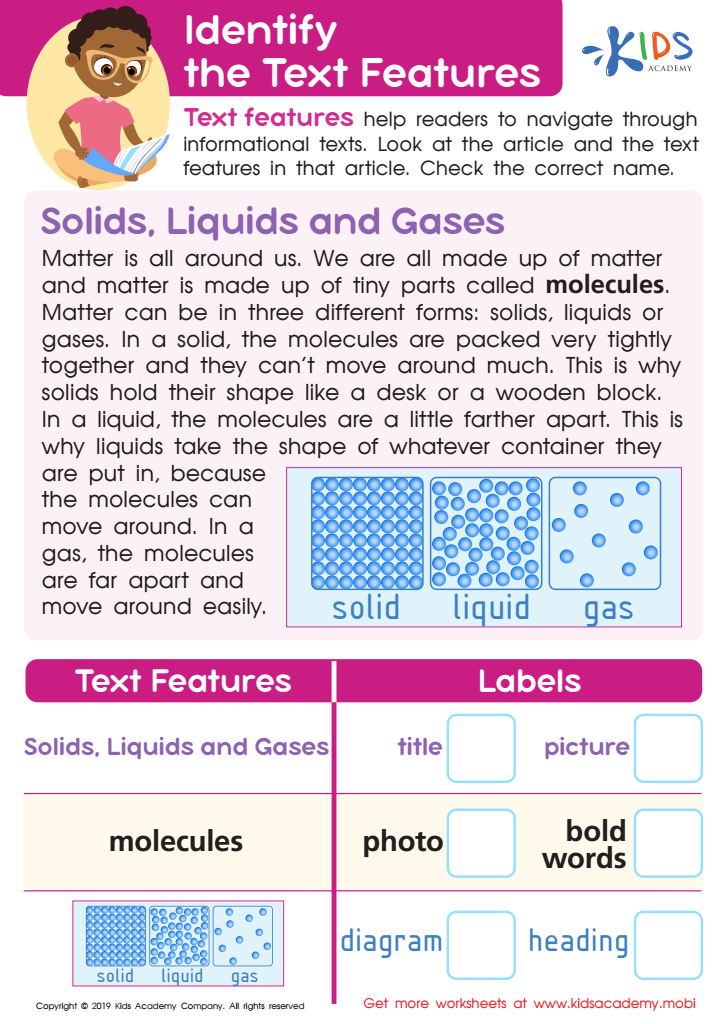
Identify the Text Features Worksheet
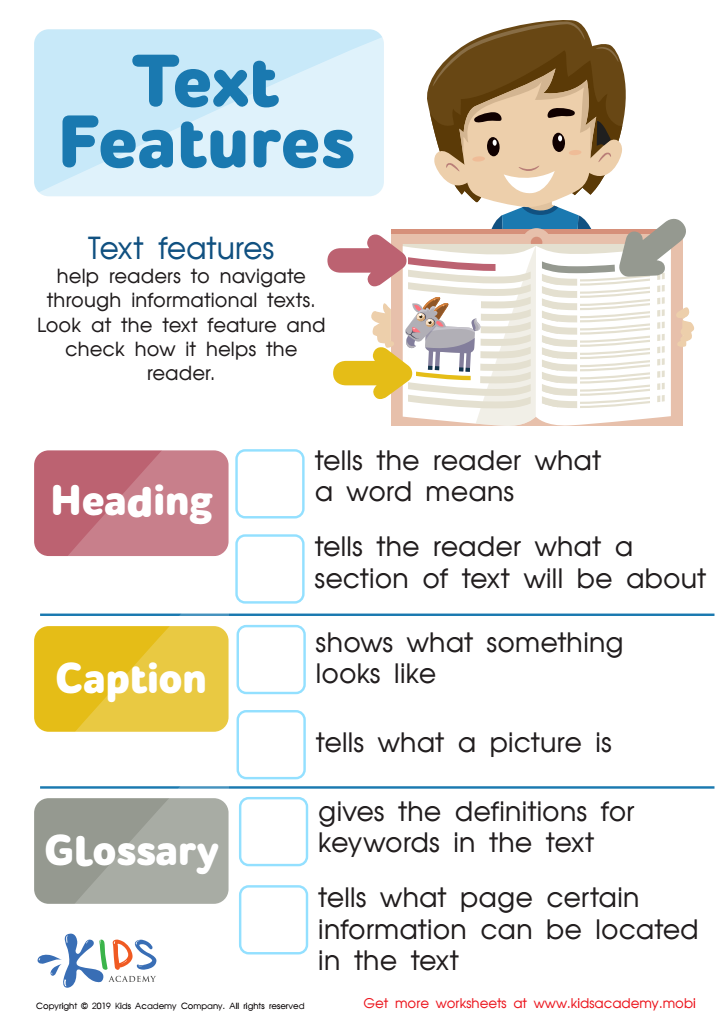
Text Features Worksheet
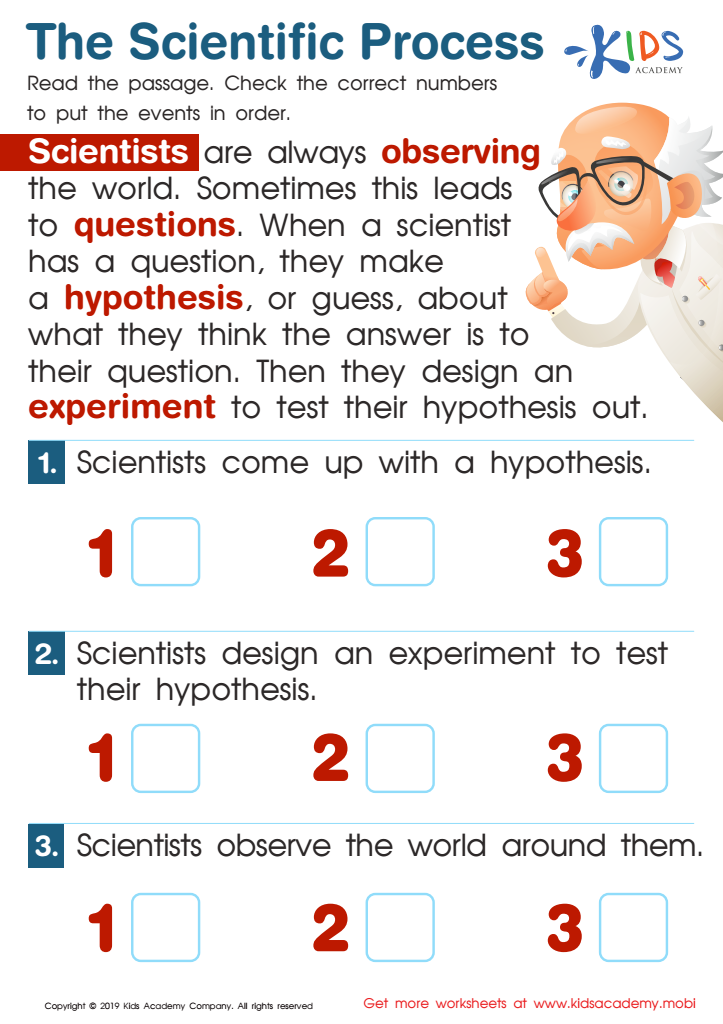
The Scientific Process Worksheet
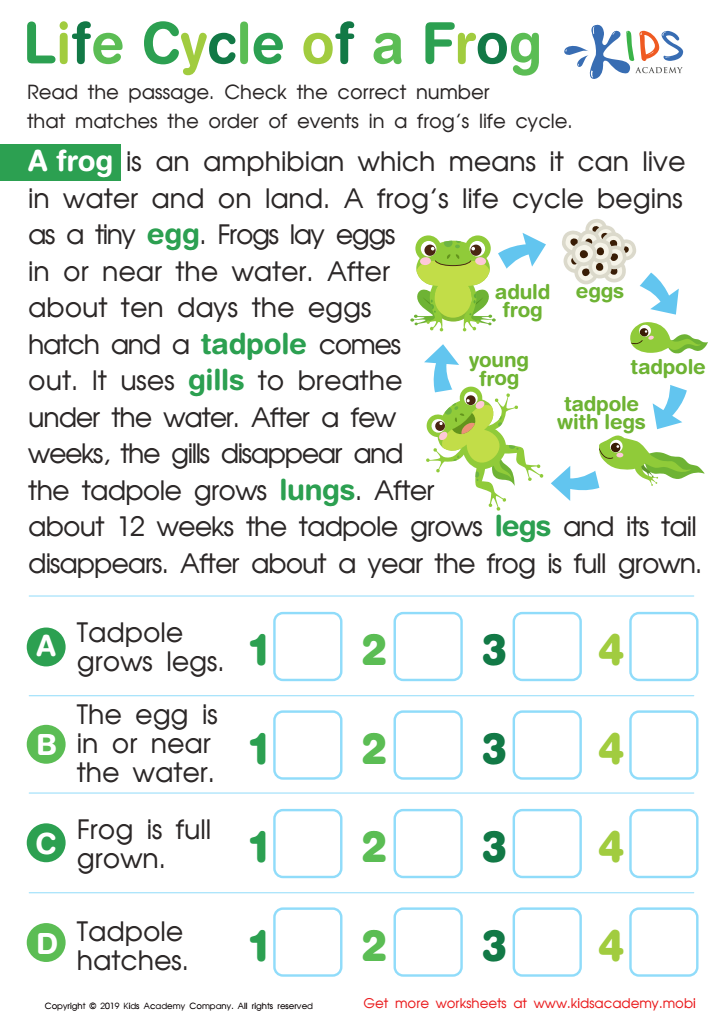
Life Cycle of a Frog Worksheet
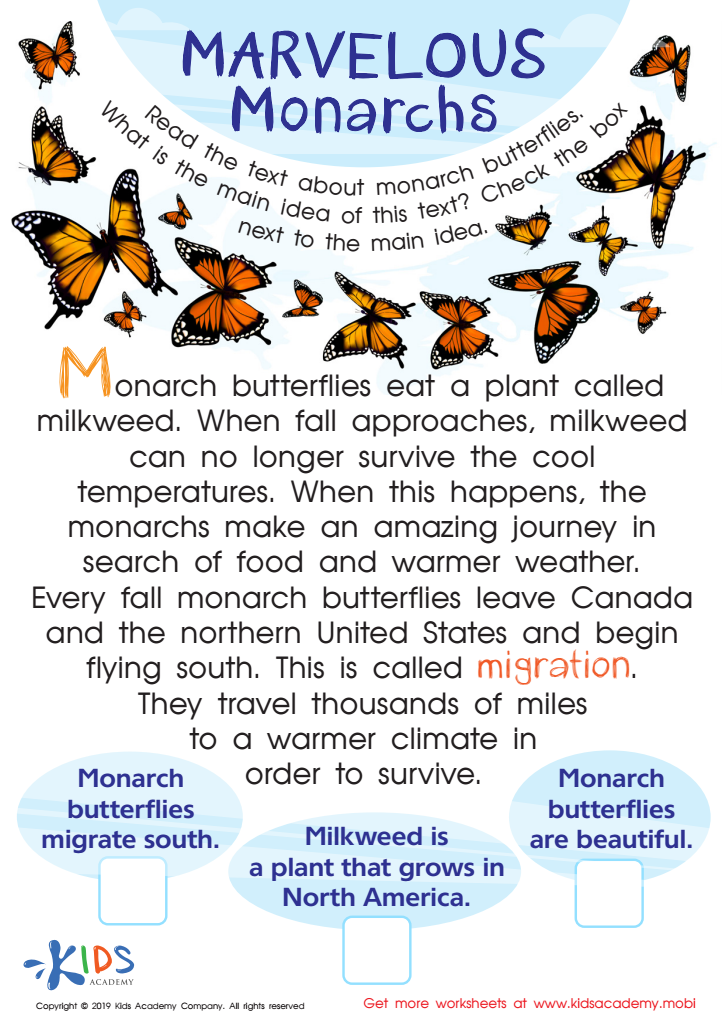
Marvelous Monarchs Worksheet
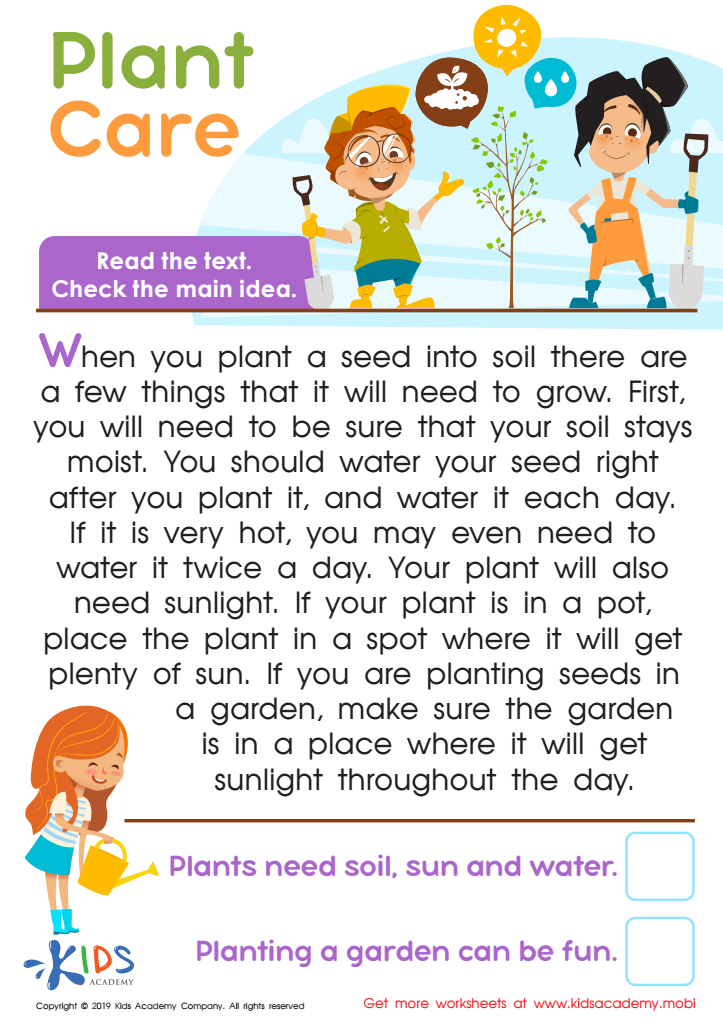
Plant Care Worksheet
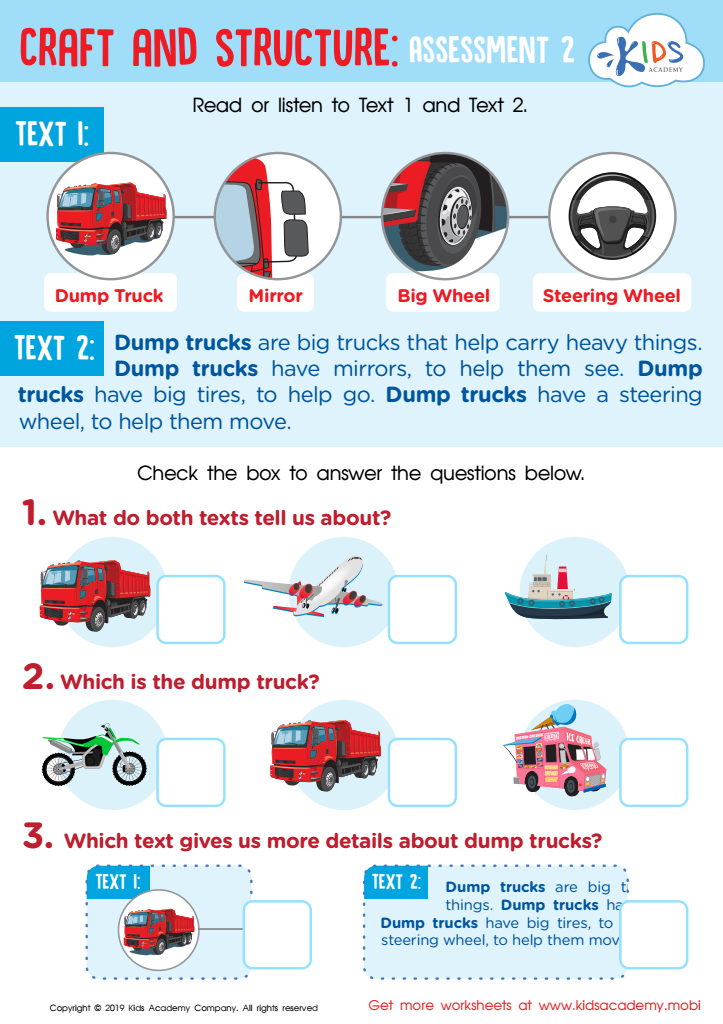
Craft and Structure: Assessment 2 Worksheet
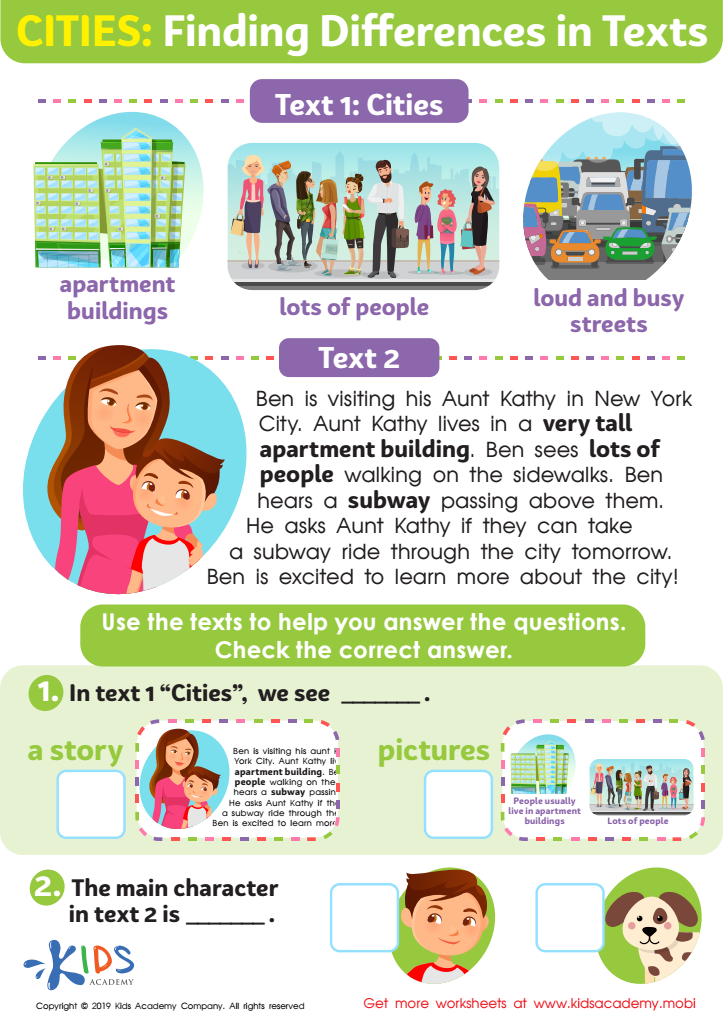
Cities: Finding Differences Worksheet
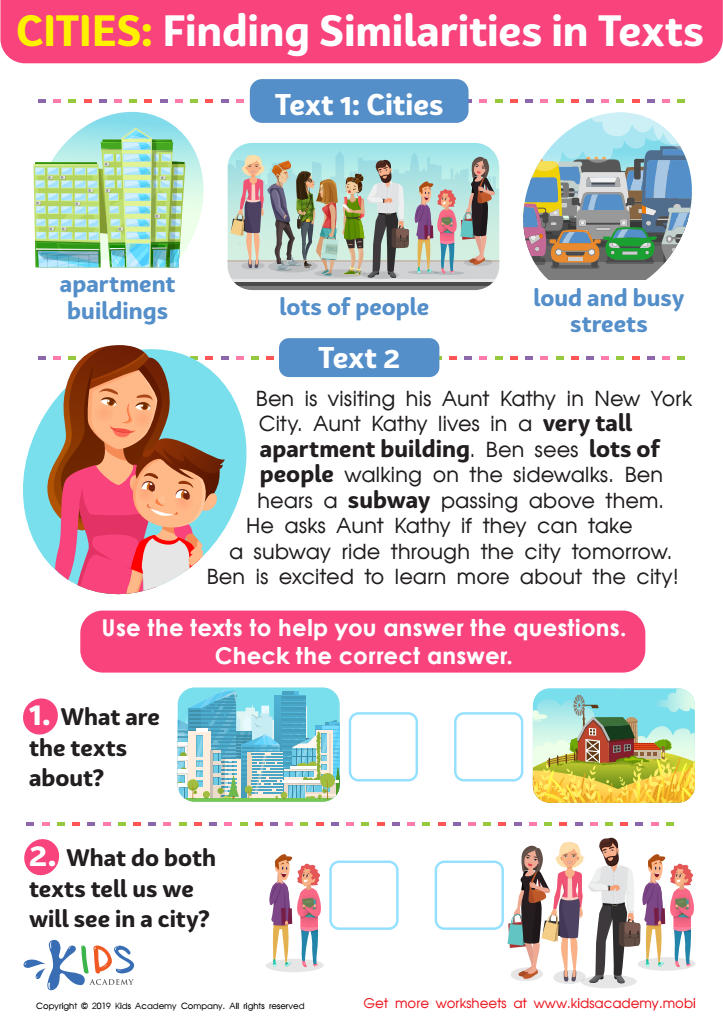
Cities: Finding Similarities Worksheet








Reading non-fiction for ages 6-9 is incredibly important for both parents and teachers. At this age, children are naturally curious about the world around them. Engaging with non-fiction texts nurtures this curiosity, encouraging them to explore topics such as animals, space, history, and cultures. This broadens their understanding of reality and provides a gateway for lifelong learning.
Non-fiction reading helps develop critical thinking and comprehension skills. Children learn to distinguish facts from opinions, evaluate information, and make connections between various subjects. These skills are essential as they progress academically and become more independent learners.
Additionally, non-fiction promotes vocabulary development by introducing a wealth of terminology associated with real-world concepts. This exposure not only enhances language skills but also equips children with knowledge they can share in conversations, boosting their confidence.
Understanding non-fiction also lays the groundwork for academic subjects like science and social studies, paving the way for a stronger grasp of these disciplines in later grades. Therefore, parents and teachers should prioritize non-fiction reading to foster a well-rounded education, ignite passion for inquiry, and encourage informed citizenship in younger generations.








