Geography Worksheets for Ages 6-9 - Page 3
56 filtered results
-
From - To
 Assign to My Students
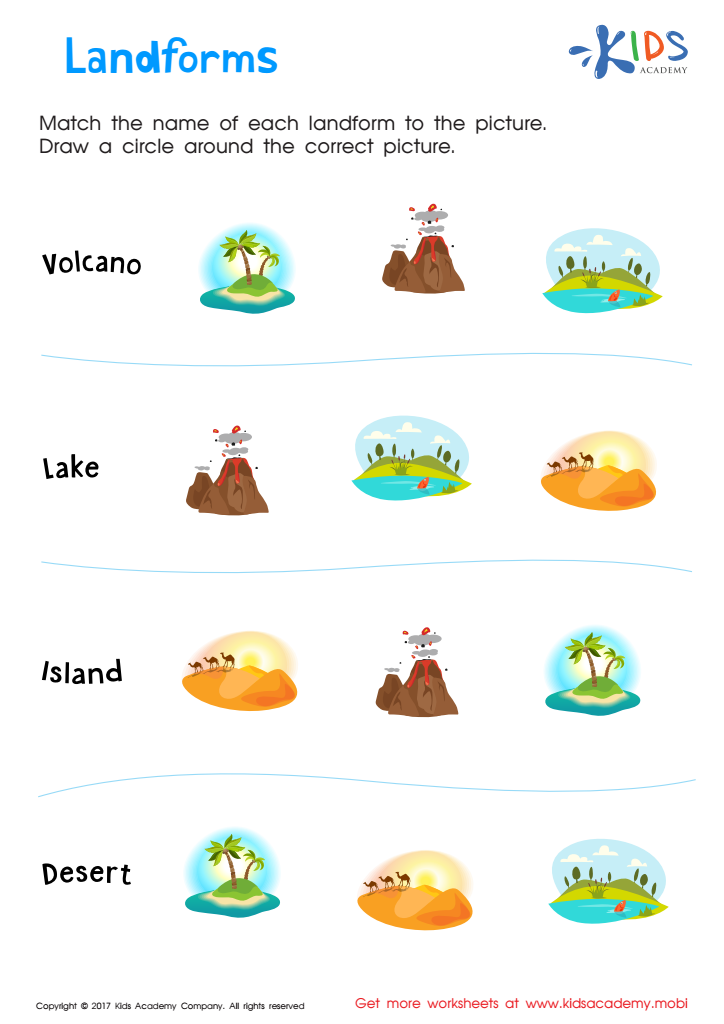
Landforms Printable
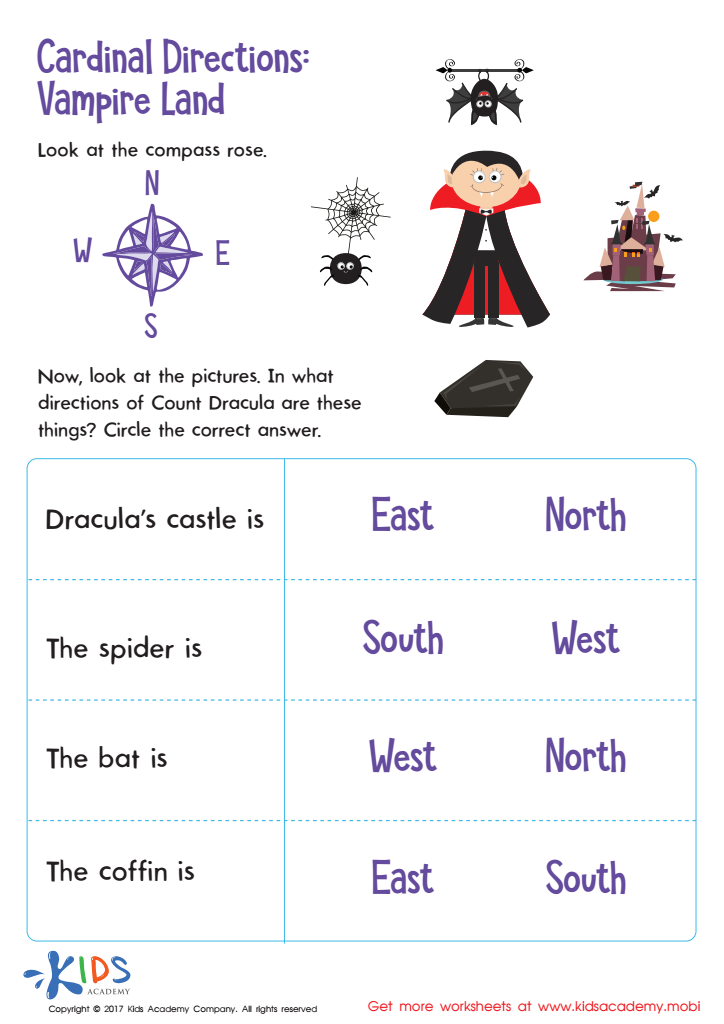
Cardinal Directions Printable
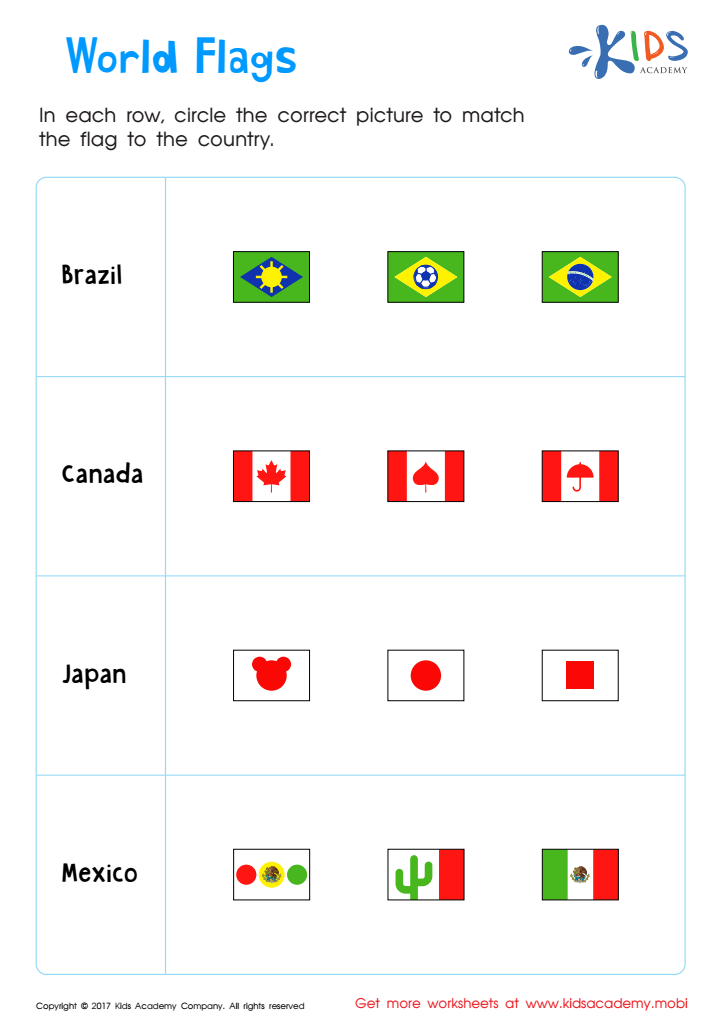
World Flags Printable
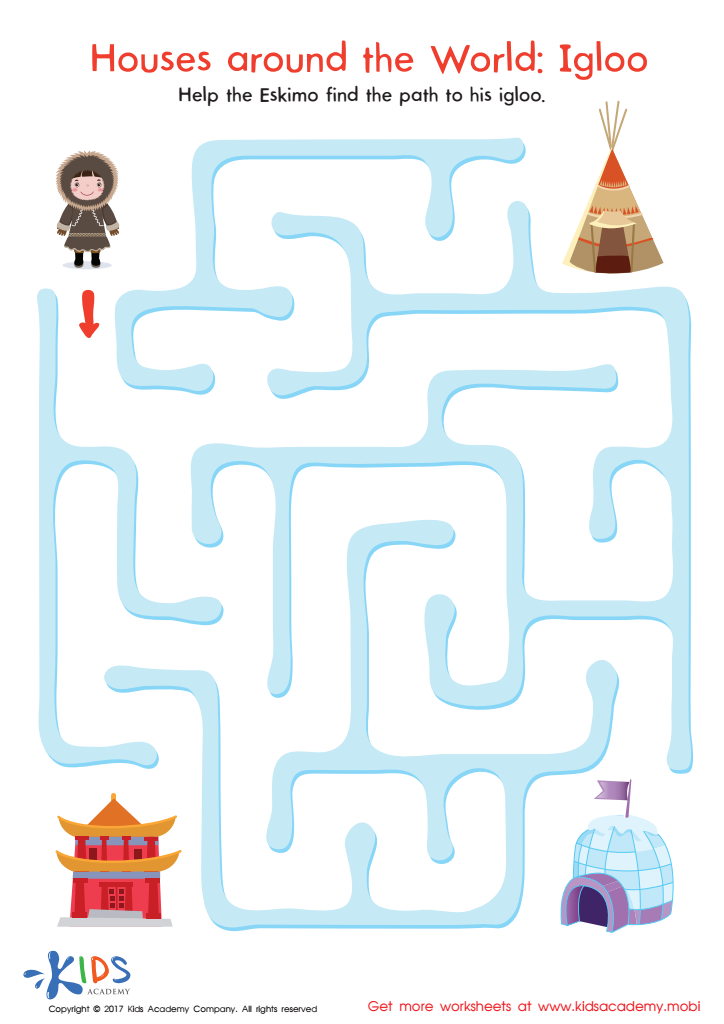
Houses Around the World: Igloo Printable
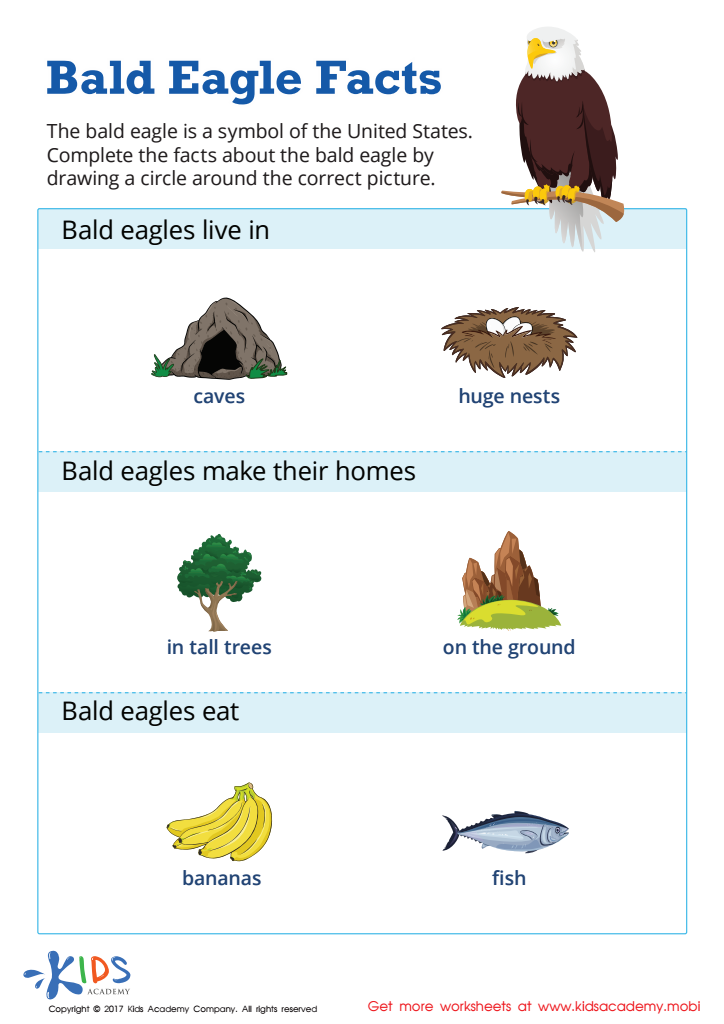
Bald Eagle Facts Worksheet
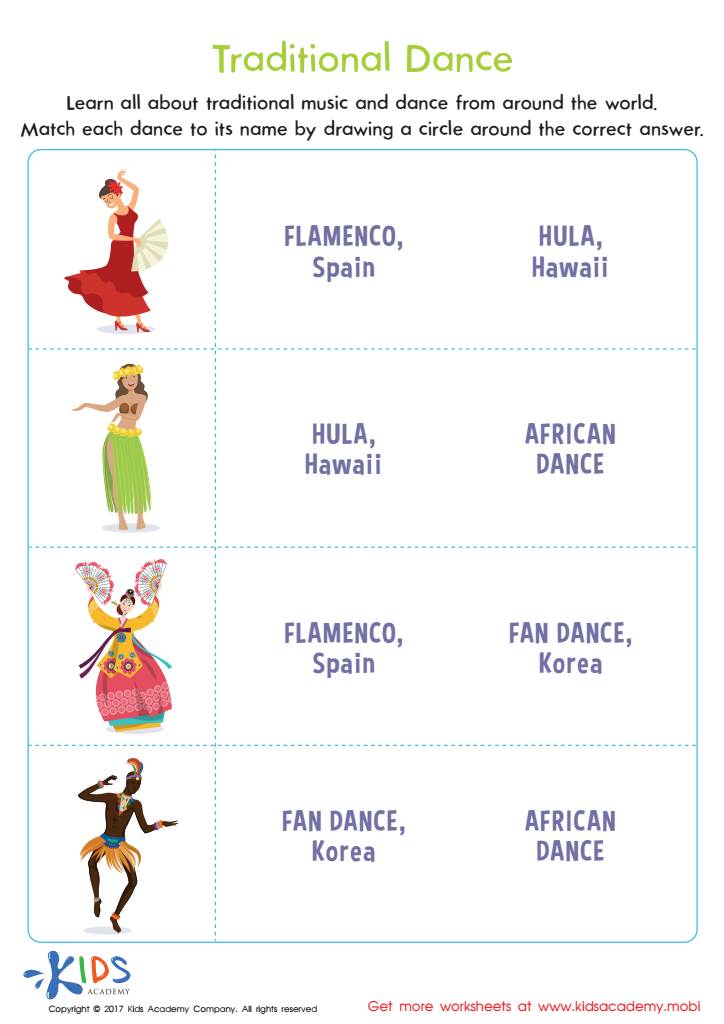
Traditional Dance Printable






Geography plays a vital role in the holistic development of children aged 6-9, providing them with essential skills and knowledge that extend far beyond maps and locations. Understanding geography helps young learners comprehend the world around them, fostering a sense of curiosity about different cultures, ecosystems, and global interconnections. This age group is naturally inquisitive; engaging them with geography satisfies this curiosity while promoting critical thinking and spatial awareness.
Moreover, geography enhances children's awareness of global issues, such as climate change and resource distribution, teaching them to appreciate the challenges different communities face. This awareness cultivates empathy and a sense of responsibility towards the environment and others, fostering responsible global citizenship.
In addition, geographic skills foster literacy and numeracy. Activities like reading maps, calculating distances, and analyzing data on population or resources boost cognitive development, practical skills, and problem-solving abilities. By integrating geography into their learning experiences, parents and teachers equip children with the tools they need to navigate our increasingly interconnected world and make informed decisions.
Encouraging a love for geography not only enriches children's academic abilities but also prepares them to be engaged, informed, and compassionate members of society.