Color Words Worksheets for 8-Year-Olds
10 filtered results
-
From - To
Explore our engaging Color Words Worksheets designed specifically for 8-year-olds to enhance their vocabulary and learning experience! These interactive resources focus on teaching kids the names of colors while integrating essential English language skills. Through fun activities such as coloring, matching, and fill-in-the-blank exercises, children will build their understanding of color words in an enjoyable way. Perfect for classrooms or home learning, these worksheets cater to diverse learning styles, ensuring every child can participate and thrive. Help your child develop their language skills with vibrant, age-appropriate materials that spark creativity and make learning about colors a delightful adventure!
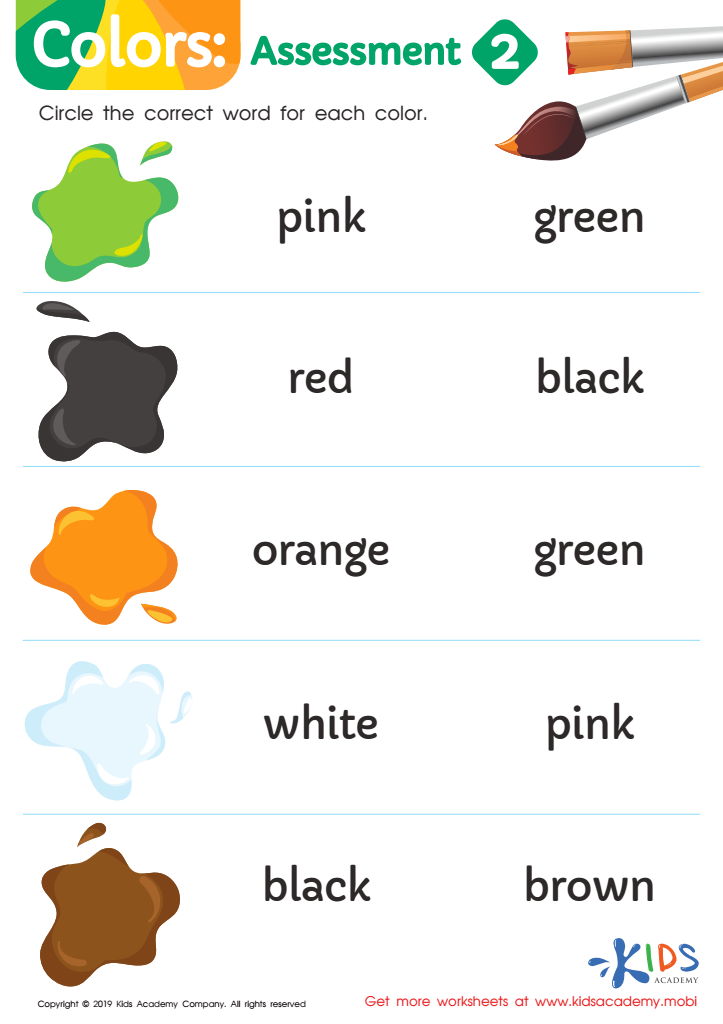
Colors: Assessment 2 Worksheet
 Assign to My Students
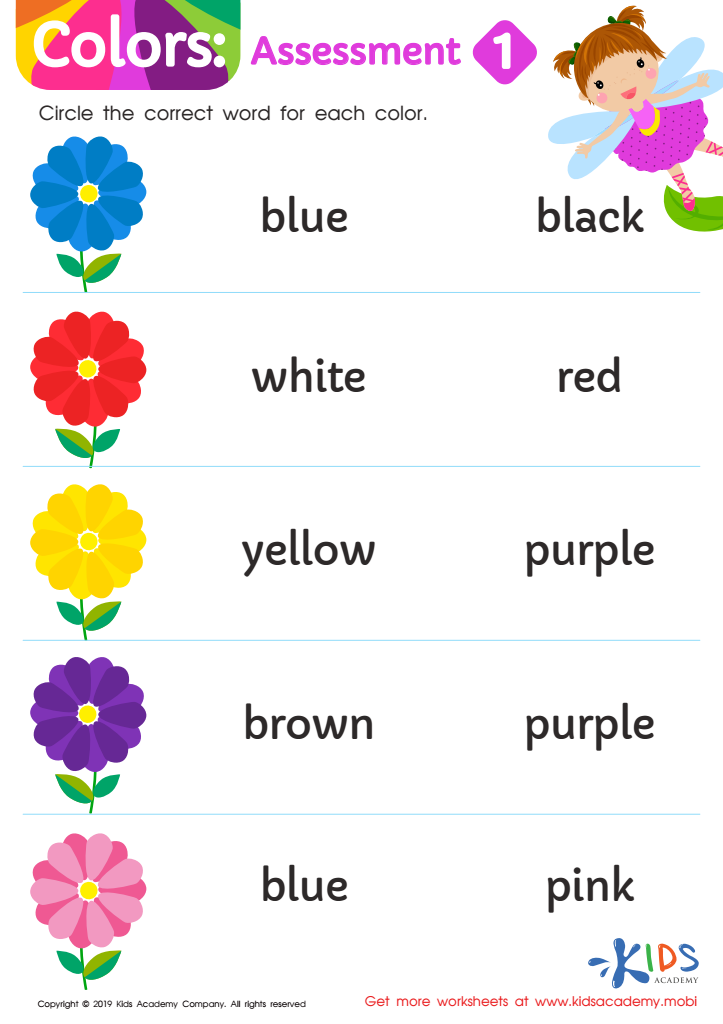
Colors: Assessment 1 Worksheet
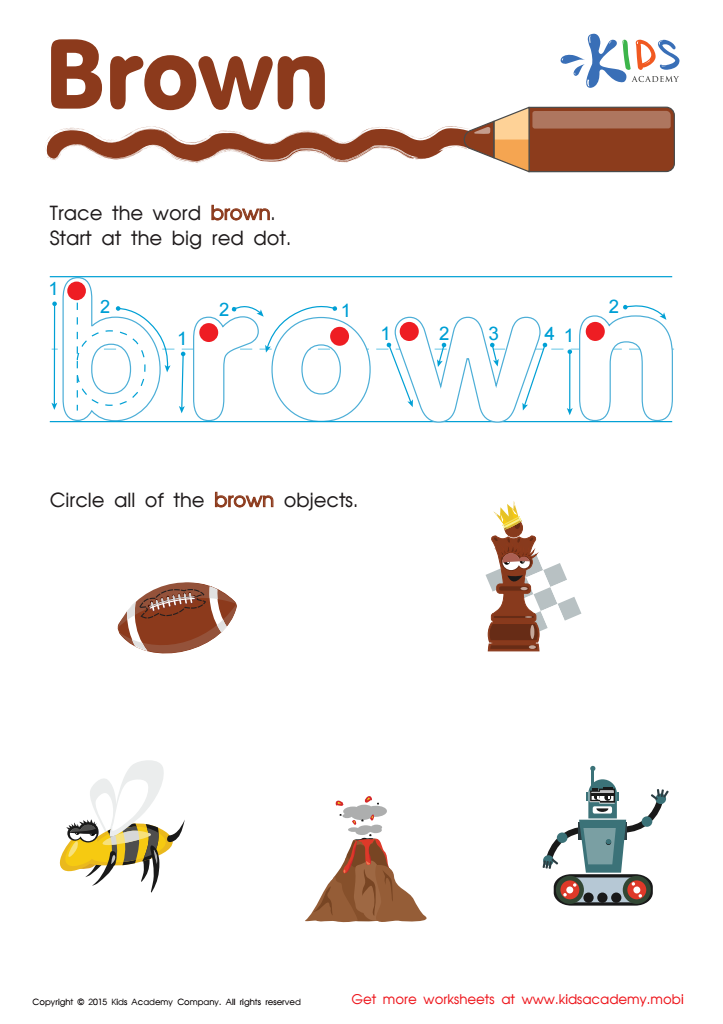
Brown Tracing Color Words Worksheet
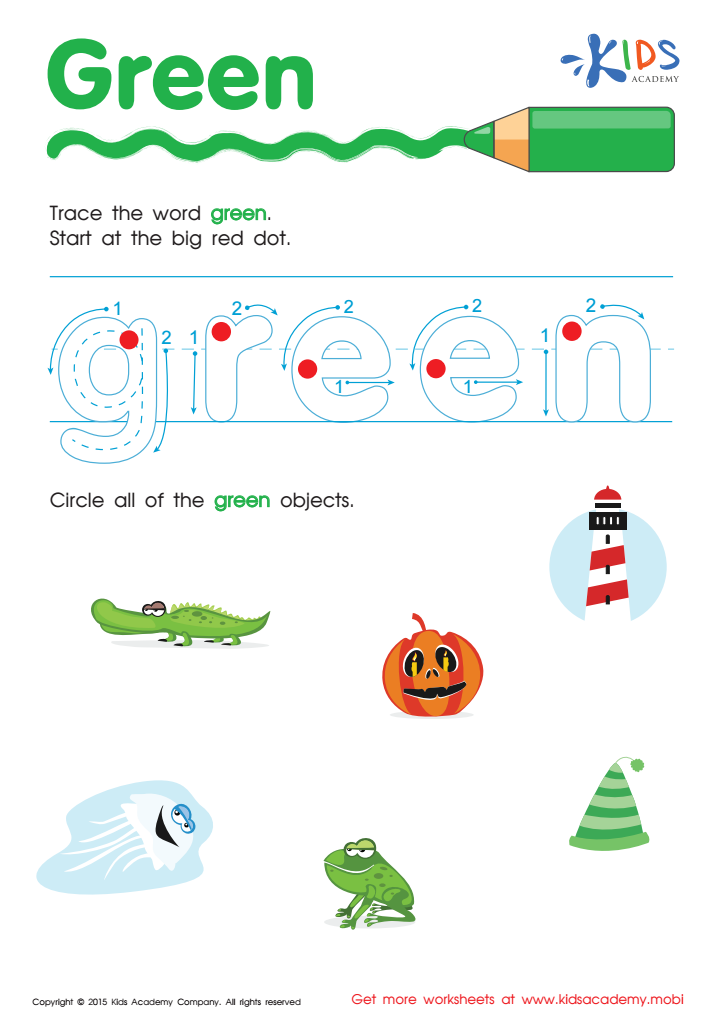
Green Tracing Color Words Worksheet
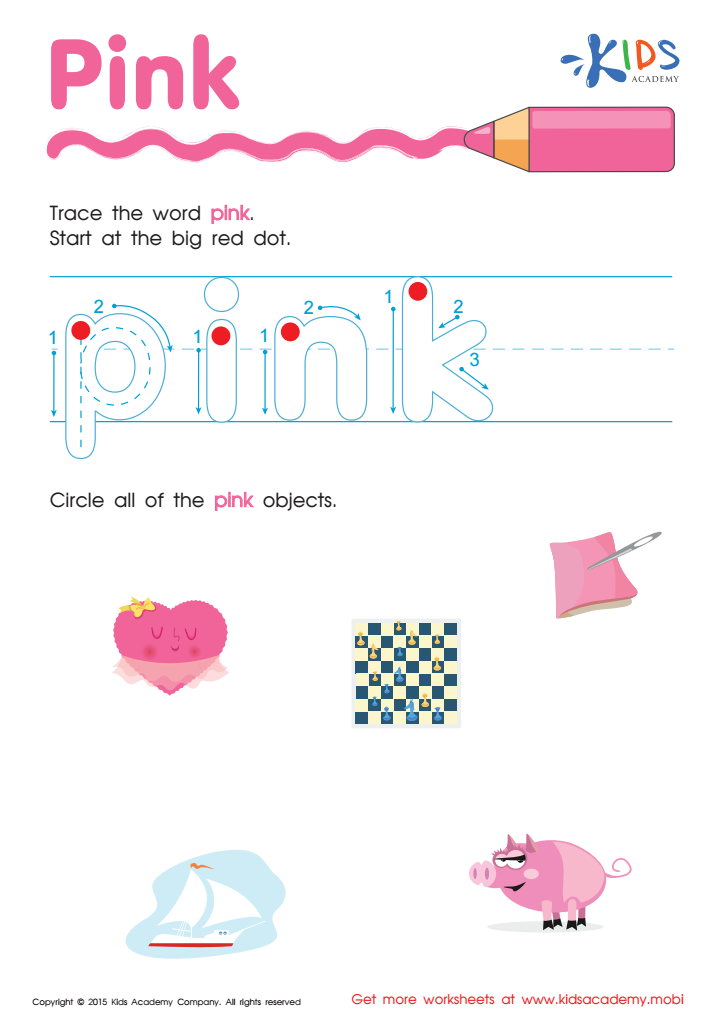
Pink Tracing Color Words Worksheet
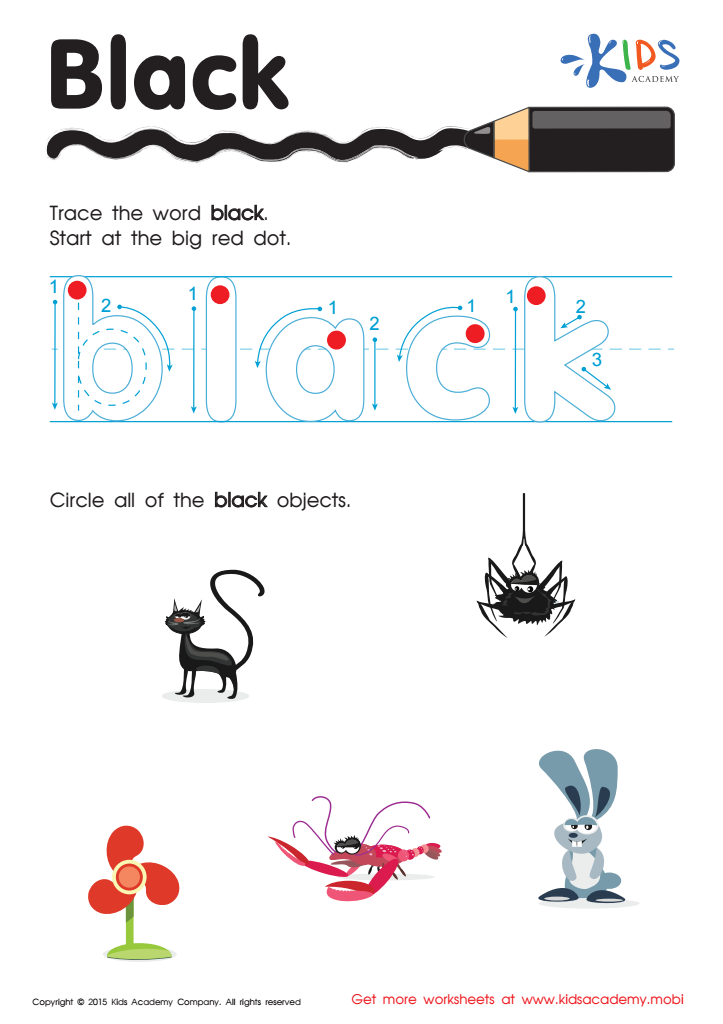
Black Tracing Color Words Printable
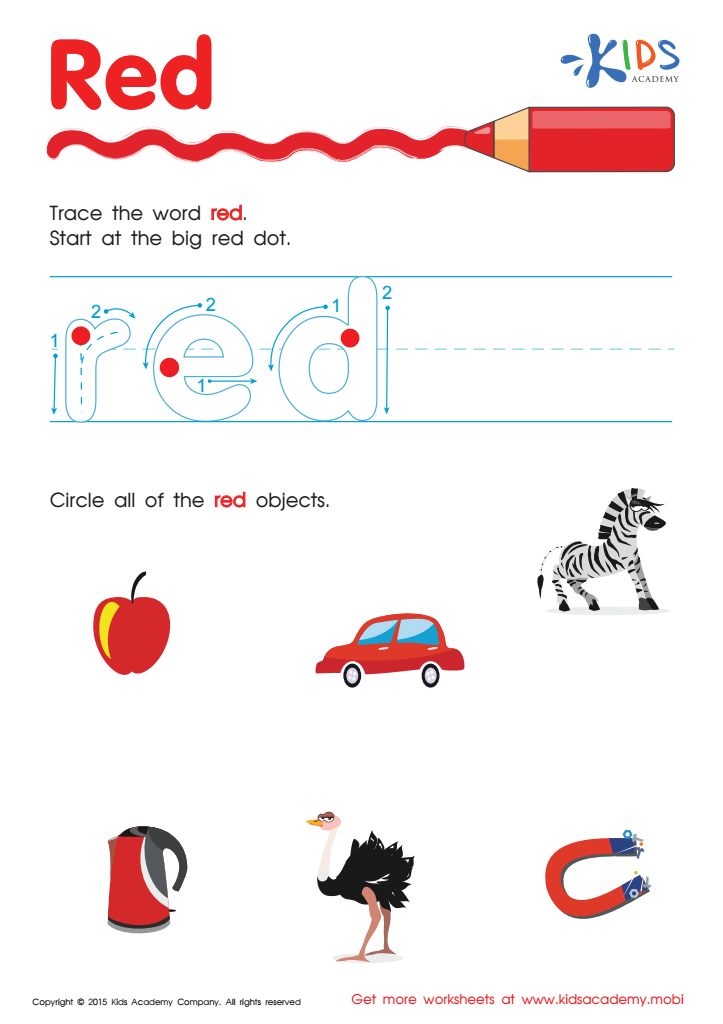
Red Tracing Color Words Printable
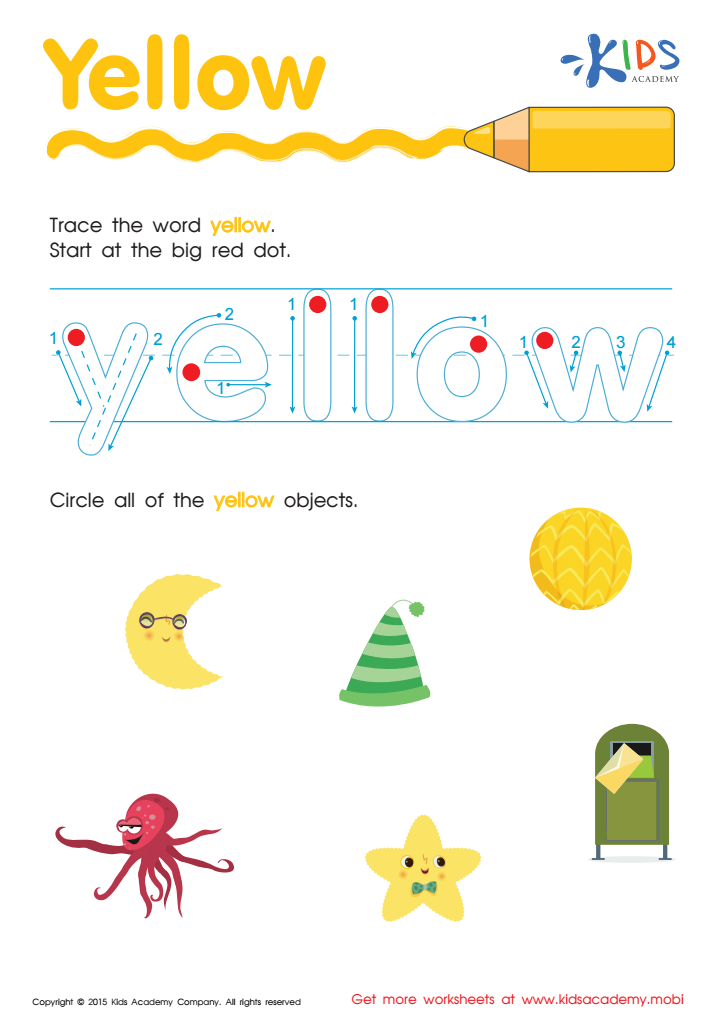
Yellow Tracing Color Words Worksheet
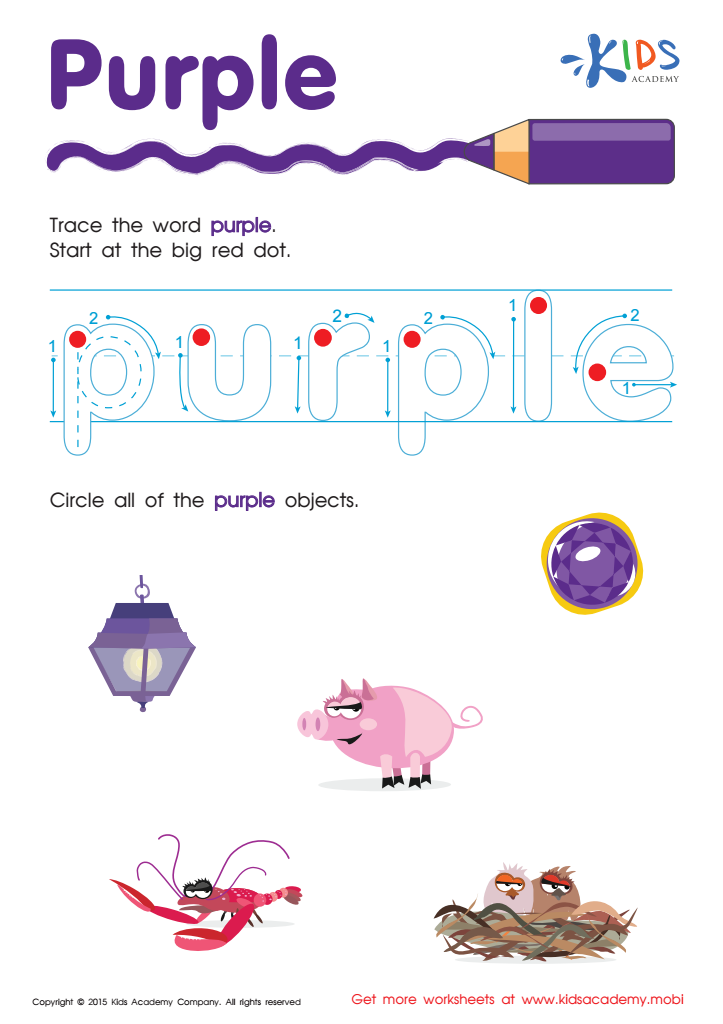
Purple Tracing Color Words Worksheet
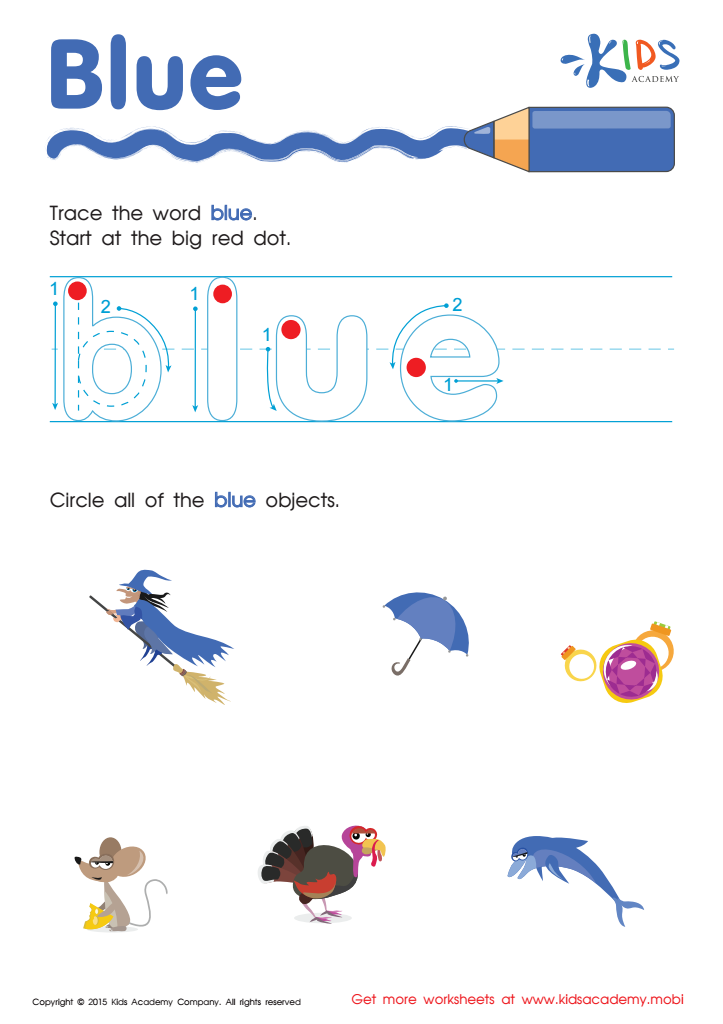
Blue Tracing Color Words Printable



Color words are essential for 8-year-olds as they play a crucial role in language development, cognitive skills, and emotional expression. At this age, children are expanding their vocabulary and understanding of the world. Exposing them to color words enriches their language, enabling clearer communication and creative expression.
Moreover, color words enhance cognitive skills by encouraging critical thinking and categorization. As they associate specific colors with objects and emotions, children learn to make connections and observations about their surroundings. For instance, the color red can represent both an apple and an emotion like anger. Teaching color words broadens their perceptual awareness and fosters imaginative play.
Additionally, recognizing and naming colors can boost a child's confidence and provide a sense of accomplishment. Engaging with colors through art, storytelling, and different activities motivates kids and makes learning enjoyable. It encourages interactive learning, enabling parents and teachers to create supportive environments that inspire curiosity.
Ultimately, emphasizing color words in the curriculum helps cultivate literacy skills, enhances creativity, and supports emotional development, making it a vital focus for parents and teachers in nurturing well-rounded individuals. This foundational aspect of childhood learning sets the stage for more advanced concepts later on.








