Easy Word Problems Worksheets for Ages 3-7 - Page 2
43 filtered results
-
From - To
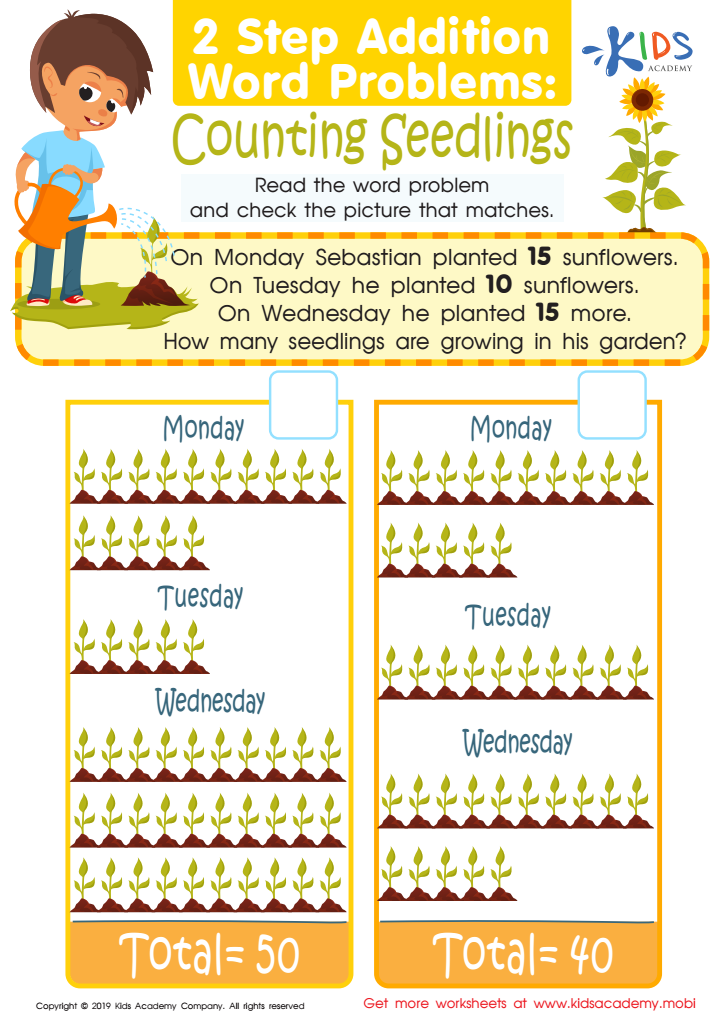
Counting Seedlings Worksheet
 Assign to My Students
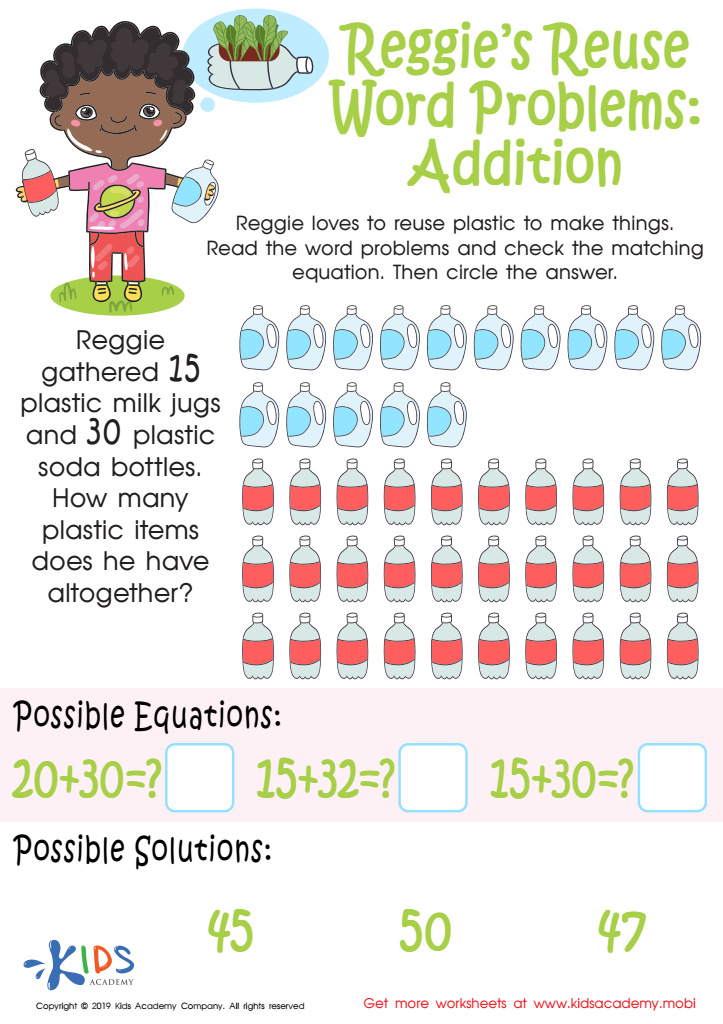
Reggie's Reuse Word Problems: Addition Worksheet
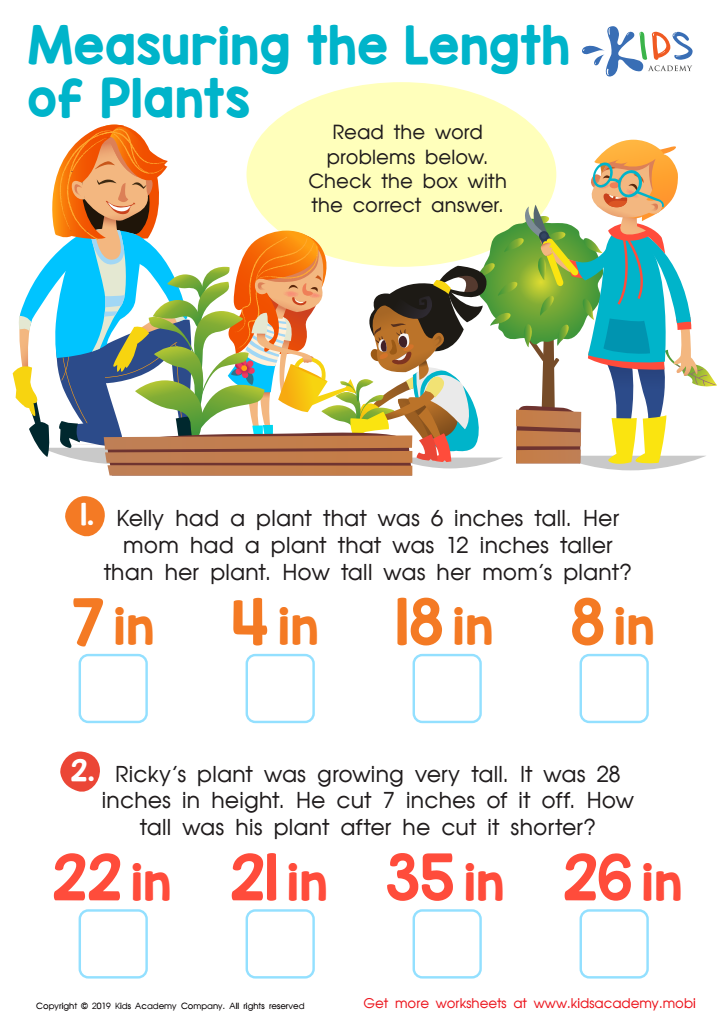
Measuring the Length of Plants Worksheet
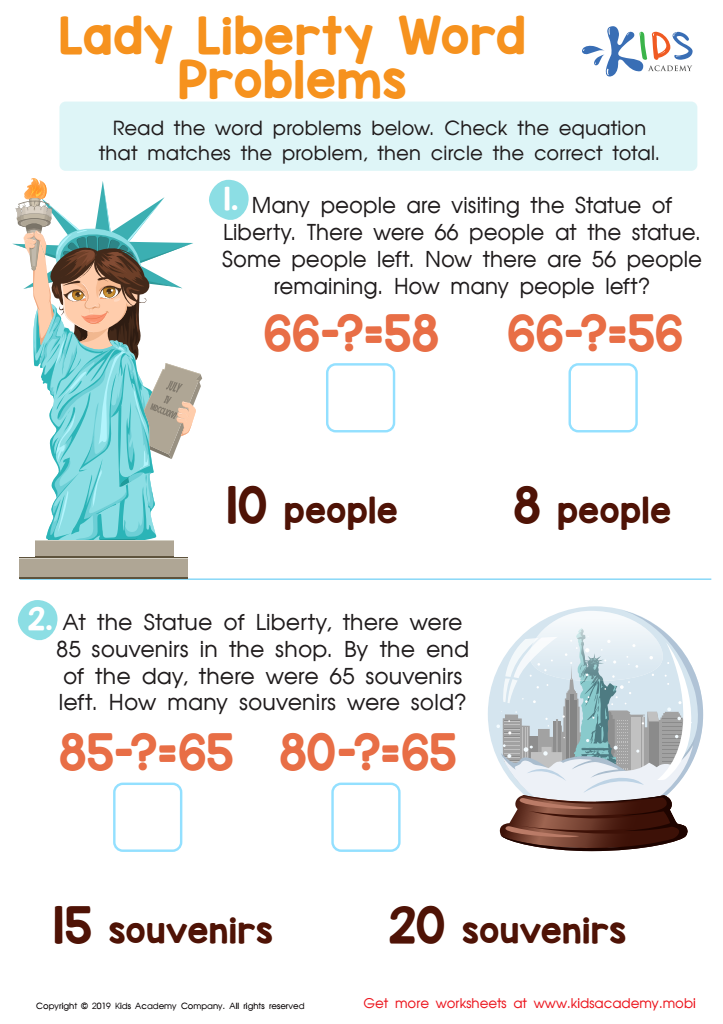
Lady Liberty Worksheet
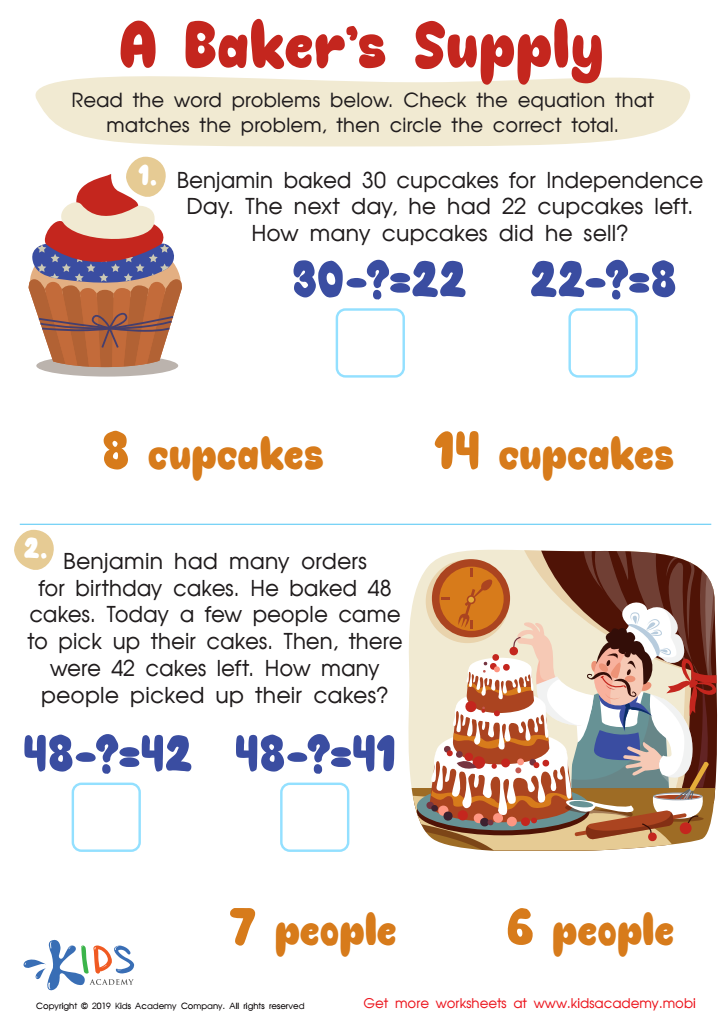
A Baker's Supply Worksheet
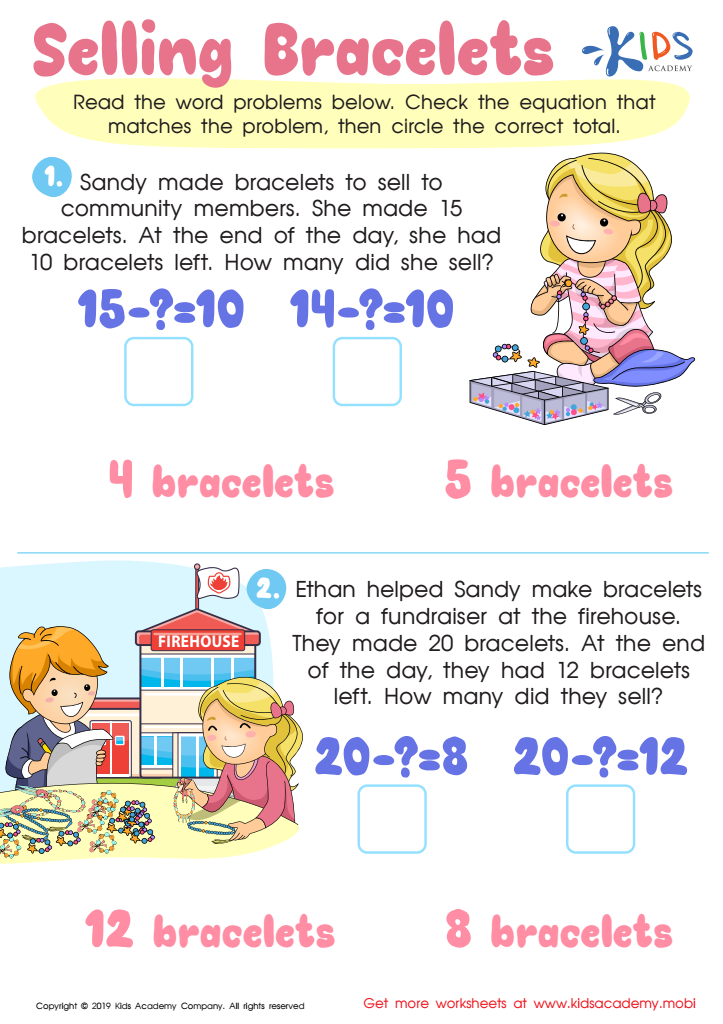
Selling the Bracelets Worksheet
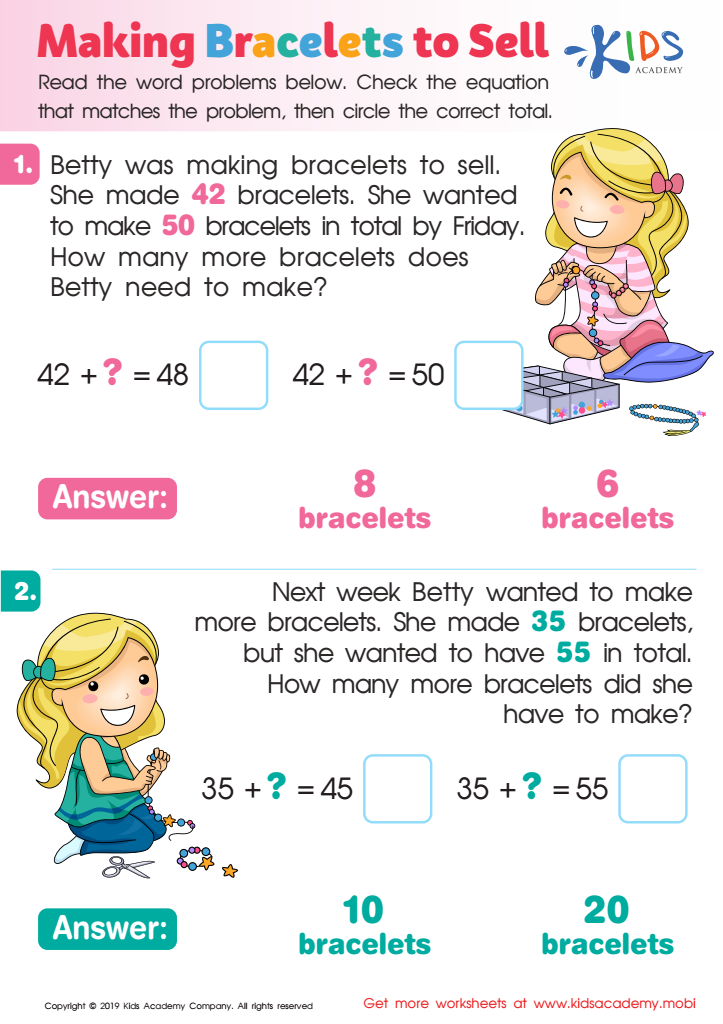
Making Bracelets to Sell Worksheet
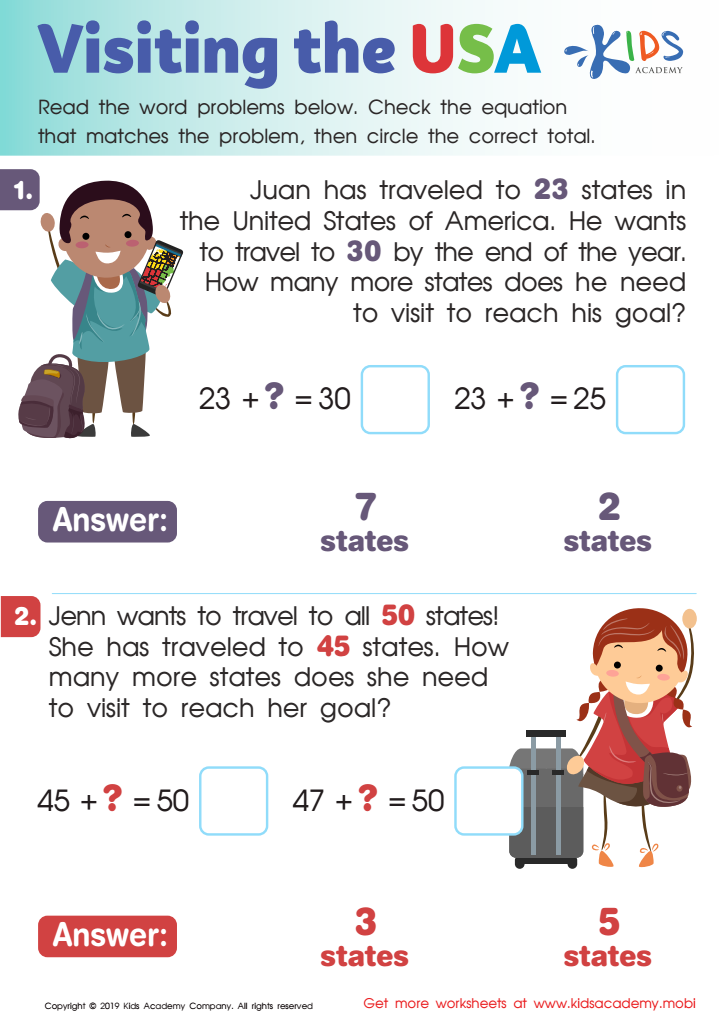
Visiting the USA Worksheet
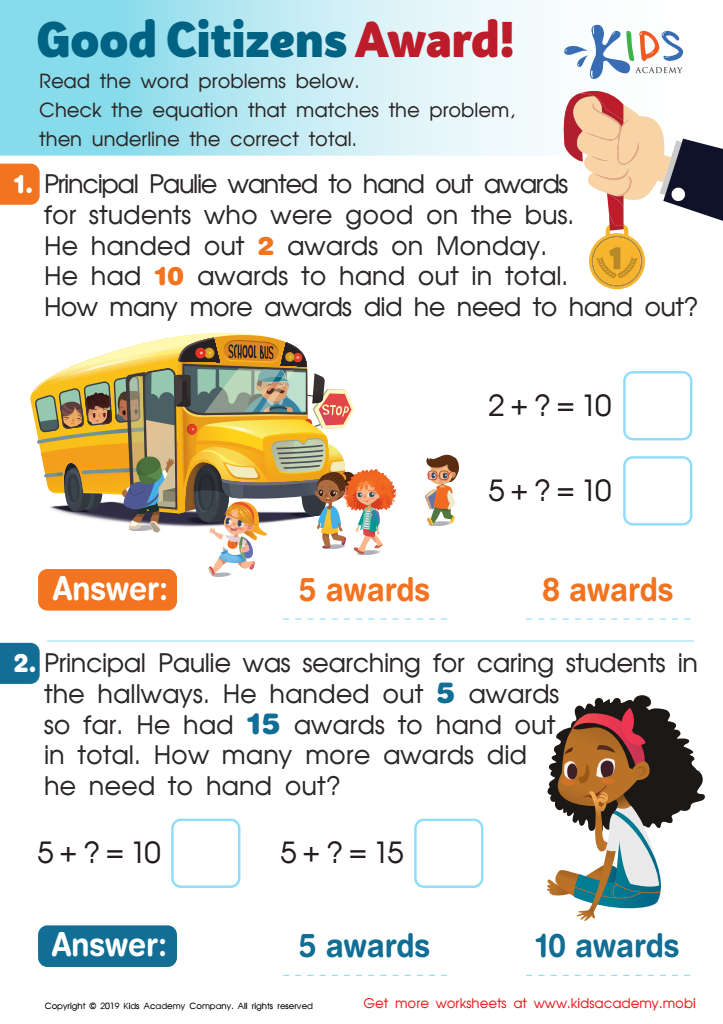
Good Citizens Award! Worksheet
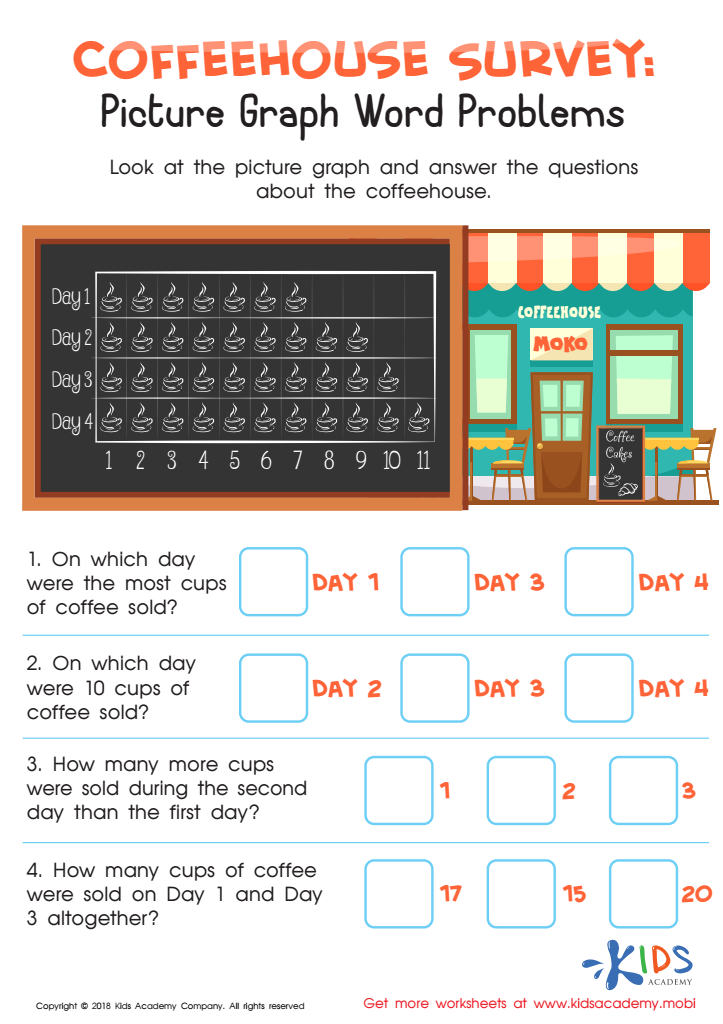
Coffeehouse Survey: Picture Graph Word Problems Worksheet
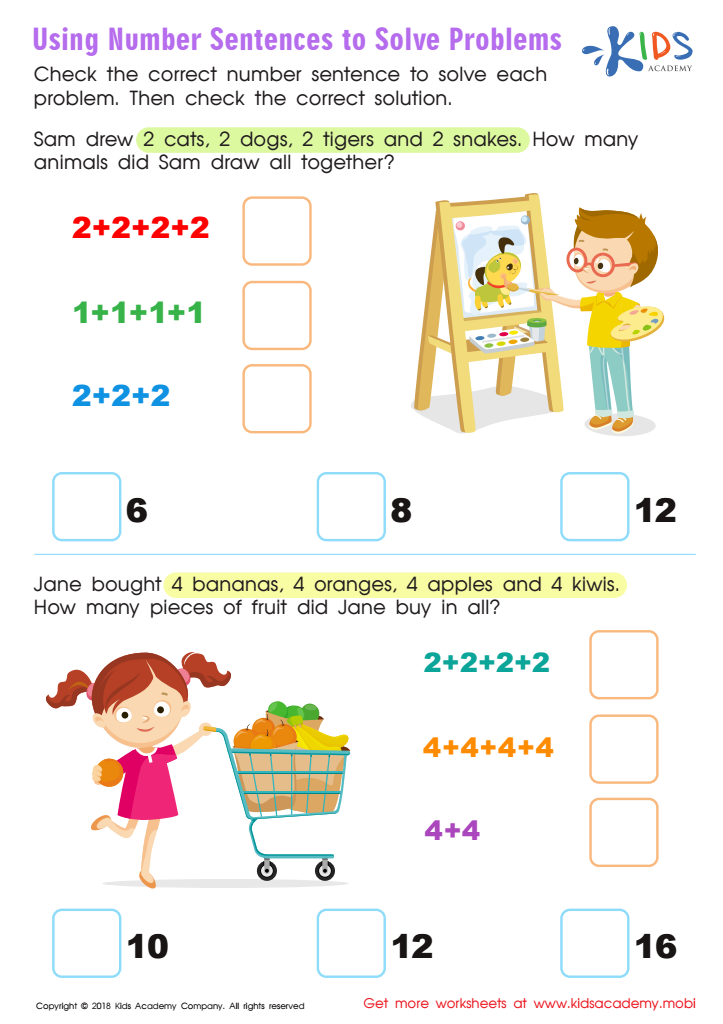
Using Number Sentences to Solve Problems Worksheet
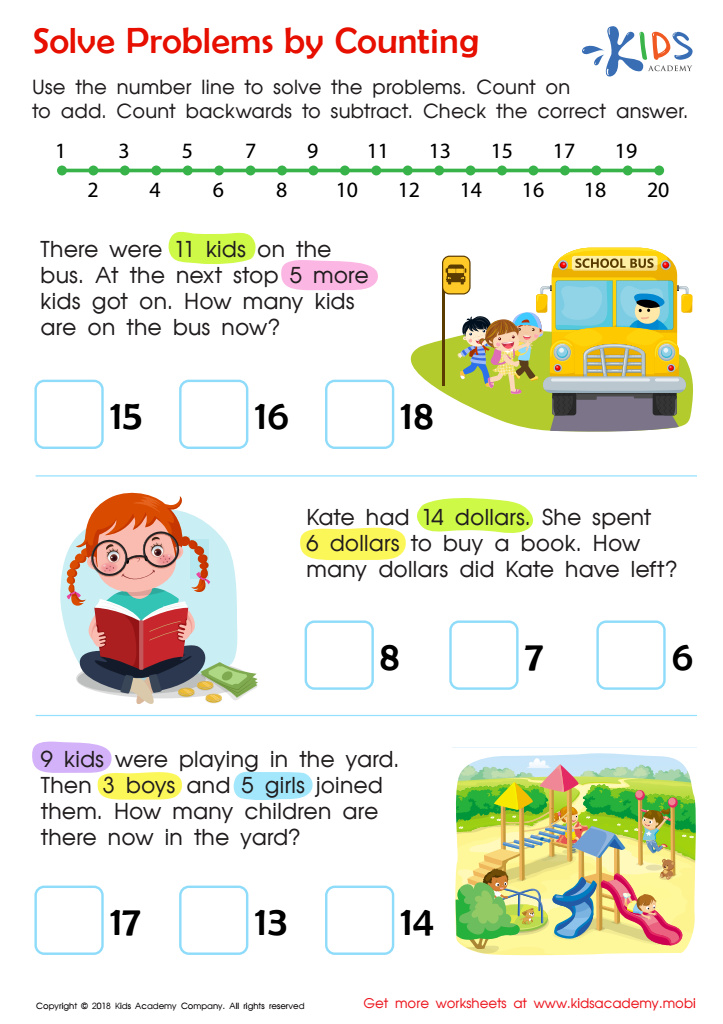
Solve Problems by Counting Worksheet
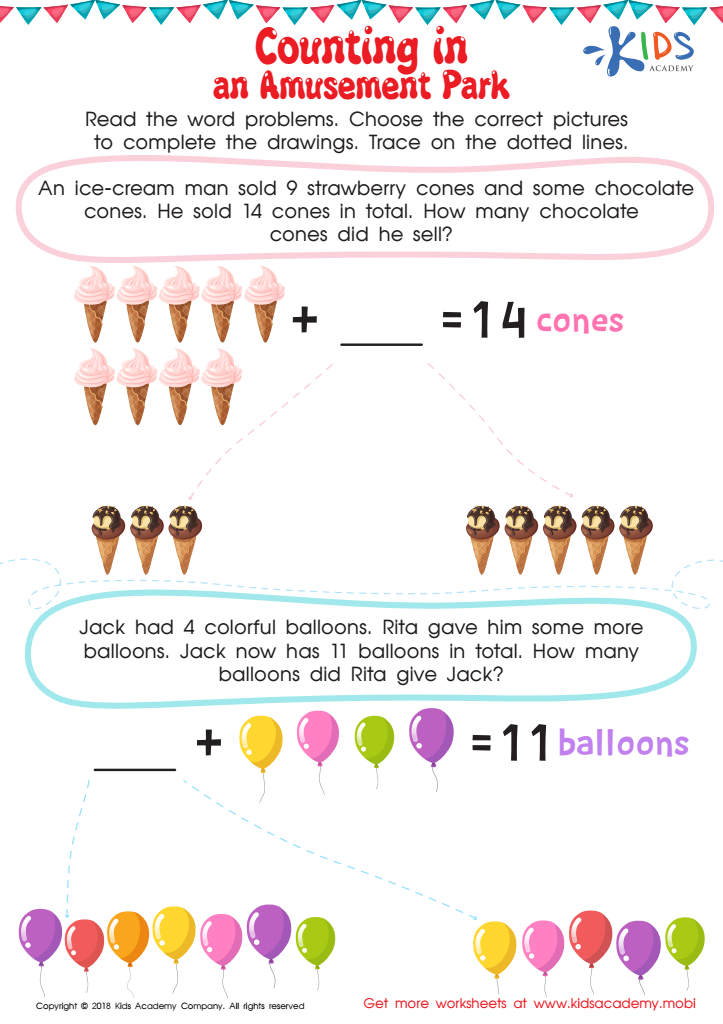
Counting in an Amusement Park Worksheet
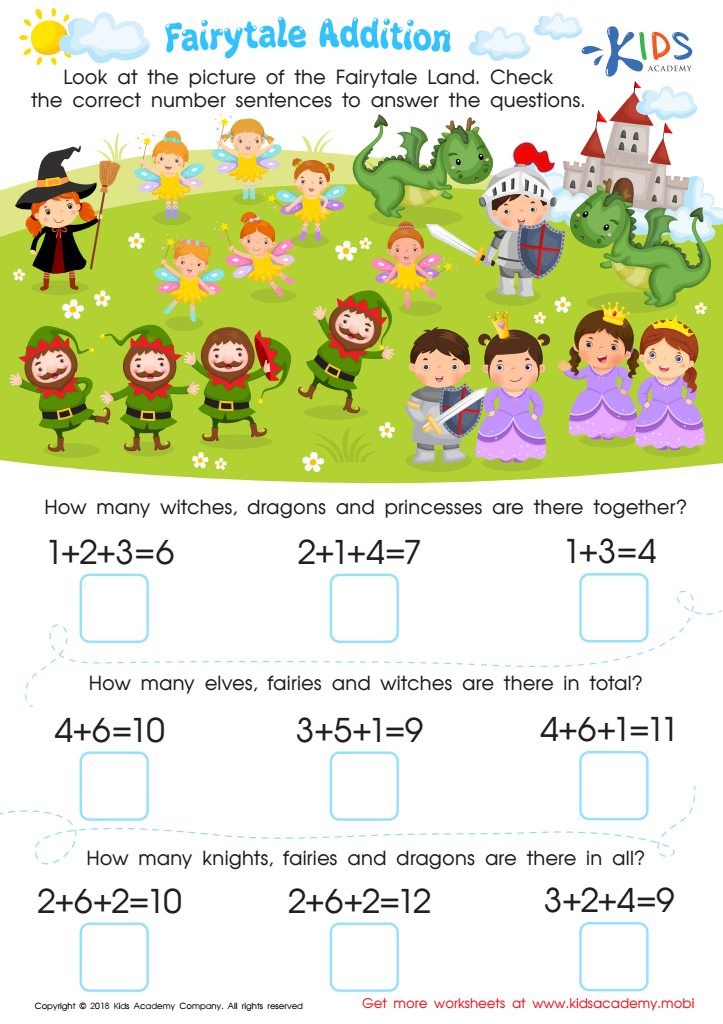
Fairytale Addition Worksheet
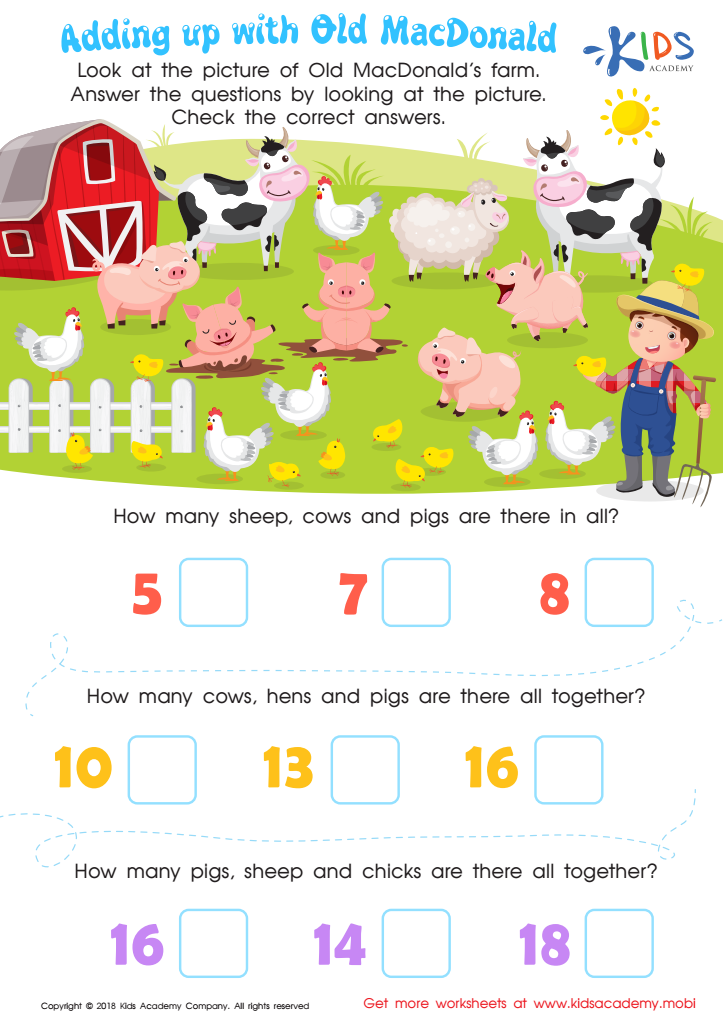
Adding Up with Old MacDonald Worksheet
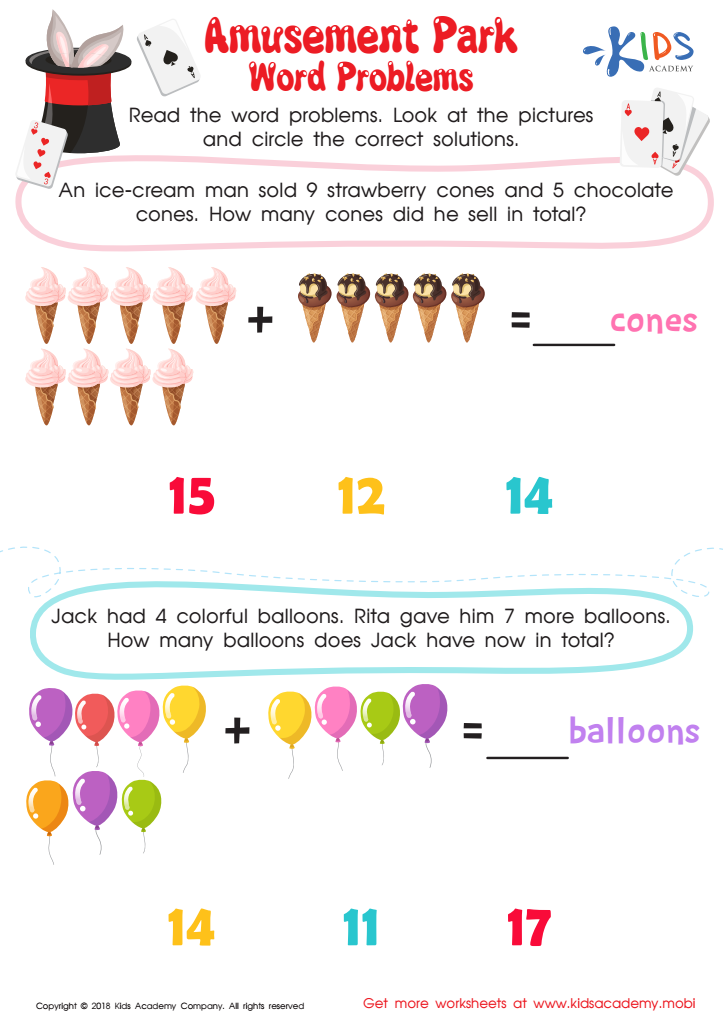
Amusement Park Word Problems Worksheet
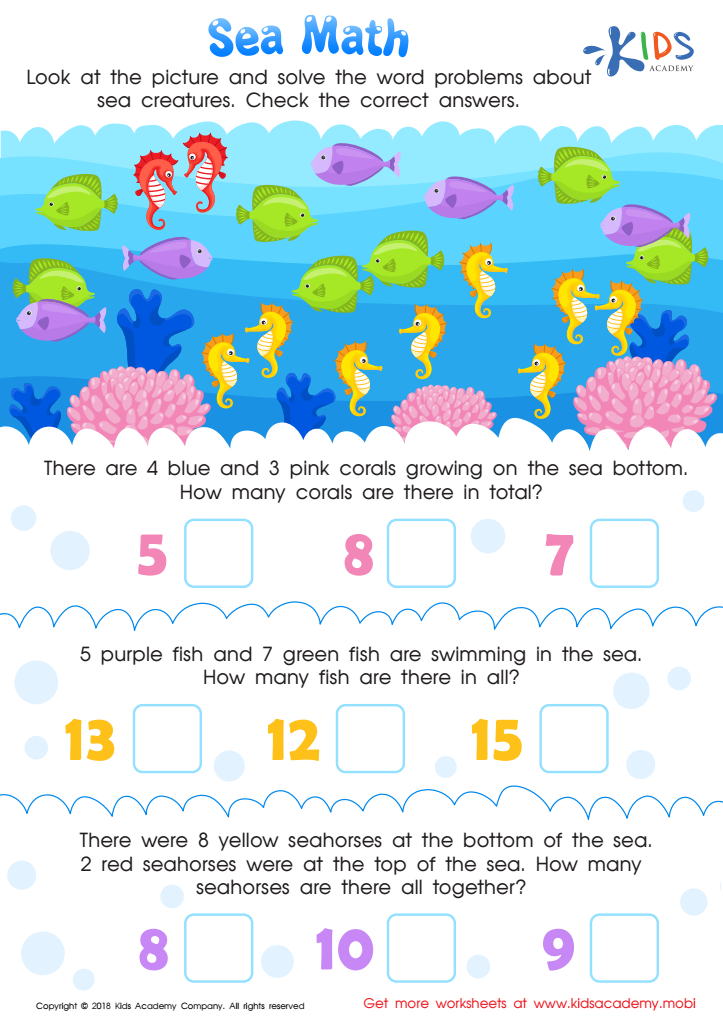
Sea Math Worksheet
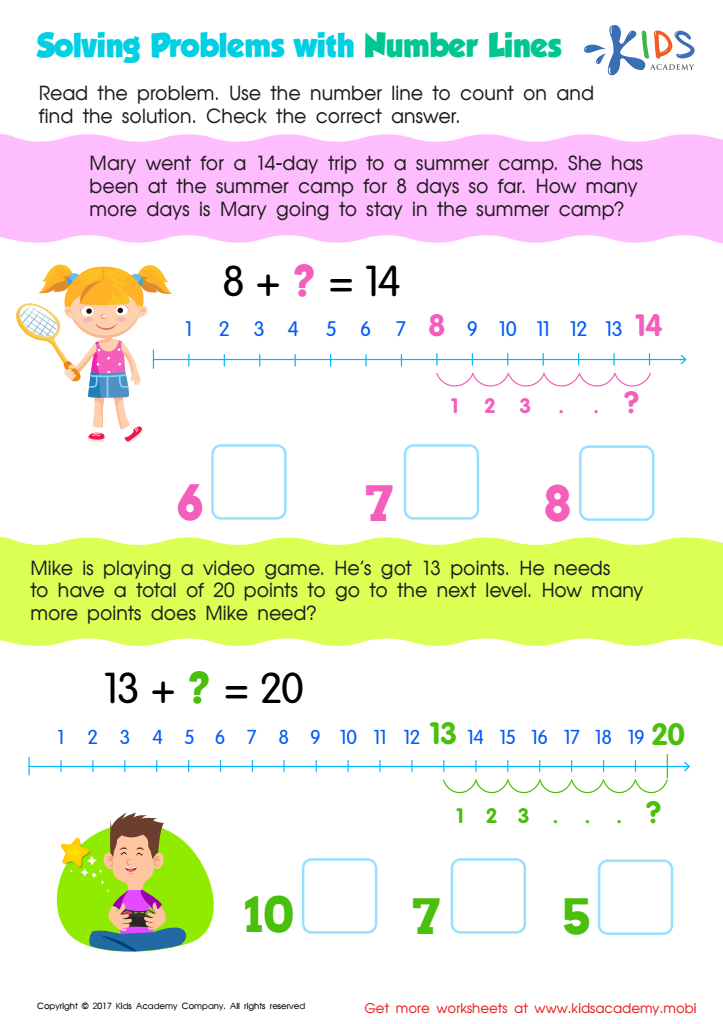
Solving Problems: Number Lines Worksheet
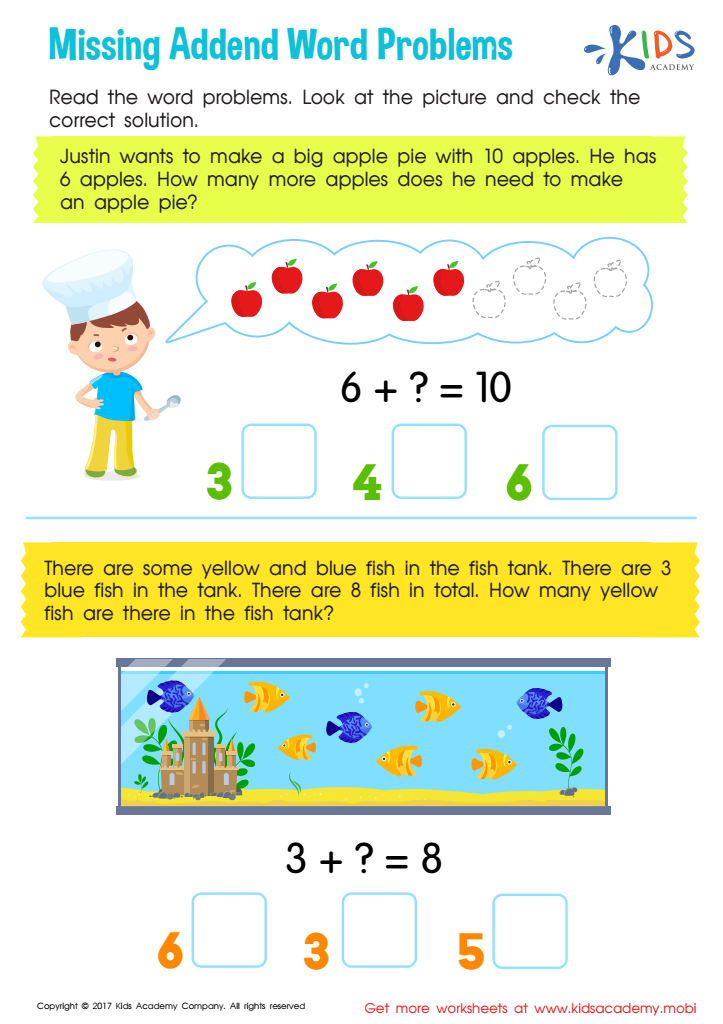
Missing Addend Word Problems Worksheet








Easy word problems are a valuable educational tool for children ages 3-7 because they lay the foundation for essential math and language skills. By introducing young children to basic word problems, parents and teachers can help them develop strong problem-solving abilities early on. These simple problems enable children to learn how to identify relevant information, think analytically, and apply arithmetic skills in real-world contexts.
For parents, engaging with easy word problems at home provides an opportunity to foster a positive attitude toward math. It makes learning a fun, collaborative experience and aids in early cognitive development. By working on problem-solving activities together, parents can nurture their child's curiosity and boost confidence in their mathematical abilities.
Teachers can use easy word problems to assess comprehension of basic concepts and reinforce lessons. In the classroom, these problems help to integrate math with language arts, promoting a holistic learning approach. For instance, children practice reading comprehension while interpreting the question and writing skills while explaining their solution.
Ultimately, focusing on easy word problems at a young age is crucial because it cultivates a deeper understanding of both math and reading, paving the way for more complex problem-solving skills in the future and fostering a lifelong love for learning.








