Easy Comparison Worksheets for Ages 4-6
3 filtered results
-
From - To
Introducing our Easy Comparison Worksheets, crafted specifically for children aged 4-6! These engaging and educative worksheets are designed to introduce the young minds to the basics of comparison, helping them understand concepts of size, quantity, and numbers in a fun and interactive way. With a range of activities tailored to their age group, these worksheets make learning an enjoyable experience for your little ones. They'll develop critical thinking and analytical skills as they compare objects and numbers, setting a strong foundation for future mathematical learning. Perfect for both classroom and home use, our Easy Comparison Worksheets for Ages 4-6 are the ideal tool to kickstart your child's educational journey.
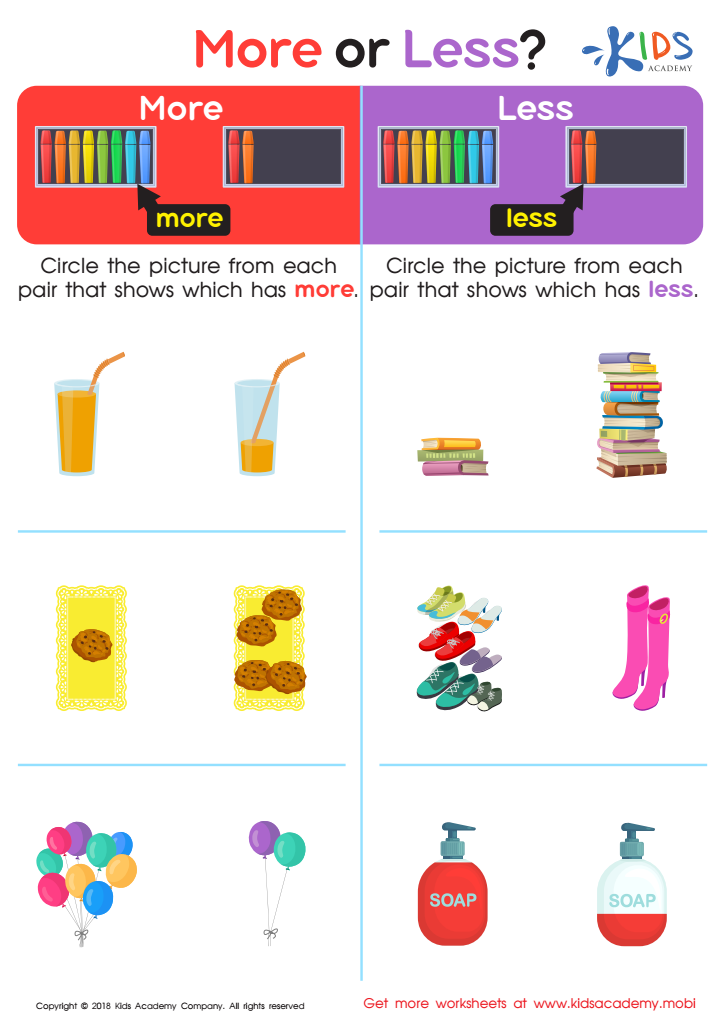
More or Less? Worksheet
 Assign to My Students
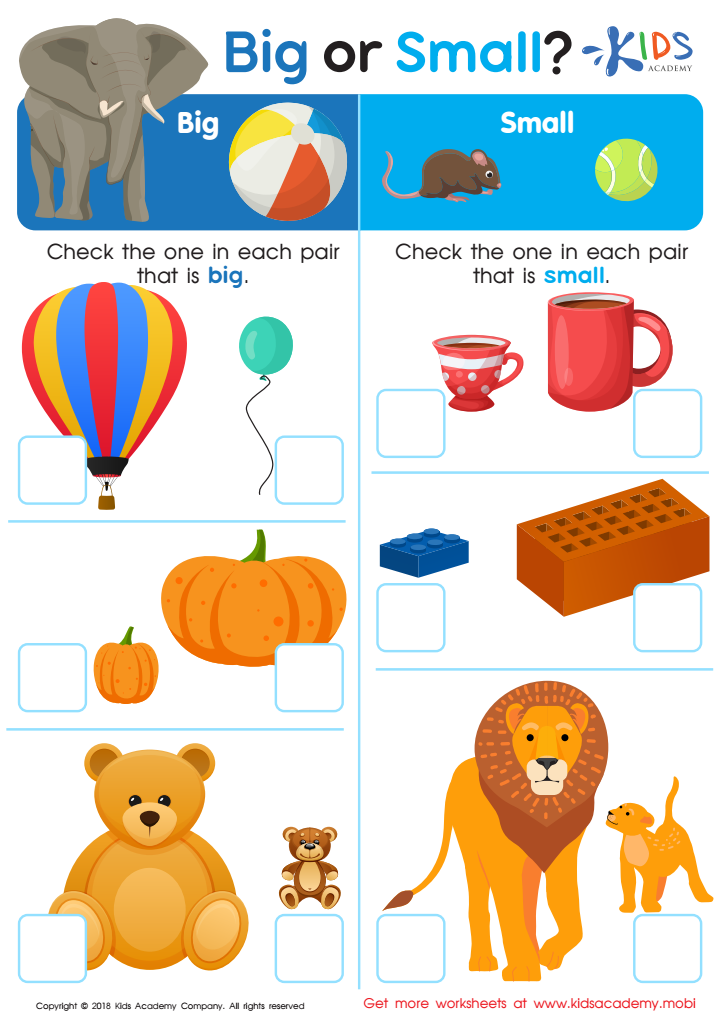
Big or Small? Worksheet
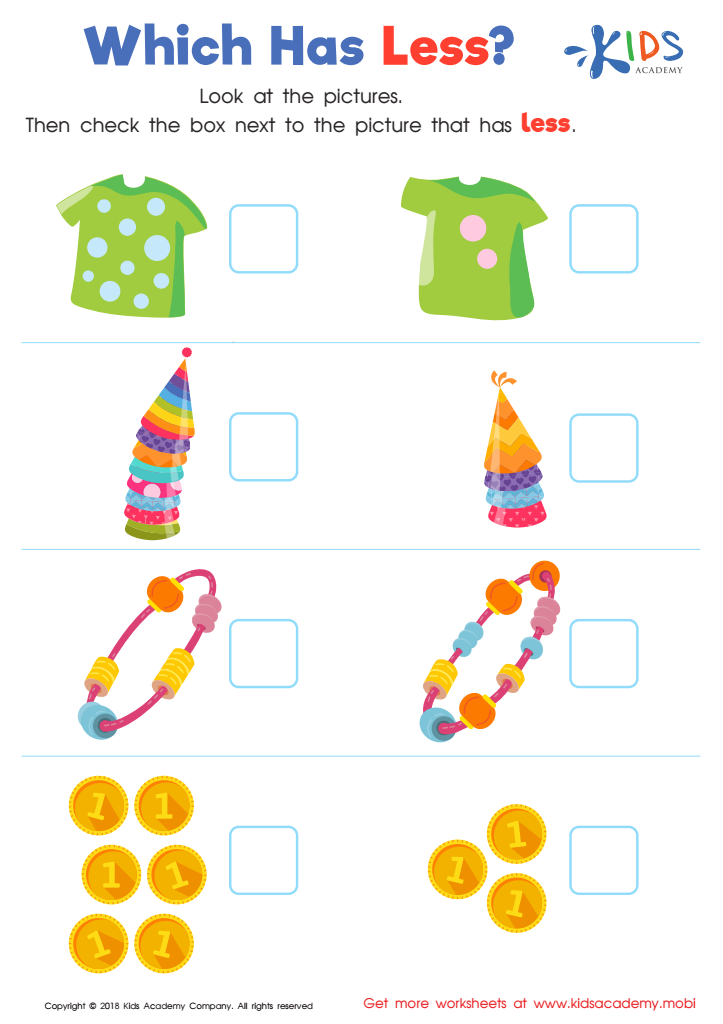
Which Has Less? Worksheet



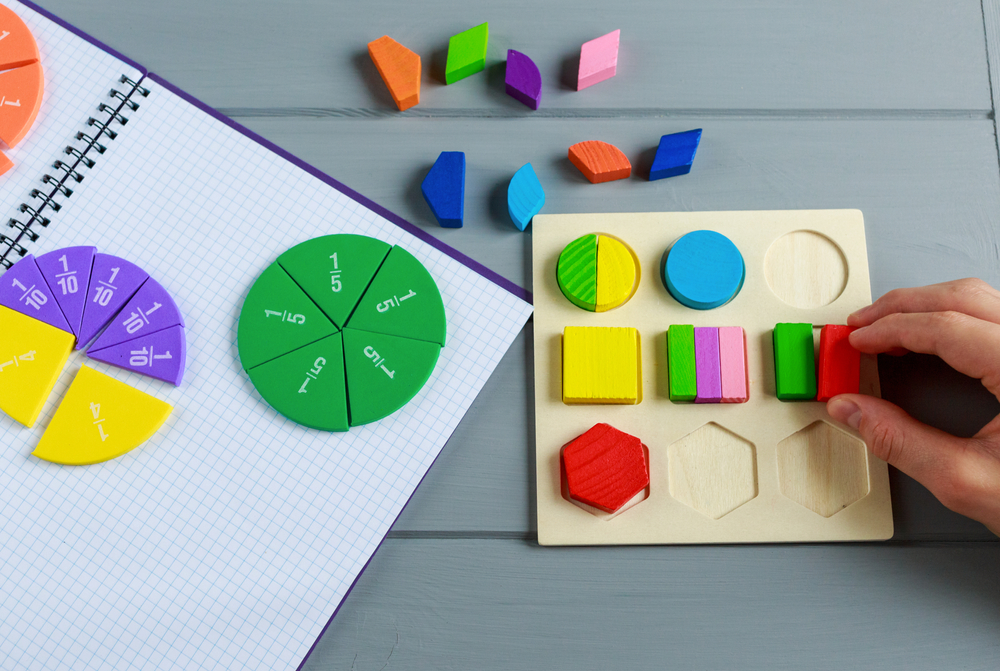




Easy comparison worksheets are an invaluable tool for young learners, especially those between the ages of 4 to 6. At this critical developmental stage, children are just beginning to grasp basic concepts of mathematics and the world around them. Easy comparison worksheets are designed to introduce these young minds to the foundational skills of comparing sizes, quantities, lengths, and weights in a manner that is engaging, fun, and highly educational.
The primary advantage of using easy comparison worksheets for ages 4 to 6 is that they are tailored to the learning capabilities of young children. These worksheets use simple, relatable examples and colorful illustrations that not only capture the attention of young learners but also make complex concepts more understandable. By engaging with these worksheets, children learn to identify differences and similarities, a skill that forms the basis for more advanced mathematical reasoning and critical thinking.
Moreover, easy comparison worksheets encourage hands-on learning. Children love interacting with physical materials, and these worksheets often involve drawing, coloring, and even cutting, making the learning experience more interactive and enjoyable. This hands-on approach promotes fine motor skills while reinforcing the learning objectives.
Lastly, easy comparison worksheets for ages 4 to 6 foster confidence in young learners. By starting with simple concepts and gradually increasing the difficulty, these worksheets ensure that children build a strong foundation in comparative reasoning. This early success boosts their confidence and encourages a positive attitude towards learning more complex concepts in the future.
In conclusion, easy comparison worksheets are a fundamental resource in the educational toolkit for young learners. They not only lay the groundwork for mathematical and critical thinking skills but also do so in a way that is age-appropriate, engaging, and confidence-building.








