Easy Reading Non-Fiction Worksheets for Ages 4-9
21 filtered results
-
From - To
Dive into the world of learning with our "Easy Reading Non-Fiction Worksheets for Ages 4-9". Designed to cultivate curiosity and knowledge, these engaging worksheets are perfect for young readers. Featuring a diverse range of topics from animals and science to history and culture, each worksheet is crafted to enhance reading comprehension, critical thinking, and information retention. Ideal for both classroom and home learning, our worksheets make understanding real-world concepts fun and straightforward. Start your child's educational journey with content that excites and educates, setting a strong foundation for lifelong learning. Discover the joy of non-fiction reading today!
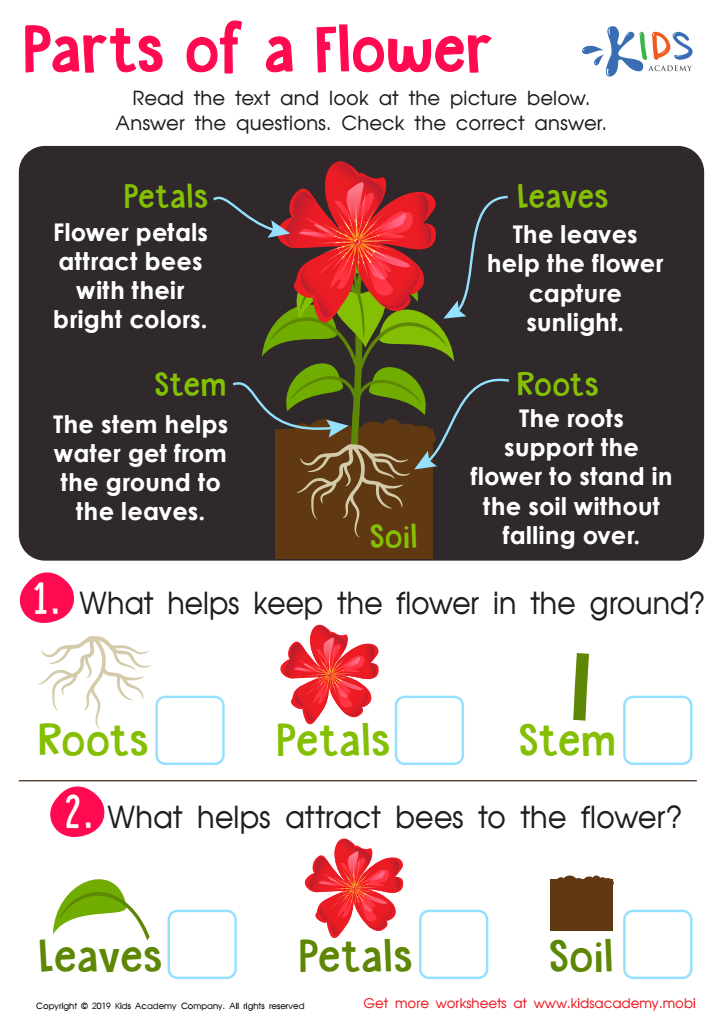
Parts of Flower Worksheet
 Assign to My Students
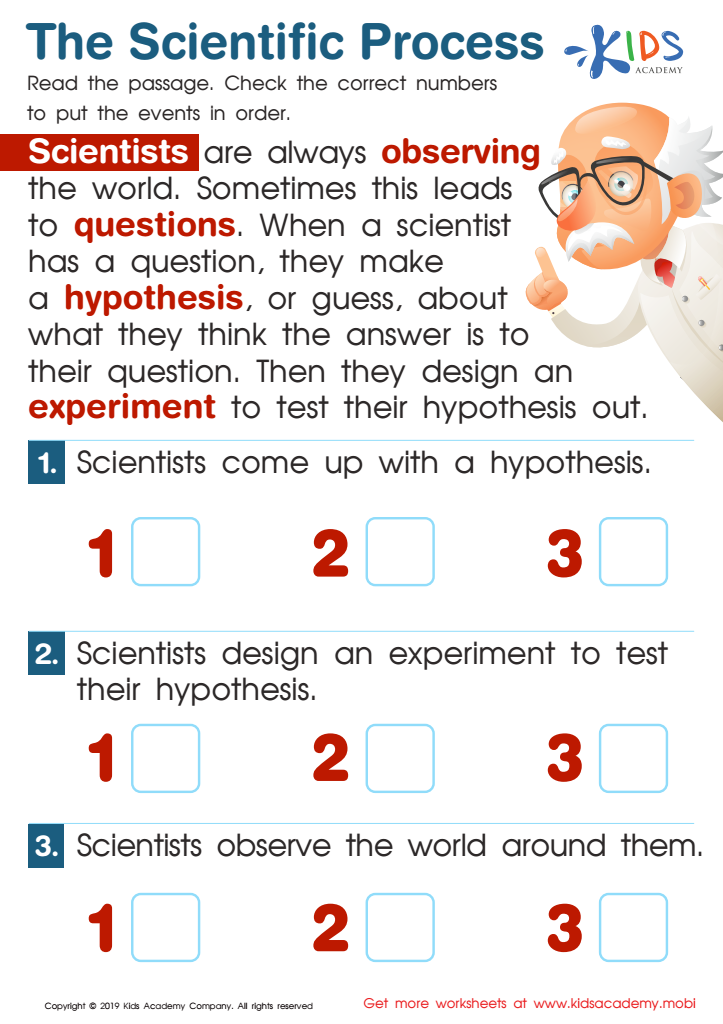
The Scientific Process Worksheet
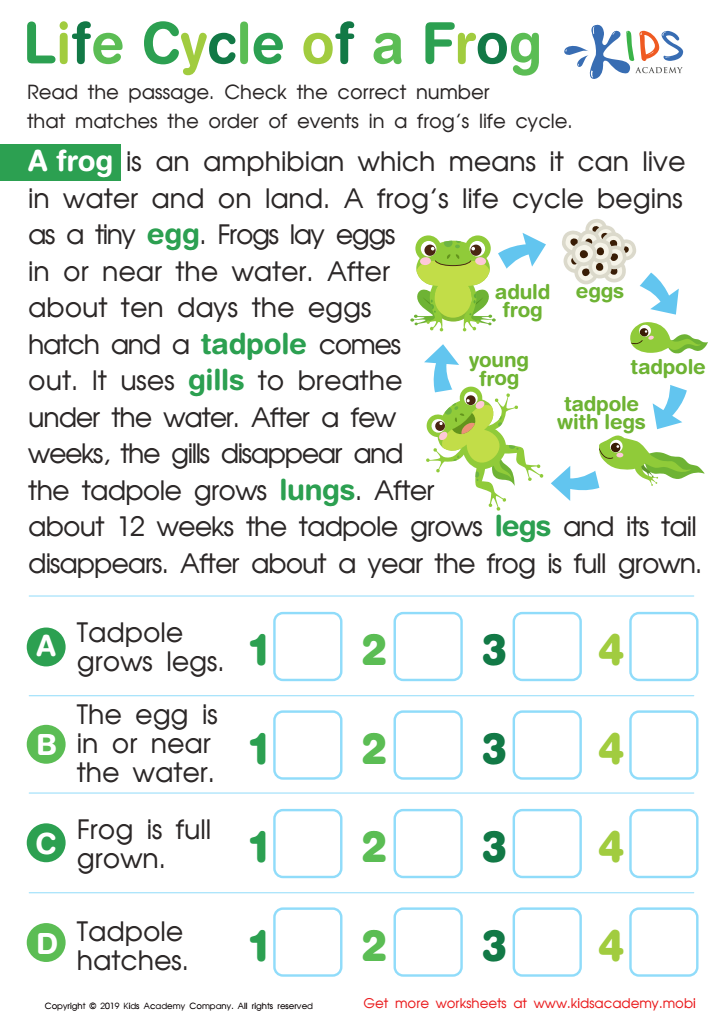
Life Cycle of a Frog Worksheet
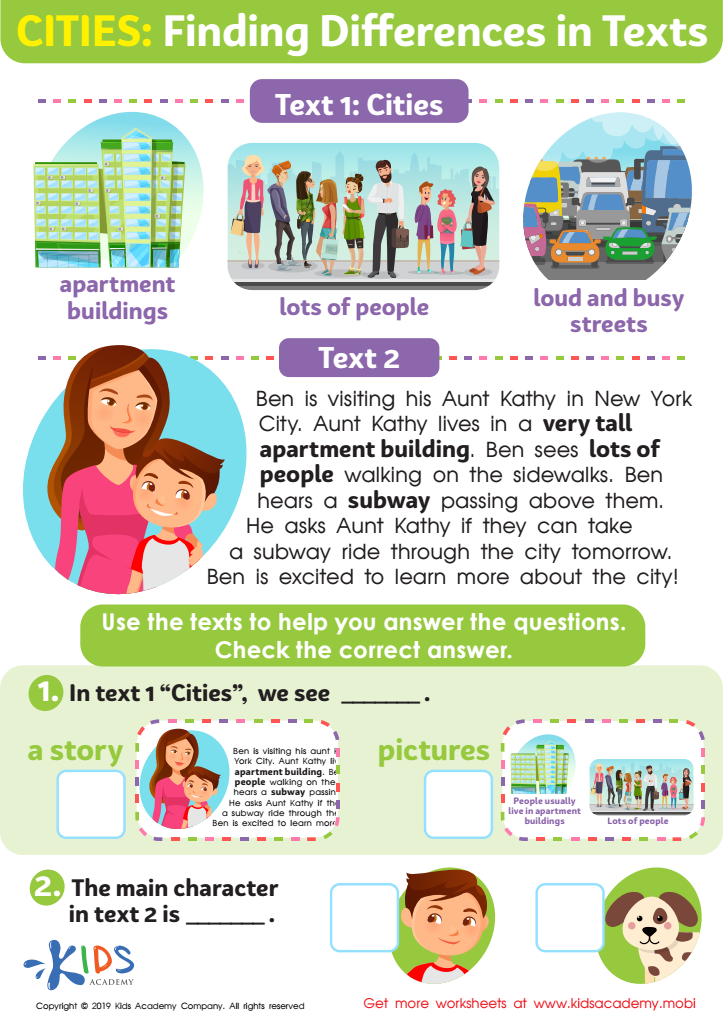
Cities: Finding Differences Worksheet
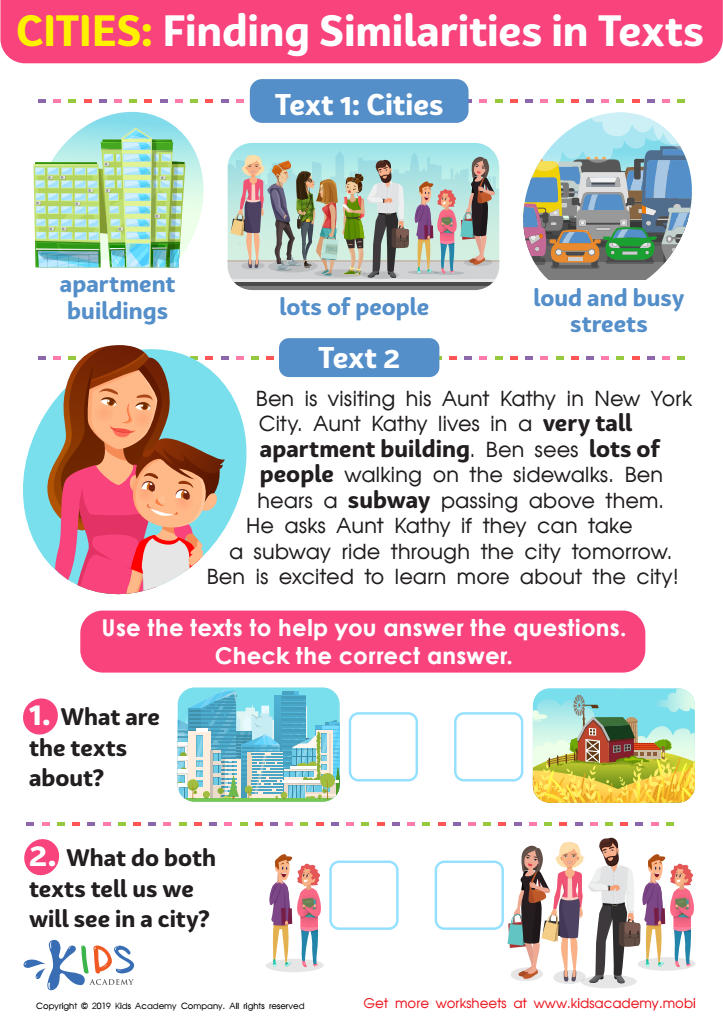
Cities: Finding Similarities Worksheet
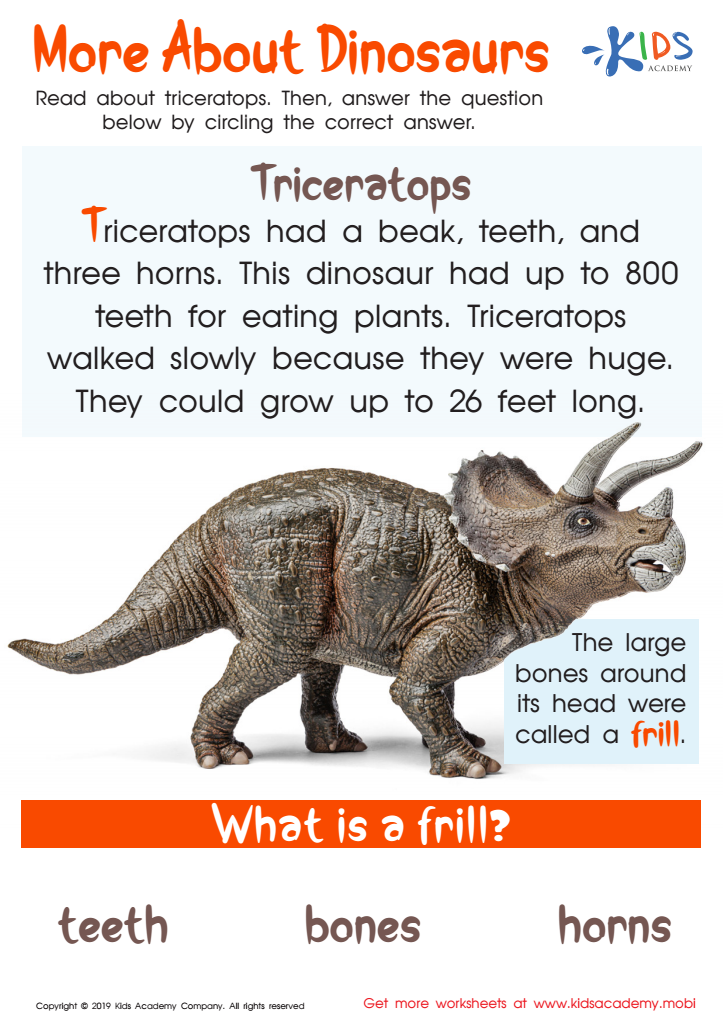
More About Dinosaurs Worksheet
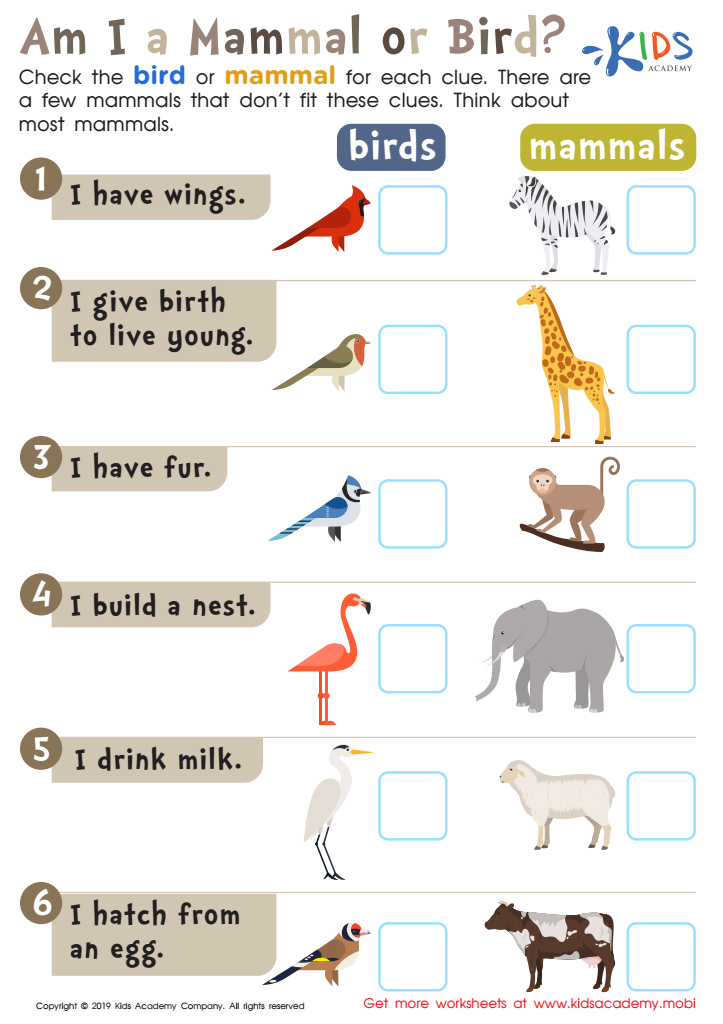
Am I a Mammal or Bird? Worksheet
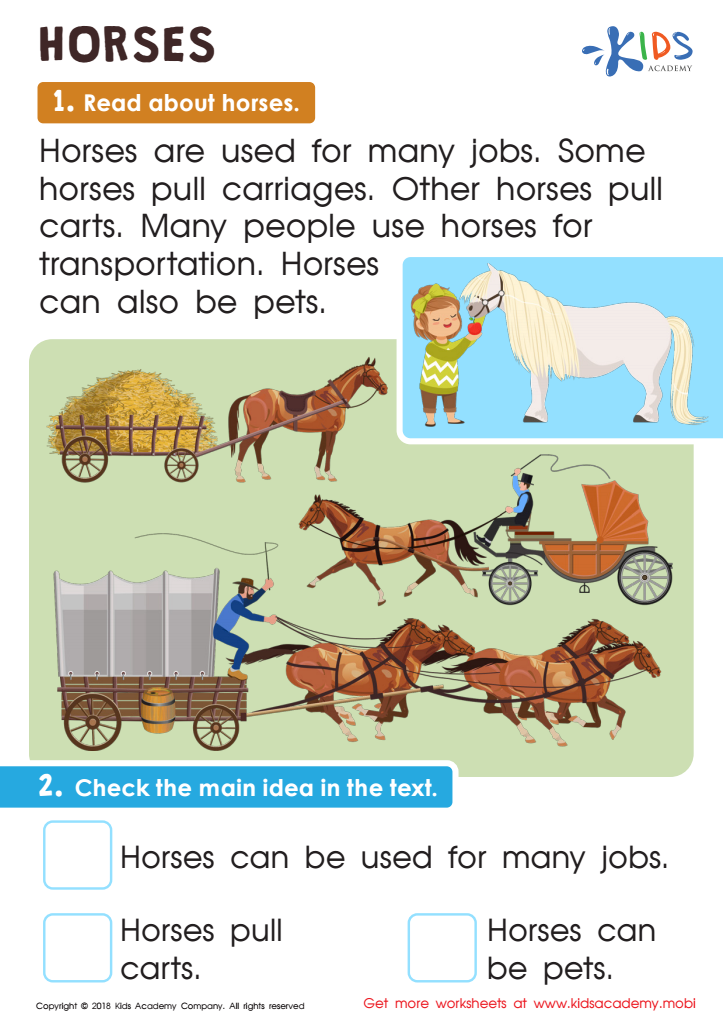
Horses Worksheet
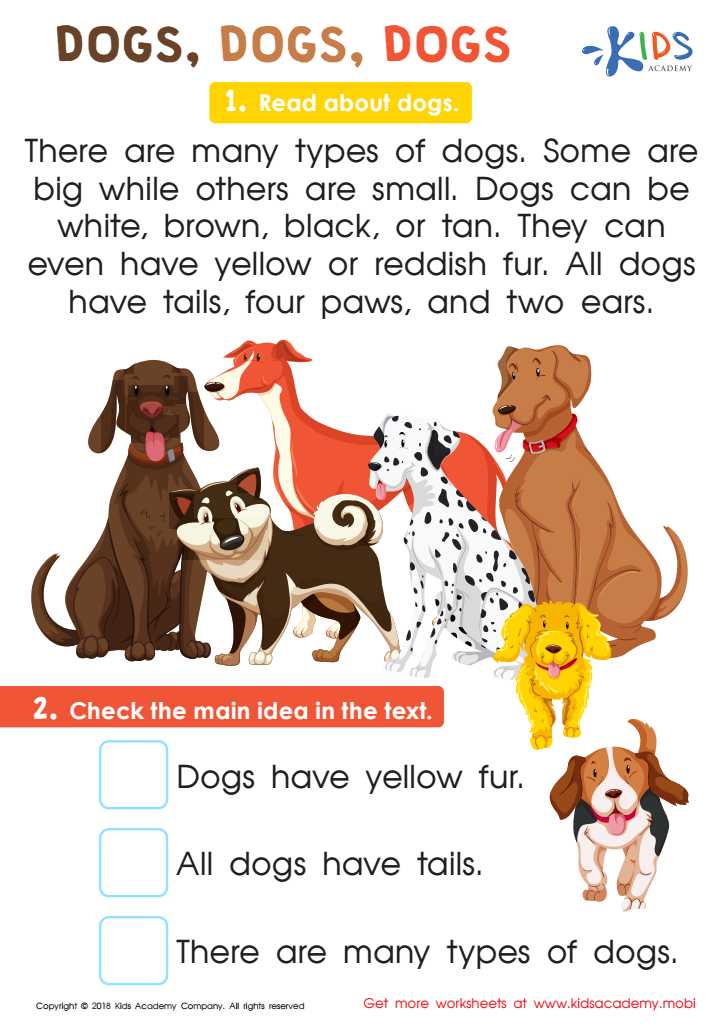
Dogs, Dogs Worksheet
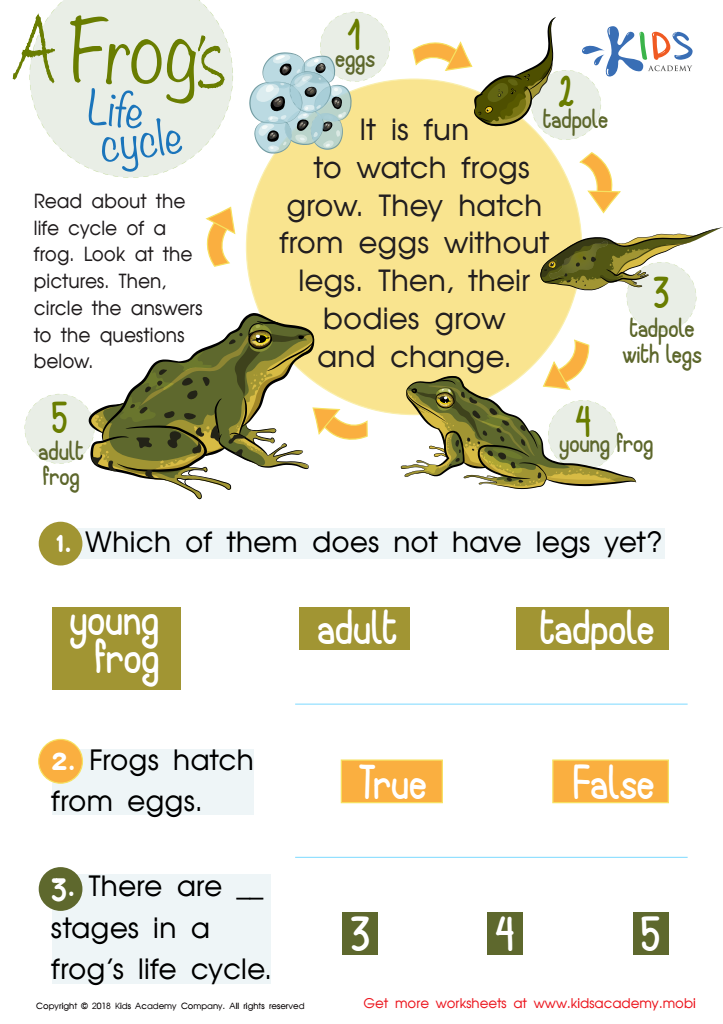
A Frog’s Life Cycle Worksheet
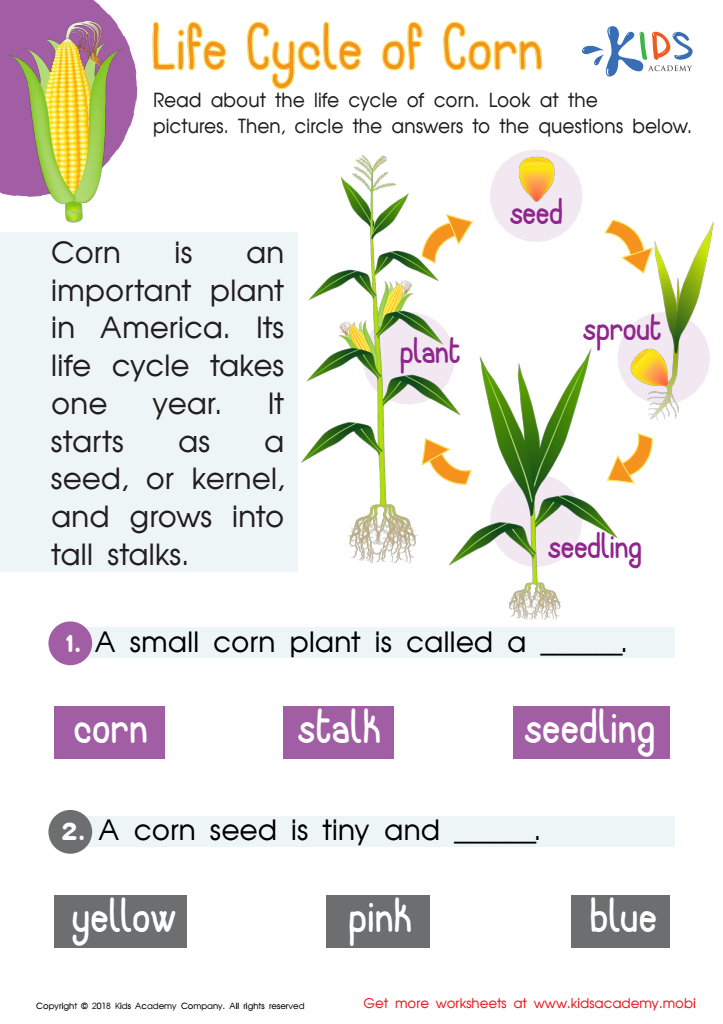
Life Cycle of Corn Worksheet
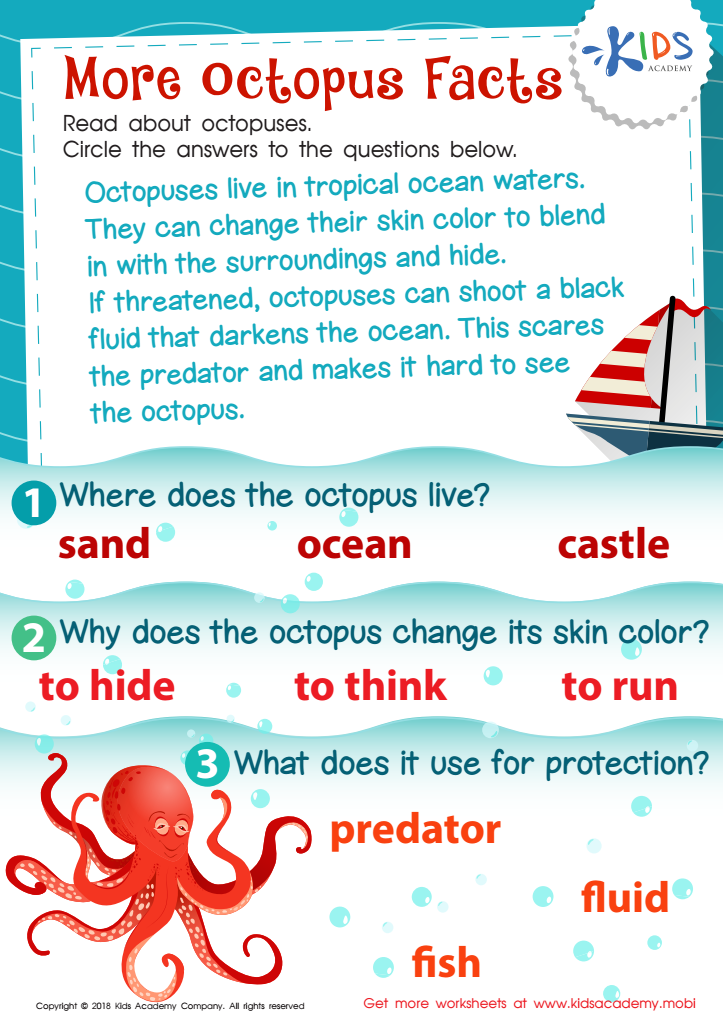
More Octopus Facts Worksheet
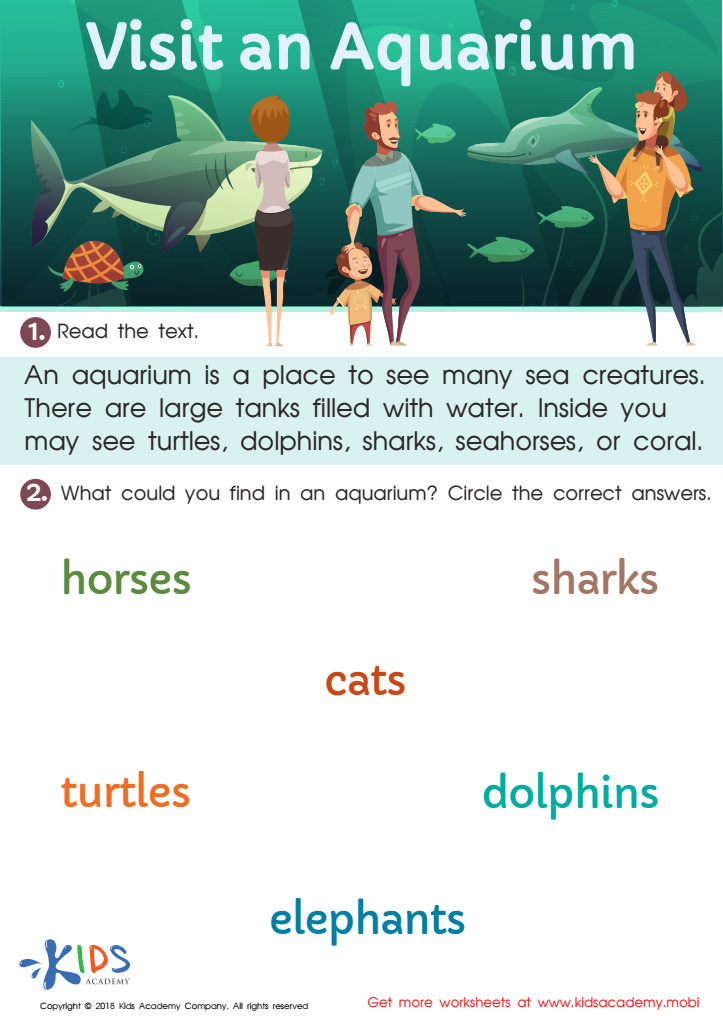
Visit an Aquarium Worksheet
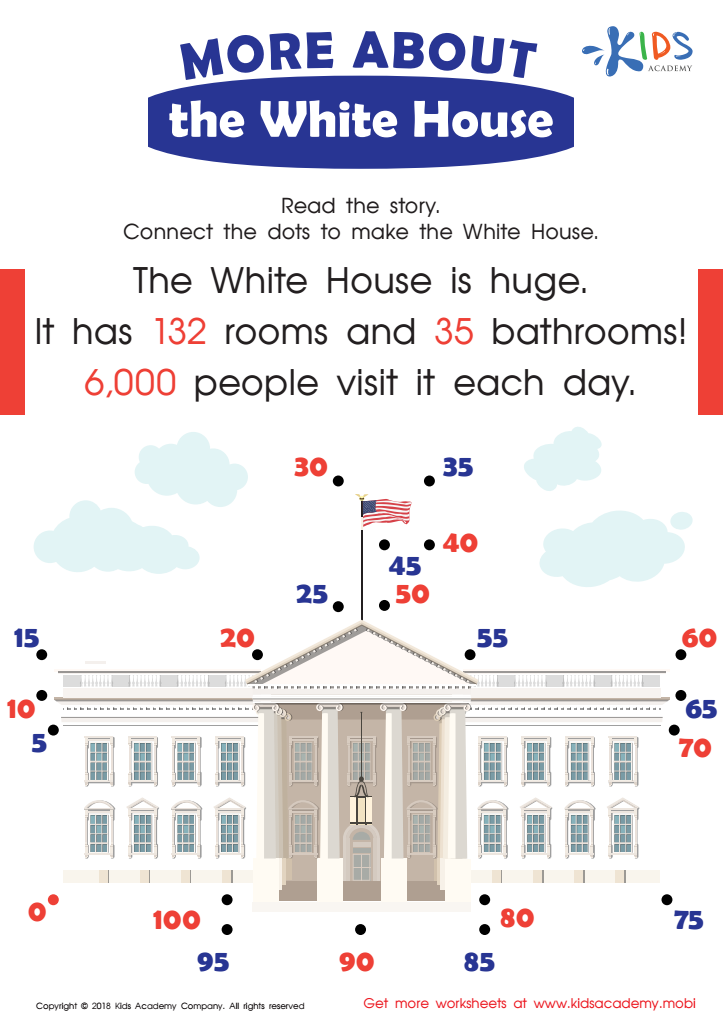
More About the White House Worksheet
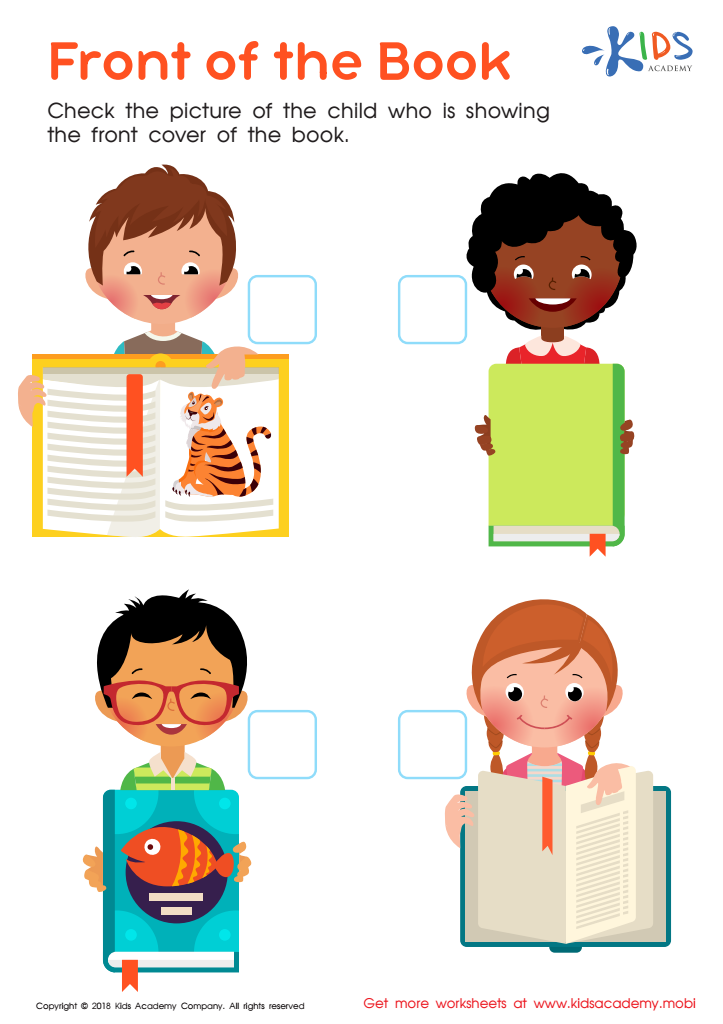
Front of the Book Worksheet
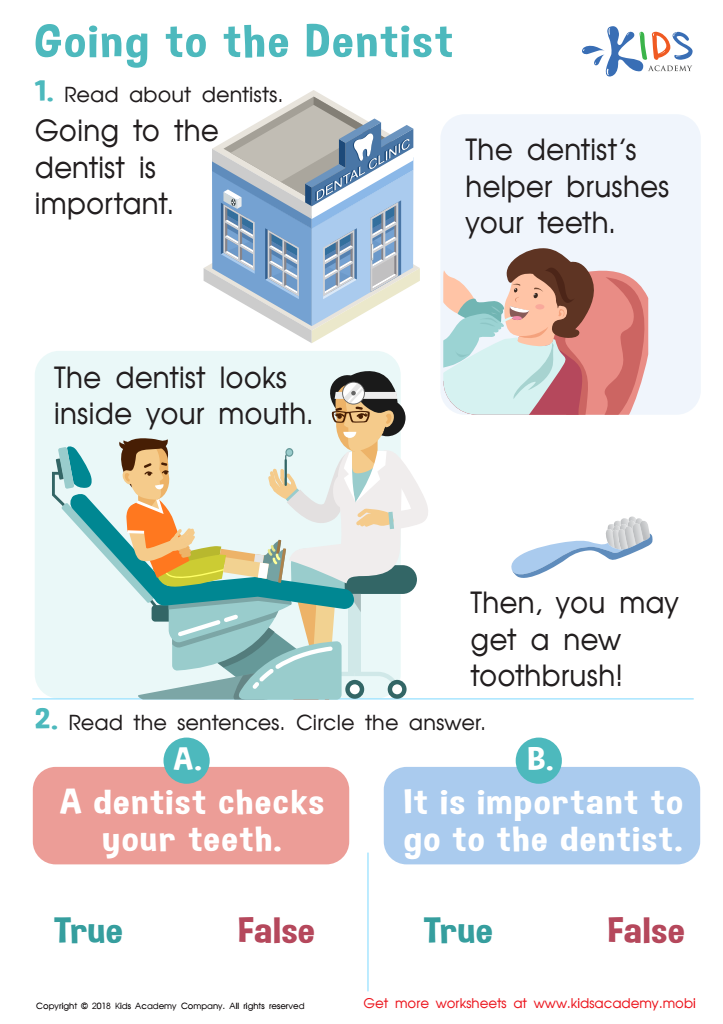
Going to the Dentist Part 2 Worksheet
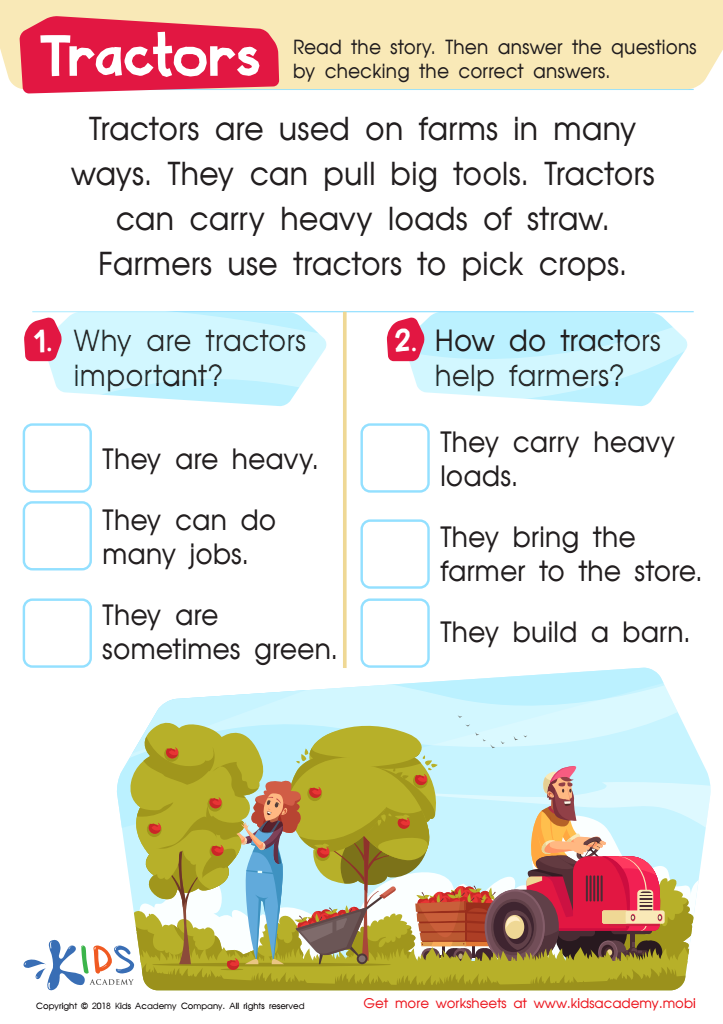
Tractors Worksheet
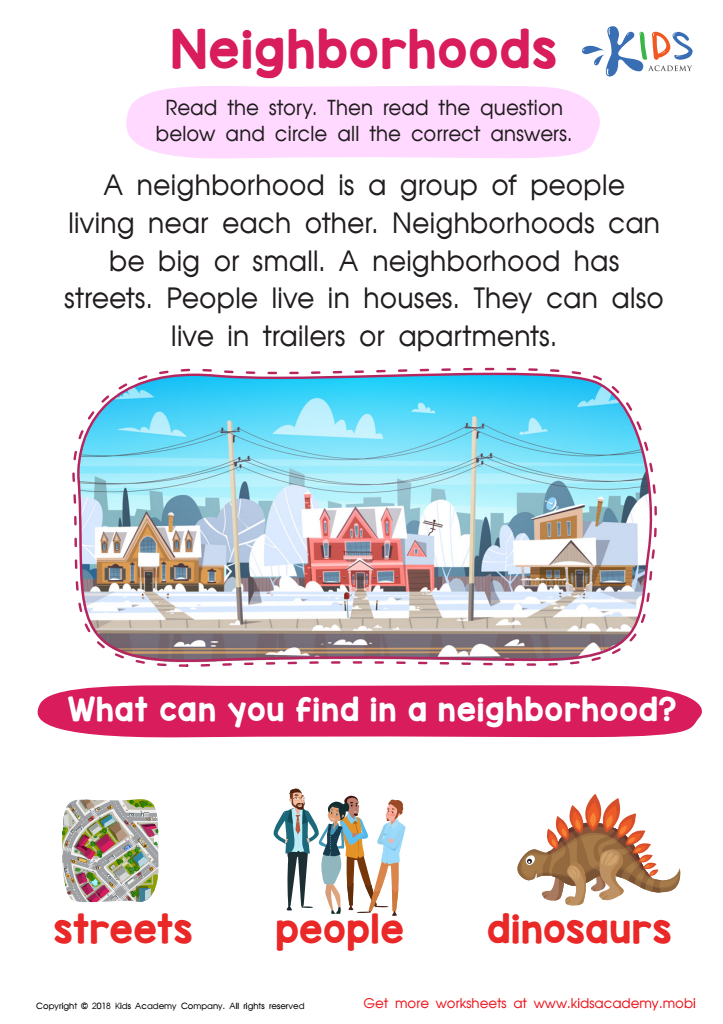
Neighborhoods Worksheet
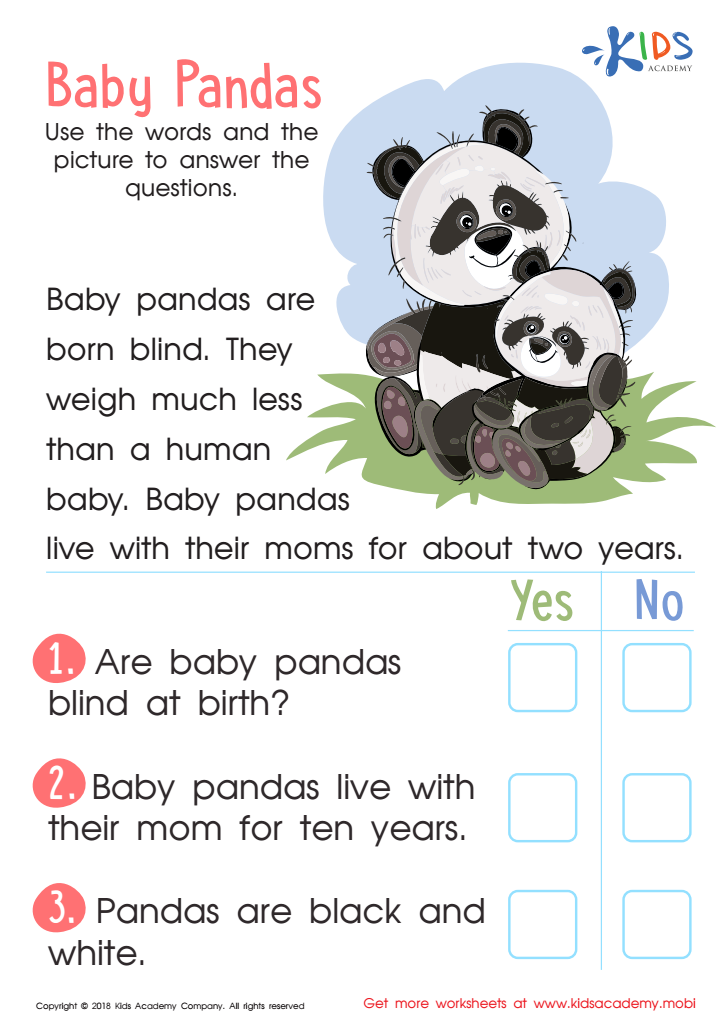
Baby Pandas Worksheet
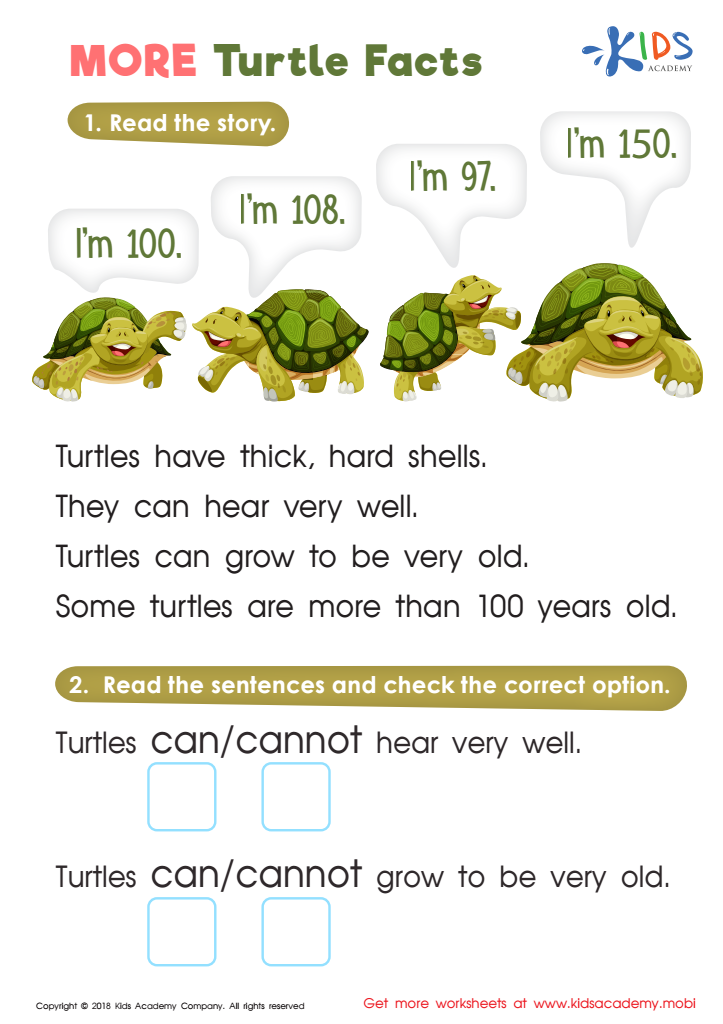
More Turtle Facts Worksheet
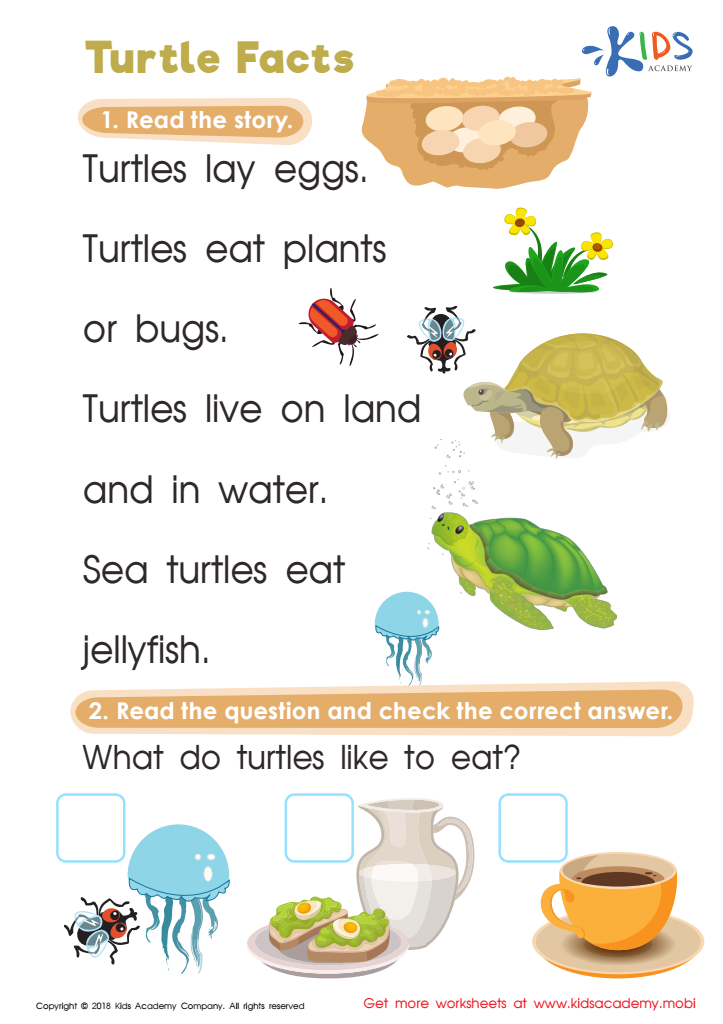
Turtle Facts Worksheet








Easy Reading Non-Fiction for ages 4-9 is vital for several reasons. First, it scaffolds young learners' understanding of the world, addressing their innate curiosity with accurate information about various subjects, from animals to space. This lays a foundation for lifelong learning and critical thinking.
Second, it develops essential literacy skills using engaging, visually appealing formats. Colorful illustrations, simple vocabulary, and concise text make it accessible and enjoyable, fostering a love of reading. When children read non-fiction, they also learn to extract key facts, an important skill for future academic tasks.
Moreover, Easy Reading Non-Fiction broadens children's perspectives. Beyond just fun stories, non-fiction introduces them to diverse topics and cultures, promoting empathy and global awareness. This inclusive exposure can nurture well-rounded individuals who appreciate differences and become more informed global citizens.
For teachers and parents, utilizing high-quality non-fiction books can supplement the curriculum, providing hands-on learning opportunities and practical knowledge that align with educational standards. It also helps identify and nurture children's unique interests, whether in dinosaurs or astronauts, aiding in personalized learning paths.
In summary, Easy Reading Non-Fiction supports comprehensive development—intellectual, social, and emotional. By investing in these resources, parents and teachers lay a robust foundation for youngsters' academic success and personal growth.







