Easy Reading Fiction Worksheets for Ages 6-8 - Page 2
26 filtered results
-
From - To
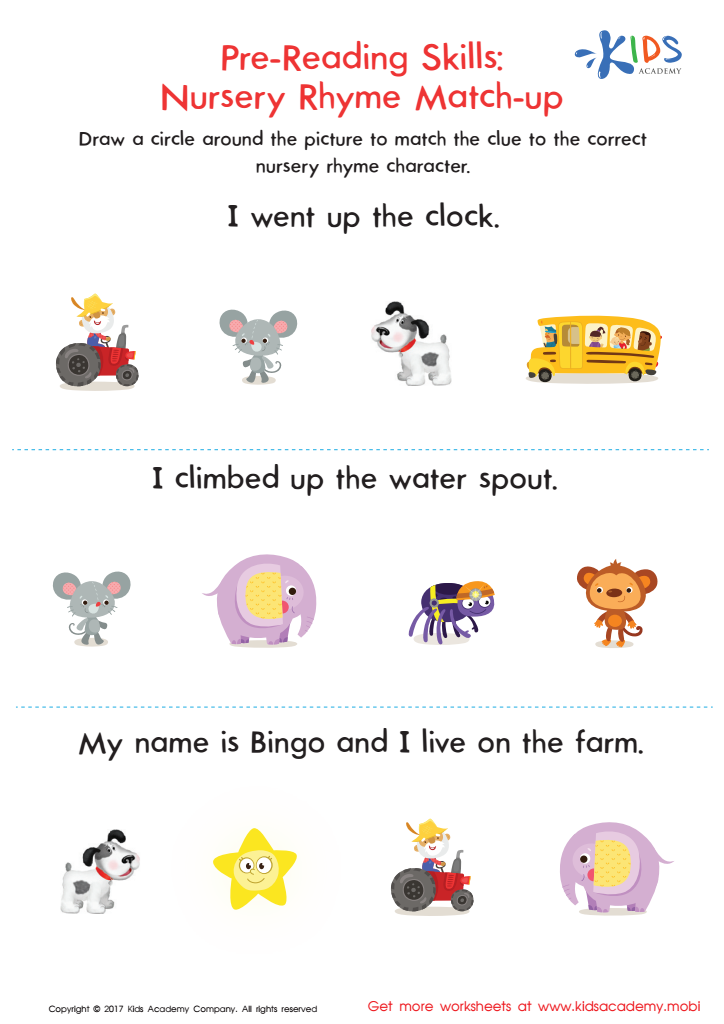
Nursery Rhyme Match–Up Worksheet
 Assign to My Students
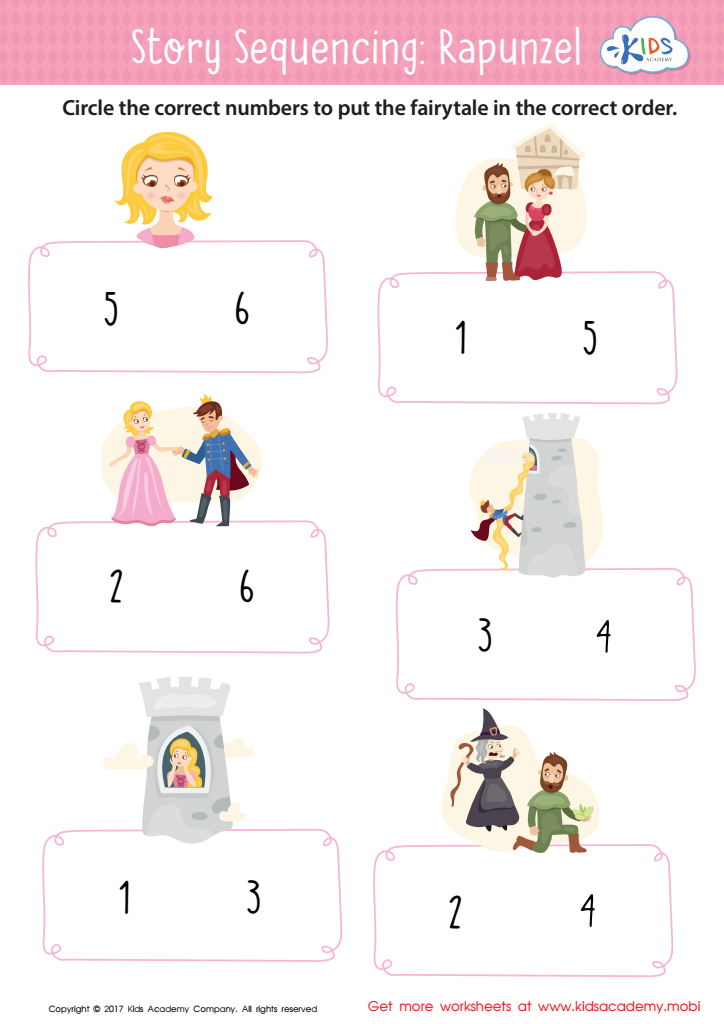
Rapunzel Story Sequencing Worksheet








Easy reading fiction for ages 6-8 is crucial in a child's developmental stage and plays a pivotal role in their overall literacy journey. At this age, children are transitioning from learning to read to reading to learn. Providing them with engaging and age-appropriate fiction instills a love for reading, which is necessary for academic success and lifelong learning.
When children enjoy captivating stories suited for their reading level, they develop stronger reading skills, improved vocabulary, and better comprehension. Easy reading fiction, with its colorful illustrations and simple sentence structures, helps young readers feel accomplished, boosting their confidence. This self-confidence encourages them to tackle more complex texts in the future.
Additionally, these stories often contain relatable characters and situations that can help children understand and navigate their feelings and social interactions. They foster empathy, critical thinking, and imagination, which are essential life skills.
Parents and teachers should focus on easy reading fiction because it also creates shared reading opportunities that strengthen bonds and make learning a collaborative and enjoyable process. Overall, easy reading fiction is not just about reading—it’s about creating nurturing learning environments that promote cognitive and emotional growth in young readers.