Easy Measurement Worksheets for Ages 6-9 - Page 2
41 filtered results
-
From - To
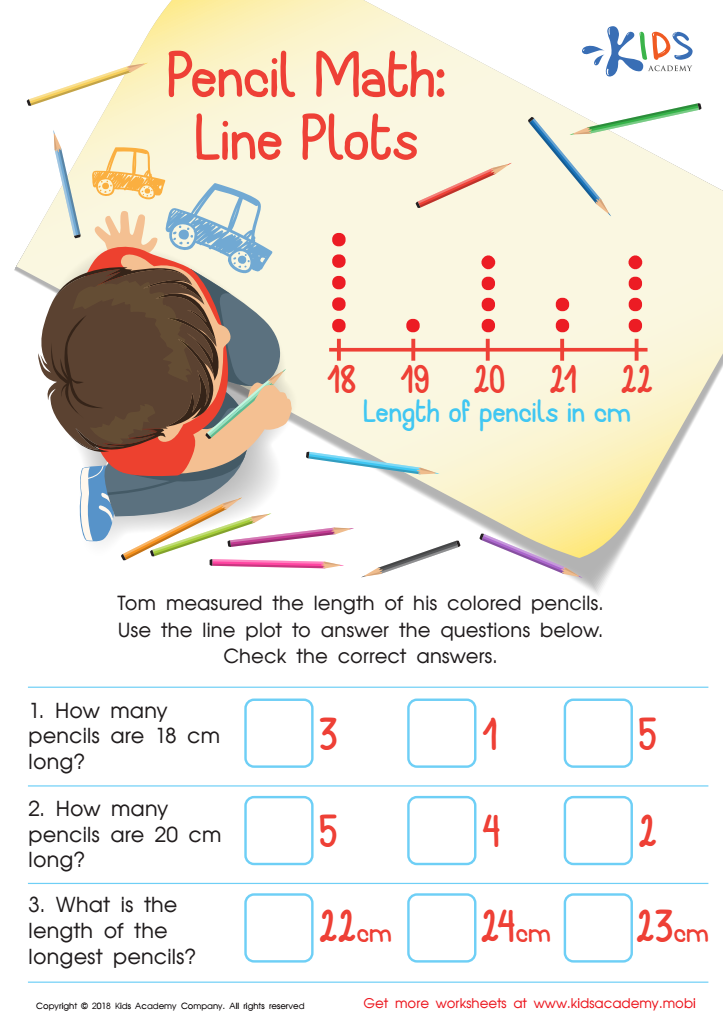
Pencil Math: Line Plots Worksheet
 Assign to My Students
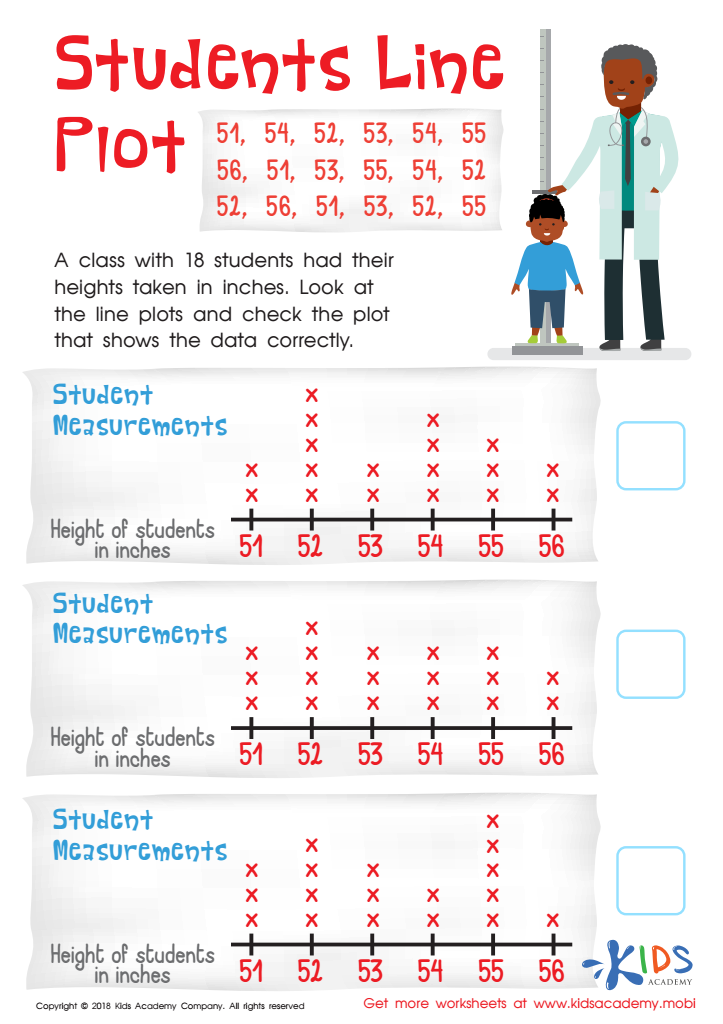
Students Line Plot Worksheet
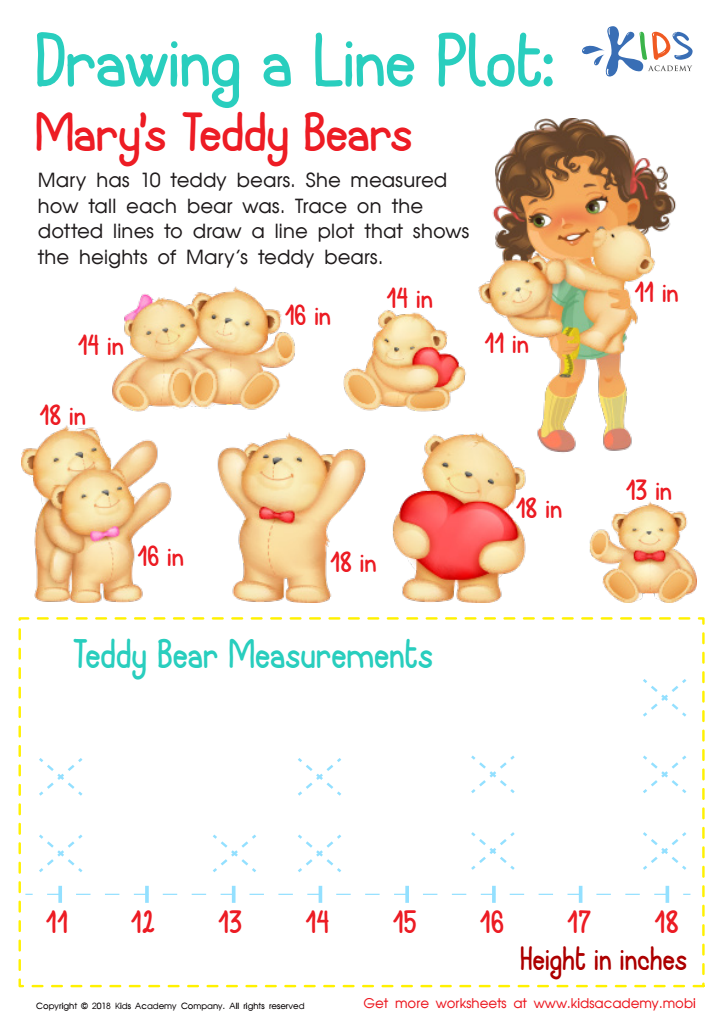
Drawing and Line Plot: Mary's Teddy Bears Worksheet
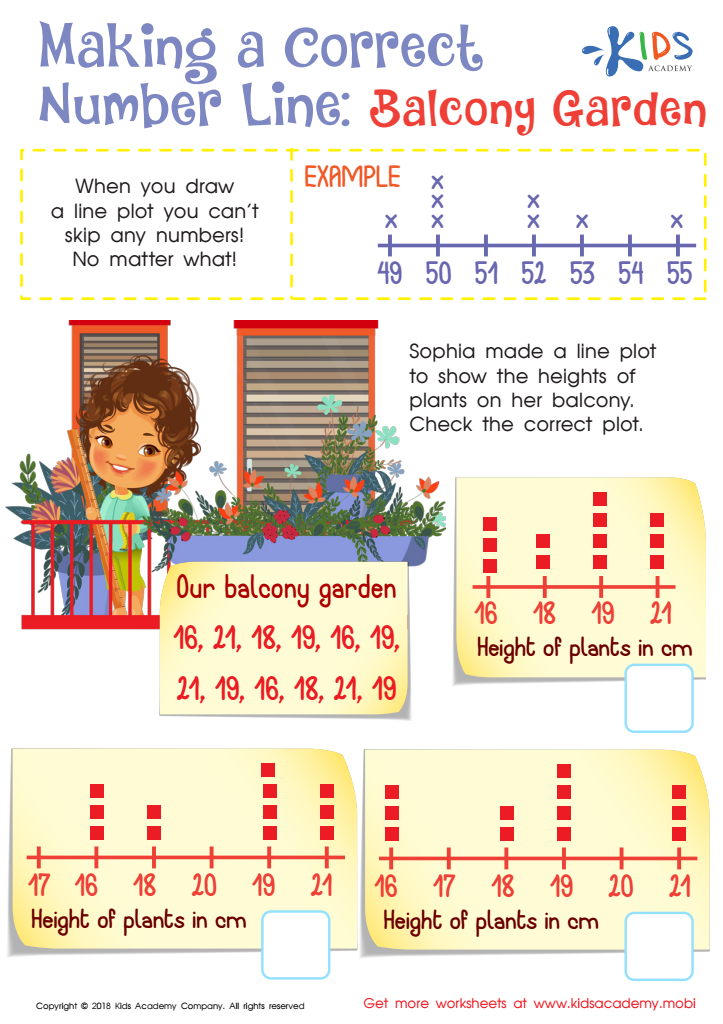
Making a Correct Number Line: Balcony Garden Worksheet
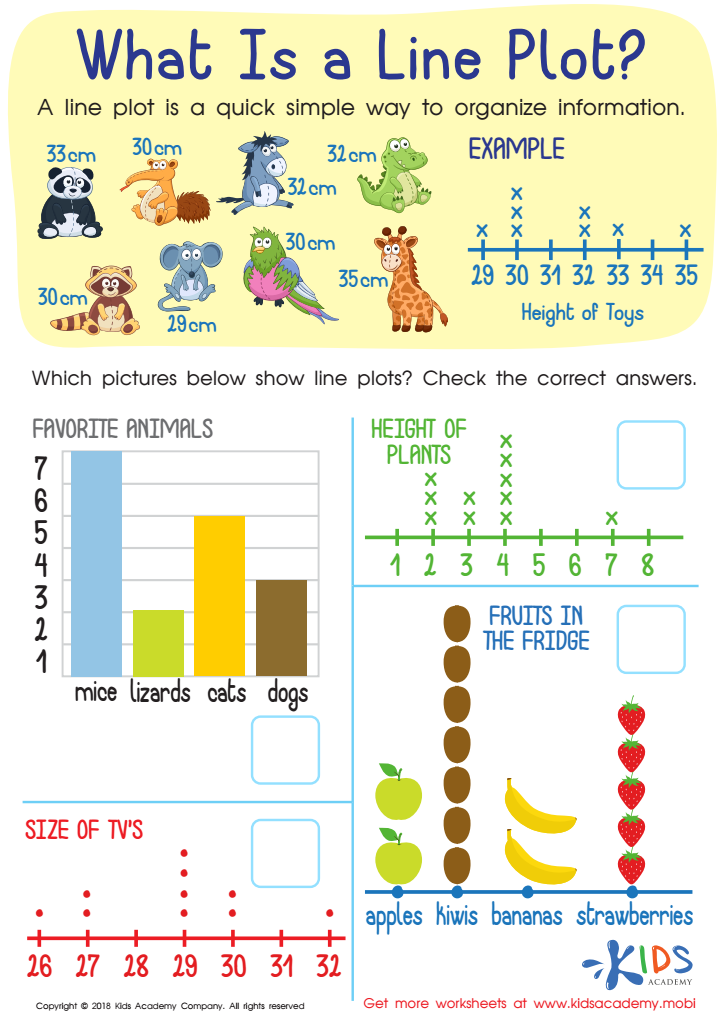
What Is a Line Plot? Worksheet
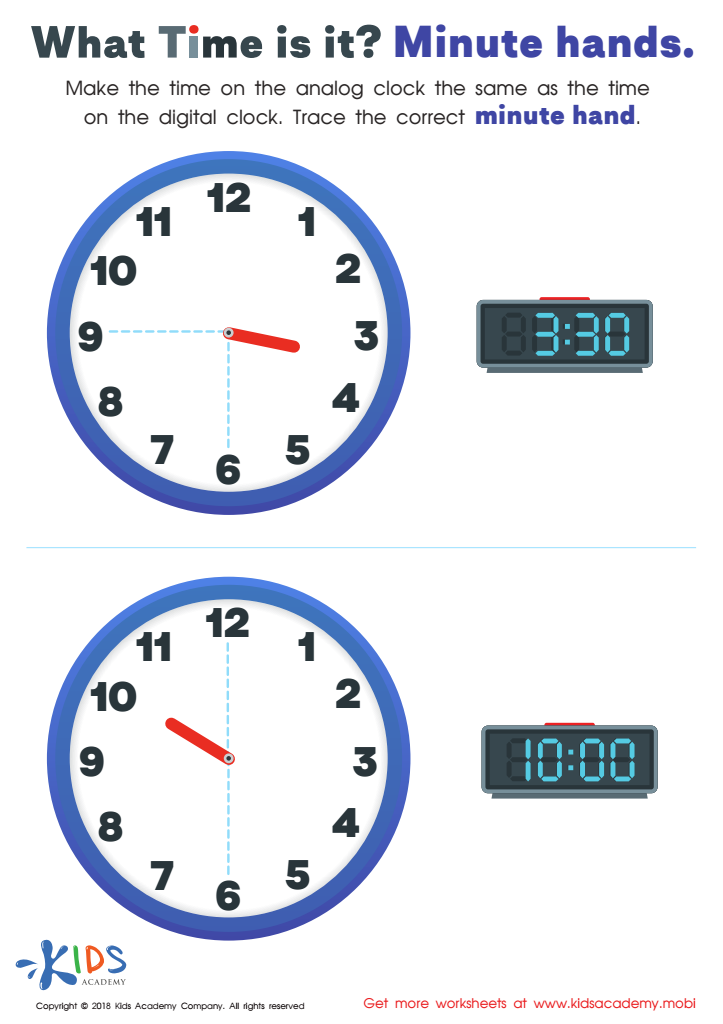
What Time Is it? Minute Hands Worksheet
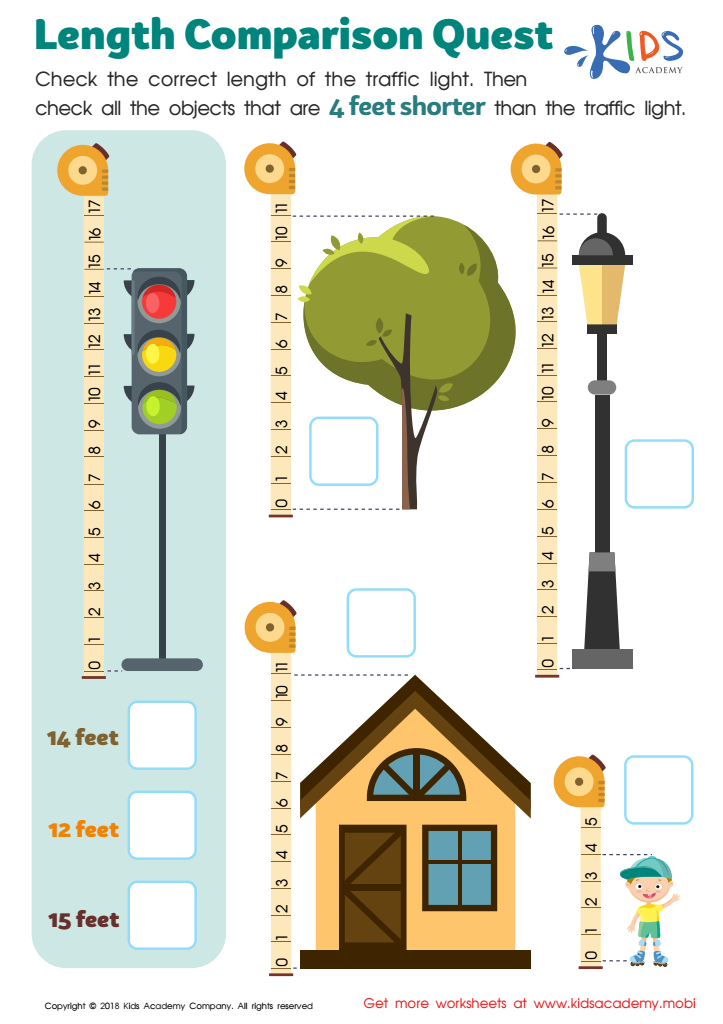
Length Comparison Quest Worksheet
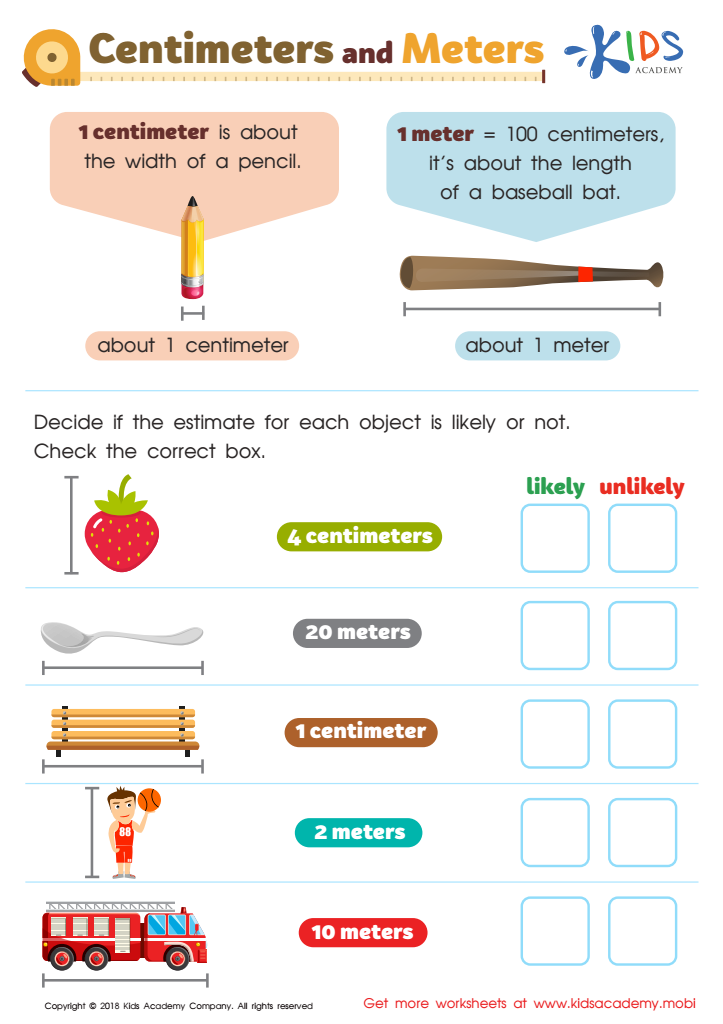
Centimeters and Meters Worksheet
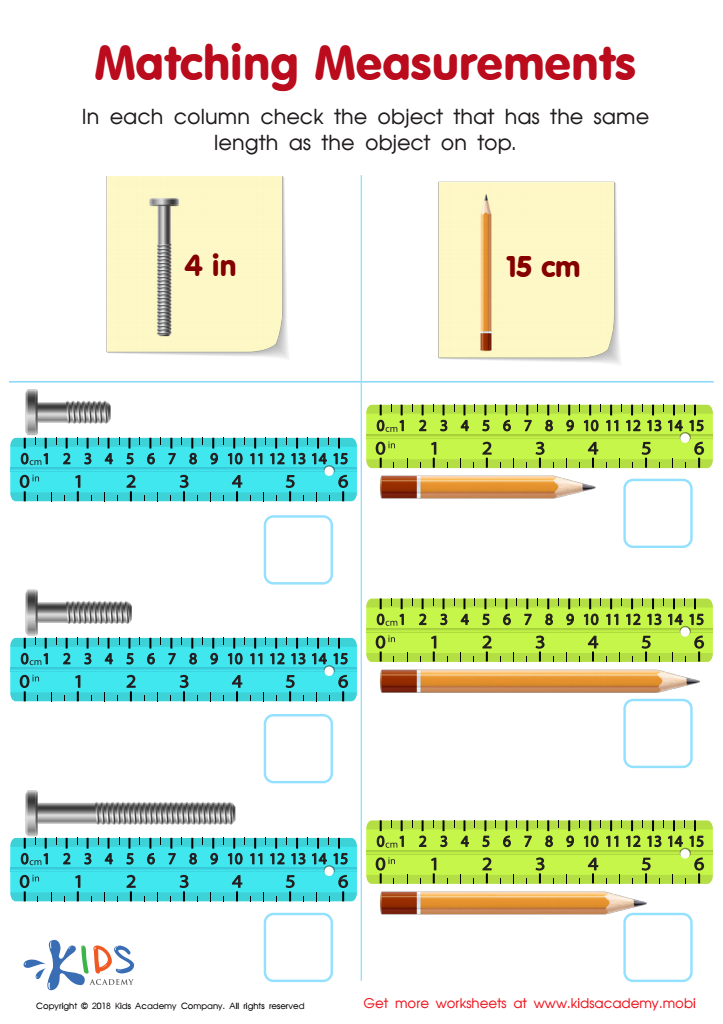
Matching Measurements Worksheet
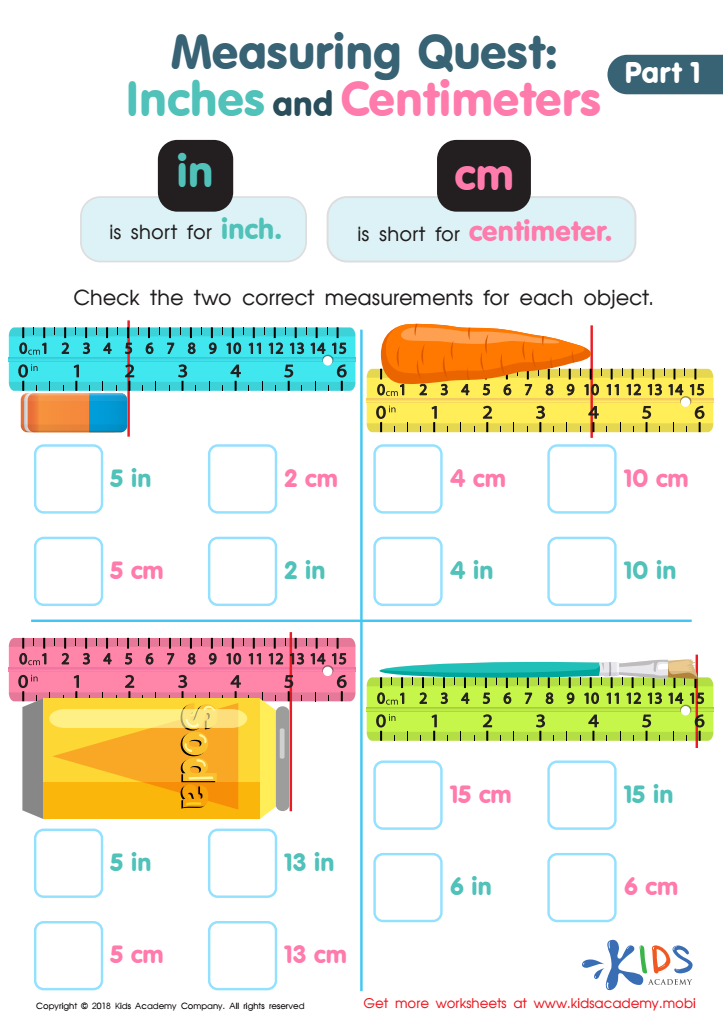
Measuring Quest: Inches and Centimeters Worksheet
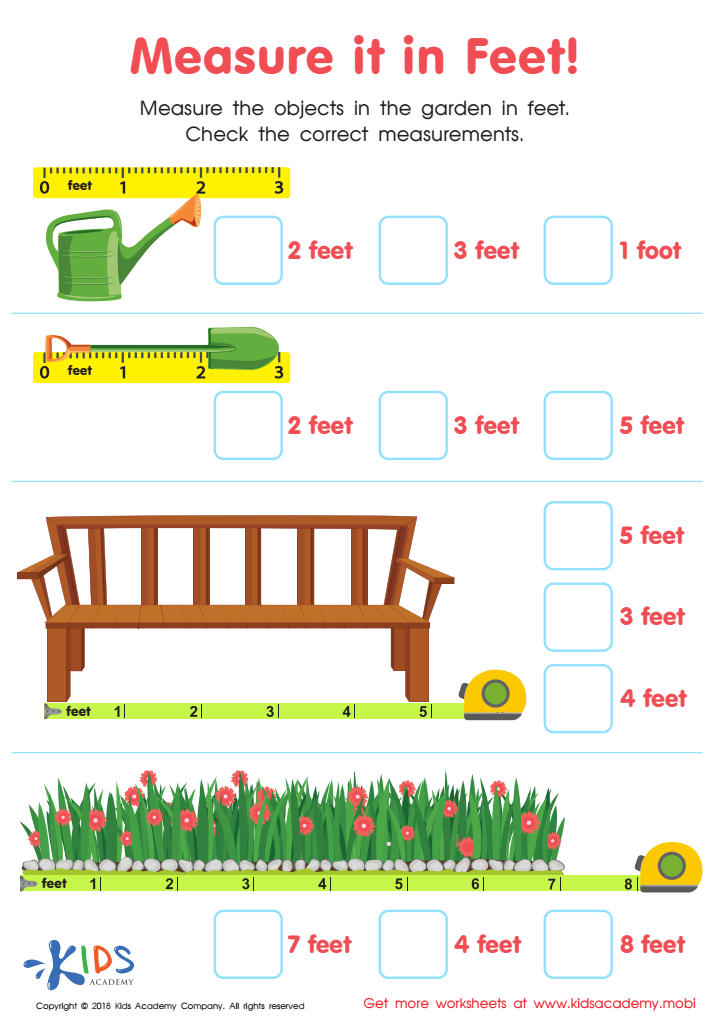
Measure it in Feet Worksheet
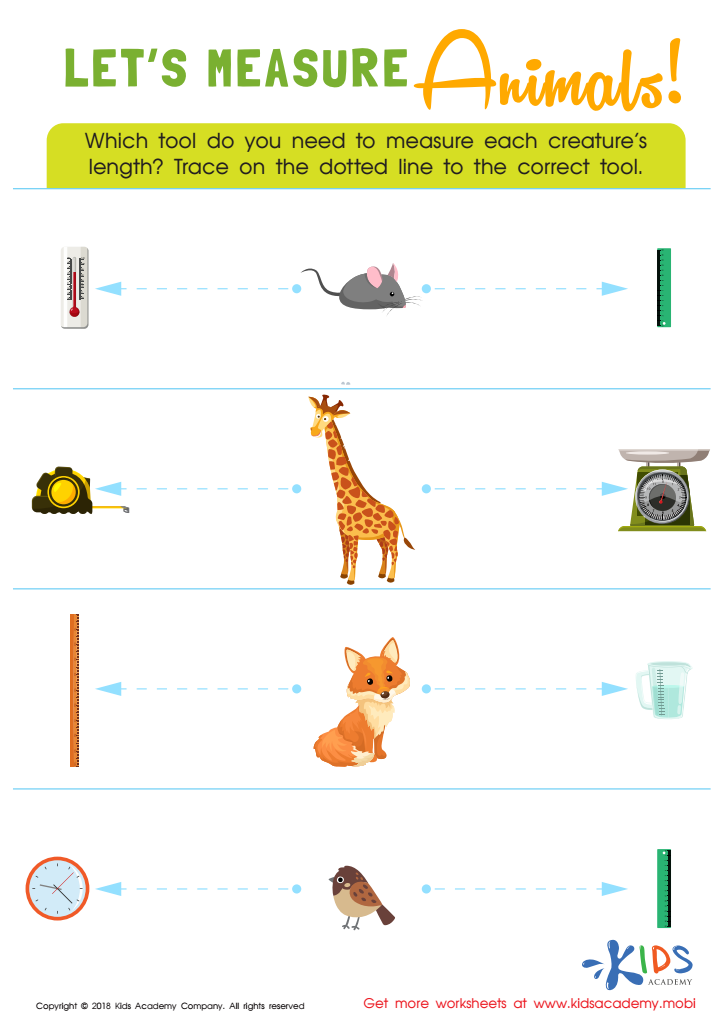
Let's Measure Animals! Worksheet
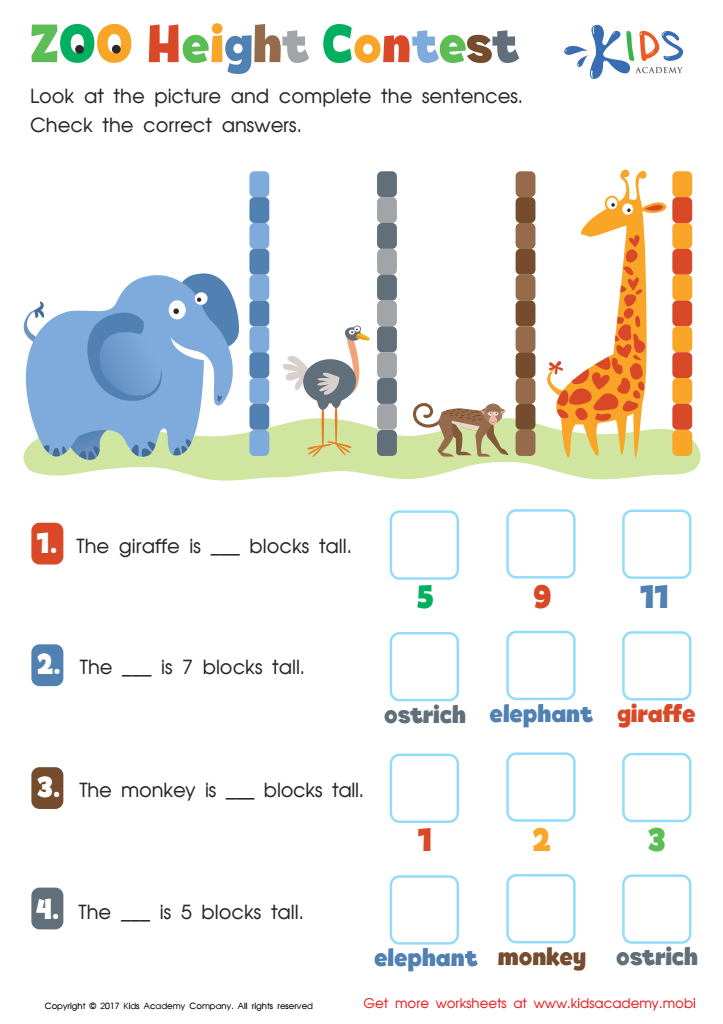
Zoo Height Contest Worksheet
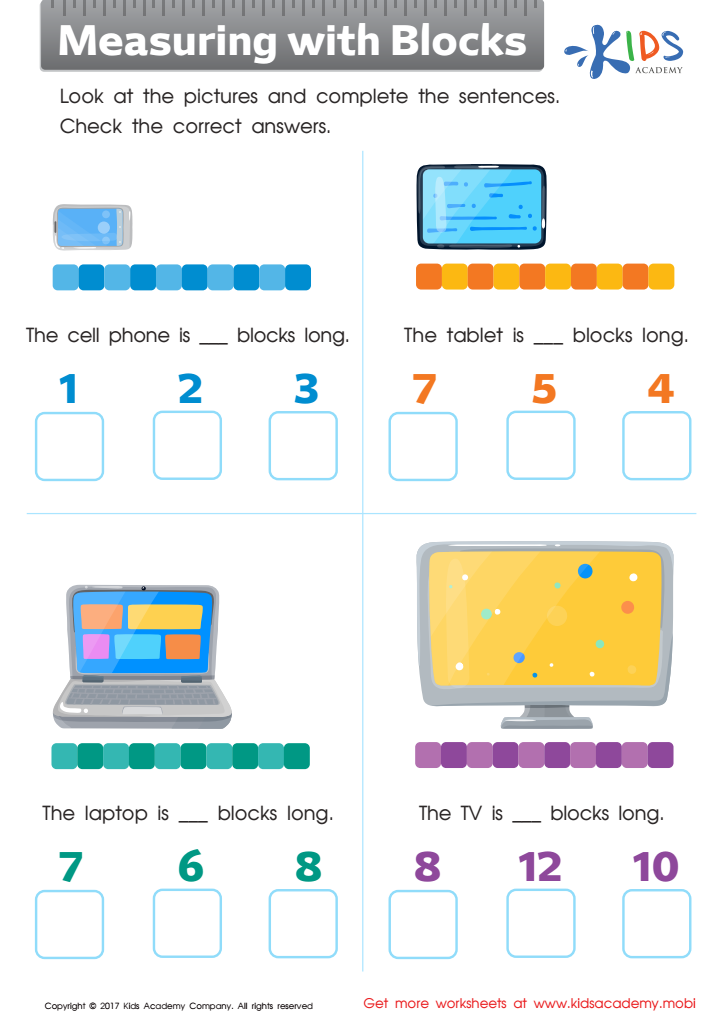
Measuring with Blocks Worksheet
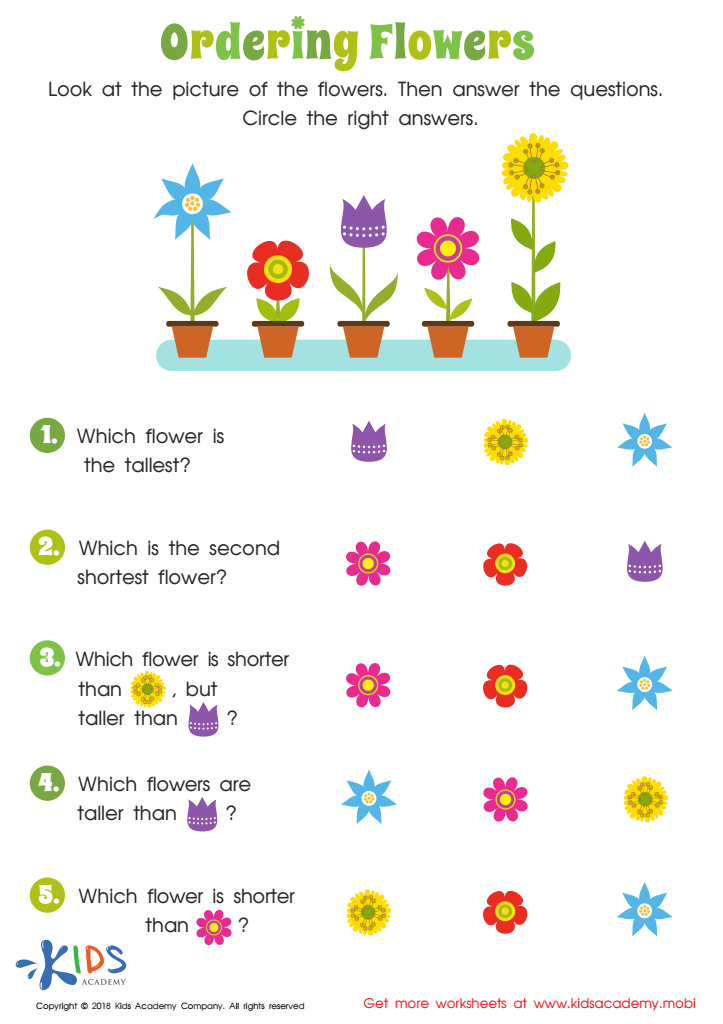
Ordering Flowers Worksheet
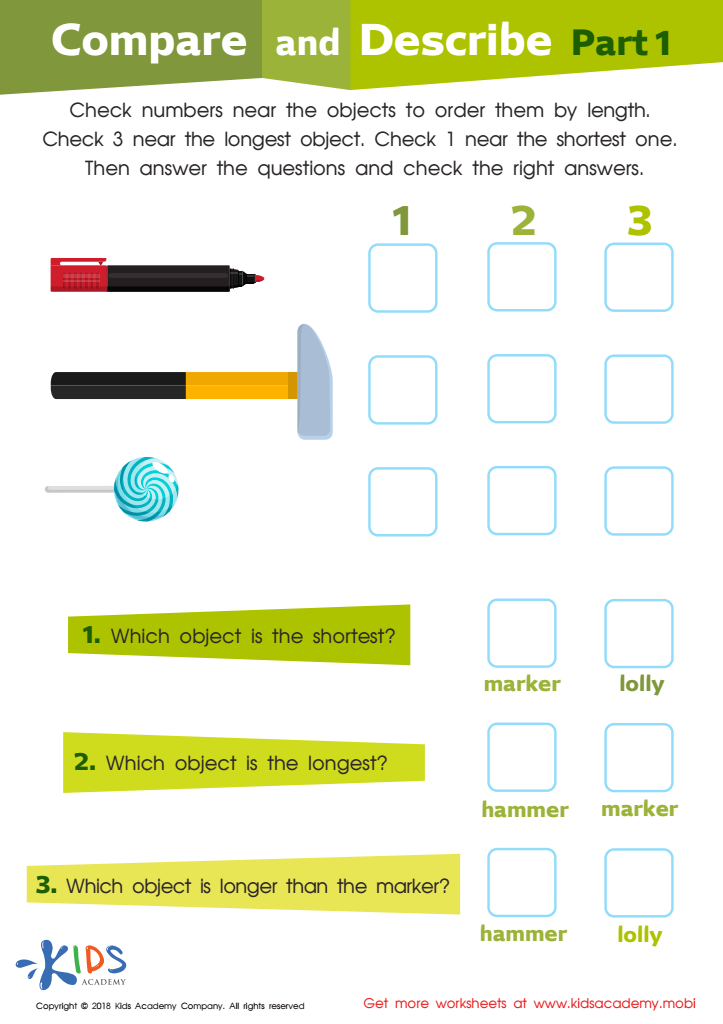
Compare and Describe: Part 1 Worksheet
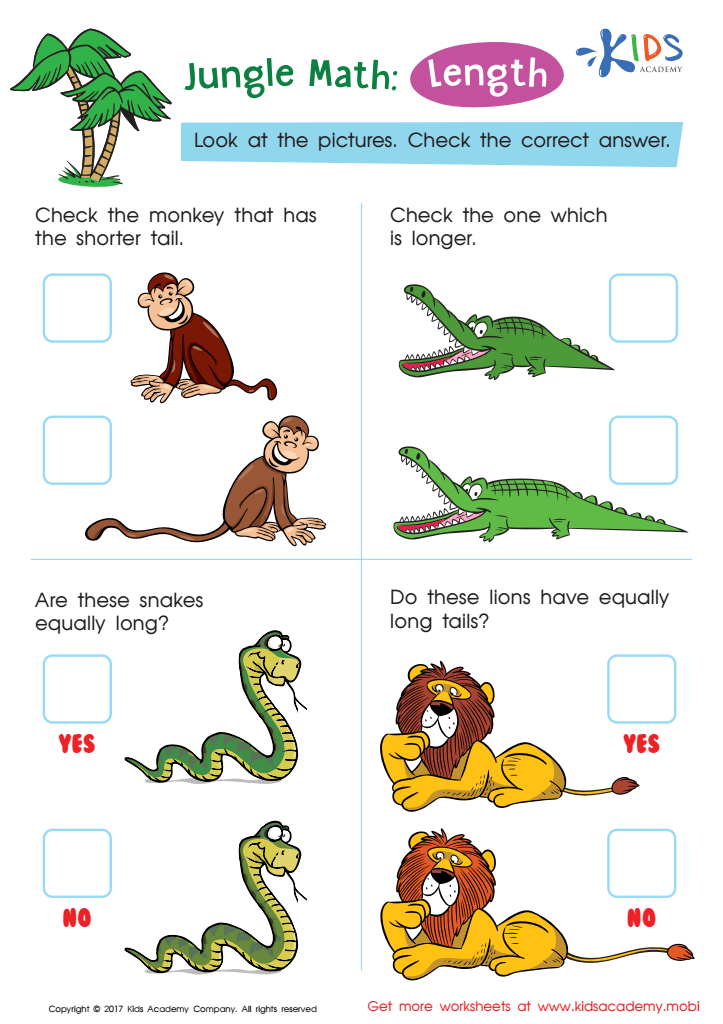
Which One Is Longer - Length Worksheet








Understanding easy measurement concepts is crucial for children aged 6-9, as this skill set lays the foundation for more complex math and everyday problem-solving. Parents and teachers should care about this for several reasons.
Firstly, early measurement teaches children to quantify and compare lengths, weights, and volumes, fostering their analytical skills. This not only enhances their understanding of math but also helps them develop critical thinking skills necessary for real-life situations, such as cooking or building.
Secondly, measuring is integral to fostering a sense of spatial awareness and promoting confidence in mathematics. Children learn to estimate, compare measurements, and understand units of measurement, paving the way for stronger mathematical foundations in the future.
Moreover, engaging in measurement activities encourages hands-on learning and active participation. This stimulation enhances concentration and retention, ensuring that students are not just passive learners but active participants in their educational journey.
Lastly, early exposure to measurement can be a bonding experience for parents and children when incorporated into everyday tasks, such as gardening, crafting, or cooking together. Overall, prioritizing easy measurement enriches a child’s educational experience and equips them with essential life skills.








