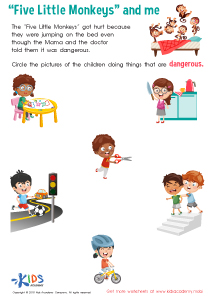
Easy Building Vocabulary Worksheets for Ages 6-9 - Page 2
32 filtered results
-
From - To
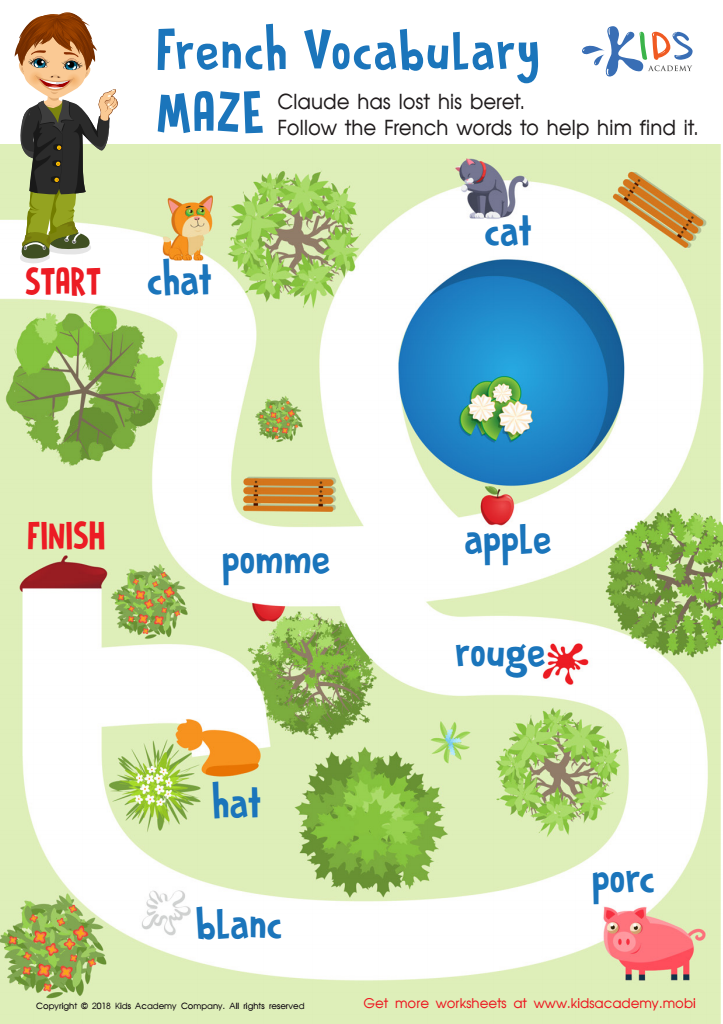
French Vocabulary Maze Worksheet
 Assign to My Students











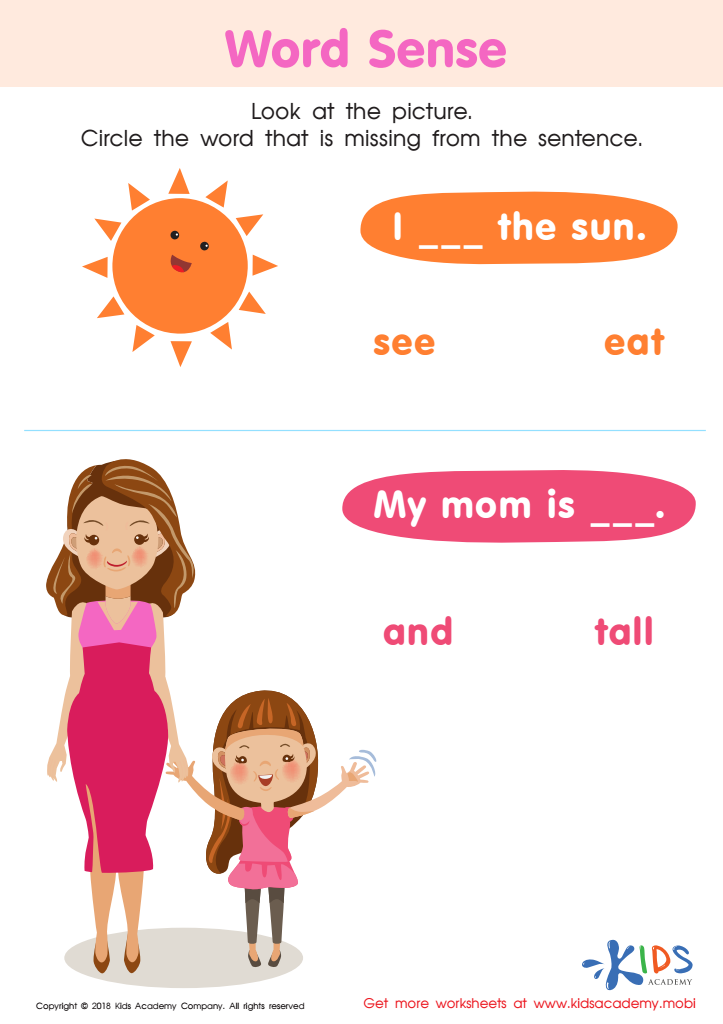
Word Sense Worksheet
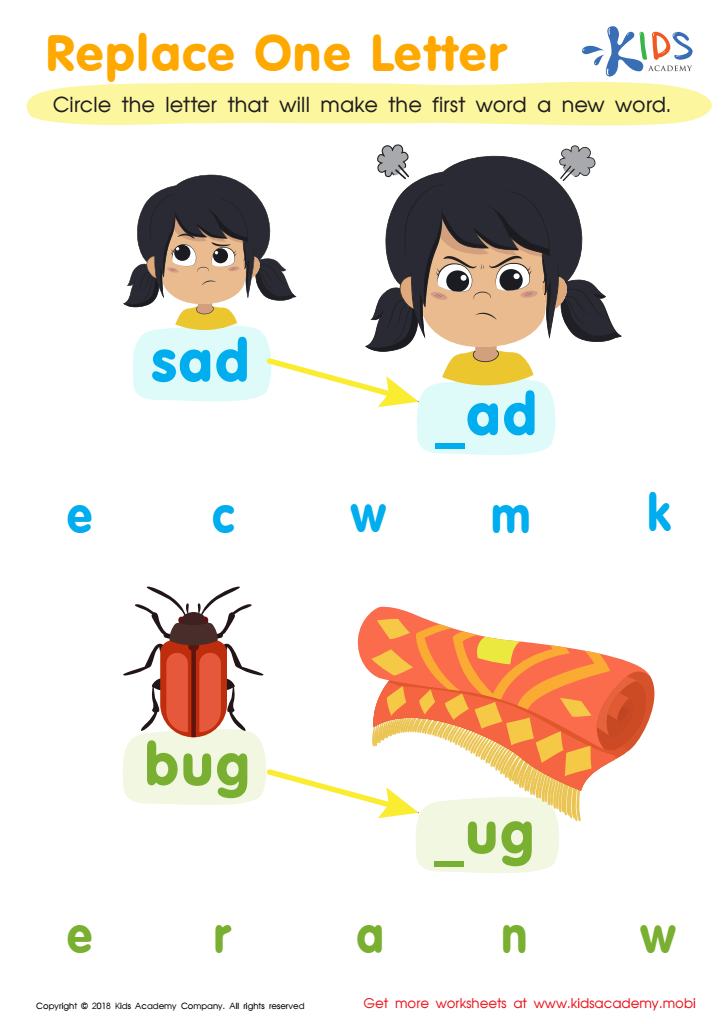
Replace One Letter Worksheet
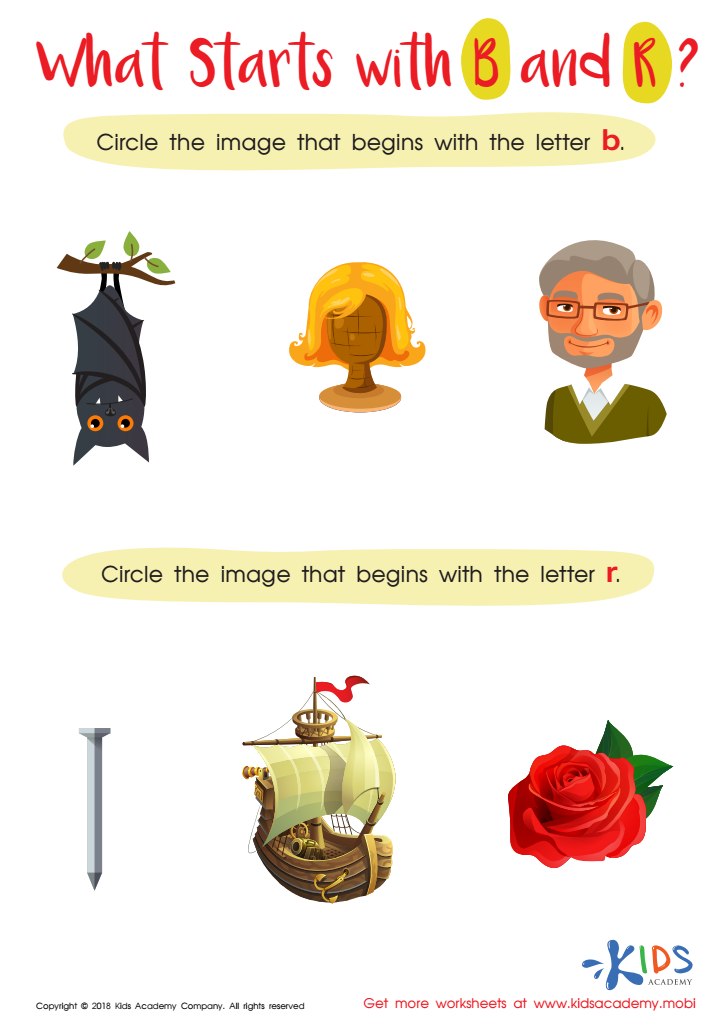
What Starts with B and R? Worksheet
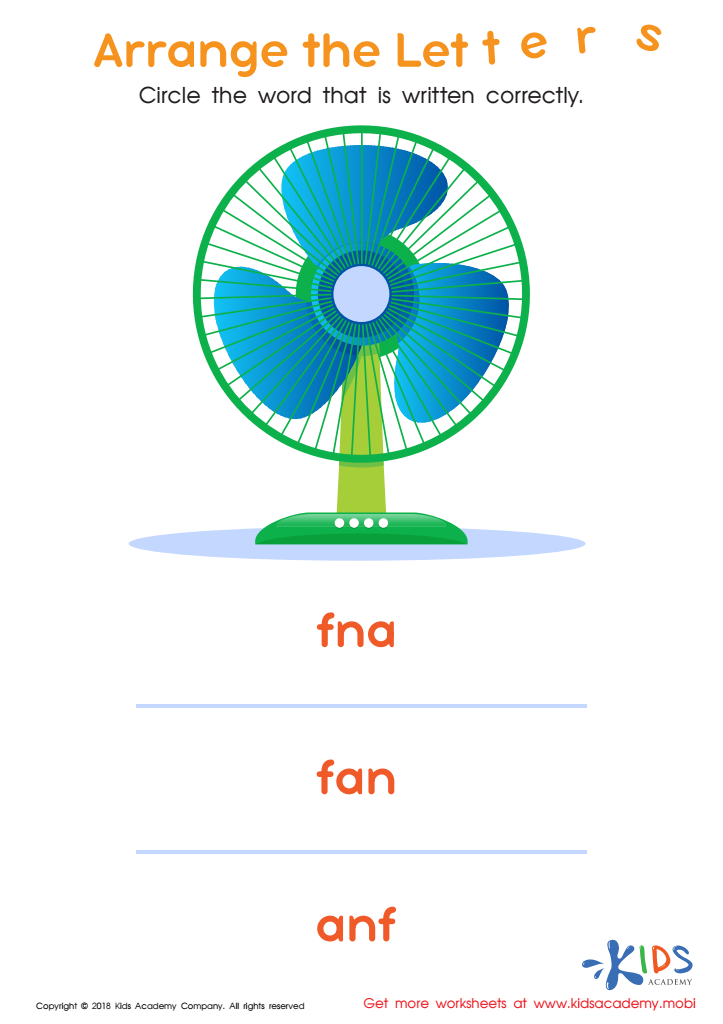
Arrange the Letters Worksheet
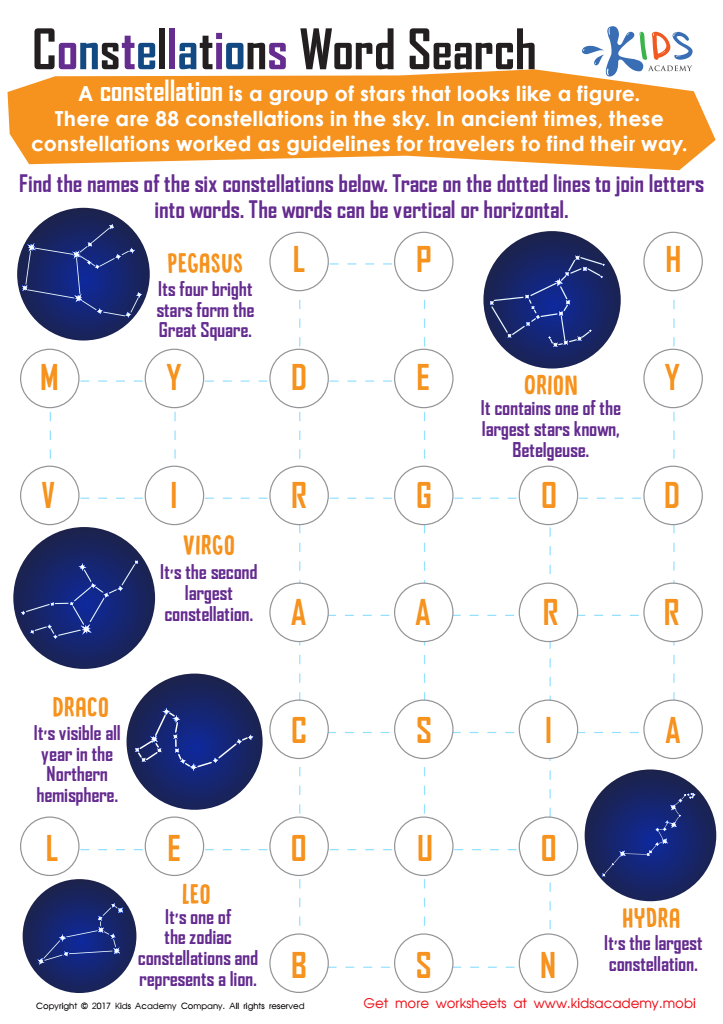
Constellations Word Search Printable
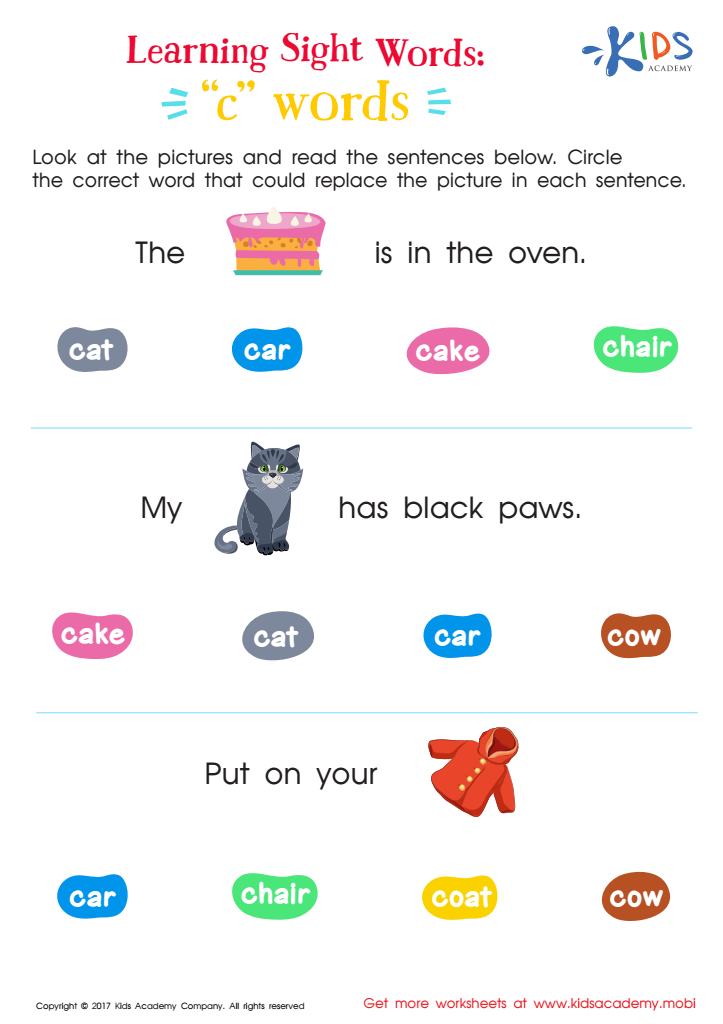
"C" Words Printable Sight Words Worksheet








Building a robust vocabulary foundation for children aged 6-9 is crucial for their cognitive and academic development. During these formative years, children's brains are highly receptive and adaptable, making it an ideal time to introduce new words. A strong vocabulary not only enhances their ability to express thoughts and ideas clearly but also improves their reading comprehension and communication skills. This foundation supports academic success across all subjects, as understanding terminology is essential in math, science, social studies, and literature.
Furthermore, a rich vocabulary can boost a child’s confidence and willingness to participate in classroom discussions and social interactions. It also fosters critical thinking, as children with a wider vocabulary are better equipped to understand complex concepts and follow multi-step instructions. For parents and teachers, incorporating vocabulary-building activities can be seamless and highly effective. Simple practices like reading together, engaging in conversations, and playing word games can make learning new words enjoyable and memorable for children.
In essence, caring about vocabulary development equips children with essential tools for their current scholastic endeavors and future educational and social engagements. Prioritizing vocabulary at this stage cultivates a lifelong love for learning and effective communication skills.