Extra Challenge Reading Non-Fiction Worksheets for Ages 3-9
7 filtered results
-
From - To
Our "Extra Challenge Reading Non-Fiction Worksheets for Ages 3-9" are designed to stimulate young minds and foster a deeper understanding of the world around them. These worksheets offer engaging and challenging non-fiction texts that help enhance reading comprehension skills, vocabulary, and critical thinking. Perfect for curious readers, each worksheet is tailored to different proficiency levels, ensuring that every child can progress at their own pace. From exploring fascinating animal facts to learning about historical events, our non-fiction worksheets provide an enriching extension to any educational curriculum, making learning both fun and informative. Empower your child’s reading journey with us!
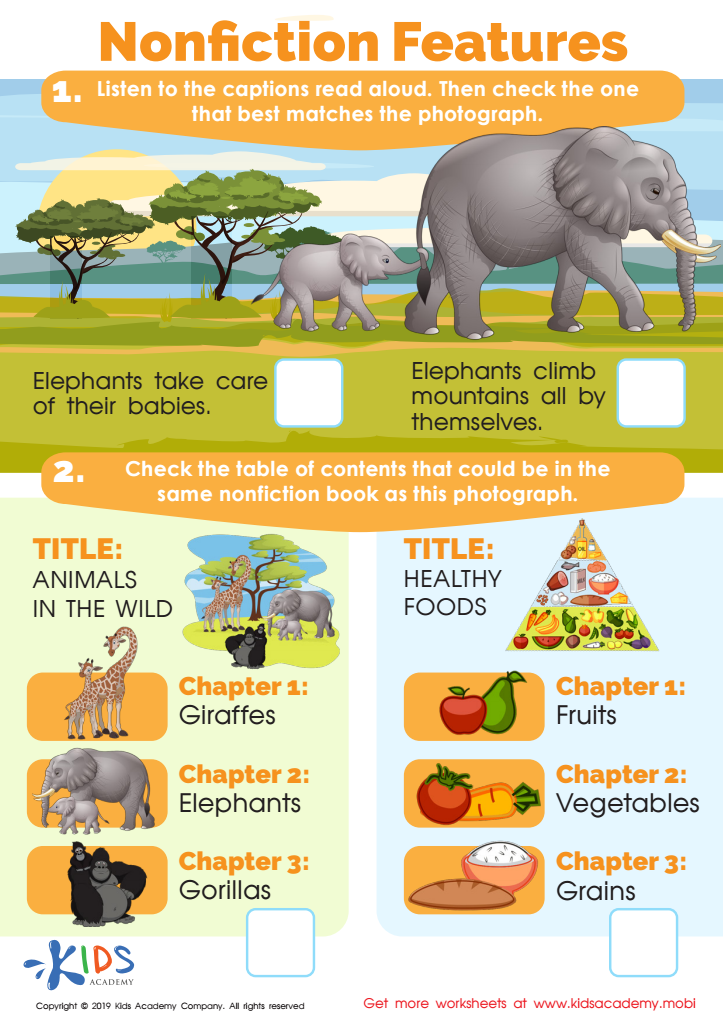
Nonfiction Features Worksheet
 Assign to My Students
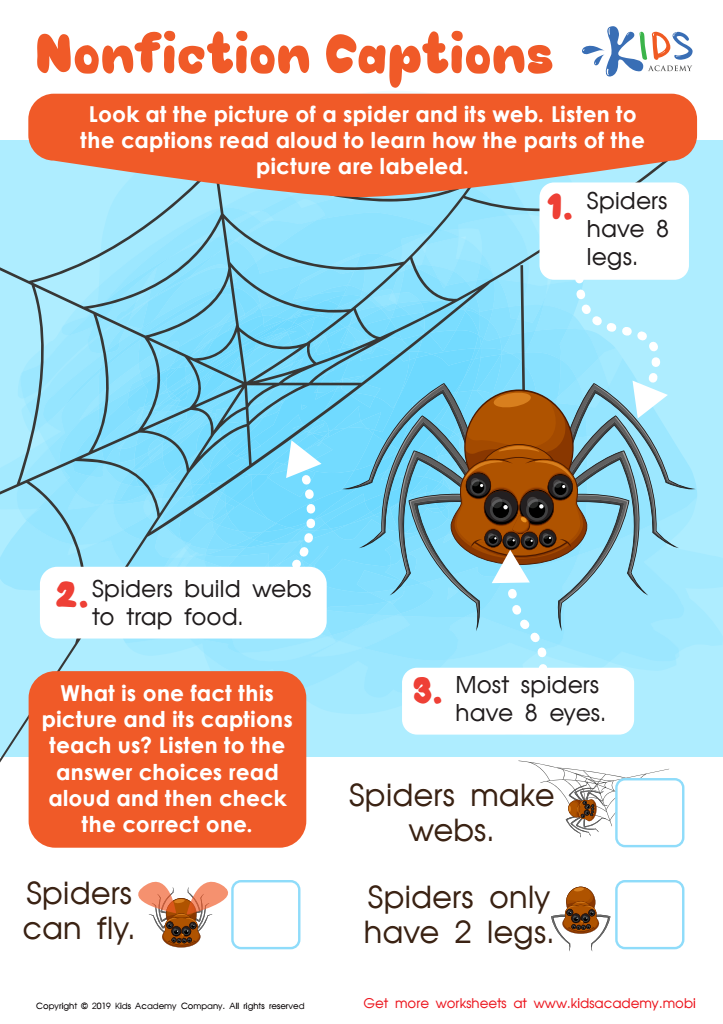
Nonfiction Captions Worksheet
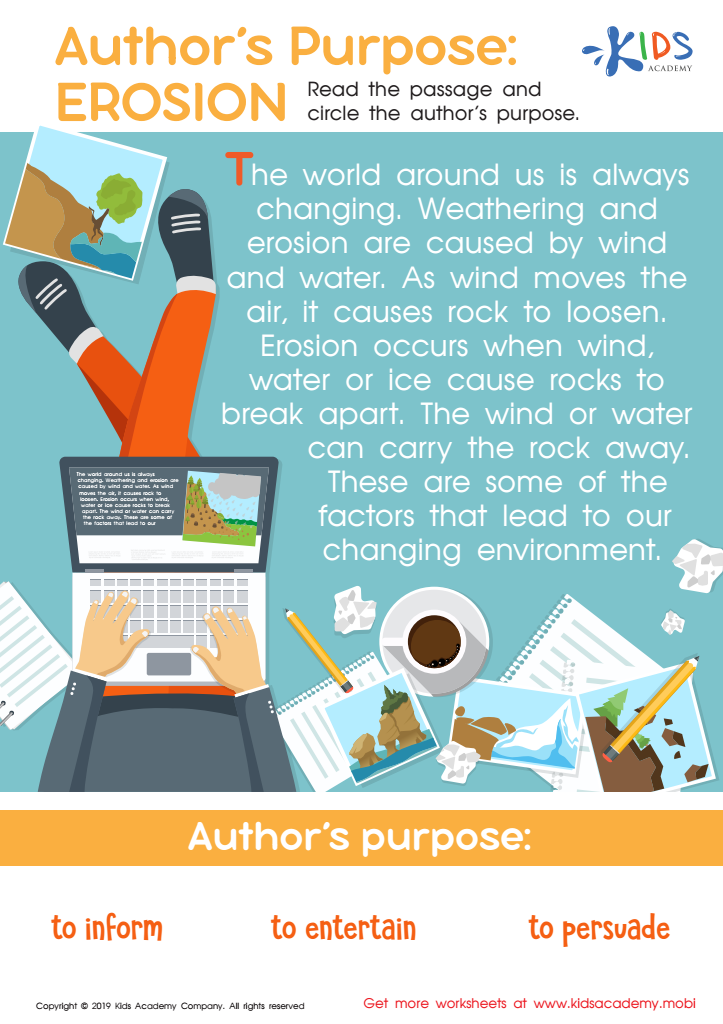
Author’s Purpose: Erosion Worksheet
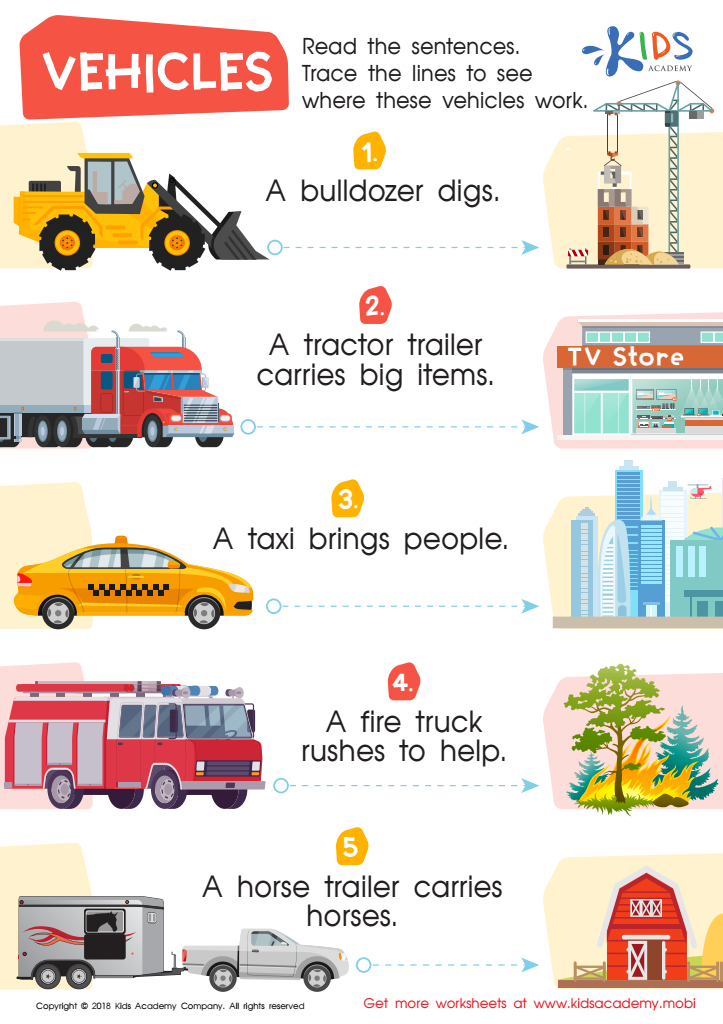
Vehicles Worksheet
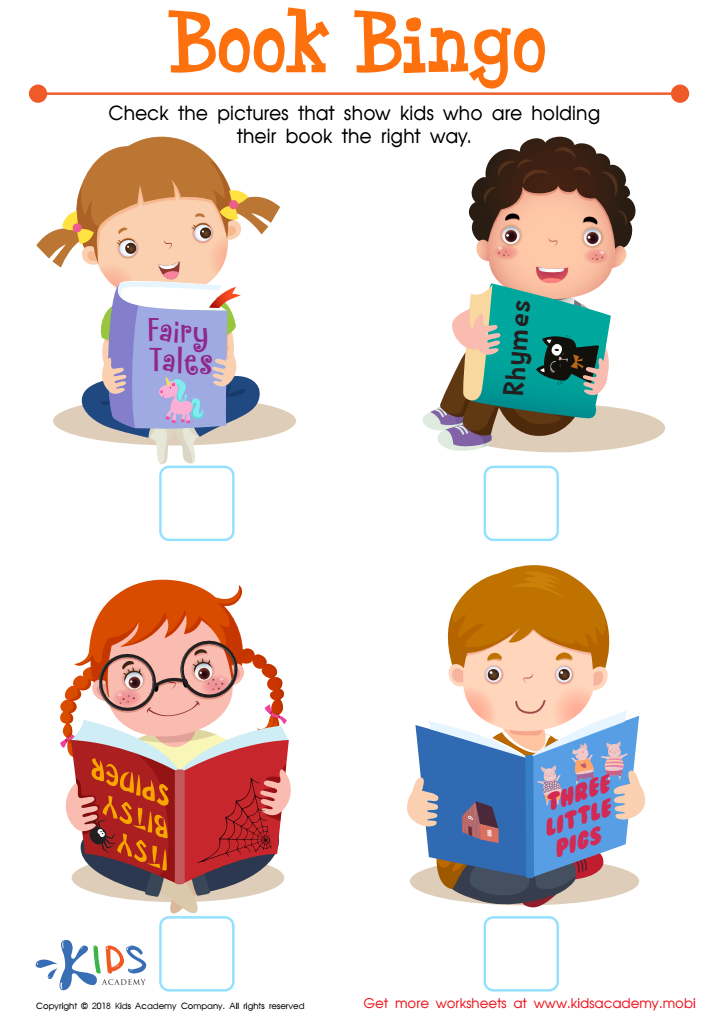
Book Bingo Worksheet
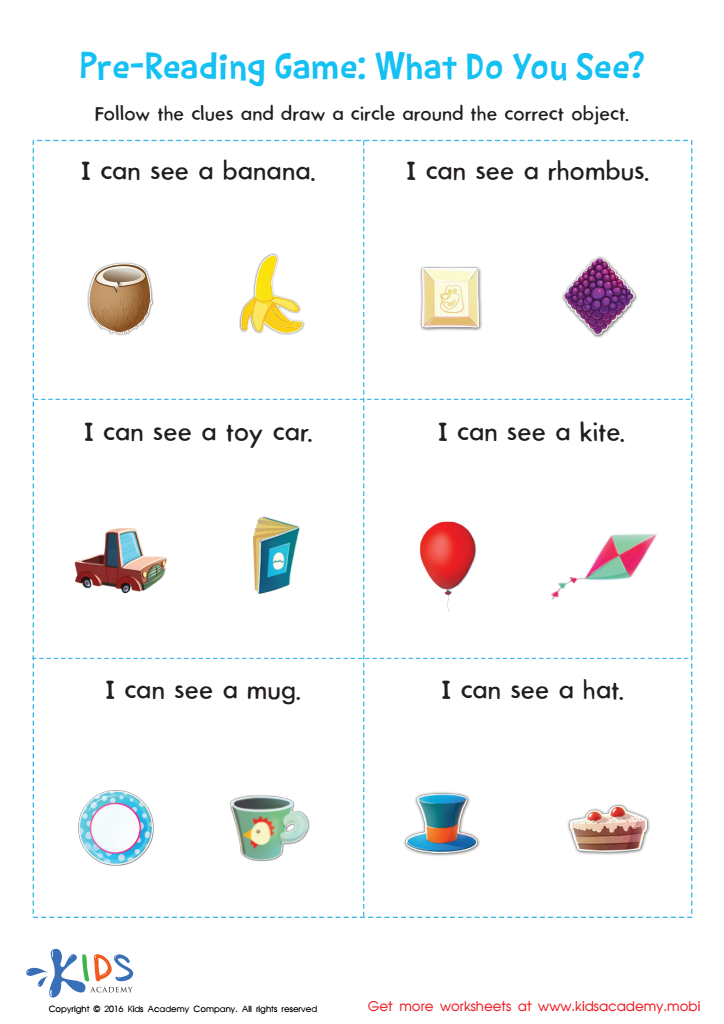
Pre–reading Worksheet: What Do You See?
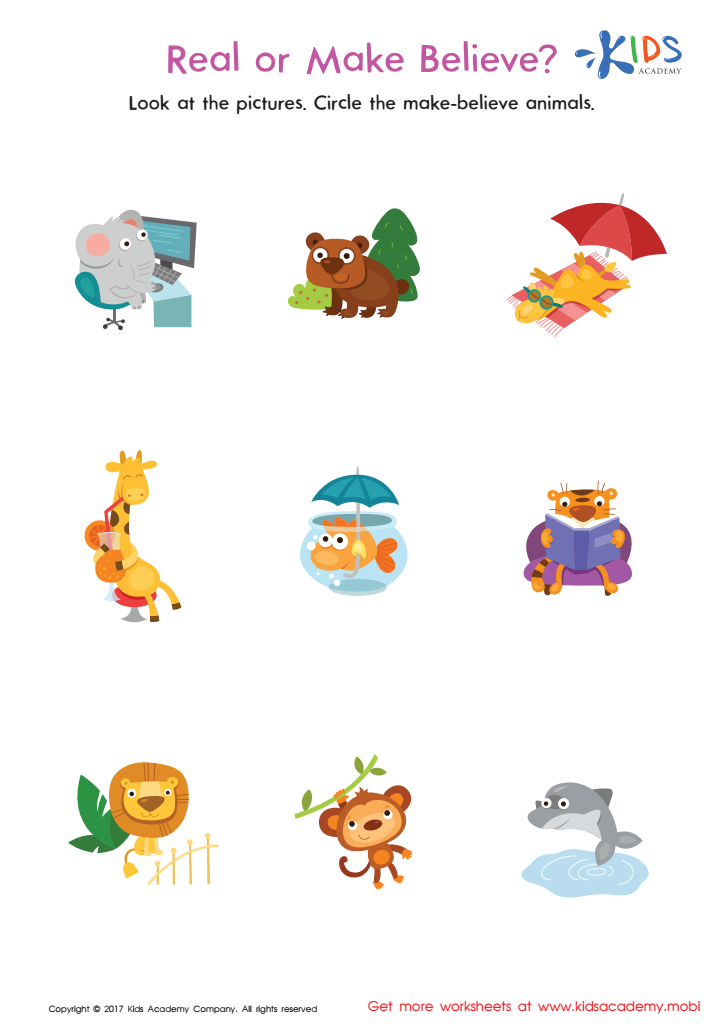
Fact or Make Believe Worksheet








Encouraging children aged 3-9 to engage with extra challenge non-fiction reading can significantly benefit their development. For early readers, non-fiction works serve as a gateway to acquiring knowledge, piquing curiosity, and fostering a lifelong love of learning. By exploring diverse topics such as science, history, and cultures, children can sharpen their reading comprehension and critical thinking skills beyond what typical fiction narratives provide.
Parents and teachers play vital roles in nurturing an enthusiasm for reading, and offering challenging non-fiction books can support this effort by adding variety and substance. These readings expose kids to complex vocabulary and concepts, promoting advanced language skills and cognitive growth. Moreover, tackling harder non-fiction works builds persistence and problem-solving abilities—an added advantage for academic success.
Children who frequently read non-fiction are better equipped to handle informational content, a skill crucial for later schooling and everyday life. Having a strong foundation in understanding factual texts correlates with improved performance across all subjects. Therefore, embracing extra challenge non-fiction reading can provide a well-rounded, robust education, sparking an insatiable curiosity about the world, strengthening intellect, and igniting a passion for discovery in young minds. This proactive approach ultimately contributes to a more informed, capable, and inquisitive future generation.