Extra Challenge Building Vocabulary Worksheets for Ages 4-7 - Page 2
27 filtered results
-
From - To
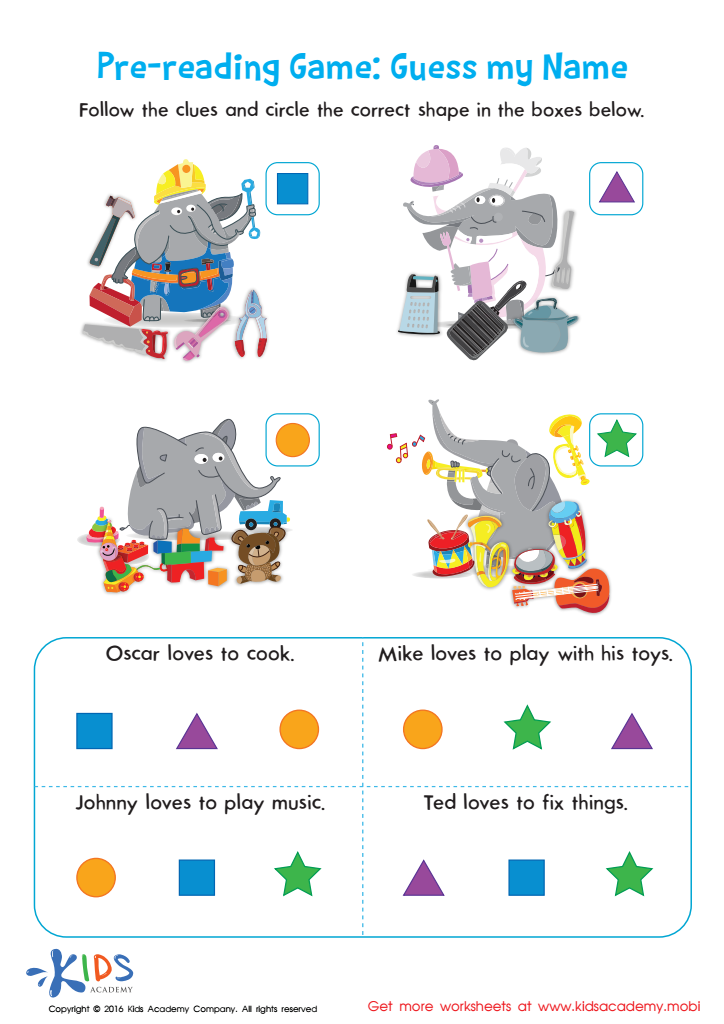
Pre Reading Worksheet Guess My Name
 Assign to My Students











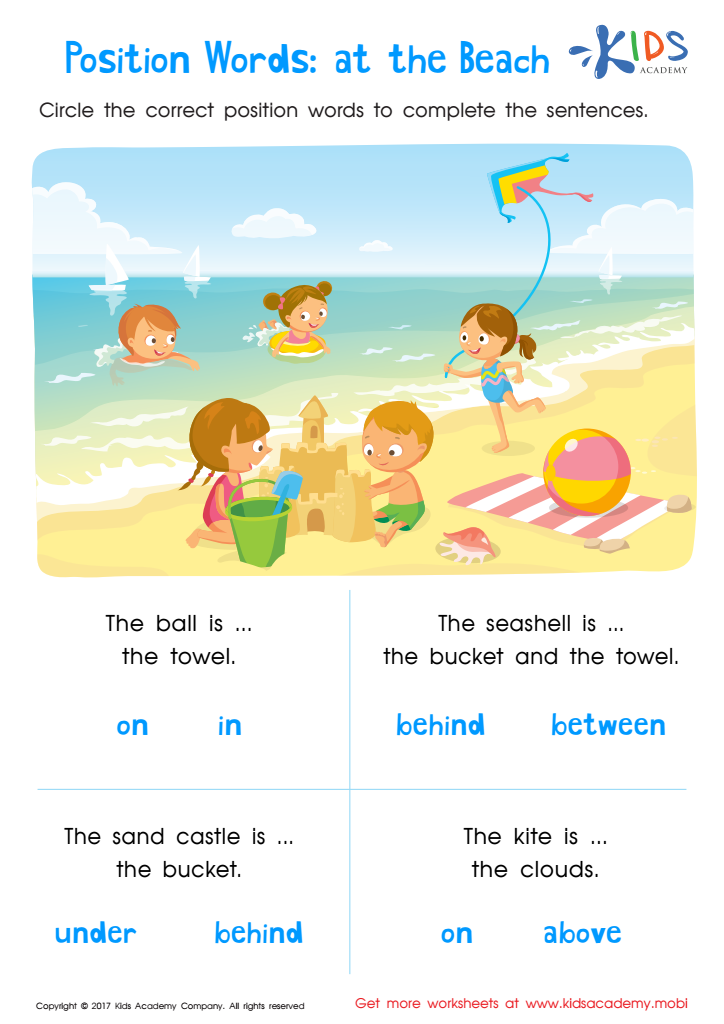
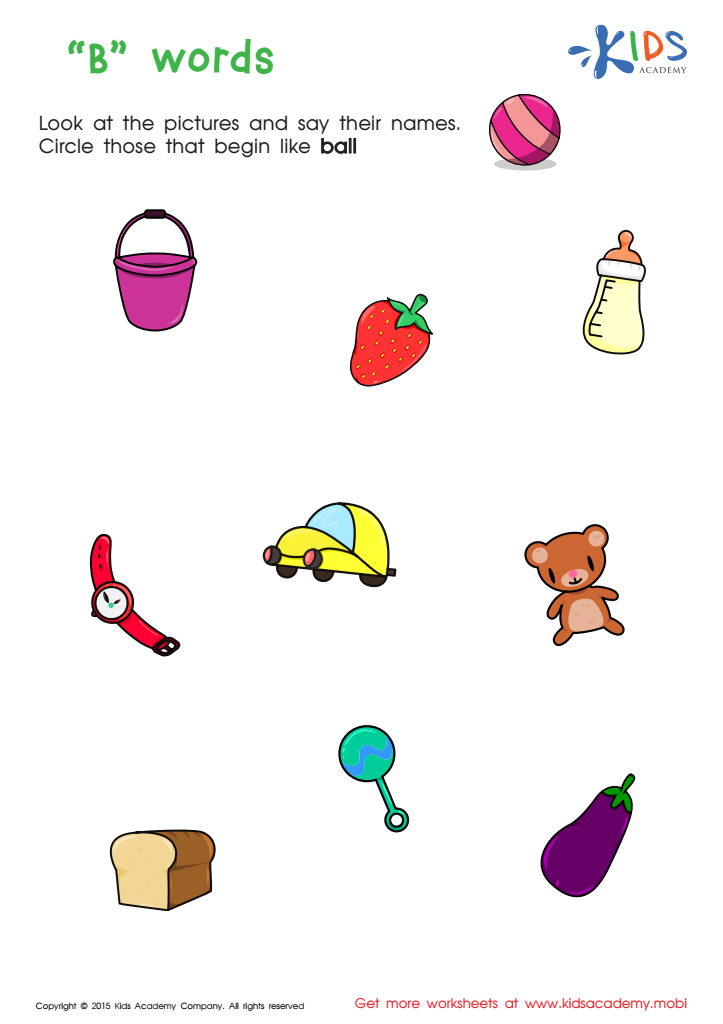
First Words Worksheet








Building vocabulary for children aged 4-7 is crucial as it lays the foundation for their overall language development and communication skills. During these formative years, children are like sponges, eagerly absorbing new words and concepts. Increased vocabulary not only enhances a child’s ability to express themselves, but also boosts reading comprehension during their early encounters with books.
For parents and teachers, prioritizing vocabulary enrichment encourages cognitive development. It fosters critical thinking, problem-solving, and creativity, helping children articulate their thoughts and emotions more effectively. A robust vocabulary empowers children in their interactions, allowing them to engage in conversations more confidently and understand instructions clearly.
Moreover, vocabulary development directly influences academic performance. As children expand their lexicon, they become more adept at understanding subject matter across various disciplines. This can lead to increased enthusiasm for learning, ultimately setting the stage for lifelong educational success.
Thus, integrating extra challenges that build vocabulary can be a fun and engaging endeavor. Games, storytelling, and interactive activities not only enrich language skills but also create a supportive environment for exploration and learning. Ultimately, investing in vocabulary development at this age is key to unlocking a child's full potential and fostering a love for learning.