Extra Challenge Matching Worksheets for Ages 5-8
28 filtered results
-
From - To
Looking to boost your child's learning? Our Extra Challenge Matching Worksheets are designed for ages 5-8 to nurture critical thinking and problem-solving skills through fun, engaging activities. Perfectly crafted to complement school learning, these printable worksheets provide additional challenges beyond the basics. Your child will have a blast while enhancing math, reasoning, and cognitive abilities. Ideal for at-home practice or classroom enrichment, each worksheet is tailored to captivate young minds and foster a love for learning. Start exploring now and help your child excel with our expertly designed educational resources!
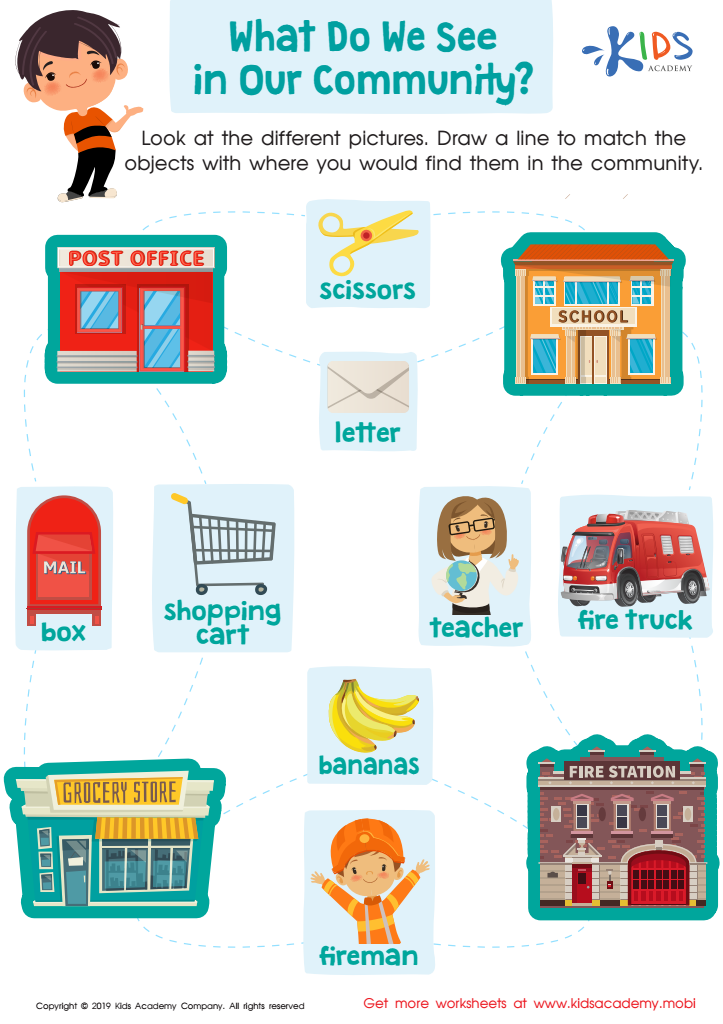
What Do We See in our Community? Worksheet
 Assign to My Students
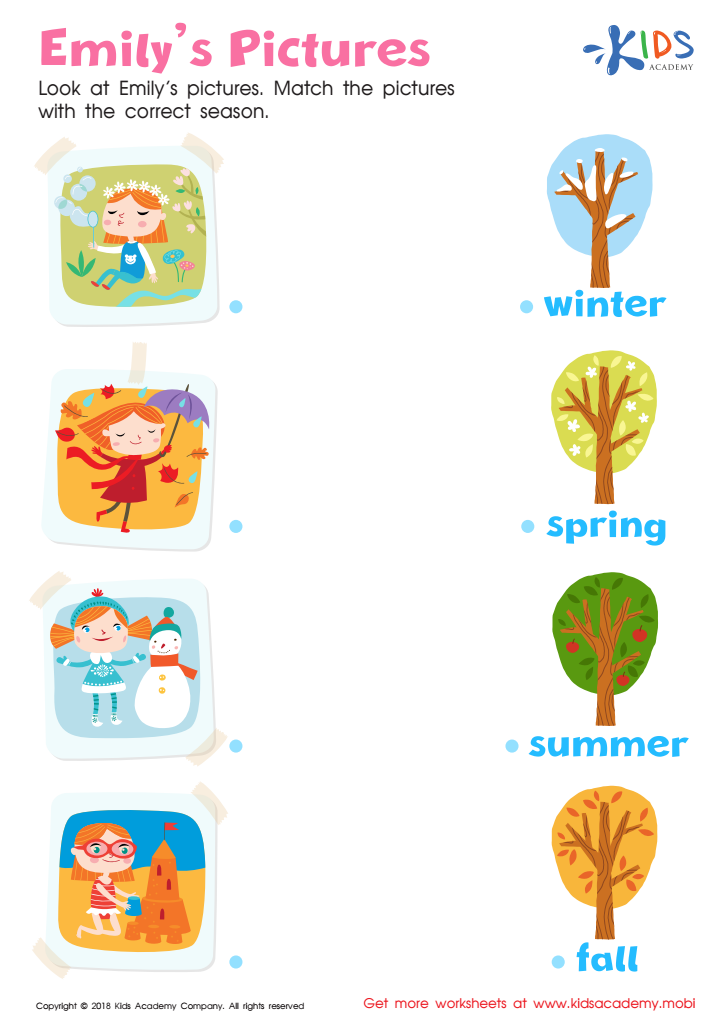
Emily's Pictures Worksheet
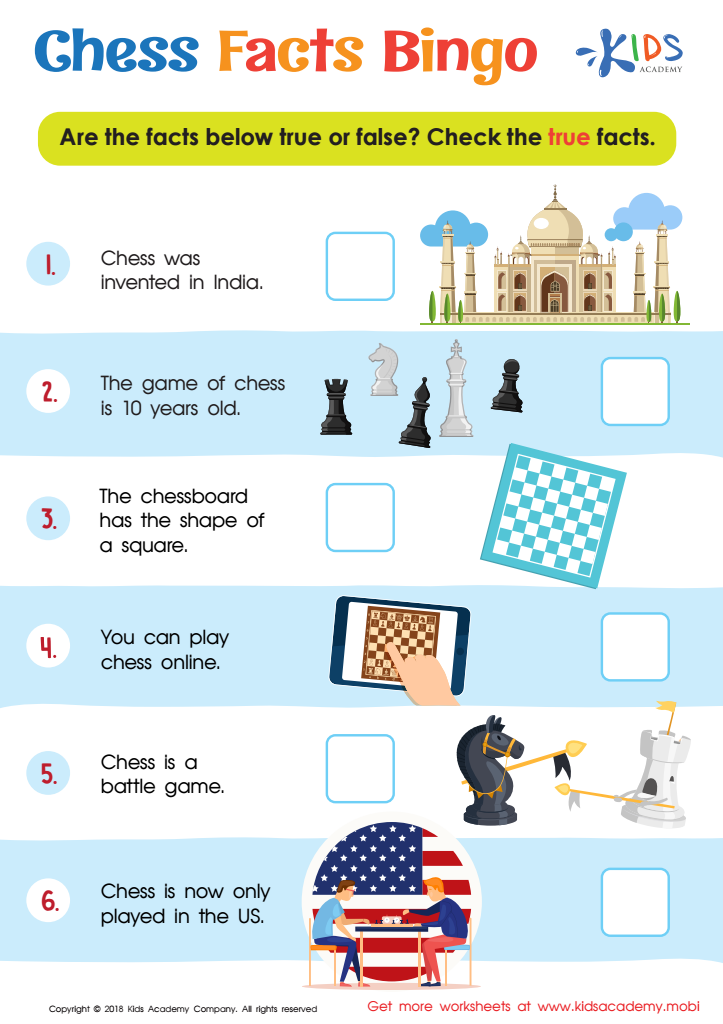
Chess Facts Bingo Worksheet
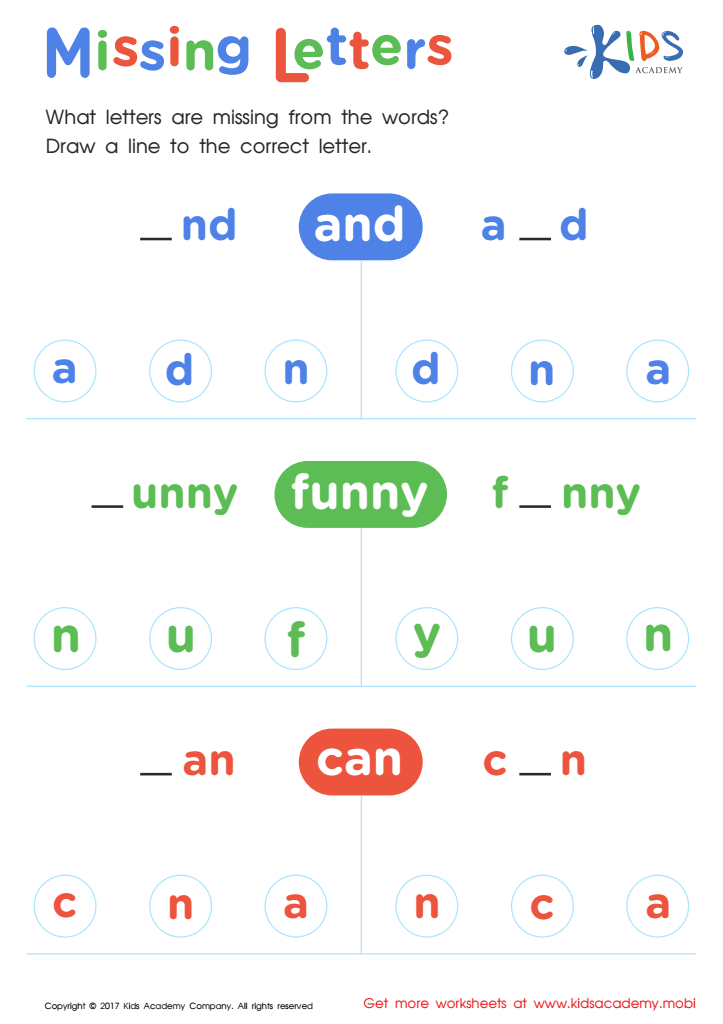
Missing Letters Worksheet
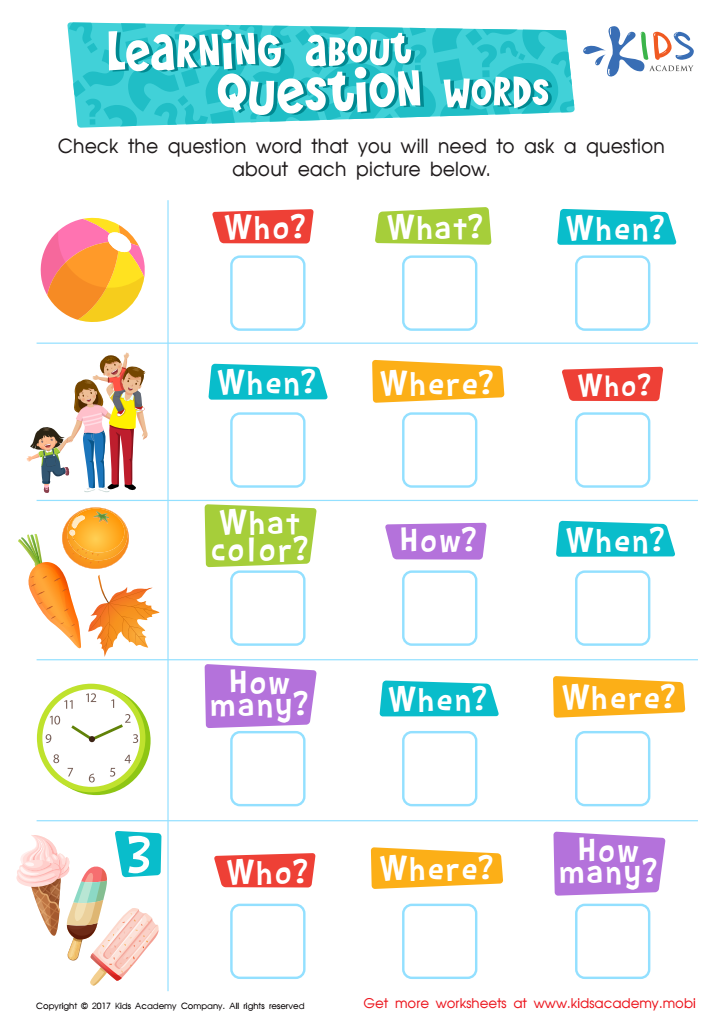
Learning about Question Words Worksheet
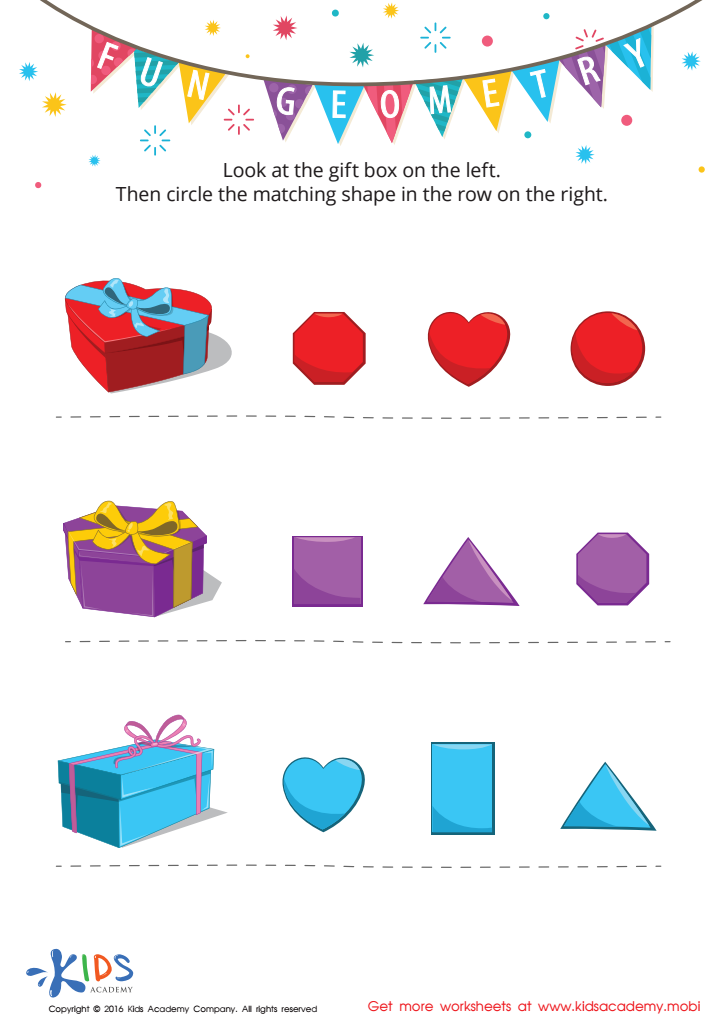
Fun Geometry Worksheet
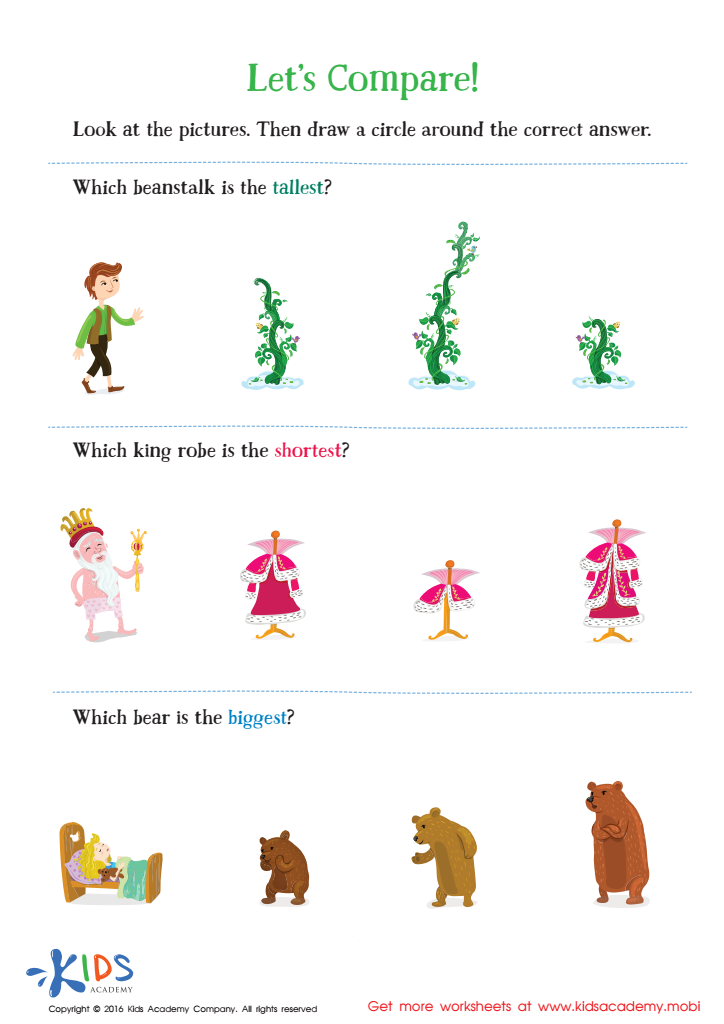
Fairy Tale Worksheet: Let's Compare
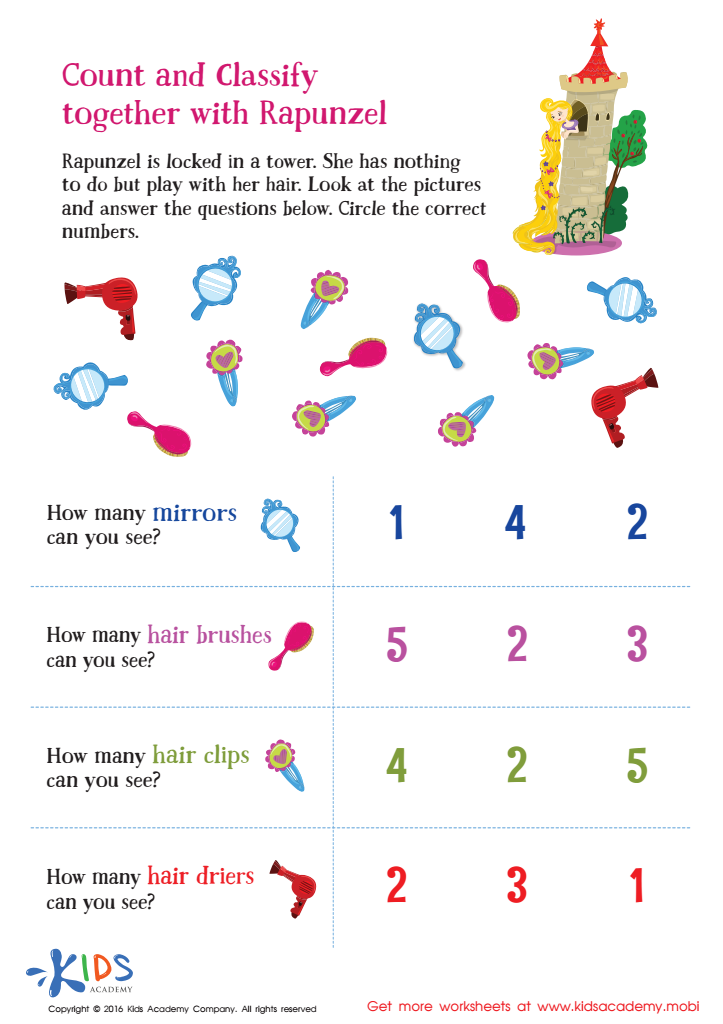
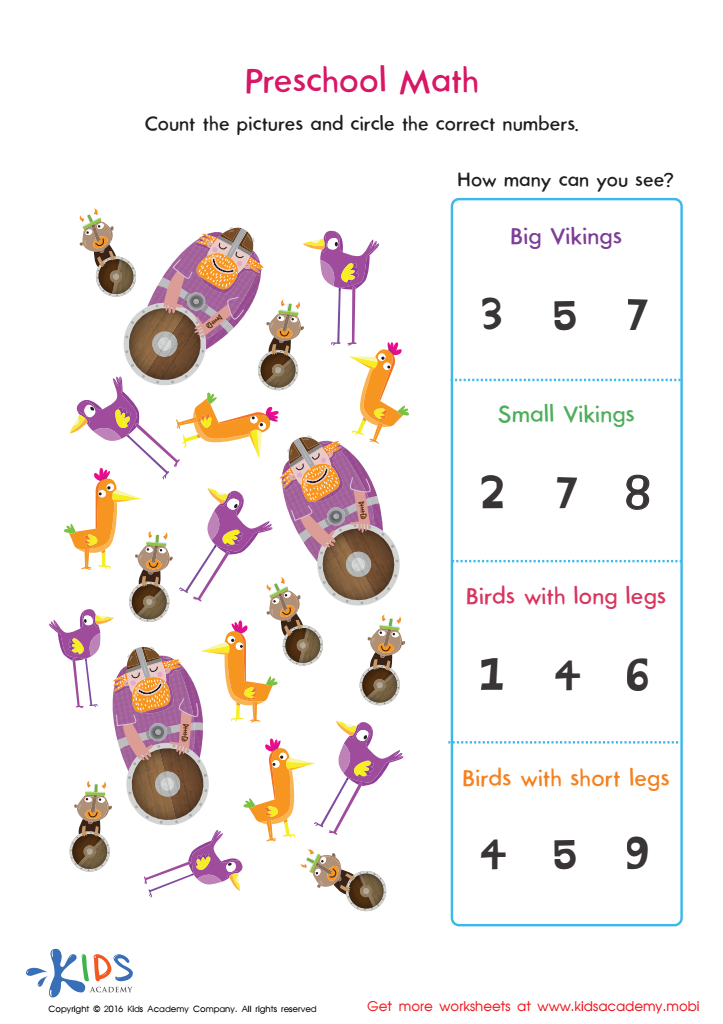
Fairy Tale Worksheet: Count and Classify with Rapunzel
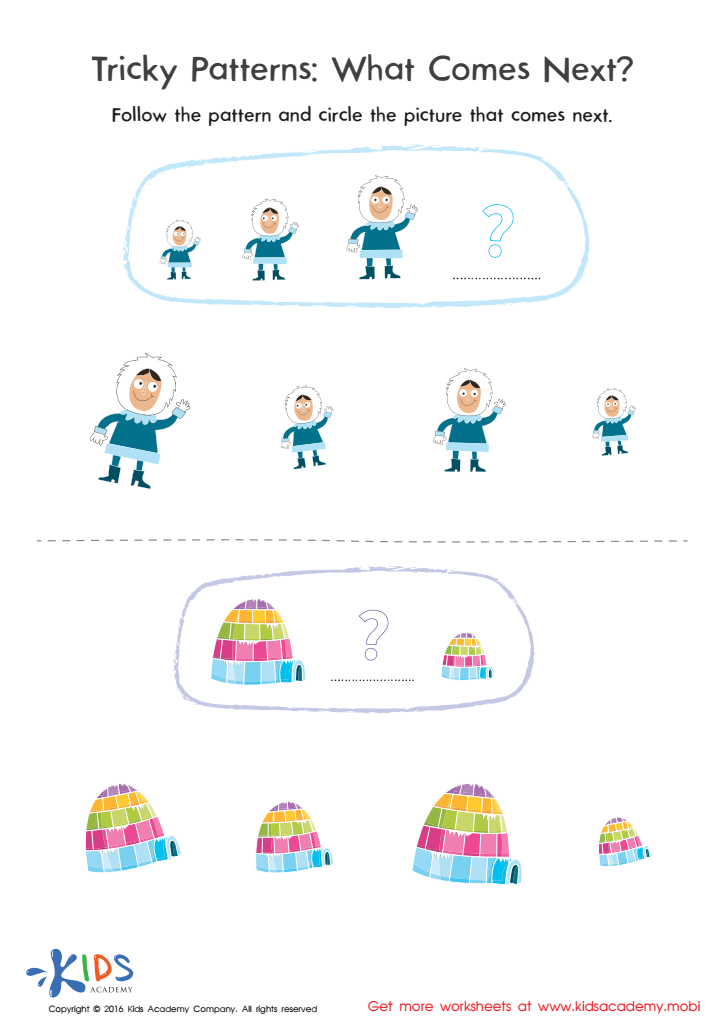
Tricky Patterns Size Worksheet
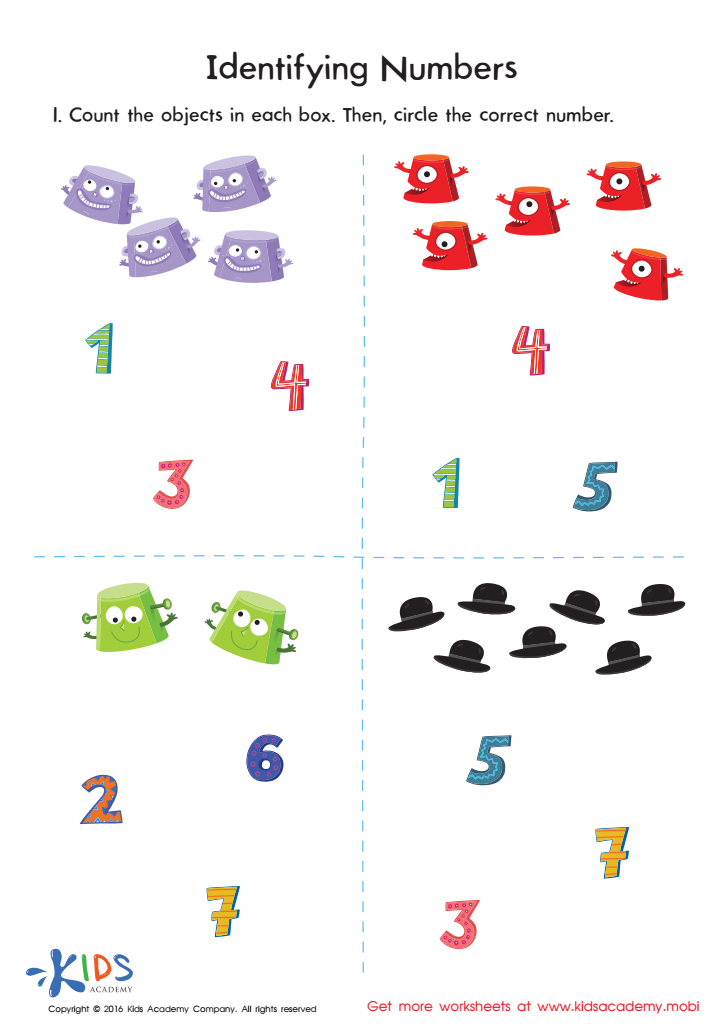
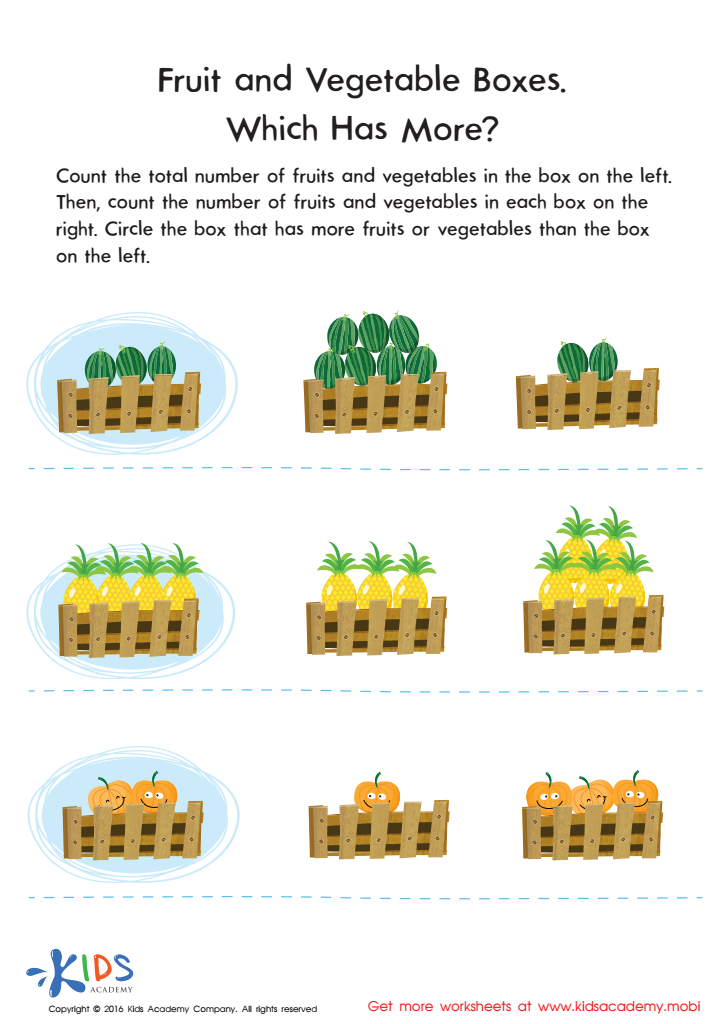
Which Has More? Size Worksheet
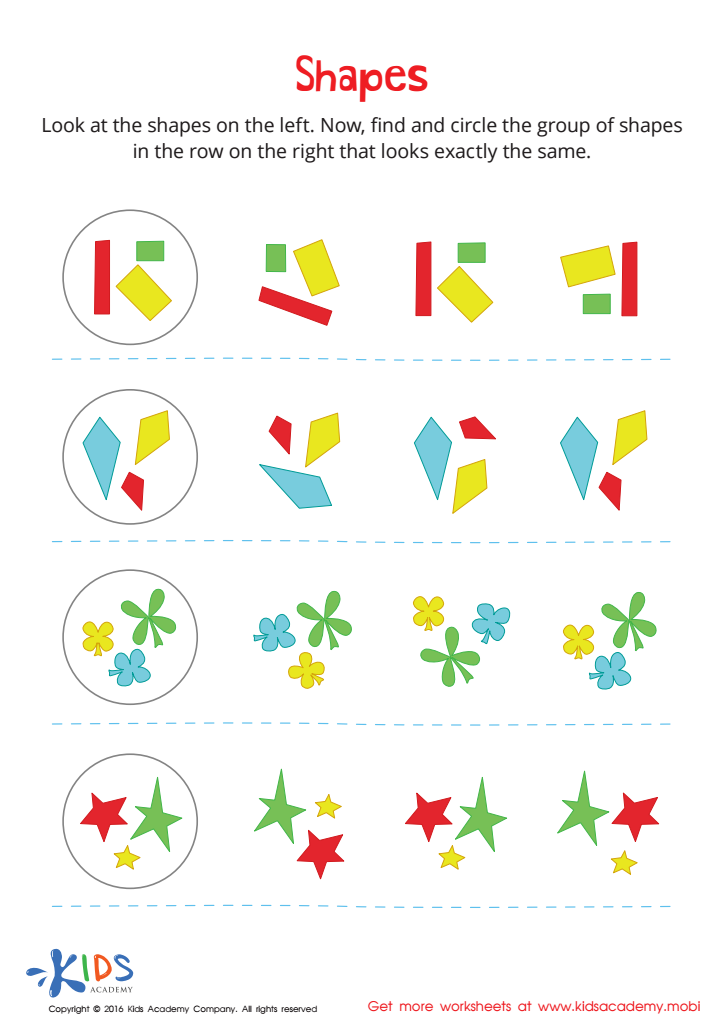
Shapes Worksheet
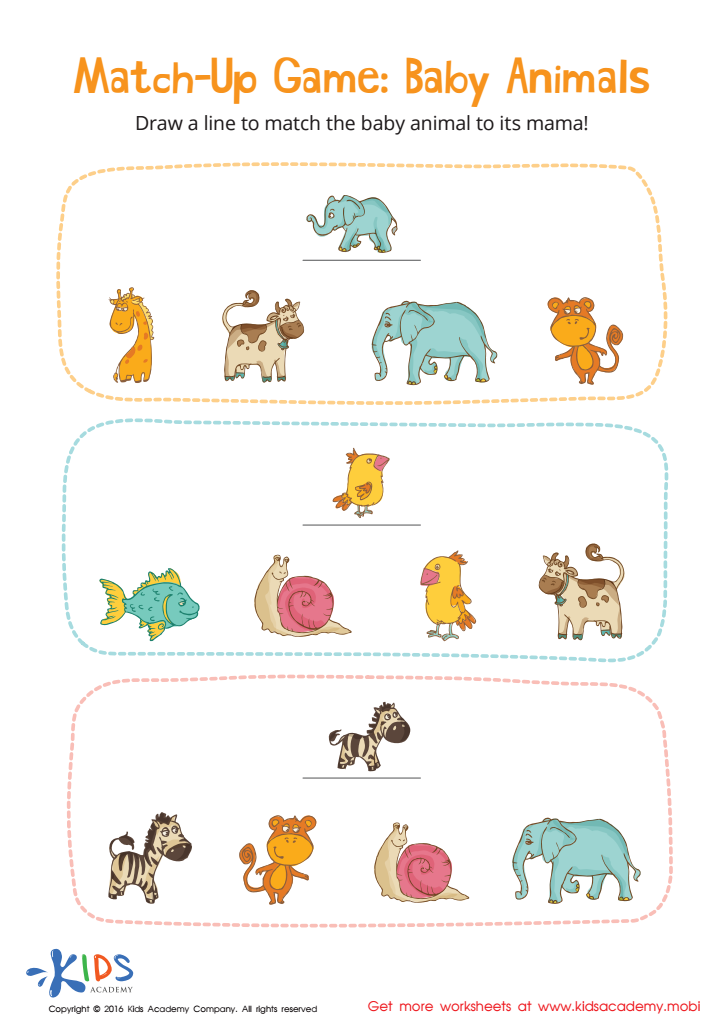
Baby Animals Match-Up Worksheet
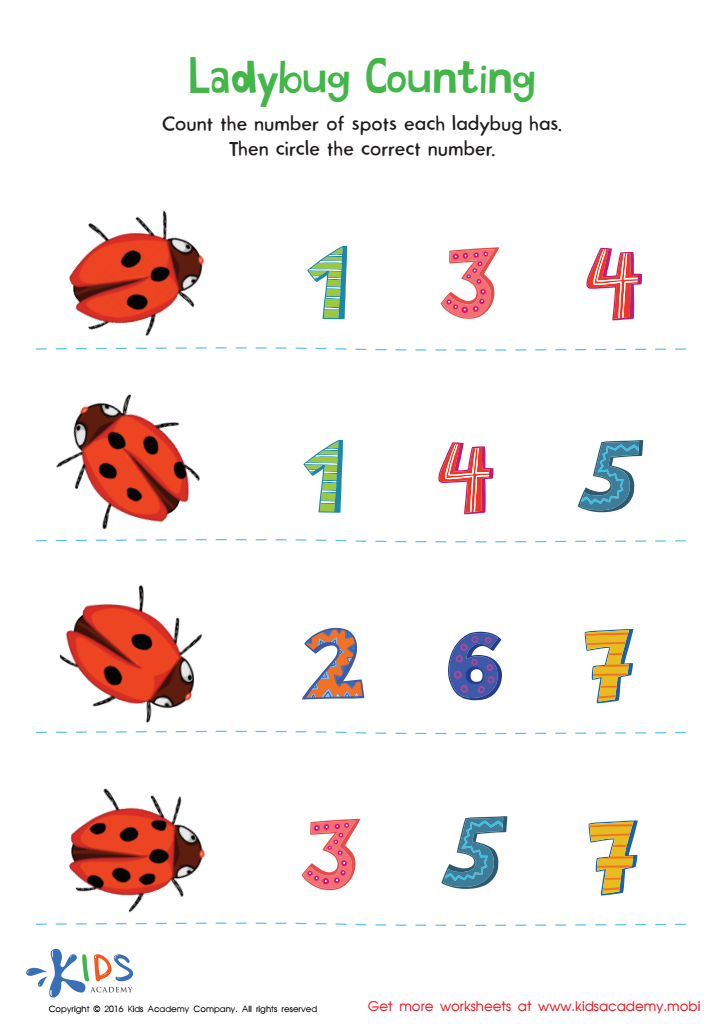
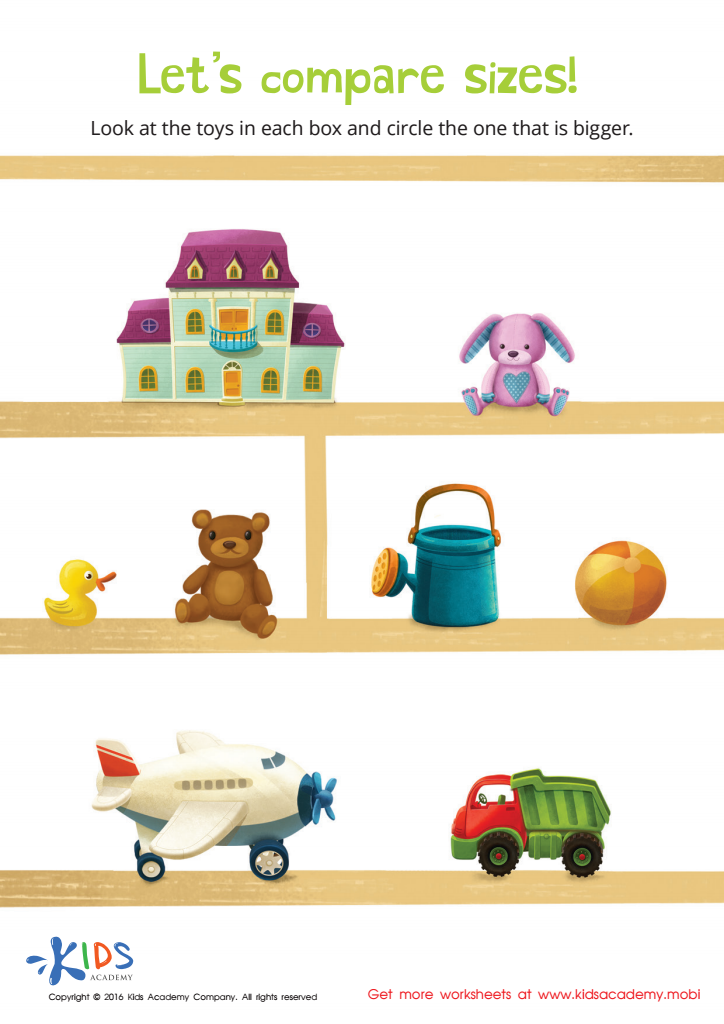
Classifying by Size Sorting Worksheet
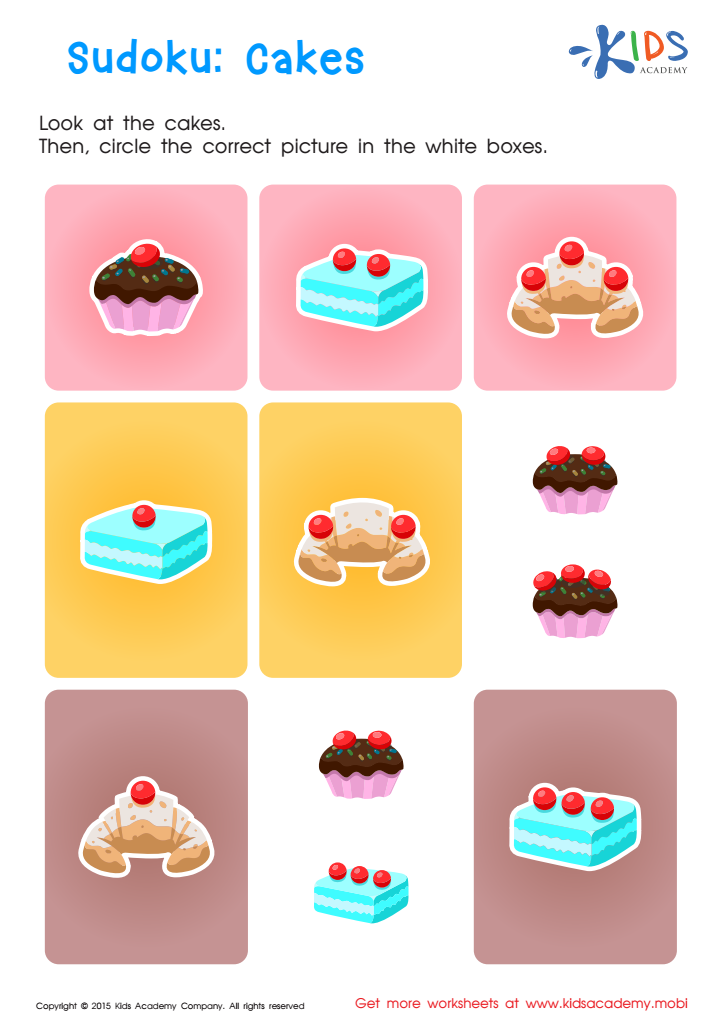
Sudoku Worksheet
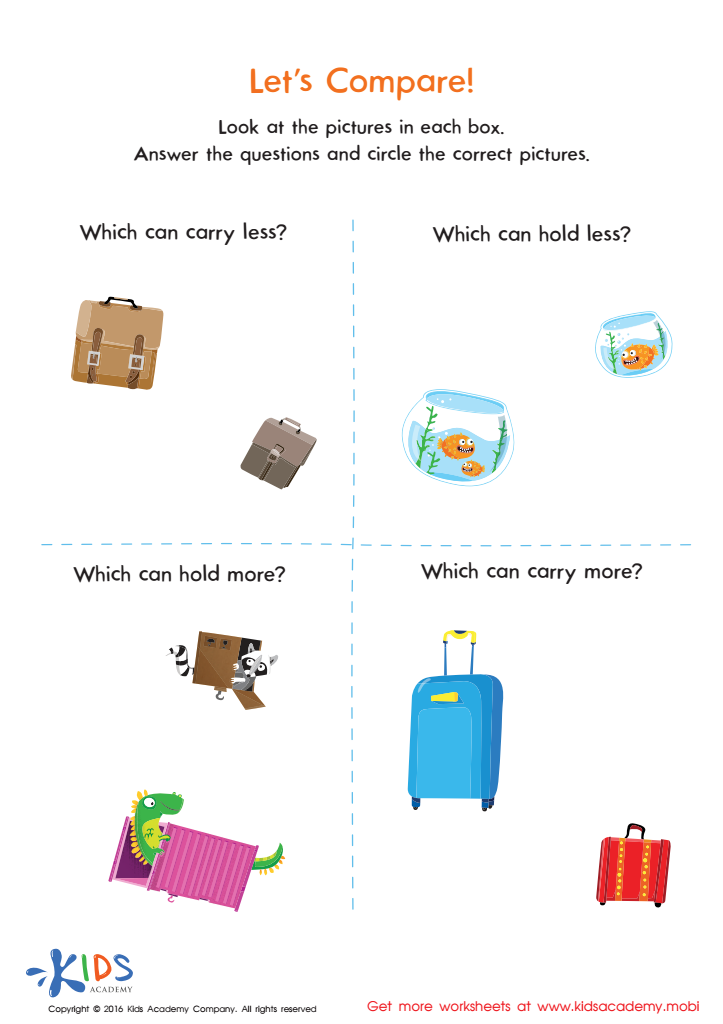
Let's Compare Worksheet: Big or Small
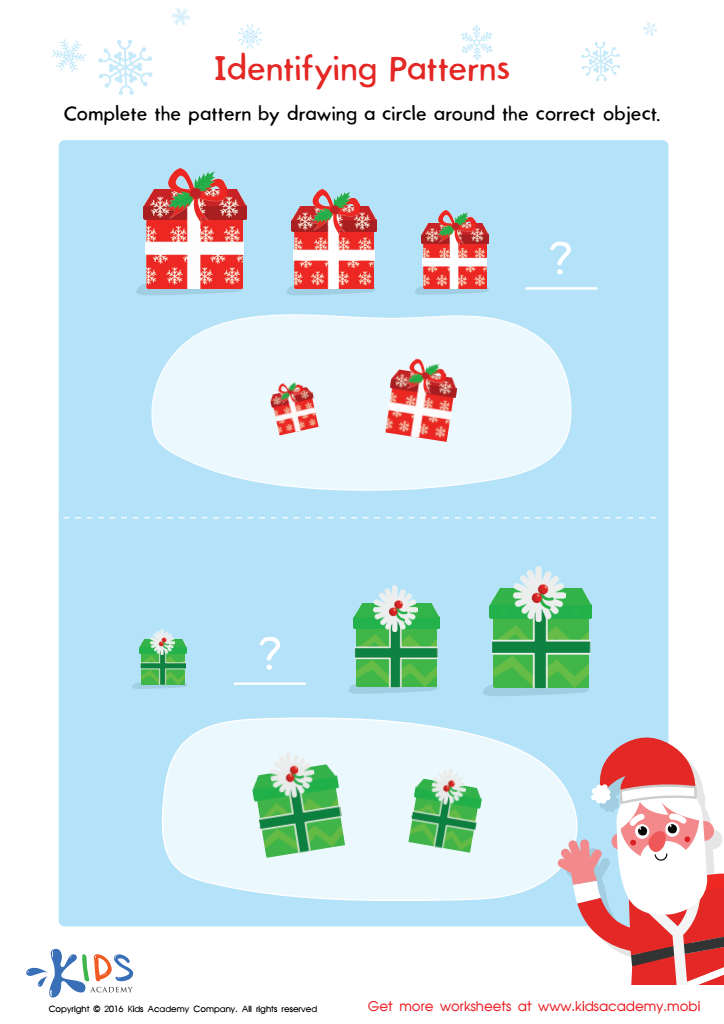
Identifying Patterns Worksheet
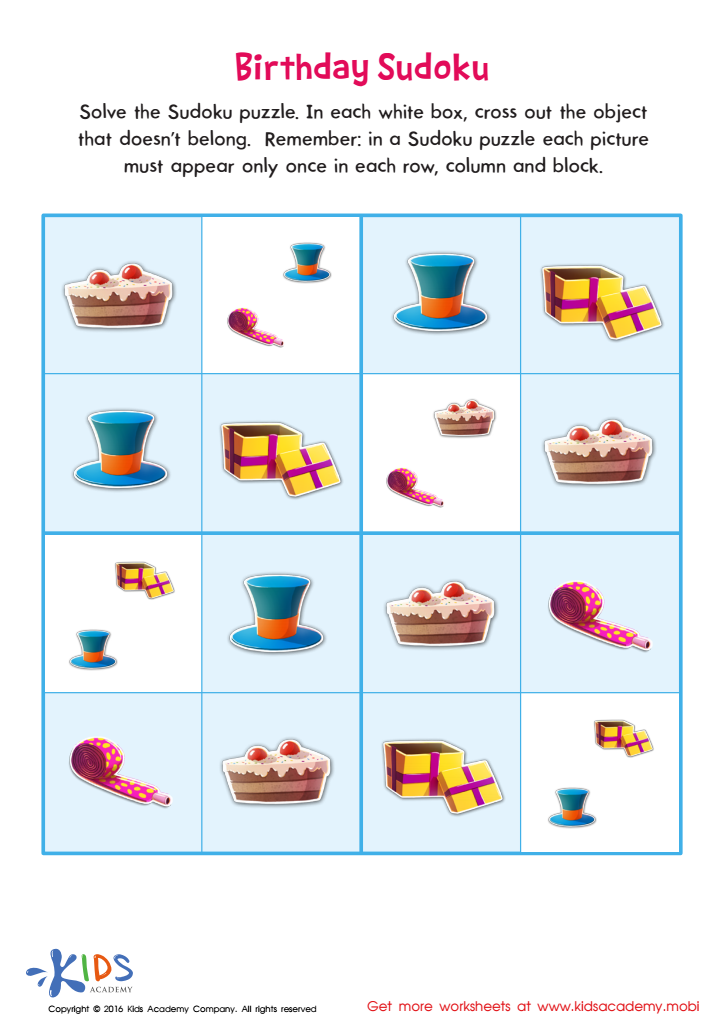
Birthday Sudoku Sorting Worksheet
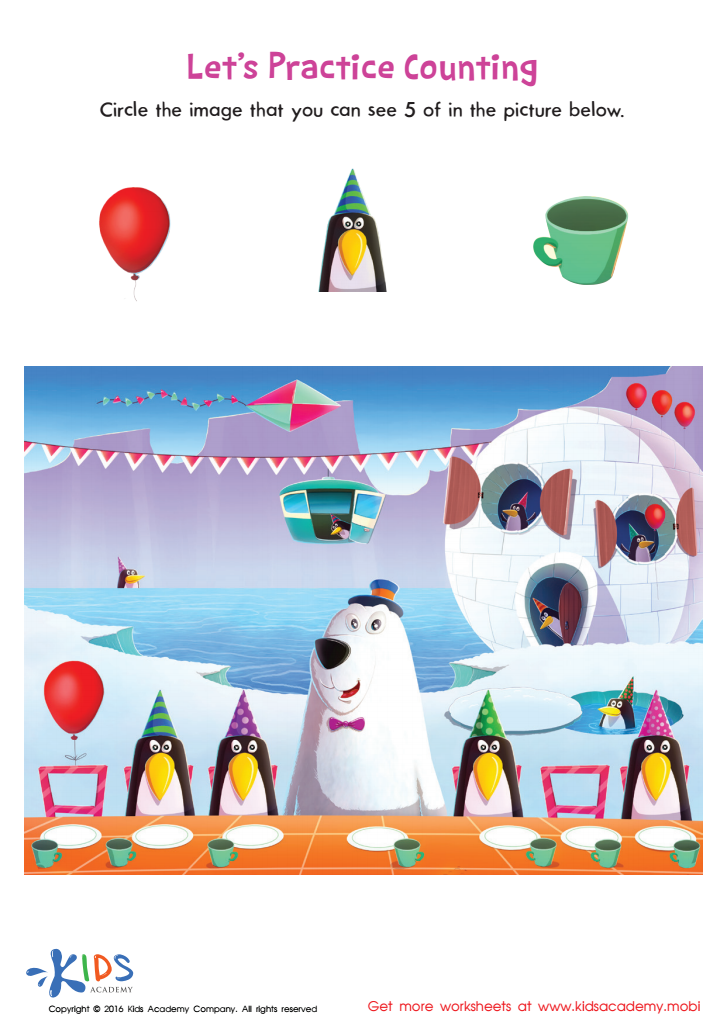
Counting Worksheet: Let's Practice Counting
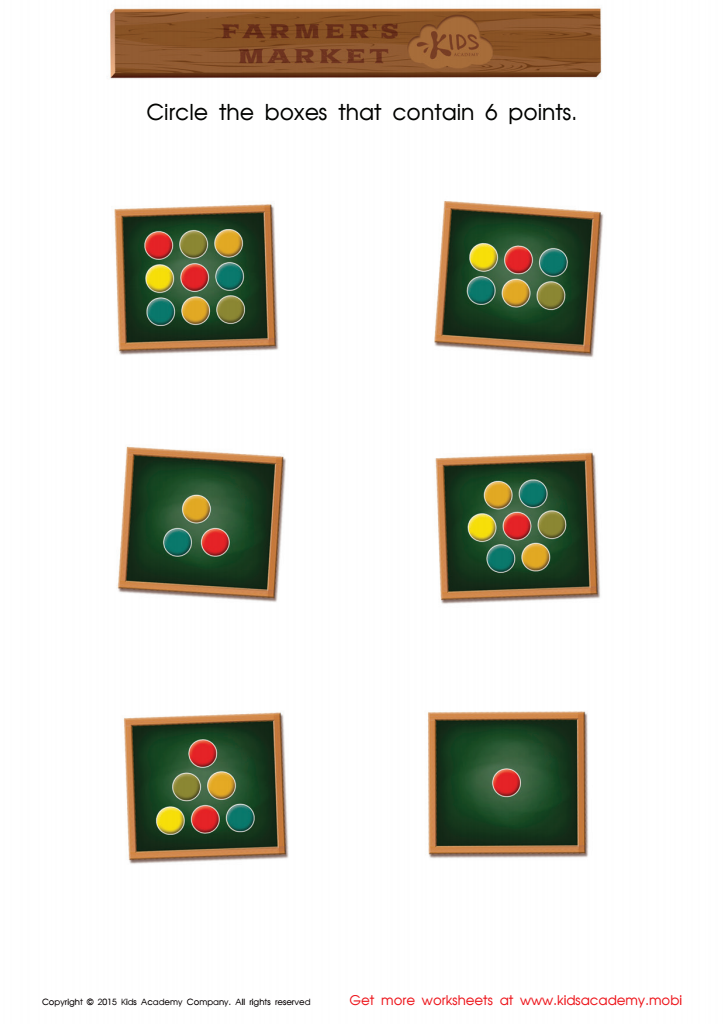
Count and Match Points 6 Math Worksheet
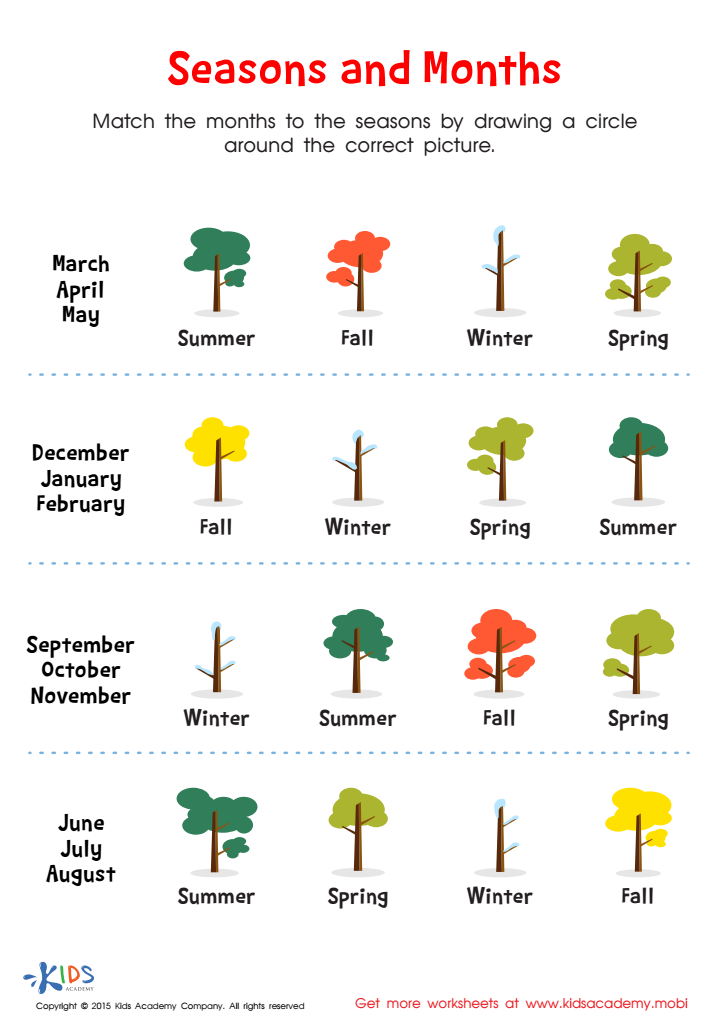
Seasons and Months Worksheet
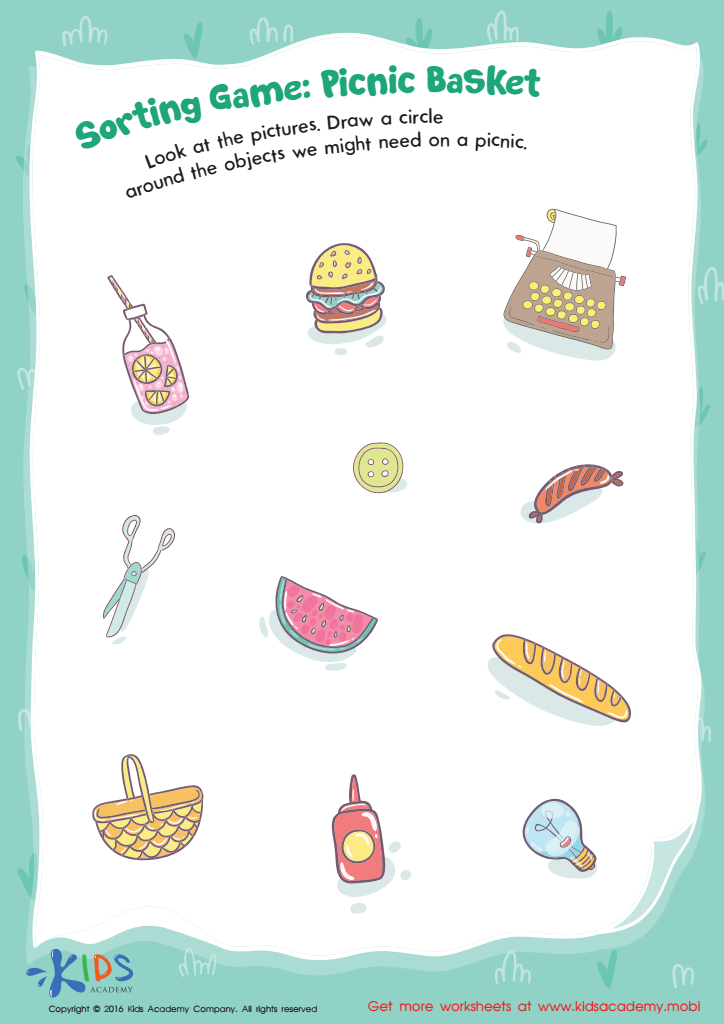
Picnic Basket Sorting Worksheet


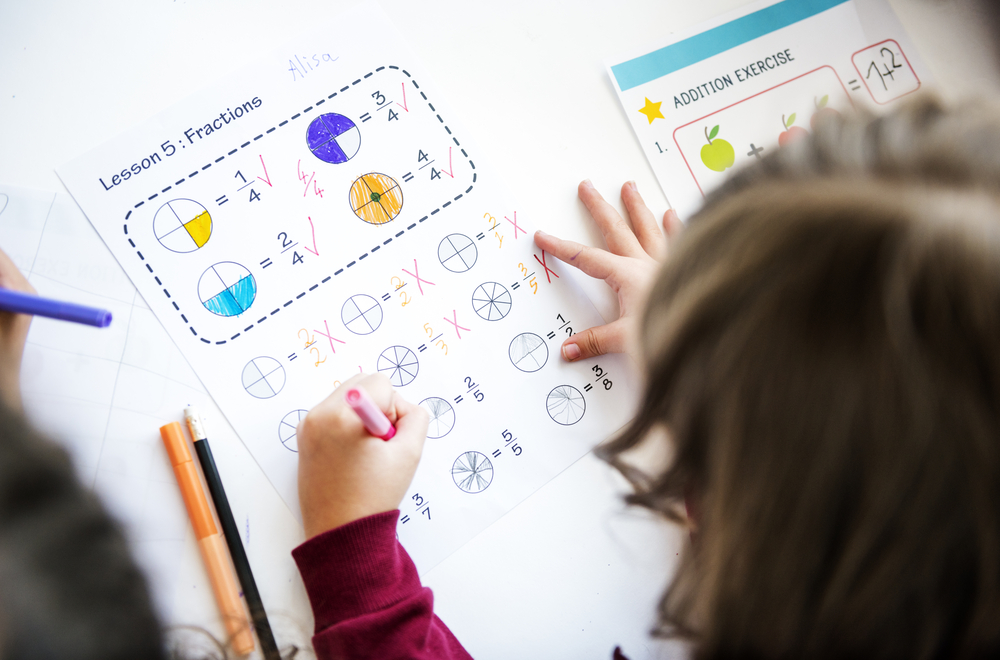





Extra Challenge Matching activities for children aged 5-8 serve as valuable tools for cognitive development, which is why parents and teachers should pay attention to them. During these formative years, kids are rapidly building crucial neural connections. Matching games hone their visual memory, attention to detail, and problem-solving skills by encouraging them to make associations and recognize patterns and similarities. This enhances both logical thinking and concentration.
These activities also support foundational academic skills. For instance, matching letter shapes to sounds fosters early literacy, while pairing numbers and quantities reinforces basic numeracy concepts. Engaging in these tasks boosts children's ability to follow rules and adhere to instructions, important skills for successful classroom learning.
Equally vital are the social-emotional benefits. These activities can be collaborative, promoting teamwork, communication, and empathy as children play together. Additionally, thoroughly completing matching challenges provides a sense of achievement that builds confidence and an intrinsic motivation for learning.
For parents and teachers, incorporating Extra Challenge Matching into routine learning can bring about holistic development in young children. By creating a fun, educational environment, we lay a strong foundation for future academic success and lifelong curiosity. Hence, prioritizing these activities can significantly contribute to a child’s growth and enthusiasm for learning.