Cognitive Development Extra Challenge Geometry Worksheets for 5-Year-Olds
5 filtered results
-
From - To
Boost your child's cognitive development with our Extra Challenge Geometry Worksheets for 5-Year-Olds! Designed to stretch young minds, these fun and educational activities foster critical thinking and spatial awareness. Watch as they explore shapes, patterns, and more, developing essential skills for future math success. Each worksheet offers a captivating mix of puzzles and problems that transform learning into an adventure. Perfect for little learners needing an extra challenge, our expertly crafted materials promote intellectual growth while keeping kids engaged. Make foundational learning enjoyable with Kids Academy! Join us and unlock your child's potential today.
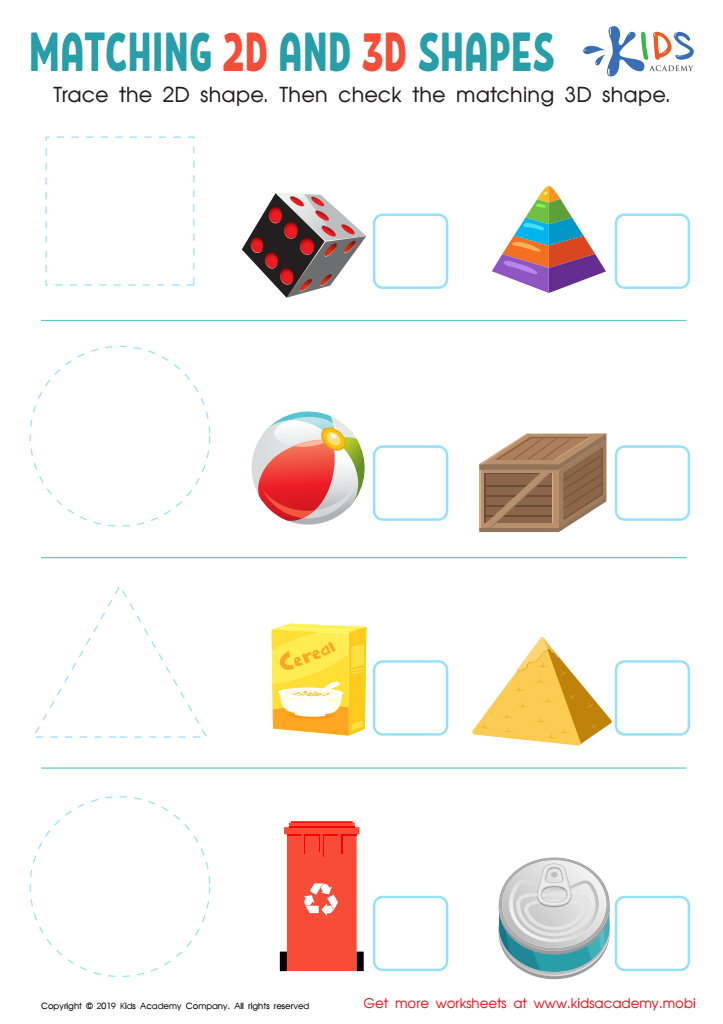
Matching 2D and 3D Shapes Worksheet
 Assign to My Students











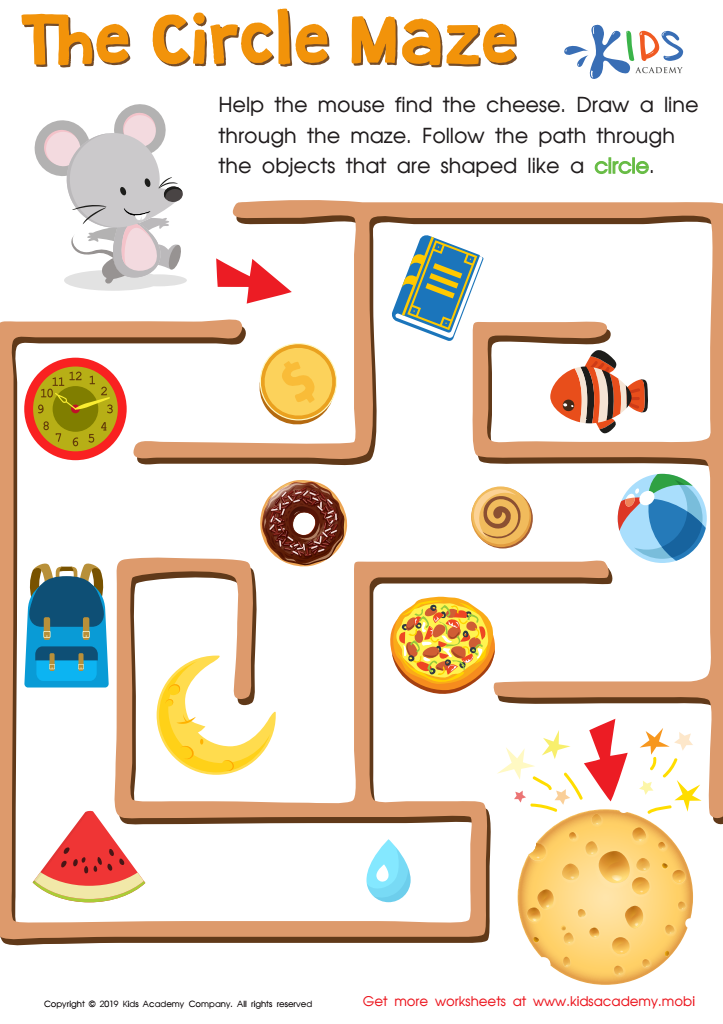
The Circle Maze Worksheet
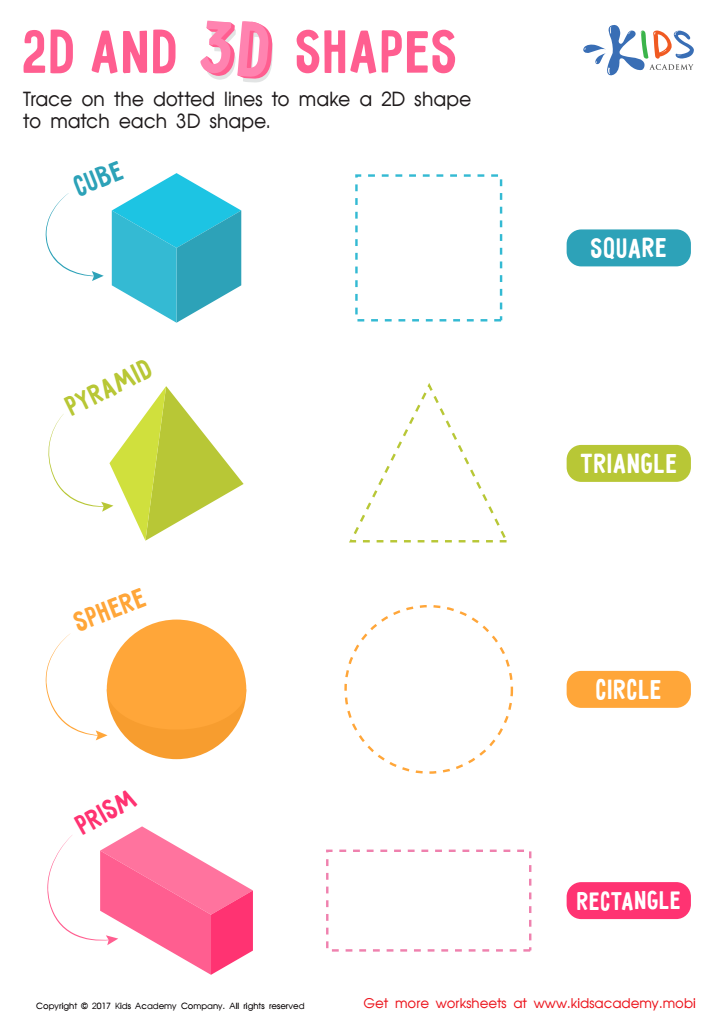
2D and 3D Shapes Worksheet
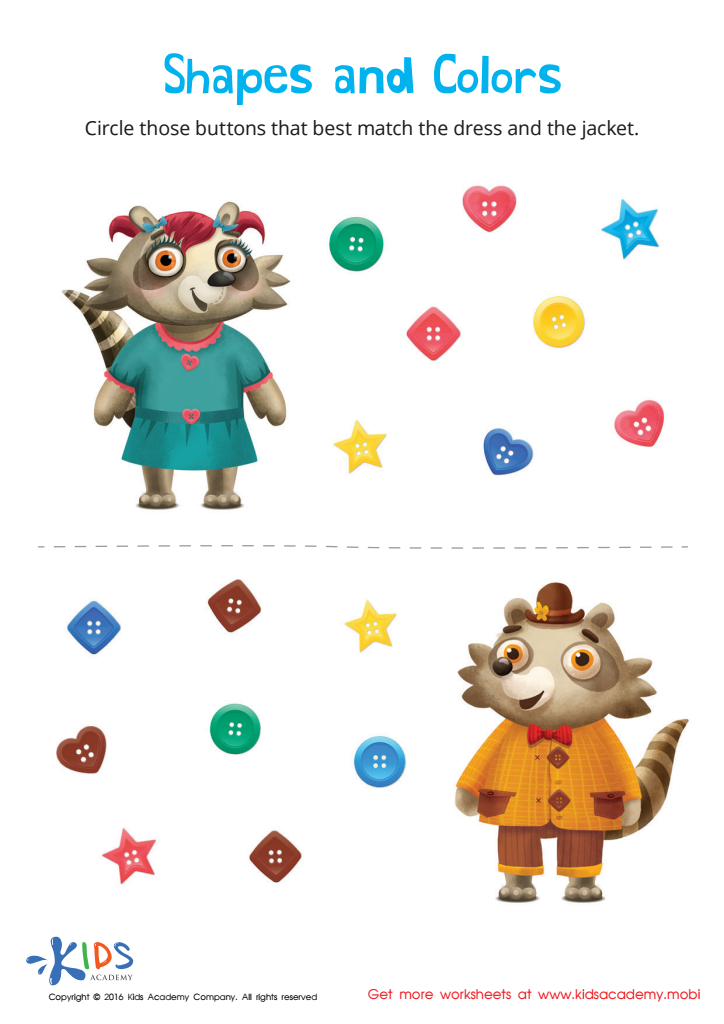
Matching: Shapes and Colors Worksheet
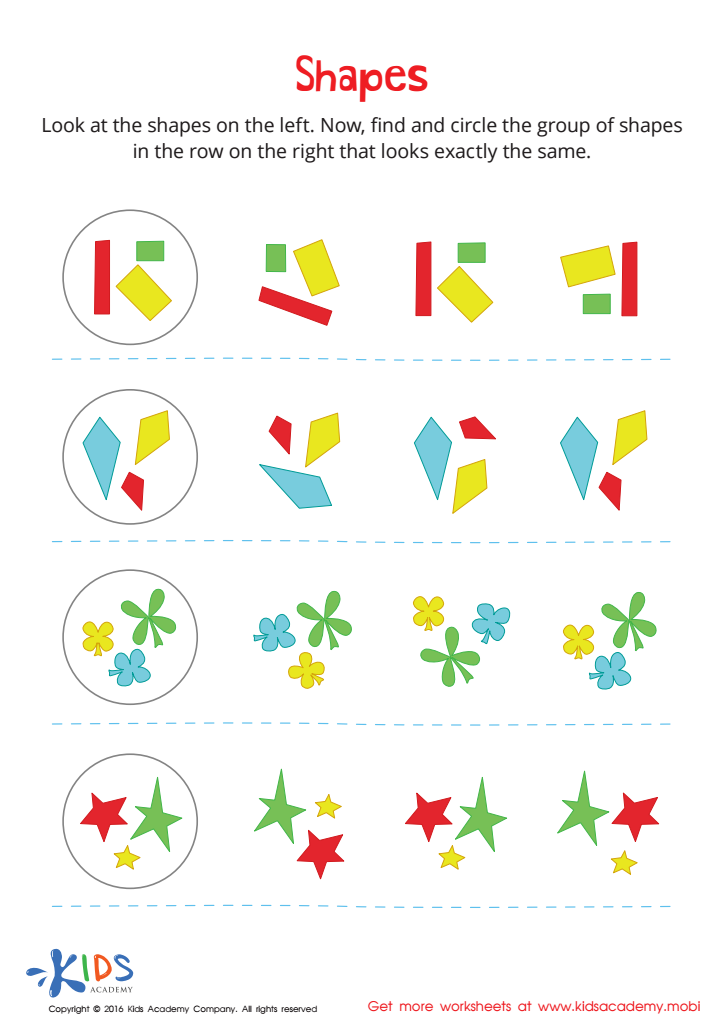
Shapes Worksheet








Engaging 5-year-olds in cognitive development activities, particularly in geometry, holds significant benefits for their overall growth. At this age, children’s brains are highly plastic and receptive to new information. Activities that challenge their understanding of shapes, spatial relationships, and geometric concepts lay a critical foundation for more advanced math skills they will encounter later in school.
Geometry challenges enhance cognitive functions by nurturing problem-solving skills, improving spatial reasoning, and fostering a curious mindset about the world. For instance, manipulating shapes to fit together in puzzles teaches kids about geometry and spatial awareness, crucial for tasks ranging from reading comprehension to driving in adulthood.
Moreover, these activities help in developing fine motor skills. Constructing geometric figures or solving simple spatial puzzles requires coordination and hand stability. They also encourage perseverance and patience, as children work through challenges and build resilience.
For parents and teachers, focusing on geometry and cognitive development supports a well-rounded educational approach. It ensures children do not simply memorize information but understand and apply concepts practically. This holistic development strategy better equips them for academic success and daily problem-solving scenarios, contributing to their confidence and independence as learners. Prioritizing cognitive growth through subjects like geometry ultimately fosters lifelong learning enthusiasm and intellectual curiosity.