Extra Challenge Comparison Worksheets for Ages 6-8
7 filtered results
Difficulty Level
Grade
Age
-
From - To
Subject
Activity
Standards
Engage young learners aged 6-8 with our Extra Challenge Comparison Worksheets! Tailored to enhance critical thinking and analytical skills, these printable resources facilitate in-depth comparisons through exciting activities. Your child will explore various concepts such as size, quantity, and differences, fostering foundational math skills in a fun, interactive way. Perfect for homeschooling or supplementing classroom lessons, our worksheets ensure children not only grasp essential comparison fundamentals but also challenge themselves further. Encourage curiosity and confidence in math through our thoughtfully designed exercises that cater specifically to the developmental needs of students in this age group. Unleash their potential today!
Favorites
With answer key
Interactive
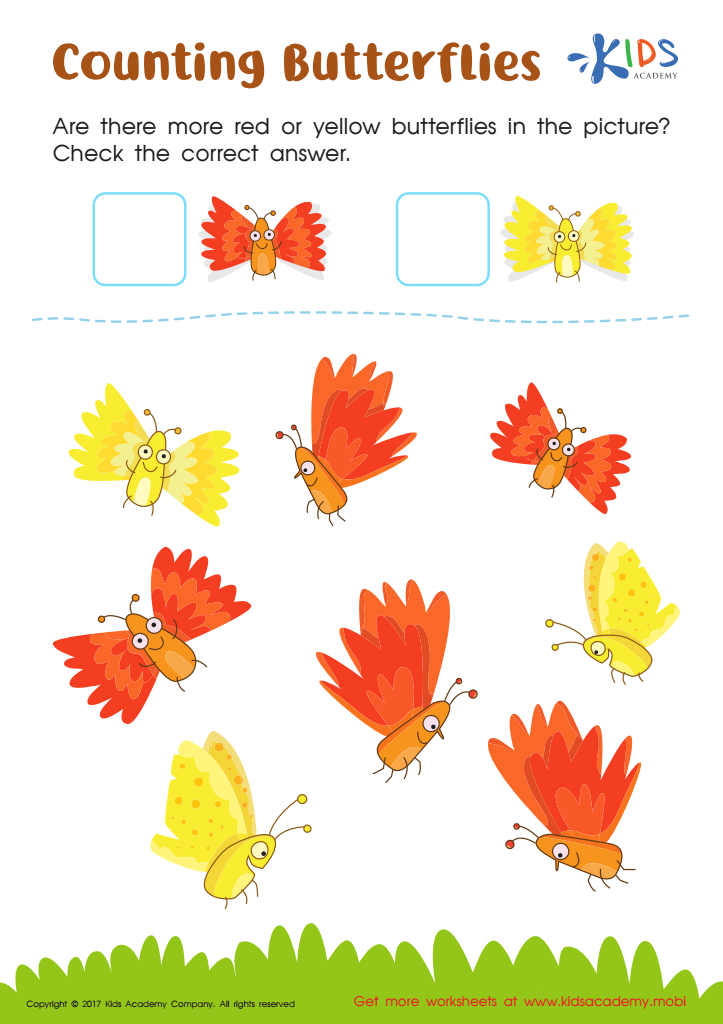
Counting Butterflies Worksheet
Count and compare the butterflies in the picture with your child. How many are red, and how many are yellow? Stimulate thinking and counting skills while having fun. Check the answers when you're done.
 Assign to My Students
Counting Butterflies Worksheet
Worksheet
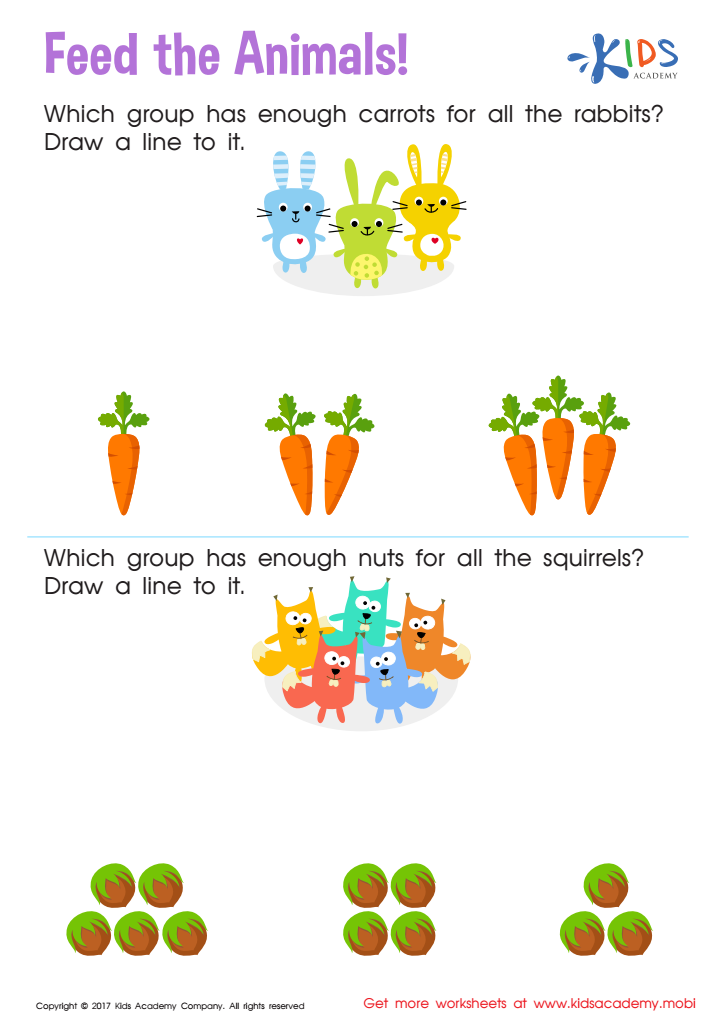
Count and Match: Feed the Animals Worksheet
Learning and growing involves more than just numbers, phonics and comparison. This Feed the Animals worksheet helps kids to exercise their reasoning skills. They must work out how many rabbits and carrots there are, and then repeat the process for the squirrels. This encourages problem solving and counting skills.
Count and Match: Feed the Animals Worksheet
Worksheet
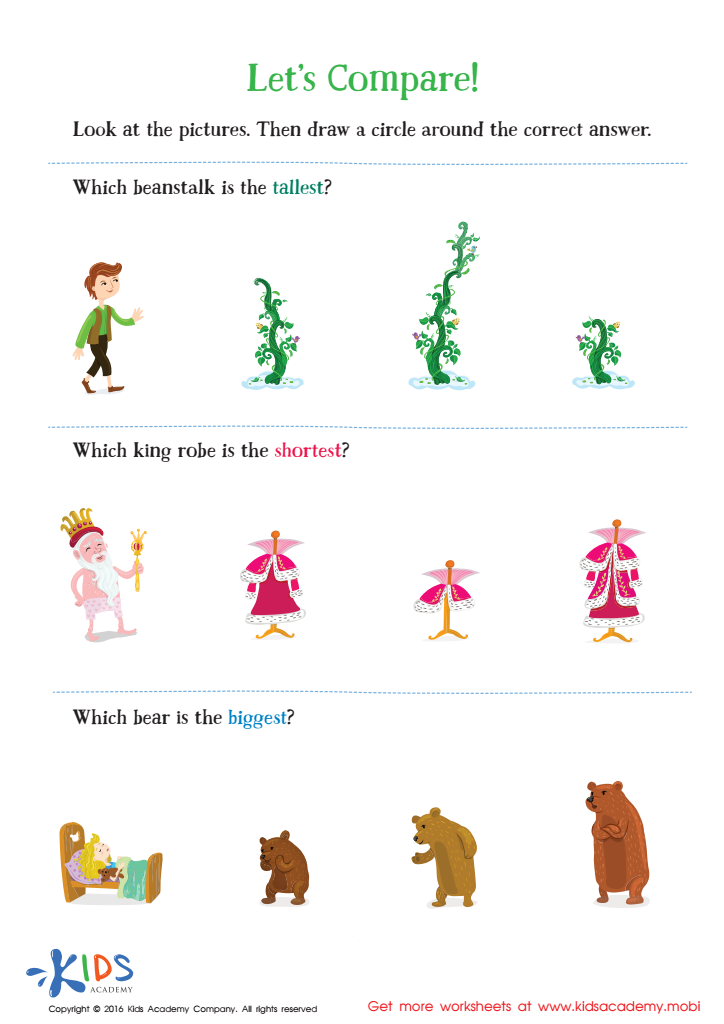
Fairy Tale Worksheet: Let's Compare
Preschoolers need to recognize different sizes of objects. This worksheet combines fun fairy tales with size practice, helping them read, problem solve, and sort through pictures. Your child will love the images and be eager to complete it. Enhance their learning by talking about the tales to build comprehension.
Fairy Tale Worksheet: Let's Compare
Worksheet
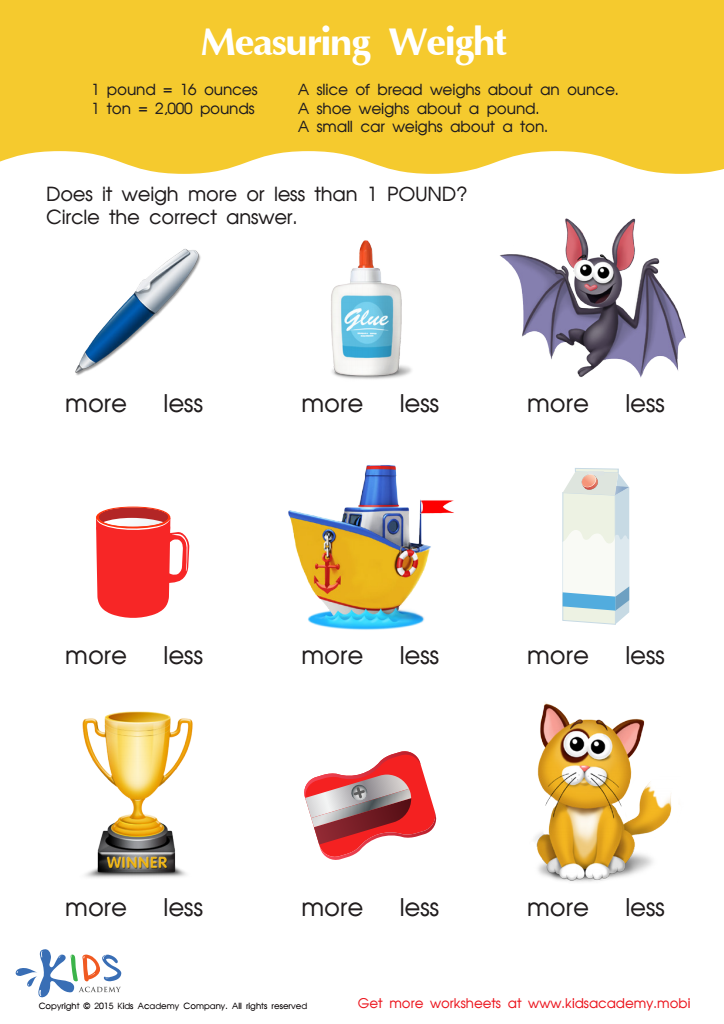
Measuring weight in pounds Worksheet
Help your kids comprehend pounds with our free worksheet. Everyday objects are compared to one pound, helping them understand this weight unit. Find the whole collection of free math worksheets by Kids Academy on our website. Make studying fun for your kids with our free printable worksheets!
Measuring weight in pounds Worksheet
Worksheet
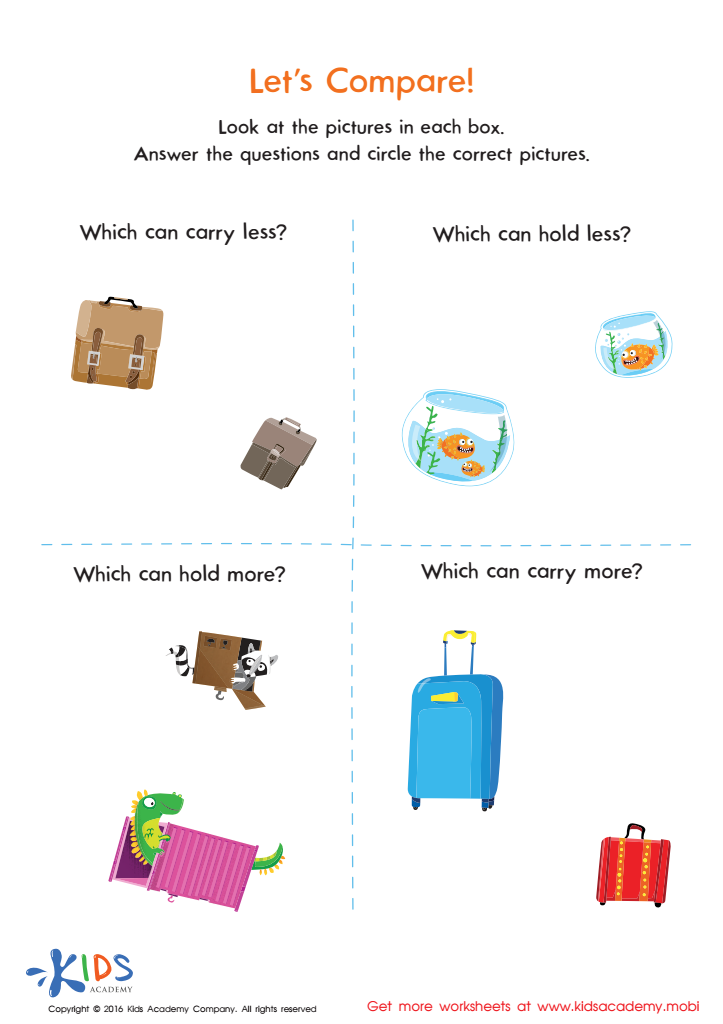
Let's Compare Worksheet: Big or Small
This worksheet will help your child gain an awareness of simple geometry and strengthen cognitive skills. Visualizing objects in 3D and comparing sizes helps to practice solving problems mentally and build analytical skills. Let's Compare worksheet will challenge your child to think hard.
Let's Compare Worksheet: Big or Small
Worksheet
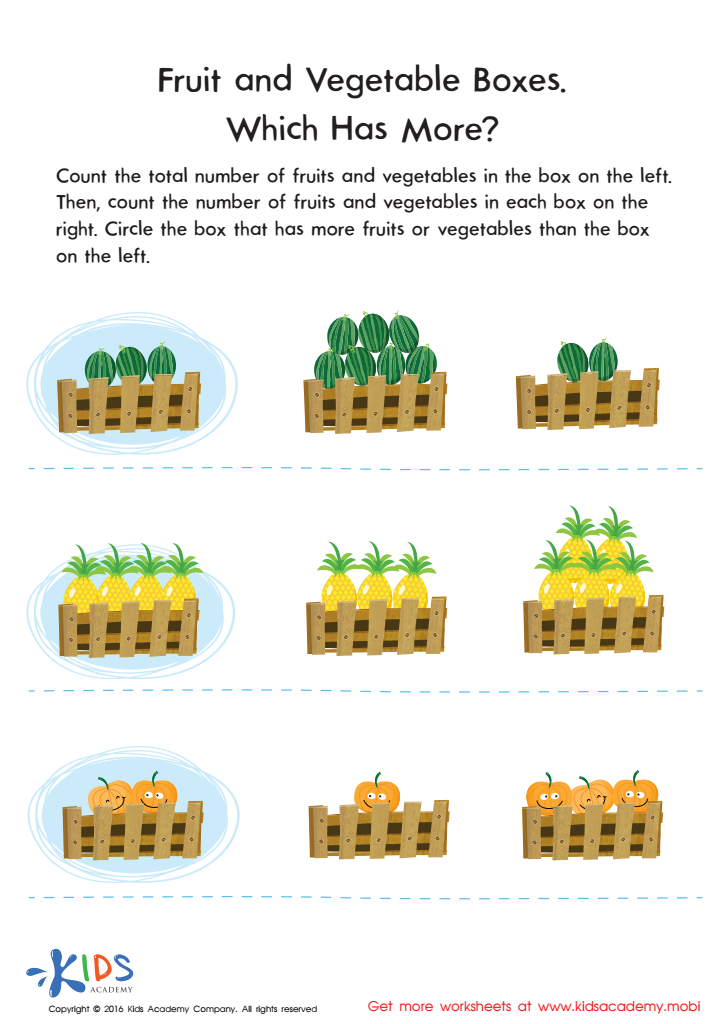
Which Has More? Size Worksheet
This worksheet is perfect for your child to practice critical thinking and logical reasoning. Your child will count and compare the fruits and veggies in the crates to decide which one has more. They will use complex cognitive skills and practice following precise rules. Guide them through the directions and help keep their focus, while enjoying the images.
Which Has More? Size Worksheet
Worksheet
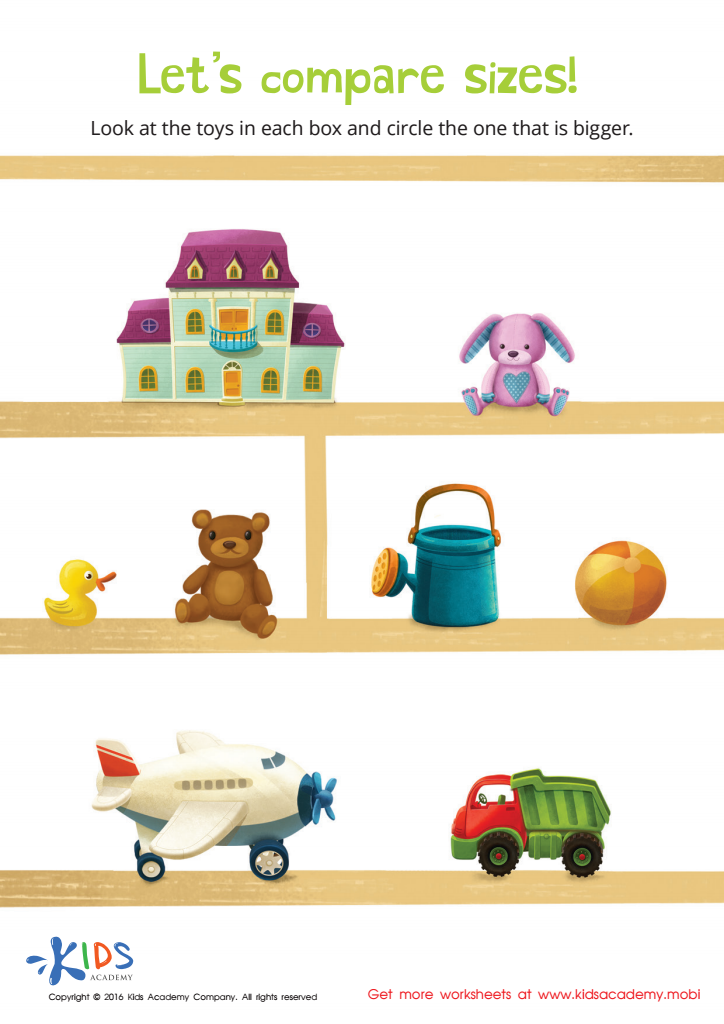
Classifying by Size Sorting Worksheet
Help your preschooler recognize differences in size using this fun worksheet! Your child will engage in important spatial recognition and problem-solving skills while talking with you about objects that can be small or large. Enjoy the vibrant pictures together!
Classifying by Size Sorting Worksheet
Worksheet
Join Kids Academy for Free
Who is primarily going to use this learning content?




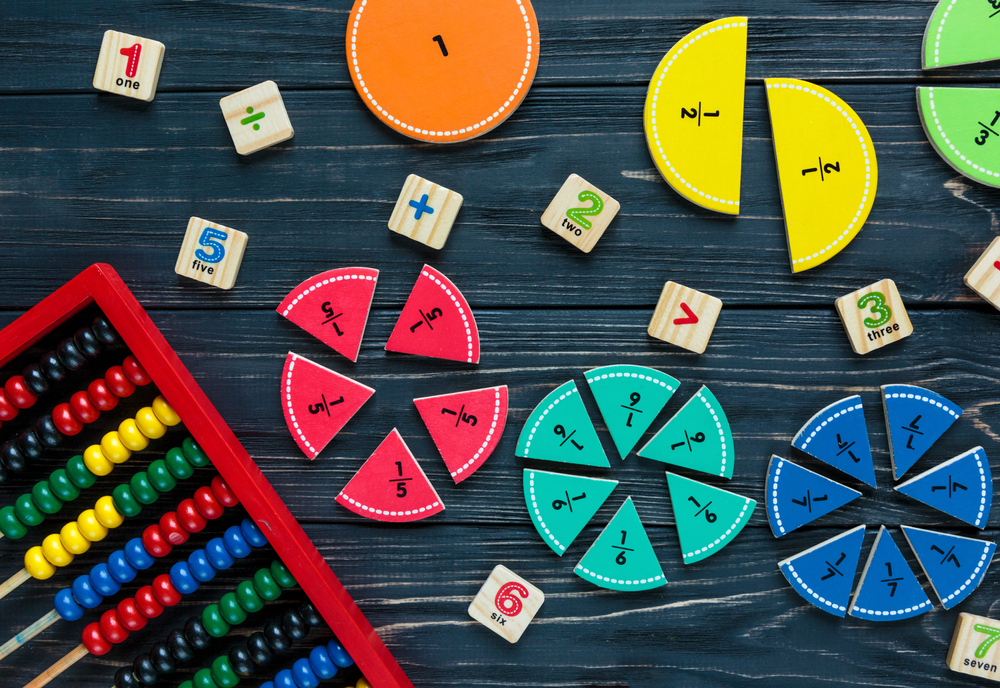


The Extra Challenge Comparison for ages 6-8 is a crucial tool for parents and teachers, as it allows them to identify and nurture individual strengths and areas for improvement in children. During these formative years, children experience significant cognitive and social development, making it essential to ensure that they are not just meeting the standard academic benchmarks but are also stimulated to reach their full potential.
This comparison helps educators create tailored learning experiences that cater to various learning styles and paces. It can highlight gifted students who may require more challenging material, as well as those who might need extra support in certain areas. By being mindful of these comparisons, parents and teachers can foster an environment that encourages enthusiasm for learning, rather than one that simply strives for conformity.
Furthermore, understanding a child's placement in a challenge comparison can enhance communication between parents and teachers, setting the stage for collaborative efforts to support a child's education. Ultimately, appreciating the nuances in individual progress can create more engaged learners, better emotional well-being, and a more inclusive classroom atmosphere where every child's journey is valued. As they say, each child learns in their own unique way—recognition of this fact is fundamental to their success.