
Normal Addition Facts Worksheets for Ages 3-5
8 filtered results
Difficulty Level
Grade
Age
-
From - To
Subject
Activity
Standards
Discover our engaging Normal Addition Facts Worksheets designed specifically for children ages 3-5. Crafted to make learning math fun and effective, these printables help young learners master fundamental addition skills. Each worksheet features vibrant illustrations and simple addition problems to keep preschoolers and kindergarteners interested and focused. By incorporating hands-on activities and interactive exercises, our collection fosters a positive learning experience, boosting early math confidence and competence. Perfect for at-home practice or classroom use, these worksheets are an excellent resource for parents and educators seeking to build a strong mathematical foundation. Download now and watch your child's math skills flourish!
Favorites
With answer key
Interactive
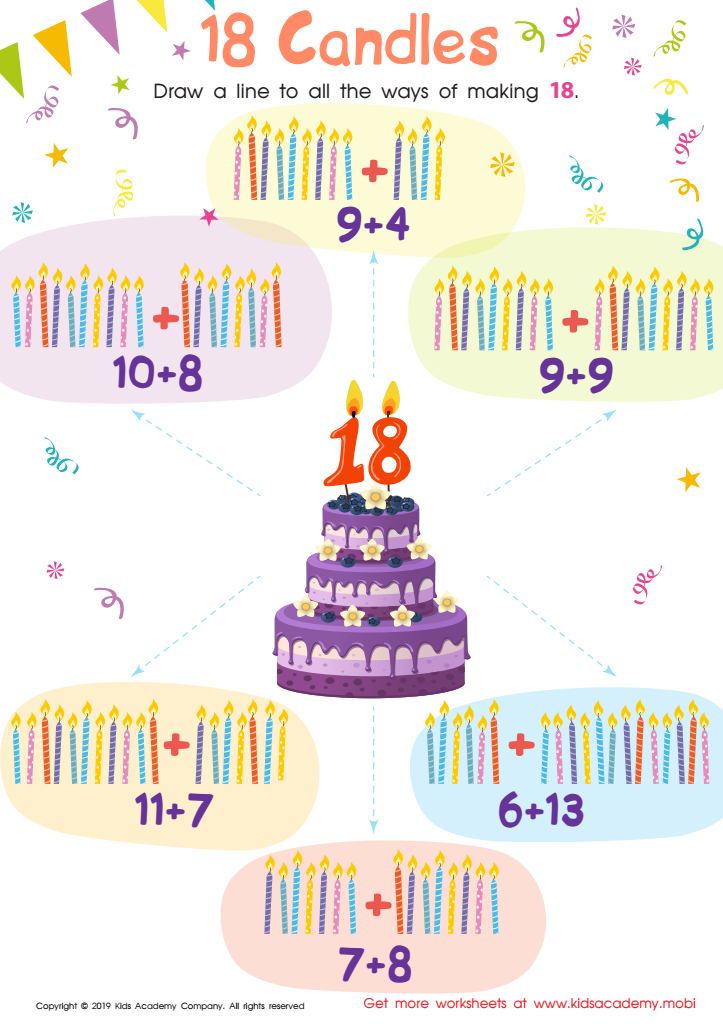
18 Candles Worksheet
This worksheet is great for introducing your students to addition and subtraction. Help your kids solve the simple equations on it and draw a line from the birthday cake with 18 on it to all the solutions. Practice like this will prepare them to tackle more complex math problems.
 Assign to My Students
18 Candles Worksheet
Worksheet
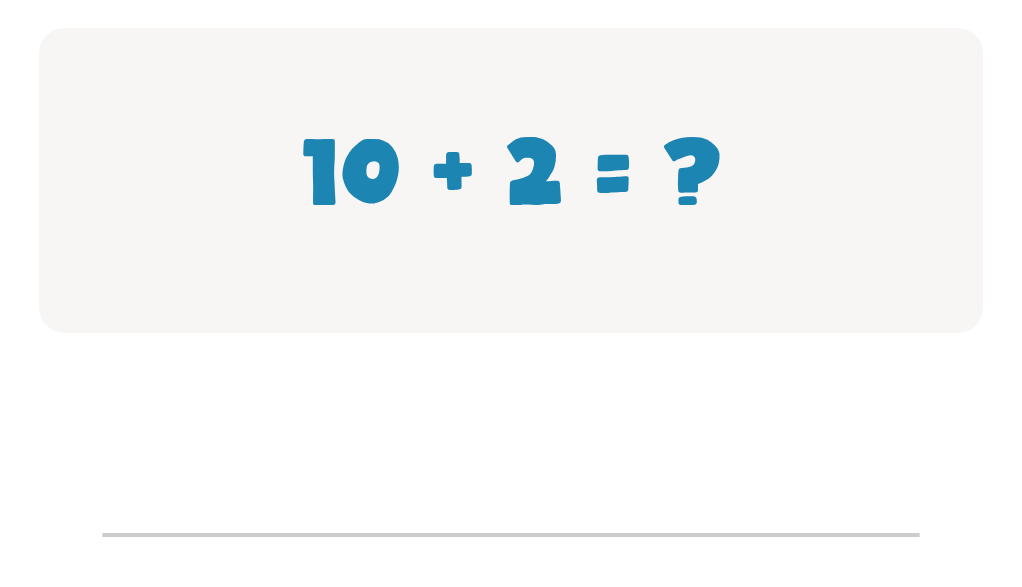

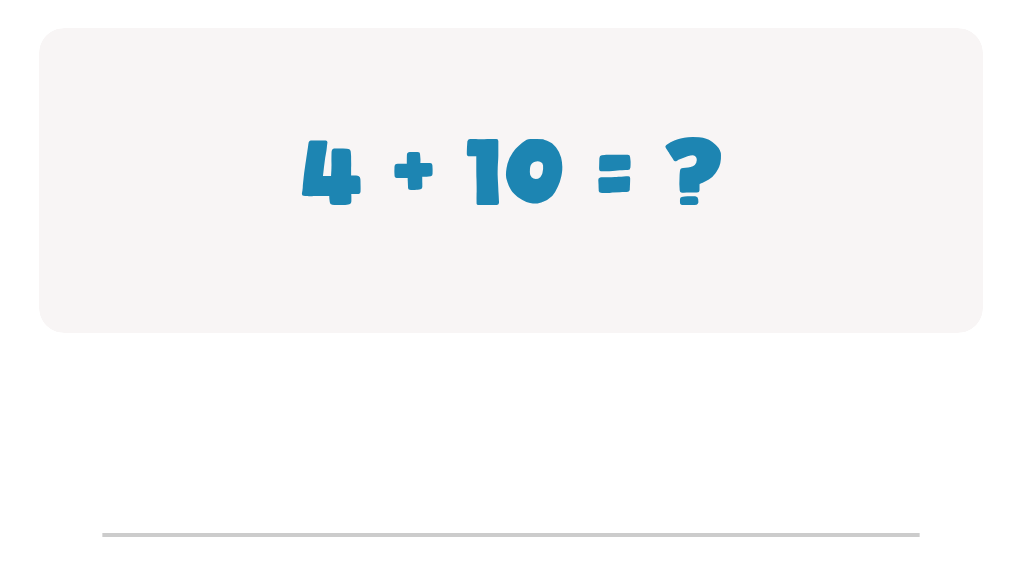
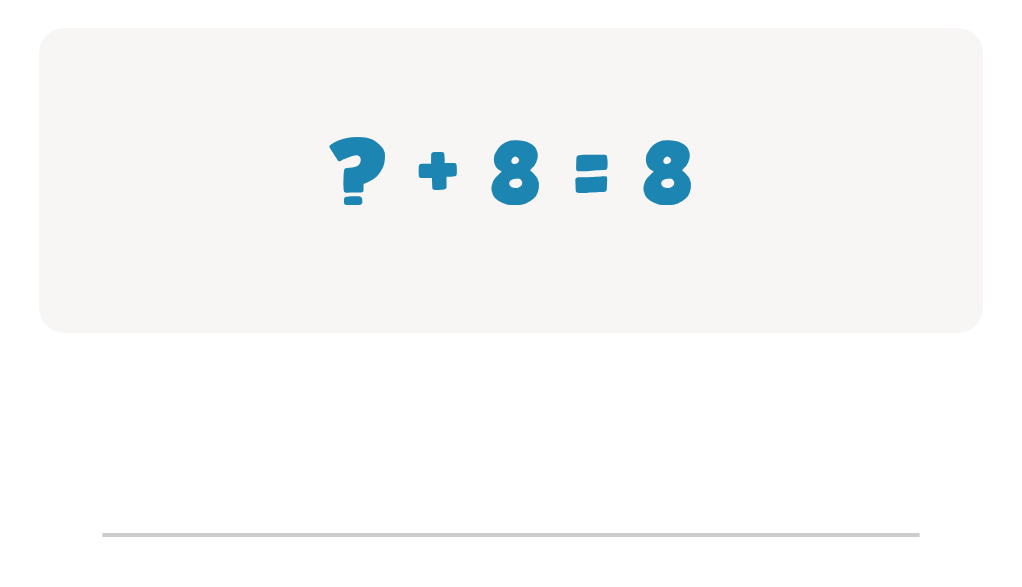

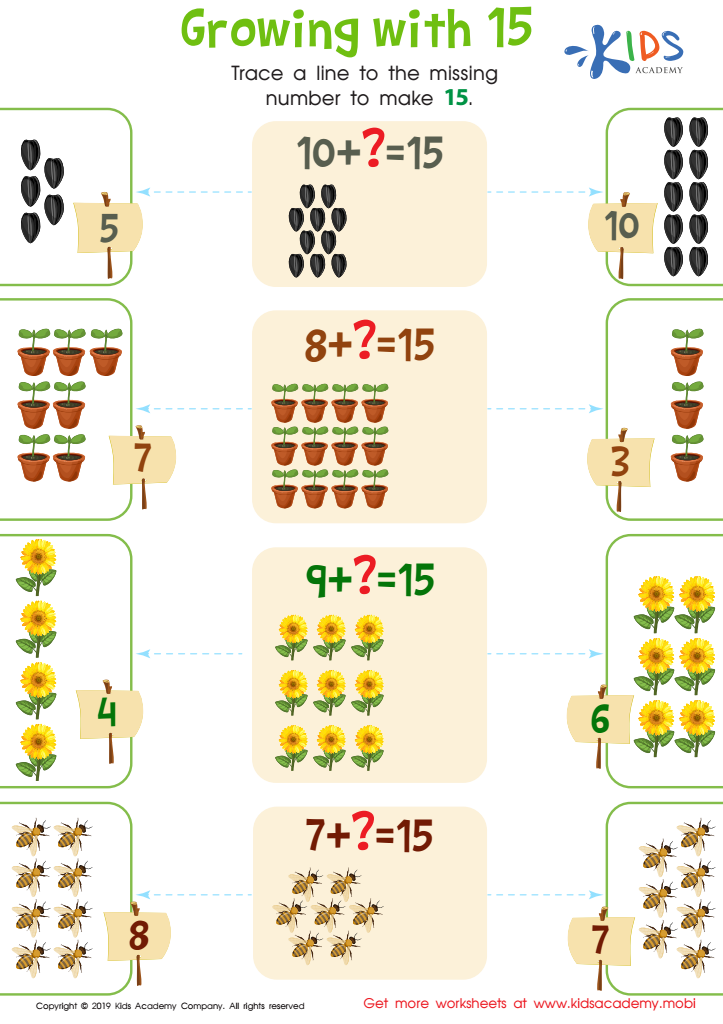
Growing with 15 Worksheet
Remind your kids that adding different sets of numbers can give the same total (e.g. 2+3=5, 4+1=5). Test their understanding by asking them for more examples. Move onto the worksheet: count objects, then trace the line to the number making a total of 15.
Growing with 15 Worksheet
Worksheet
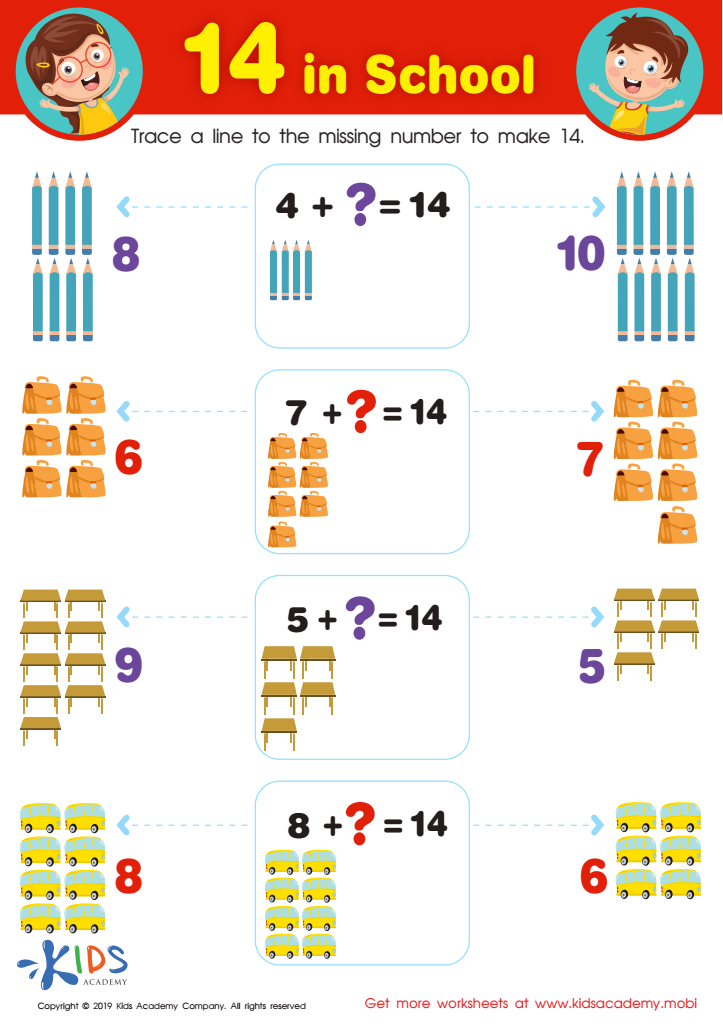
14 in School Worksheet
Remind your kids that adding different sets of numbers can give the same total (e.g. 2+3=5, 4+1=5). Ask them for more examples. Afterwards, work through the exercise. Help them count the objects and trace a line to the missing number that makes the total 14.
14 in School Worksheet
Worksheet
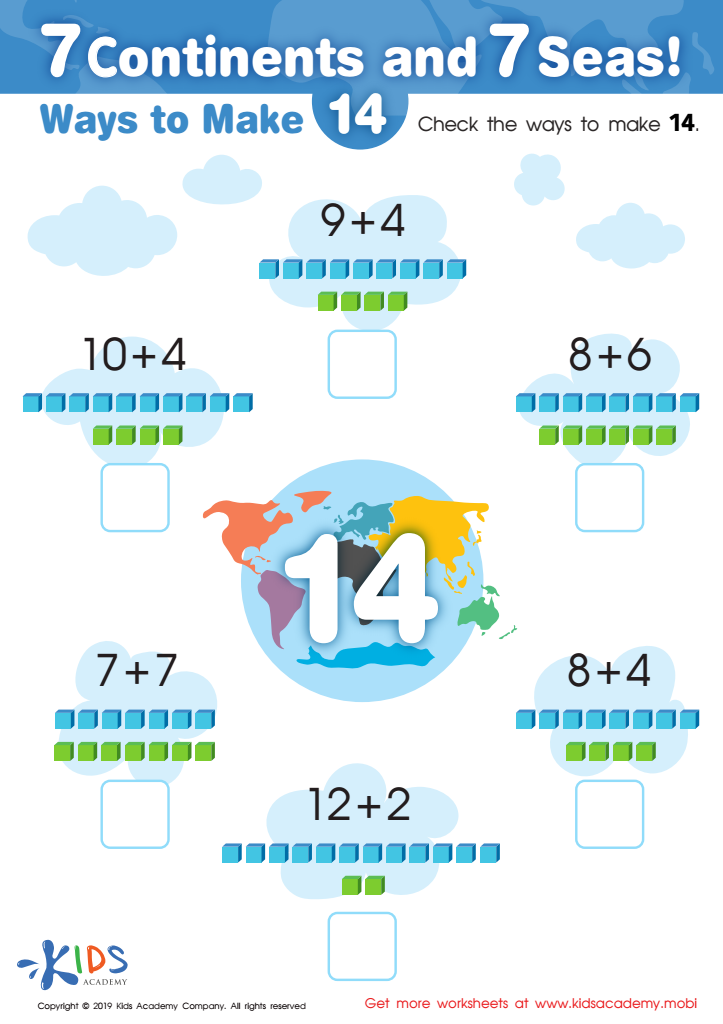
7 Continents and 7 Seas Worksheet
Remind kids of the continents and show them how different numbers can add up to the same figure. Give examples, like 2+2 =4, and 3+1 =4. Ask if they can provide other examples, then work through the simple additions in this worksheet with them. Ask them to circle all equations that make 14.
7 Continents and 7 Seas Worksheet
Worksheet
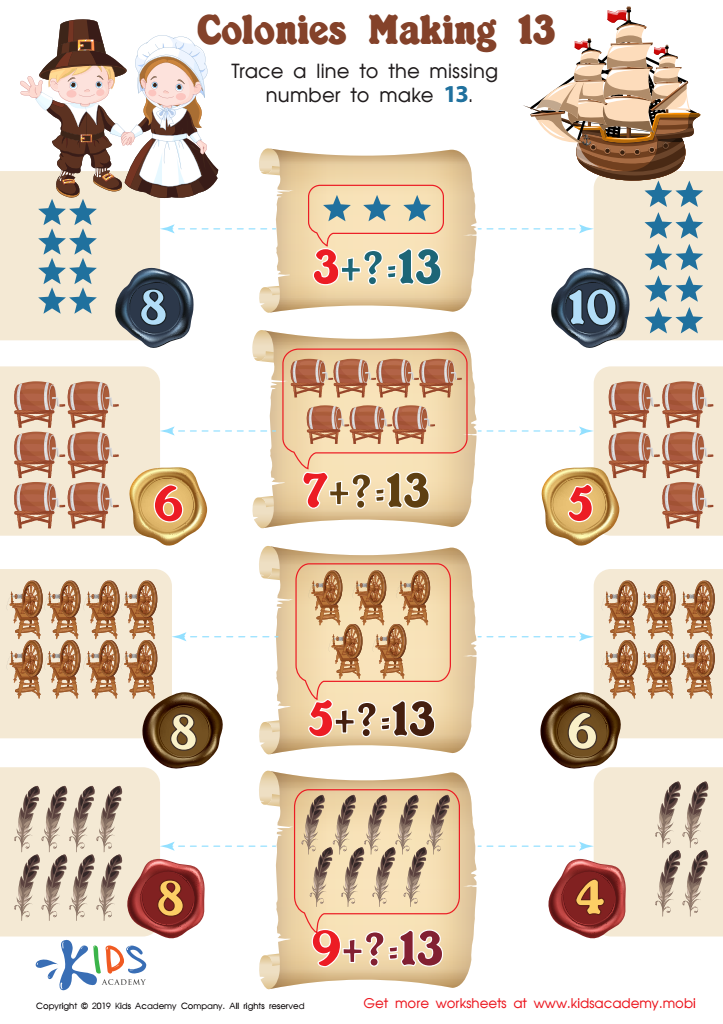
Colonies Making 13 Worksheet
Help your students trace the lines to complete the puzzle! They must identify the objects in the pictures and find the missing numbers that add up to 13. Colonizers arrived in America on a ship, forming an agreement with the Native Americans. Can your students fill in the gaps?
Colonies Making 13 Worksheet
Worksheet
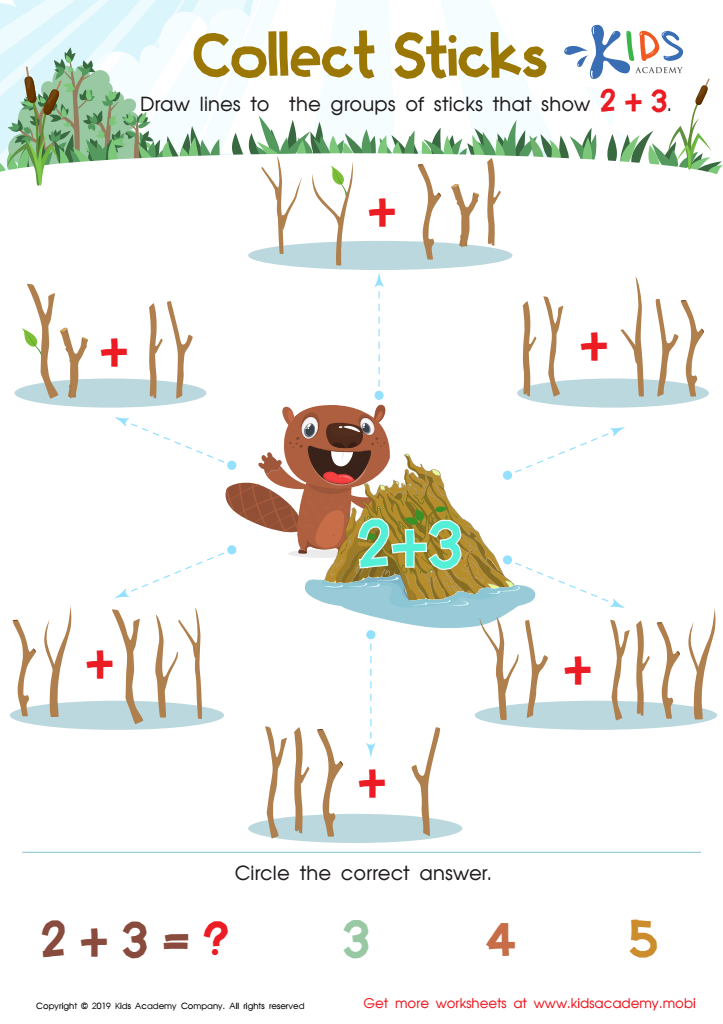
Collect Sticks Worksheet
Let math be fun for your kids with a simple and colorful worksheet exercise. Addition and subtraction can be daunting, but you can make it enjoyable with exercises like this one. Get them to draw lines to the groups of sticks that show 2+3 and watch them light up.
Collect Sticks Worksheet
Worksheet
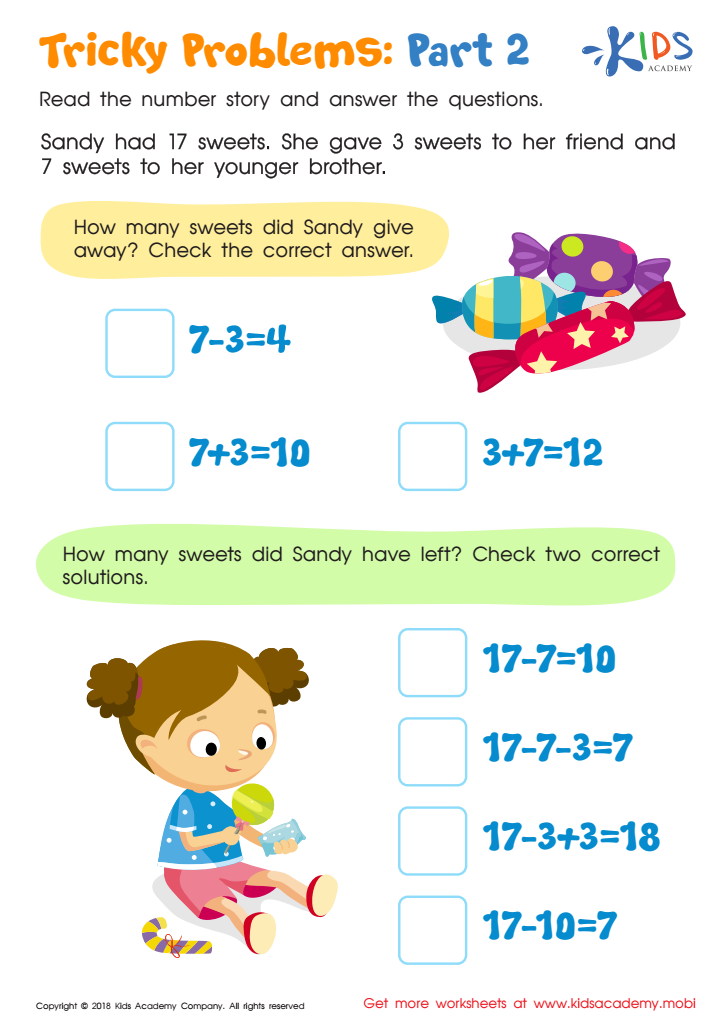
Tricky Problems Worksheet: Part 2
Help your little math learner visualize number stories with this engaging worksheet. They'll connect pictures to the story and use math facts to find the sums. After that, they'll be able to identify the correct number sentences to match. Let them practice and get better at problem solving!
Tricky Problems Worksheet: Part 2
Worksheet
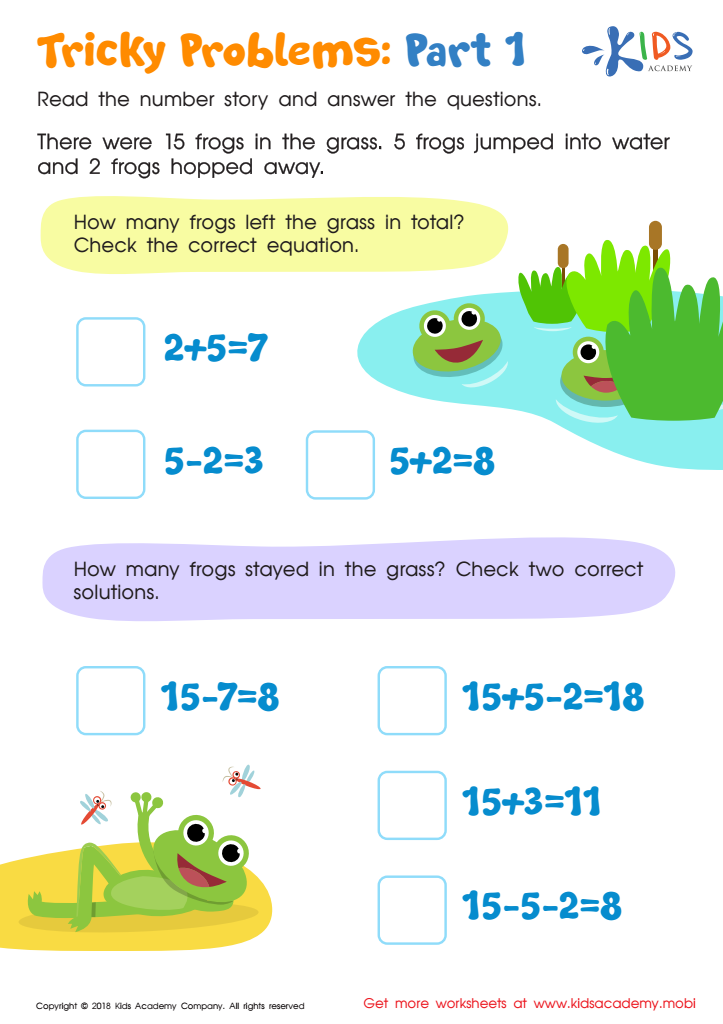
Tricky Problems Worksheet: Part 1
Visualizing word problems can help students solve them. This fun PDF worksheet encourages students to create mental images using math facts, then check boxes to match the equations for basic addition problems. It's a great way to build confidence in solving math.
Tricky Problems Worksheet: Part 1
Worksheet
Join Kids Academy for Free
Who is primarily going to use this learning content?








Parents and teachers should care deeply about normal addition facts for ages 3-5 because early math skills lay the foundation for future academic success and cognitive development. At this critical age, children's brains are incredibly receptive to new information and forming essential neural connections that will serve them throughout their lives.
Engaging young children with simple addition facts enhances their numerical fluency, fostering a positive attitude towards math by making it fun and approachable. Confidence built through these initial successes in mathematics can lead to a long-term interest in the subject. Early exposure to math also improves problem-solving and reasoning skills, crucial capabilities that children will use not just in math classes but across all areas of learning and everyday life.
Moreover, understanding addition facts helps children grasp other important mathematical concepts such as counting, number recognition, and understanding patterns. These foundational skills ultimately lead to more complex mathematical reasoning and operations later in their education.
For teachers and parents, cultivating an environment where children are encouraged to explore math through games, stories, and real-world applications can significantly enhance early cognitive development. Investing time in reinforcing these basic arithmetic skills from an early age equips children with critical thinking skills and prepares them for the more advanced challenges they will encounter in their academic journey.








