Normal Tracing Words Worksheets for Ages 3-6 - Page 2
34 filtered results
-
From - To
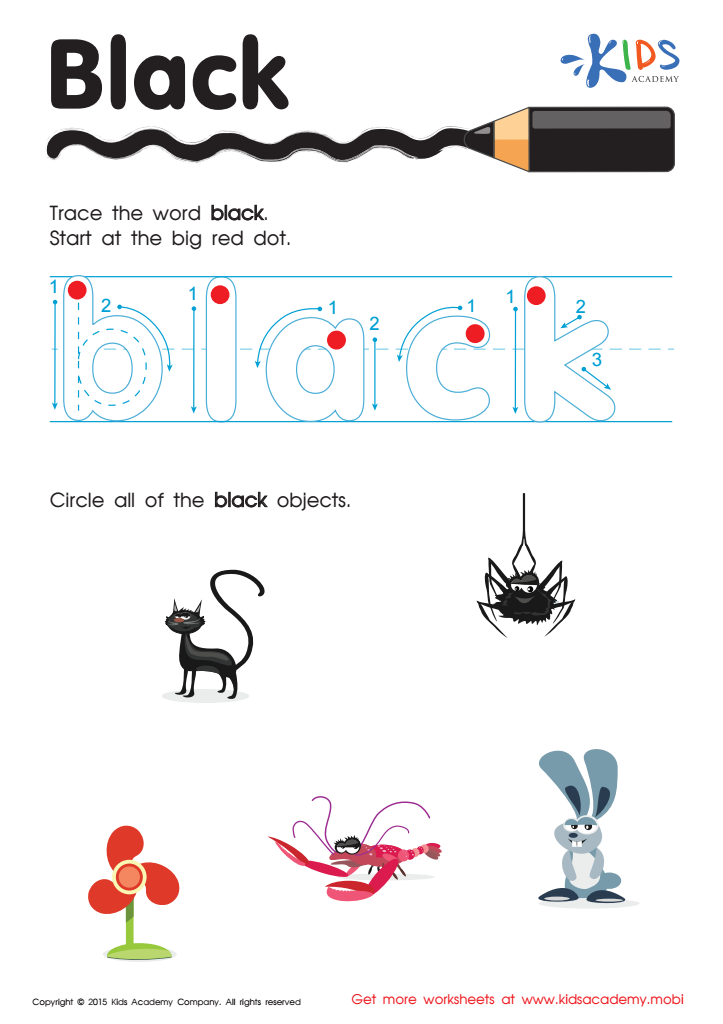
Black Tracing Color Words Printable
 Assign to My Students
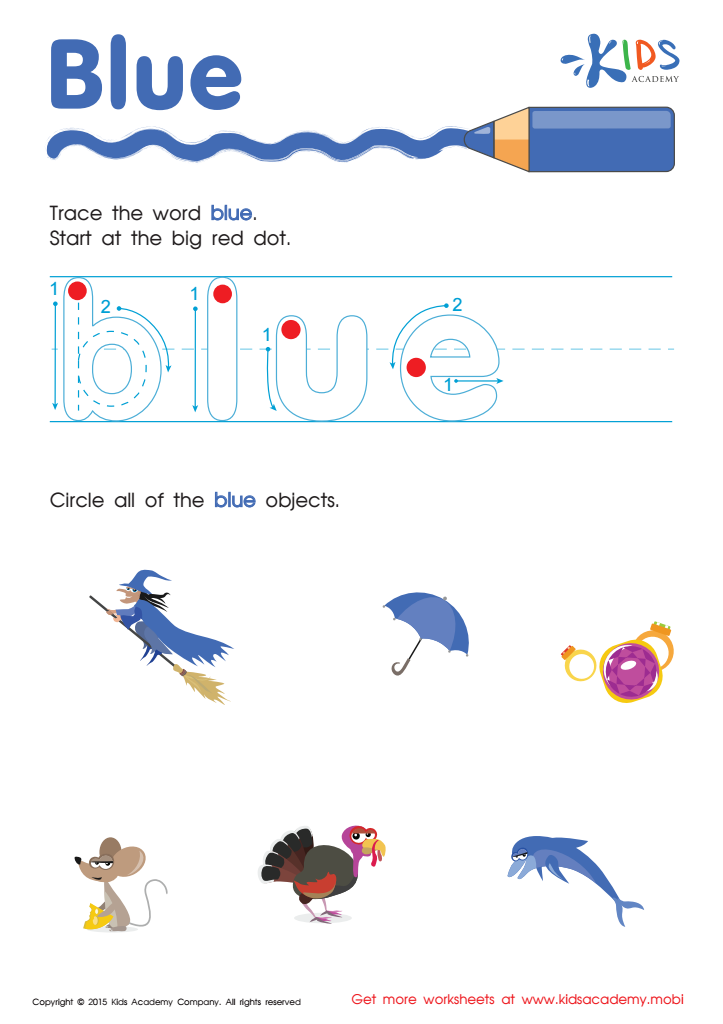
Blue Tracing Color Words Printable
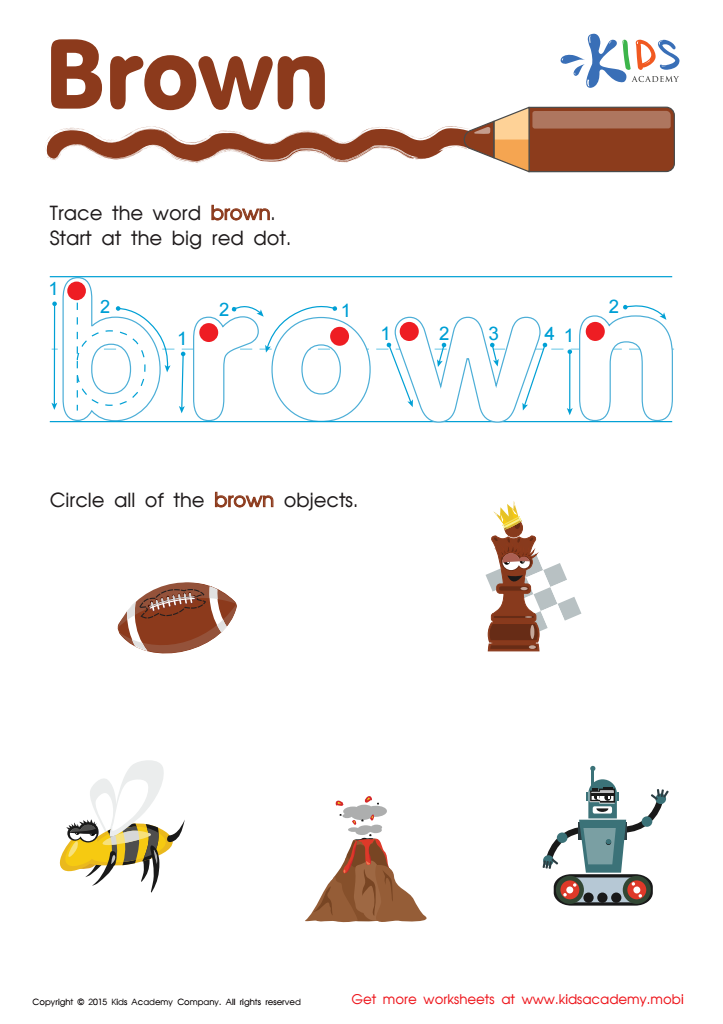
Brown Tracing Color Words Worksheet
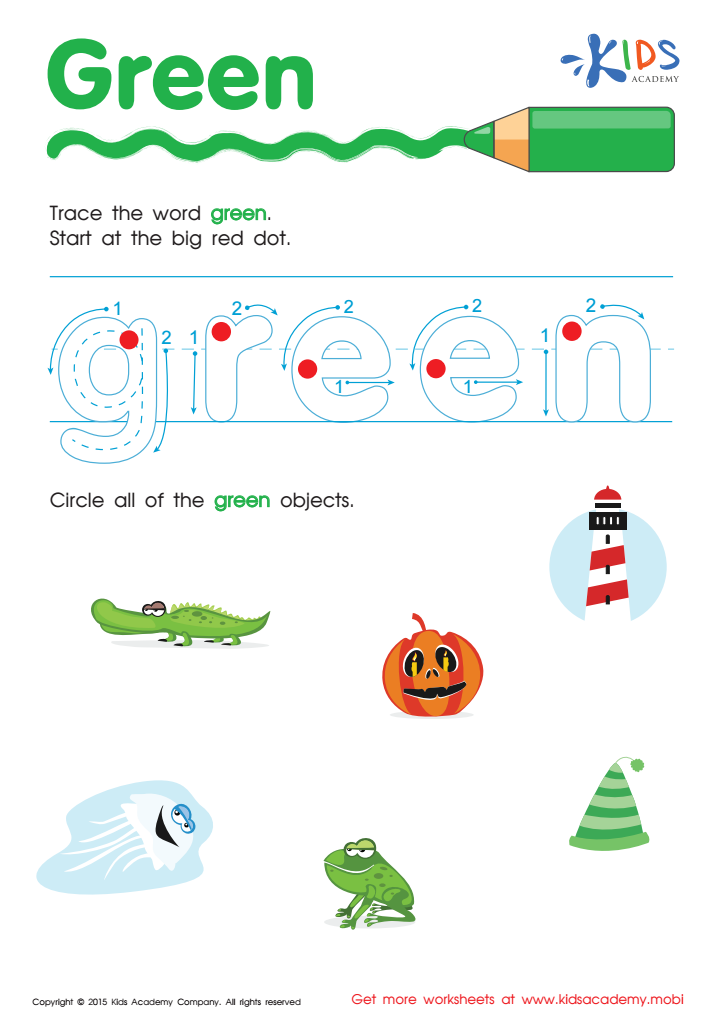
Green Tracing Color Words Worksheet
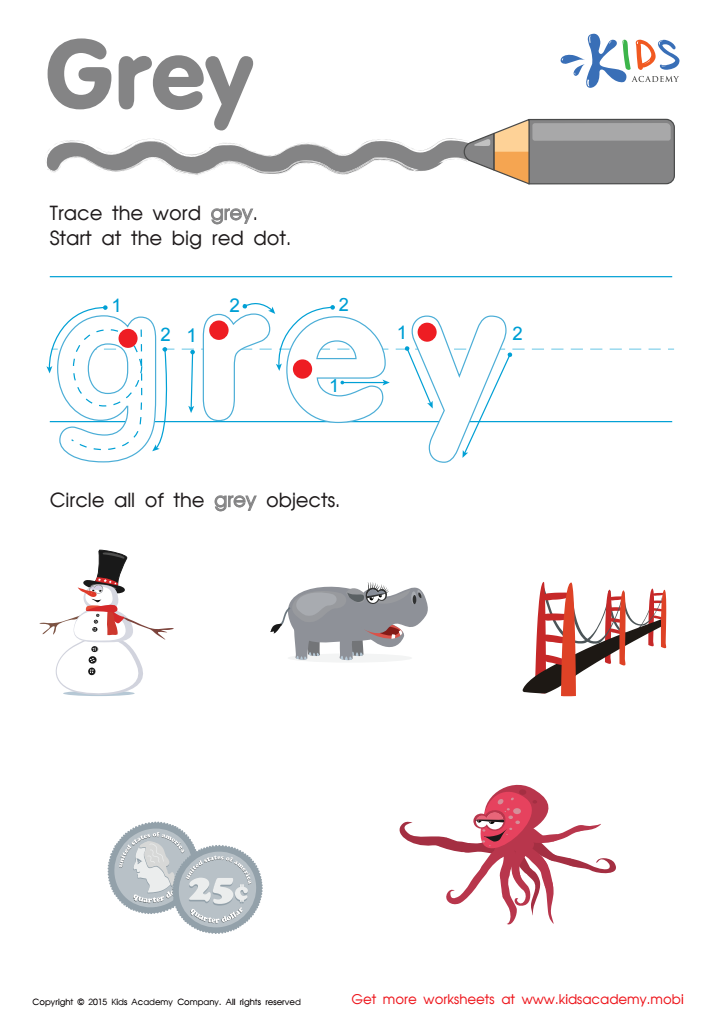
Grey Tracing Color Words Worksheet
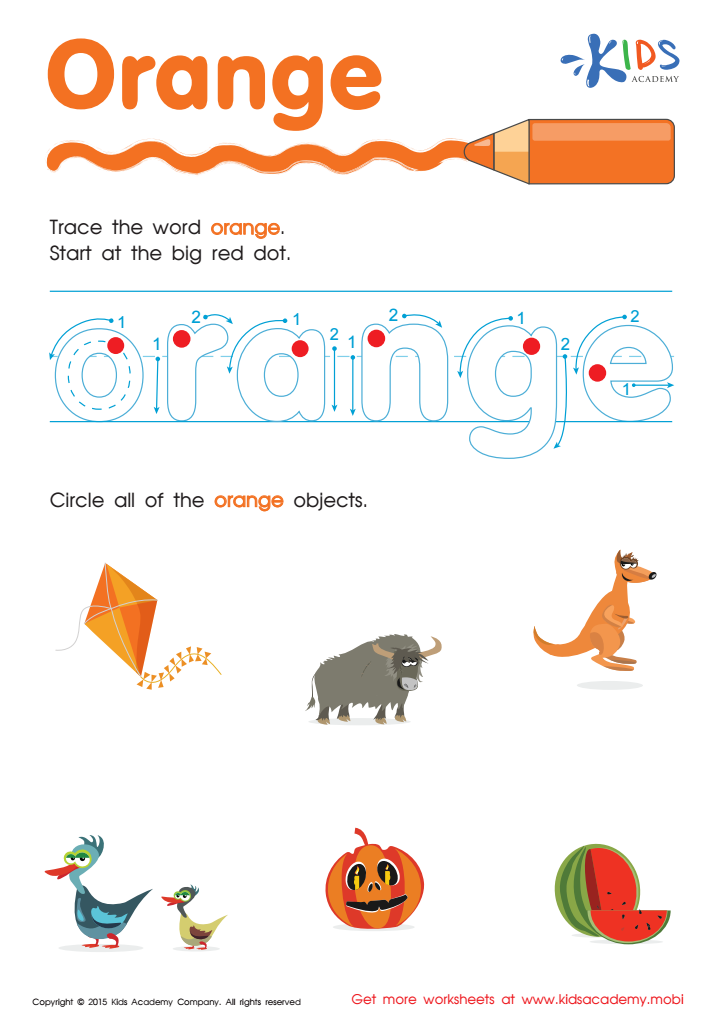
Orange Tracing Color Words Worksheet
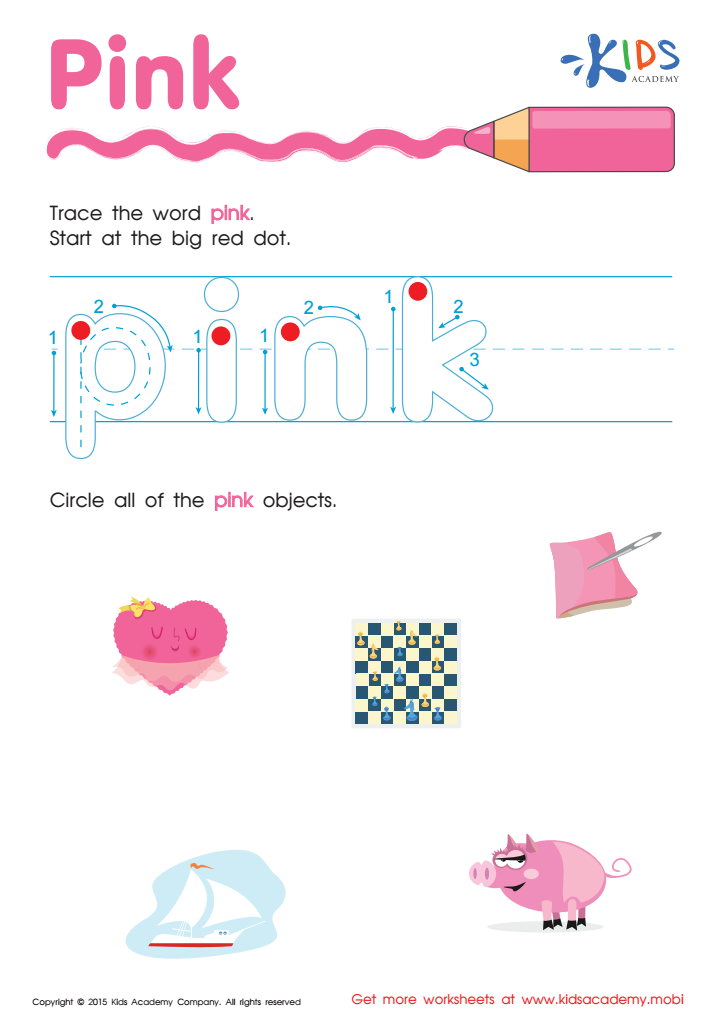
Pink Tracing Color Words Worksheet
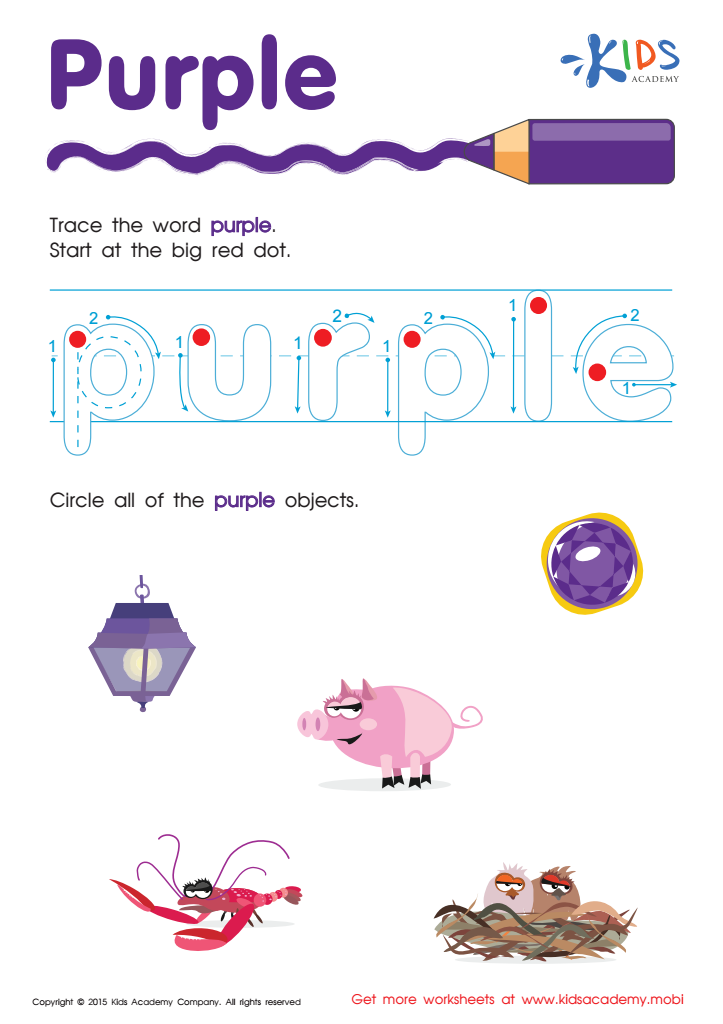
Purple Tracing Color Words Worksheet
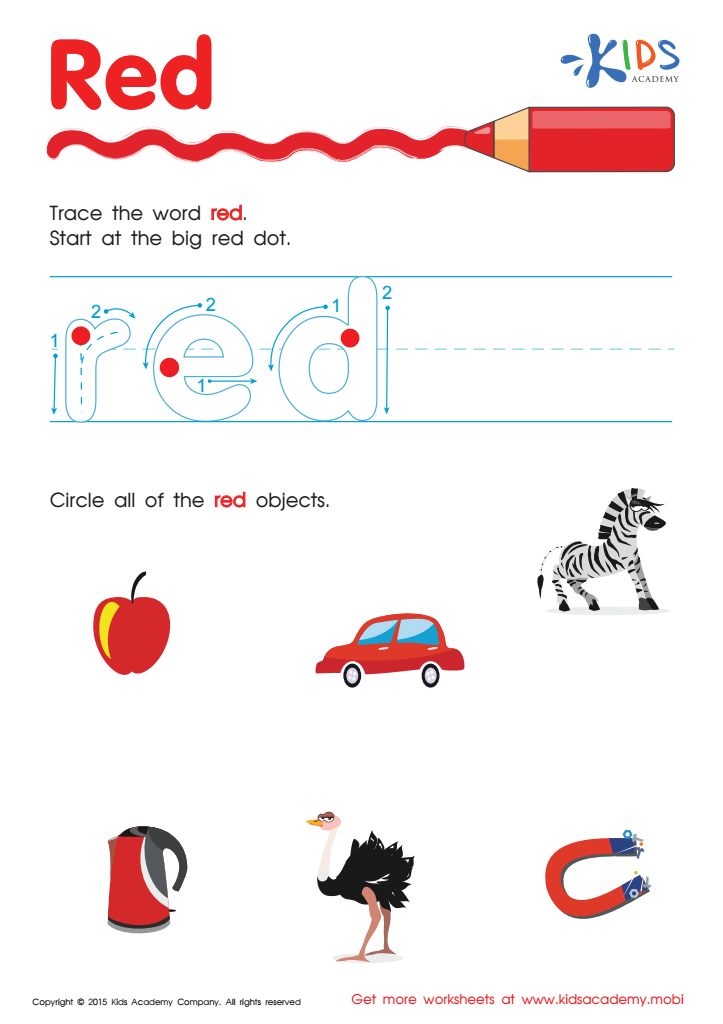
Red Tracing Color Words Printable
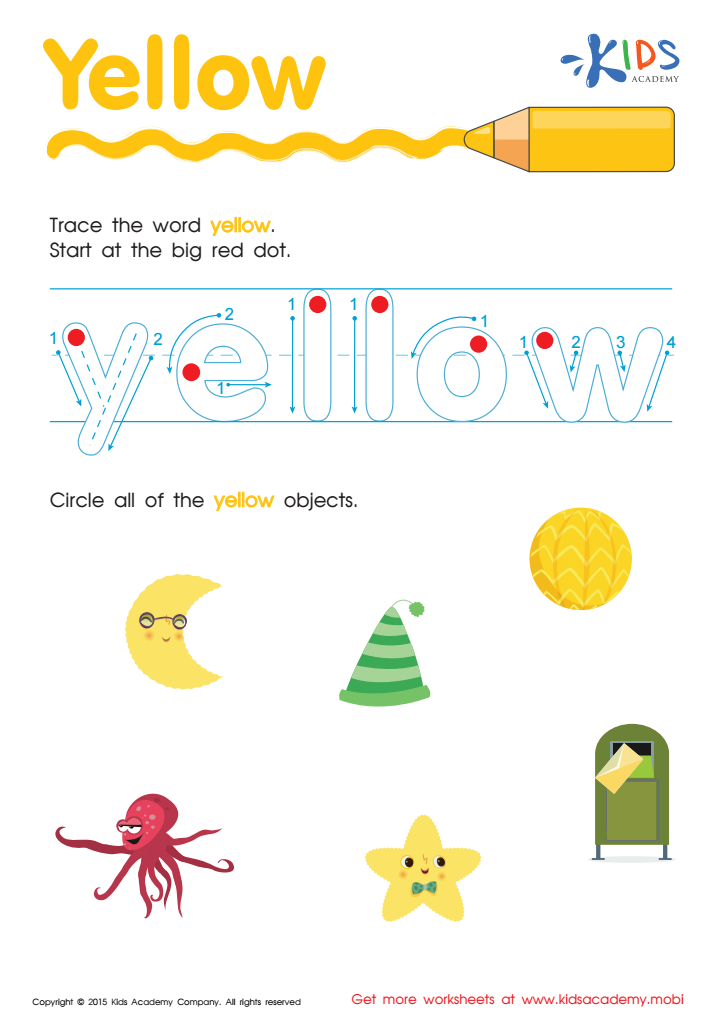
Yellow Tracing Color Words Worksheet








Parents and teachers should care about normal tracing words for children aged 3-6 because it is a fundamental step in early learning and literacy development. Tracing letters and words helps young children familiarize themselves with the shapes and forms of letters, making it easier for them to recognize and eventually write them independently. This activity supports fine motor skill development by strengthening the small muscles in the hands and fingers necessary for writing.
Tracing also enhances cognitive skills. It improves hand-eye coordination, concentration, and attention to detail, all of which are crucial for academic success. When children trace words, they often say the words out loud, which reinforces phonetic understanding and connection between sounds and symbols. Furthermore, this practice roots a strong foundation for future reading skills. Children who are proficient in recognizing and writing letters find it easier to decode words and develop reading fluency.
In addition to academic benefits, regular tracing activities can boost self-confidence. As children see improvement and gain mastery over each letter, they feel a sense of accomplishment. Encouraging tracing at this stage sets the stage for lifelong learning and success, making it a critical focus for early childhood education.