Normal Science Worksheets for Ages 3-7 - Page 10
239 filtered results
-
From - To
 Assign to My Students
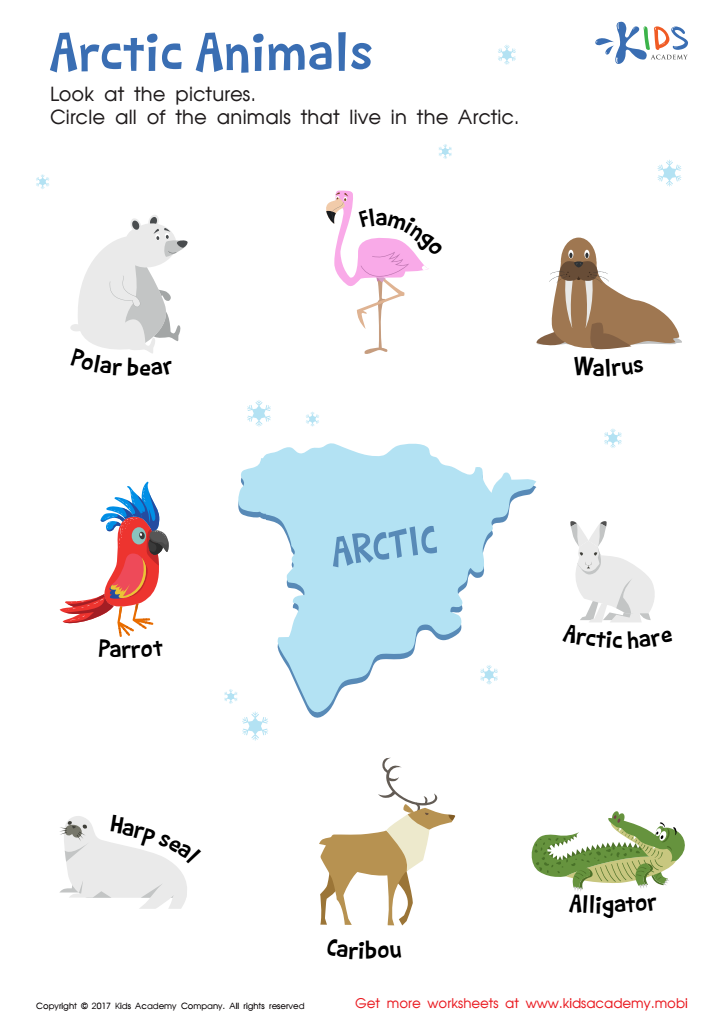
Arctic Animals Worksheet
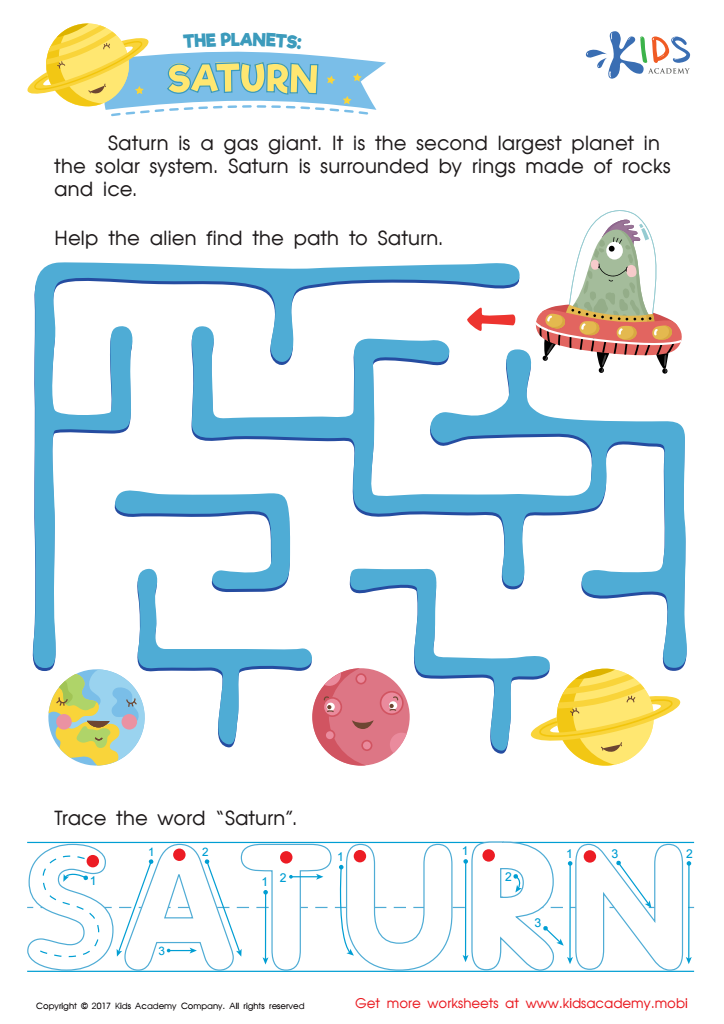
The Planets: Saturn Printable
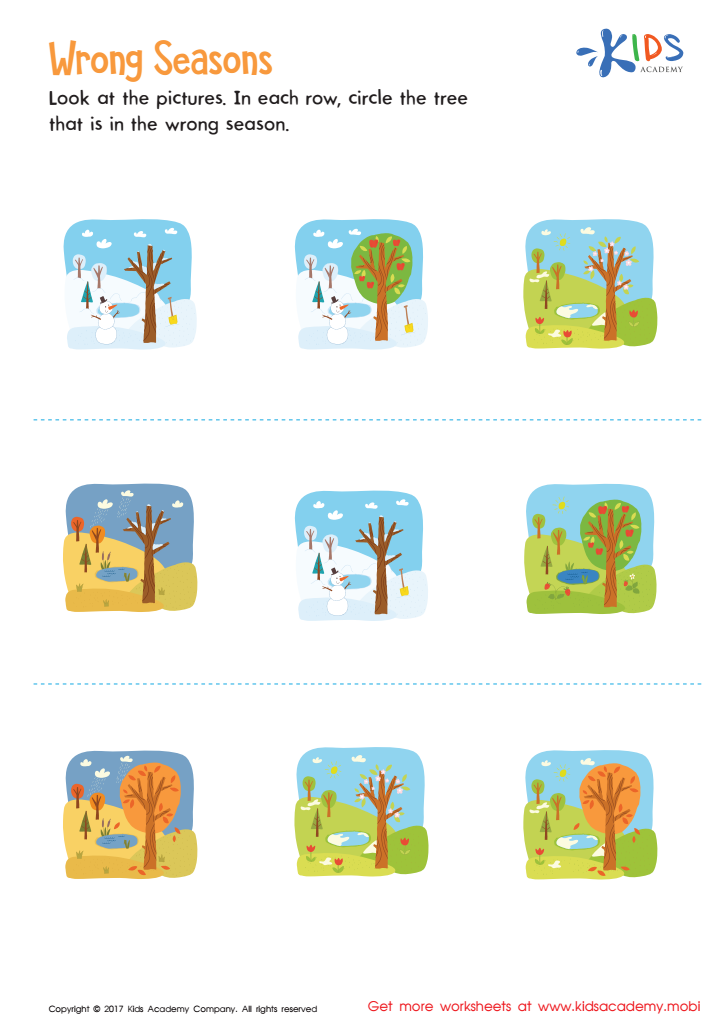
Wrong Seasons Worksheet
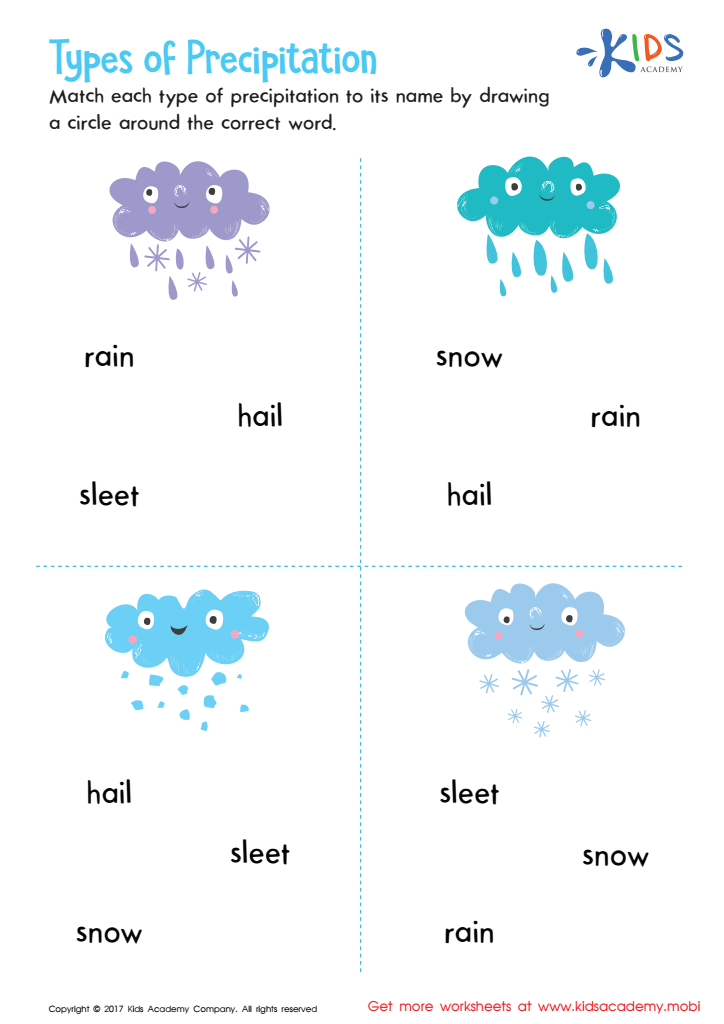
Types of Precipitation Printable
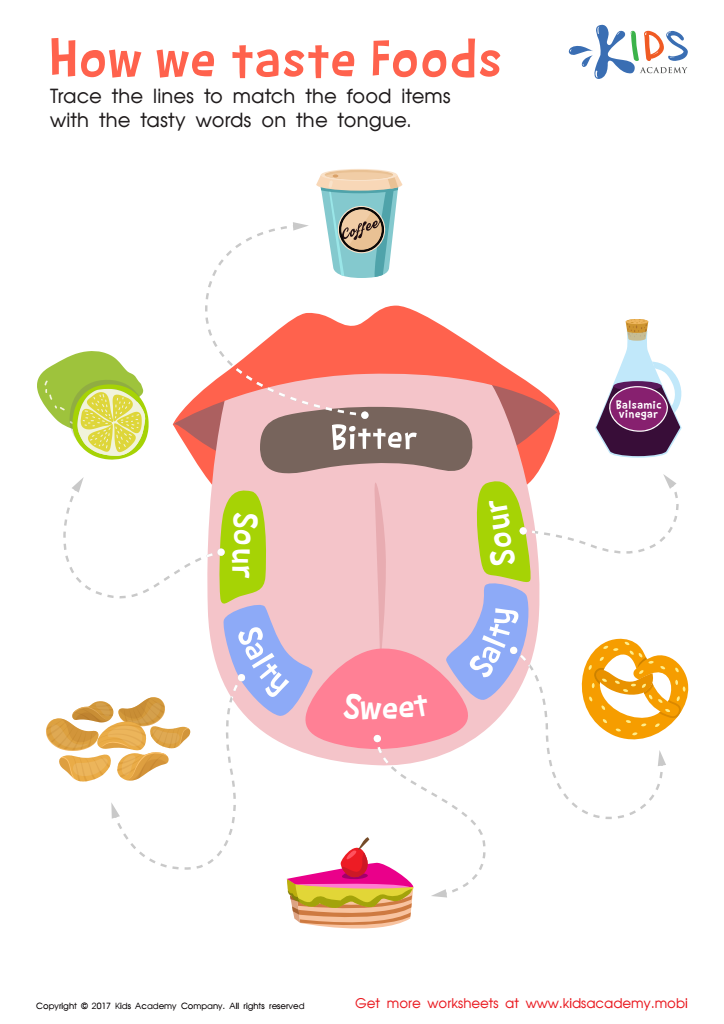
How We Taste Foods Worksheet
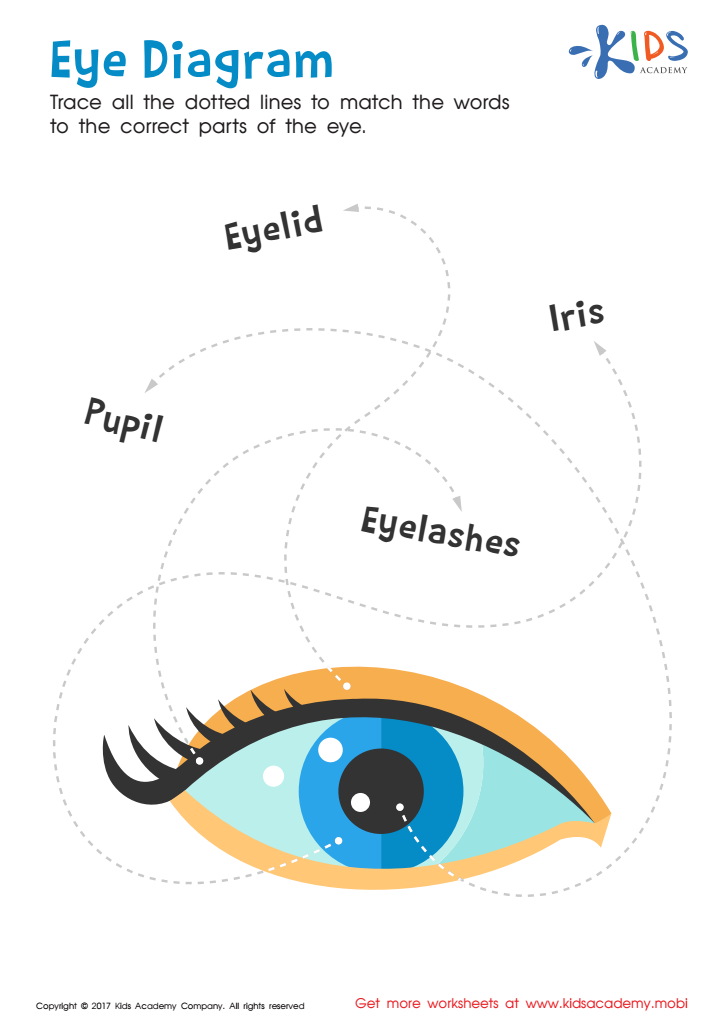
Eye Diagram Printable
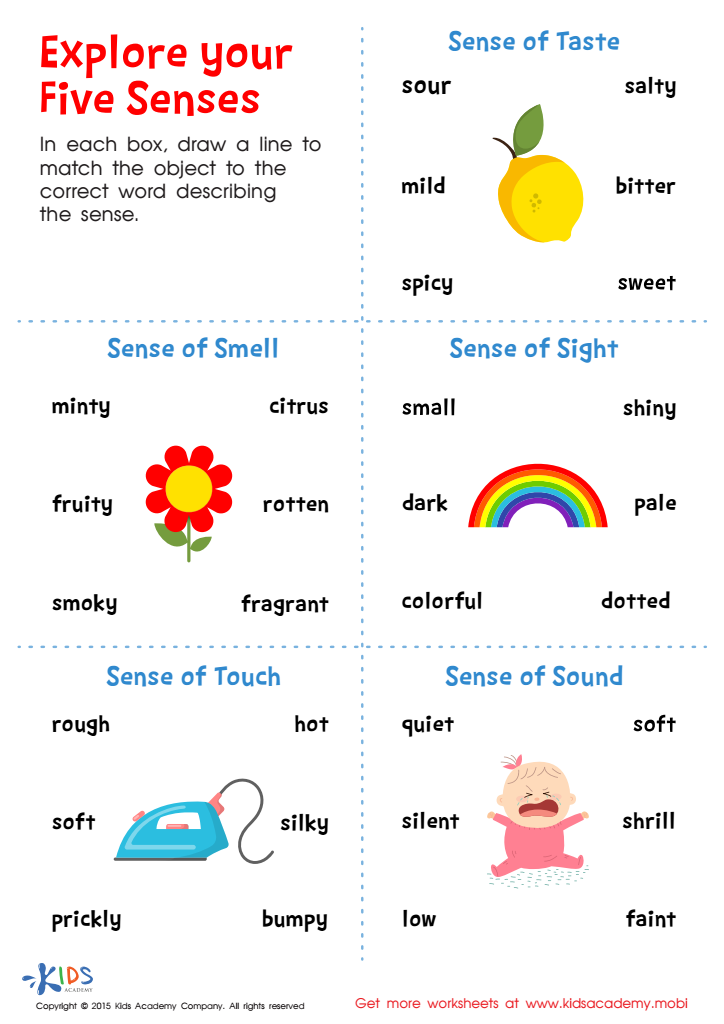
Explore Your Five Senses Printable
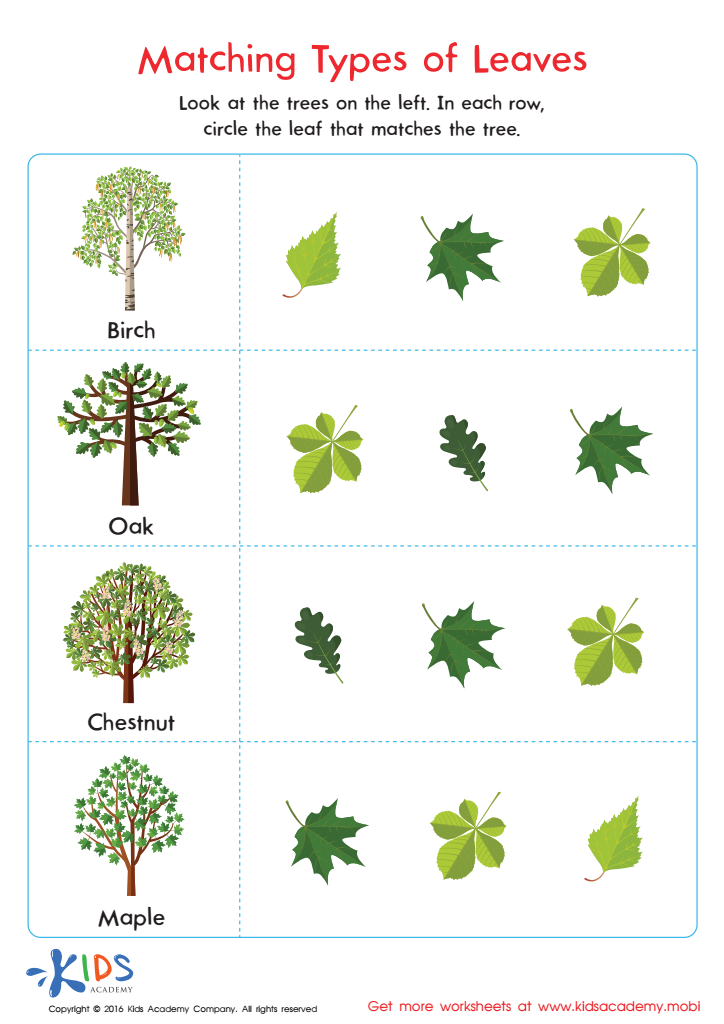
Matching Types of Leaves Printable
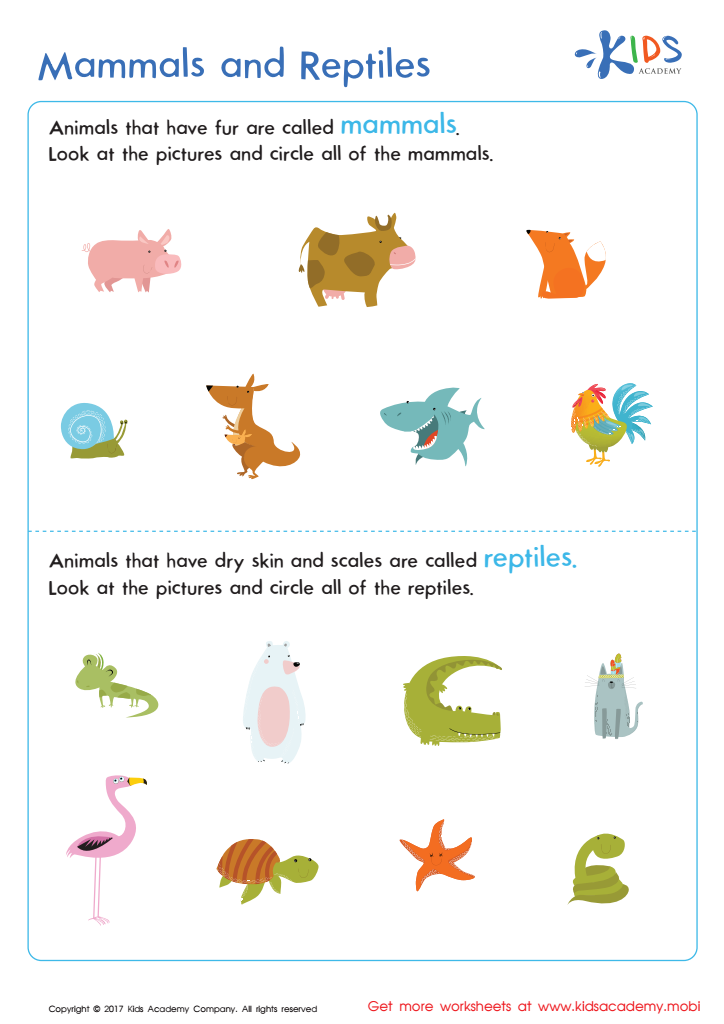
Mammals and Reptiles Worksheet
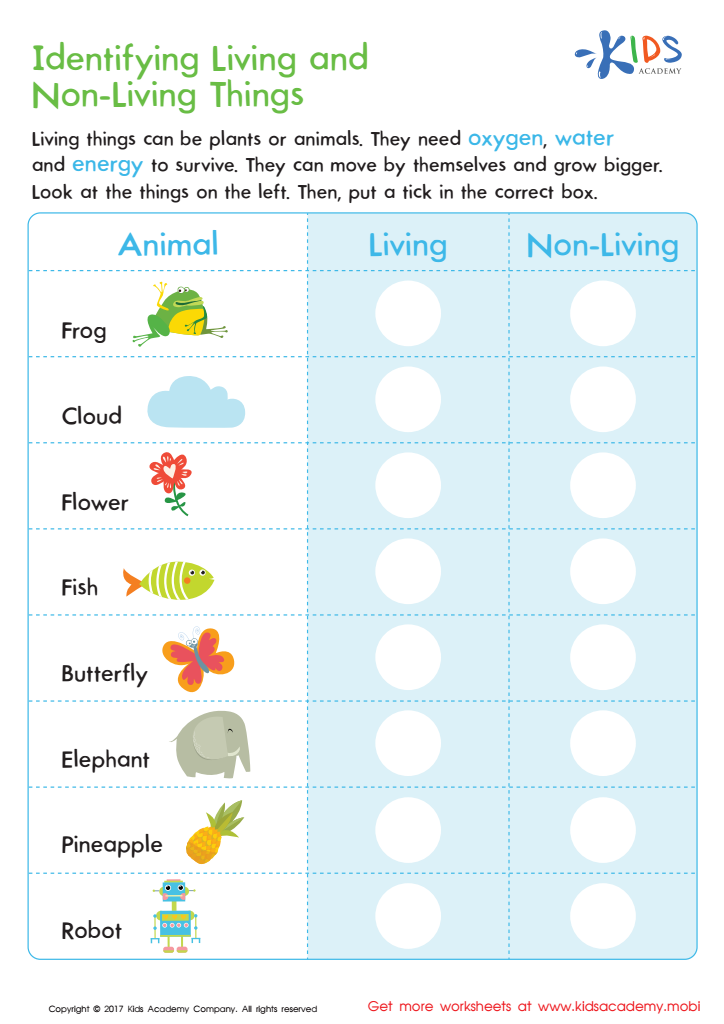
Identifying Living or Non–living Worksheet
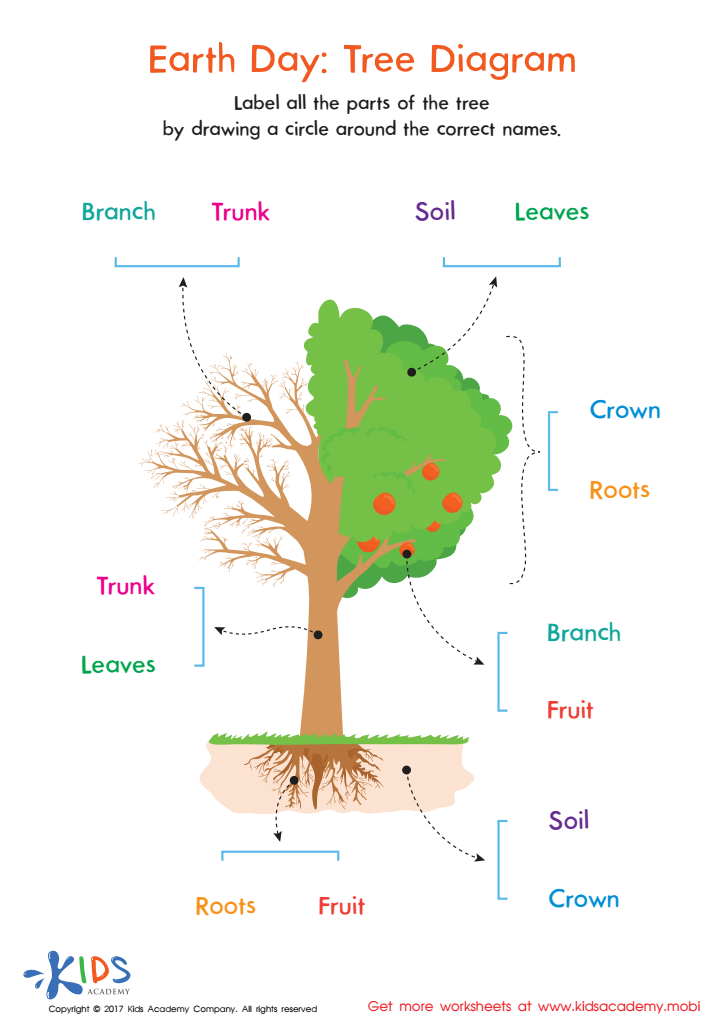
Earth Day: Tree Diagram Worksheet
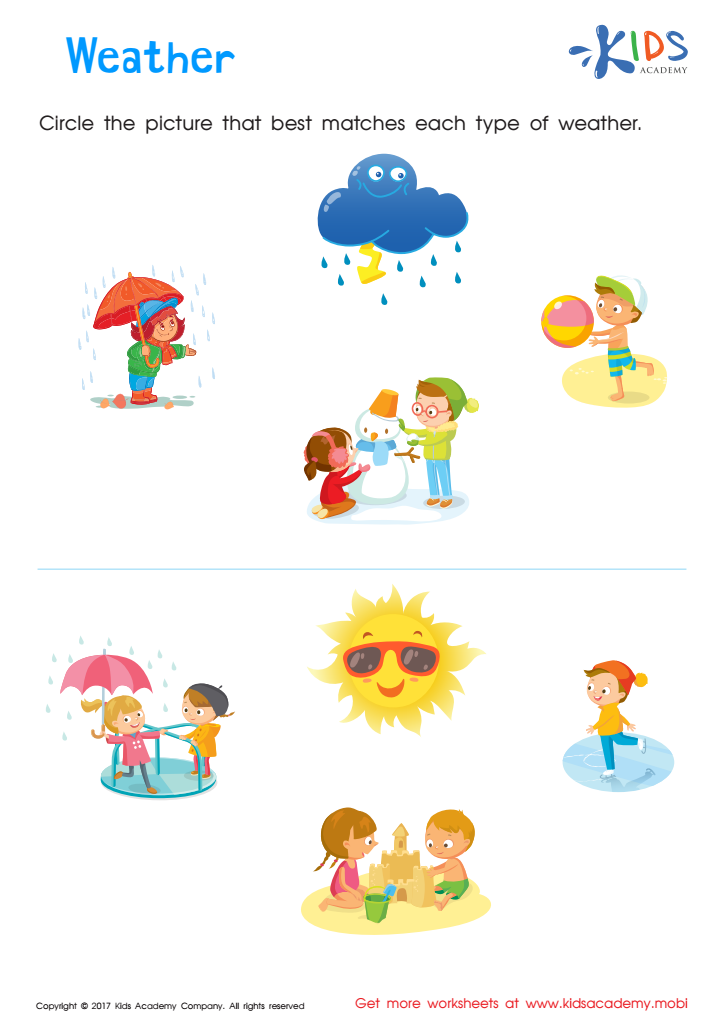
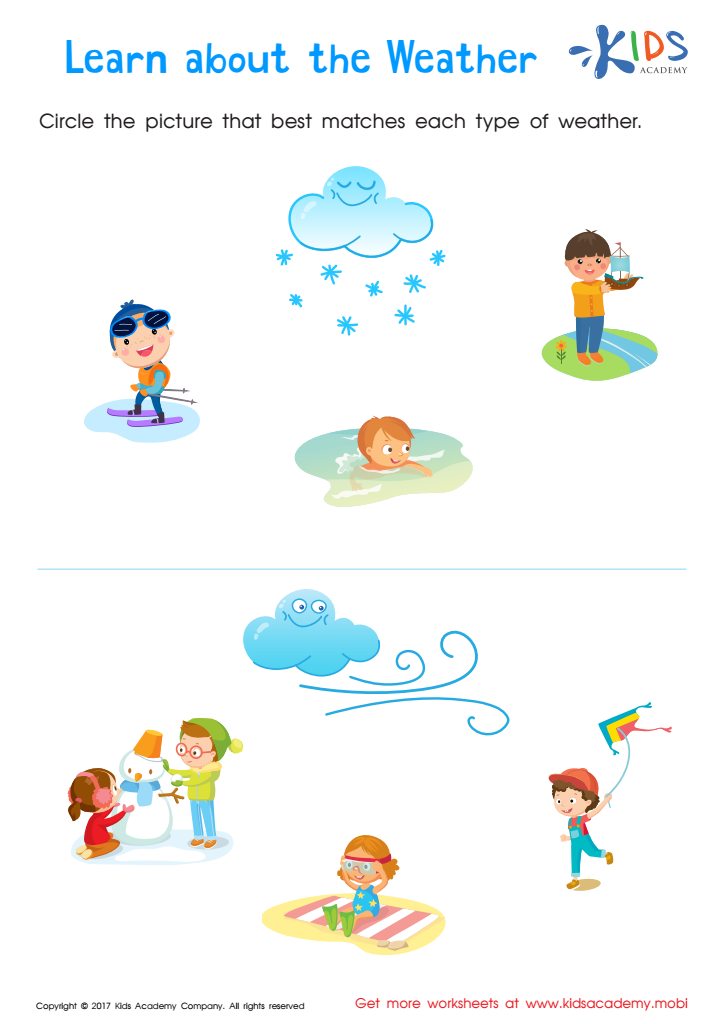
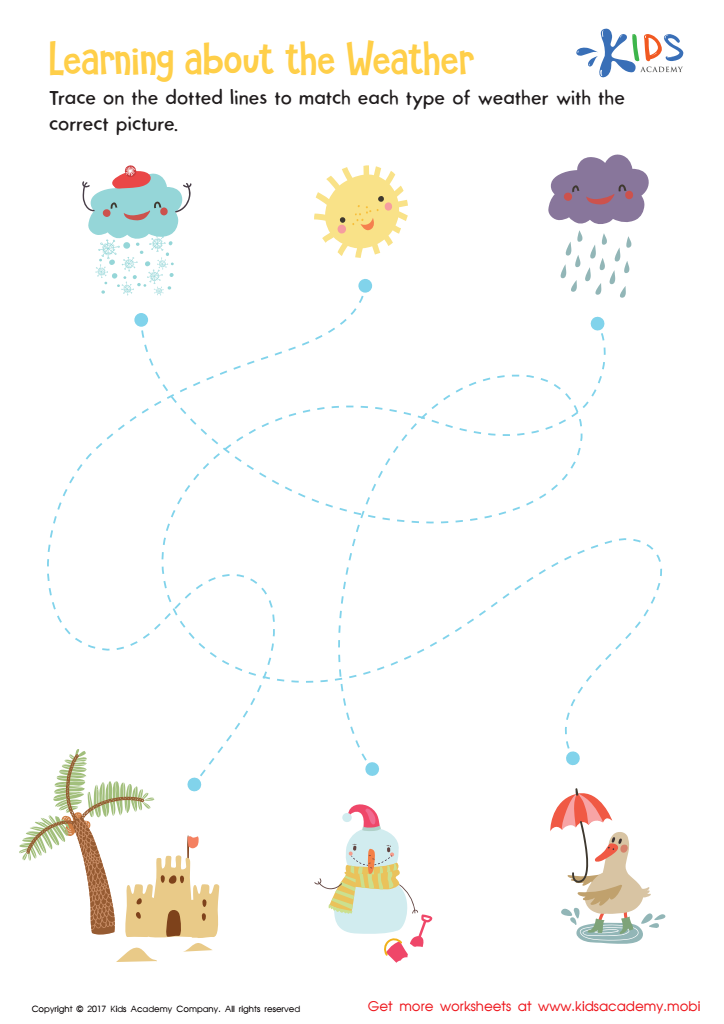
About the Weather Printable
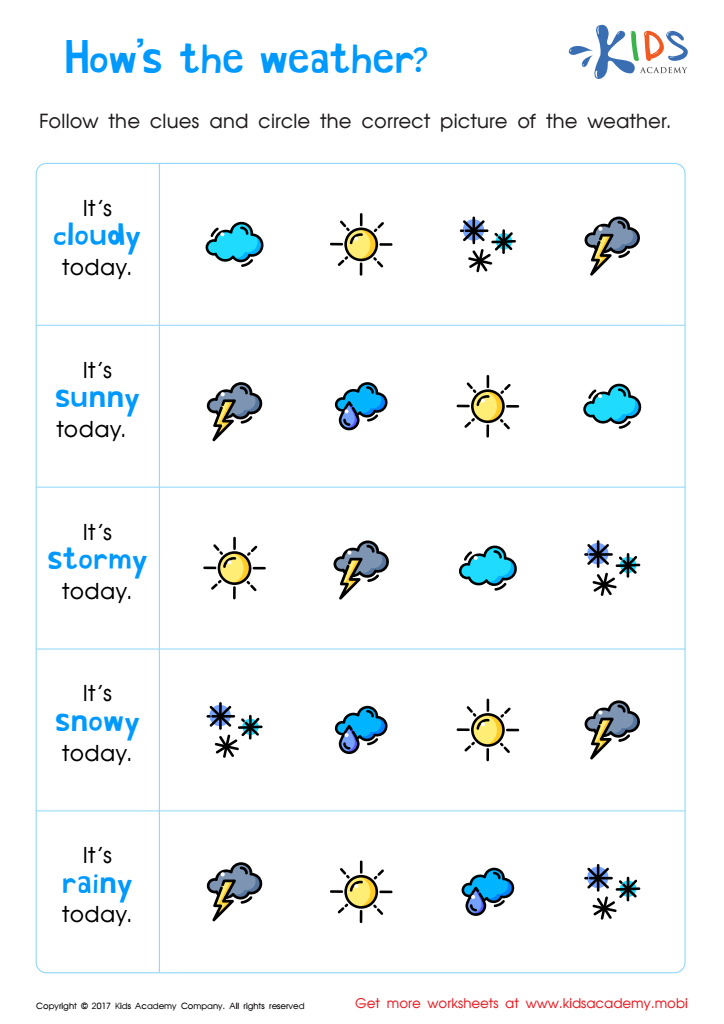
Hows the Weather Worksheet
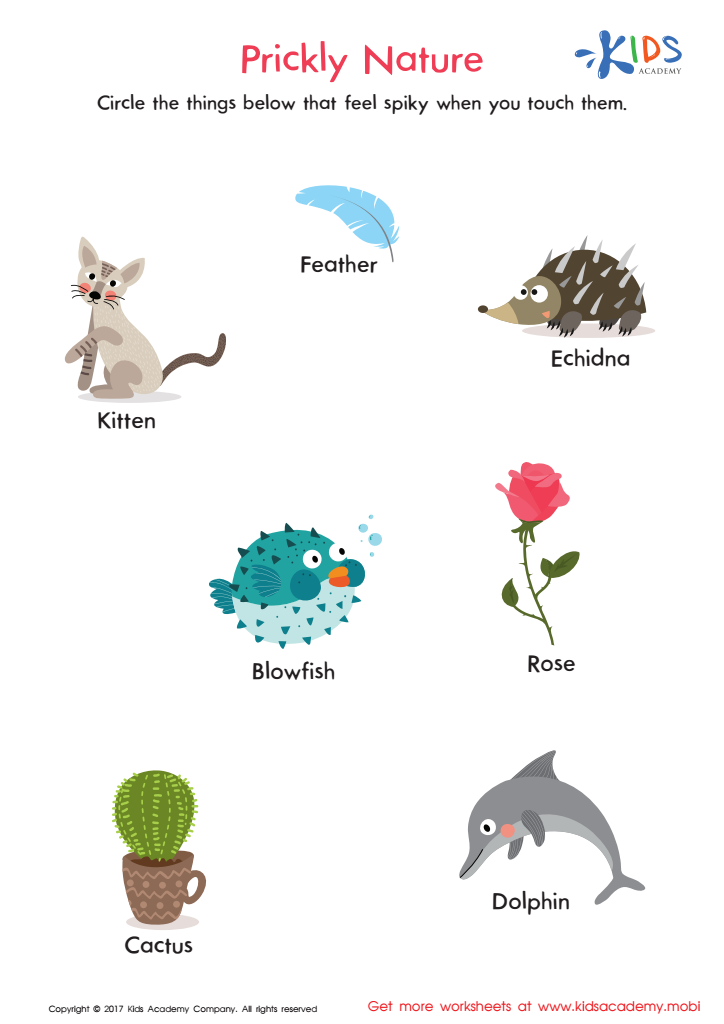
Prickly Nature Worksheet
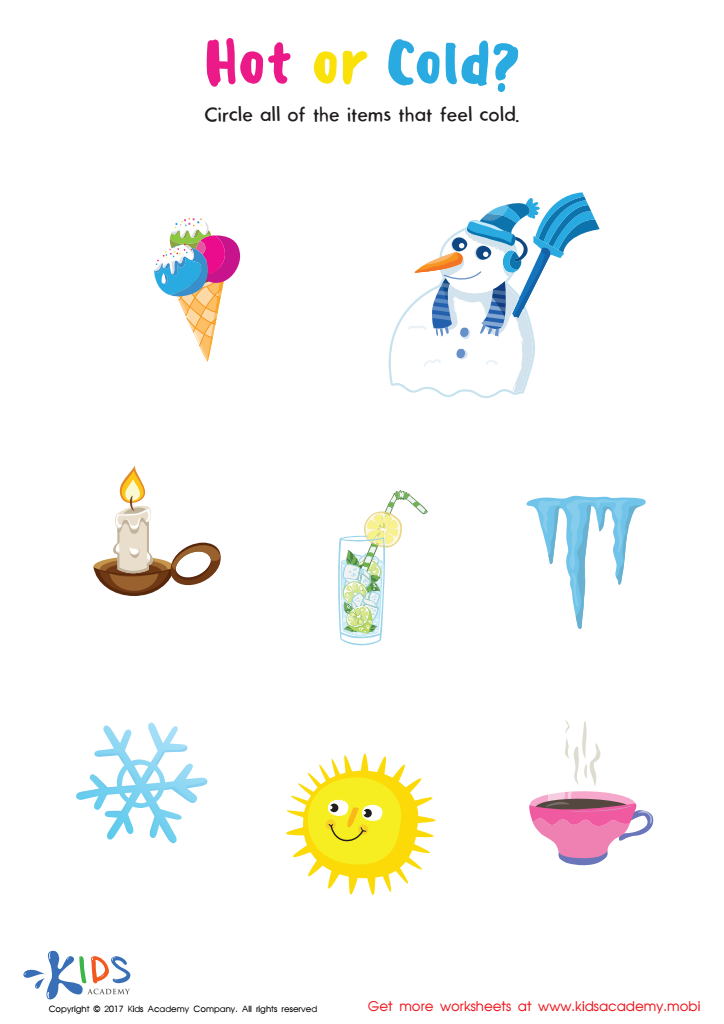
Hot or Cold Printable
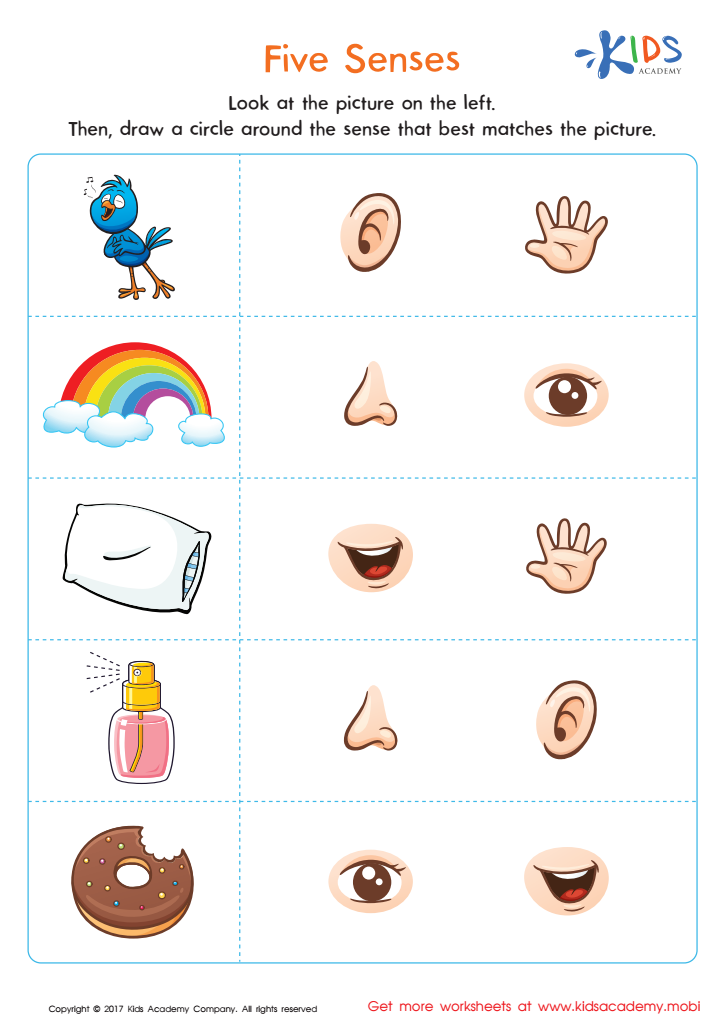
Five Senses Printable
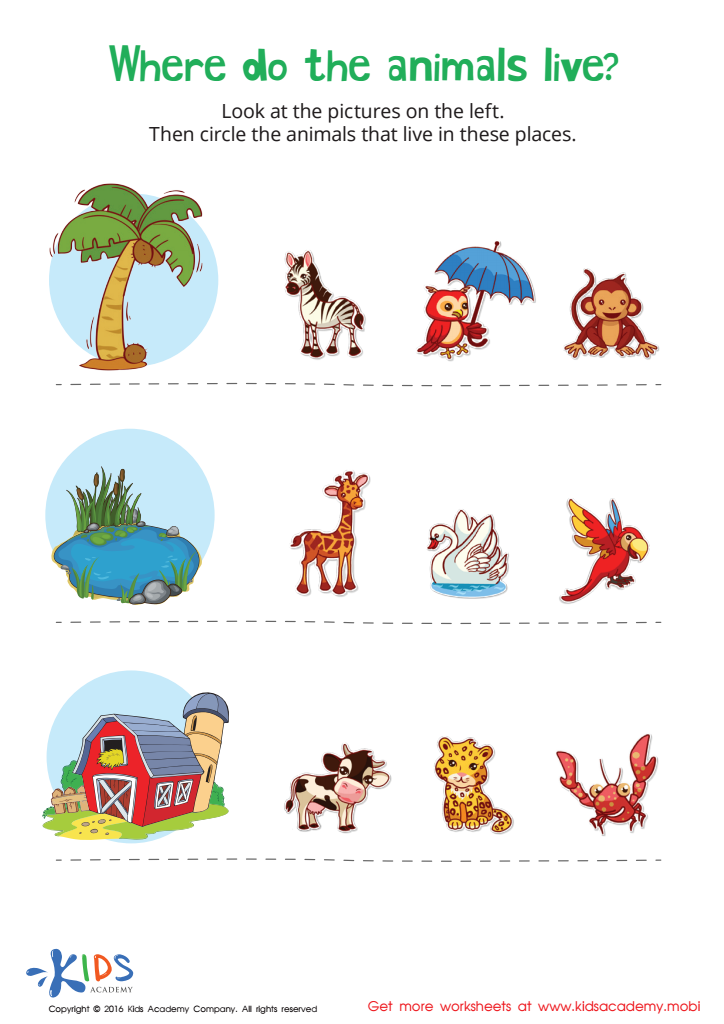
Where Animals Live Worksheet
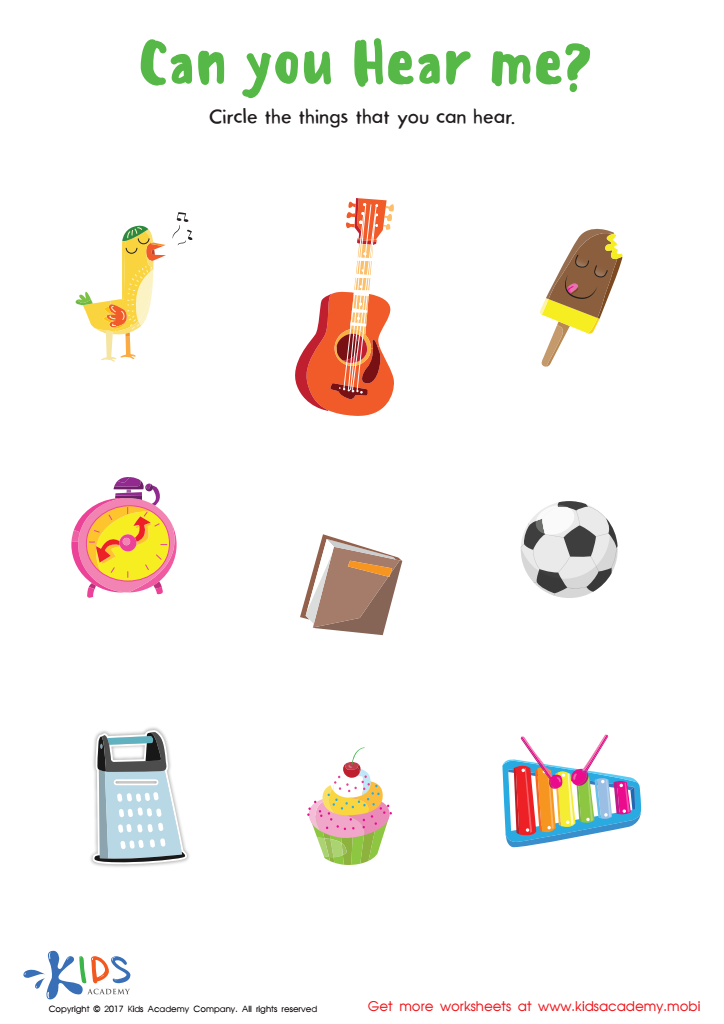
Can You Hear Me Worksheet





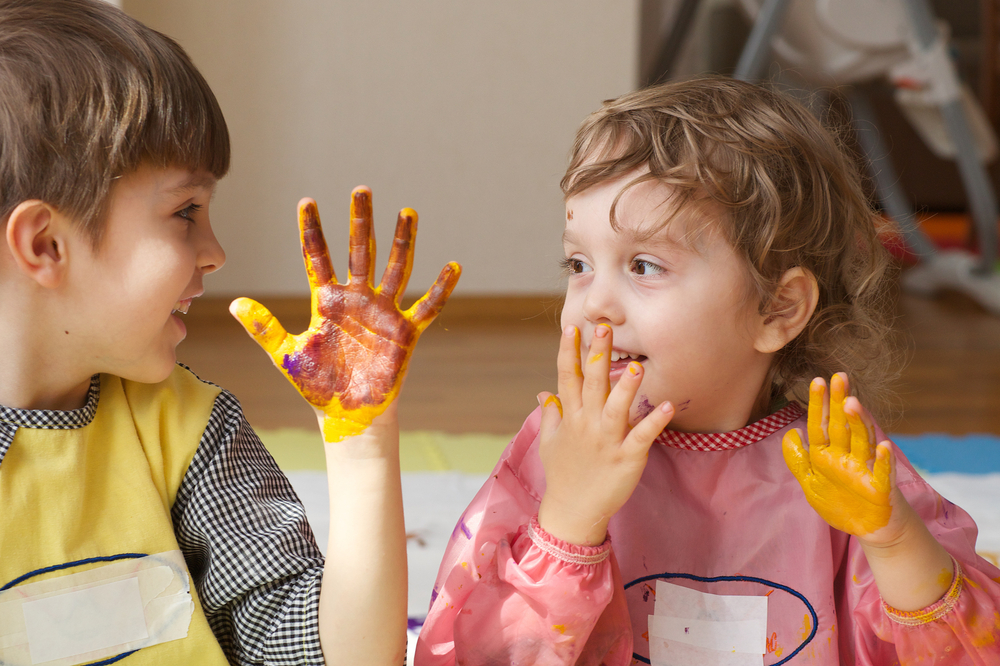
Normal Science for Ages 3-7 focuses on nurturing curiosity and foundational scientific skills in young learners. Parents and teachers should care about this phase because early childhood is a critical period for cognitive and social development. Science concepts introduced at this stage help children make sense of the world around them, fostering critical thinking and problem-solving skills which are vital for future learning.
Engaging children in simple science-based activities cultivates their natural curiosity, encouraging them to ask questions, explore, and make observations. For instance, activities like observing weather patterns or exploring local ecosystems will not only support their scientific knowledge but also promote language development as they articulate their findings.
Furthermore, early exposure to science fosters a sense of wonder and a love for learning that can lead to lifelong engagement in exploration and discovery. Instilling a scientific mindset also lays the groundwork for later academic achievement, encouraging an interest in STEM (Science, Technology, Engineering, Math) fields. Moreover, these experiences can enhance social skills as children collaborate, share ideas, and learn to respect diverse perspectives in their inquiries. Ultimately, by supporting normal science at this age, parents and teachers invest in the holistic development of future problem solvers and thoughtful citizens.







