Normal Animals Worksheets for Ages 3-7 - Page 2
38 filtered results
-
From - To
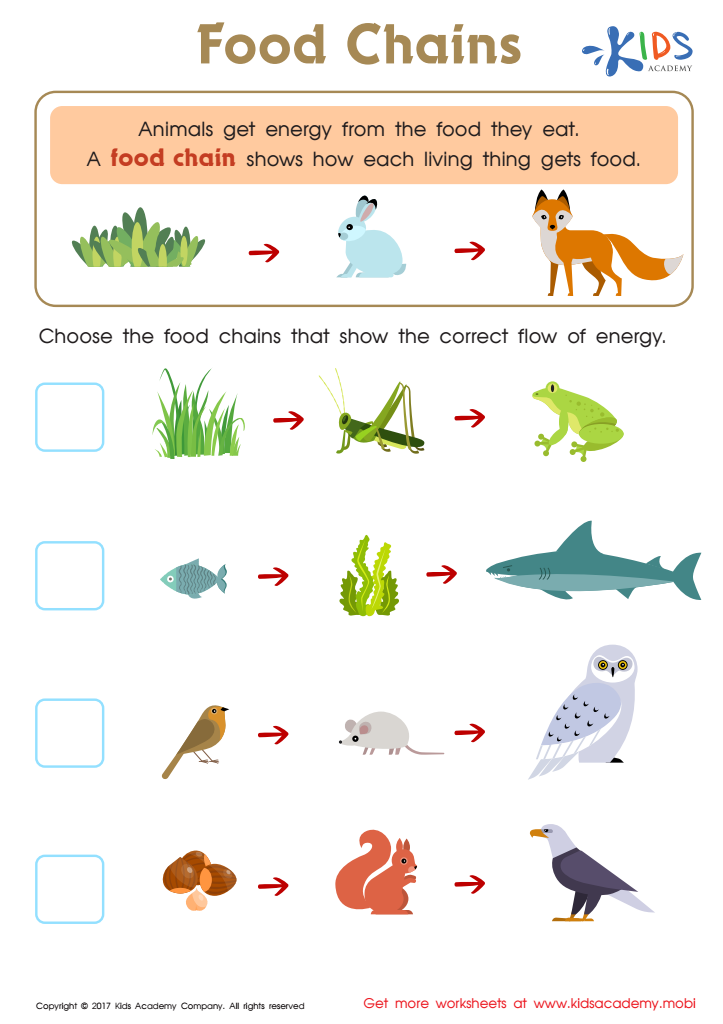
Food Webs and Food Chains Worksheet
 Assign to My Students
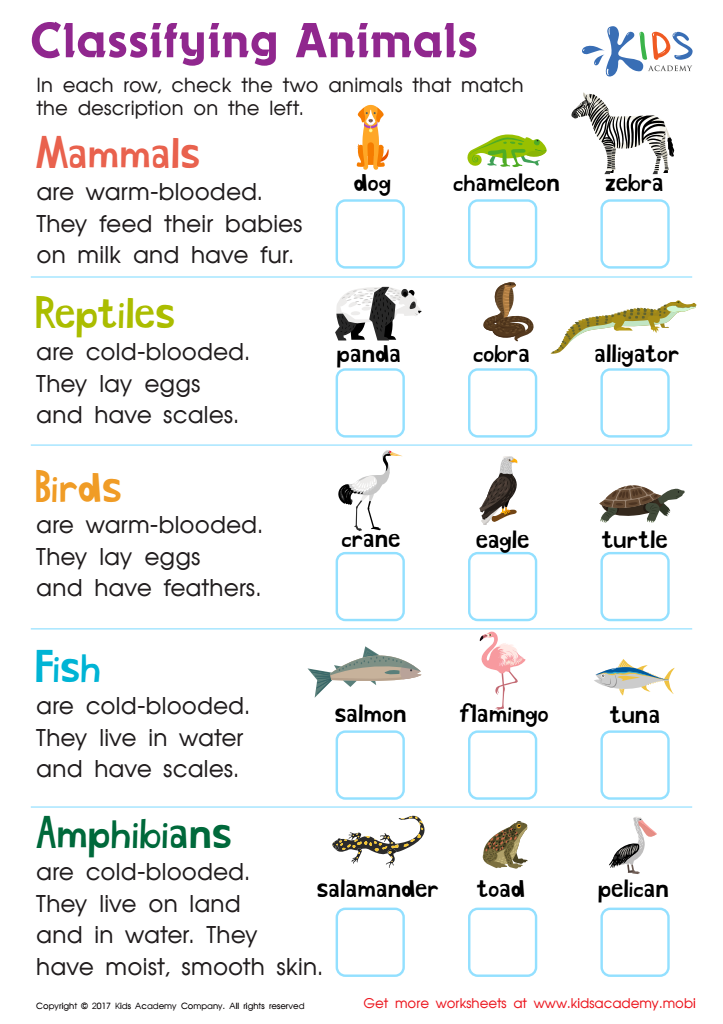
Classifying Animals Worksheet
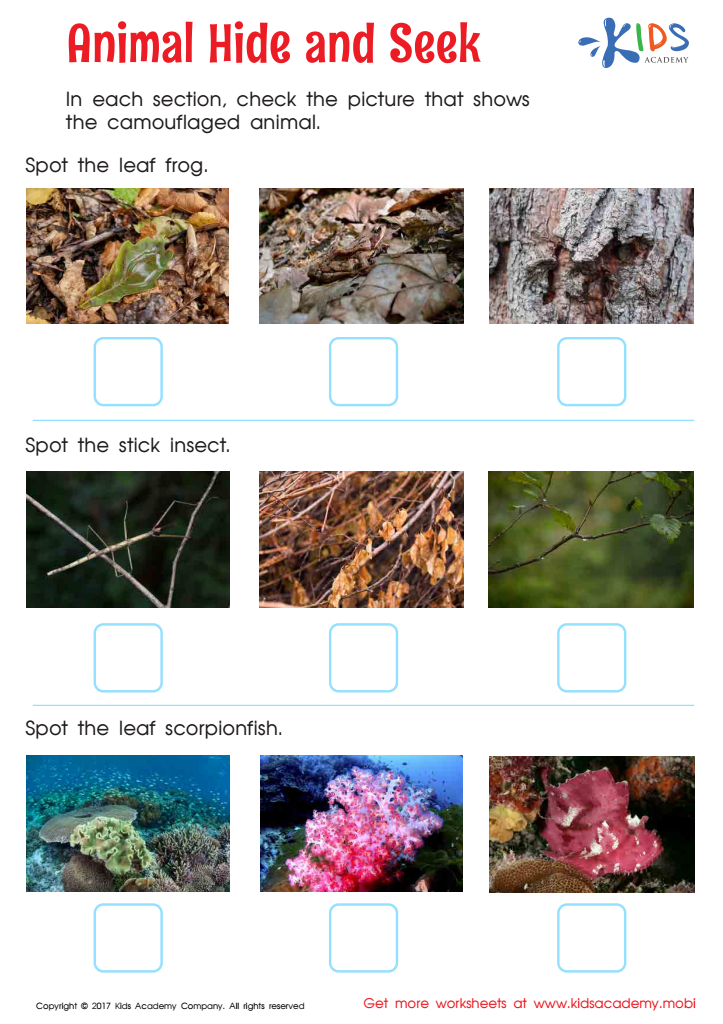
Animal Hide and Seek Worksheet
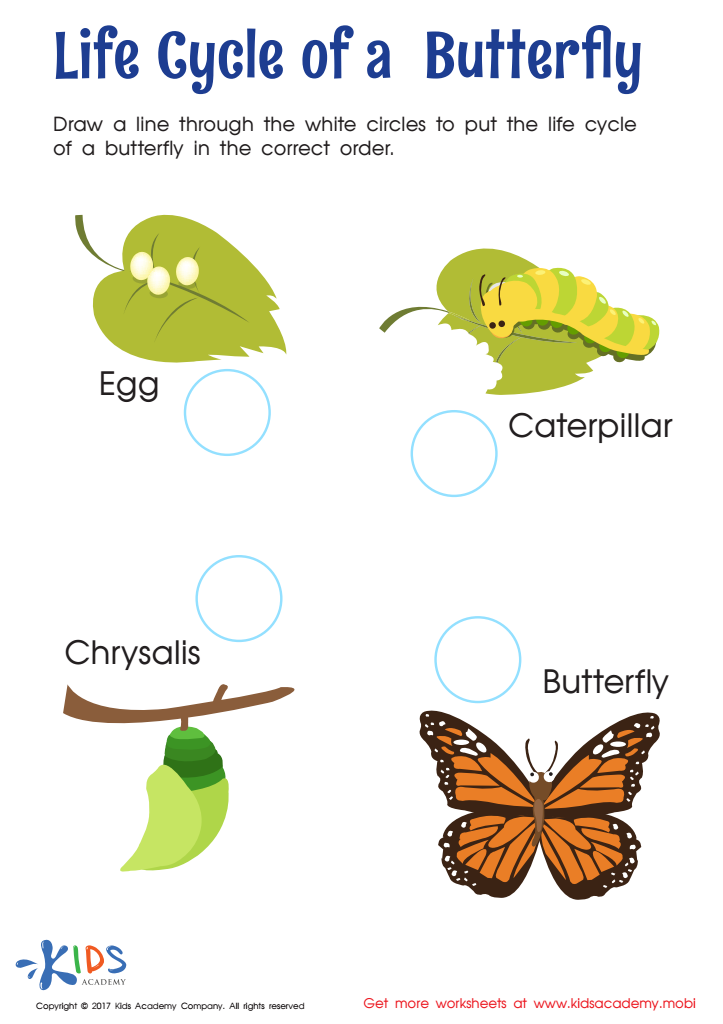
Life Cycle of Butterfly Worksheet
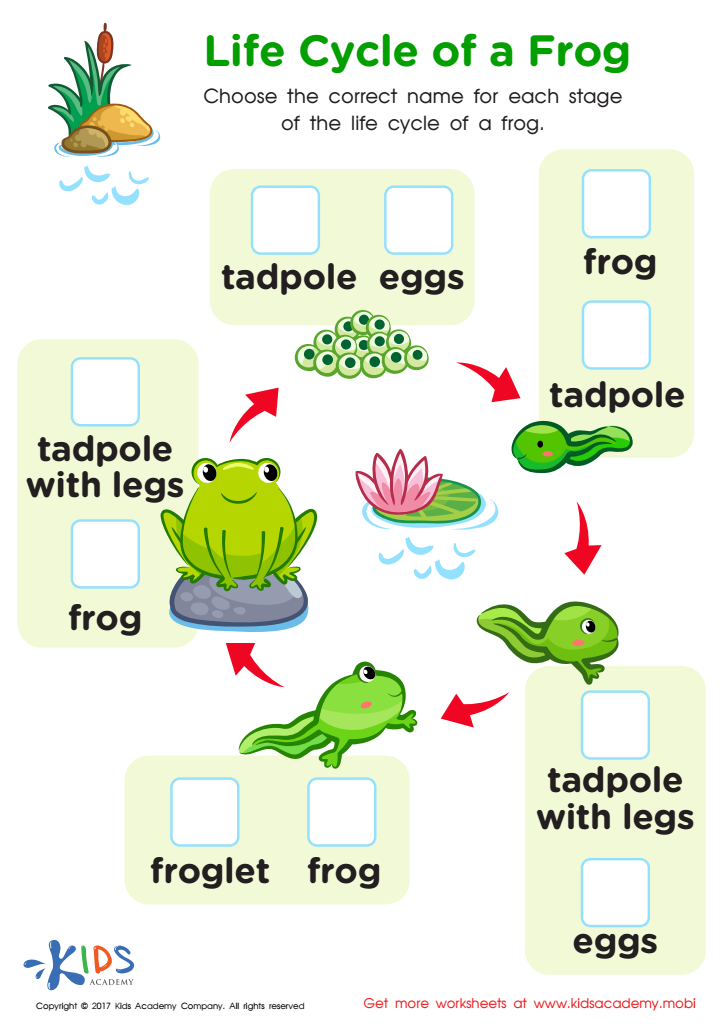
Life Cycle Frog Printable
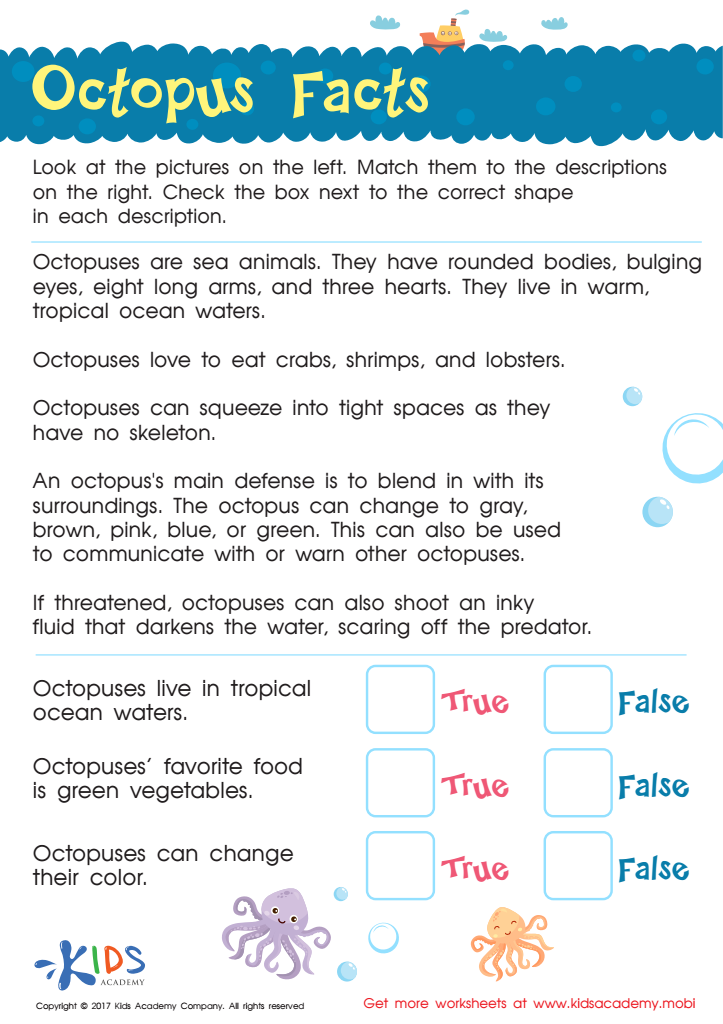
Octopus Facts Worksheet For Kids
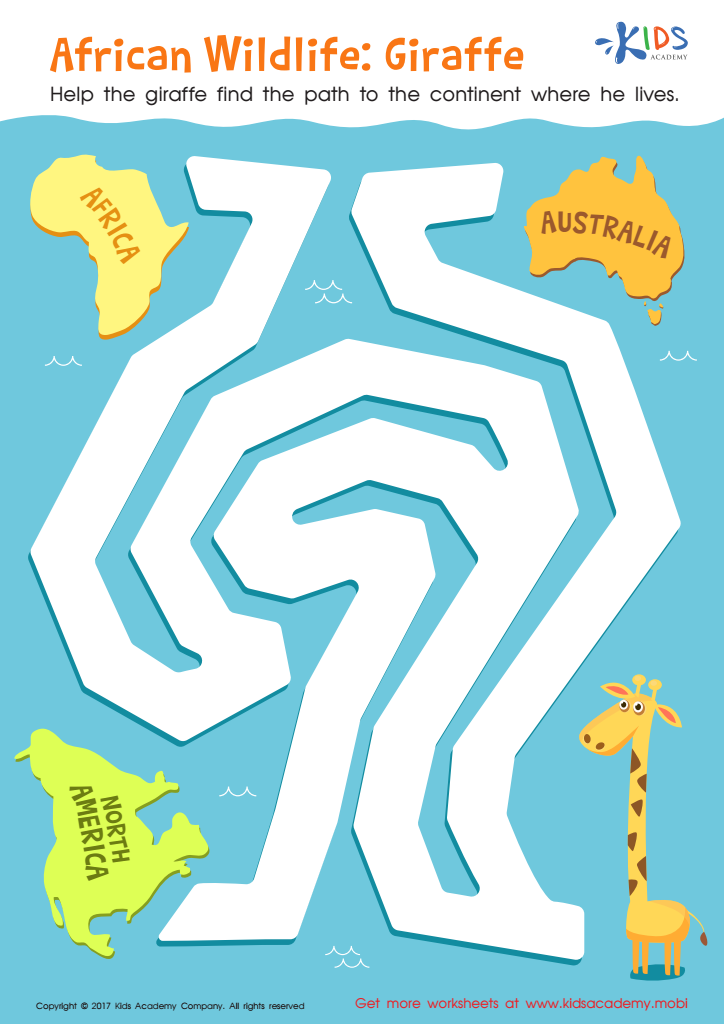
African Wildlife: Giraffe Worksheet
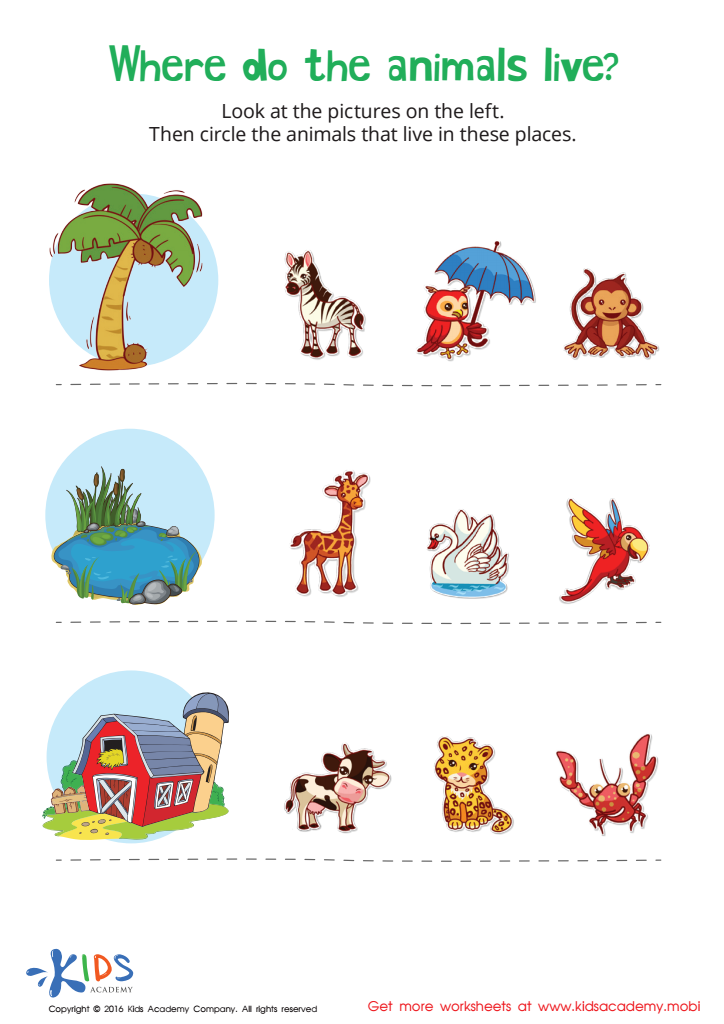
Where Animals Live Worksheet
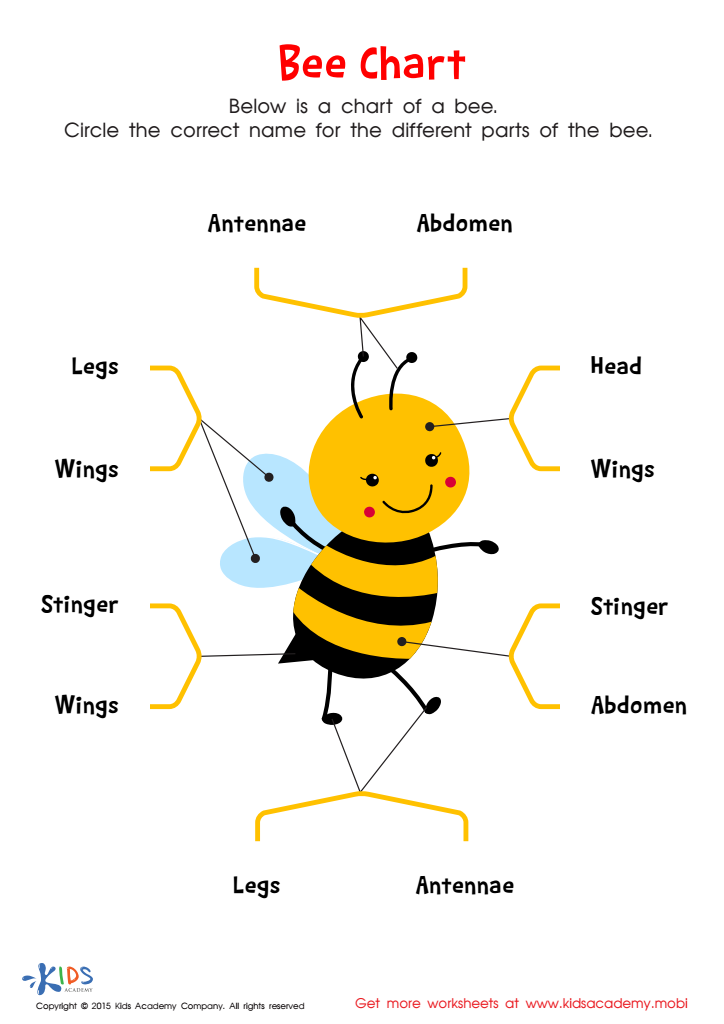
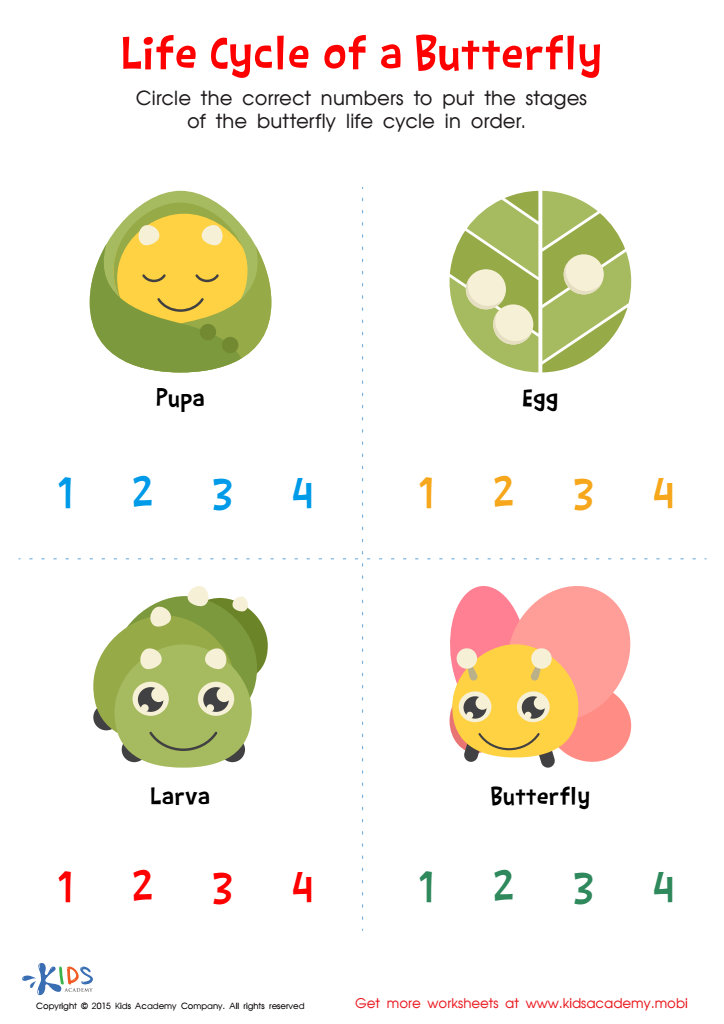
Life Cycle of Butterfly Printable
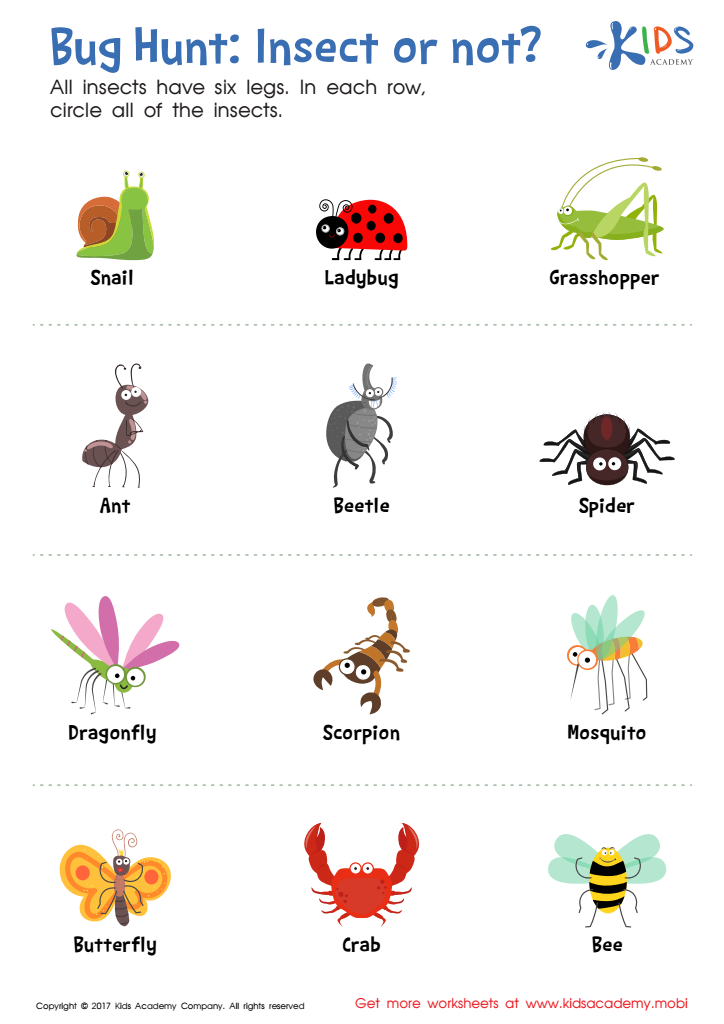
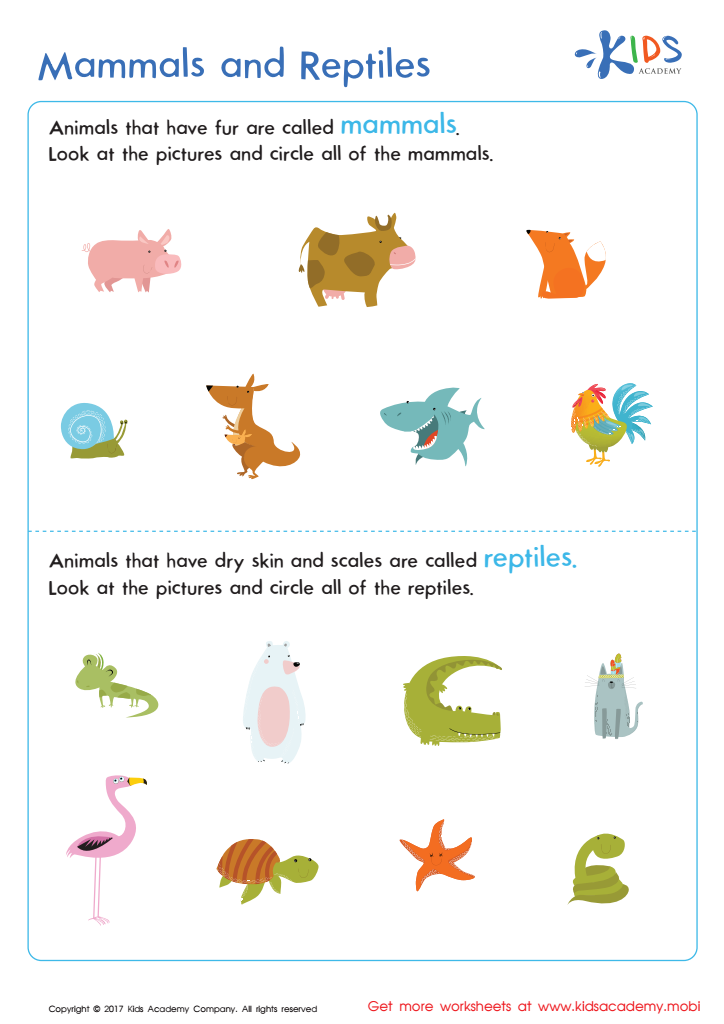
Mammals and Reptiles Worksheet
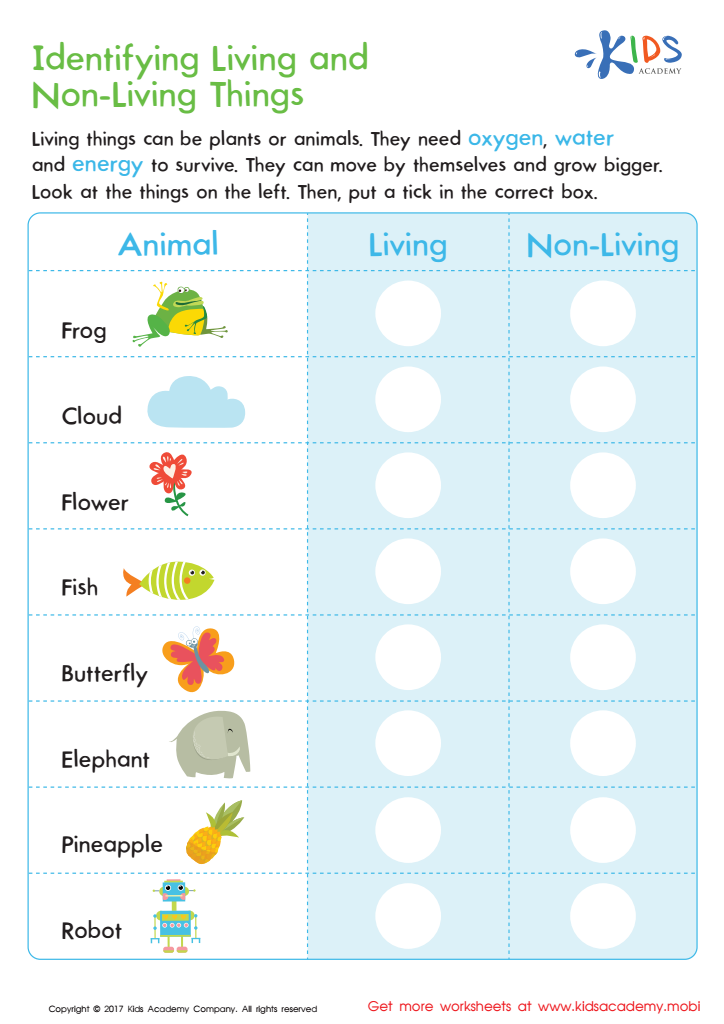
Identifying Living or Non–living Worksheet
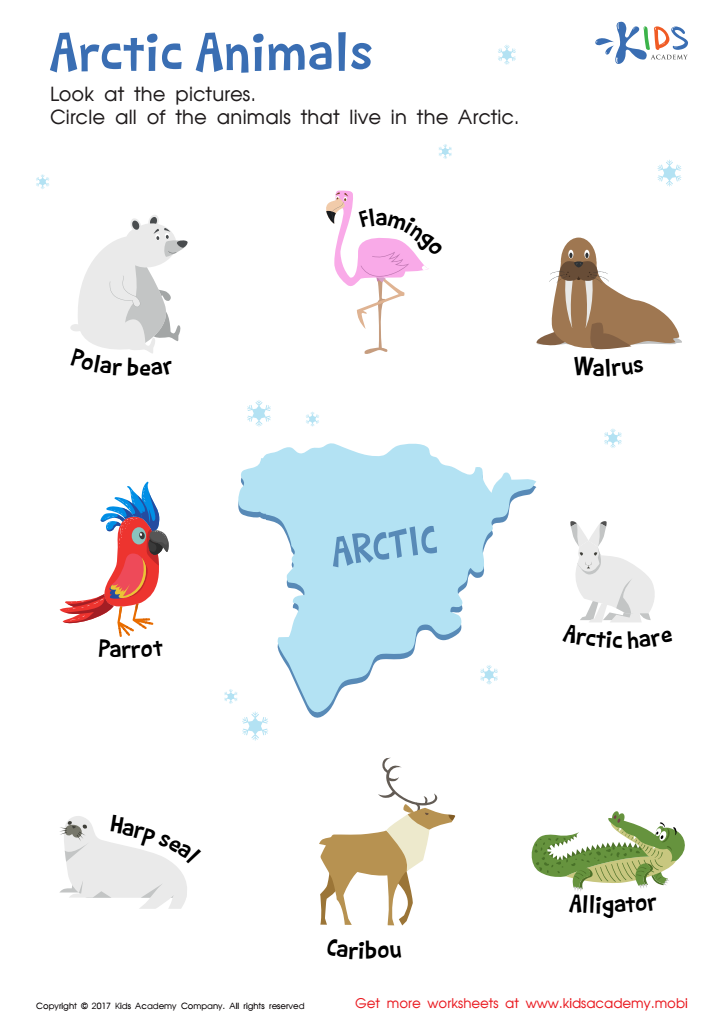
Arctic Animals Worksheet








Parents and teachers should care about introducing the concept of normal animals to children ages 3-7 because it plays a crucial role in their early education and cognitive development. At this age, children are naturally curious and fascinated by the world around them, particularly animals. Teaching about normal animals helps children understand biodiversity and the essential role animals play in our ecosystems. It fosters empathy by allowing children to appreciate and respect living creatures, which can build their sense of responsibility towards the environment.
Moreover, learning about animals can enhance language development, as parents and teachers can introduce new vocabulary related to different species, habitats, and behaviors. This knowledge can also spark interest in science, inspiring future learning and exploration.
In addition to educational benefits, discussing normal animals can encourage social interaction among peers when shared in group settings or activities, like storytime or wildlife-themed crafts. Overall, engaging children with normal animals enriches their understanding of the natural world, promotes curiosity, and lays the foundation for lifelong learning about biology, conservation, and the importance of protecting our planet's creatures.








