Normal Comparing Numbers Worksheets for Ages 3-8 - Page 2
32 filtered results
-
From - To
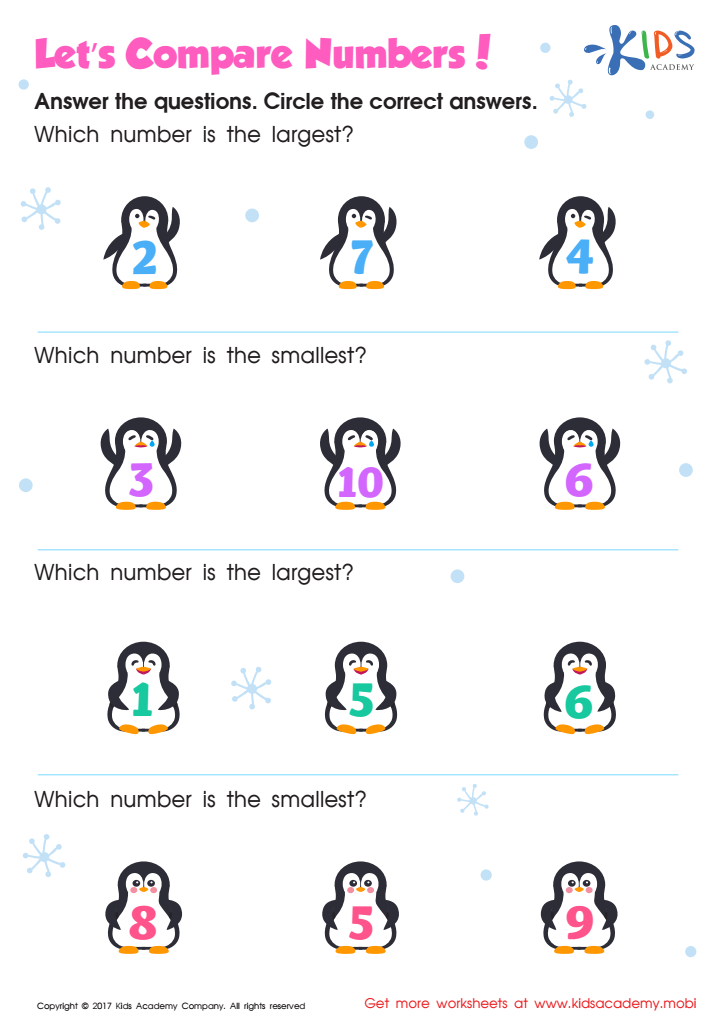
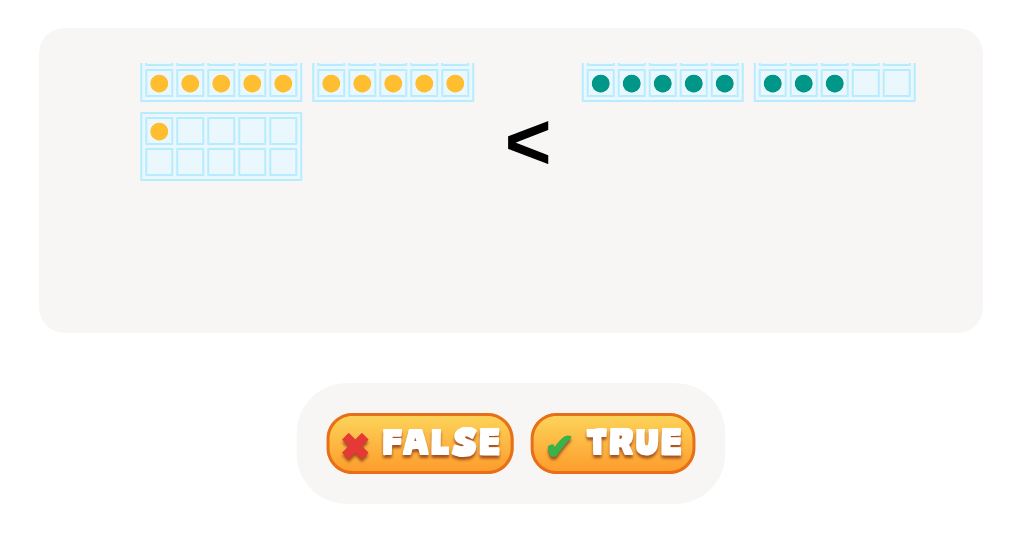
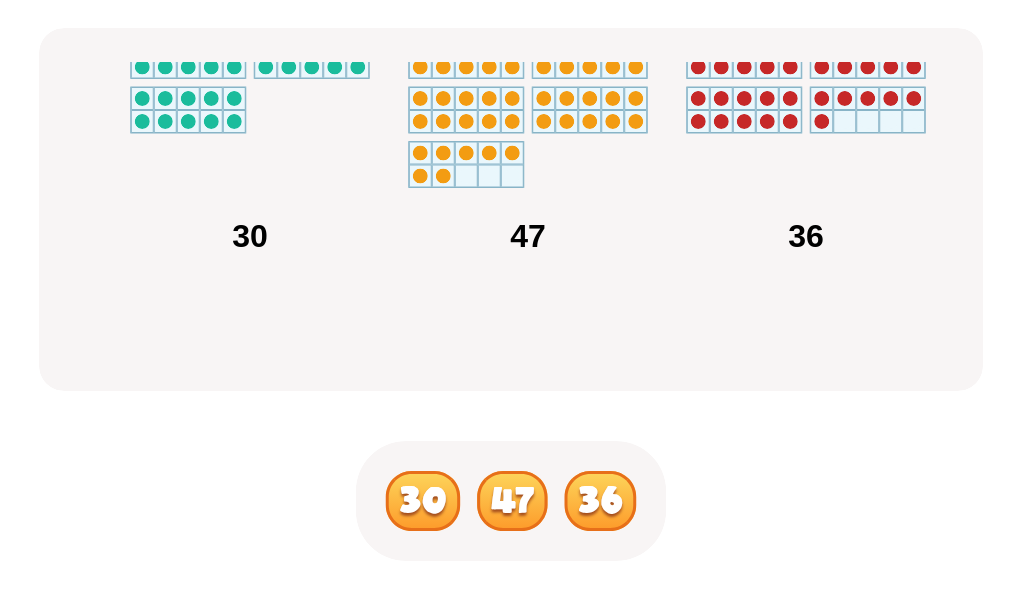
Comparing Numbers 1–10 Worksheet Kindergarten
 Assign to My Students
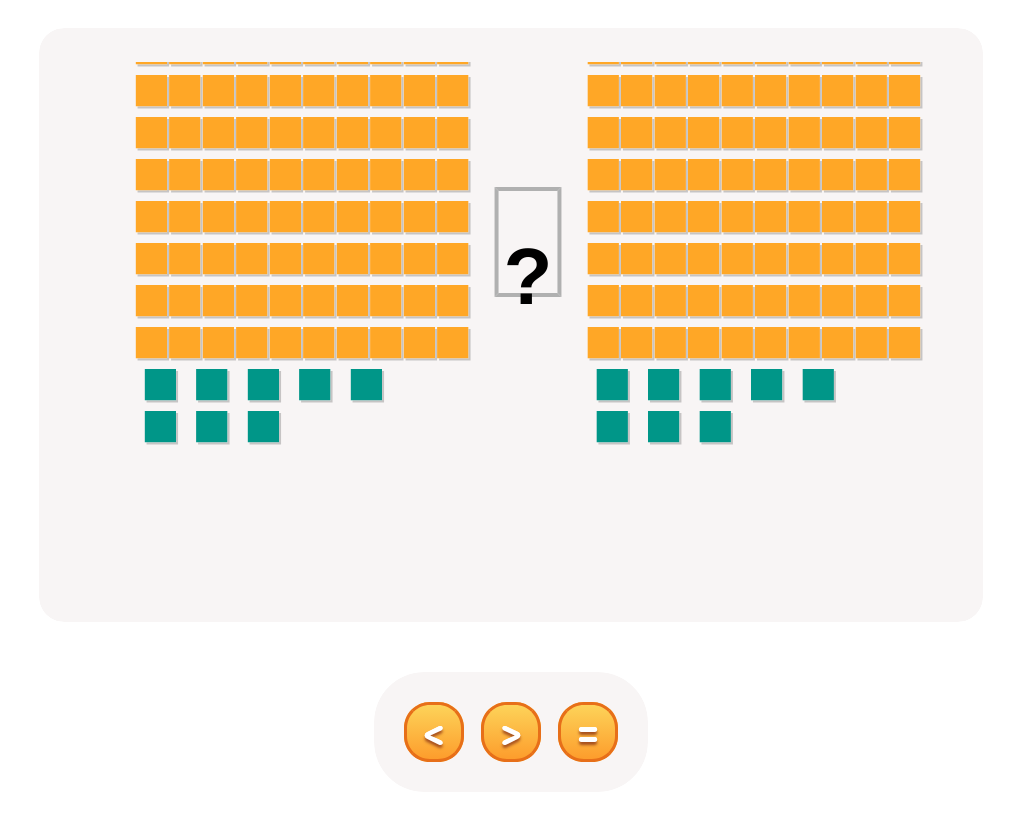

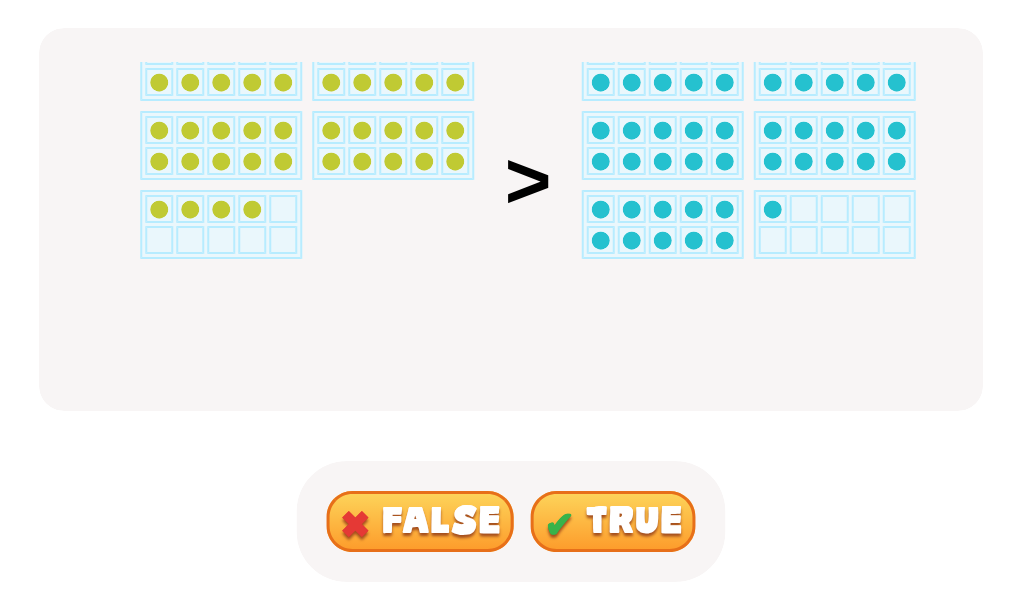
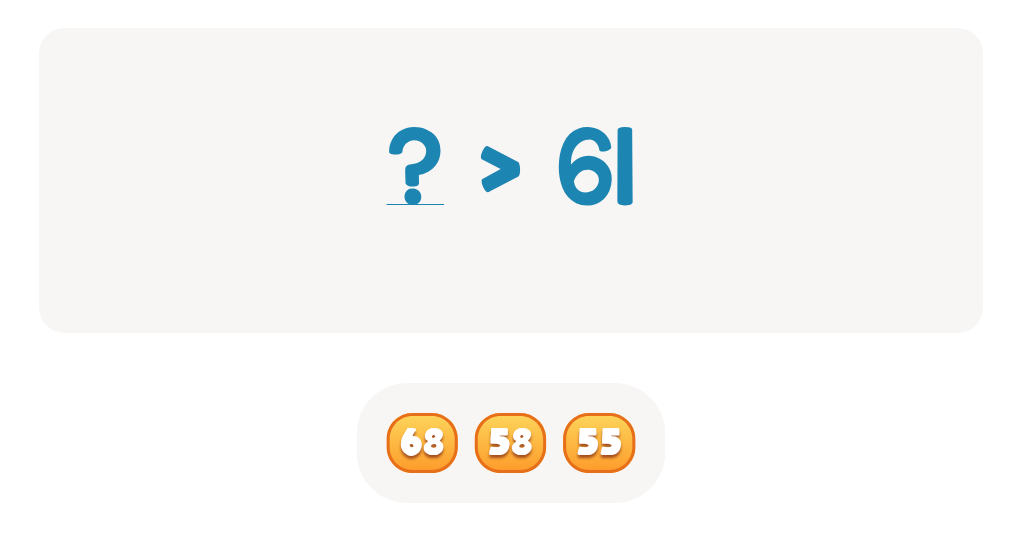
Comparing Numbers Worksheet for Kindergarten
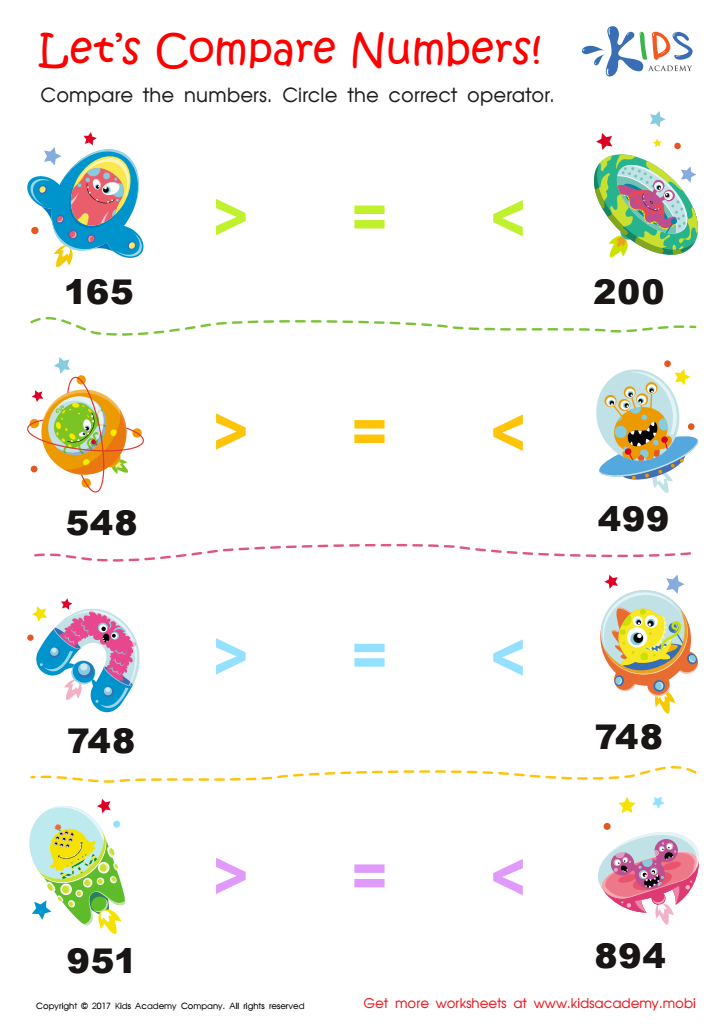
Comparing Numbers Worksheet for 2nd Grade
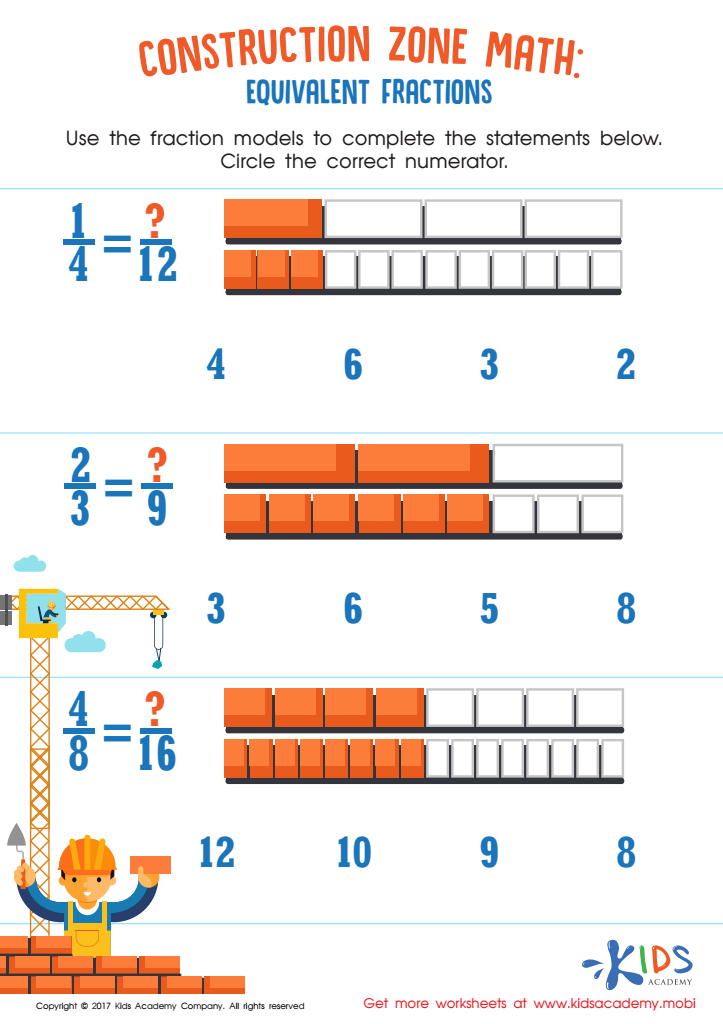
Equivalent Fractions Worksheet
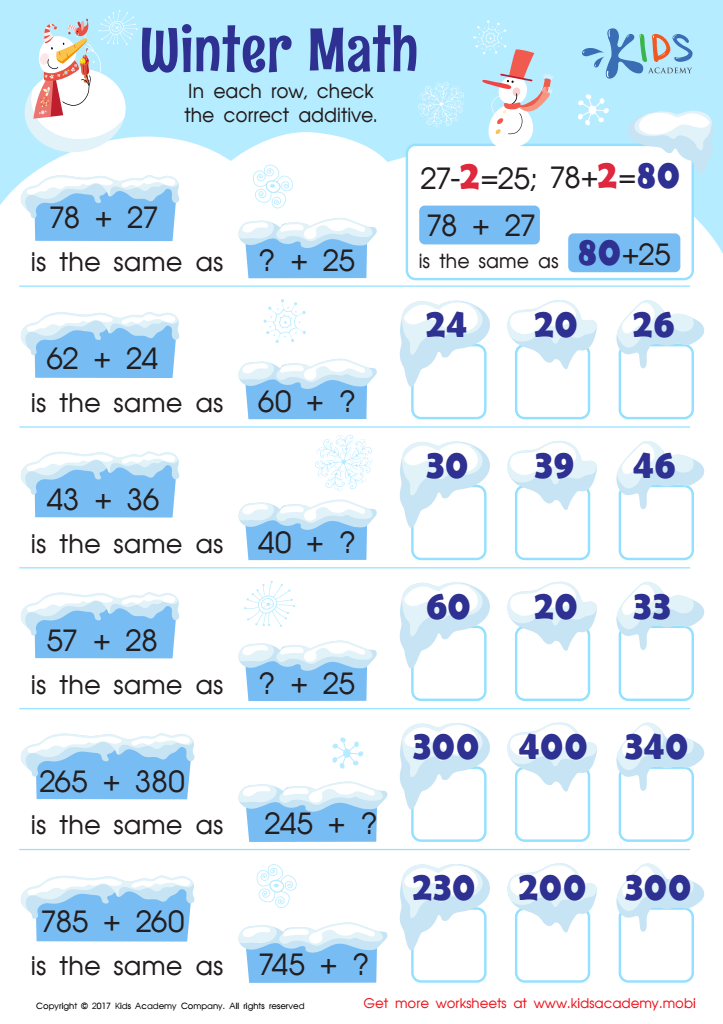
Free Addition Worksheet
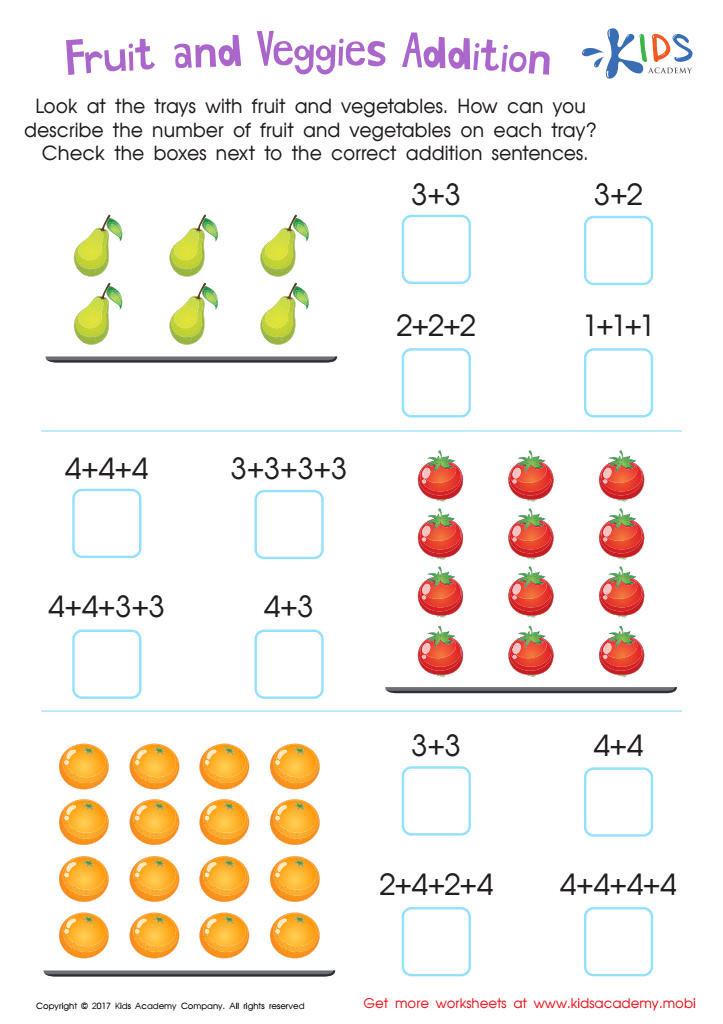
Fruit and Veggies Worksheet
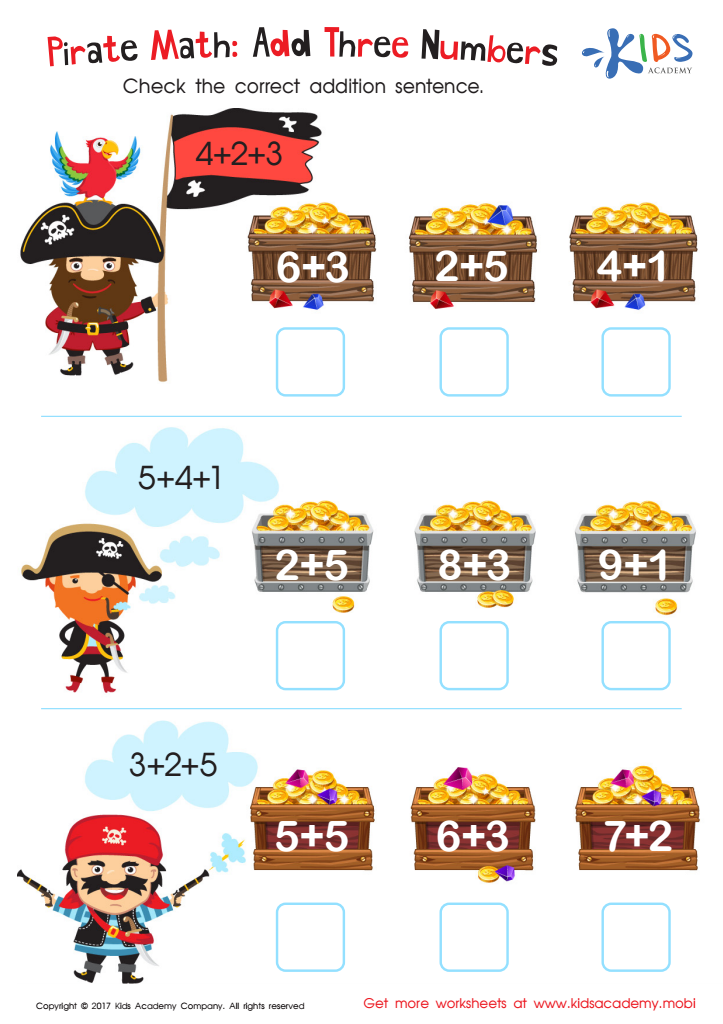
Pirate Math Printable
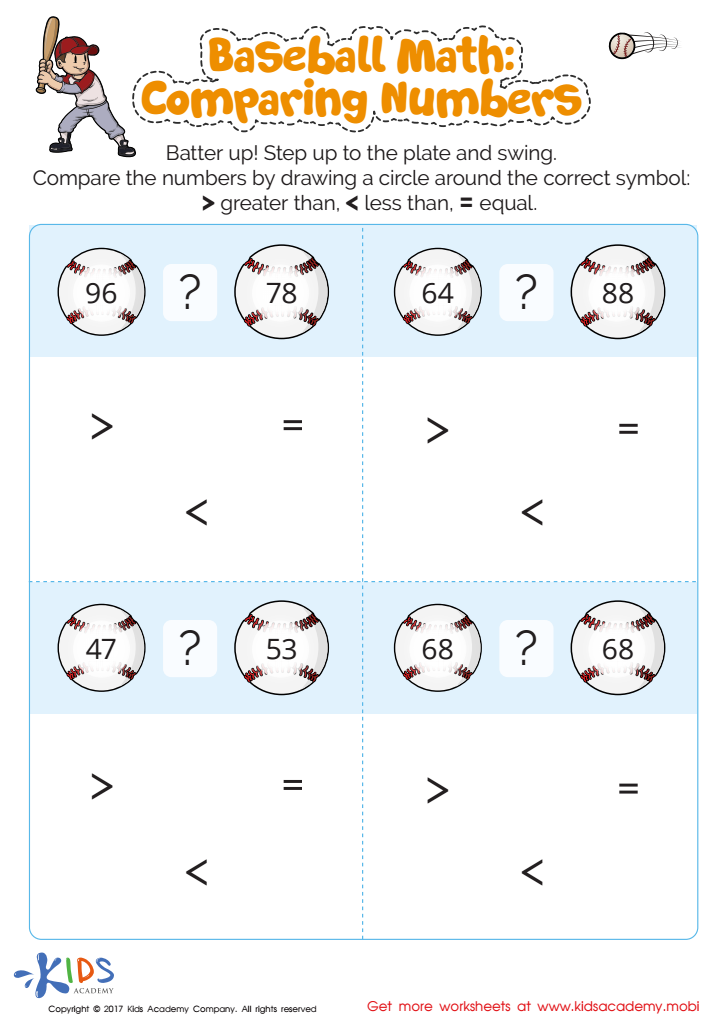
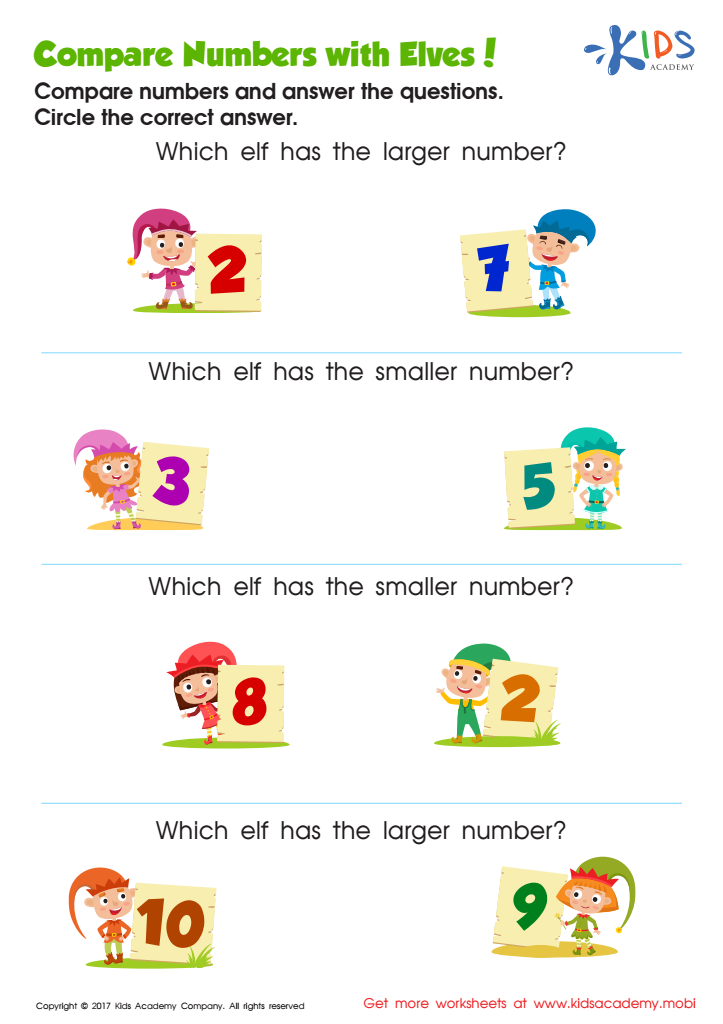
Compare Numbers Printable



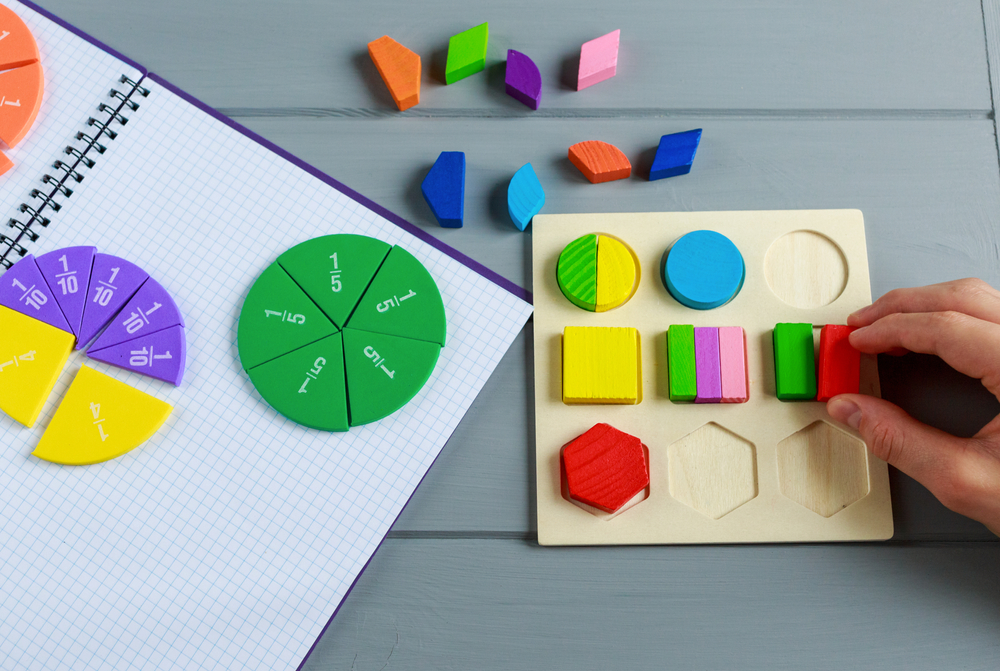




Parents and teachers should care about normal comparing numbers for ages 3-8 because it sets a foundation for essential mathematical and cognitive development in young children. Comparing numbers is a basic skill that helps children understand the concepts of quantity, order, and differences between amounts. This foundational understanding is crucial as it translates into various life skills like problem-solving, logical reasoning, and financial literacy.
When children learn to compare numbers, they begin to grasp more complex mathematical principles, such as addition, subtraction, and the base ten system, essential for their future education. This skill also enhances their logical thinking, enabling them to make informed decisions and analyze their surroundings effectively.
Furthermore, mastering number comparisons can boost a child's confidence. Success in these early mathematical concepts encourages a positive attitude towards learning and an eagerness to tackle more challenging material. Teachers can integrate fun activities and visual aids to make learning engaging, while parents can reinforce these lessons at home through everyday scenarios like comparing different quantities of snacks or toys.
Ultimately, caring about normal comparing numbers in ages 3-8 helps children develop a robust mathematical framework, paving the way for academic success and lifelong critical thinking skills.