Normal Space Worksheets for Ages 3-8 - Page 2
37 filtered results
-
From - To
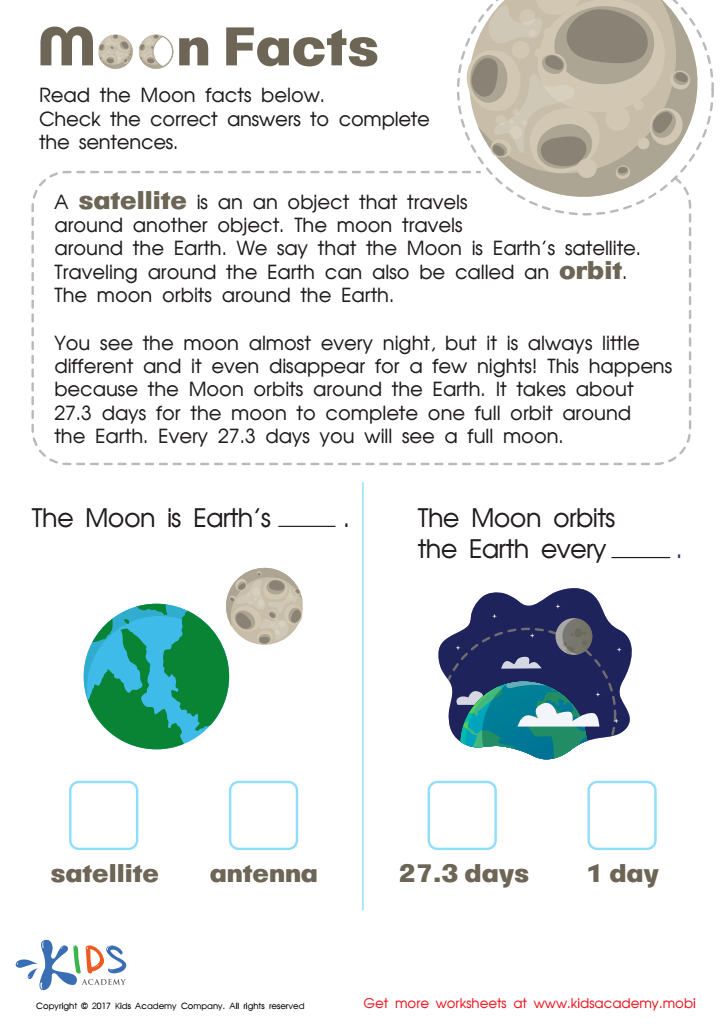
Moon Facts Worksheet
 Assign to My Students
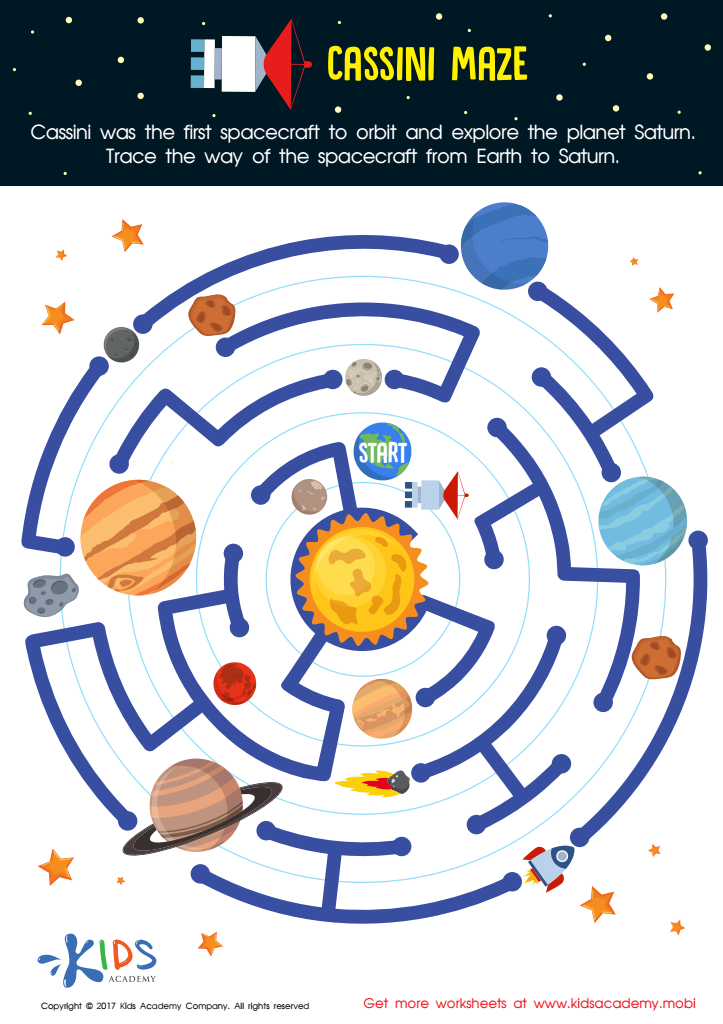
Cassini Printable Worksheet
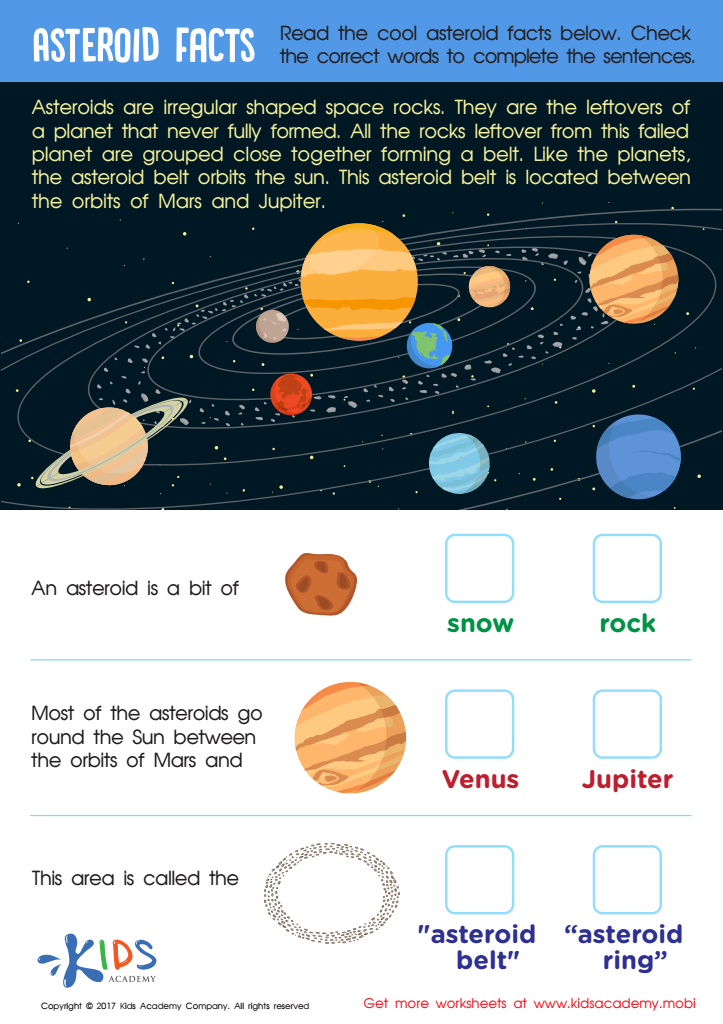
Asteroid Facts Worksheet
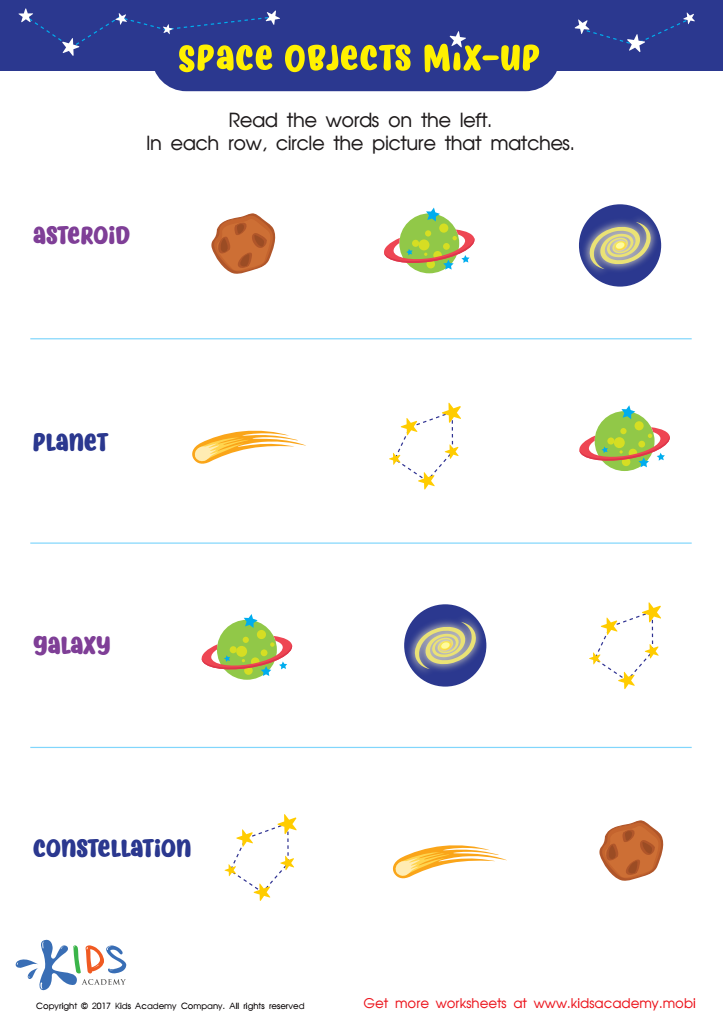
Science: Space Objects Worksheet
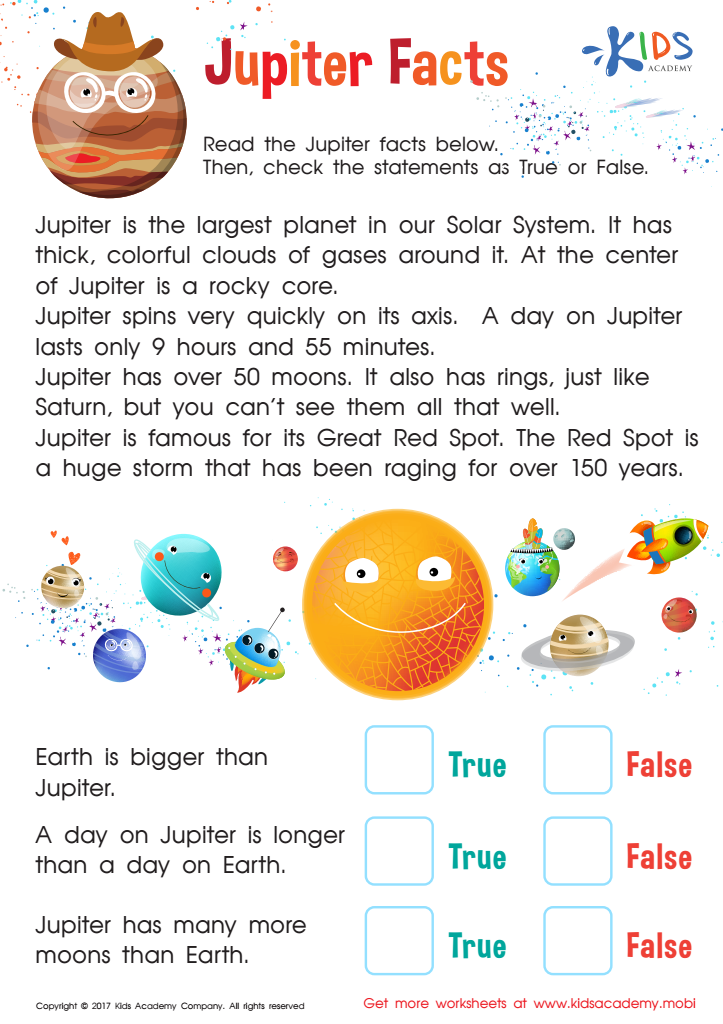
Jupiter Facts Worksheet
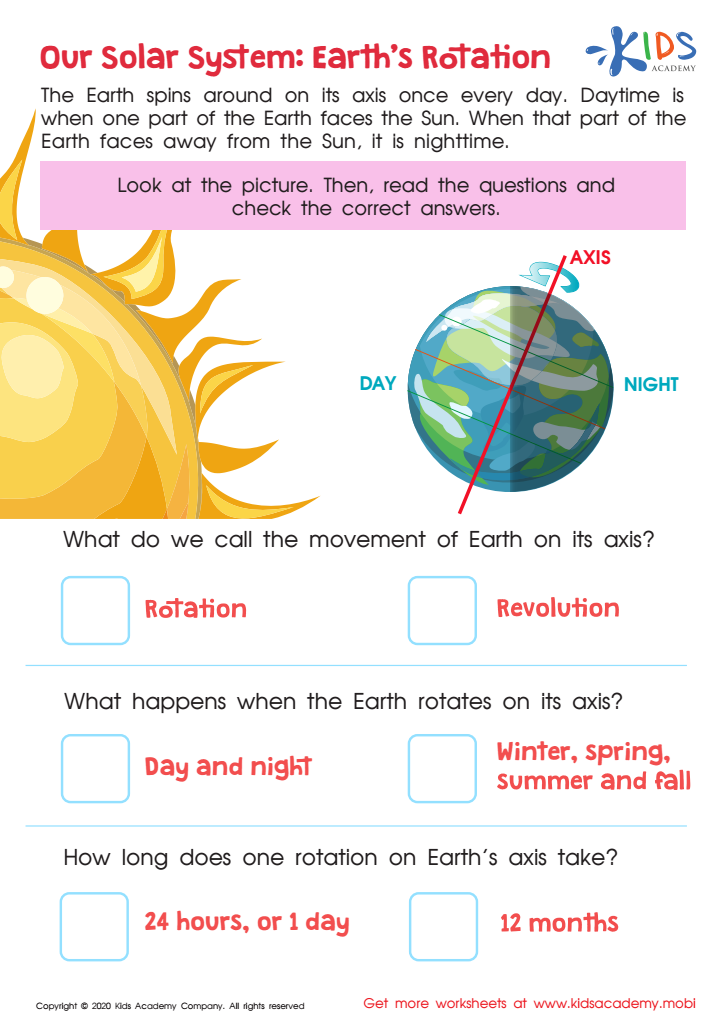
Our Solar System: Earth's Rotation Printable
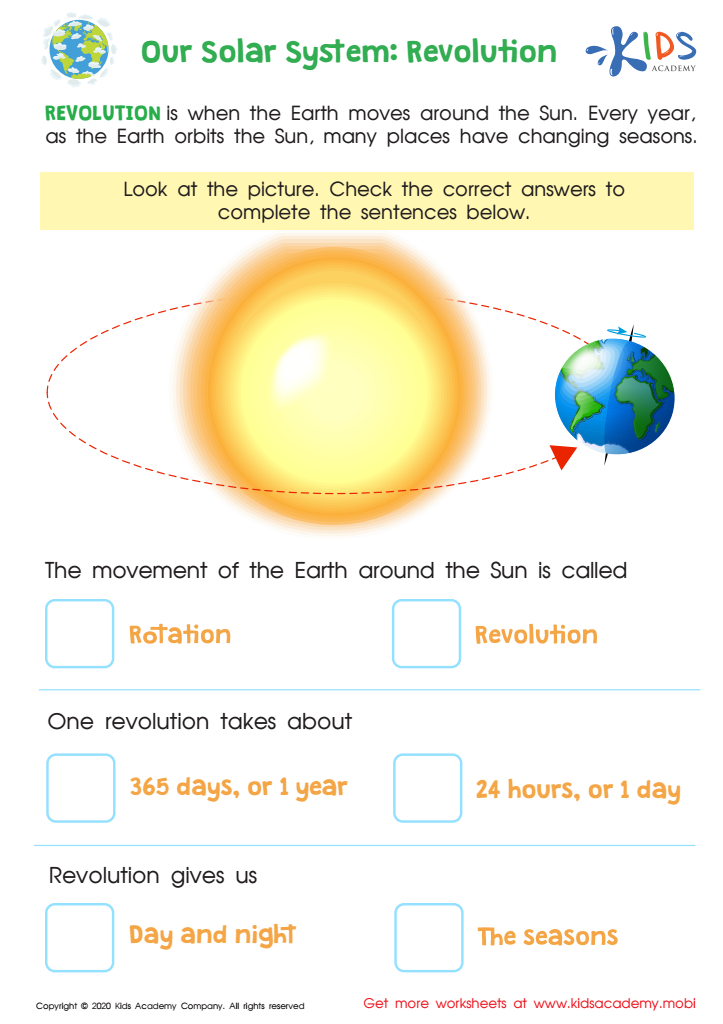
Our Solar System: Revolution Printable
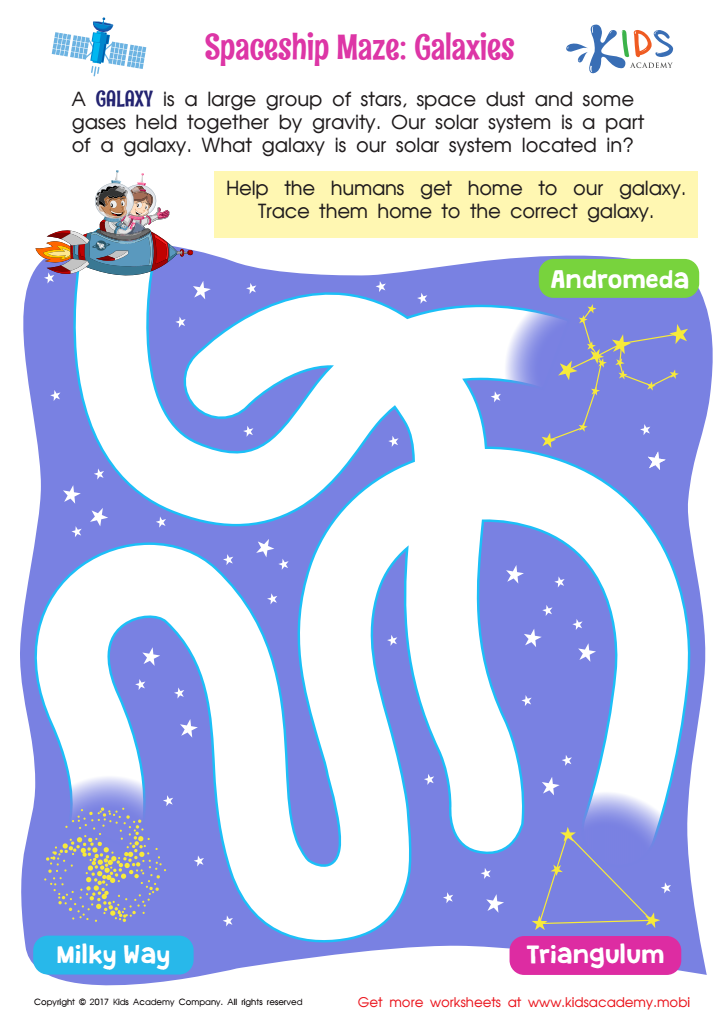
Spaceship Maze: Galaxies Worksheet
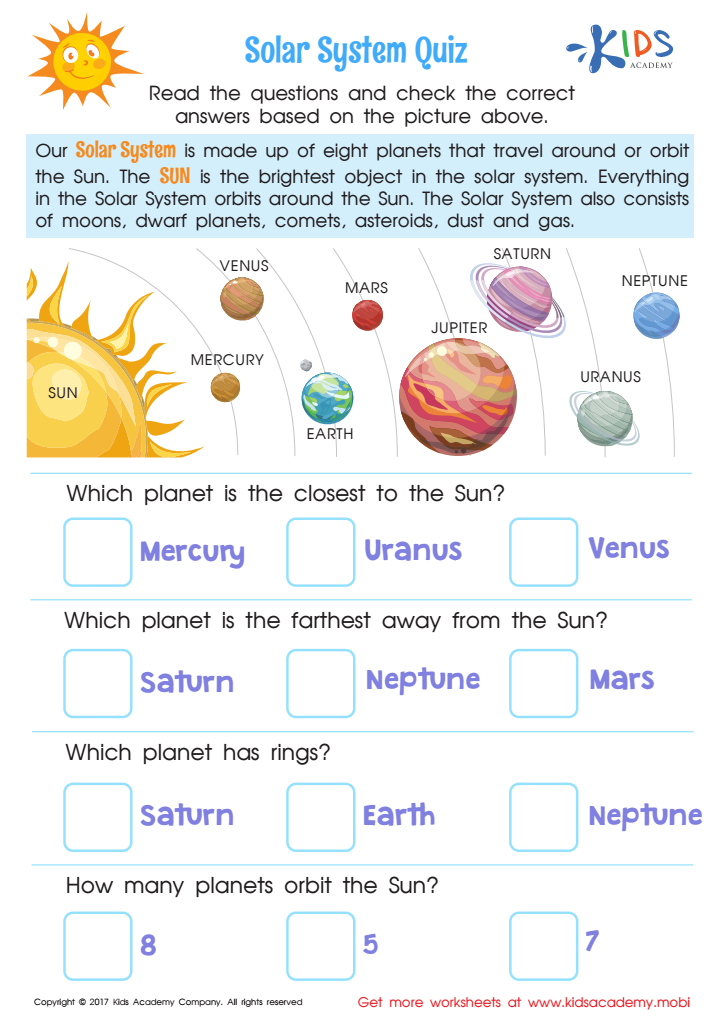
Solar System Quiz Printable
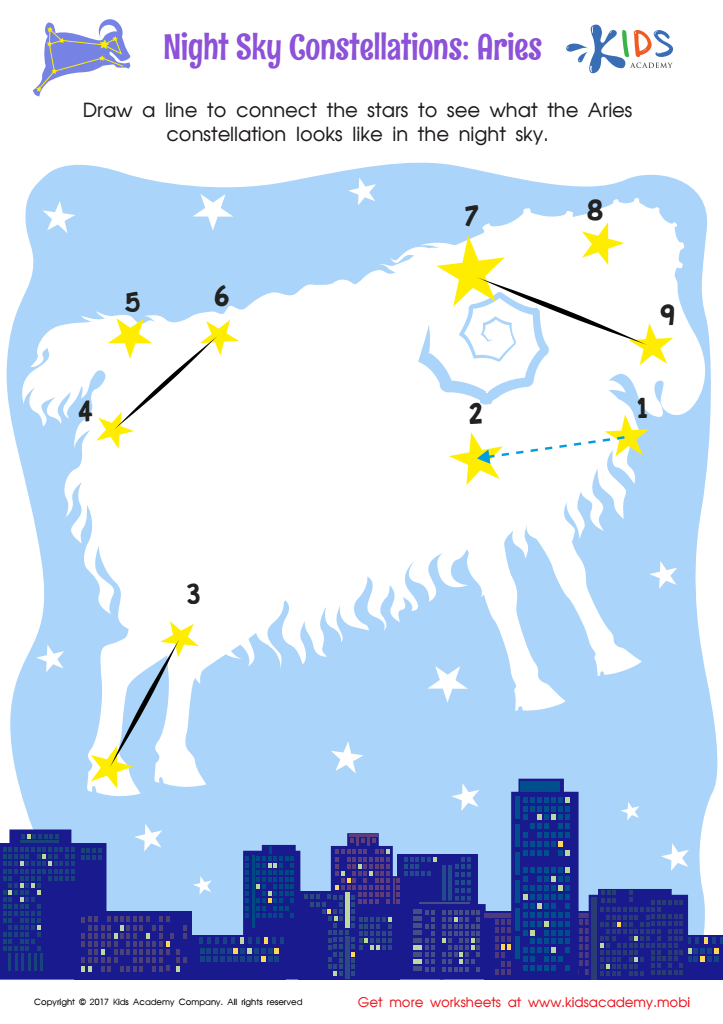
Night Sky Constellations: Aries Worksheet
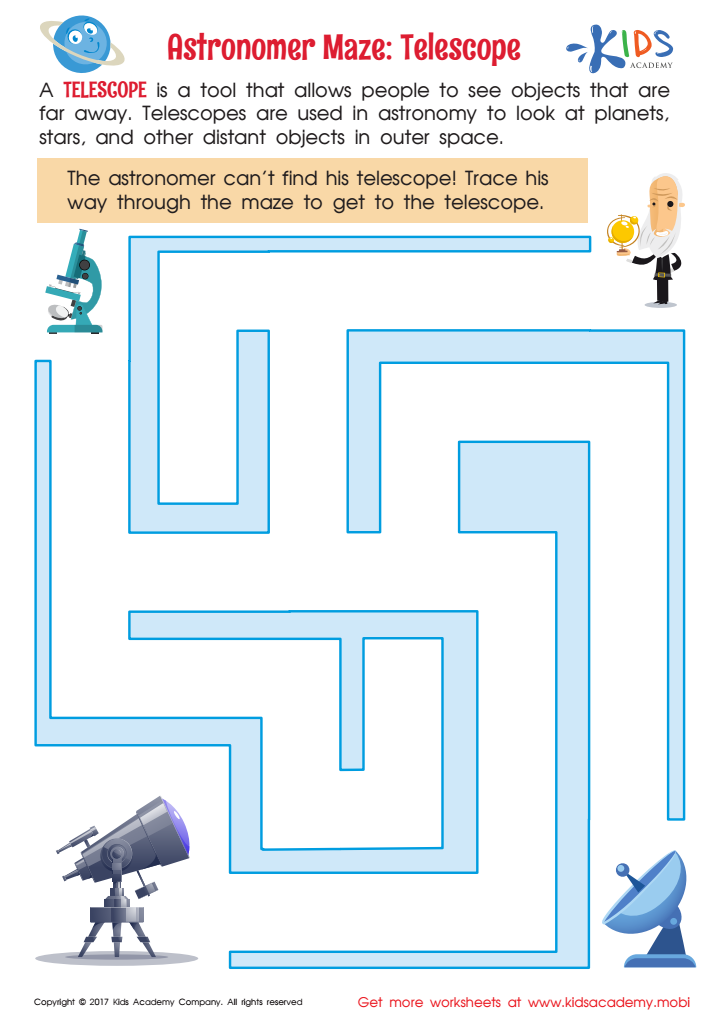
Astronomer Maze: Telescope Worksheet
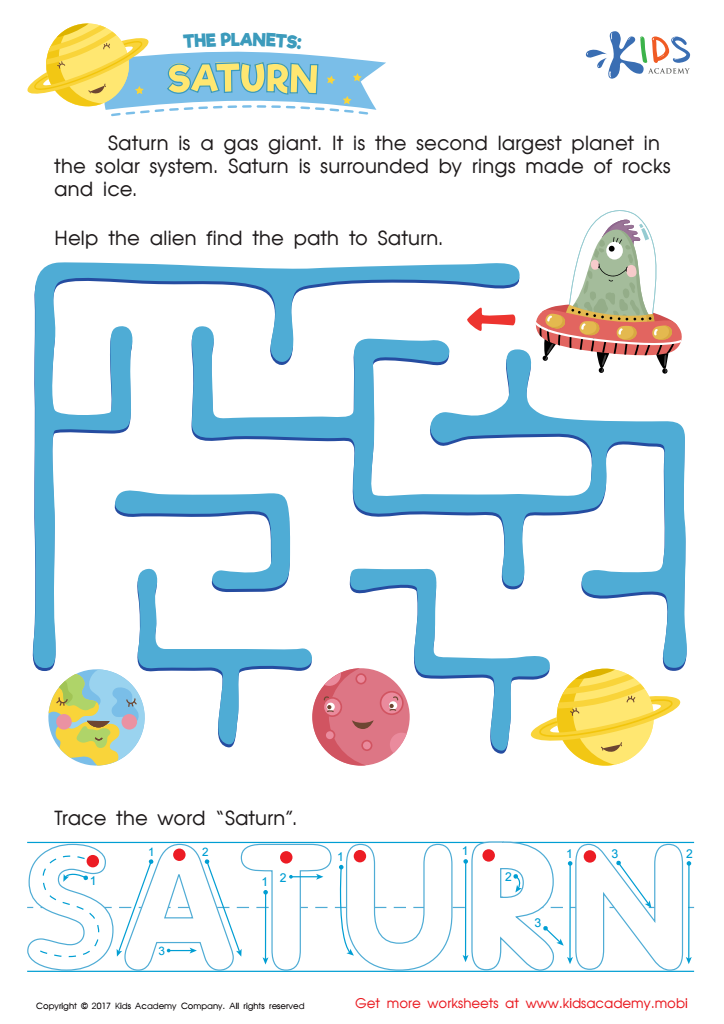
The Planets: Saturn Printable


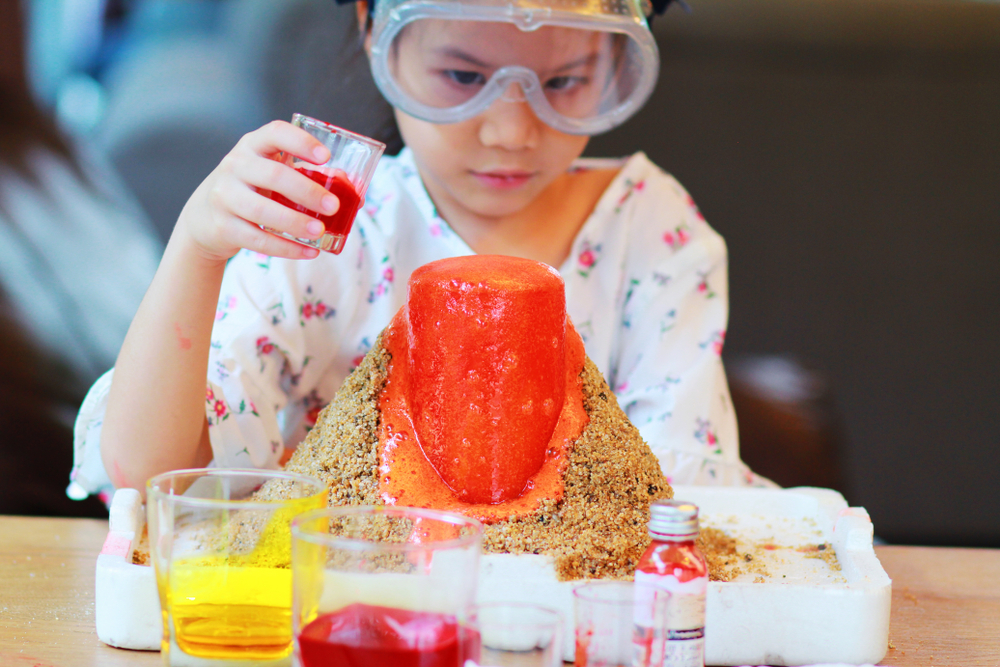





Normal Space is a concept that emphasizes creating emotionally supportive and mentally stimulating environments for young children aged 3-8. Parents and teachers should care about this because the early years are crucial for emotional and cognitive development. In Normal Spaces, children experience safety, acceptance, and encouragement, which fosters their self-esteem and social skills. When children feel secure, they are more willing to explore, take risks, and engage in learning activities.
Moreover, Normal Spaces promote healthy relationships among peers and adults, teaching children the values of empathy, cooperation, and respect. This foundation is essential for developing communication skills and resilience, preparing them for future challenges.
Educationally, Normal Space employs play-based and experiential learning approaches that cater to various learning styles, ensuring all children can thrive. This promotes inclusivity and supports diverse developmental needs.
By prioritizing Normal Space, parents and teachers contribute to holistic child development, ultimately enabling children to become well-rounded individuals. Fostering a Normal Space helps cultivate curiosity and a love for learning, setting the stage for lifelong educational success. In short, investing time and effort in creating a Normal Space is a vital commitment to a child’s present and future well-being.







