Normal Geography Worksheets for Ages 3-8 - Page 3
51 filtered results
-
From - To
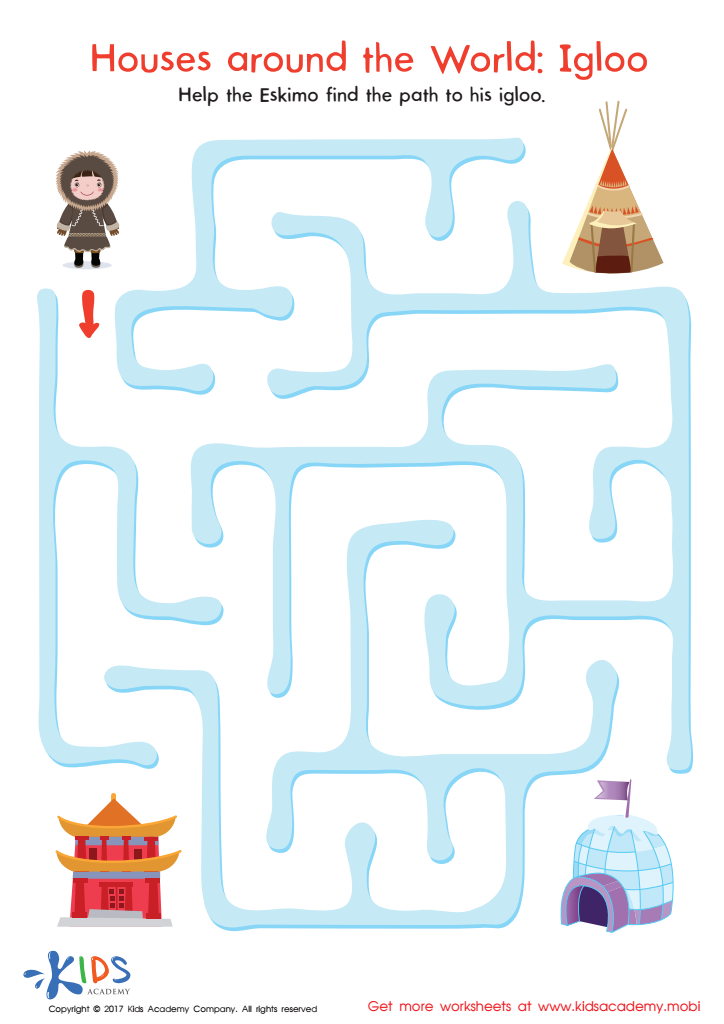
Houses Around the World: Igloo Printable
 Assign to My Students
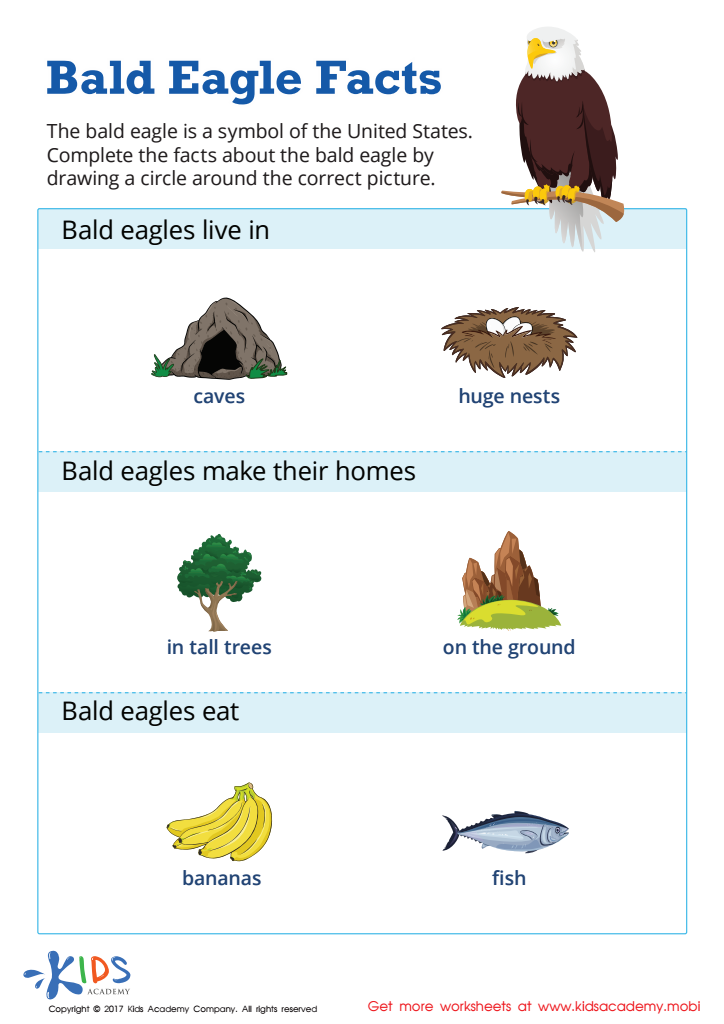
Bald Eagle Facts Worksheet
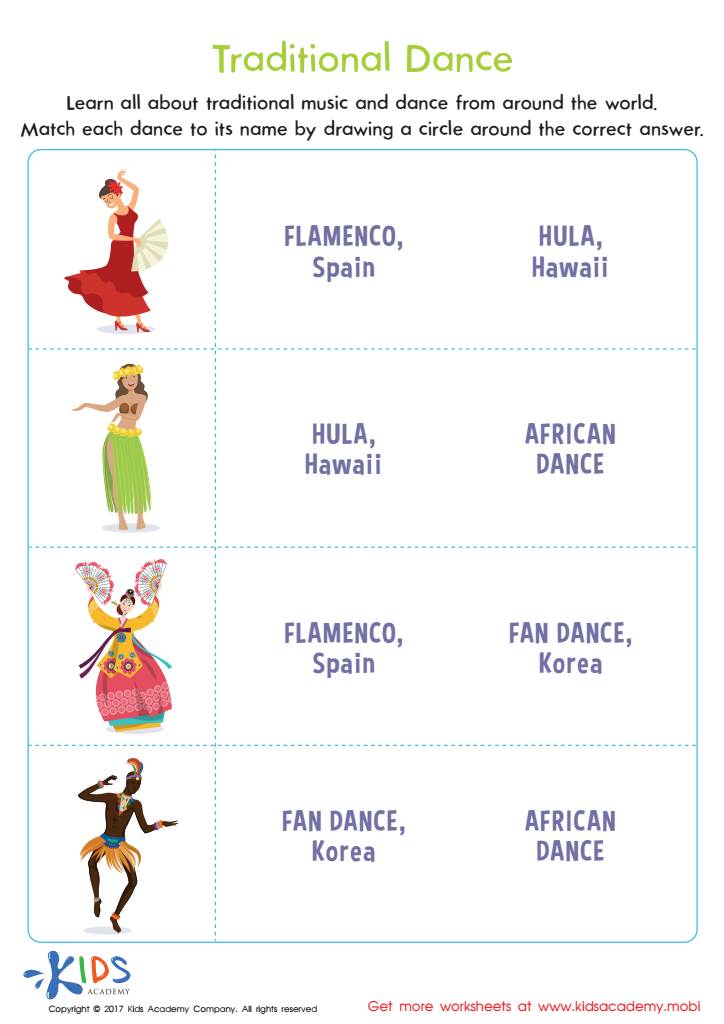
Traditional Dance Printable



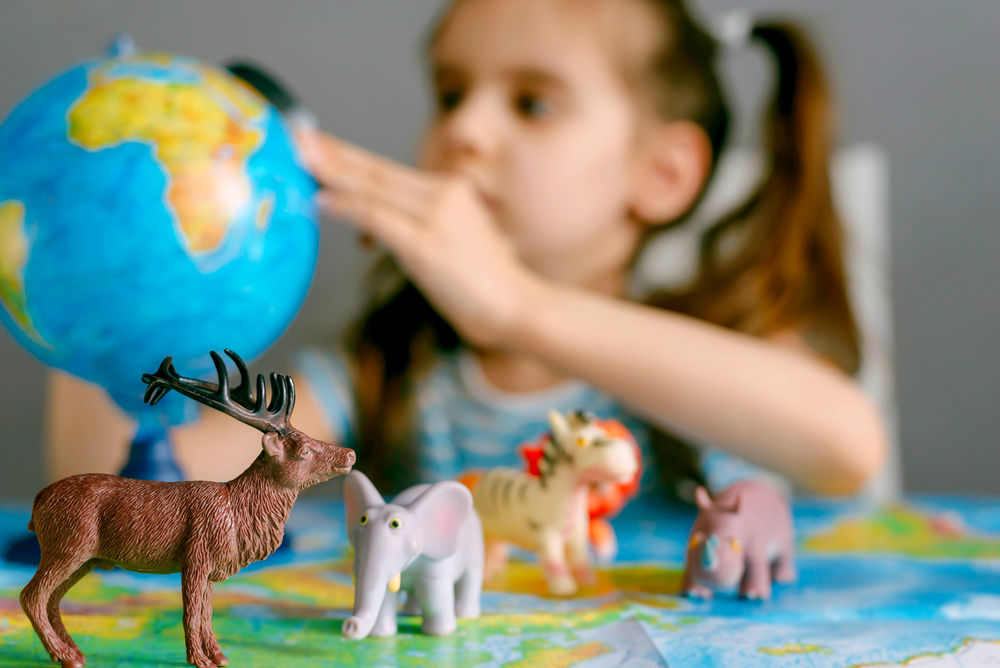



Understanding normal geography is essential for children aged 3-8 because it lays a foundational block for their cognitive and social development. Parents and teachers should prioritize geographical education for young learners as it stimulates curiosity about the world, enhancing their cognitive skills and encouraging an empathic understanding of diverse cultures and environments.
At this developmental stage, children are naturally inquisitive and absorb knowledge like sponges. Introducing them to basic geography nurtures their sense of adventure and exploration. They start grasping essential concepts such as understanding maps, distinguishing between different landforms, and recognizing the relationships between different places. This builds spatial awareness—a critical skill applicable both academically and in everyday life.
Furthermore, geographical knowledge fosters cultural awareness and sensitivity. By learning about different countries, climates, and terrains, children appreciate diversity from a young age, which is crucial in our globalized world. This appreciation helps in promoting values of empathy, tolerance, and respect for others, laying a foundation for better social interaction.
Lastly, students who are engaged in understanding the physical world are likely to develop an interest in various scientific and environmental subjects as they grow older. In essence, early geographic education can trigger lifelong learning and curiosity, equipping young minds with broad-based knowledge beneficial for their future academic and personal growth.