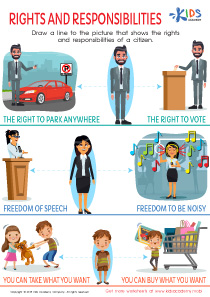
Normal Governance and Civics Worksheets for Ages 3-8 - Page 2
41 filtered results
-
From - To
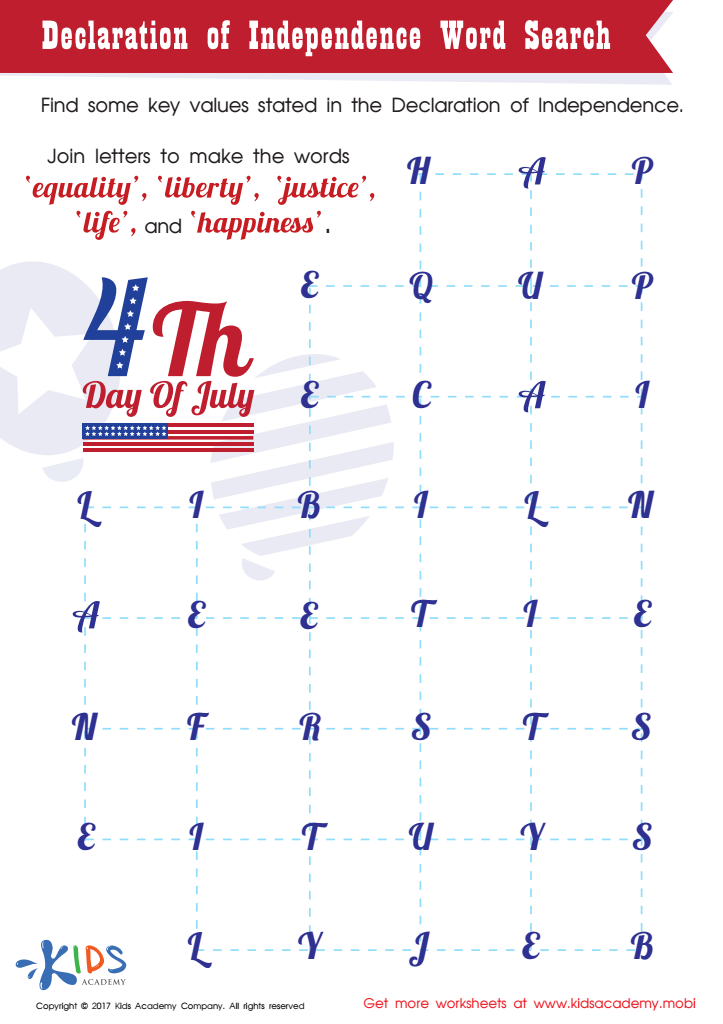
Declaration of Independence Word Search Printable
 Assign to My Students
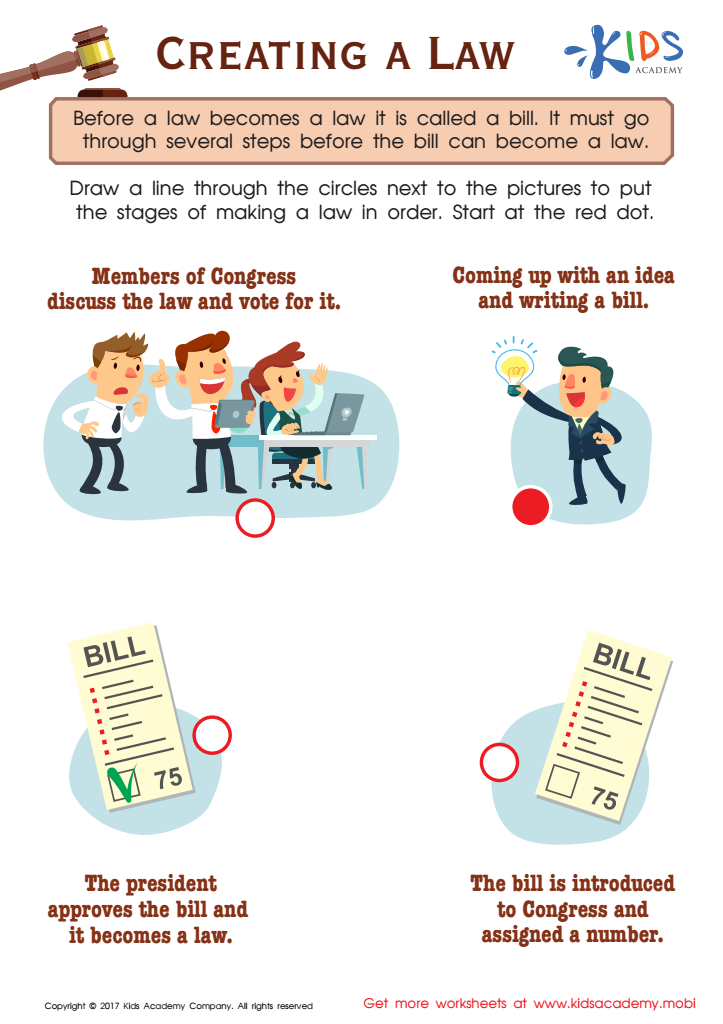
Creating a Law Worksheet
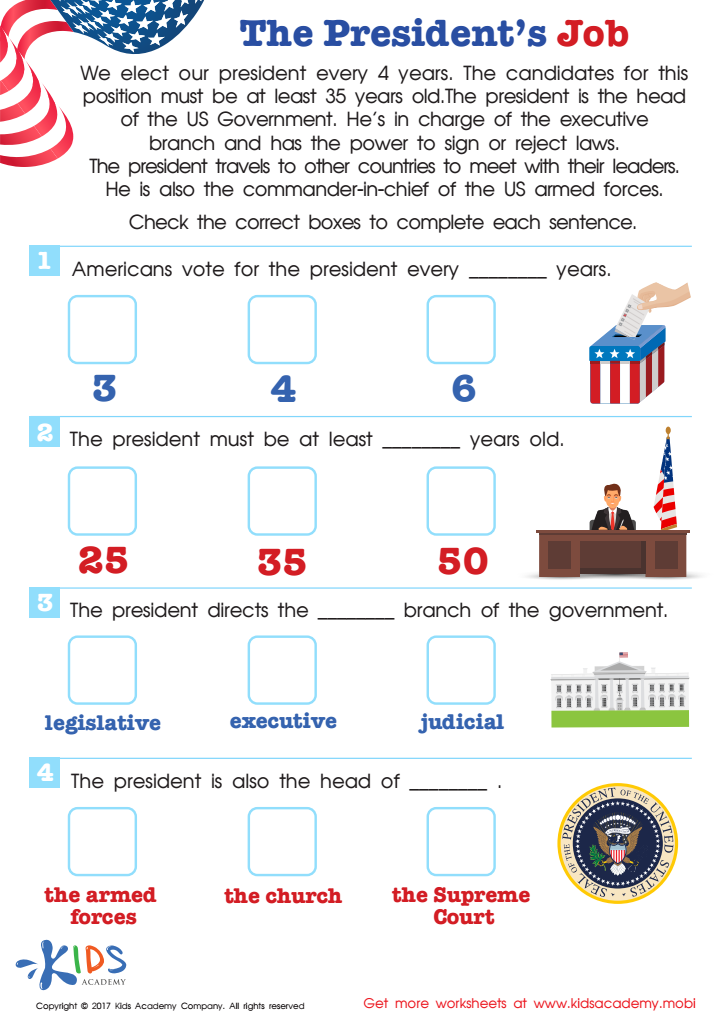
President of the USA Job Description Worksheet
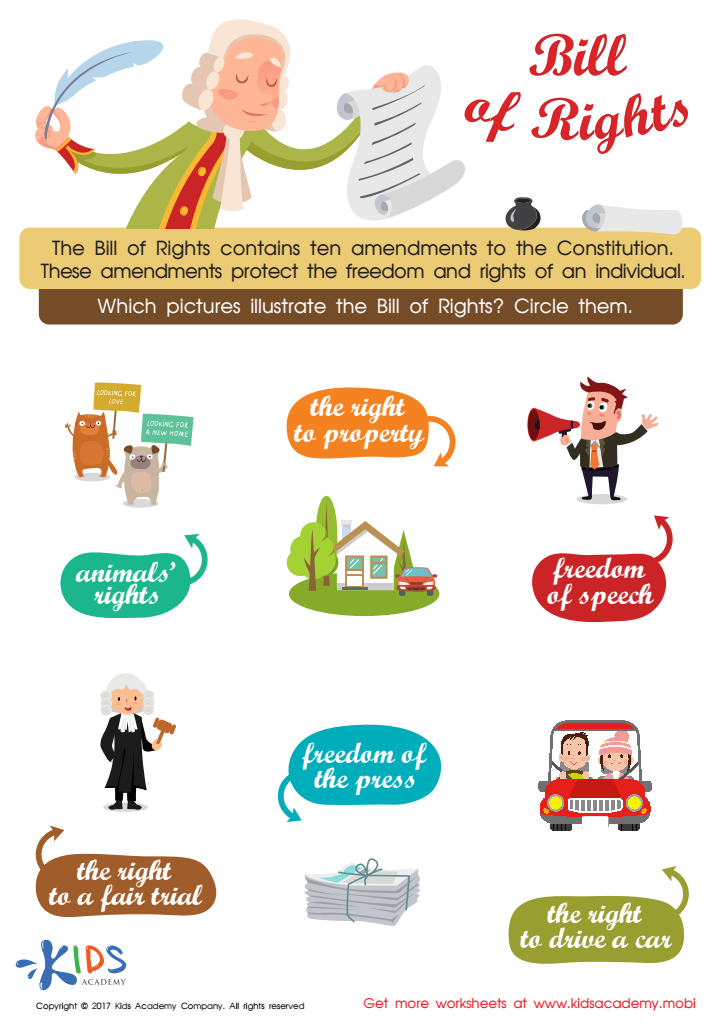
Bill of Rights Worksheet
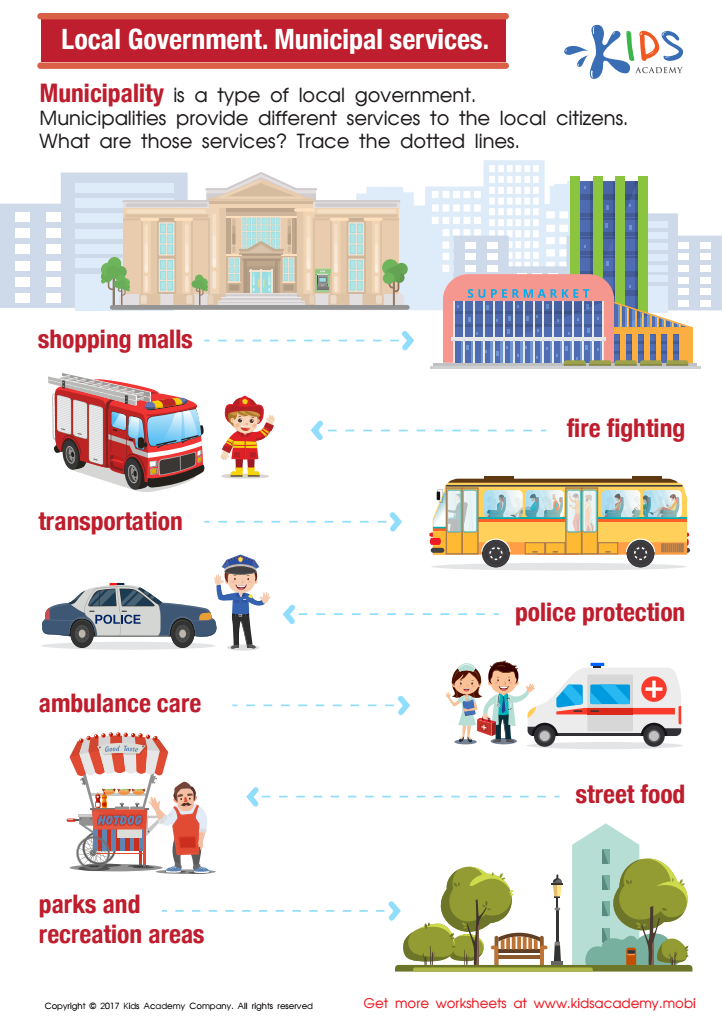
Local Government Worksheet
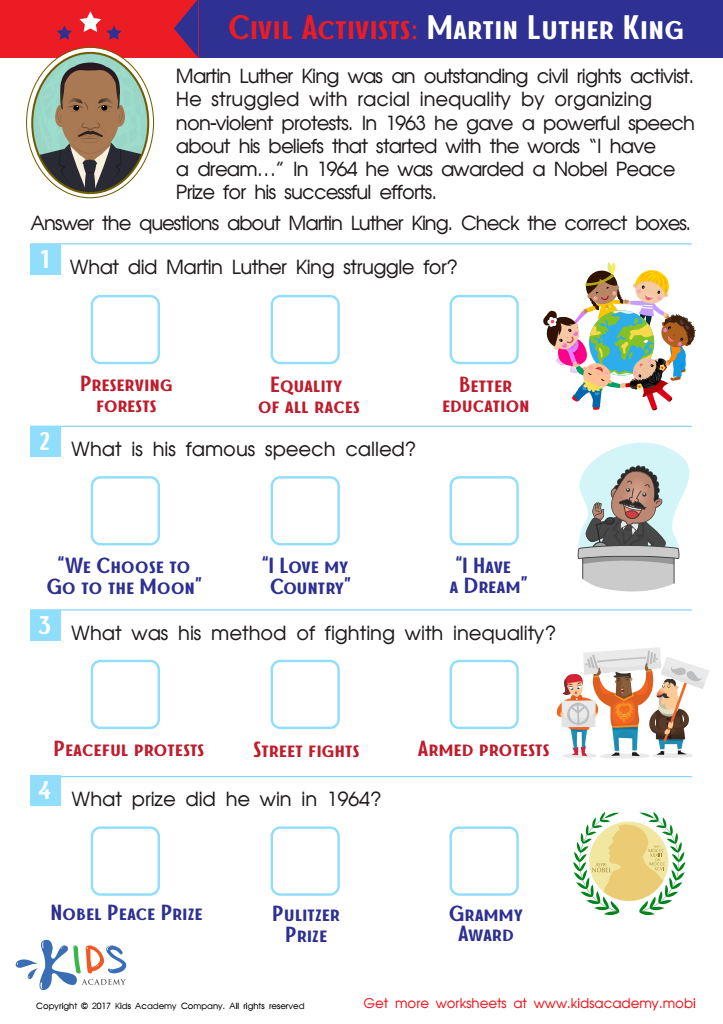
Martin Luther King Worksheet
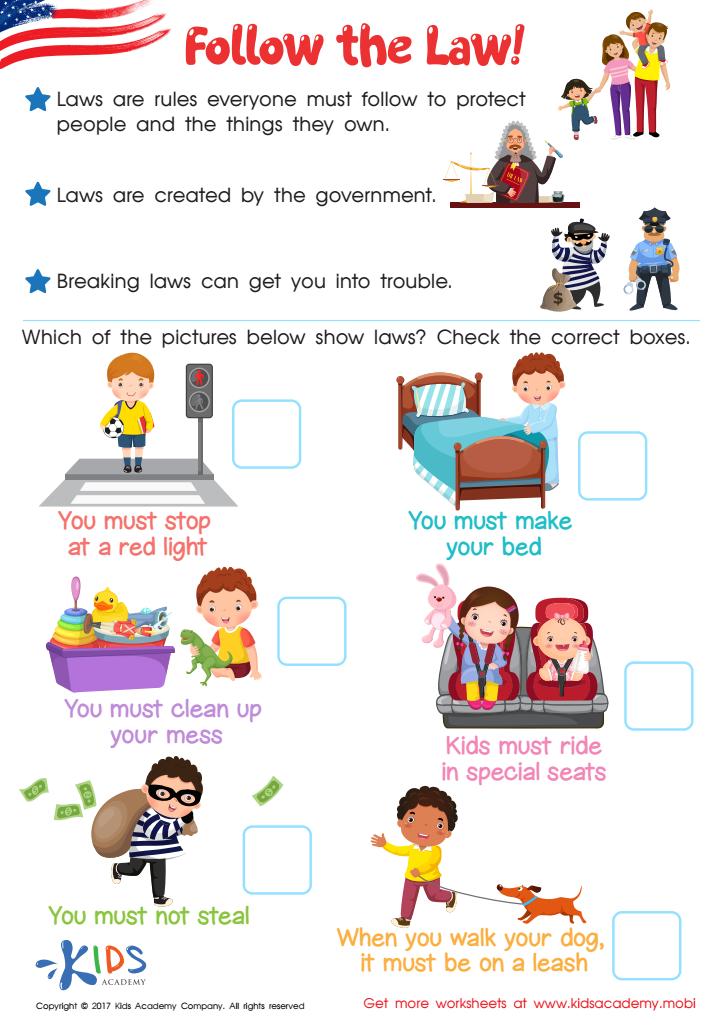
Follow the Law Worksheet
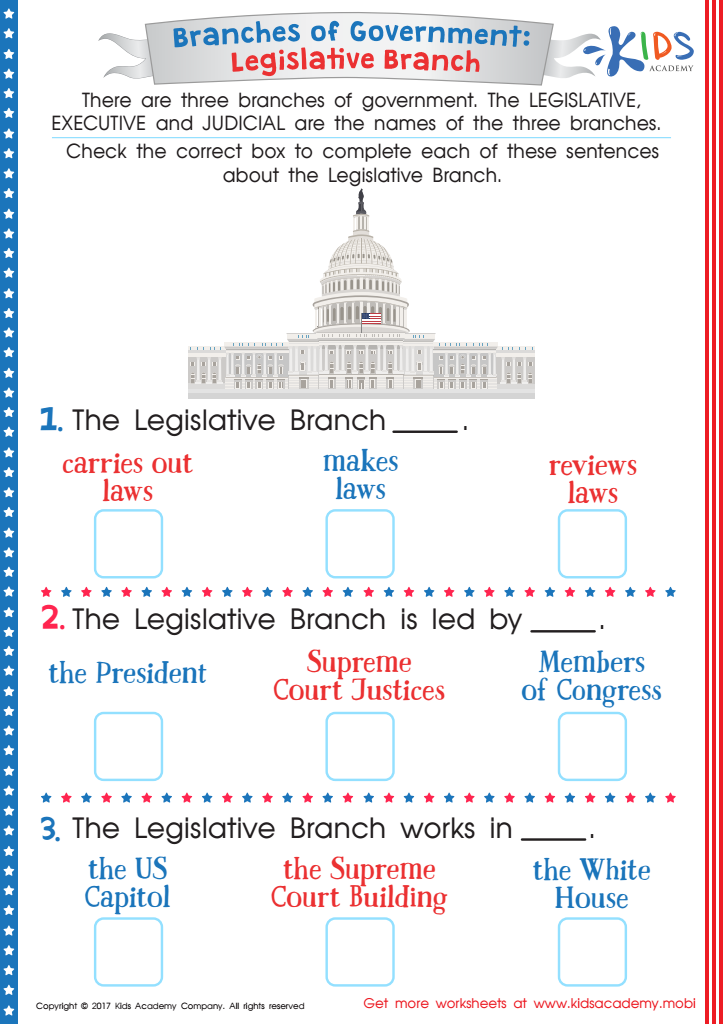
Branches of the Government: Legislative Branch Worksheet
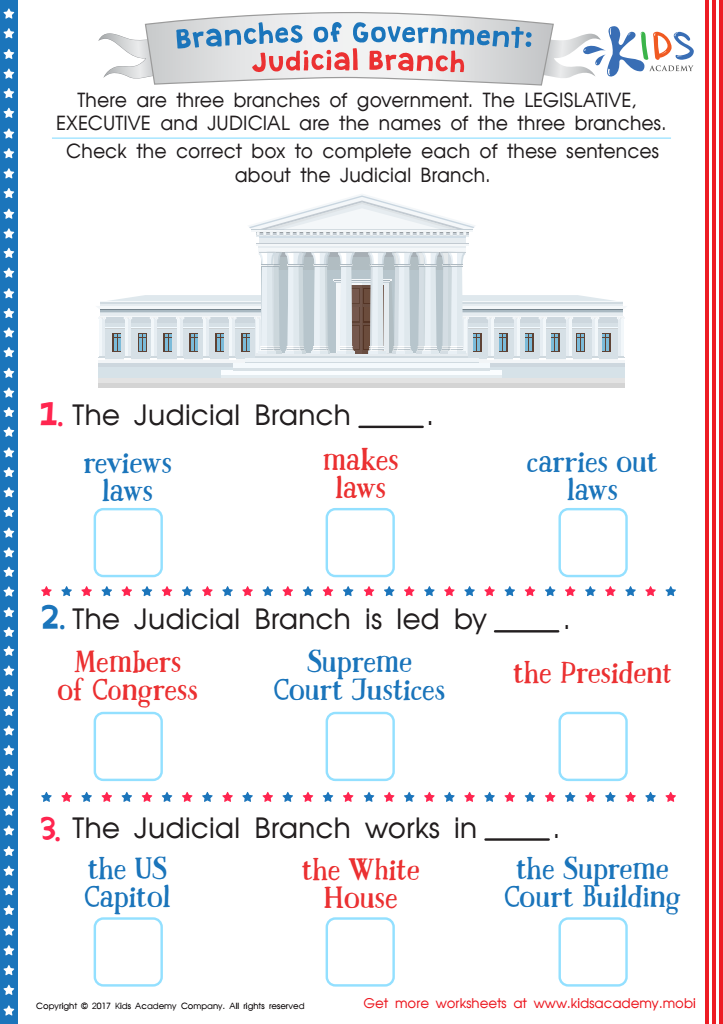
Braches of the Government: Judicial Branch Worksheet
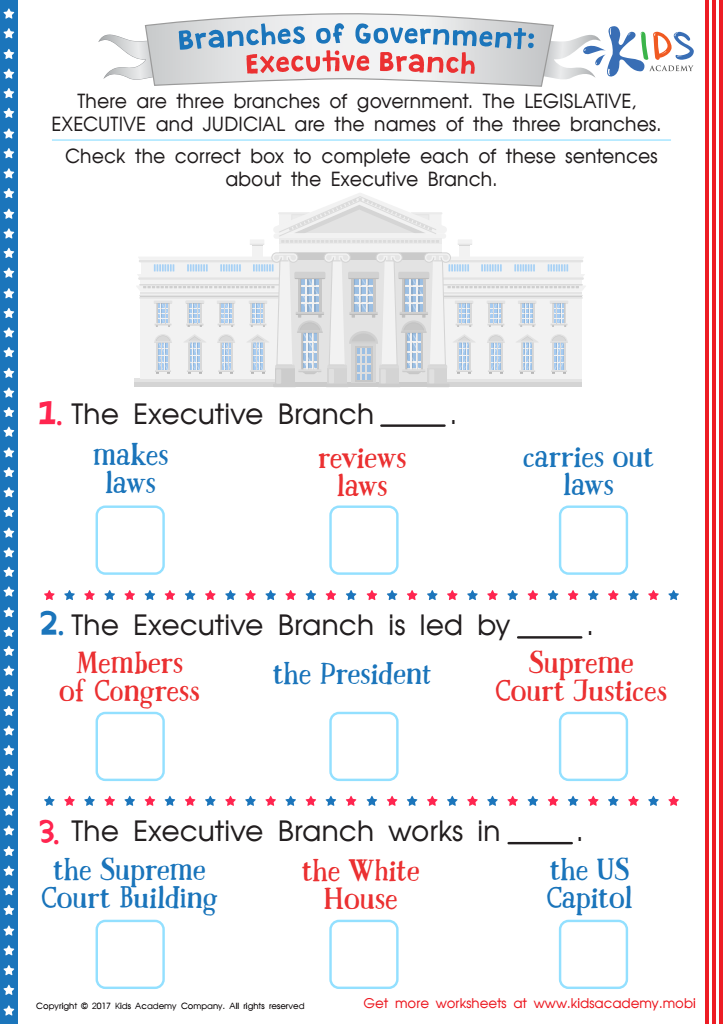
Branches of the Government: Executive Branch Printable
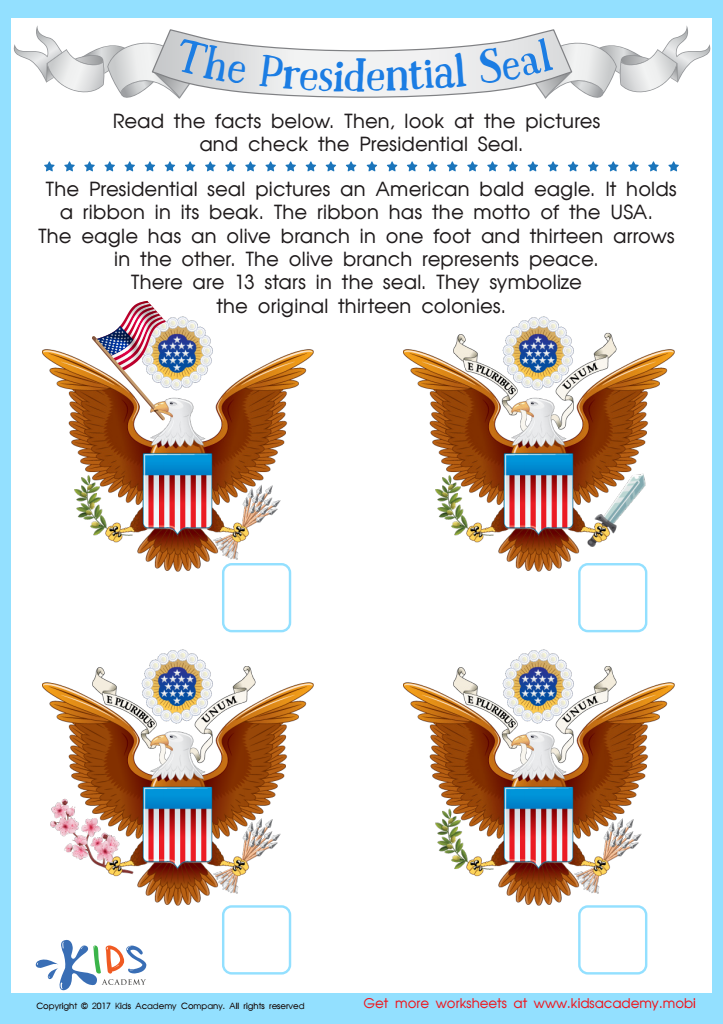
The Presidential Symbol Worksheet
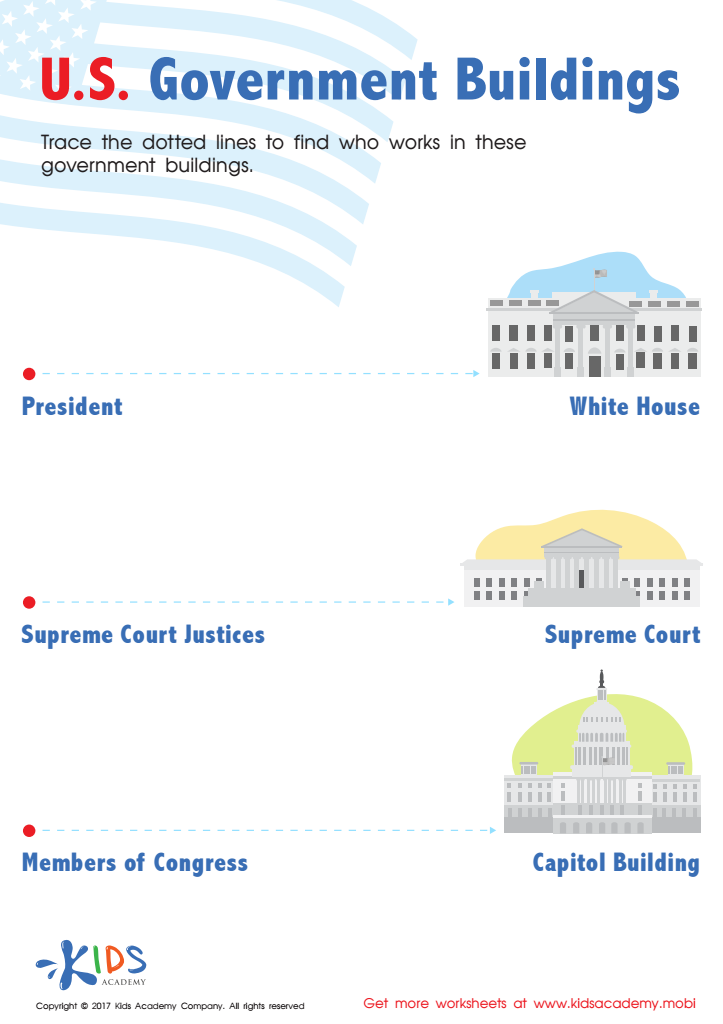
US Government Buildings Printable
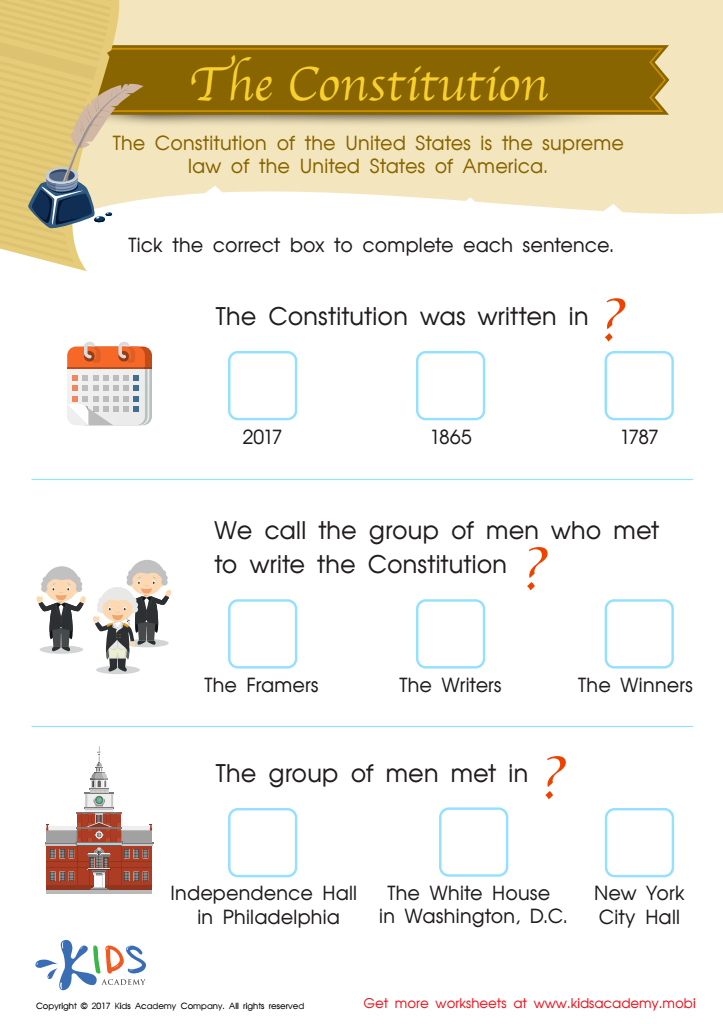
The Constitution Worksheet
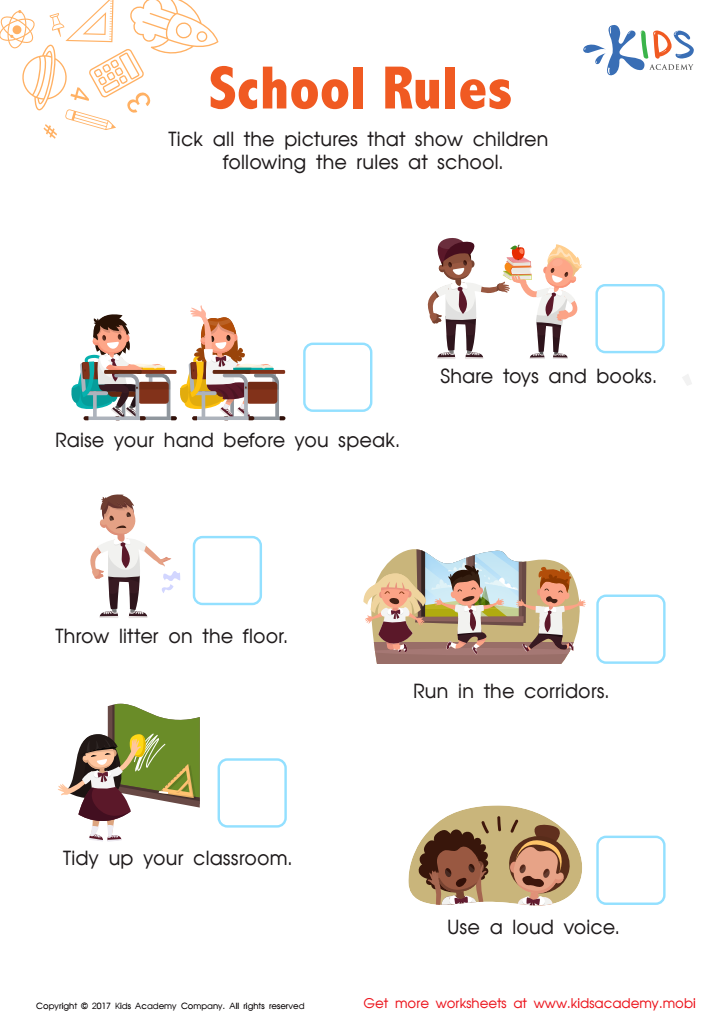
School Rules Worksheet
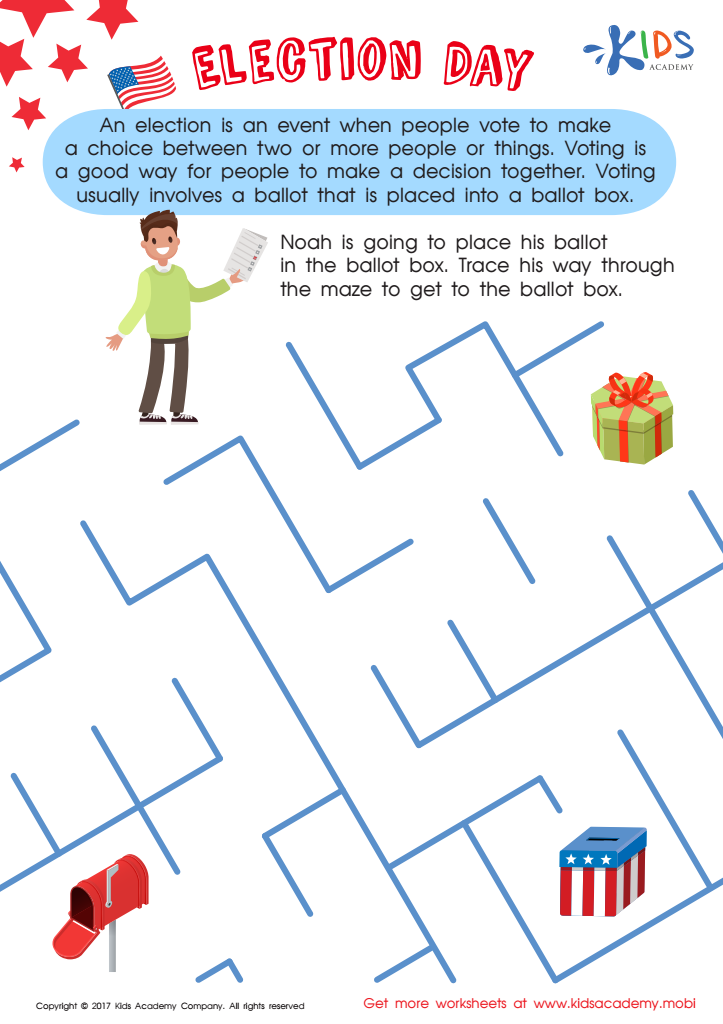
Election Day Worksheet
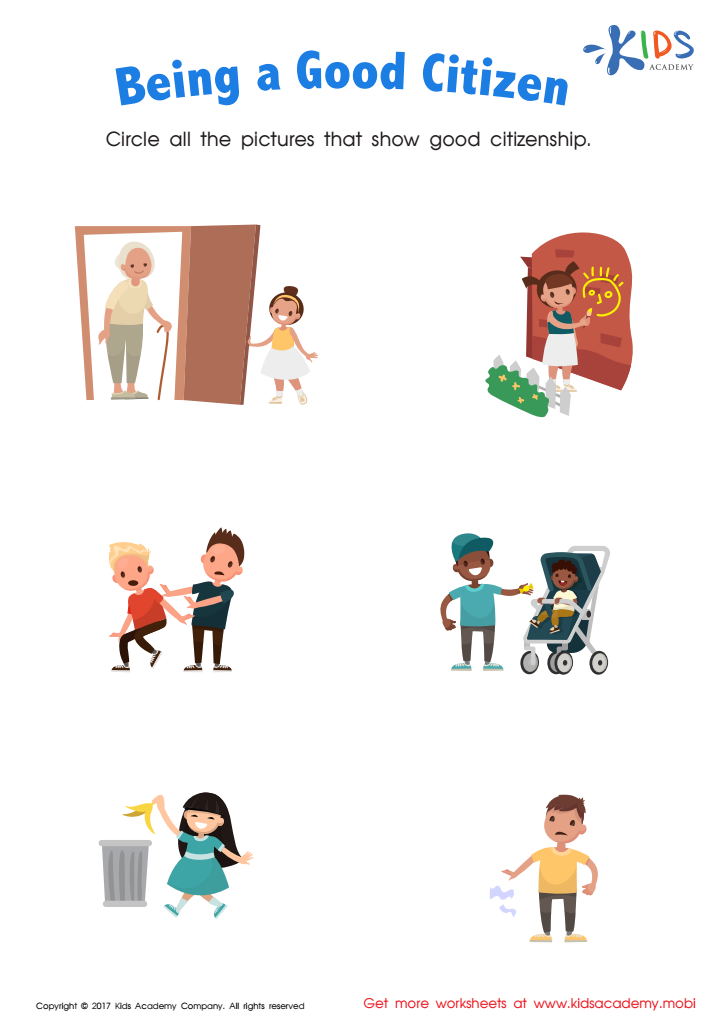
Being a Good Citizen Printable
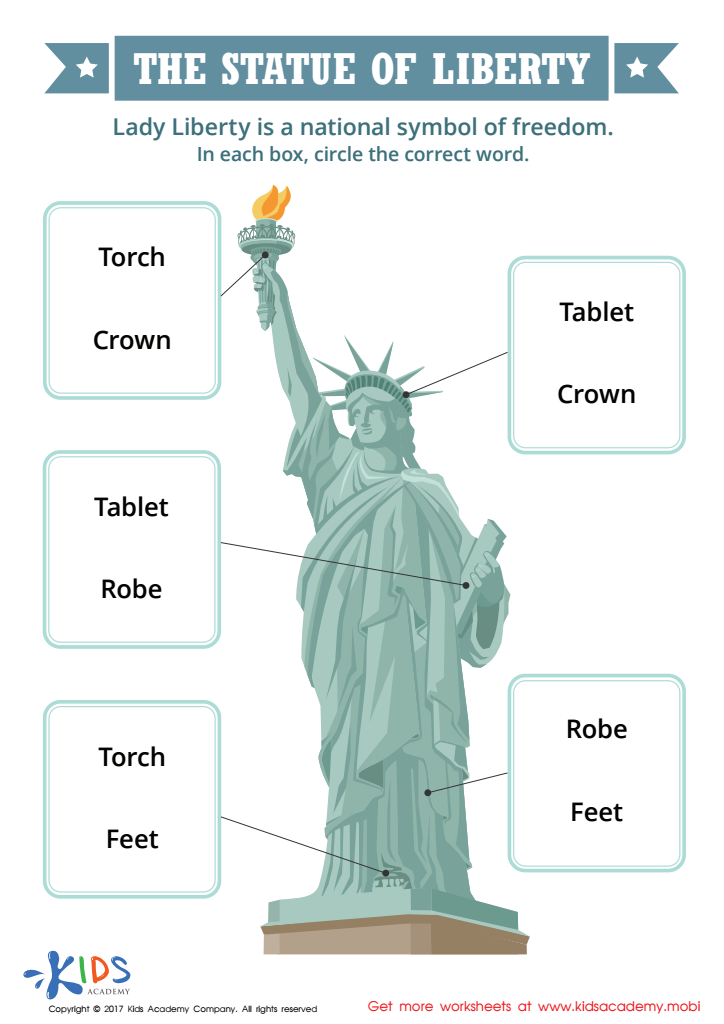
The Statue of Liberty Printable


Parents and teachers should prioritize Normal Governance and Civics for children aged 3-8 because it lays the groundwork for responsible citizenship in the future. During these formative years, children begin to understand basic social concepts—like fairness, cooperation, and respect for others. Introducing governance and civics at this stage helps them develop vital emotional and social skills, such as empathy and problem-solving.
When children learn about governing structures, they can better comprehend how decisions impact their lives and the community around them. Understanding rules and norms fosters a sense of belonging and encourages them to articulate their feelings and thoughts respectfully. It builds awareness of rights and responsibilities, helping to cultivate critical thinkers who will engage positively in society.
Moreover, early exposure to civics encourages children to participate actively in community life—be it through simple acts like sharing or helping others, or more complex involvement as they grow older. Parents and teachers can create activities to promote discussions about values, decisions, and teamwork both at home and in the classroom. By integrating Normal Governance and Civics into early education, we empower the next generation to navigate their world thoughtfully and contribute to a more empathetic, active citizenry.