Normal Worksheets for Ages 3-9 - Page 69
1638 filtered results
-
From - To
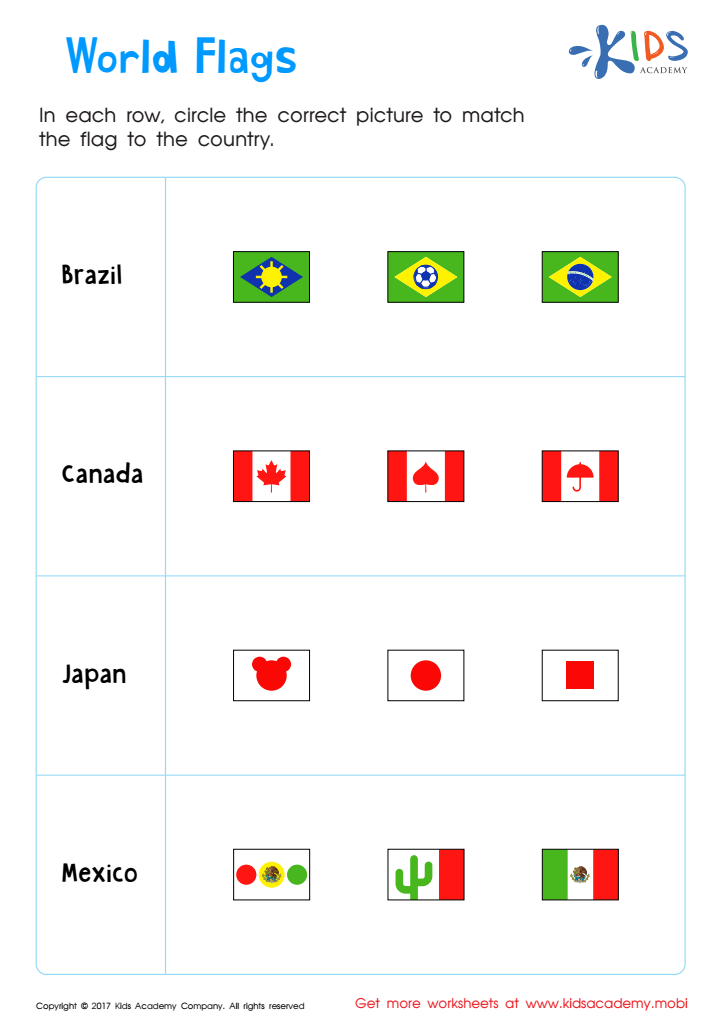
World Flags Printable
 Assign to My Students
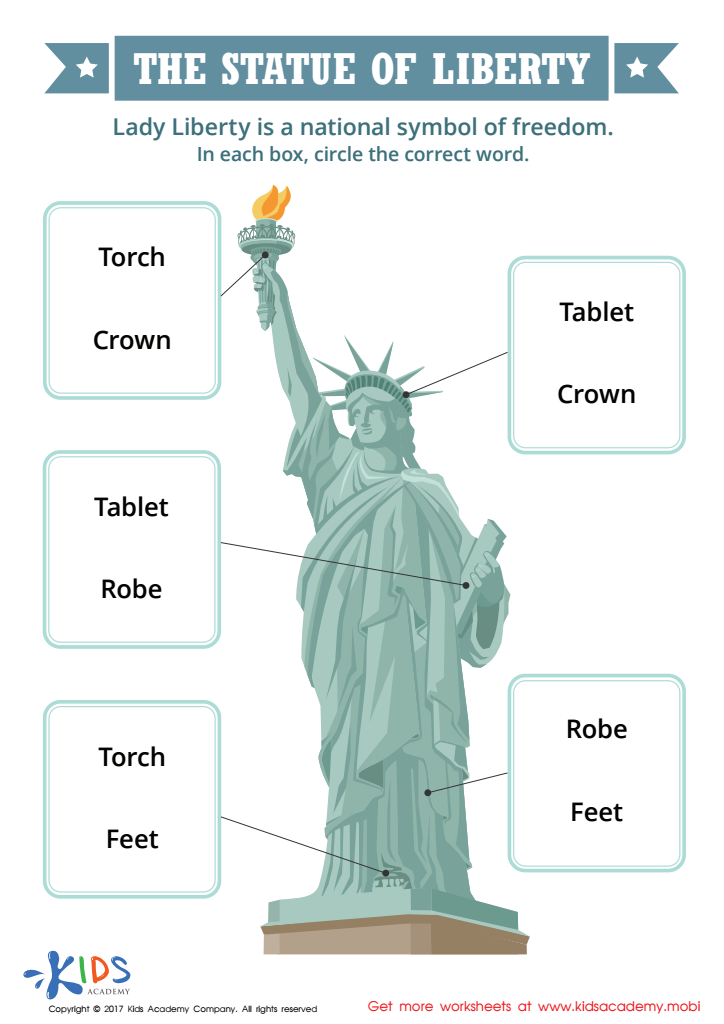
The Statue of Liberty Printable
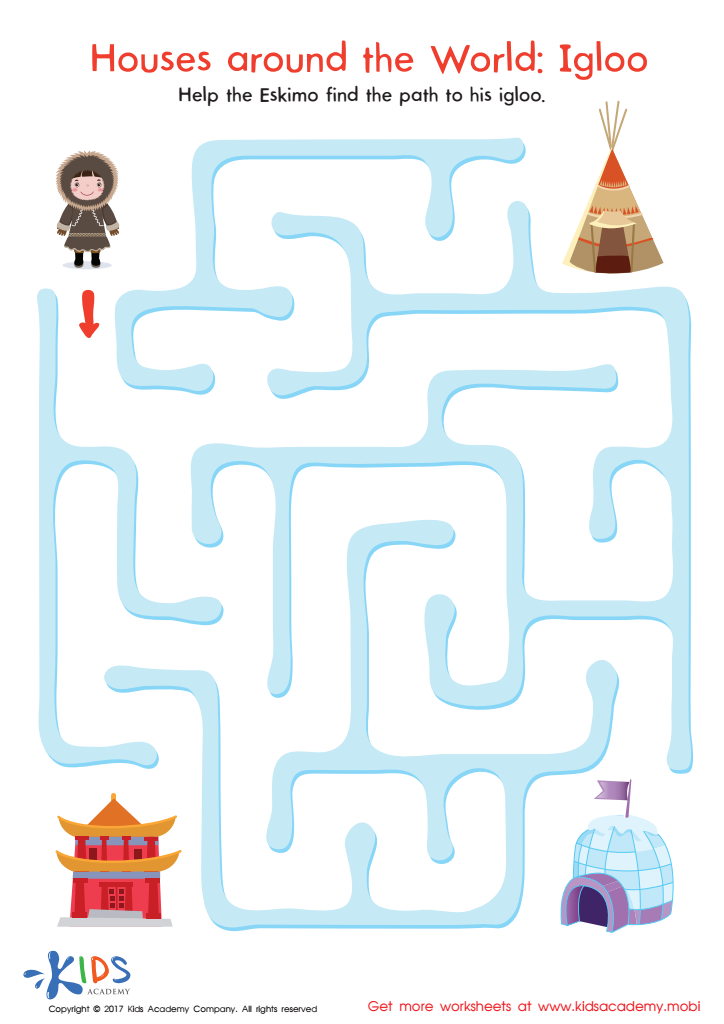
Houses Around the World: Igloo Printable
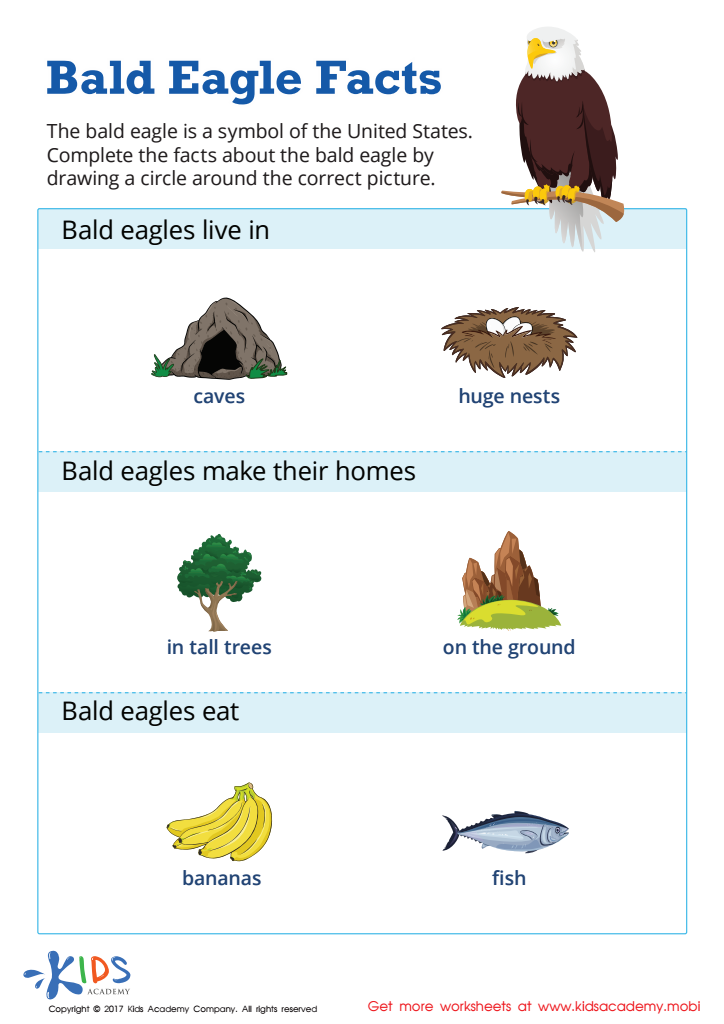
Bald Eagle Facts Worksheet
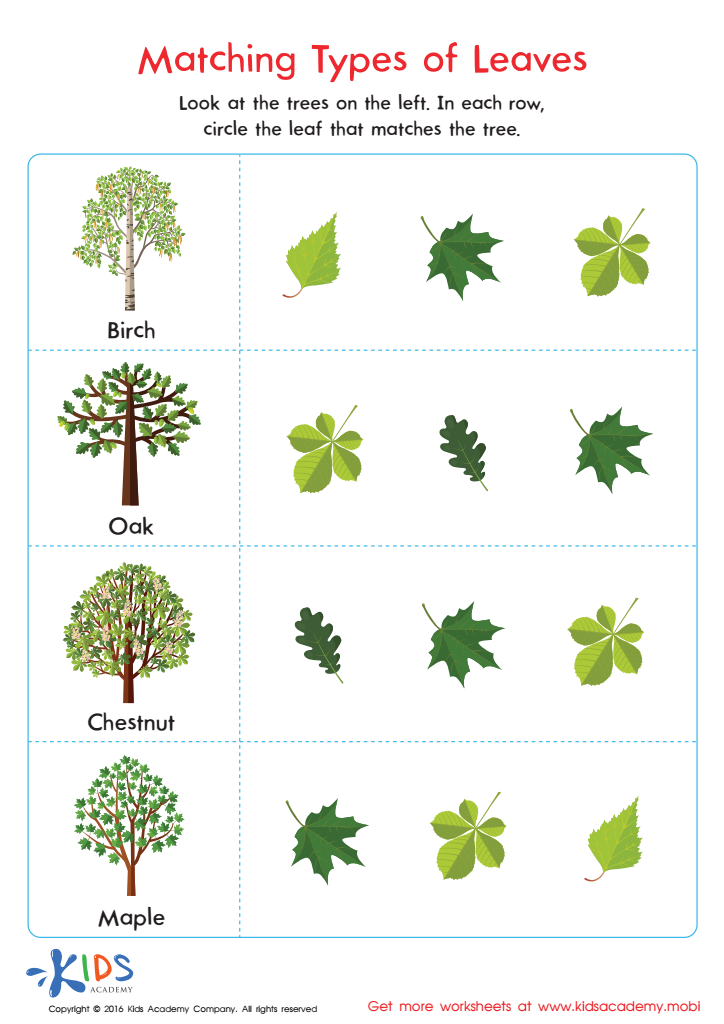
Matching Types of Leaves Printable
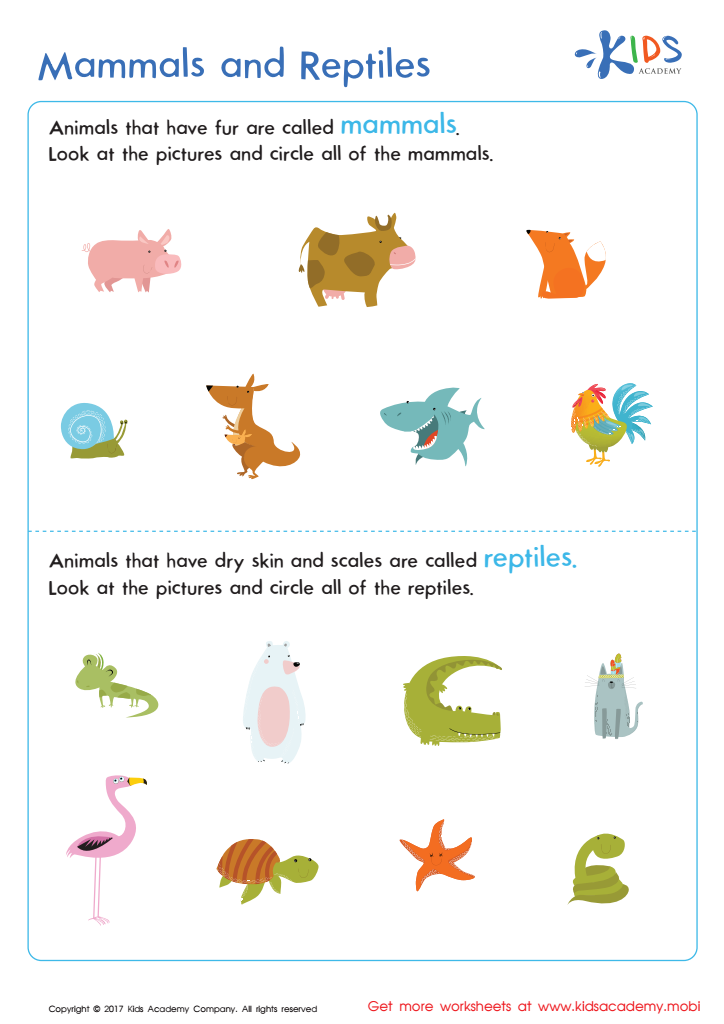
Mammals and Reptiles Worksheet




.jpg)



Normal development for children aged 3-9 is a critical period when foundational skills are established, greatly impacting future learning and emotional well-being. Parents and teachers should care about this developmental stage due to several reasons.
Firstly, children in this age range undergo significant cognitive, social, and emotional growth. Understanding "normal" helps caregivers identify typical behaviors, enabling them to support healthy development and intervene when necessary. For instance, recognizing typical speech milestones aids in early identification of potential speech delays.
Secondly, this age is crucial for developing social skills and emotional regulation. Normal behavior expectations help adults nurture empathetic relationships and guide conflict resolution among peers. Parents and teachers can cultivate an environment that promotes cooperation and communication.
Additionally, supporting normal developmental milestones fosters a sense of security and self-worth in children. When parents and teachers celebrate achievements and provide constructive challenges, they instill confidence and a love for learning.
Moreover, awareness of developmental norms fosters collaboration between home and school, ensuring children receive consistent support. Overall, caring about normal development is essential for fostering well-rounded, resilient children, setting the stage for successful lifelong learning and healthy relationships.








