Normal Place Value Worksheets for Ages 3-9 - Page 2
43 filtered results
-
From - To
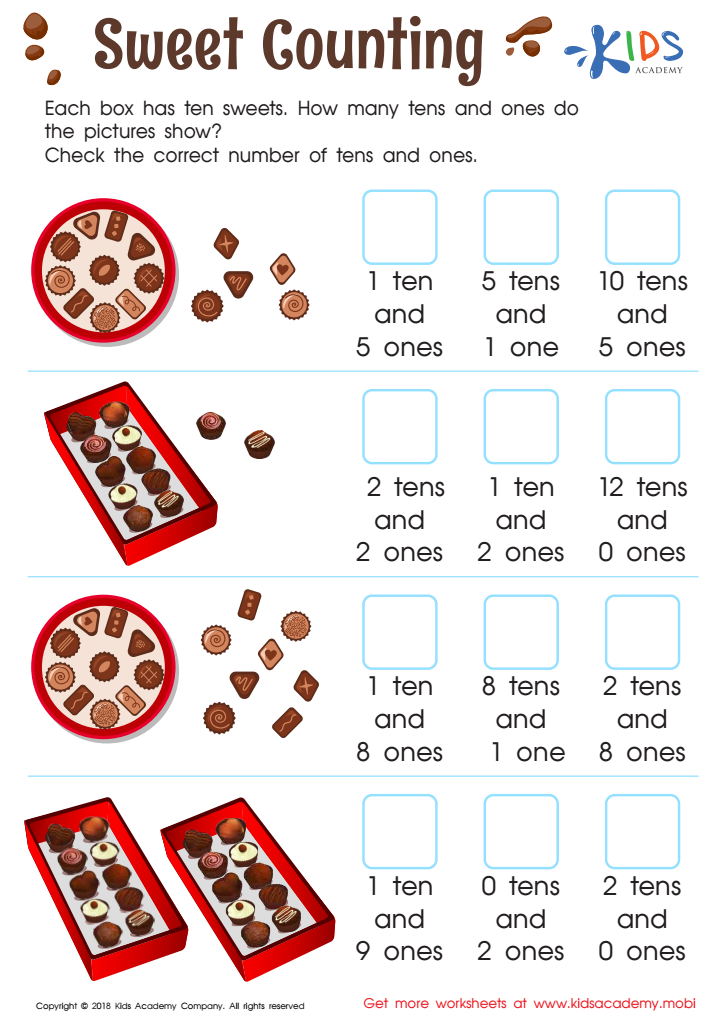
Sweet Counting - Part 2 Worksheet
 Assign to My Students

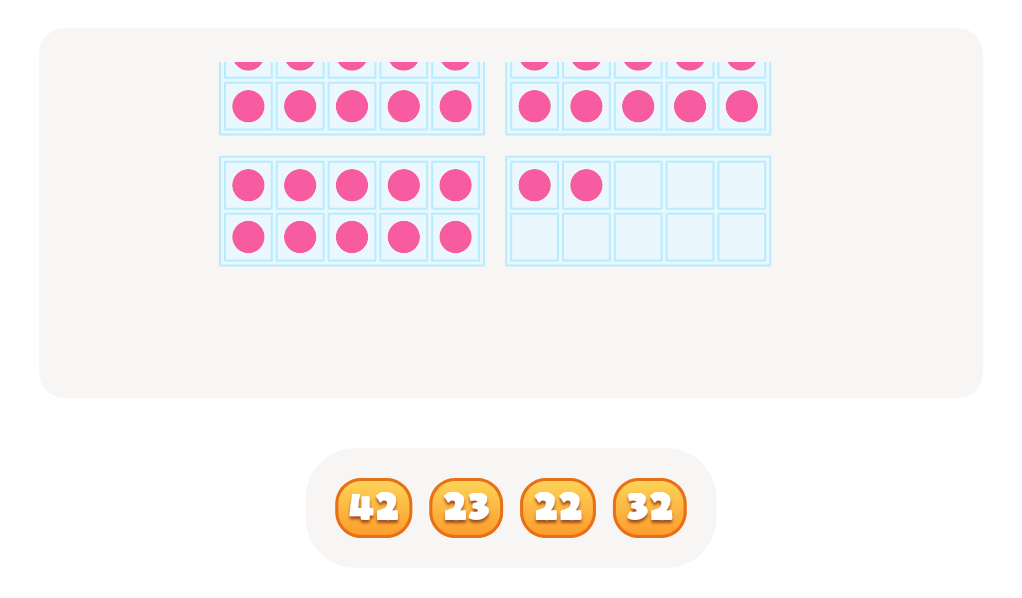
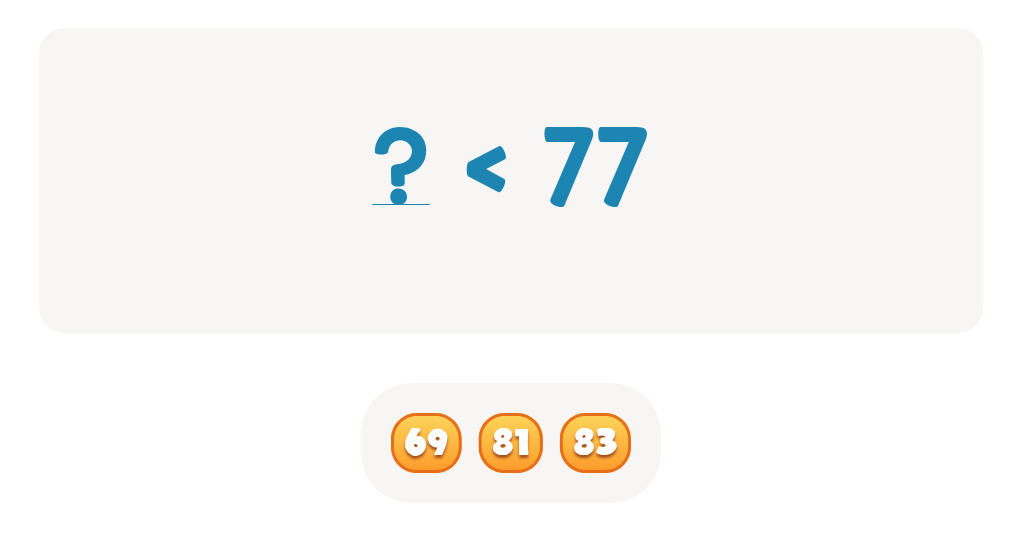
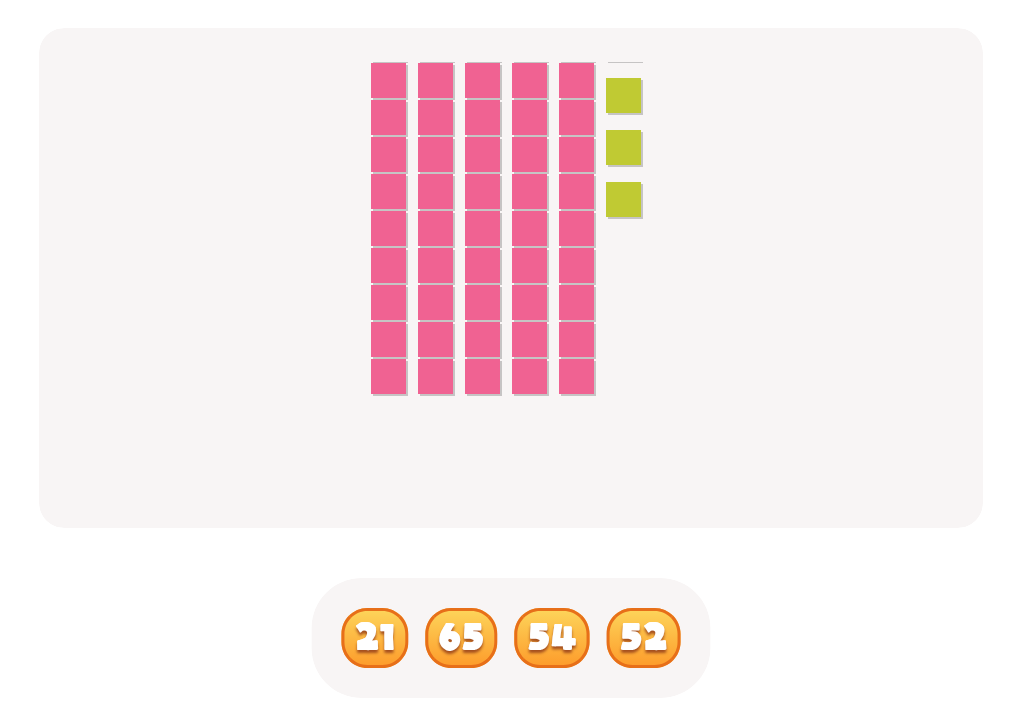
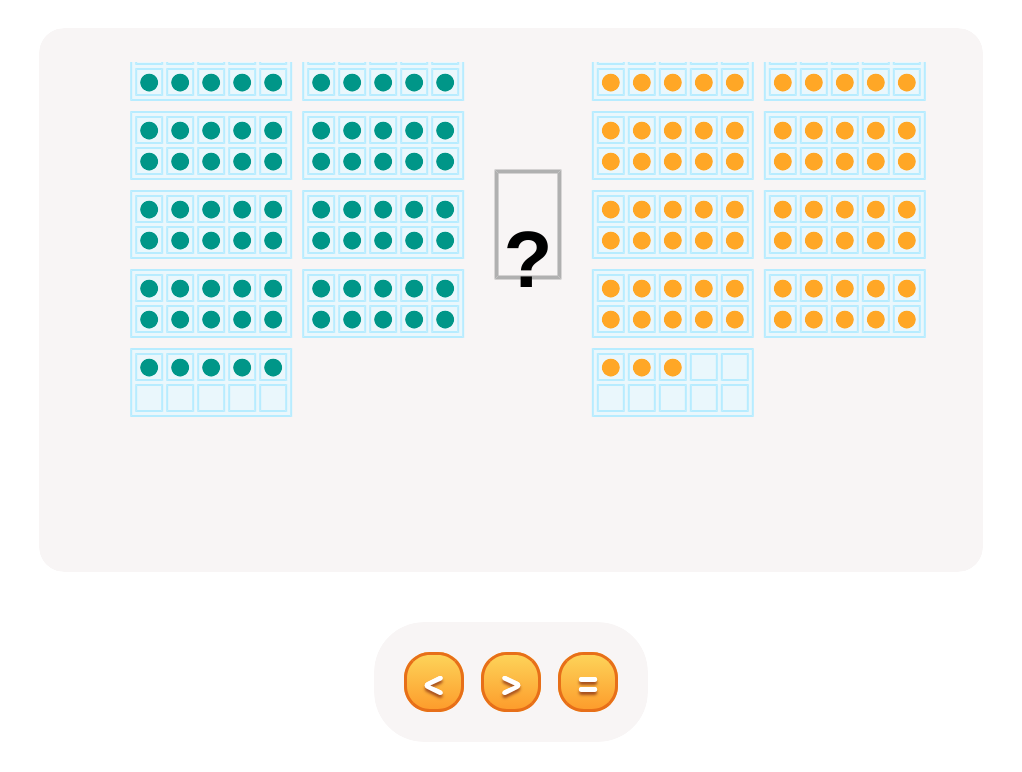
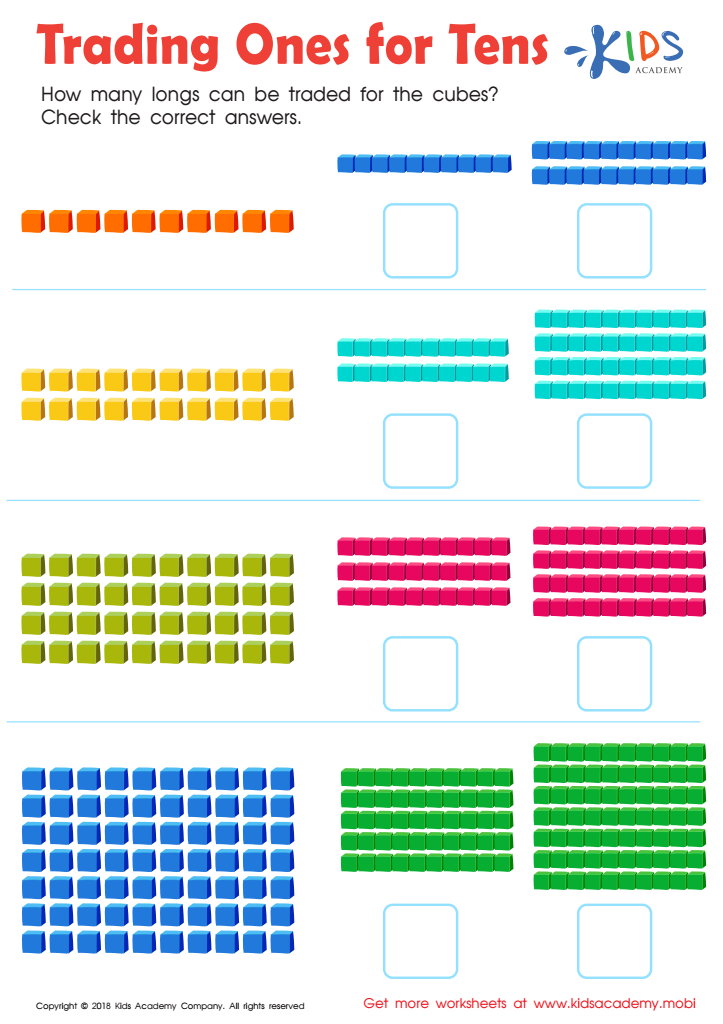
Trading Ones for Tens Worksheet: Part 2
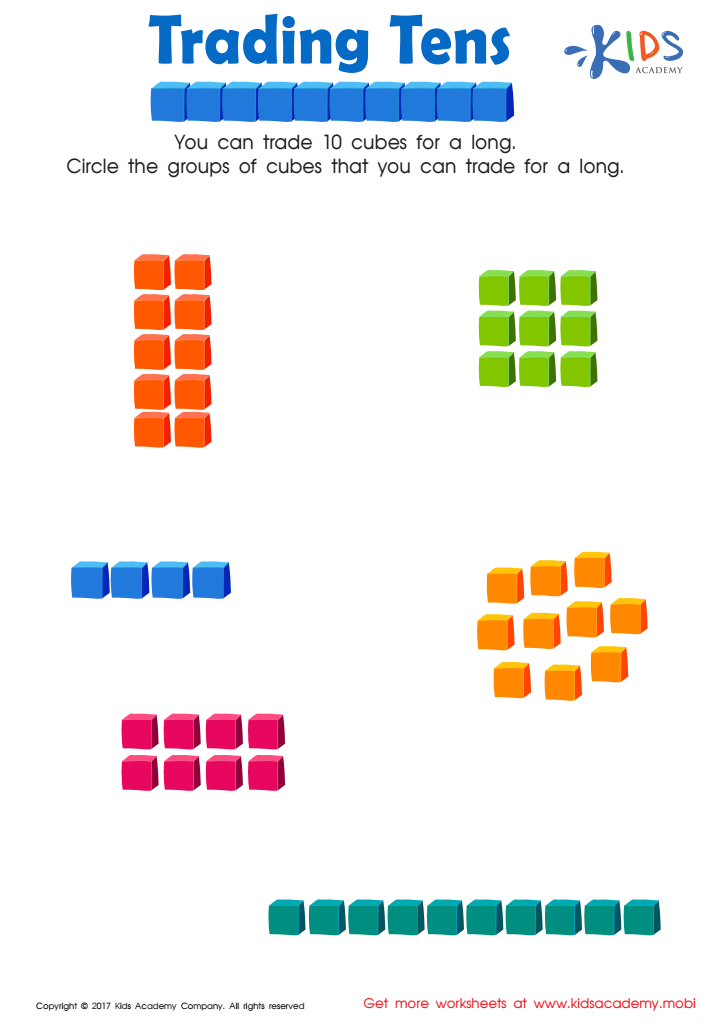
Trading Tens Worksheet
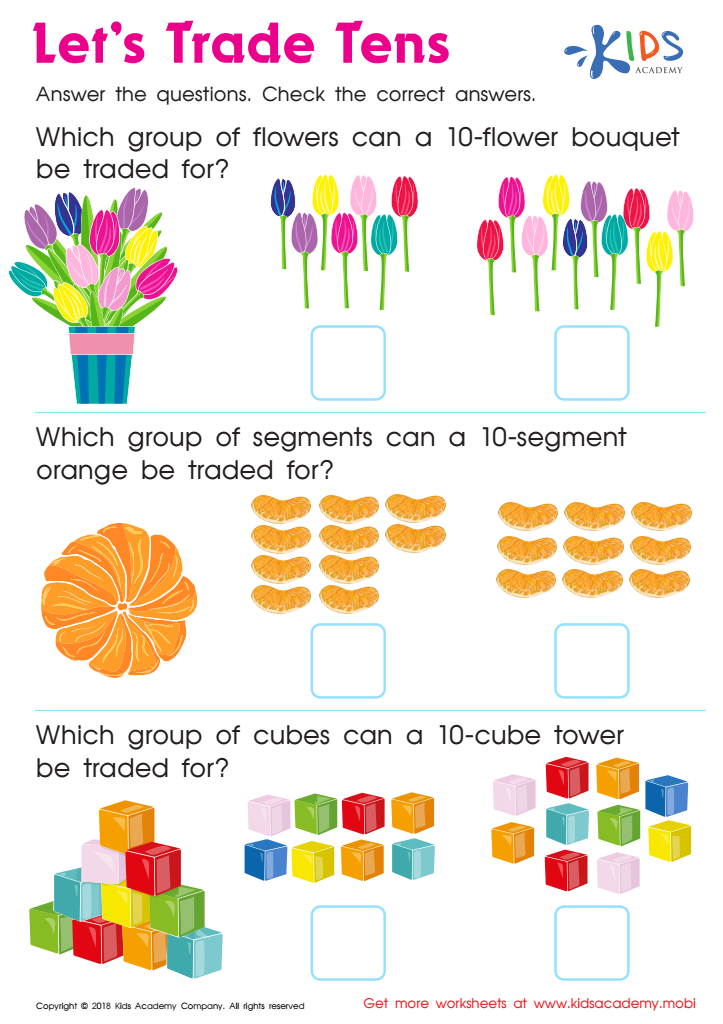
Lets Trade Tens Worksheet
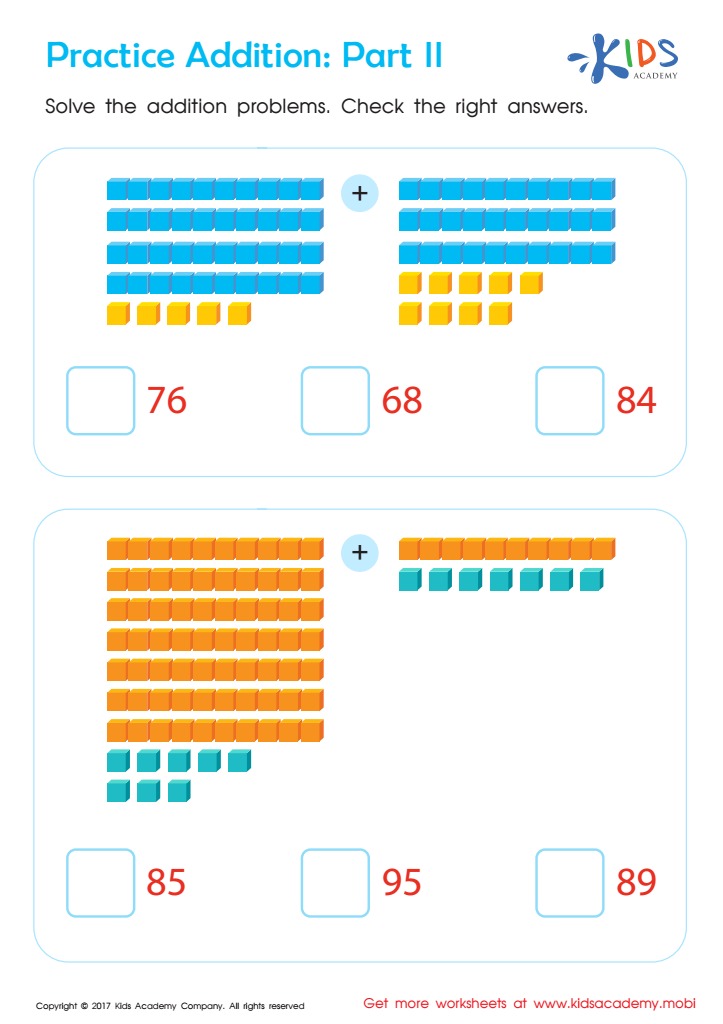
Practice Addition: Part 2 Worksheet
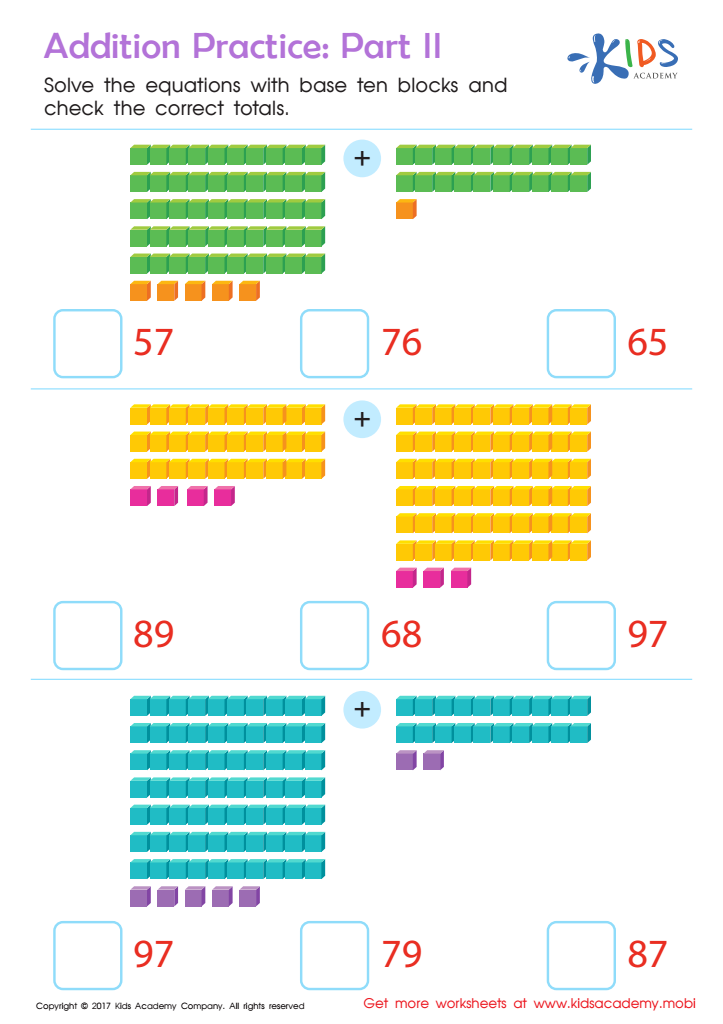
Addition Practice Sheet: Part 2
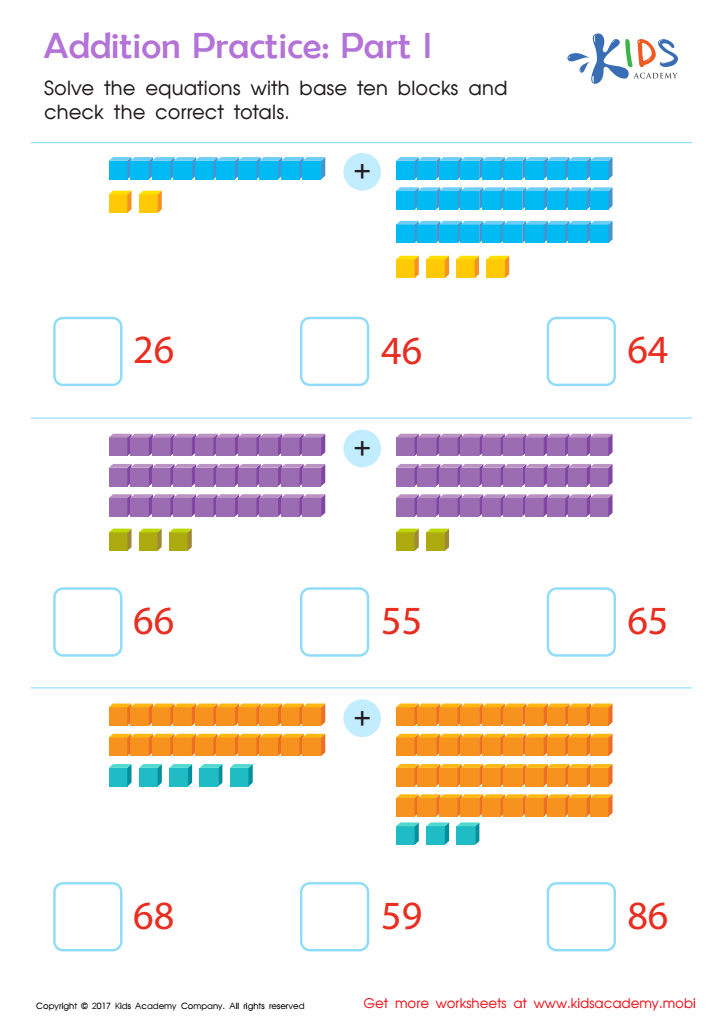
Addition Practice Sheet: Part 1
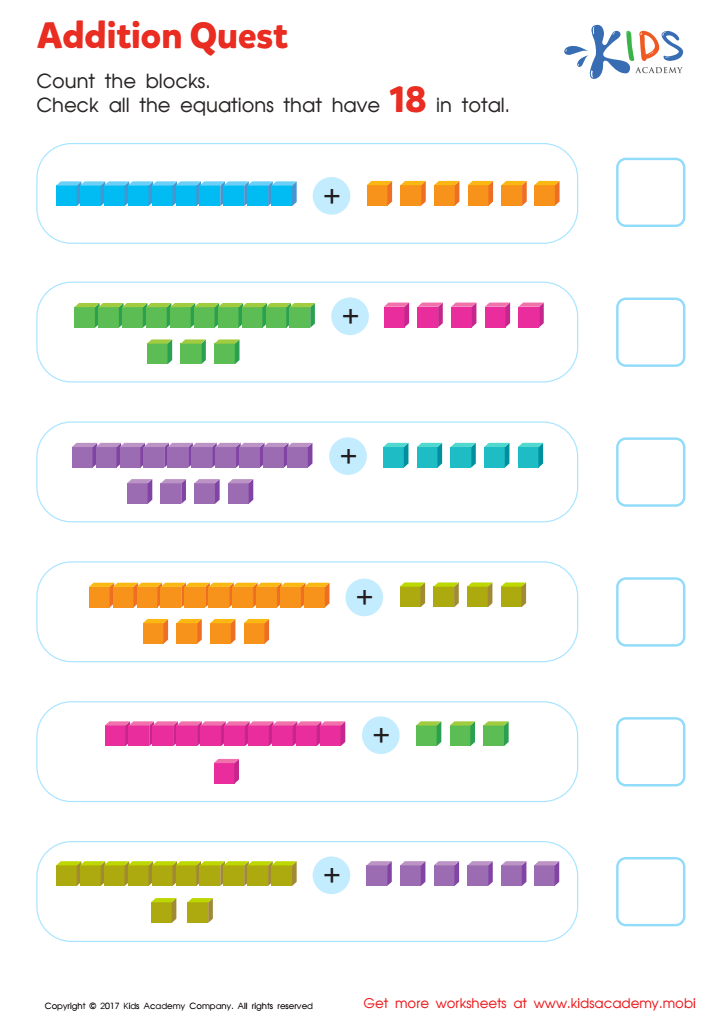
Addition Quest Worksheet: Part 2
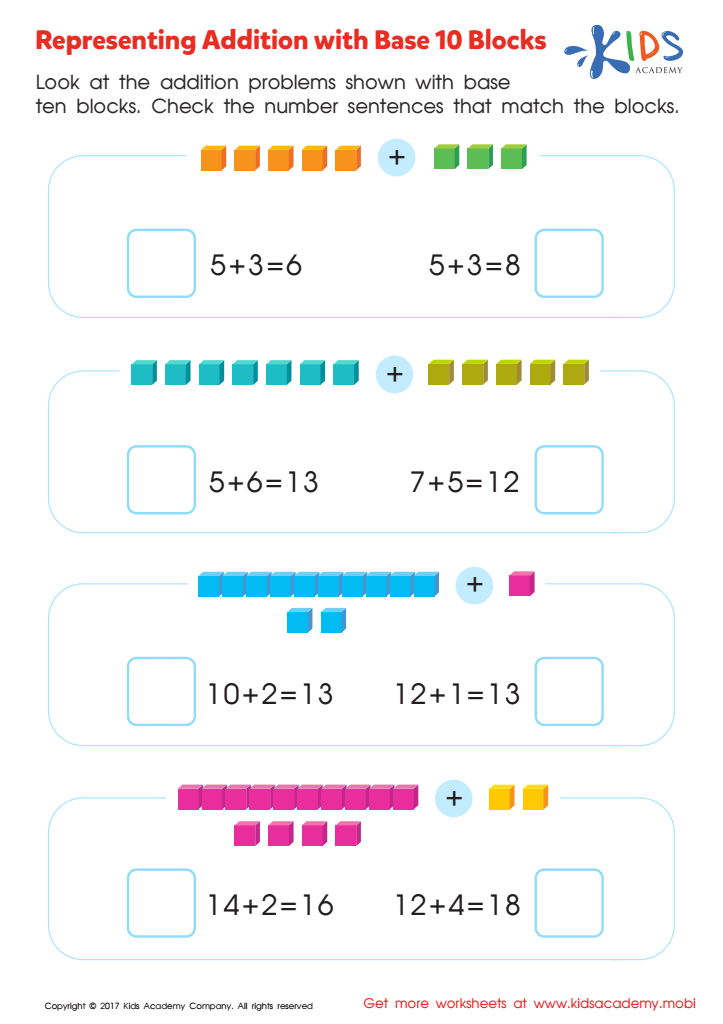
Representing Addition with Base 10 Blocks Worksheet
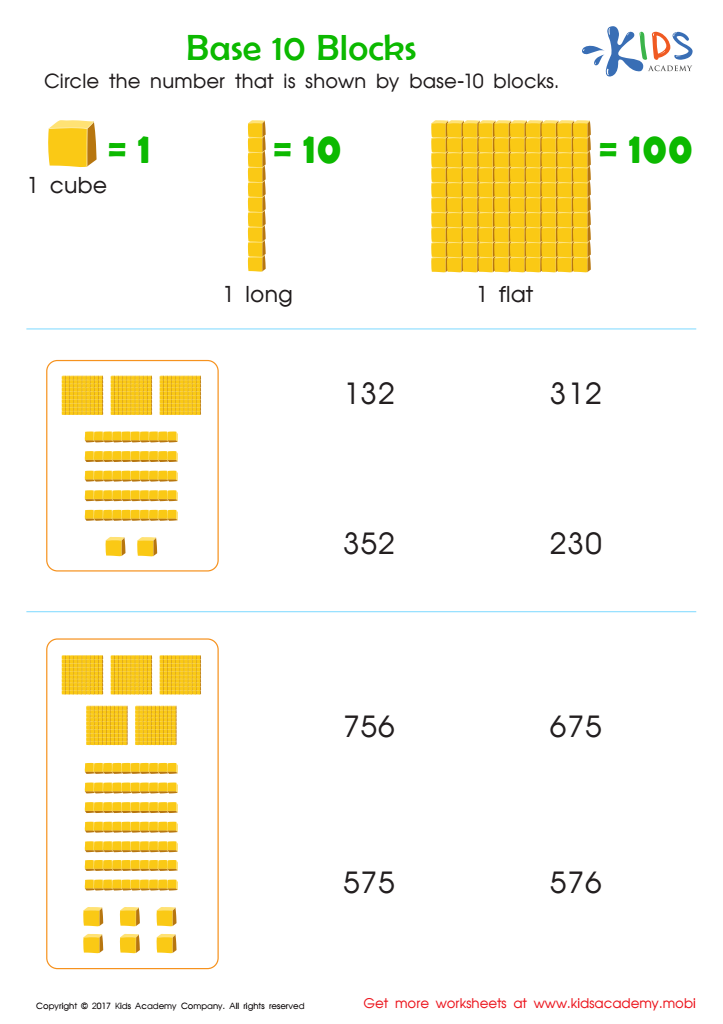
Base Ten Blocks Worksheet
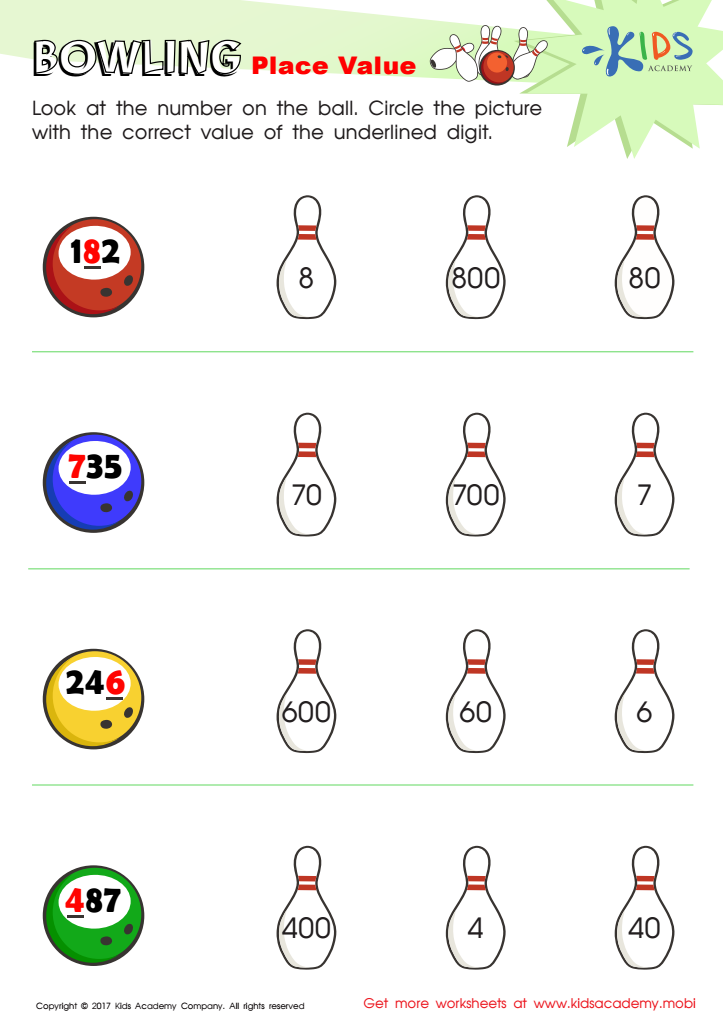
Place Value Worksheet
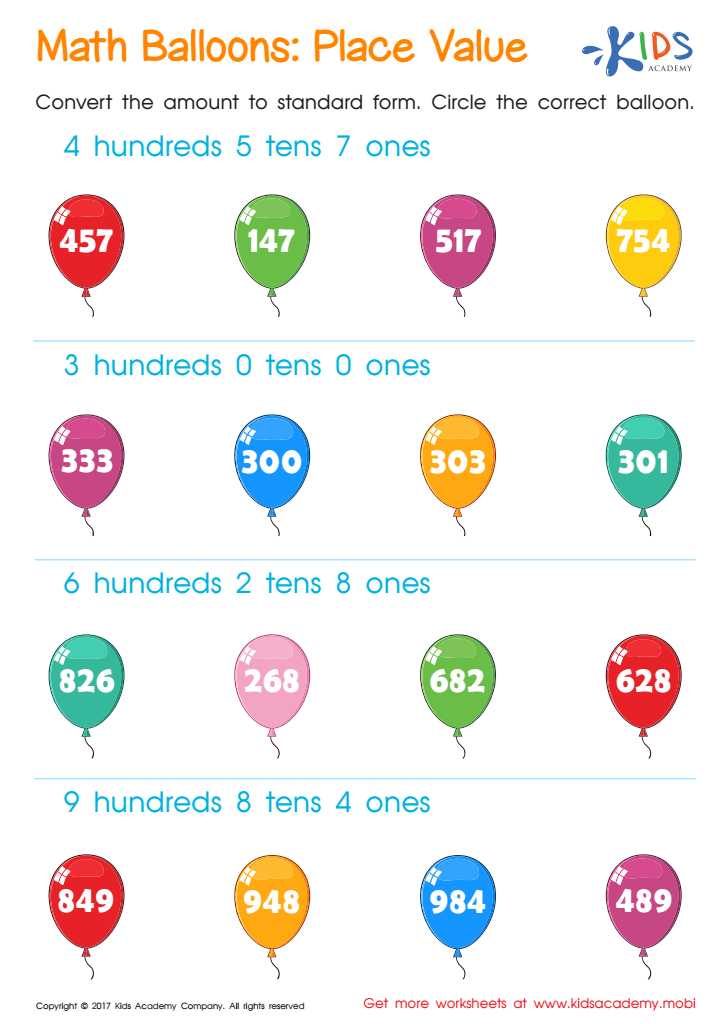
Place Value Printable Worksheet
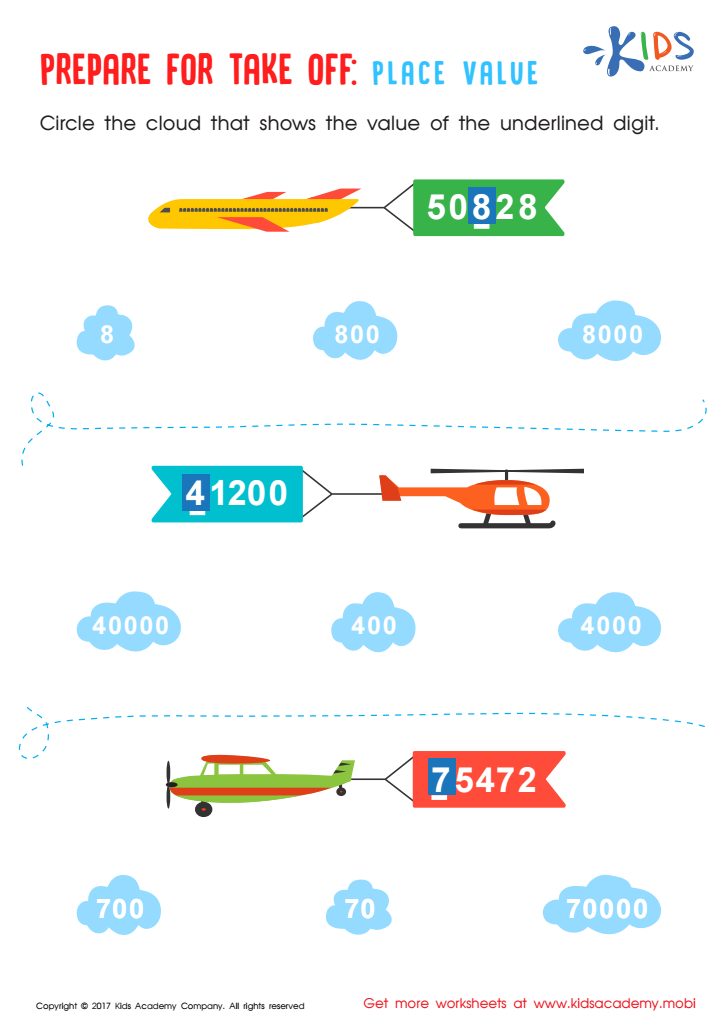
Free Place Value Worksheet for 3rd Grade
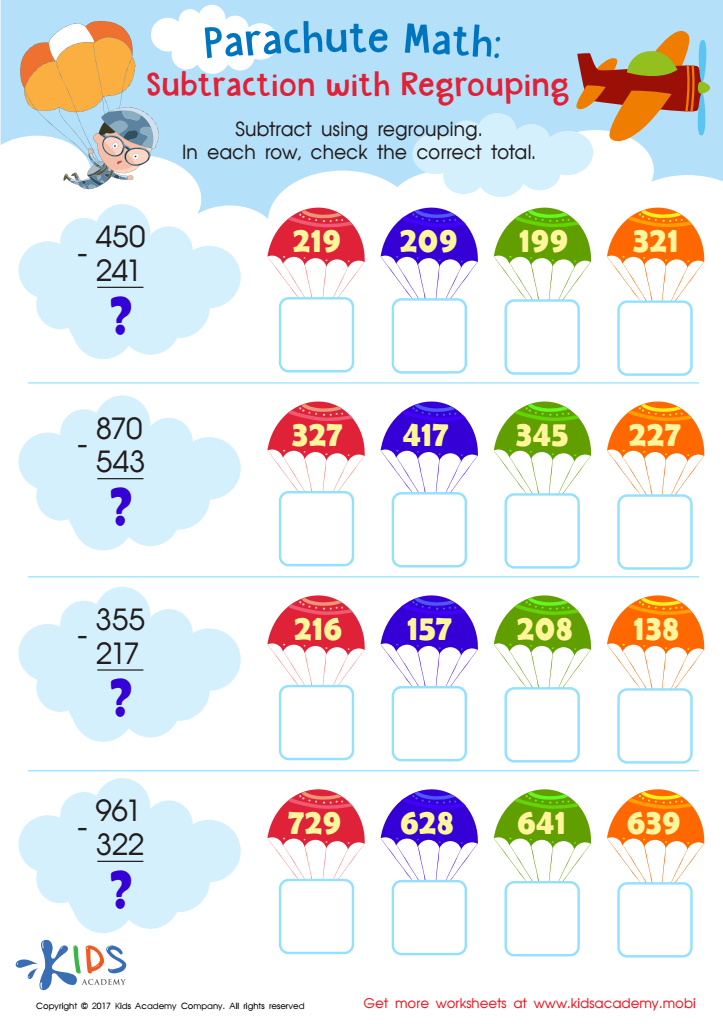
Subtraction with Regrouping for 3rd Grade Worksheet
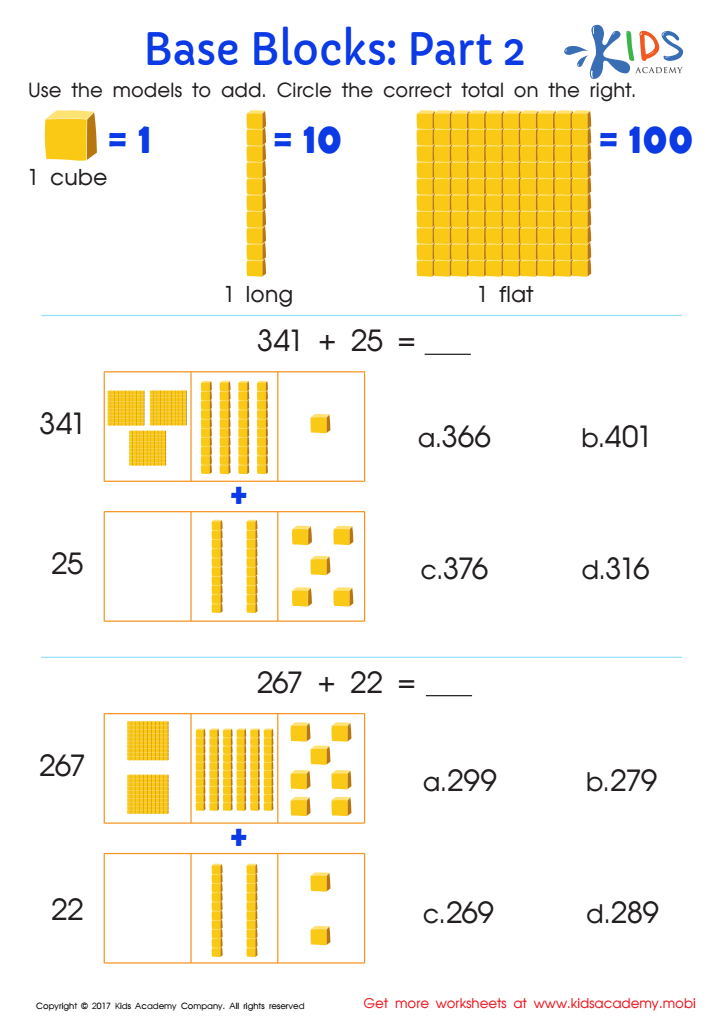
Base Ten Blocks Worksheet: Part 2
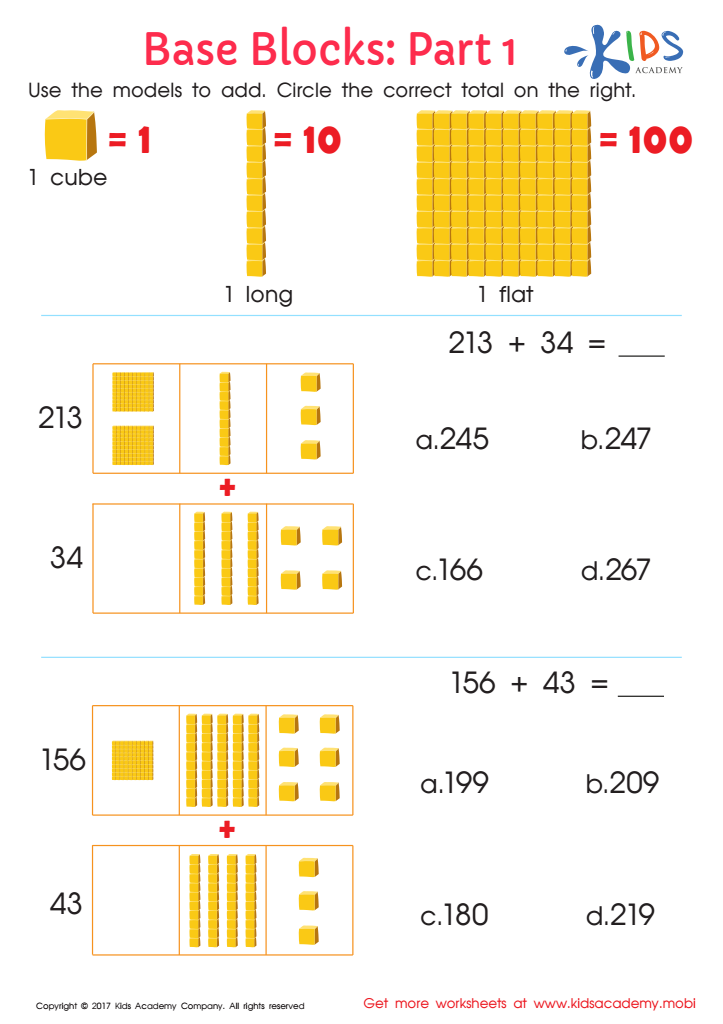
Base Ten Blocks Worksheet: Part 1
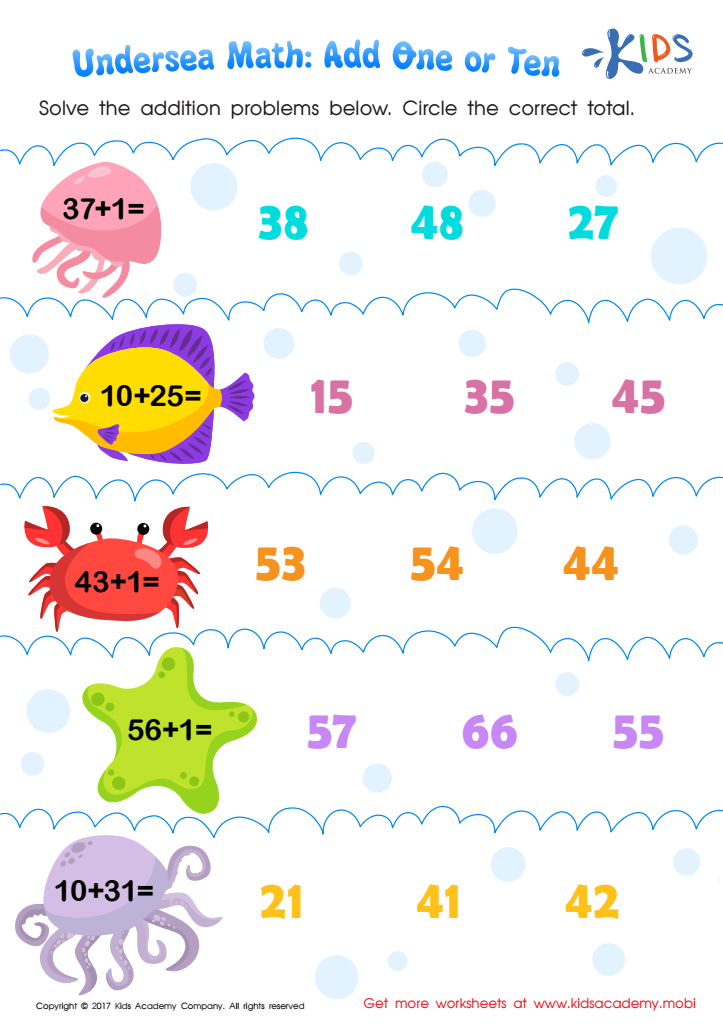
Undersea Math Worksheet
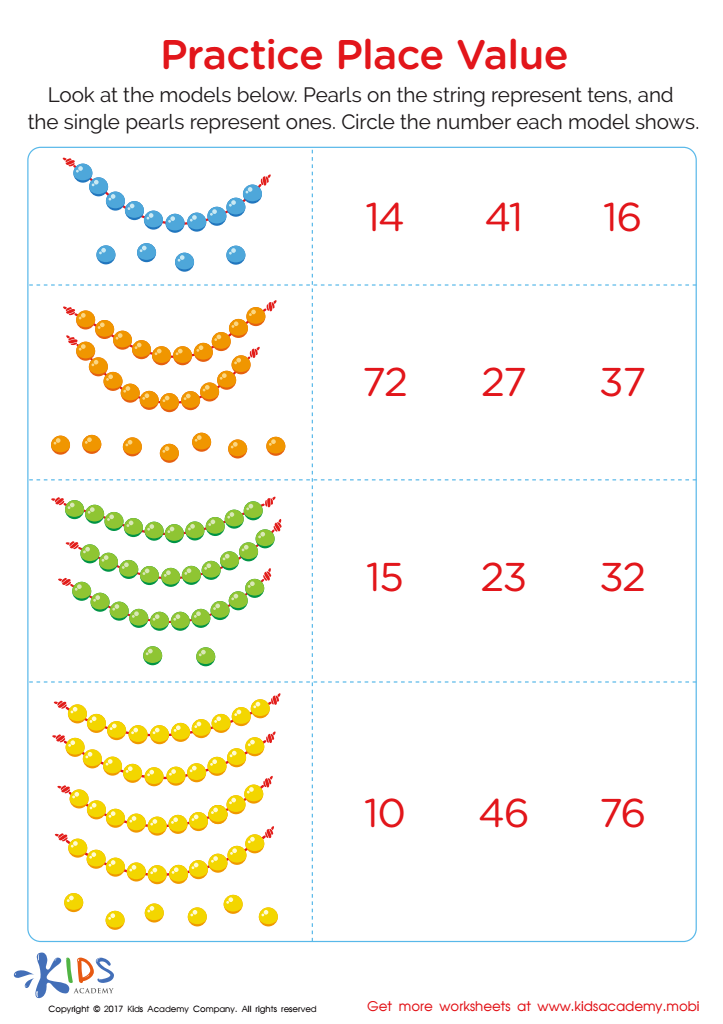
Practice Place Value Printable
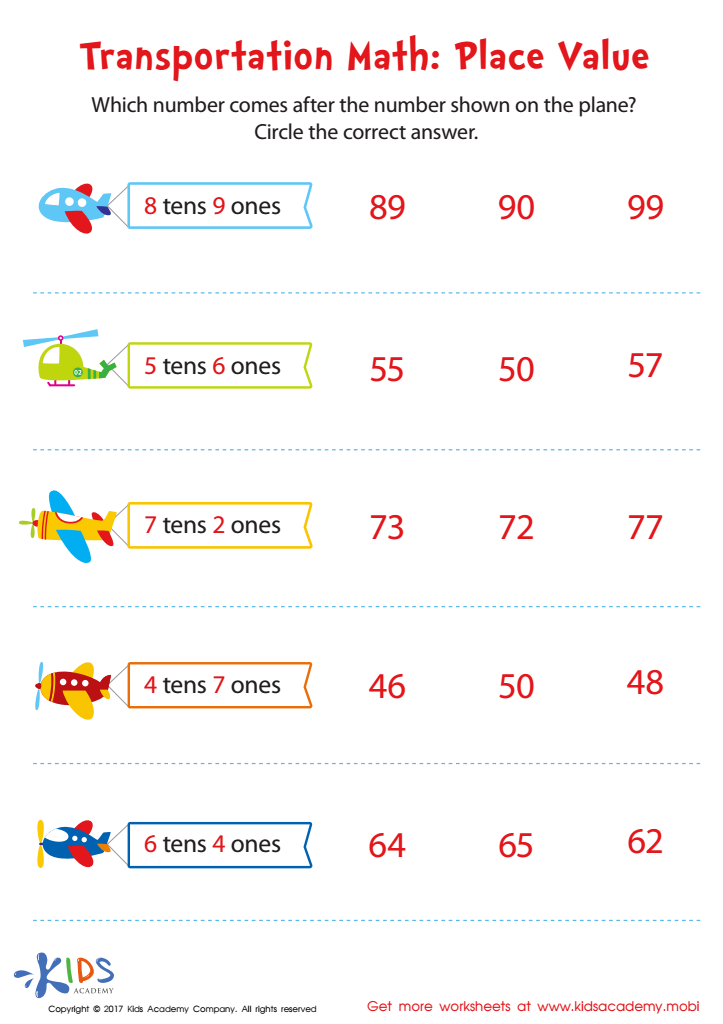
Transportation Math Printable





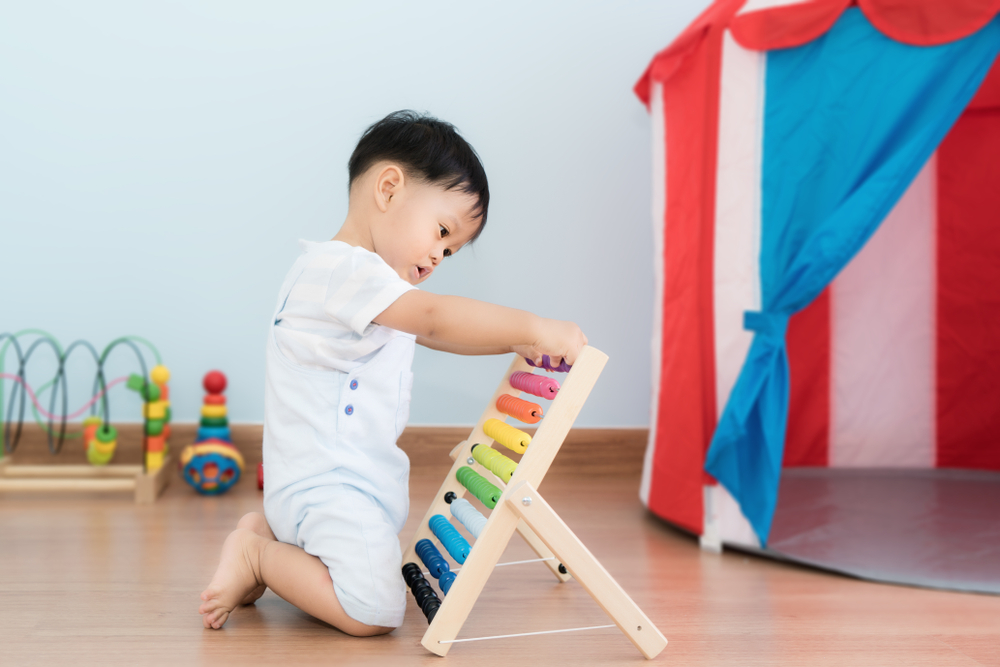


Understanding normal place value is fundamental for children aged 3-9 as it serves as the foundation for their mathematical development. Place value is the system where the position of a digit in a number determines its value (e.g., in the number 342, the 3 represents 300, the 4 represents 40, and the 2 represents 2). Recognizing this concept allows children to build a more profound understanding of numbers, enhancing their arithmetic skills, problem-solving abilities, and logical thinking.
Parents and teachers should care about place value because it impacts a child's academic journey. Mastering place value promotes confidence in mathematics, which is crucial for success in more advanced arithmetic, including addition, subtraction, multiplication, and division. A solid grasp of place value also aids in recognizing patterns, understanding fractions, and working with decimals, advancing literacy in mathematics.
Additionally, embedding place value concepts into everyday activities makes learning relatable and engaging, whether through counting objects, using blocks, or playing math games. By fostering a strong place value knowledge early on, we empower children to develop critical thinking, resilience, and a positive attitude toward learning, paving the way for lifelong mathematical competence and enjoyment.