Normal Reading Non-Fiction Worksheets for Ages 3-9 - Page 2
69 filtered results
-
From - To
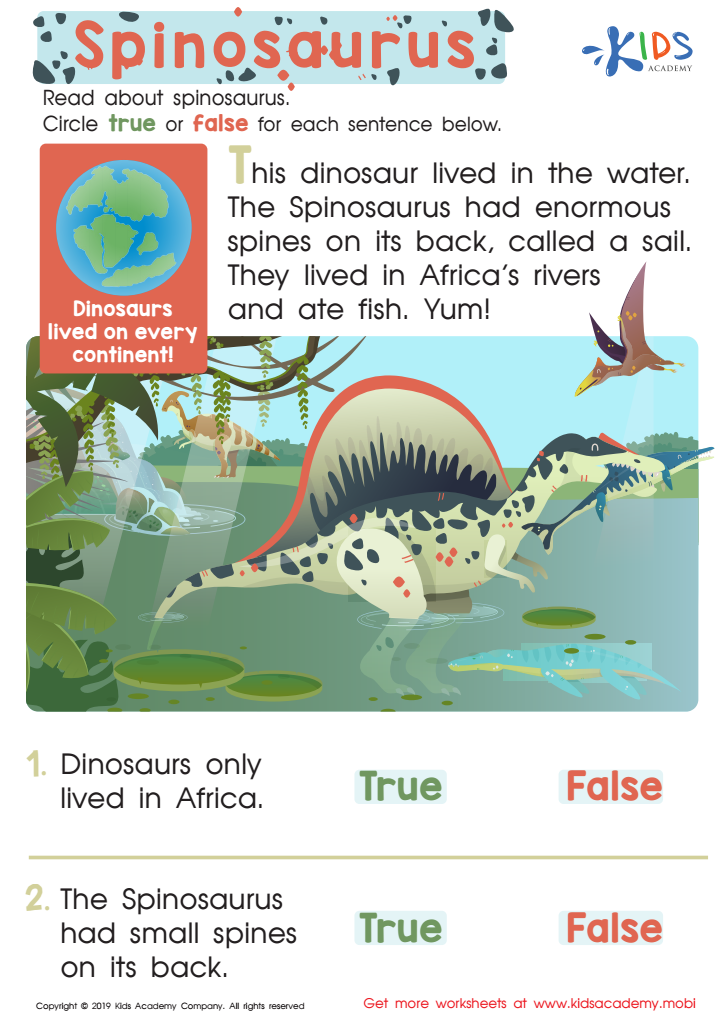
Spinosaurus Assessment Worksheet
 Assign to My Students
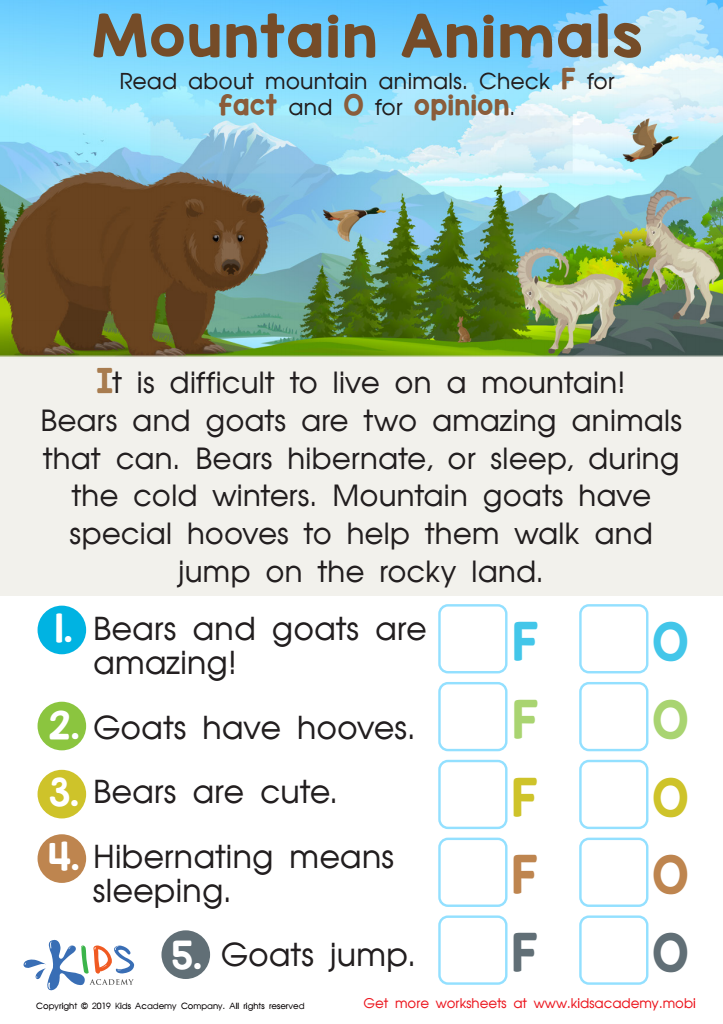
Mountain Animals Worksheet
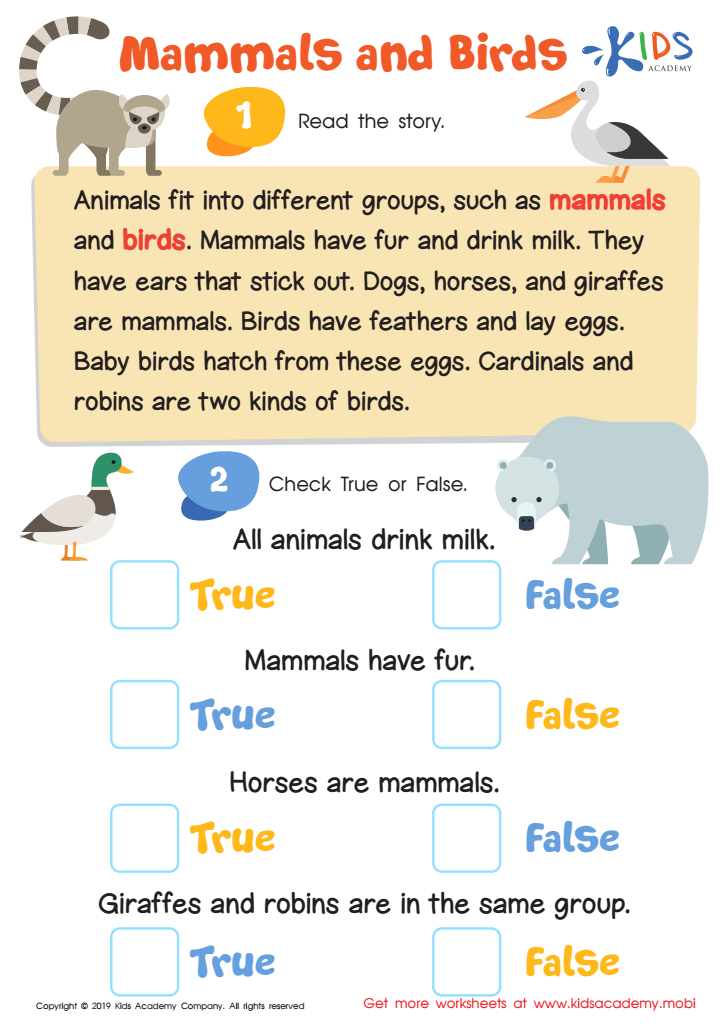
Mammals and Birds Worksheet
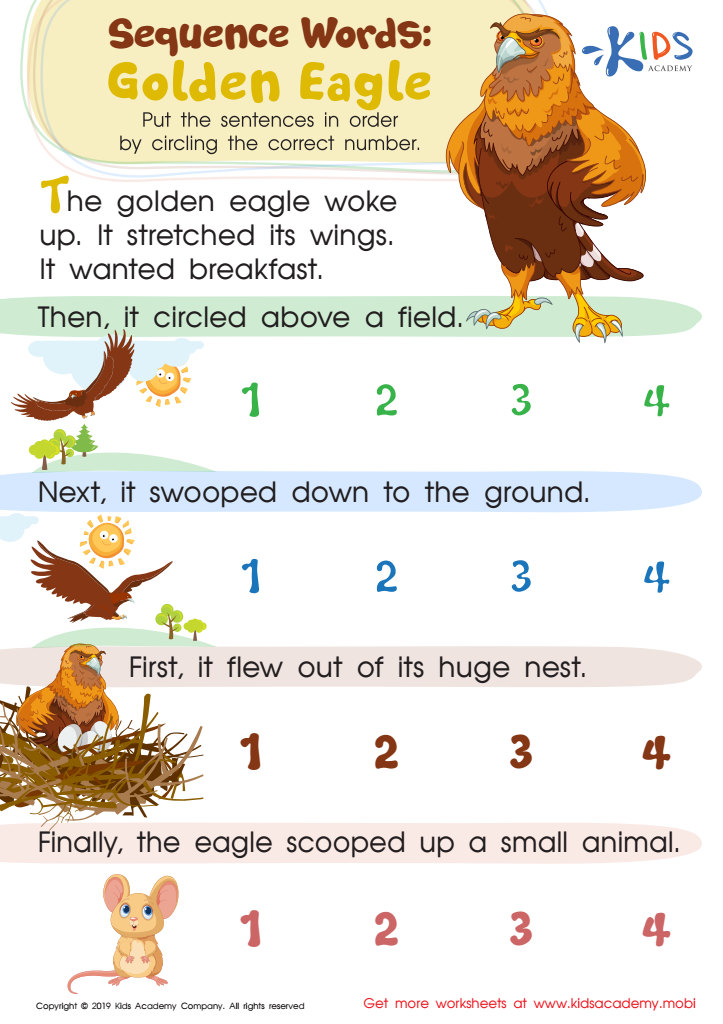
Sequence Word Eagle Worksheet
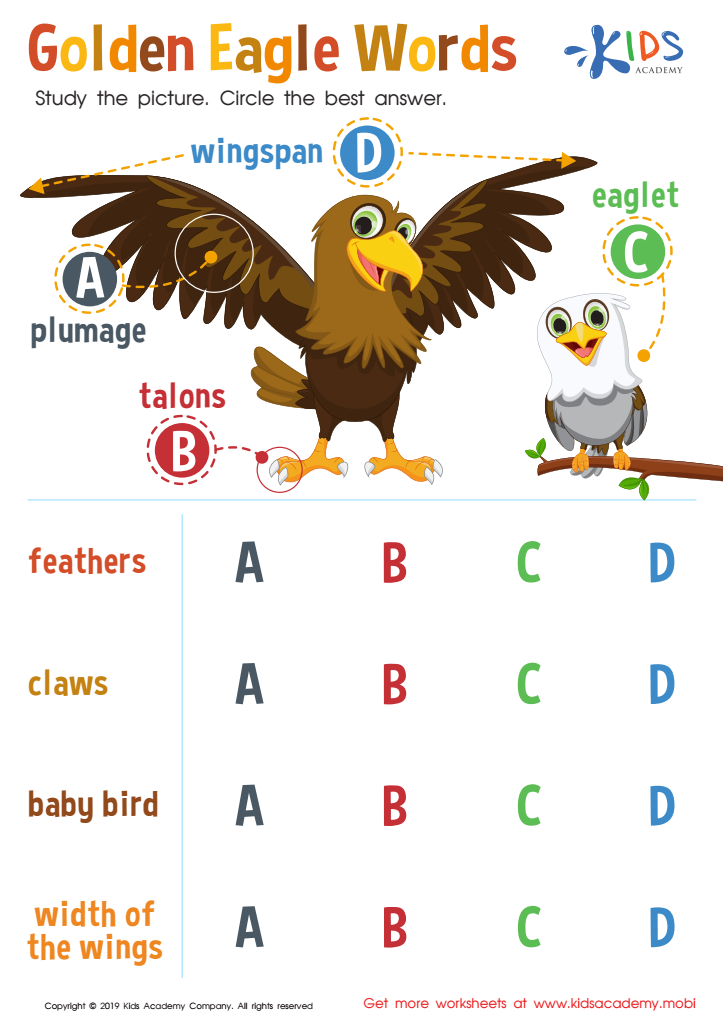
Golden Eagle Words Worksheet
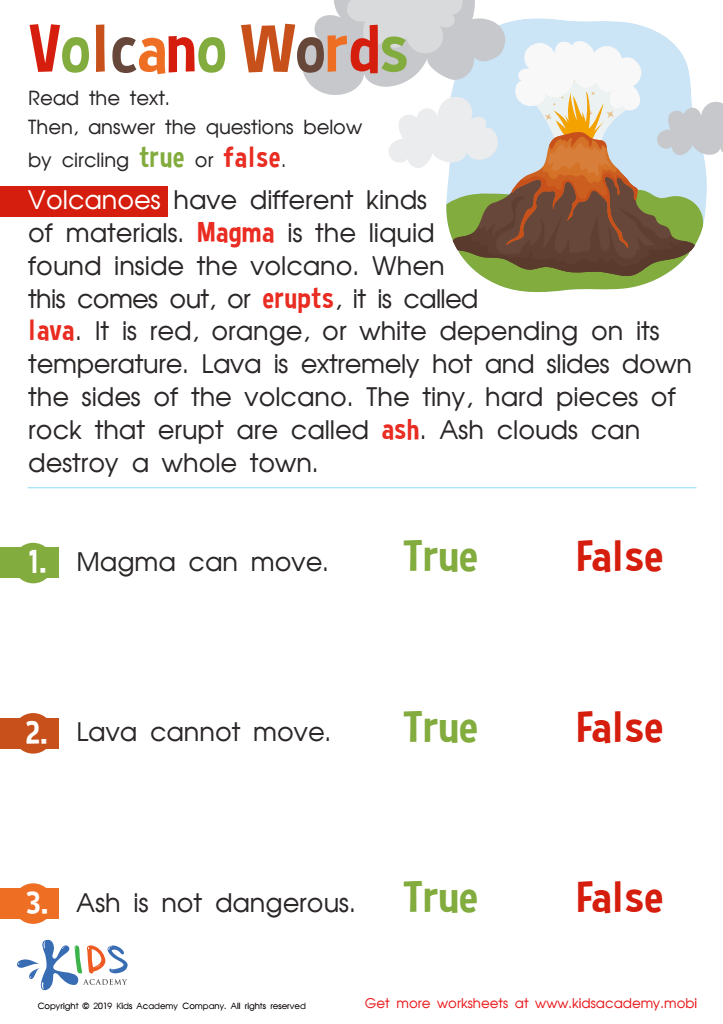
Volcano Words Worksheet
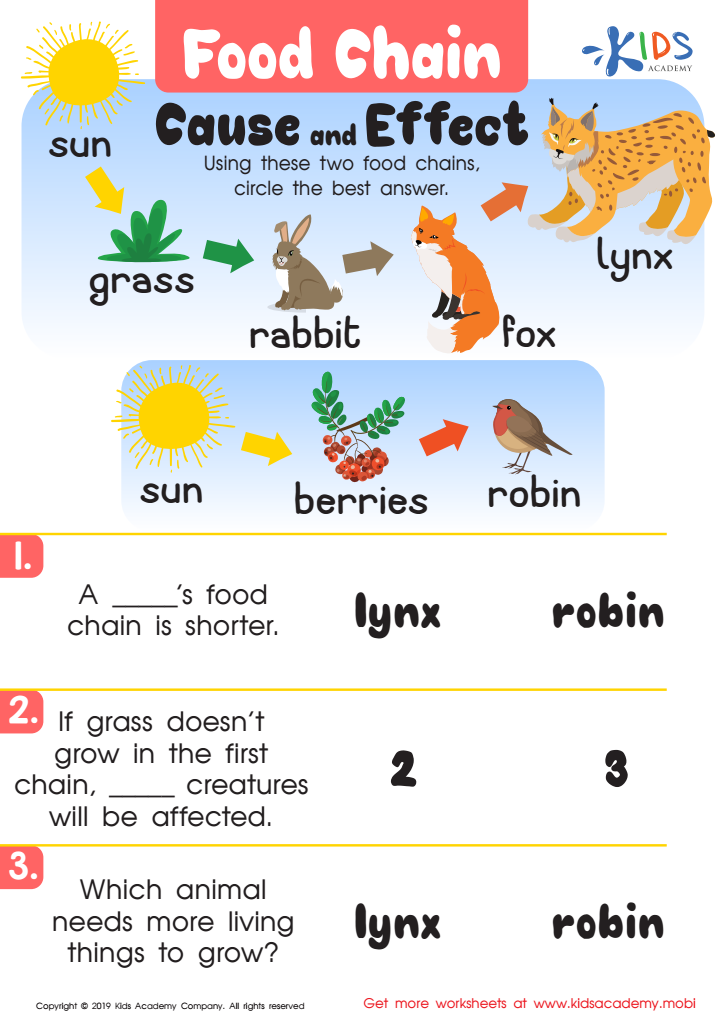
Food Chain Cause Worksheet
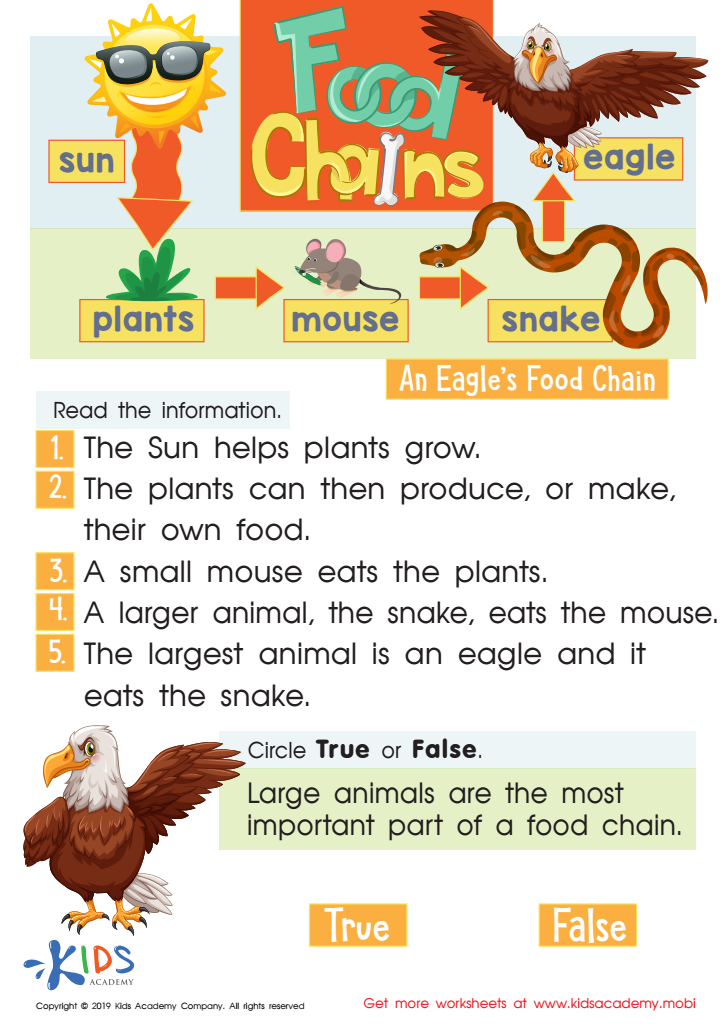
Food Chains Worksheet
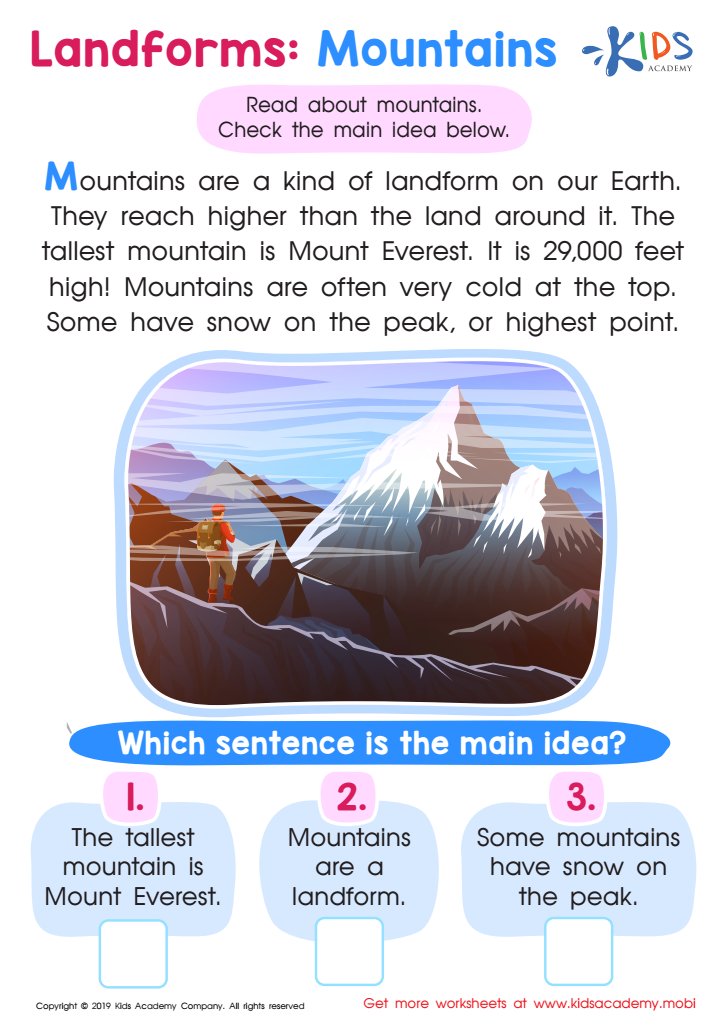
Landforms: Mountains Worksheet
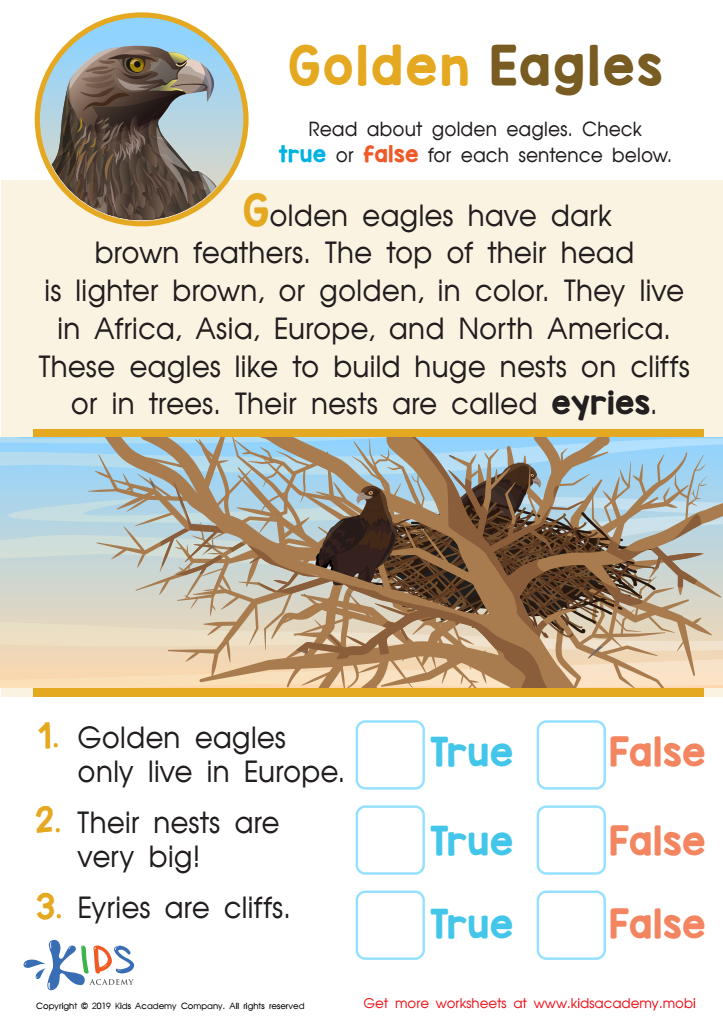
Golden Eagles Worksheet
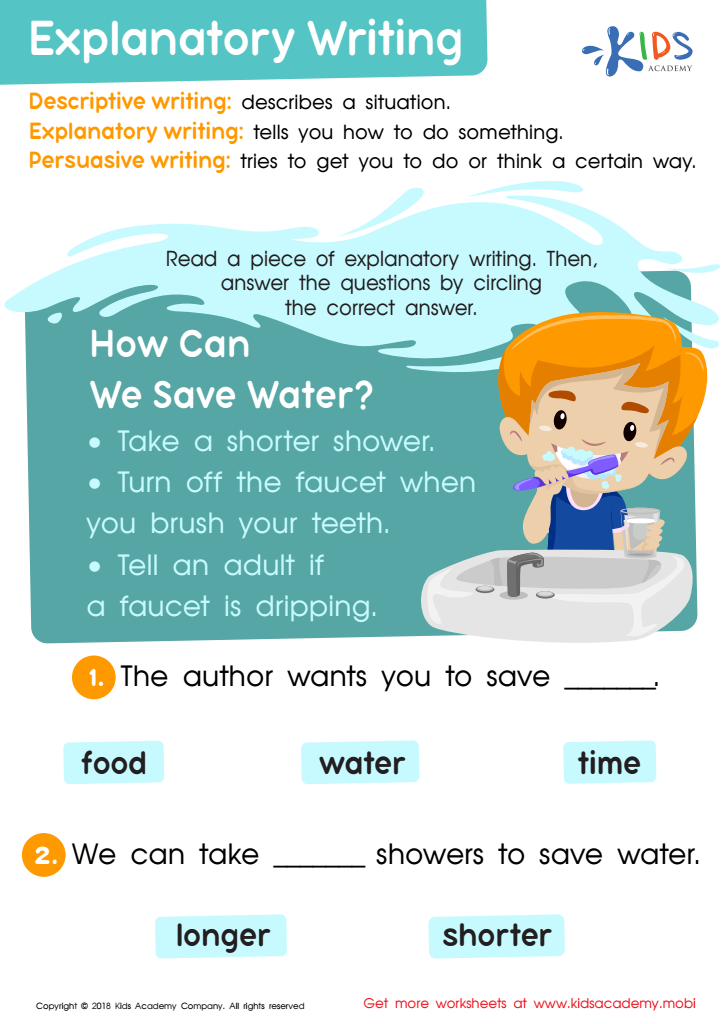
Explanatory Writing Worksheet
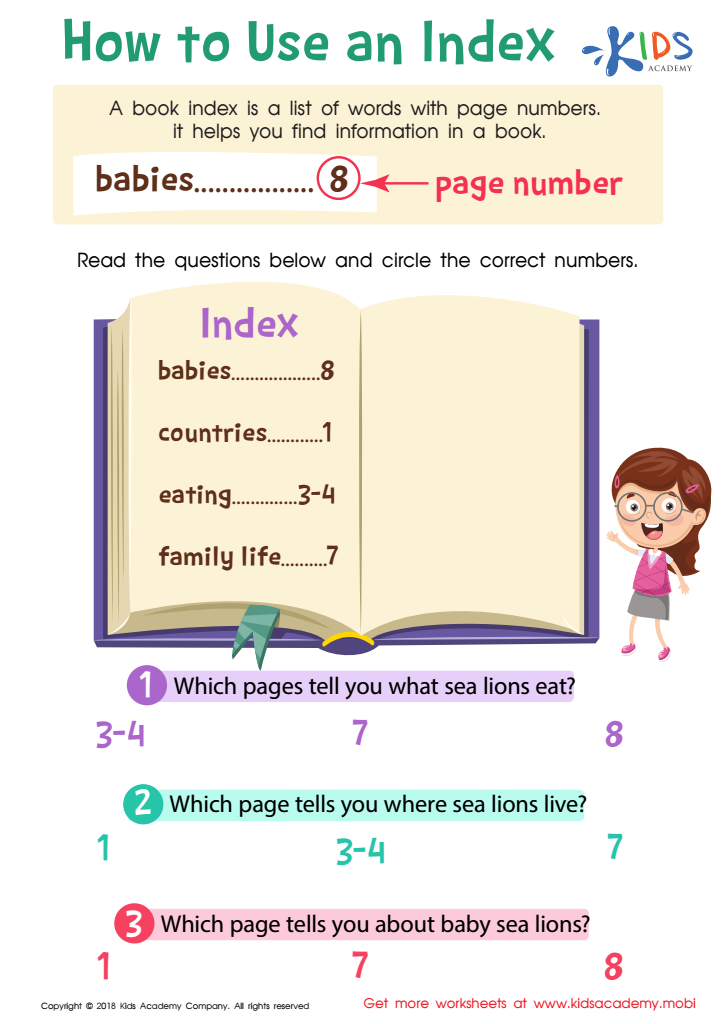
How Use Index Worksheet
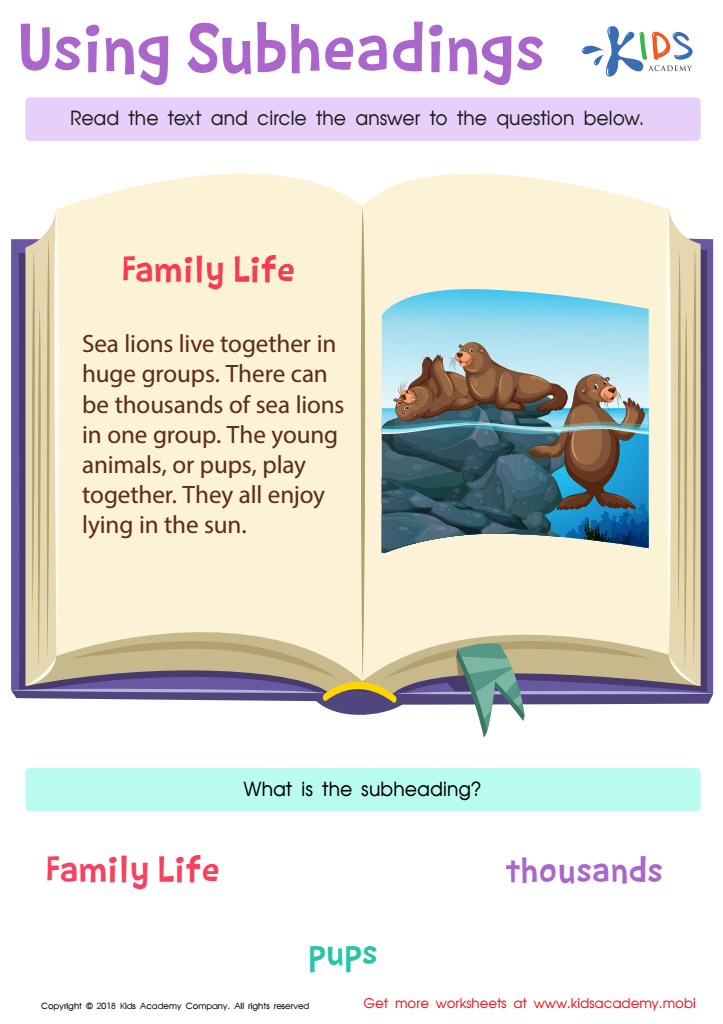
Using Subheadings Worksheet
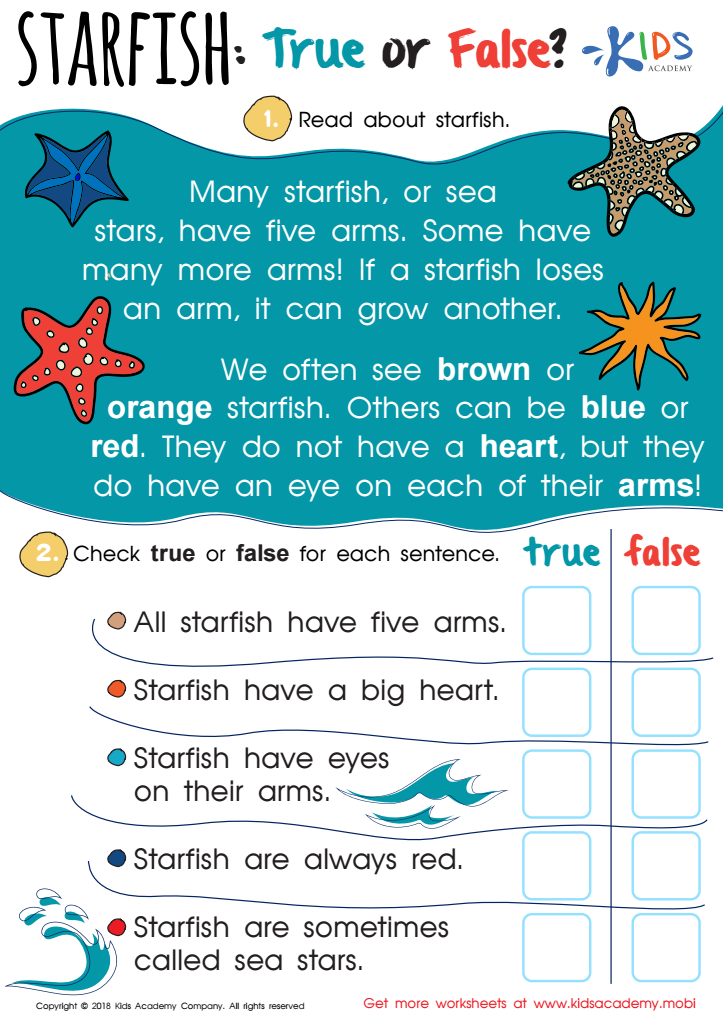
Starfish: True or False Worksheet
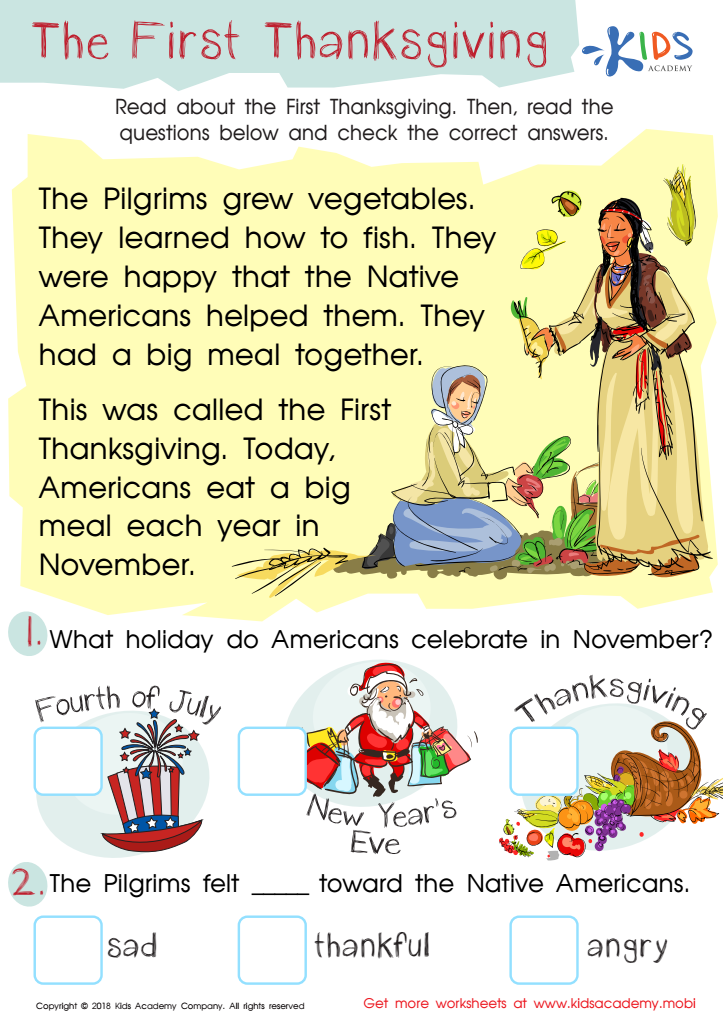
Assessment: First Thanksgiving Worksheet
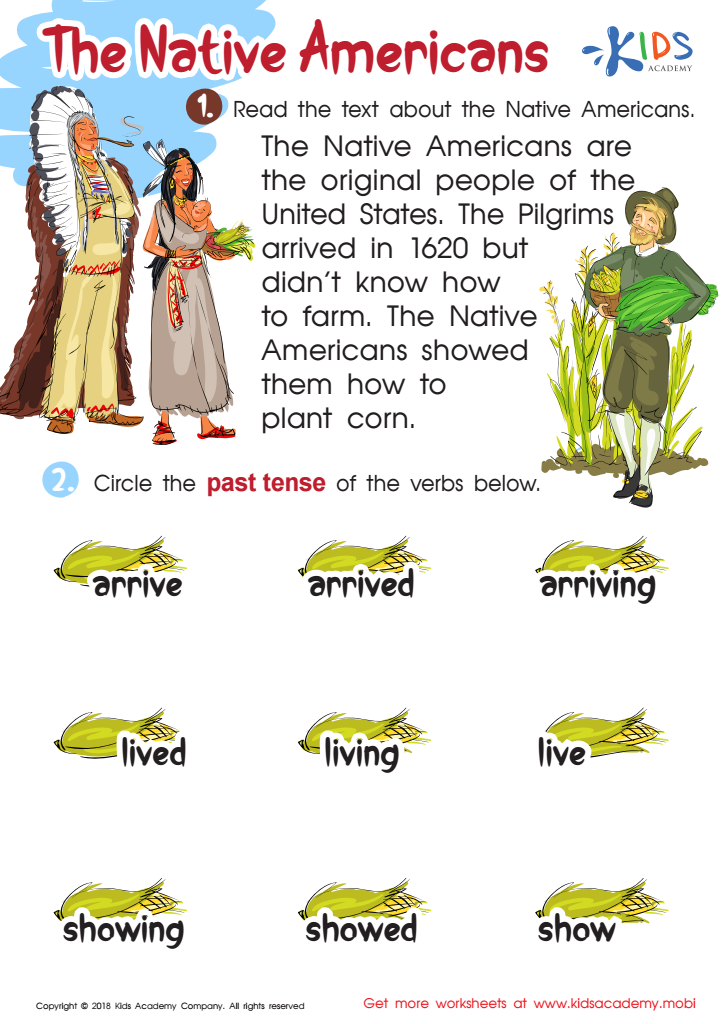
The Native Americans Worksheet
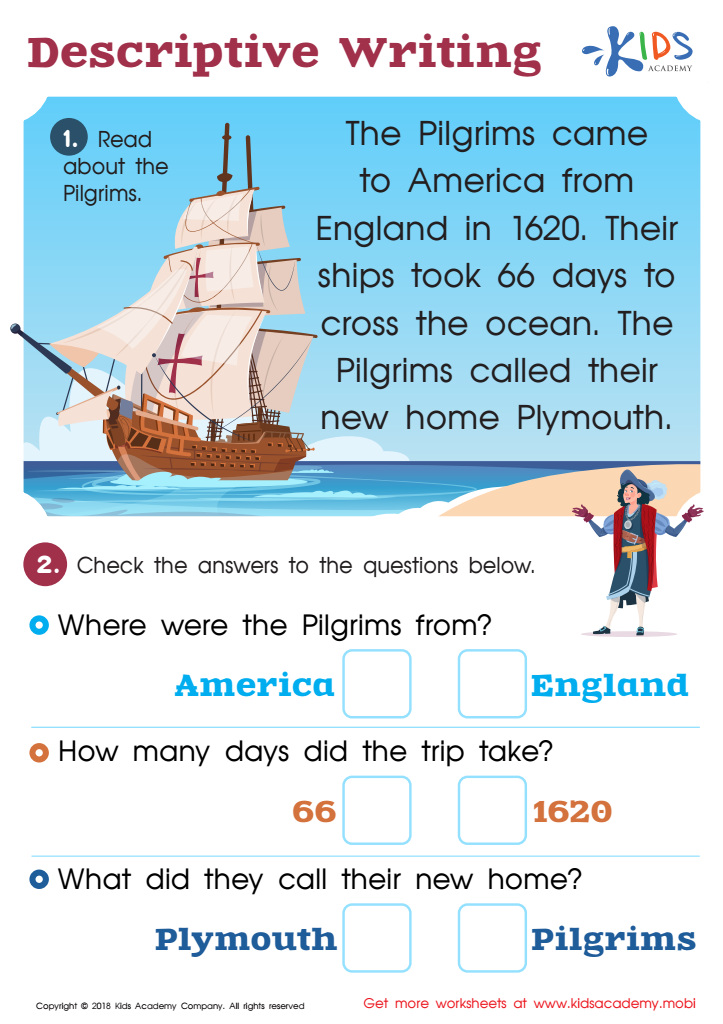
Descriptive Writing Worksheet: Part 1
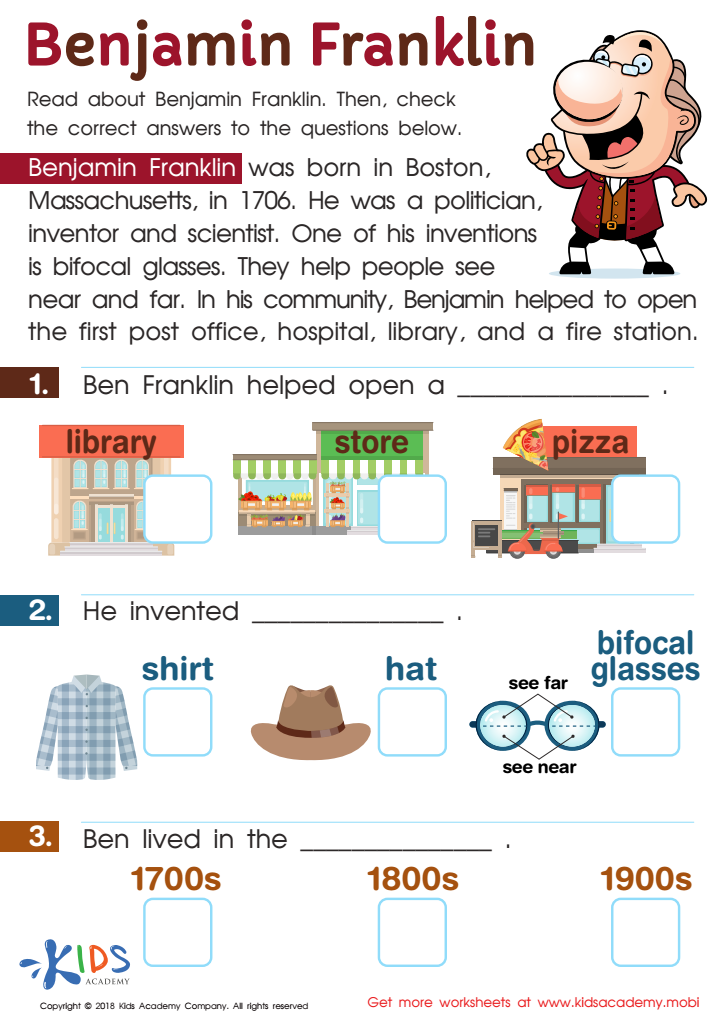
Benjamin Franklin Worksheet
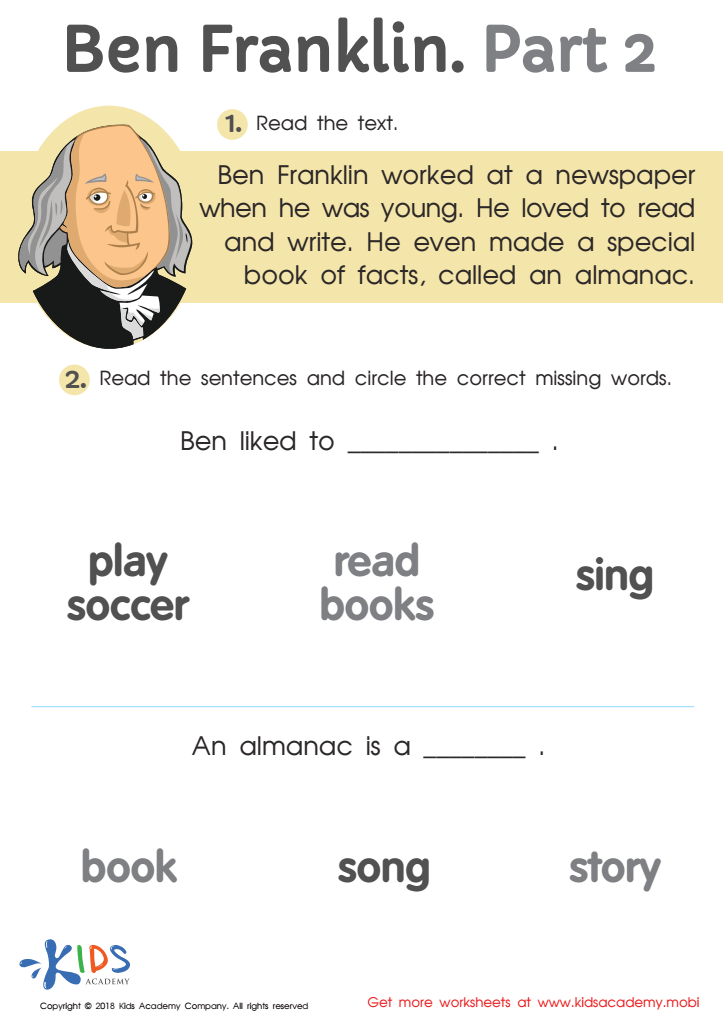
Ben Franklin Part 2 Worksheet
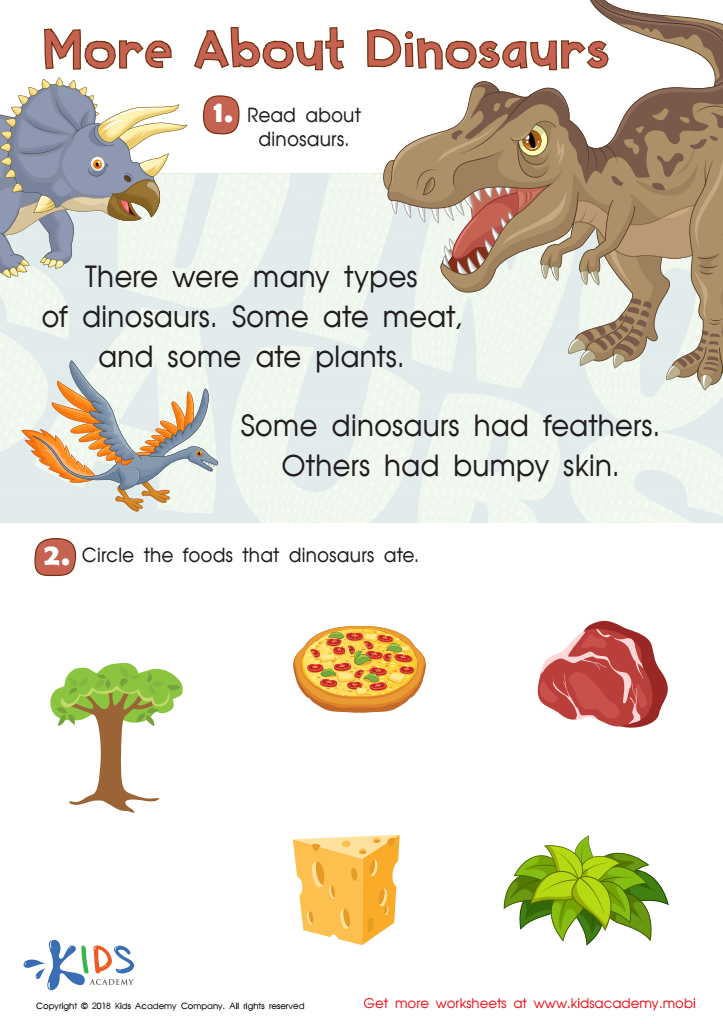
More About Dinosaurs Worksheet
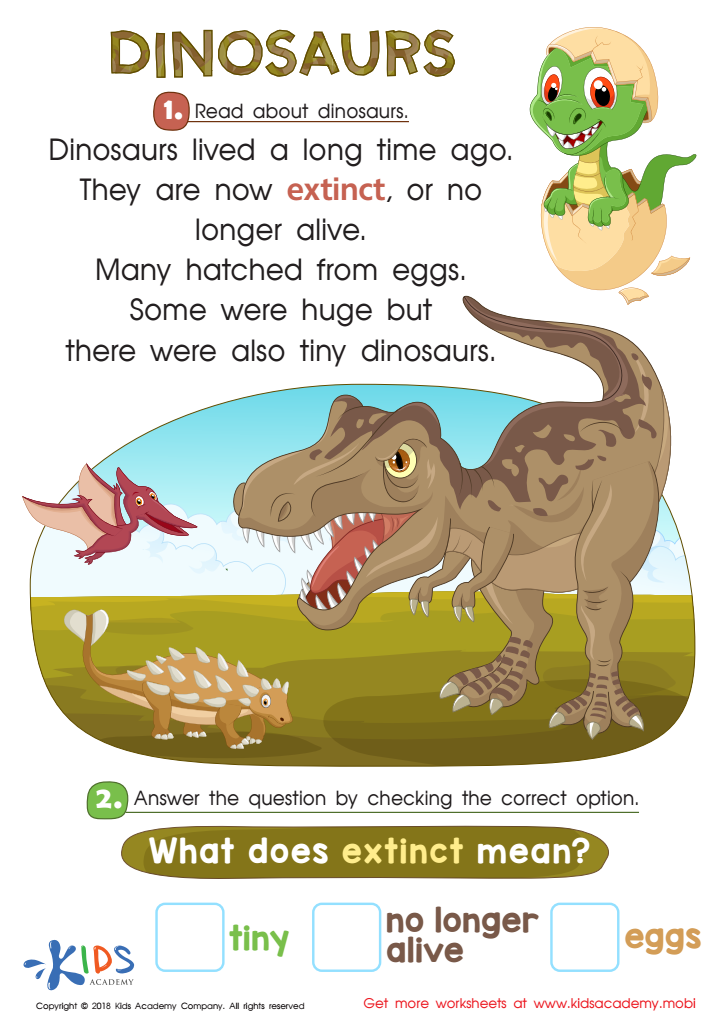
Dinosaurs Worksheet
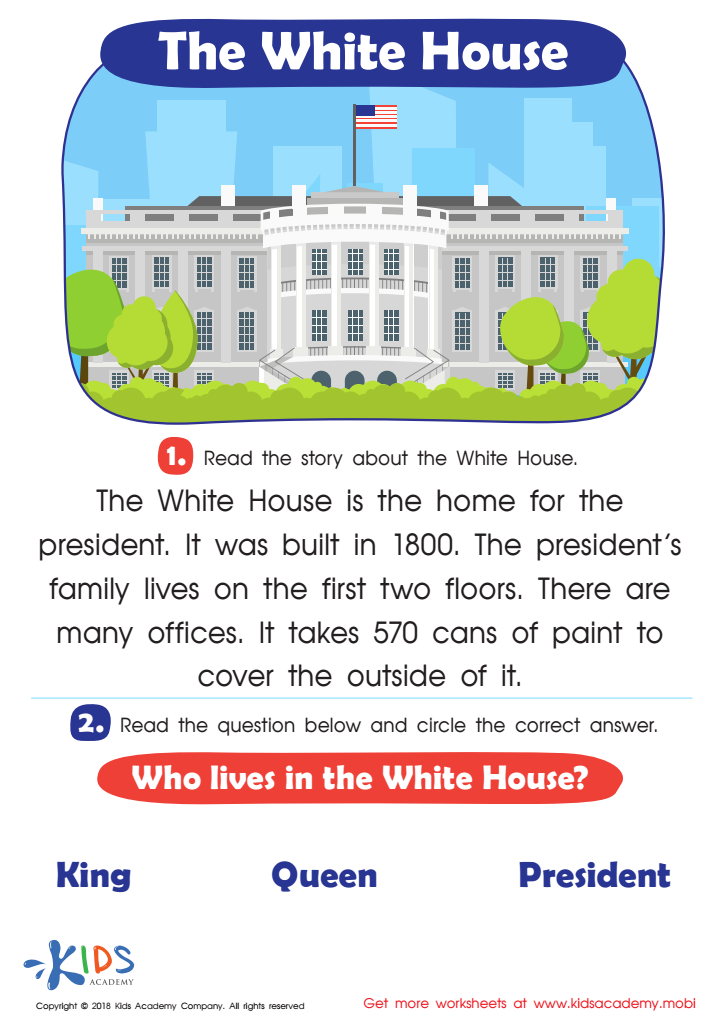
White House Worksheet
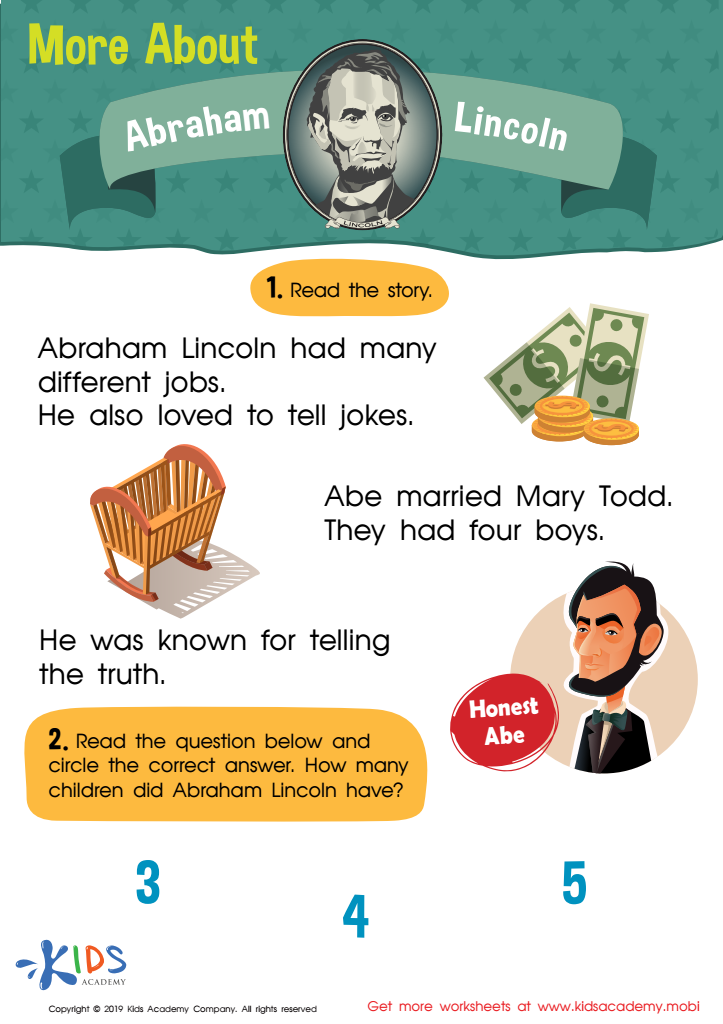
More About Abraham Lincoln Worksheet
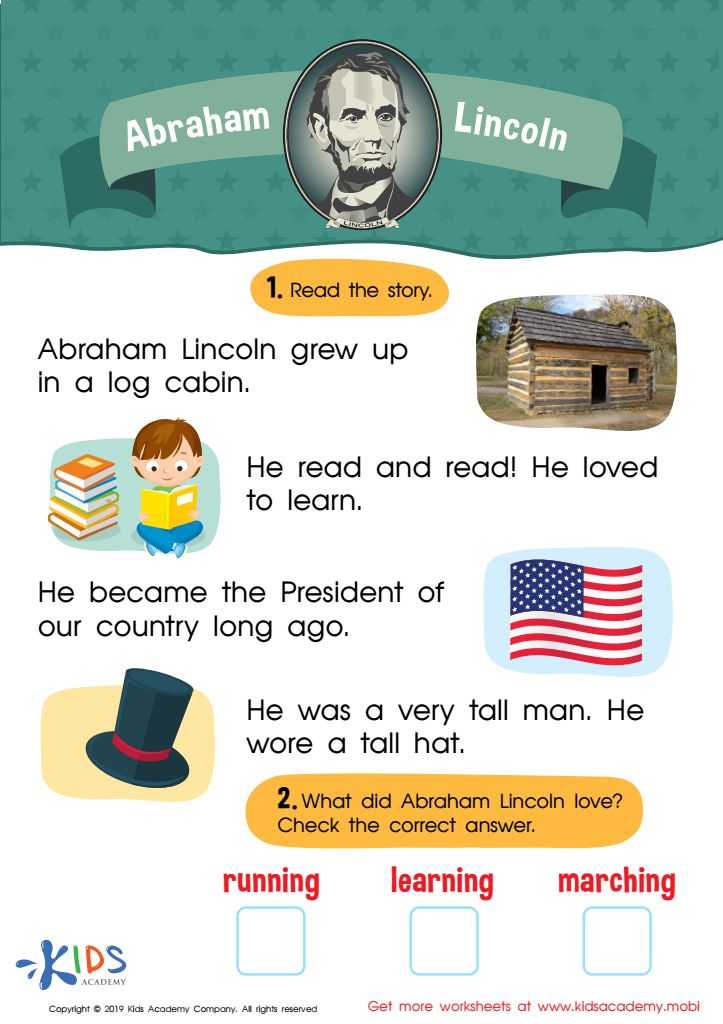
Abraham Lincoln Worksheet







Parents and teachers should prioritize normal reading non-fiction for children aged 3-9, as it lays a strong foundation for literacy and cognitive development. Unlike fiction, non-fiction exposes young readers to the real world, fostering curiosity about their environment. It introduces children to various subjects such as nature, science, history, and cultures, promoting factual knowledge and critical thinking skills.
Reading non-fiction also enhances vocabulary and comprehension. Children encounter specialized vocabulary and learn to differentiate between different text structures, such as cause and effect, sequence, and comparison. This exposure helps them become versatile readers who can understand a range of topics.
Furthermore, engaging with non-fiction can nurture a love for reading and learning. It encourages discussions between parents, teachers, and children, enhancing communication skills and building relationships. When children read about topics that interest them, they are more likely to ask questions, fostering a lifelong desire for discovery.
In a diverse school curriculum, balancing fiction and non-fiction ensures that children are equipped for the increasingly information-driven world. As they grow, the skills acquired from reading non-fiction will support them in academic endeavors and life beyond the classroom. Investing time in normal reading non-fiction is an invaluable gift for any child’s development.