Normal Tracing Shapes Worksheets for Ages 4-5
10 filtered results
-
From - To
Introducing our Normal Tracing Shapes worksheets, expertly crafted for Ages 4-5. Designed to engage young minds, these worksheets offer a fun and interactive way to develop essential skills. Through tracing activities, children will explore basic geometric shapes, enhancing their fine motor skills, hand-eye coordination, and spatial awareness. Each page is a delightful journey into the world of shapes, tailored specifically for the developmental stage of 4 to 5-year-olds. With our Normal Tracing Shapes worksheets, your child will not only learn shape recognition but also gain confidence in their drawing abilities. Perfect for both classroom and at-home learning, these worksheets are the ideal tool for fostering foundational skills in young learners.
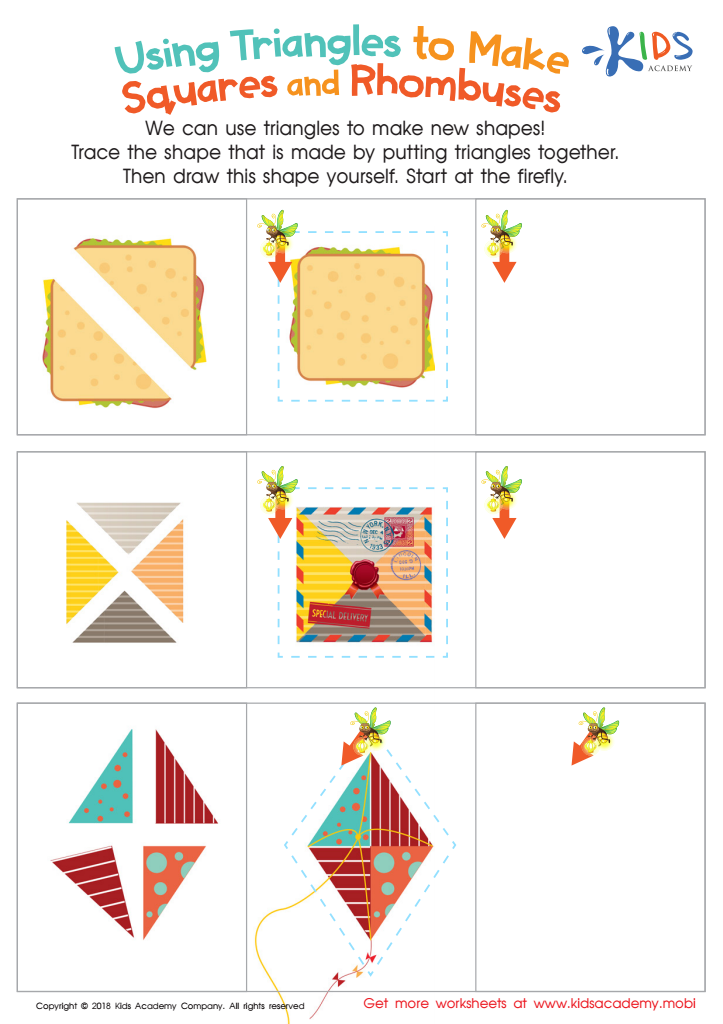
Using Triangles to Make Squares and Rhombuses Worksheet
 Assign to My Students
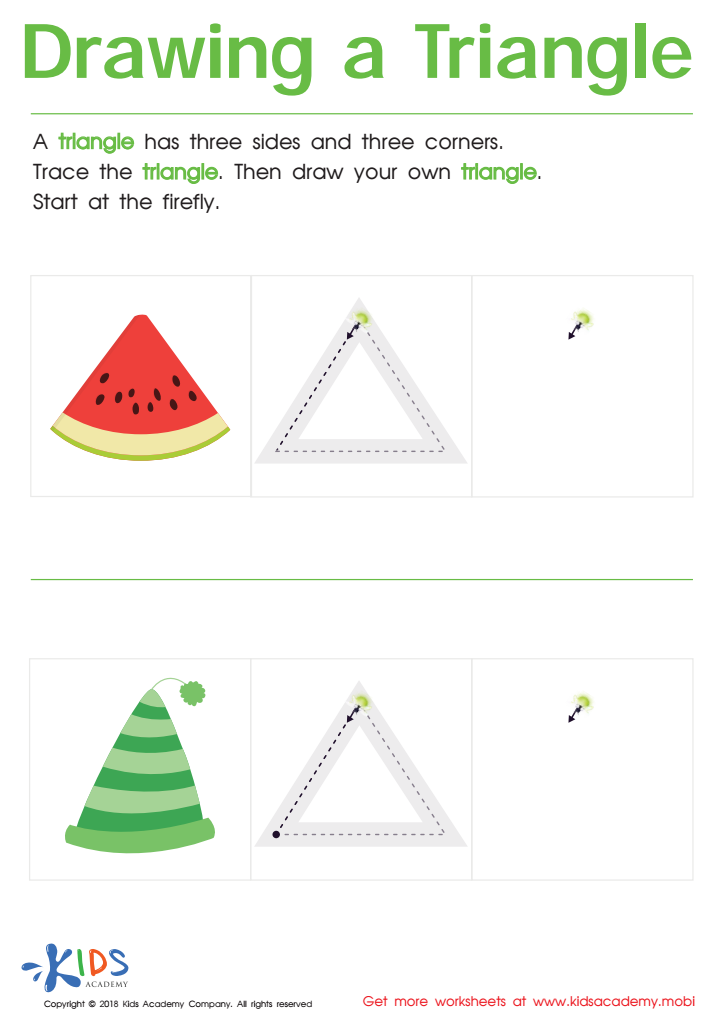
Drawing a Triangle Worksheet
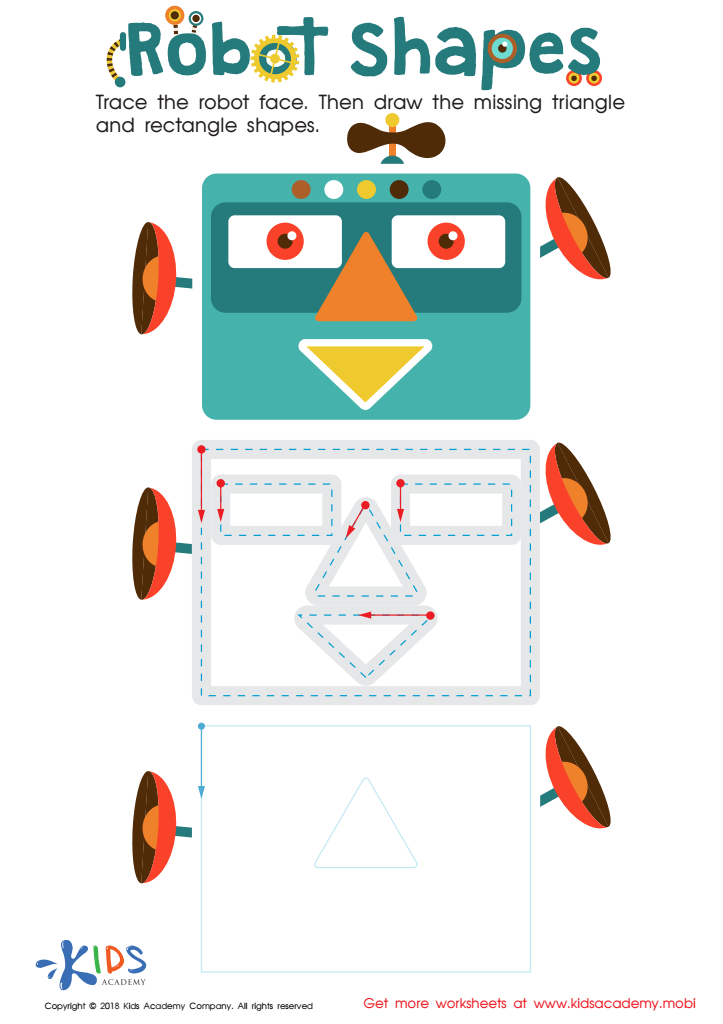
Robot Shapes Worksheet
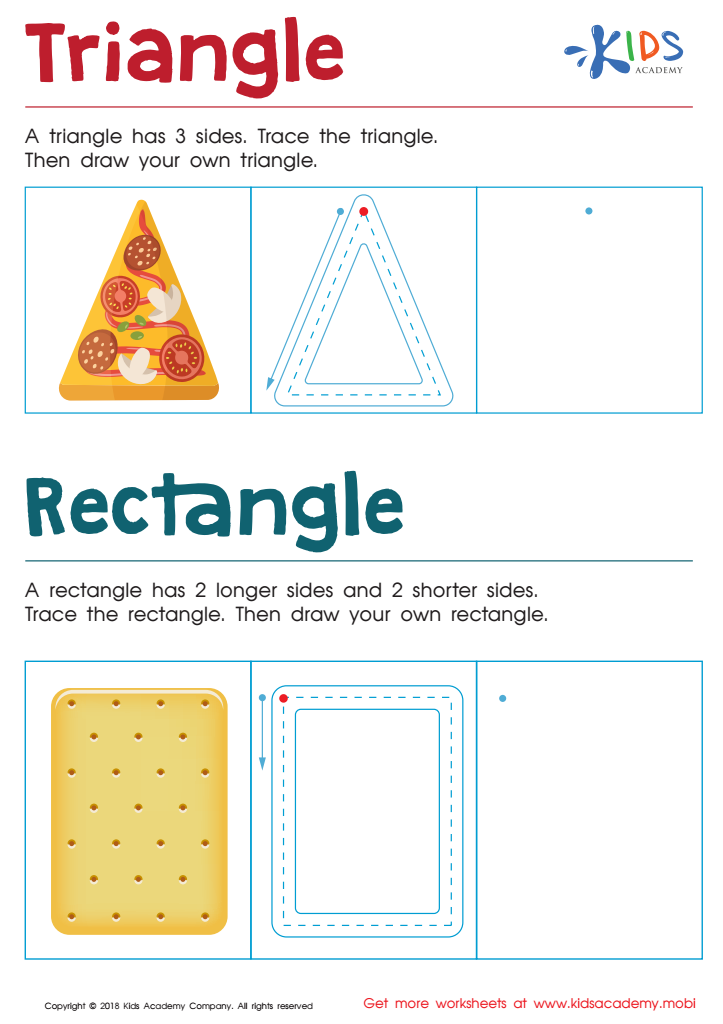
Triangle Rectangle Worksheet
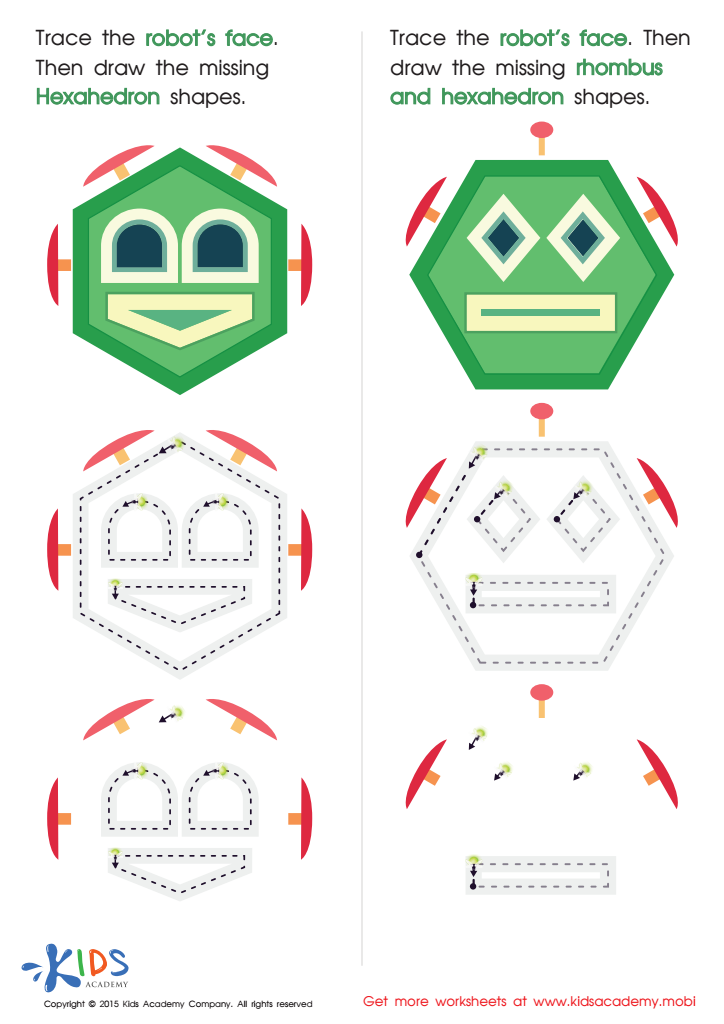
Practice Drawing Hexahedrons And a Rhombus Worksheet
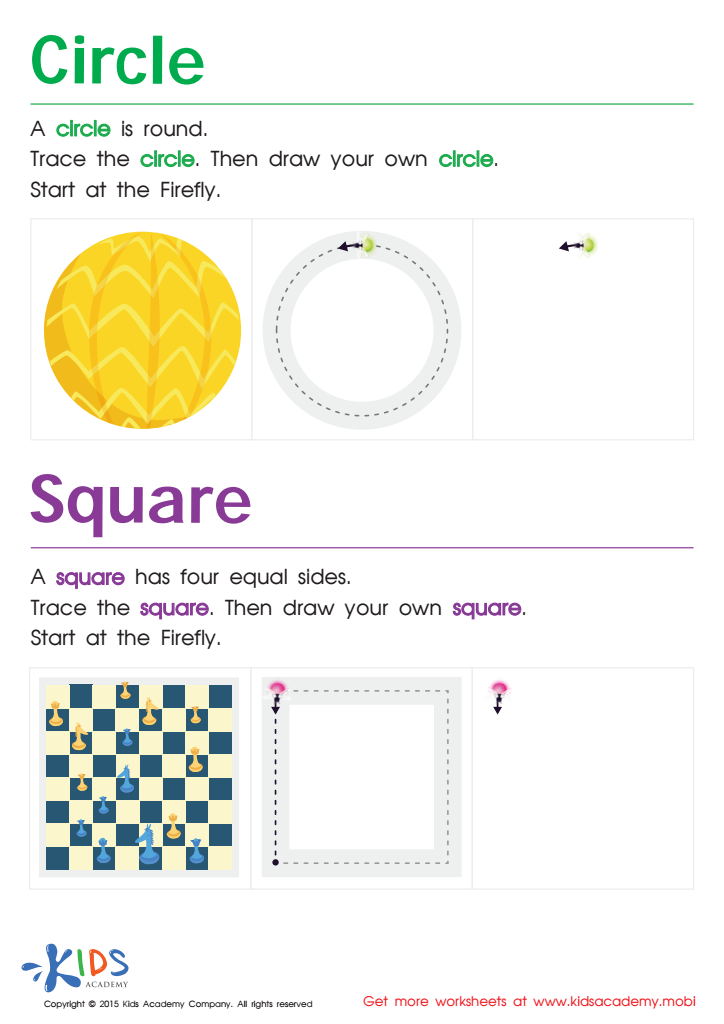
Trace And Draw a Circle And a Square Worksheet
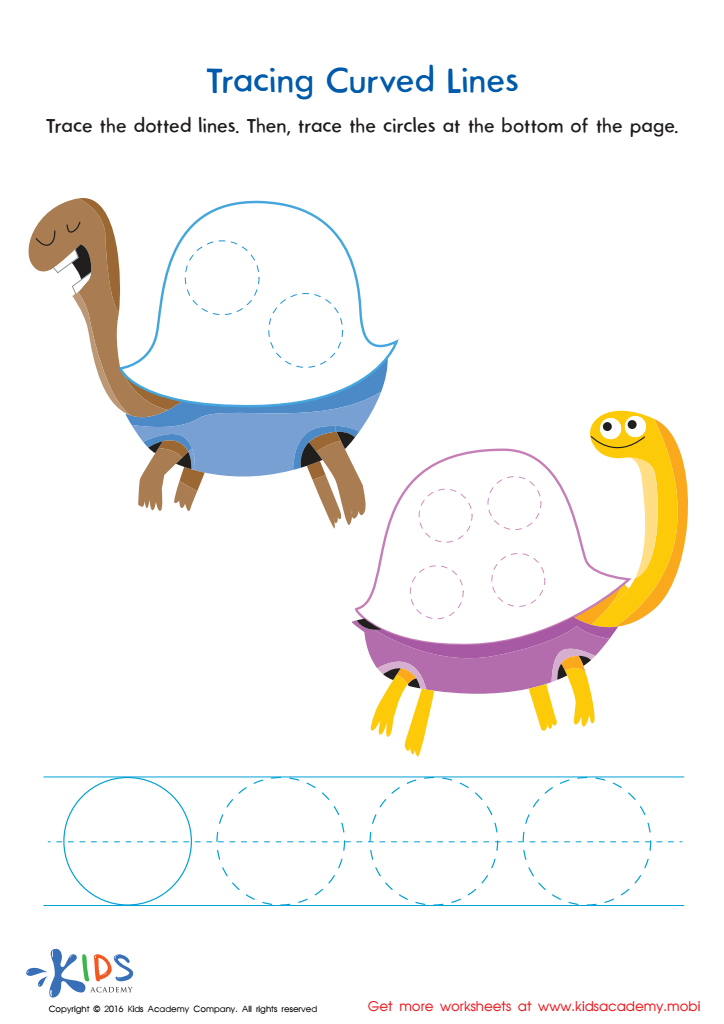
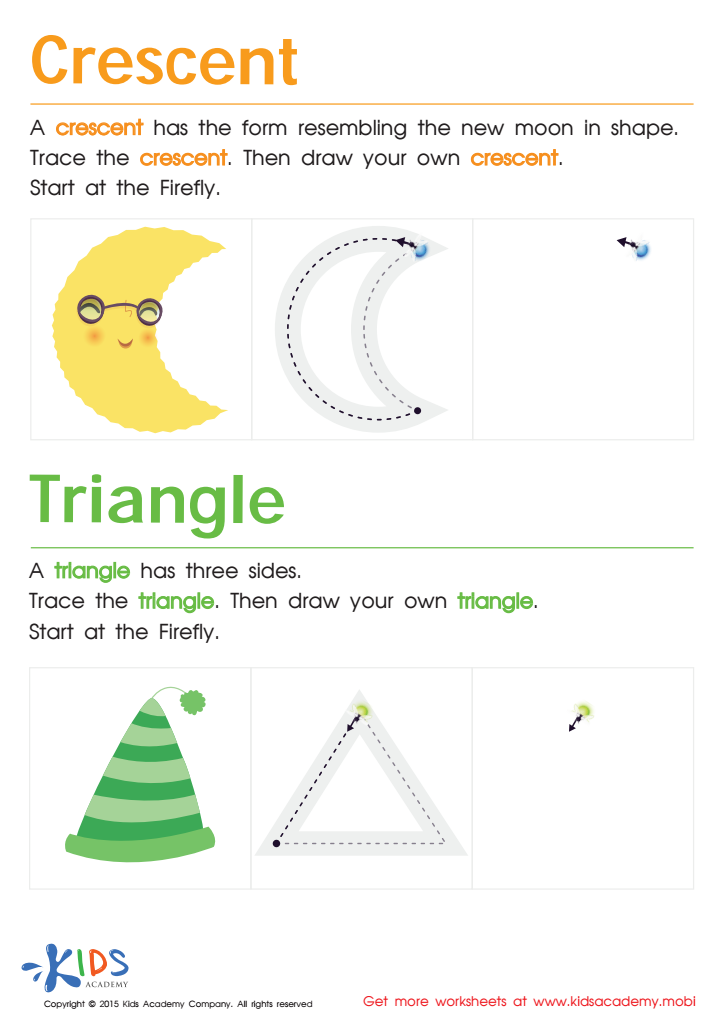
Learning to Draw Crescents And Triangles Worksheet
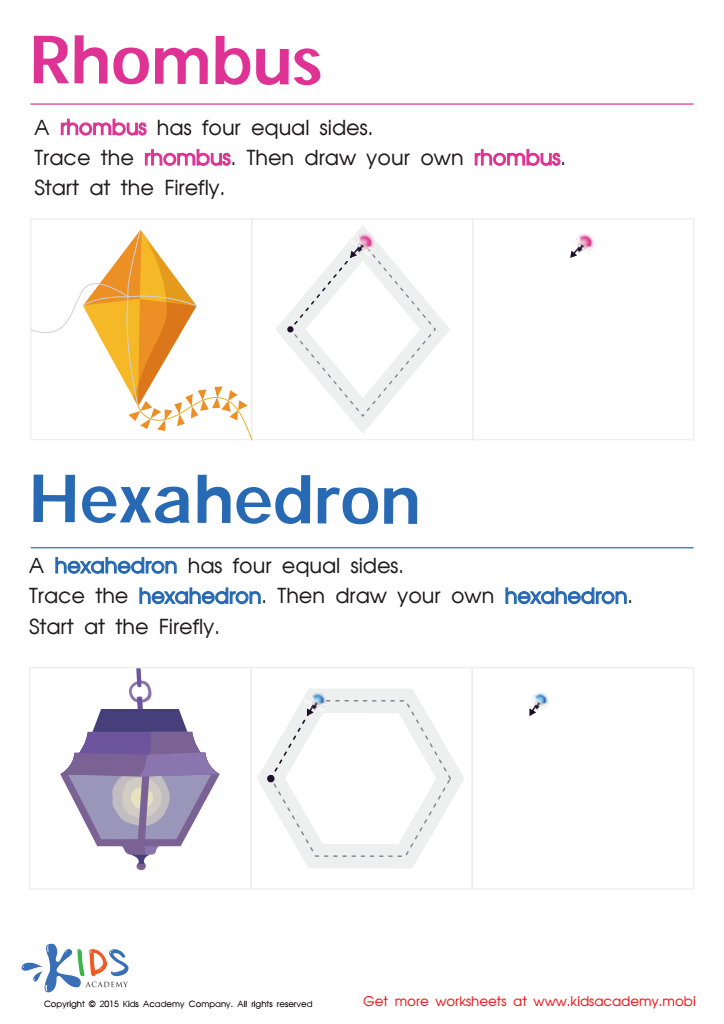
Draw a Rhombus And a Hexahedron Printable
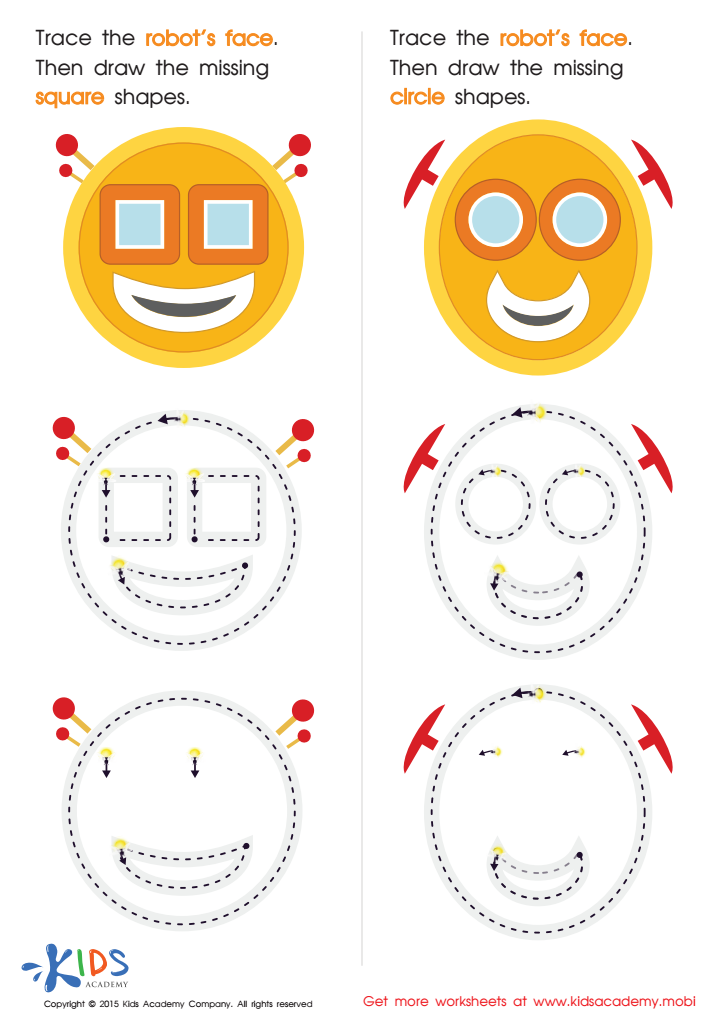
Practicing to Draw Circles And Squares Printable








Normal Tracing Shapes worksheets for Ages 4-5 are an invaluable resource for young learners embarking on their educational journey. These worksheets are specifically designed to cater to the developmental needs of children in this age group, providing them with a fun yet educational activity that supports their early learning milestones. The act of tracing shapes helps in refining their fine motor skills, which are crucial for tasks such as writing, cutting, and self-care activities. Furthermore, Normal Tracing Shapes worksheets introduce children to basic geometric shapes, laying the foundation for their spatial reasoning and recognition skills. This early exposure is essential for the development of mathematical understanding and can enhance their ability to solve puzzles and comprehend complex patterns in the future.
Moreover, engaging with these worksheets fosters a sense of accomplishment and confidence in young learners. Completing a task from start to finish, such as tracing a shape accurately, instills a sense of pride and boosts their self-esteem, encouraging them to embrace learning with enthusiasm. Additionally, Normal Tracing Shapes worksheets for Ages 4-5 are designed to be interactive and enjoyable, ensuring that children remain engaged and motivated to learn. This balance of educational rigor and play-based learning is pivotal in nurturing a lifelong love for learning.