Normal Letter Recognition Worksheets for Ages 4-7 - Page 3
66 filtered results
-
From - To
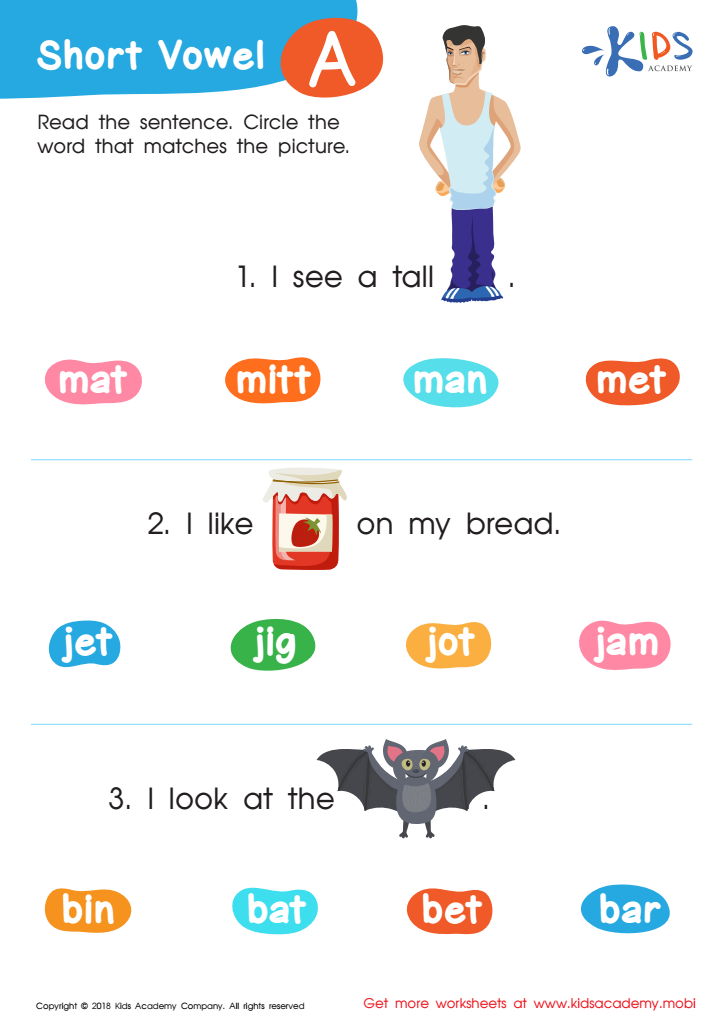
Short Vowel /a/ Worksheet
 Assign to My Students
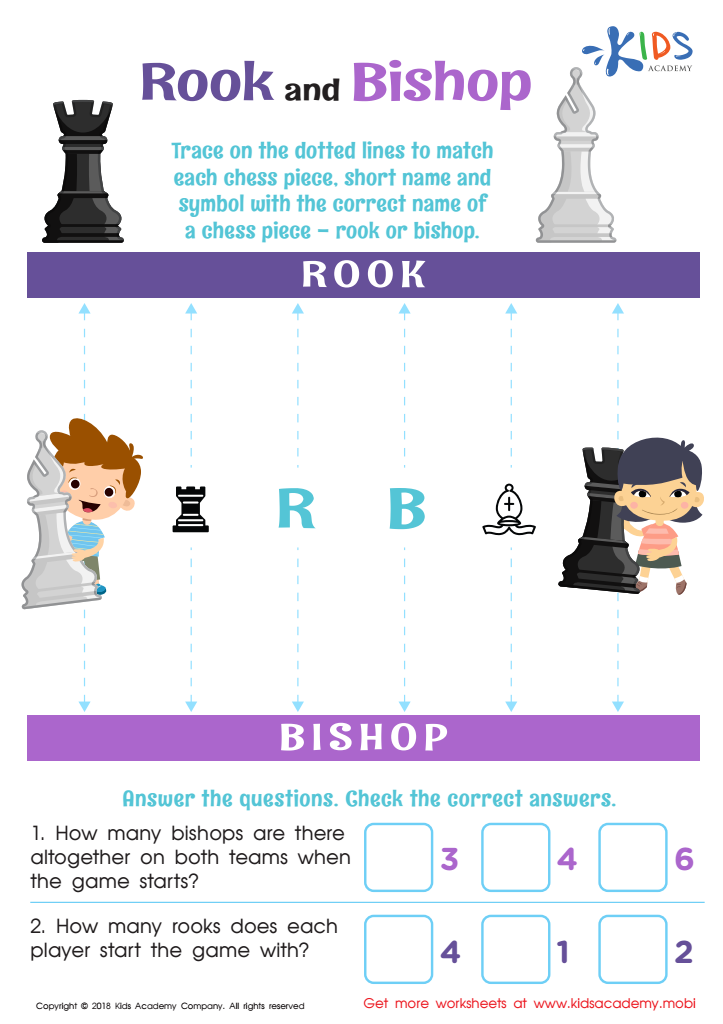
Rook and Bishop Worksheet
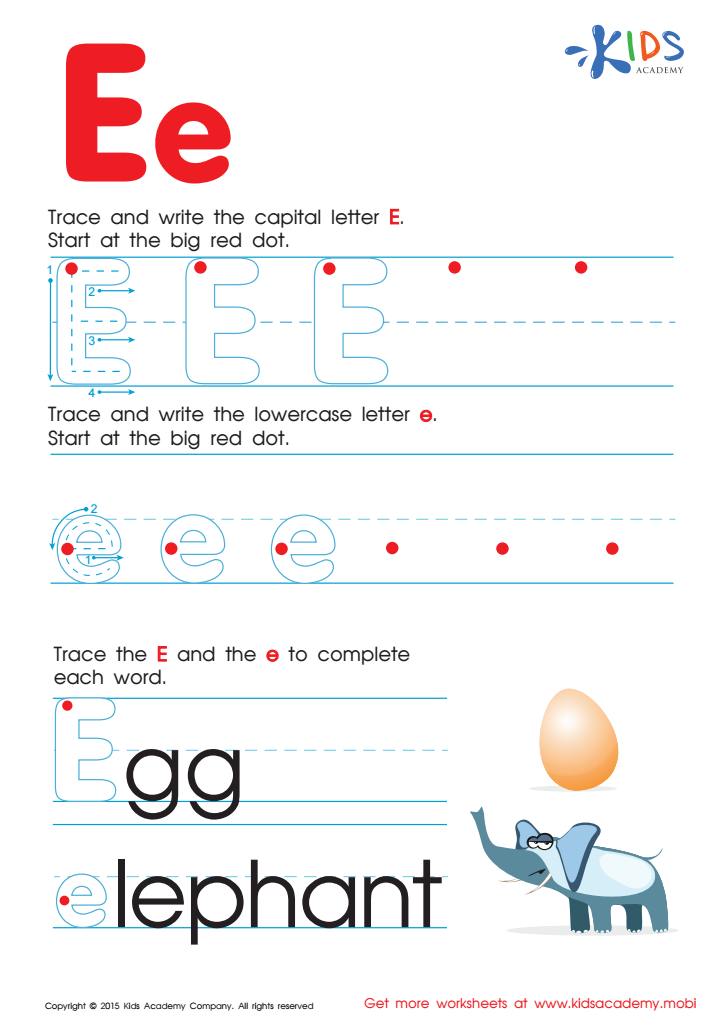
Letter E Tracing Page
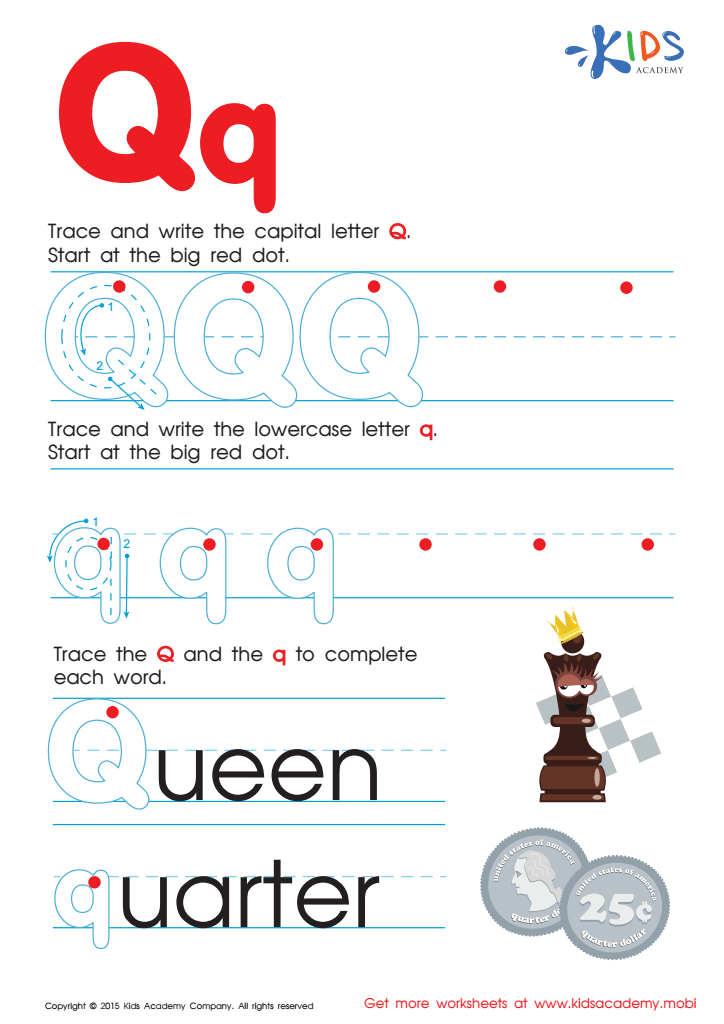
Letter Q Tracing Page
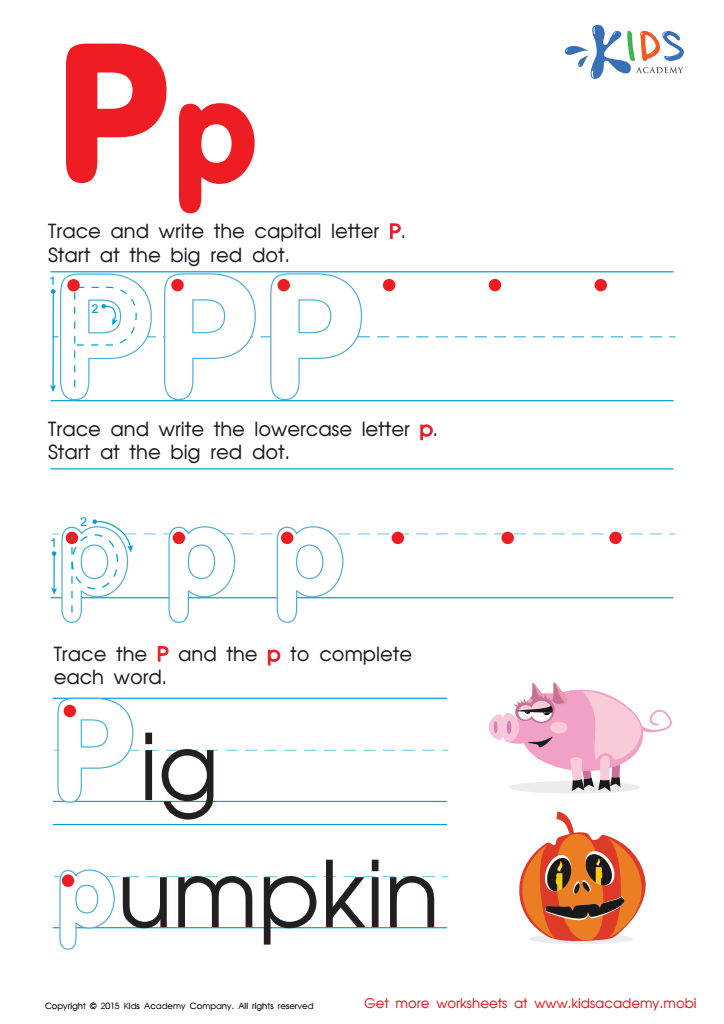
Letter P Tracing Page
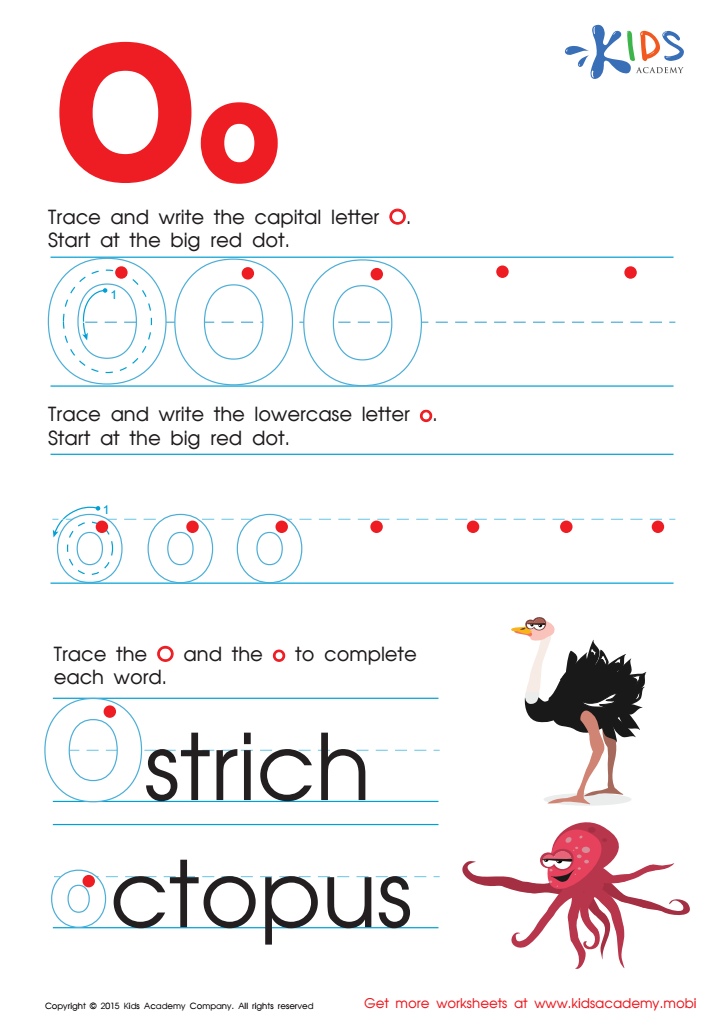
Letter O Tracing Page
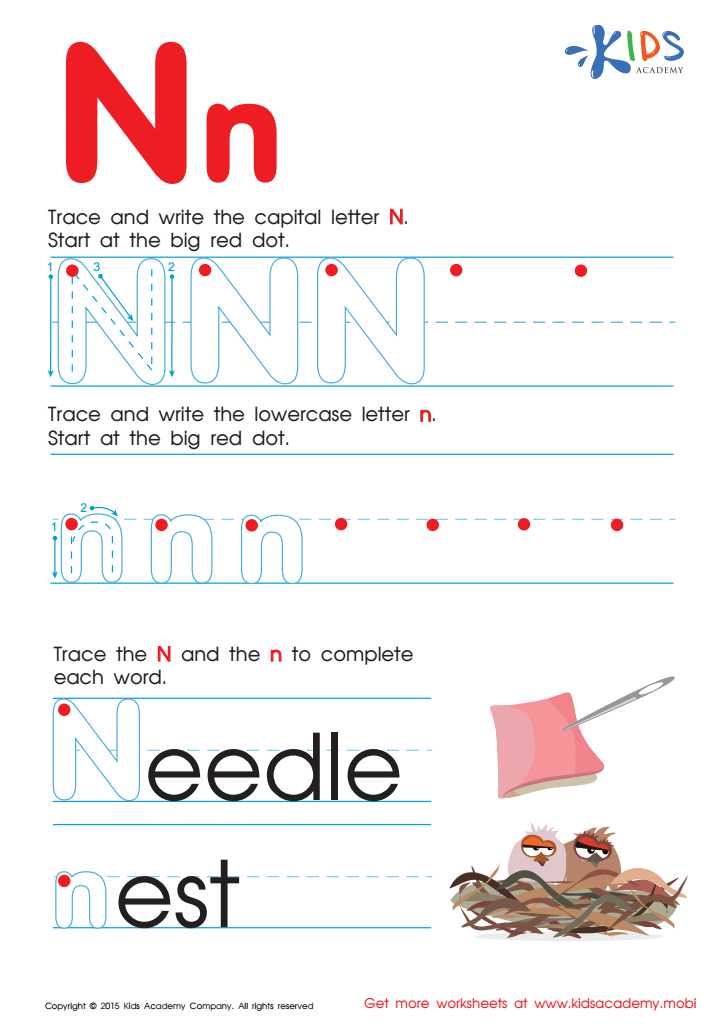
Letter N Tracing Page
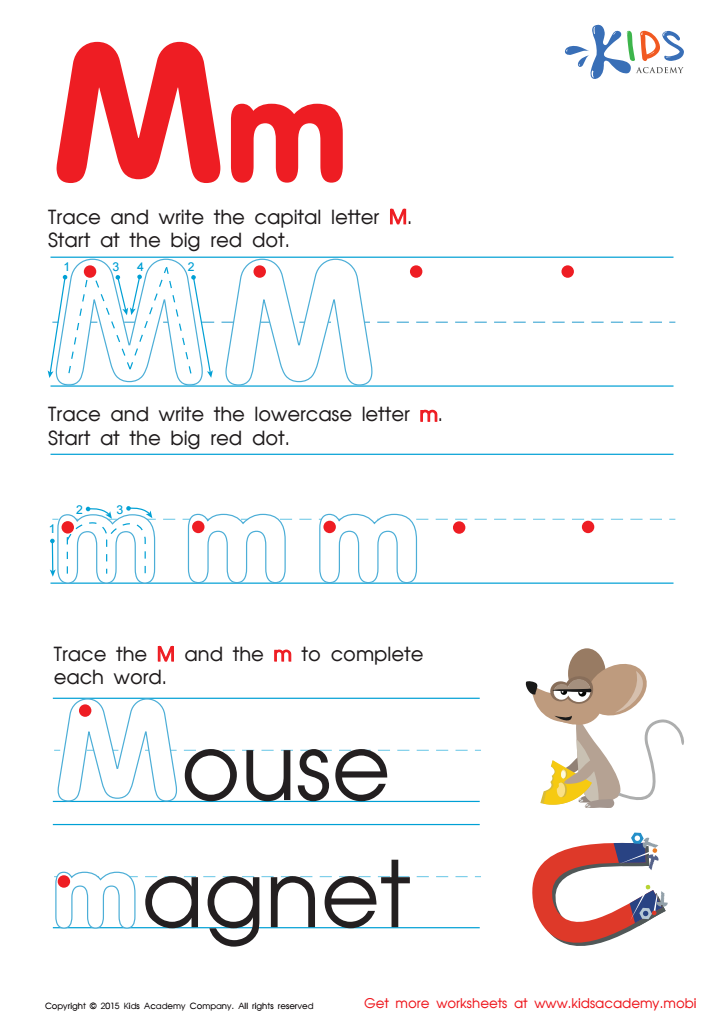
Letter M Tracing Page
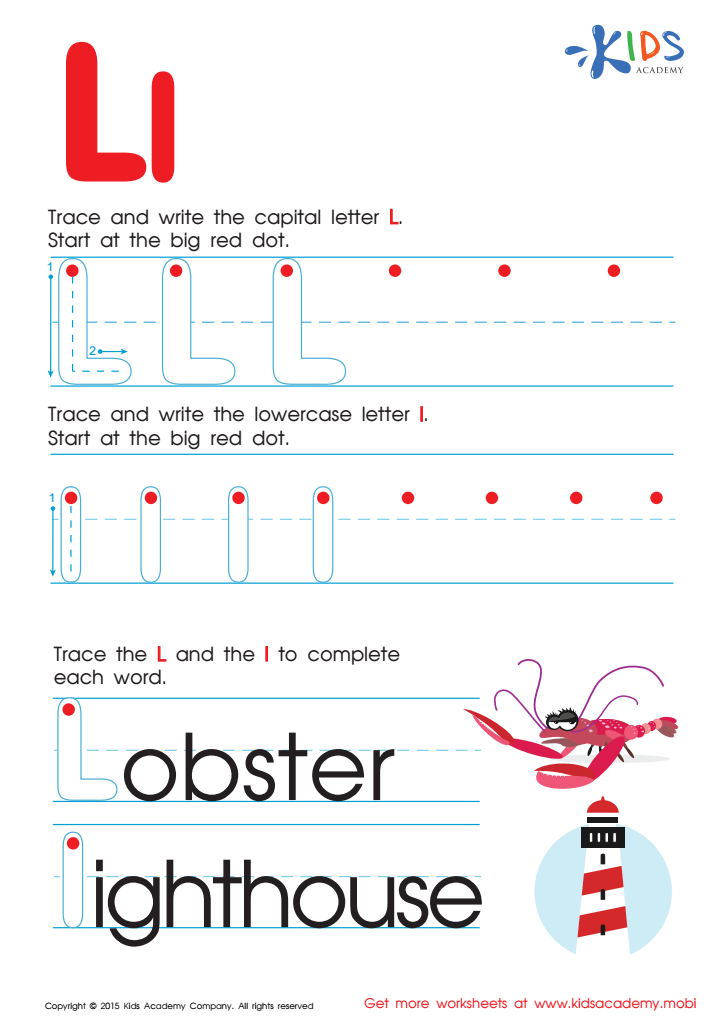
Letter L Tracing Page
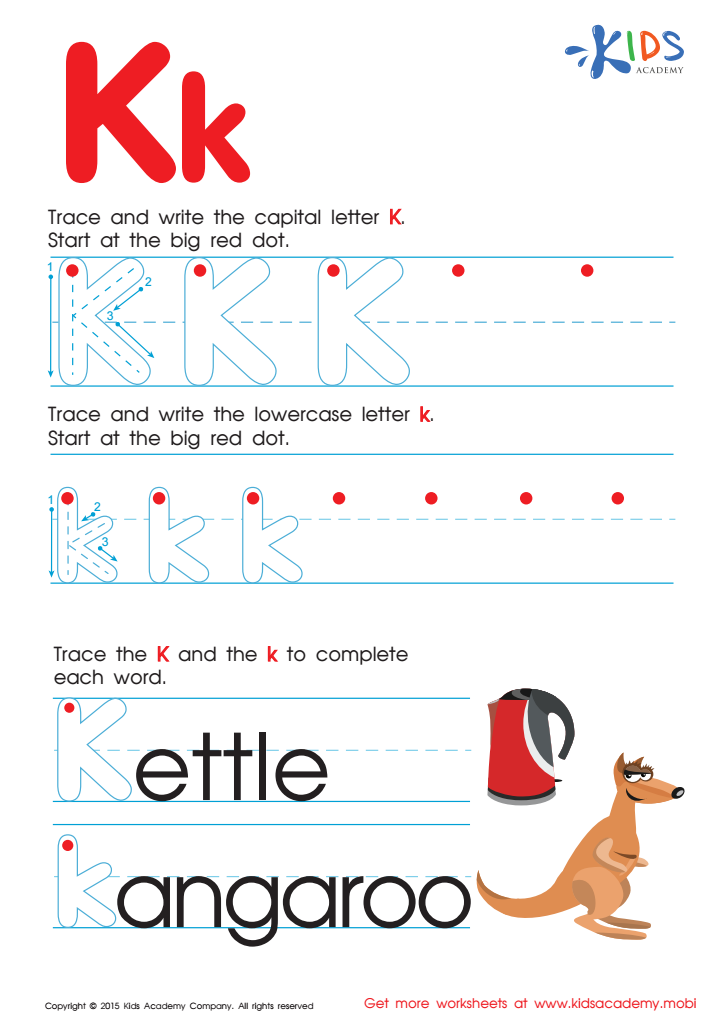
Letter K Tracing Page
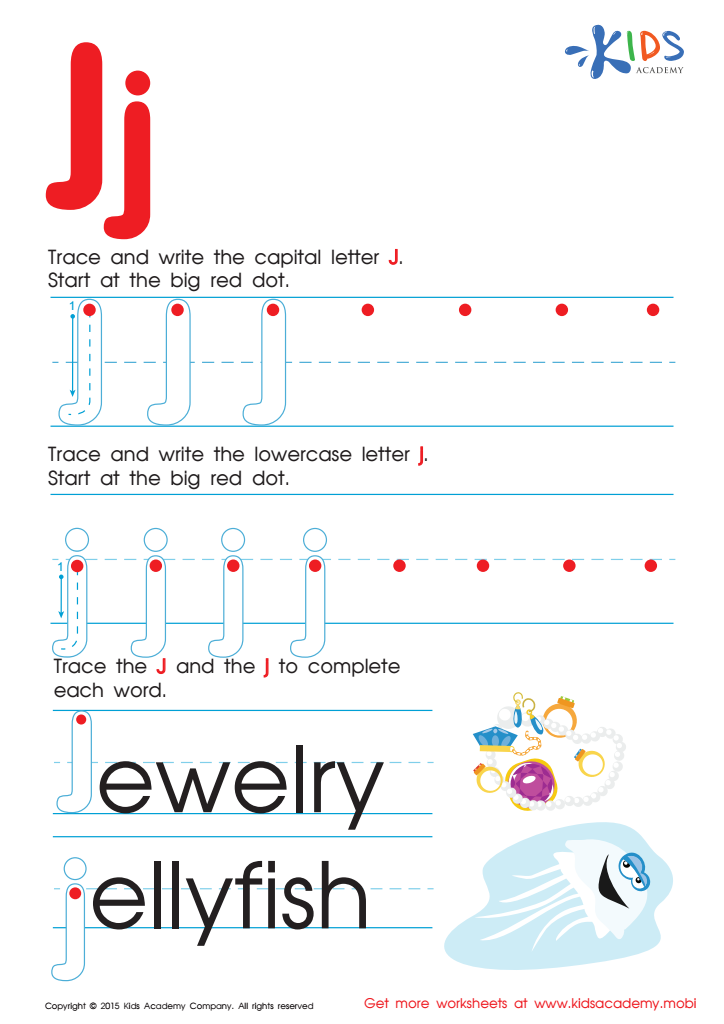
Letter J Tracing Page
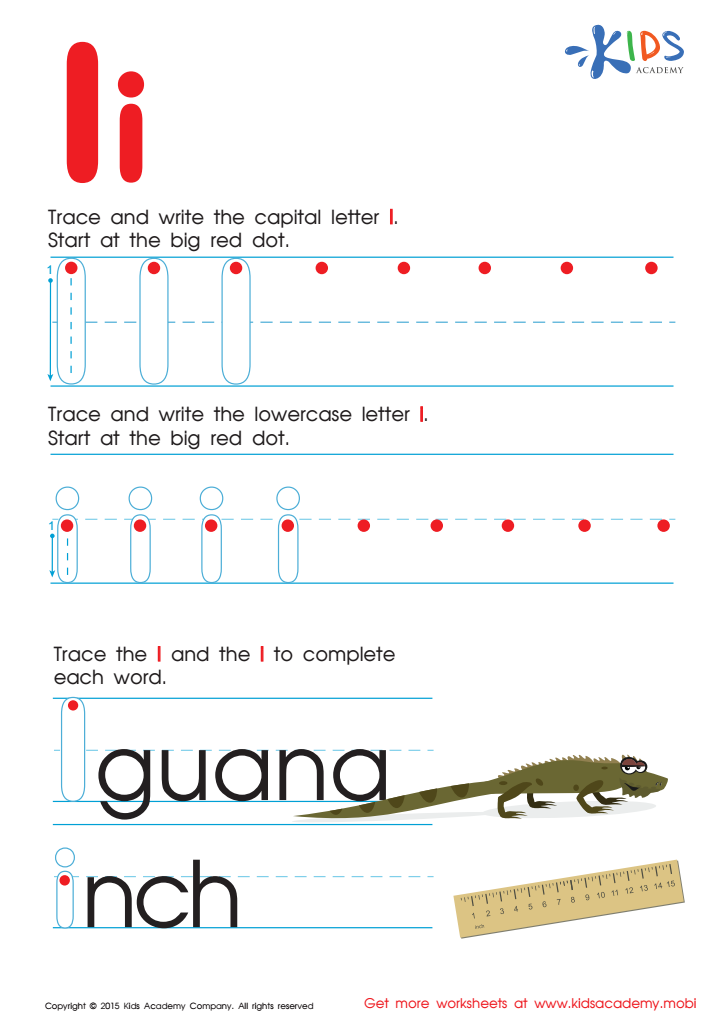
Letter I Tracing Page
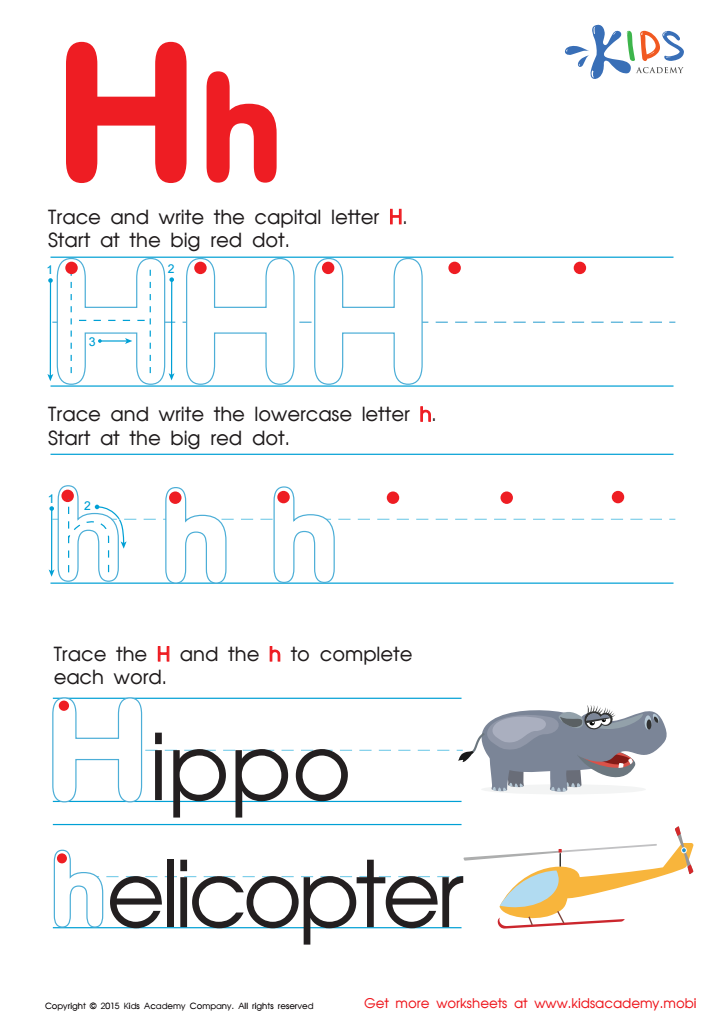
Letter H Tracing Page
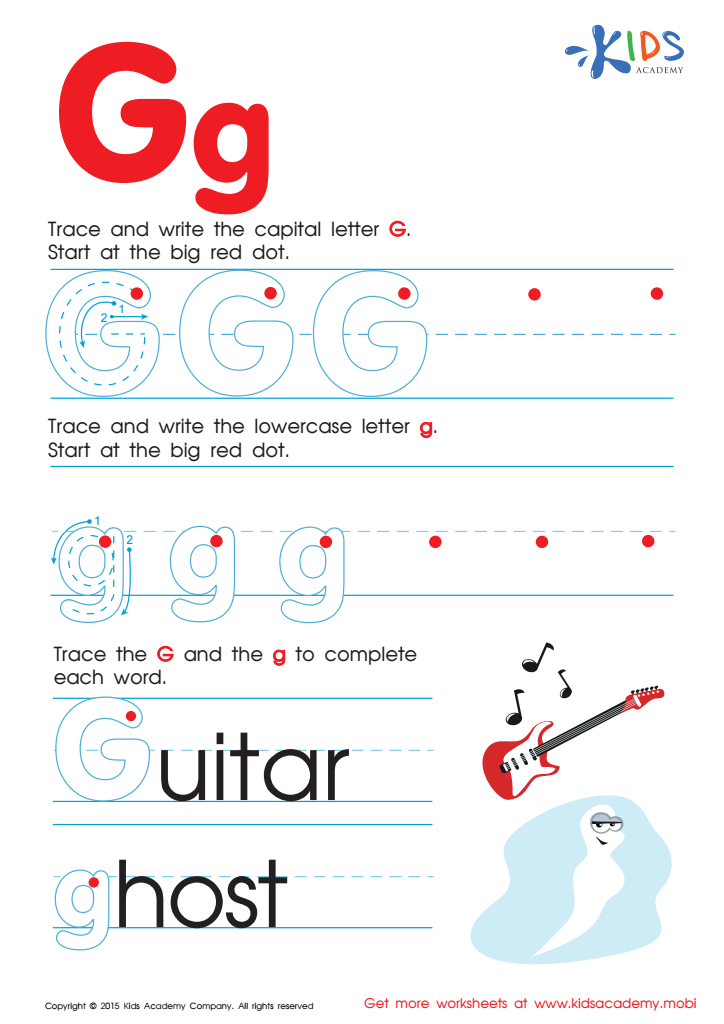
Letter G Tracing Page
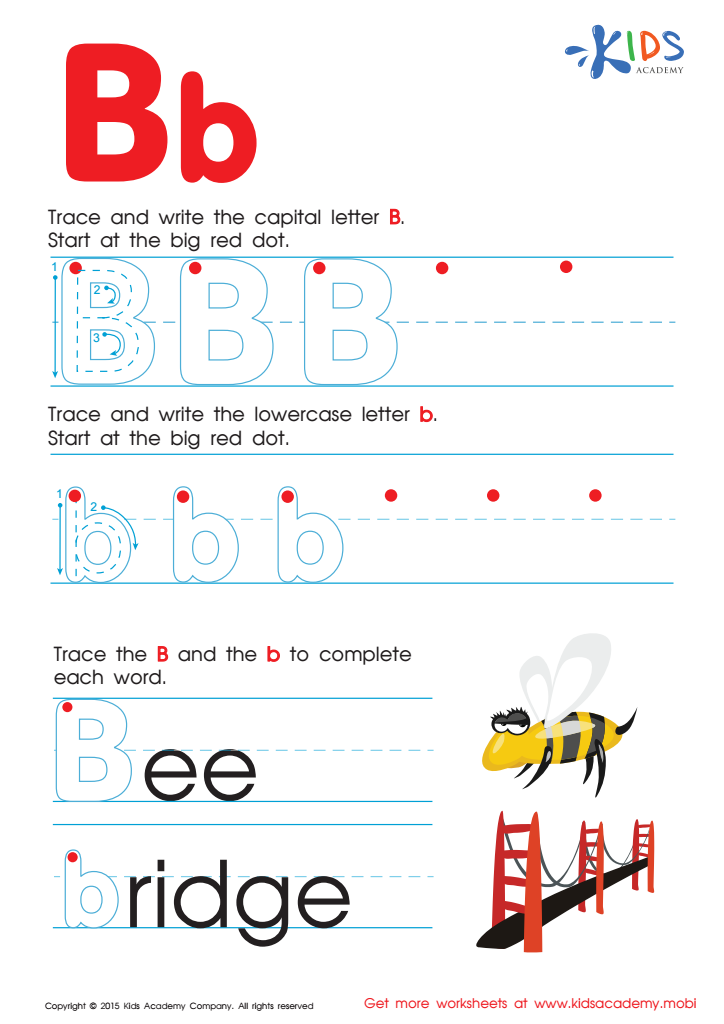
Letter B Tracing Page
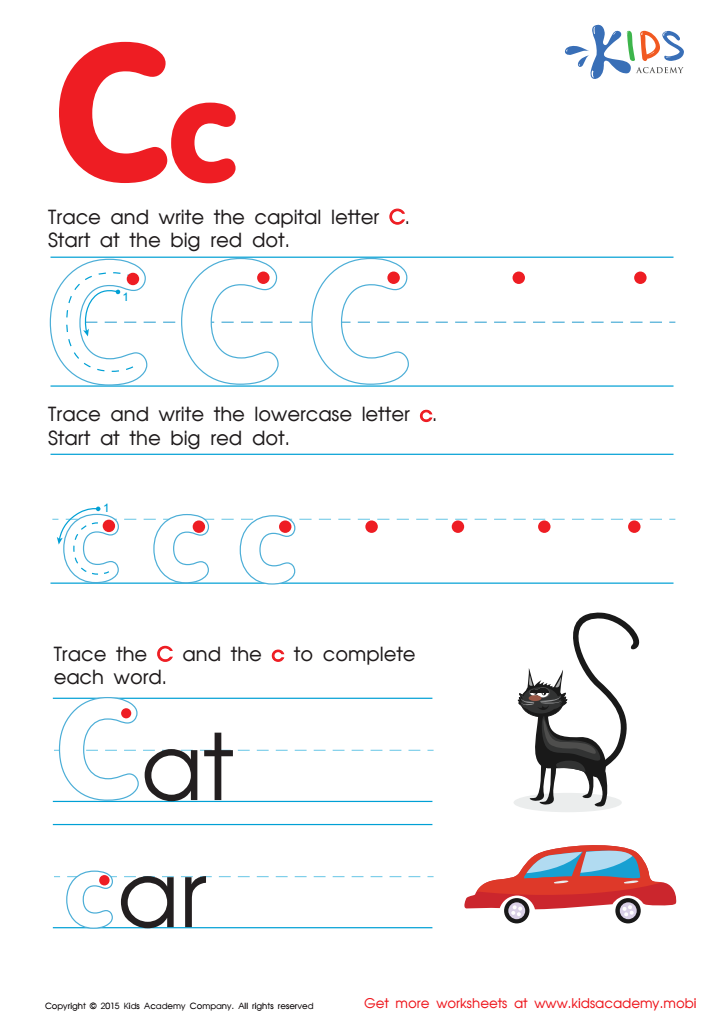
Letter C Tracing Page

Letter D Tracing Page
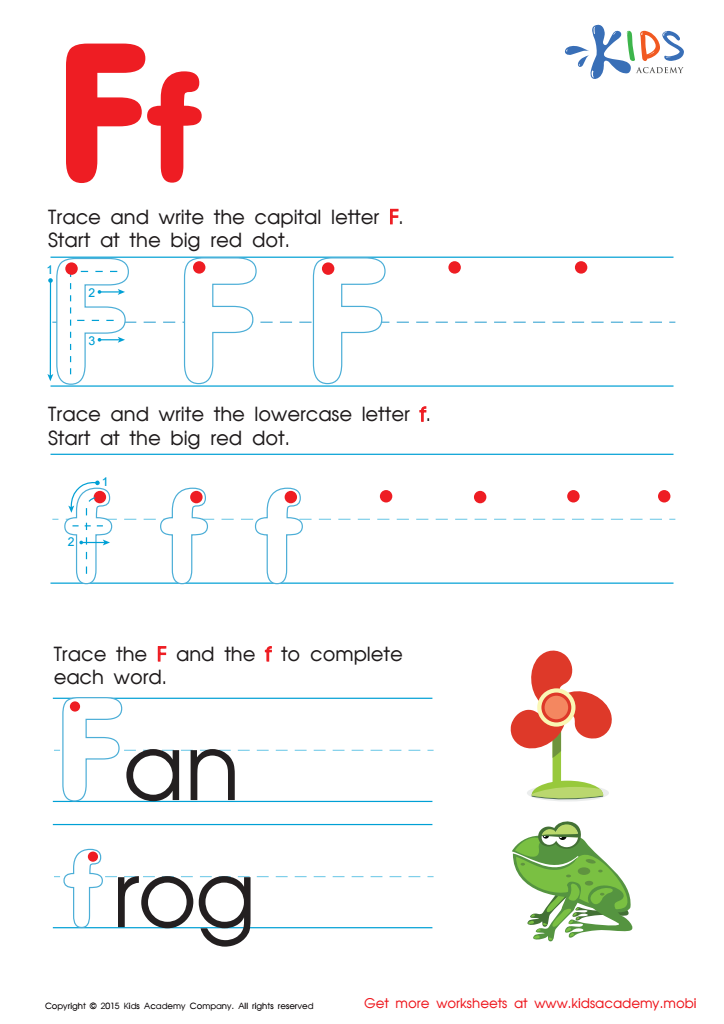
Letter F Tracing Page








Normal letter recognition is crucial for children ages 4-7 as it lays the foundation for literacy development. During this pivotal stage, children begin to identify and understand letters, which is essential for reading and writing skills. When parents and teachers emphasize letter recognition, they help foster phonemic awareness, enabling children to sound out words and recognize their structures. This foundational skill also enhances vocabulary growth, as children who can identify letters are more likely to recognize and understand words they encounter.
Furthermore, successful letter recognition builds confidence and motivation in young learners. Children who can easily identify letters are more willing to engage with reading materials, ultimately cultivating a love for reading that will benefit them throughout their lives. Early letter recognition supports cognitive development and critical thinking, as children learn to make connections between sounds and symbols.
By participating in activities that promote letter recognition, such as engaging games or interactive alphabet stories, parents and teachers can create enriching environments that stimulate learning. This involvement strengthens their role and guidance in children's education, ensuring they are well-equipped for future academic challenges. In essence, fostering normal letter recognition is not just about learning letters; it is an investment in a child's future educational success.








