Normal Tracing Letters Worksheets for Ages 4-7 - Page 2
32 filtered results
-
From - To
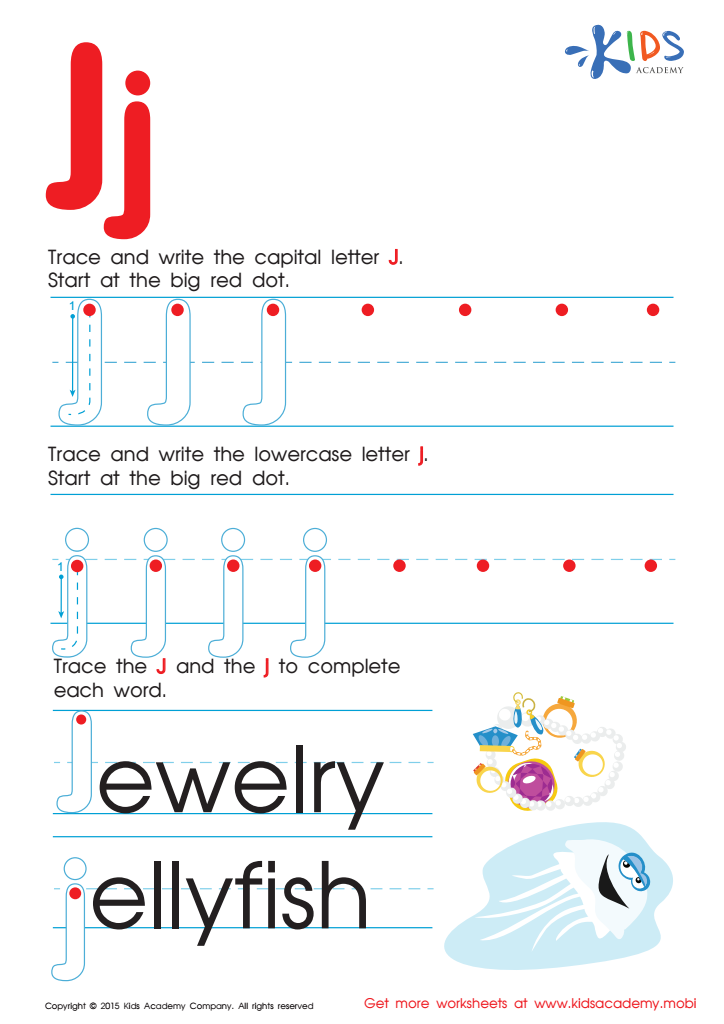
Letter J Tracing Page
 Assign to My Students
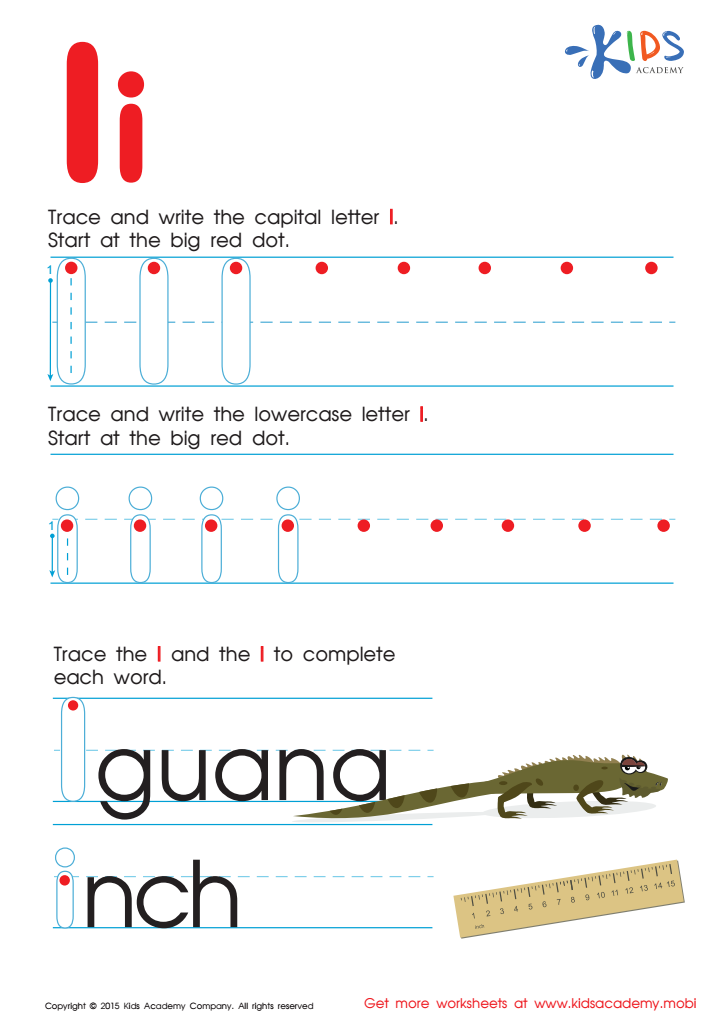
Letter I Tracing Page

Letter H Tracing Page
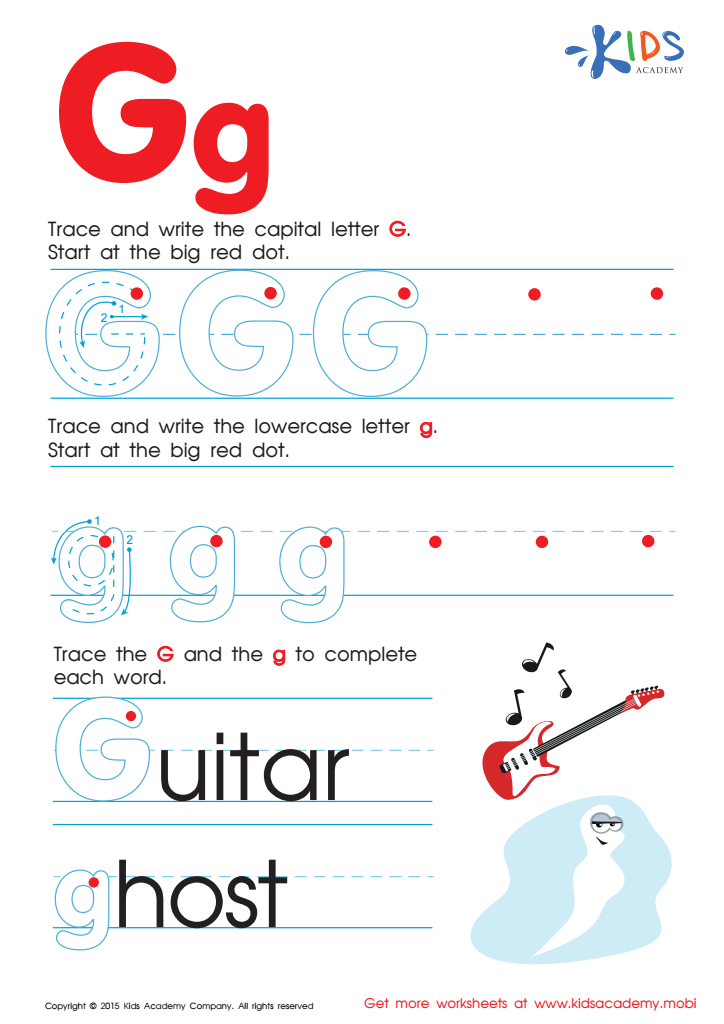
Letter G Tracing Page
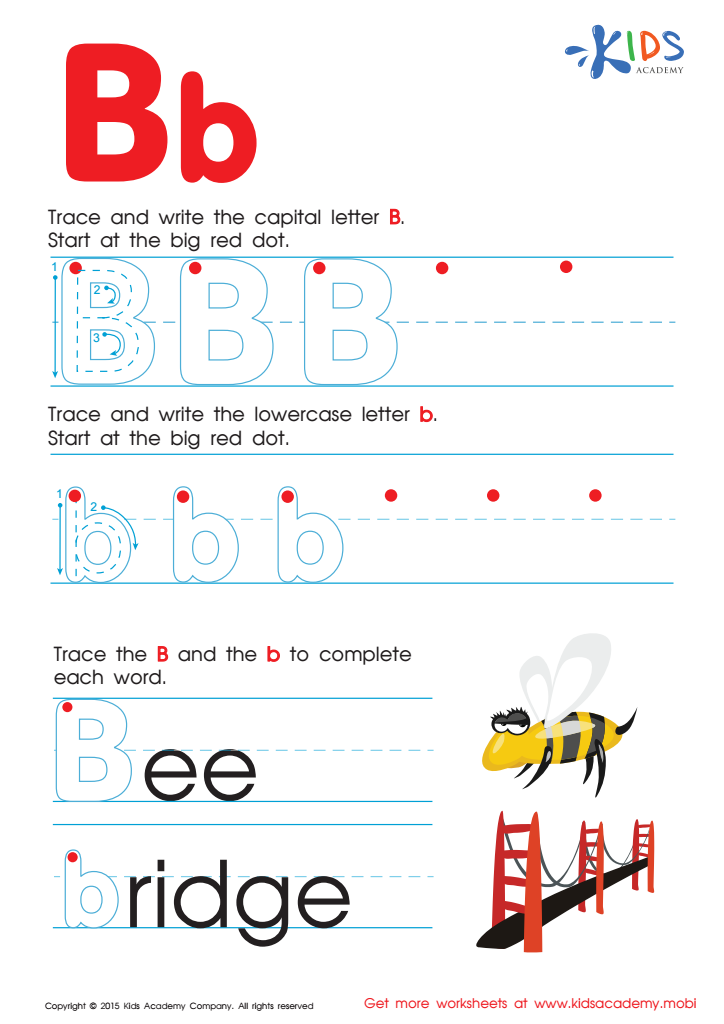
Letter B Tracing Page
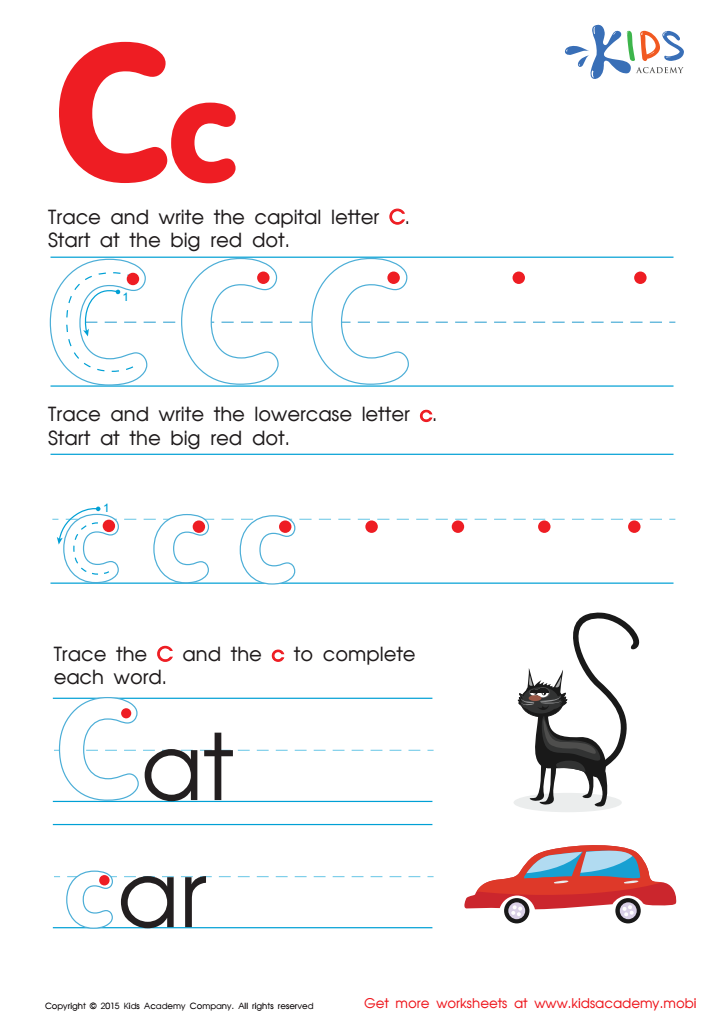
Letter C Tracing Page
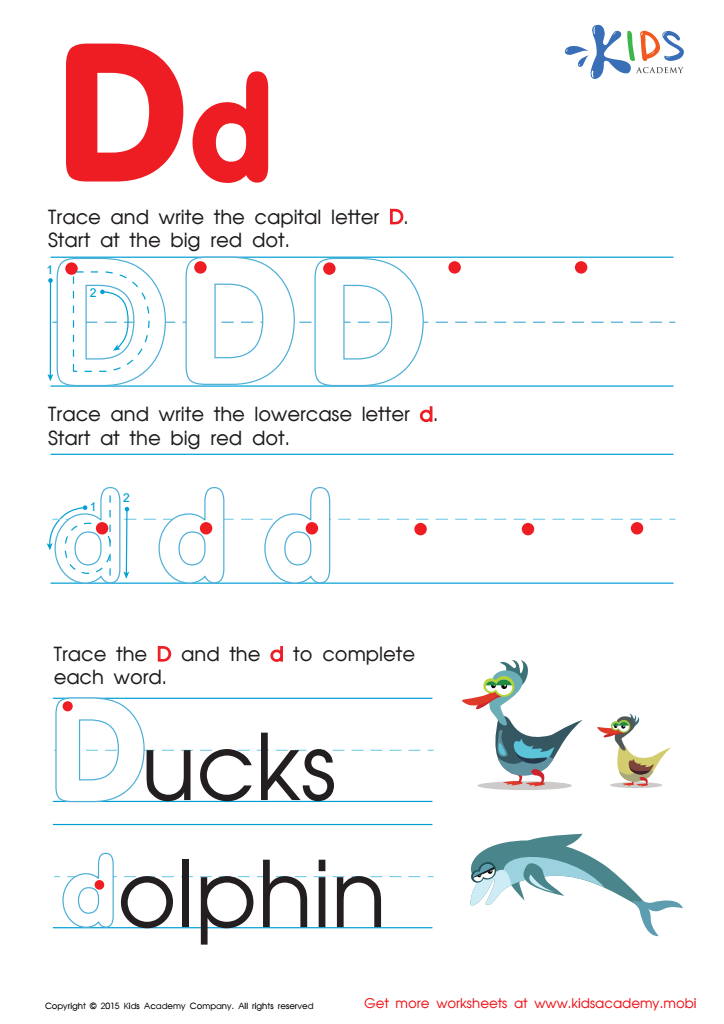
Letter D Tracing Page
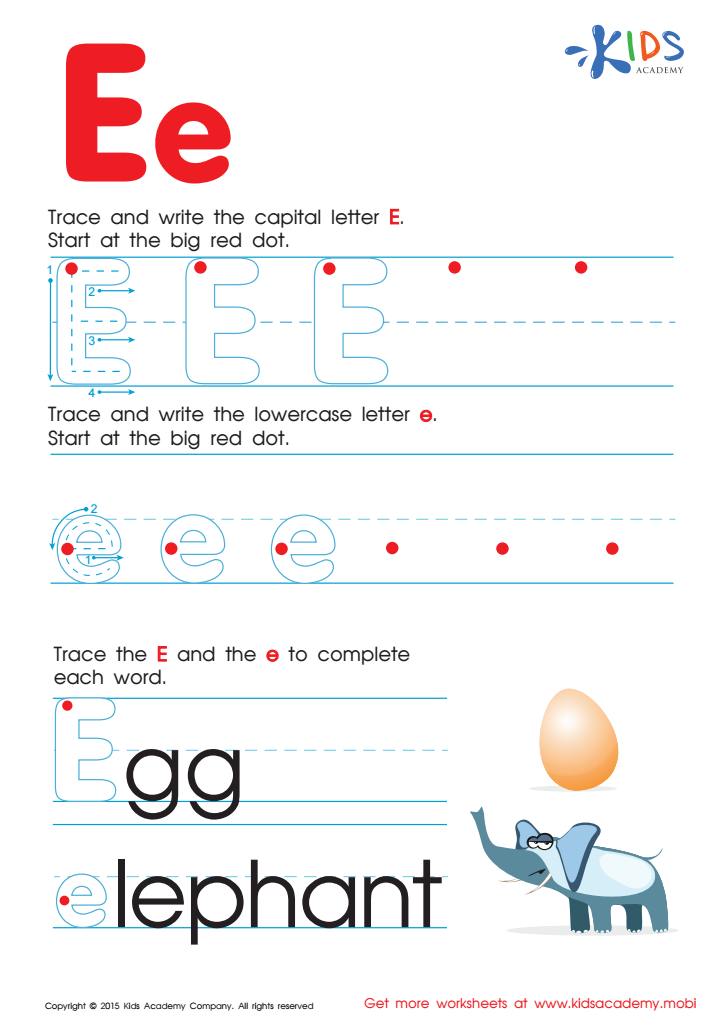
Letter E Tracing Page








Normal tracing letters for ages 4-7 are essential tools in early childhood education for several reasons. First, they help develop fine motor skills, which are crucial for writing and other activities. As children trace letters, they strengthen the small muscles in their hands and fingers, enhancing their dexterity and control.
Second, tracing letters aids in letter recognition and phonemic awareness. By practicing the shapes and formations of letters, children become familiar with the alphabet, laying a strong foundation for reading and writing. This practice enhances their understanding of the relationship between phonics and letters, which is fundamental in literacy development.
Moreover, tracing activities promote concentration and focus. Young learners often struggle with attention spans, and tracing offers structured yet engaging opportunities to hone their ability to concentrate on a task.
Additionally, these activities can provide a sense of accomplishment. As children master the art of tracing, their confidence in writing increases, making them more likely to engage in writing-related tasks.
In summary, incorporating normal tracing letters into early educational practices supports physical skill development, literacy readiness, focus, and self-esteem, making them an invaluable resource for parents and teachers alike.








